
257 Photos and videos








Pinned Tweet

25 Nov 2023
I promote brands for a living, looking at doing terrestrial media advertising, I'm your surest plug.
Let's connect on LinkedIn ng.linkedin.com/in/alagi-jos…
1
2
2
526
Alagi! retweeted

Jun 15
If you don't have the means to fund your vices, you're not a good person - you're just poor.
Morality isn't proven by absence of temptation but choices made in it's presence
You're not a faithful husband - you've just not been privileged to walk the streets of Madrid at night.
118
1,056
3,979
92,727
Alagi! retweeted
Jun 15
This week marks International Men's Week 2026.
I started to put together this thread last week & this morning - I have all my thoughts together.
From one man to another,
From the core of my heart to yours,
From the recognition of my struggles to yours,
I share this:
142
987
3,161
81,260

Alagi! retweeted

Jun 11
Do you break the Indomie before cooking or put them in whole?
Your answer says a lot about you oo
13
1
9
933
Alagi! retweeted

Jun 11
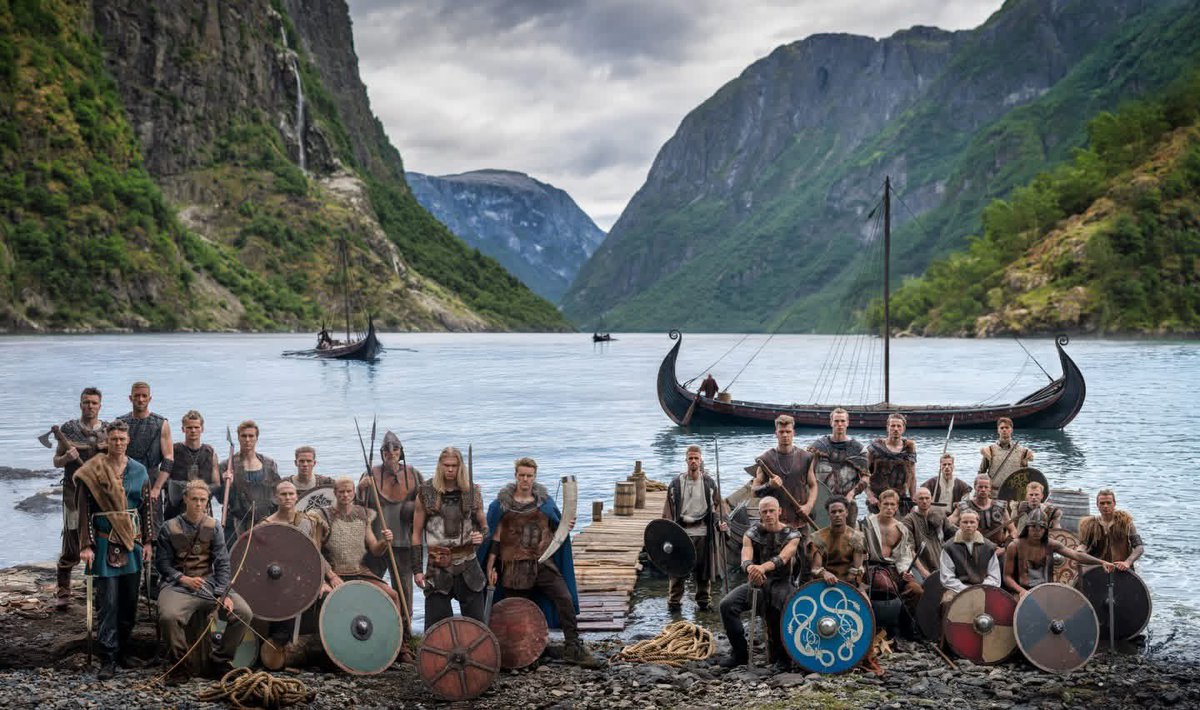
The photo tells you everything before a word is spoken: shields, longships, a Norwegian fjord, a squad dressed as Vikings. This is not a team showing up quietly. This is a statement. And honestly? They've earned the right to make it. After Euro 2000, Norway missed the next twelve major tournaments. Twelve. Let that number sink into context: that's roughly a generation of players who gave everything in qualifying and came home empty-handed. They wore a special gold version of their logo to commemorate qualification for World Cup 2026 after a 28-year wait. Twenty-eight years is not a slump. It's an era. Kids who were born the last time Norway played a World Cup match can now legally buy a beer in most of the world. And the way they came back? Norway's 2026 qualifying campaign was a perfect 8W-0D-0L group-stage run with a 31 goal difference, including a 4-1 home win over Italy in Oslo that confirmed top-of-group qualification. They didn't sneak in. They kicked the door off. Erling Haaland is Norway's all-time top scorer with 55 international goals in 49 appearances at qualification, and scored 16 goals in eight qualifying matches, tying Robert Lewandowski's record for most goals in a single European qualifying cycle. He's heading into his first-ever major tournament. Think about that: the best striker on the planet has never played at a World Cup or a Euros. 2026 is Haaland's debut on the grandest stage, and he is arriving. The group consists of France, Senegal, Iraq, and Norway. Nobody is sleeping easy in Group I. The lesson here isn't really about football. It's about what happens when genuine talent finally gets the stage it deserves. You can be underestimated for years, overlooked for a decade, written out of the conversation entirely. None of that defines you. The moment you actually show up, prepared and hungry, the narrative rewrites itself in real time. Norway didn't just qualify. They reminded everyone what they're capable of. The longships are in the water. The fjord is behind them.

4
17
124
10,075
Alagi! retweeted

Jun 10
"FIVE verses. ... They clapped her [off] out of mercy to themselves. She walked away thinking she actually is Whitney Houston." - David 🤣
*warning for headphone users
Listen On iHeart: iheart.com/podcast/1119-one-…
Watch On YouTube: youtu.be/P-0v9_kIYXA
25
83
642
16,055
Jun 9
This man get doings ooo

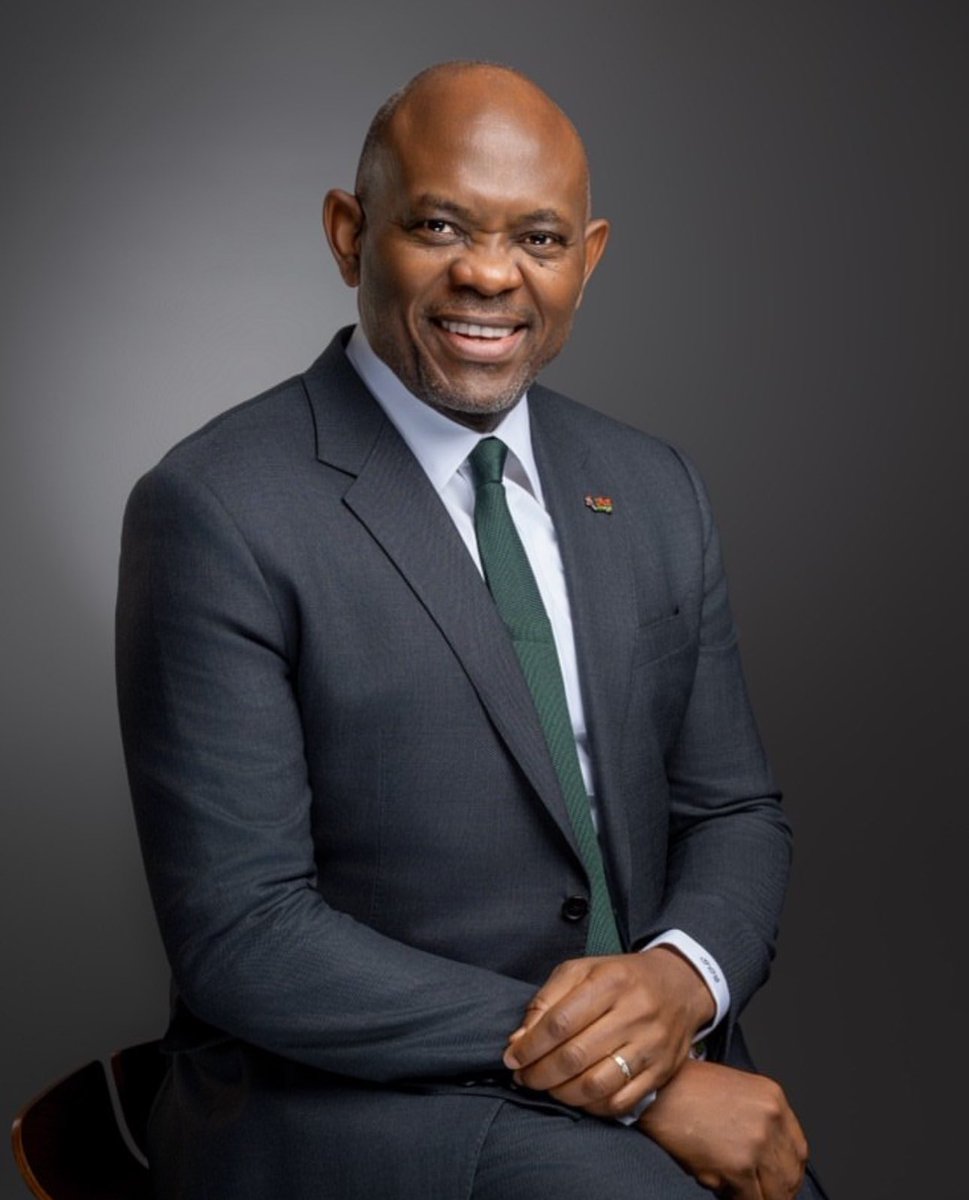
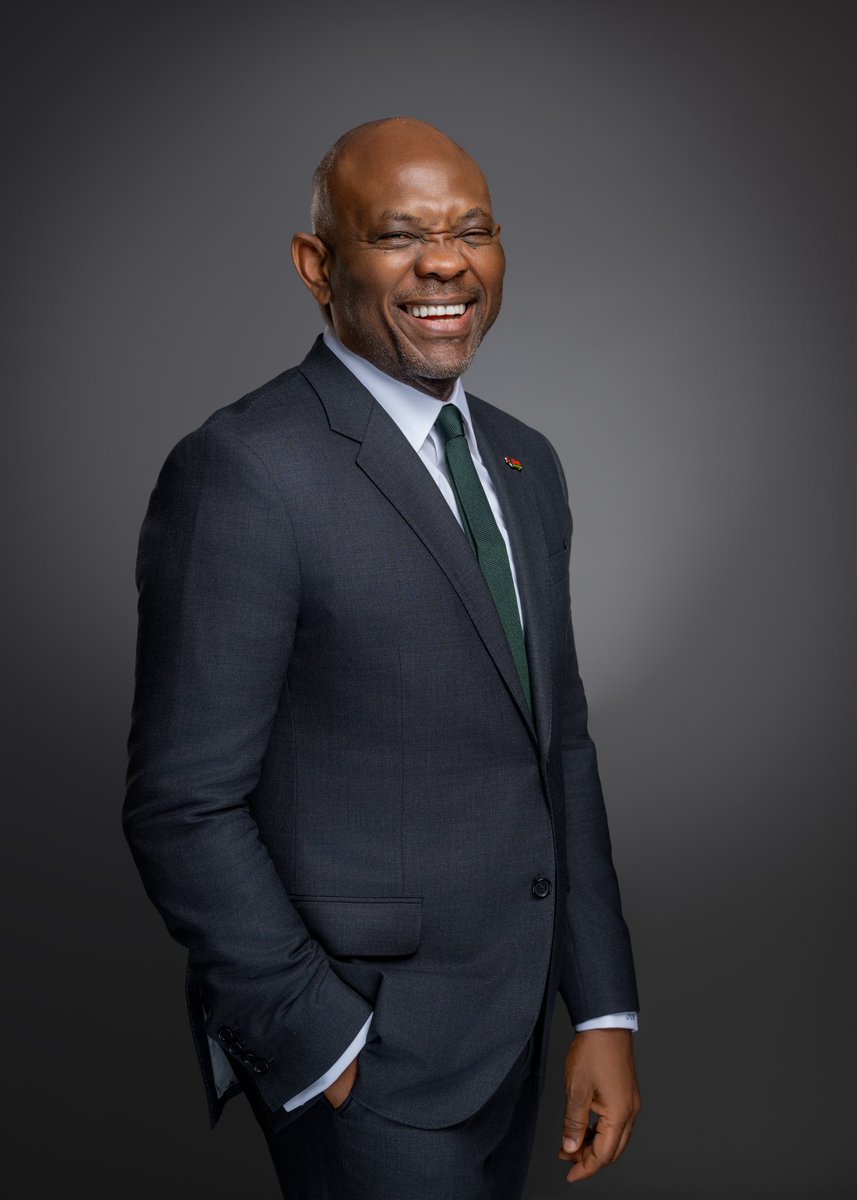
I am honoured to succeed Senator Udoma as Chairman in January 2027 and to lead the Board through @SeplatEnergy ’s next phase of growth.
I firmly believe in the critical role indigenous resources play in the economic transformation of Nigeria and Africa, and Seplat’s culture of execution and governance aligns strongly with my own values.
I thank Senator Udoma and Roger for their stewardship and look forward to delivering further value for shareholders.
I also congratulate Mr. Okon on his appointment as Chief Executive Officer.
His deep industry experience gives me great confidence that @SeplatEnergy is well positioned for its next chapter of growth.
#TOEWay
1
19

Jun 9
Na God I take beg u🙏
Jun 7

Any job that we’ll needing to meet targets,please don’t call me to it. God bless you.
1
20
Alagi! retweeted

Jun 8
Hope say no be Toyin go killl Aunty Bukky Wright like this 😂😂
43
126
1,210
62,302
Alagi! retweeted

Jun 8
I know say dem go shoot content for that party 😂😂😂

124
606
5,350
233,815
Alagi! retweeted

Jun 8
Lady explains how Nigerian content creators made people lose remote jobs because they could not keep quiet
Jun 8

There’s this app that helps people get remote jobs called Outlier.
A lot of people around the world use the app, but it’s not officially available in Nigeria. Nigerians in the UK and US use it, and some people in Nigeria reportedly use VPNs to access it.
Now, some Nigerian content creators are talking about it on TikTok and creating content that encourages Nigerians to use VPNs to access the app.
As a result, the founders of the app are reportedly bl@cklisting Nigerian names and b@nning accounts linked to them
302
814
3,178
1,220,445

“I never planned to work again because my savings was earning 35% from Nigerian banks.
But when my daughter was asked in school what I do, she said: ‘My daddy sleeps every morning.’ That woke me up to start a business.”
— Femi Otedola
144
1,153
14,840
735,393
Jun 7
As in eh, I weak!!
Jun 7

You guys should wake up oo. Cooking gas is now N2,400/kg. This man wants everyone to dead before next elections.
8
Alagi! retweeted

One of my biggest dreams is to build a company that creates opportunities for women who started later than expected.
Internships and graduate trainee programs for women in their late 20s and 30s. Remote jobs for women in their 40s and 50s.
305
4,680
23,829
327,675
Alagi! retweeted

Jun 6
If you have a good show idea for the World Cup, I'm willing to give you our studio space for FREE.
Just send a good proposal.
Lights, cameras, mics & all will be sorted by Pooja Podcast Studio.
98
280
2,982
64,800
Alagi! retweeted

Pregnancy will humble anybody 😭😩
109
80
1,511
80,553
Alagi! retweeted

Jun 6
“Before now, Bush belong to men but now, bandit don hold bush strong” 😭😭😭
220
1,658
8,222
181,807
Alagi! retweeted

Jun 4
C. RONALDO was insane against SPAIN ❤️
Community note
The game was never 0-3 for Spain. Video is edited. Real score with minutes was:
Cristiano Ronaldo - 4' Pen, 44', 88'
Diego Costa - 24', 55'Nacho - 58'
espn.com/soccer/match/_…
593
3,224
36,388
1,843,030