APS is a cooperation project between associations, groups and individuals in the Sahel-Saharan region and Europe to defend lives and the freedom of movement.
Joined November 2018
- Tweets 2,305
- Following 226
- Followers 3,001
- Likes 678
693 Photos and videos


Alarme Phone Sahara Statement
Regarding the recent tragedy near #Assamaka:
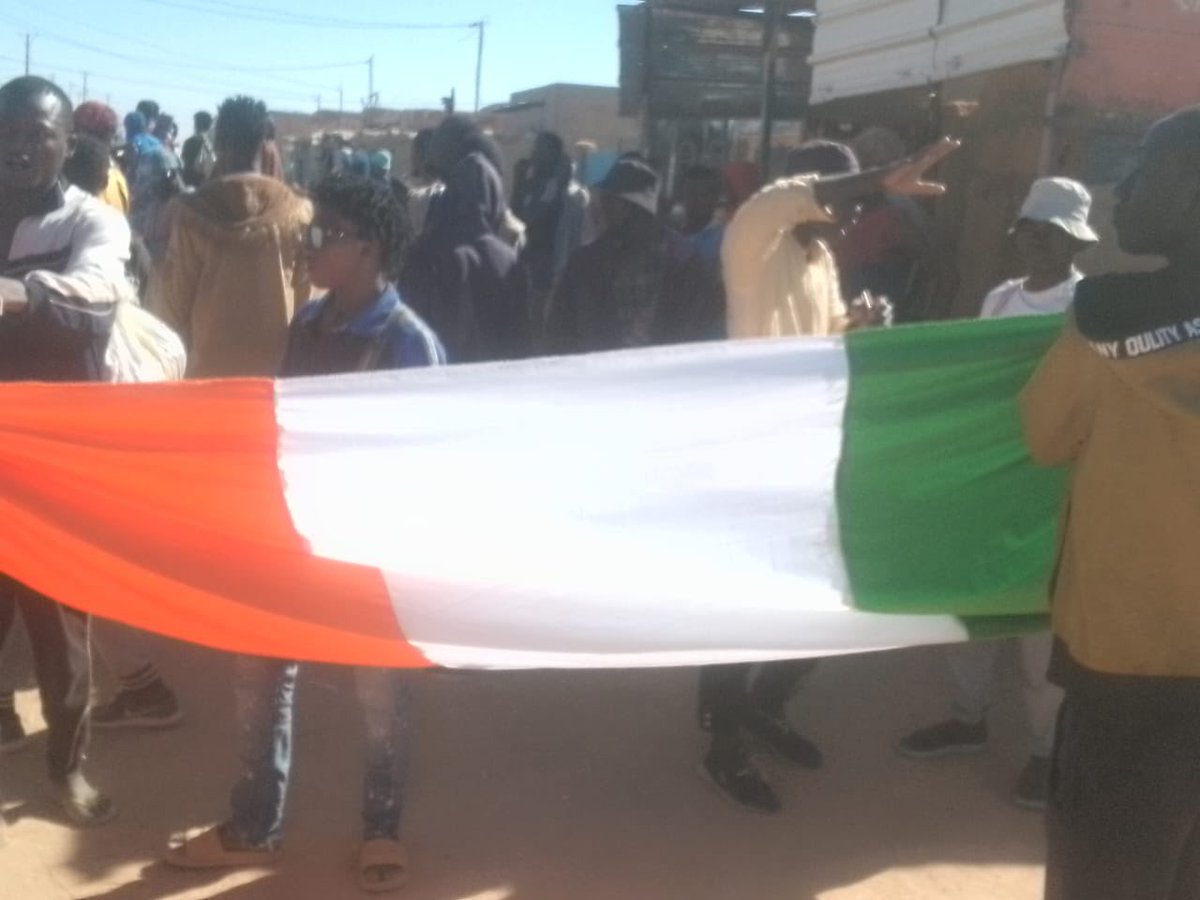
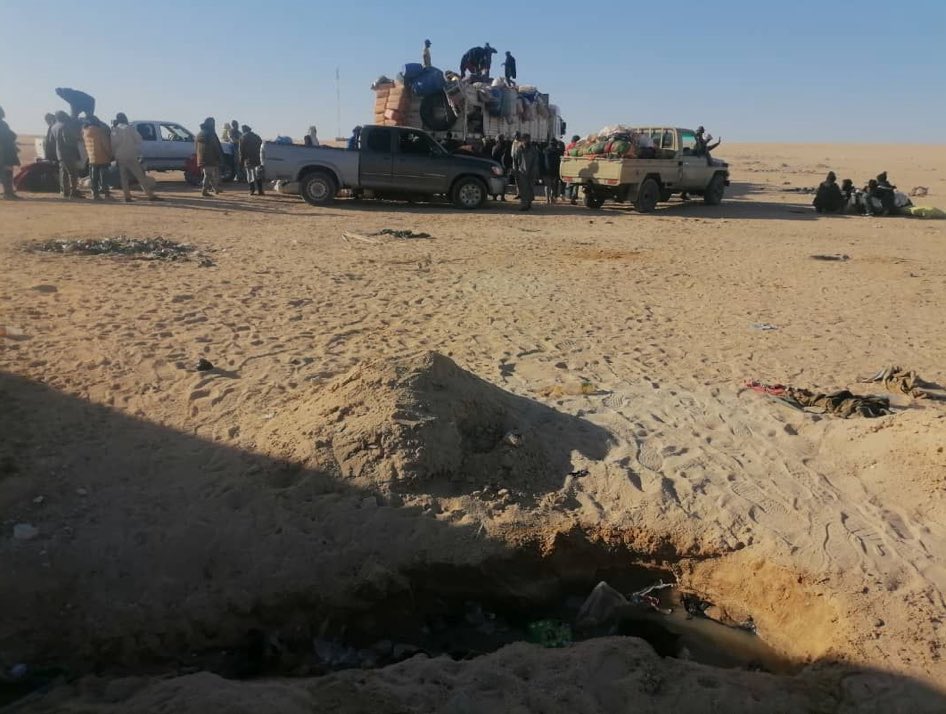
On June 4th, 2026, we were deeply saddened to learn of the tragic loss of 49 Nigerien citizens. This incident occurred approximately 80 kilometers west of #Assamaka…
alarmephonesahara.info/en/ne…
1
77
Communiqué de Alarme Phone Sahara suite au récent drame survenu dans la zone frontalière #nigérienne :
Au jeudi 4 juin 2026, nous apprenons le décès de 49 personnes nigériennes, survenu à environ 80 kilomètres à l'ouest d’#Assamaka…
alarmephonesahara.info/fr/ne…
1
1
123
Alarmephone Sahara retweeted

May 18
"Escaping Libya's Detention Industry". This investigative film was screened this evening at an event in #TheHague, followed by strong statements by @RefugeesInLibya and the #ECCHR on the pre-trial of #ElHishri at the #ICC over the next 3 days.

14
23
1,649
Alarmephone Sahara retweeted
May 19
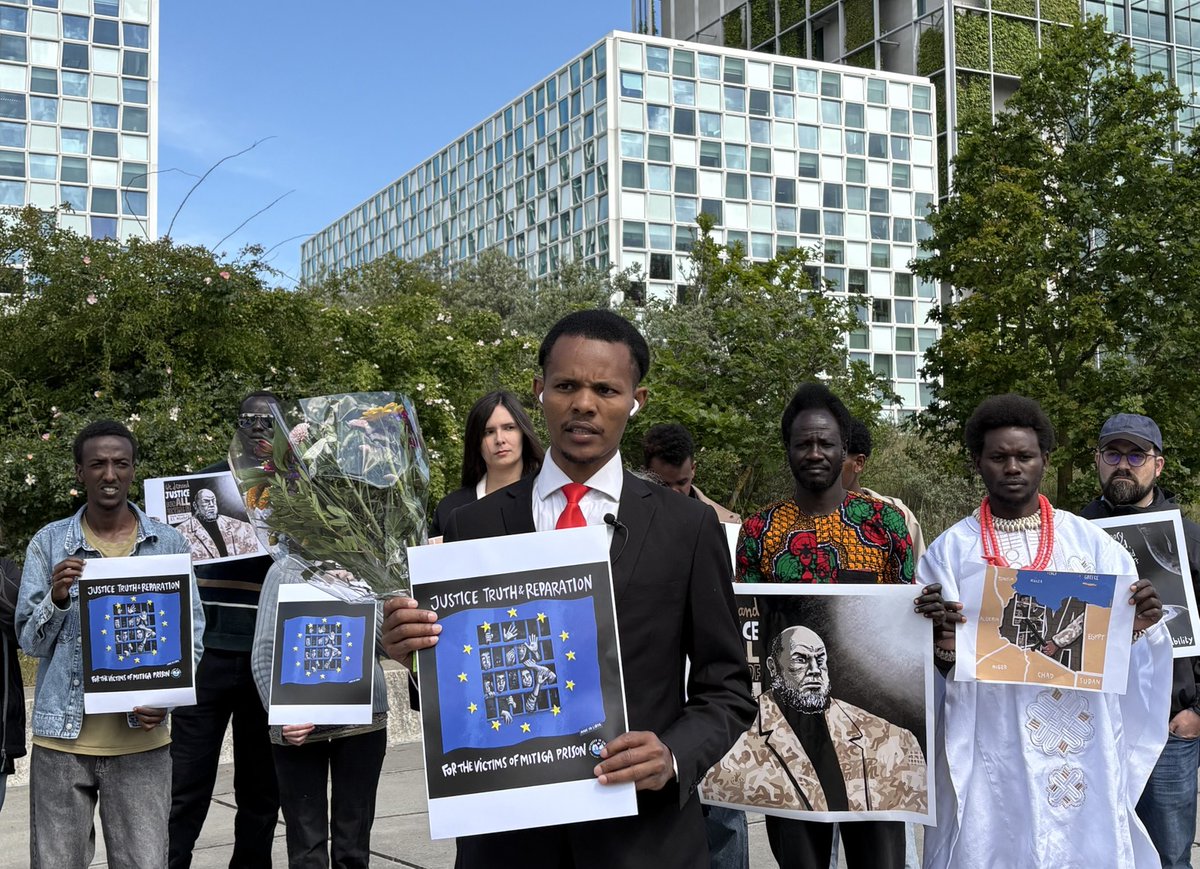
This morning at the #ICC, the pre-trial of #ElHishri has started, one of many responsible for crimes against humanity in the #Mitiga prison in #Tripoli, #Libya. But #Frontex belongs in the dock as well: for EU-complicity in the ongoing violence against people on the move.
3
27
31
1,739
Alarme Phone Sahara condemns the deportation of more than 14,000 people from Algeria to Niger between January and mid-May 2026.
alarmephonesahara.info/en/ne…
The APS team in Assamaka is working to rescue injured and traumatized people abandoned in the desert by deportation convoys.
1
2
1
141
International pressure is needed on the Algerian government, but also on European states which, through their deals with Maghreb countries, are facilitating human rights violations!
54
Alarme Phone Sahara déplore l'expulsion de plus que 14.000 personnes d'Algérie au Niger entre janvier et mi-mai 2026.
alarmephonesahara.info/fr/ne…
L'équipe d‘APS à Assamaka se bat pour secourir des personnes blessées et traumatisées abandonnées en désert par les convois d'expulsion.
1
4
5
552
Il faut de la pression internationale sur le gouvernement algérien, mais aussi sur les états européens qui, par leurs accords avec les pays du Maghreb, favorisent des violations des droits humains!
54
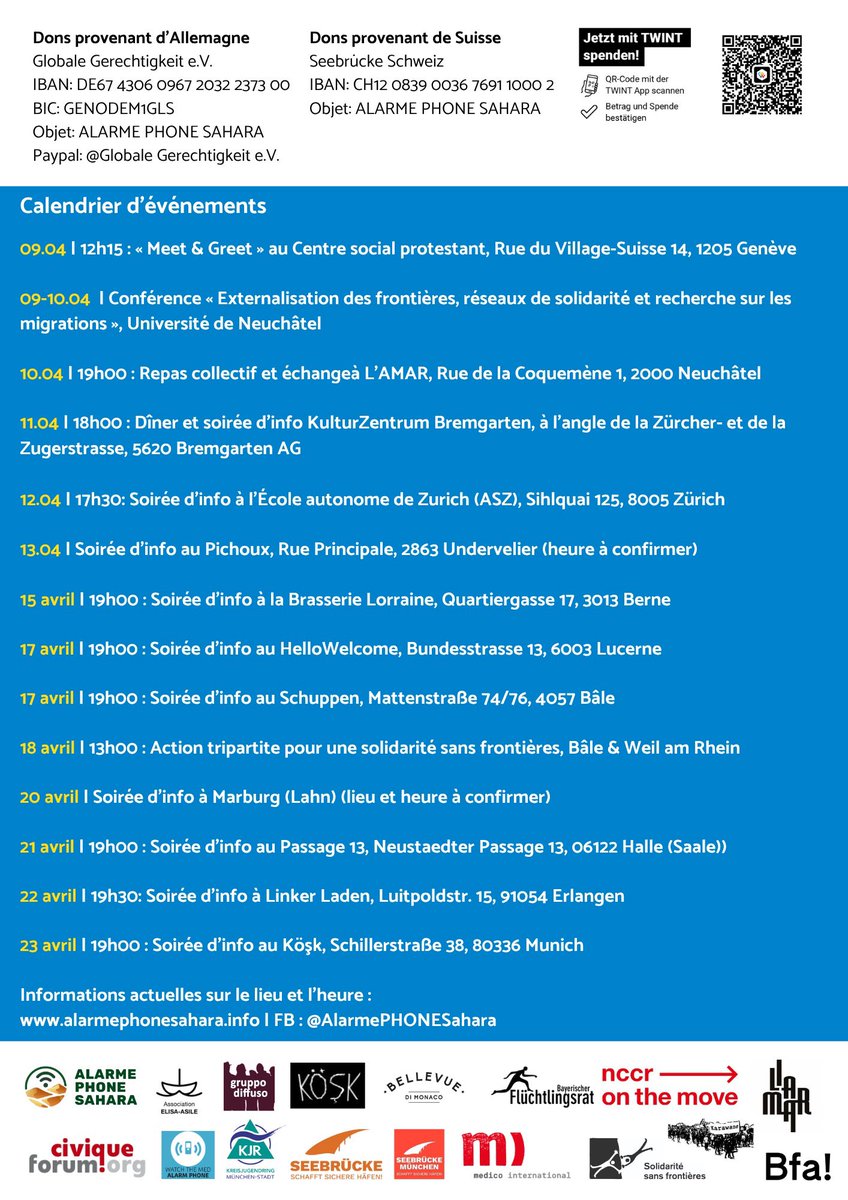
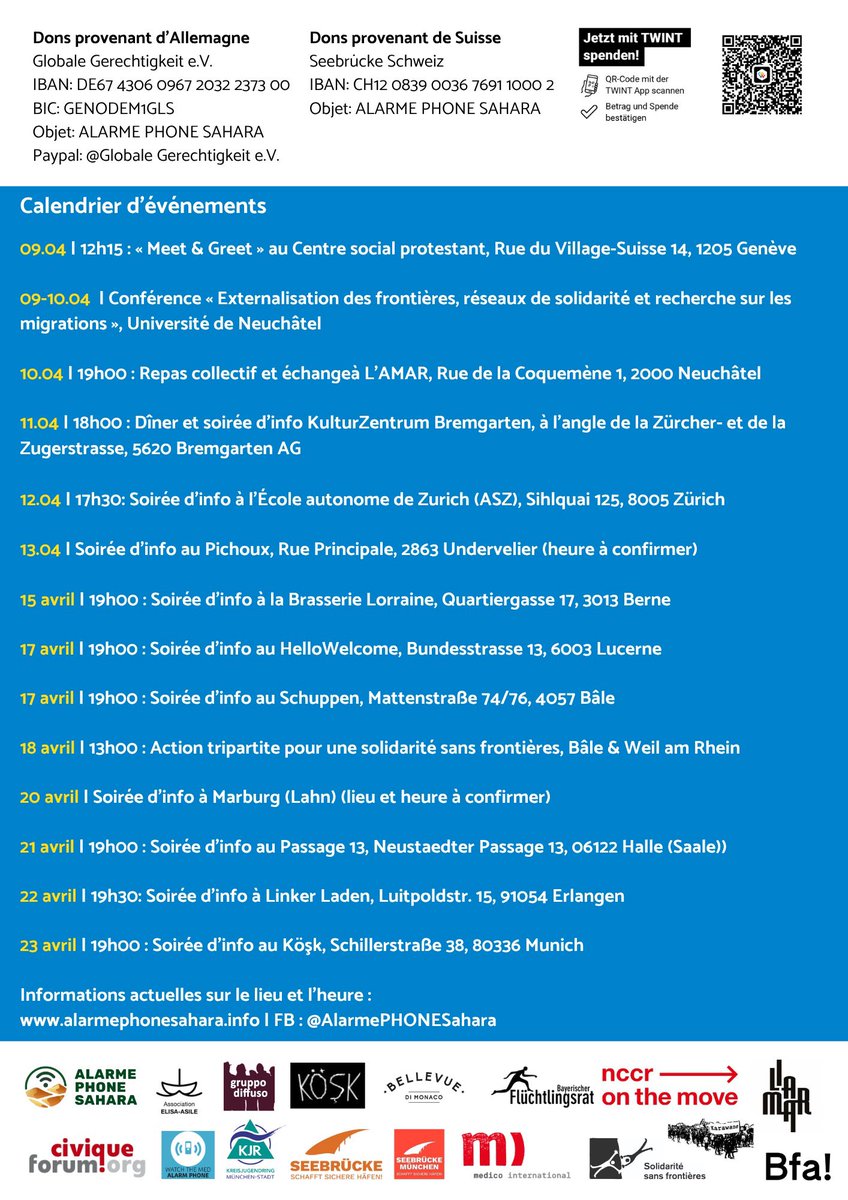
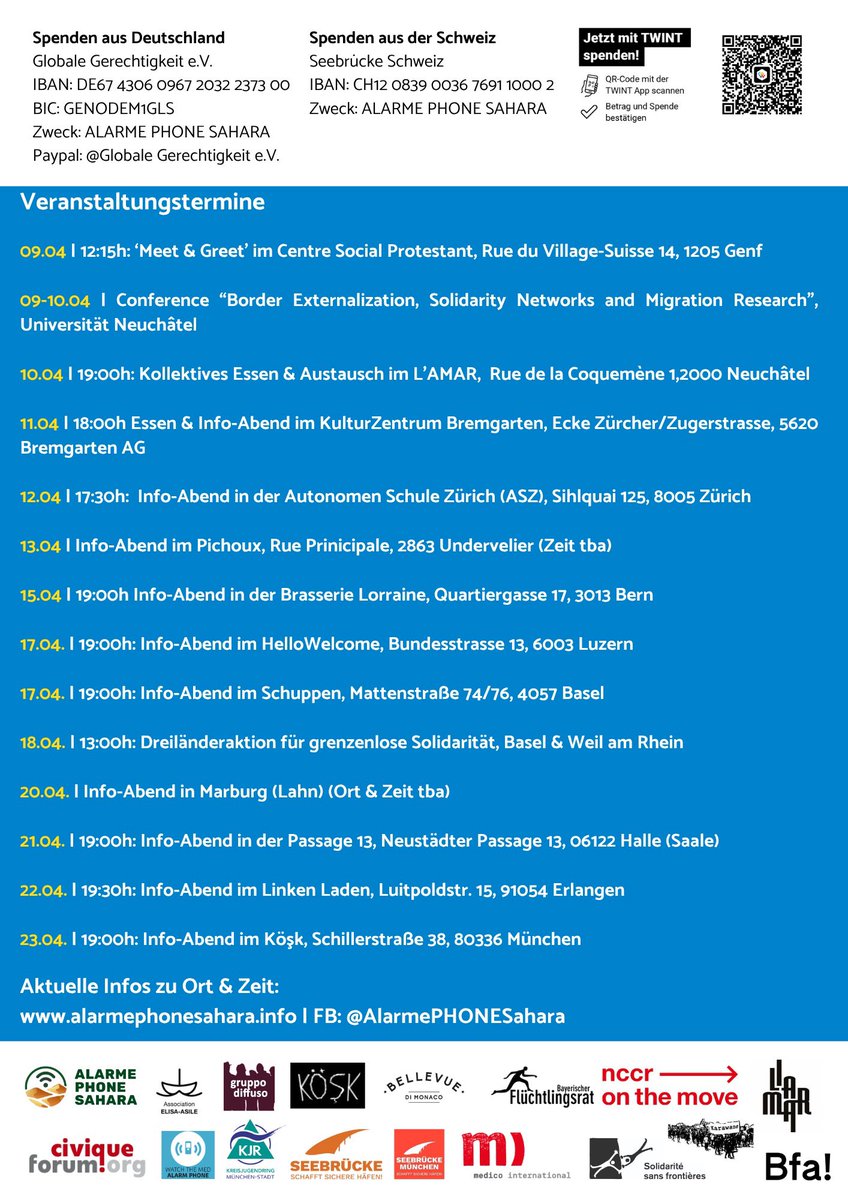
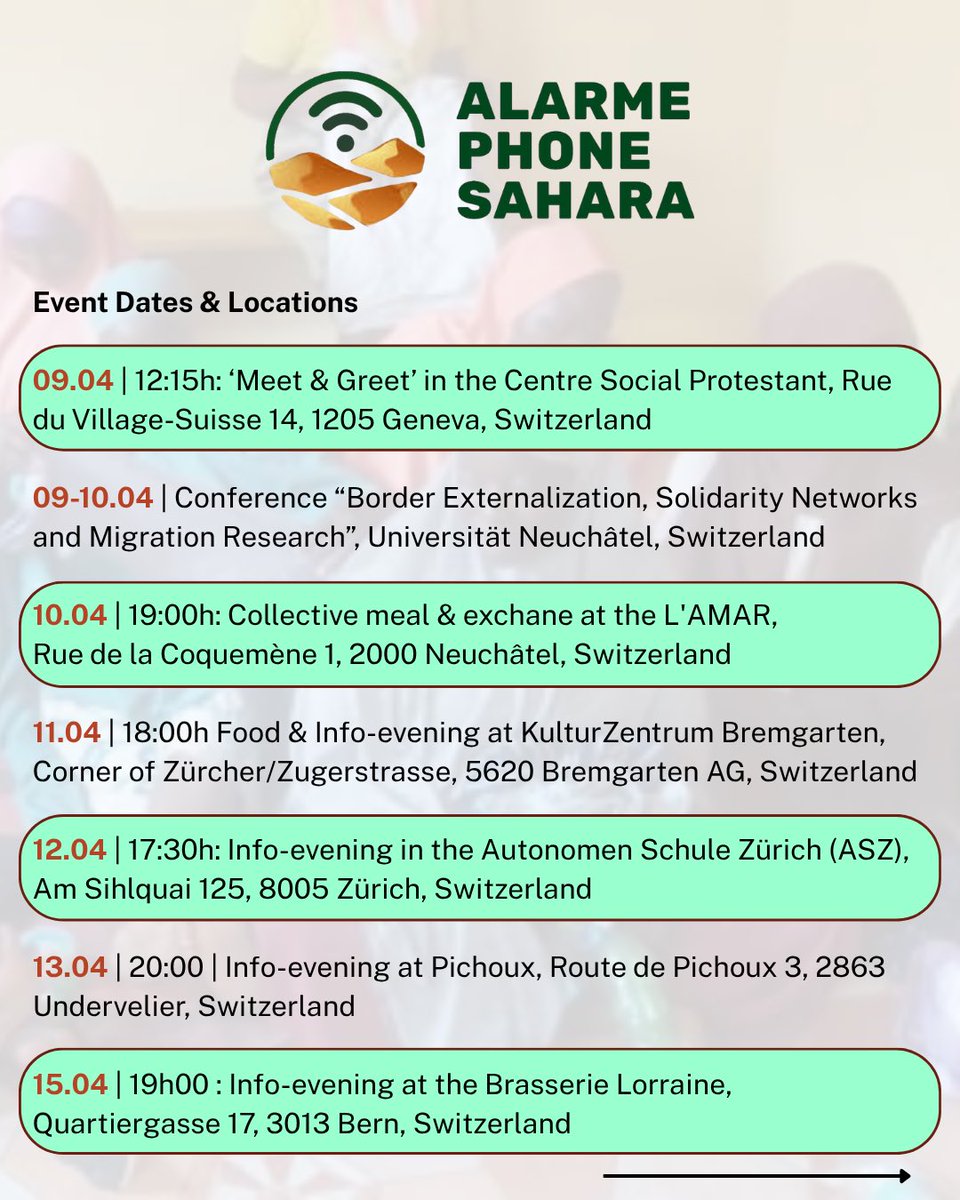
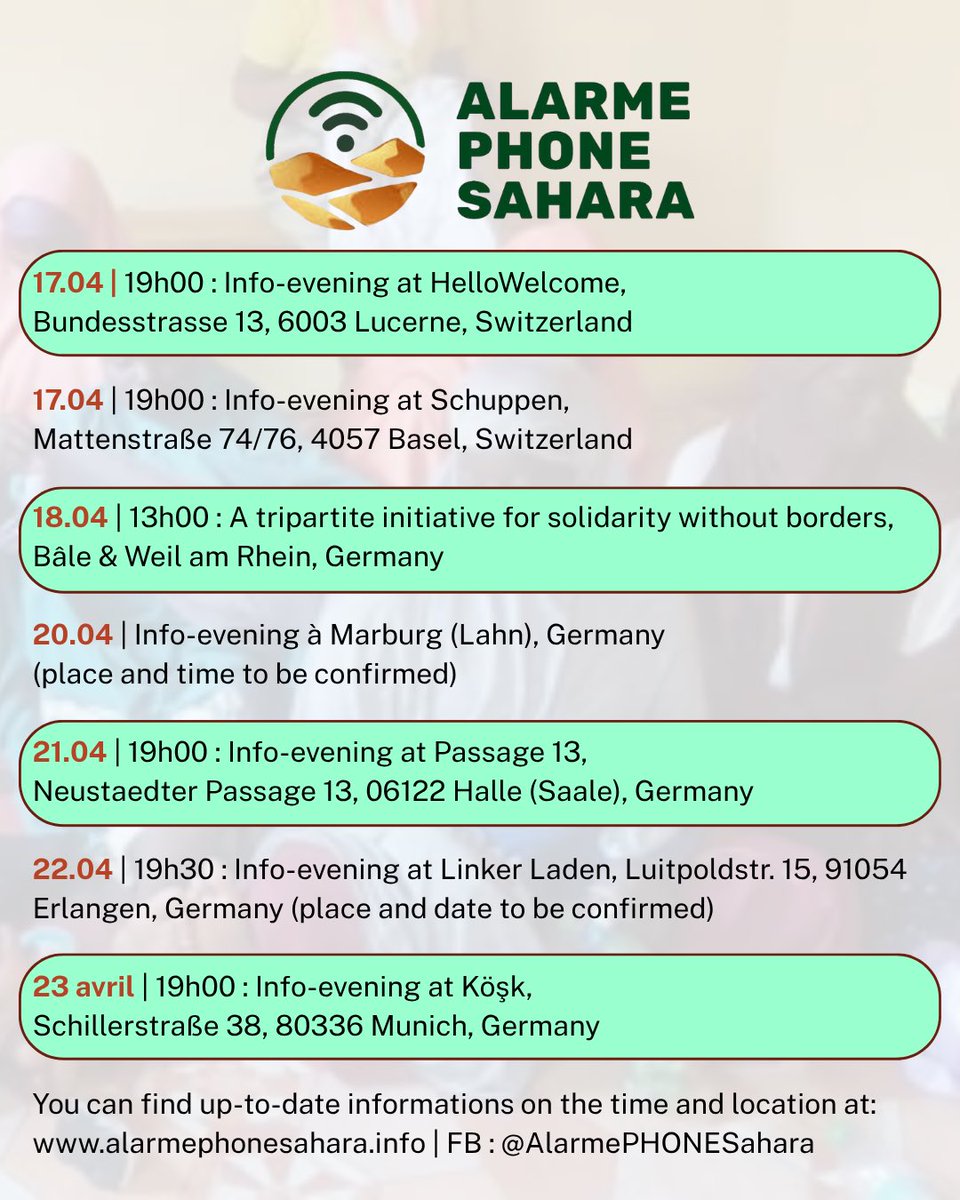
Alarme Phone Sahara made an info-tour through 13 locations in 🇨🇭and 🇩🇪 in April 2026 to talk about the bad consequences of 🇪🇺 border externalisation policies in the Sahel, but also about practical solidarity with people on the move:
alarmephonesahara.info/en/ne…
100
En avril 2026, Alarme Phone Sahara a organisé une tournée d’info dans 13 localités en 🇨🇭et 🇩🇪 afin de dénoncer les conséquences néfastes des politiques 🇪🇺 d’externalisation des frontières dans le Sahel, mais aussi de promouvoir la solidarité concrète:
alarmephonesahara.info/fr/ne…
79
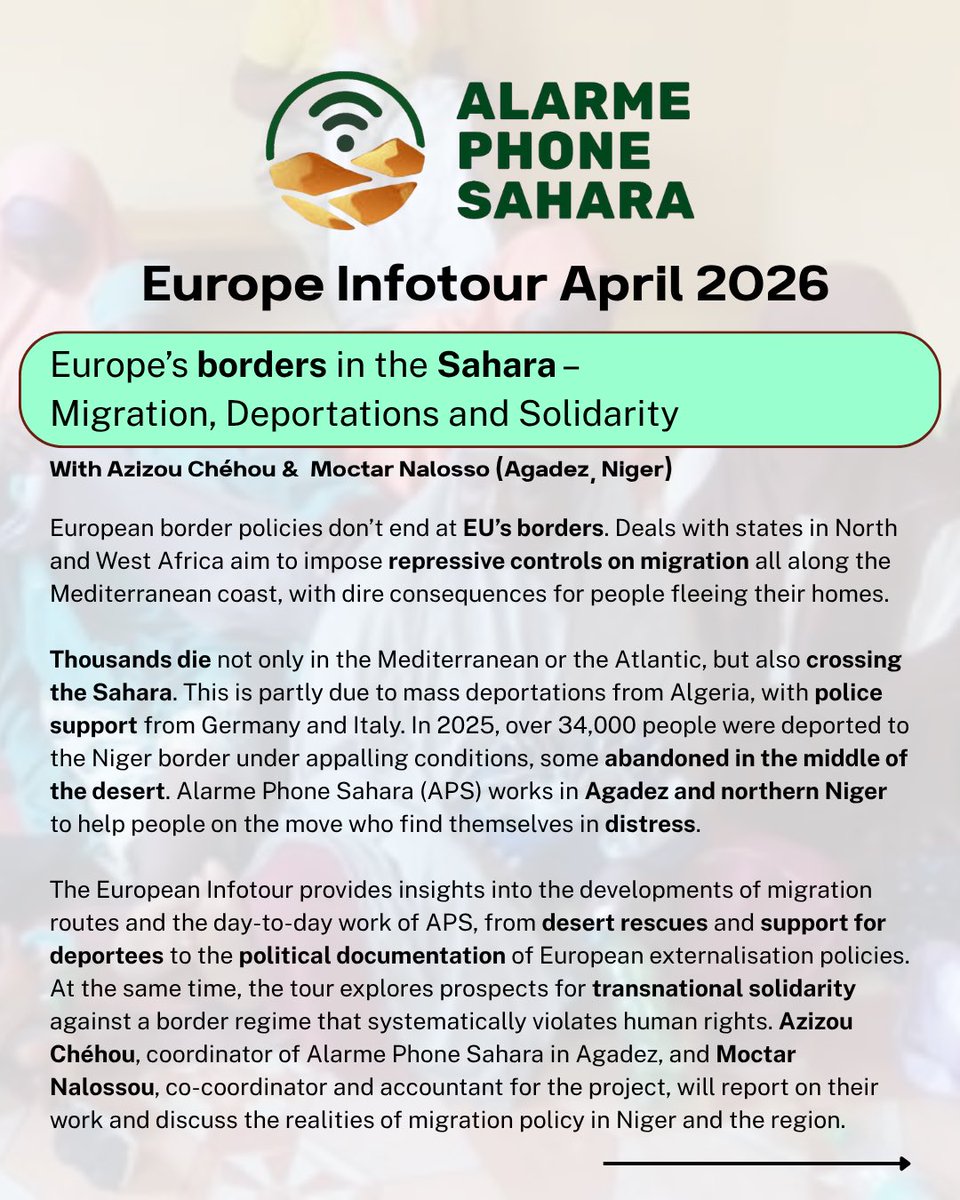
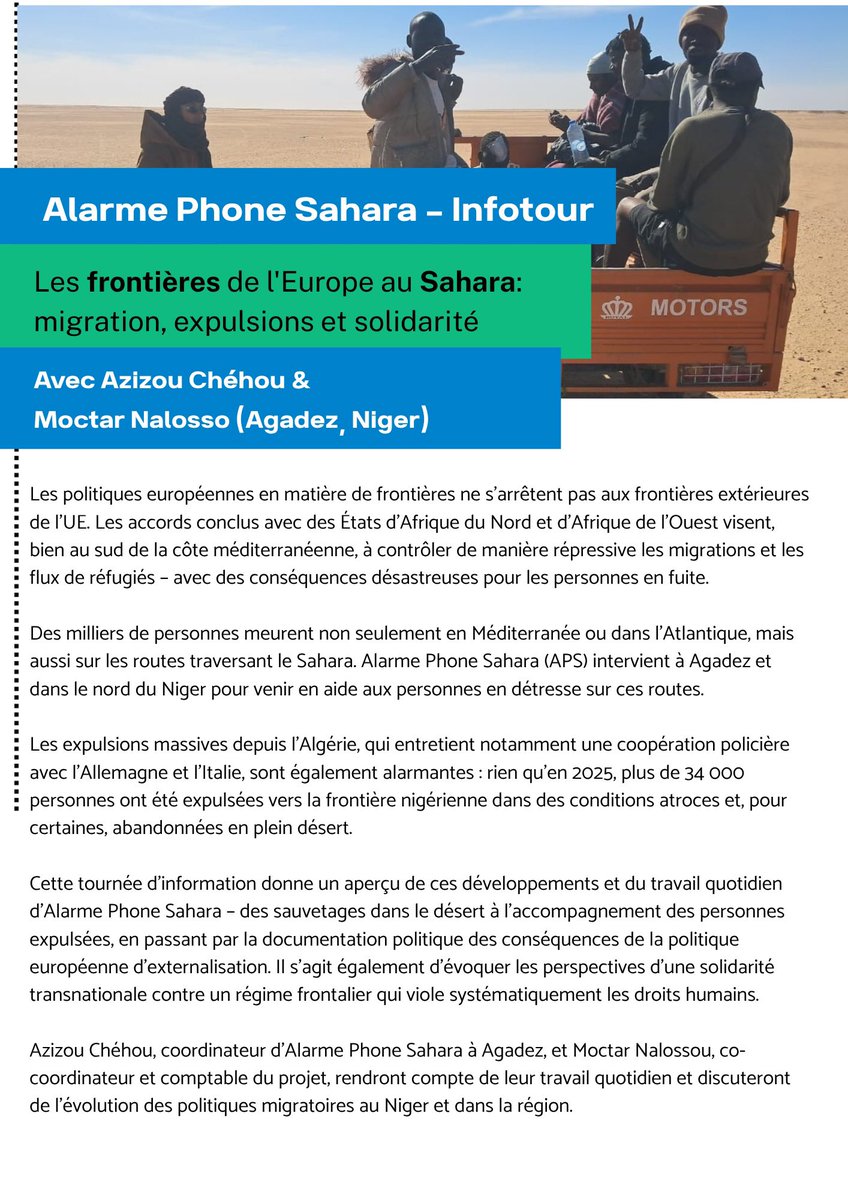
📣 Alarme Phone Sahara – Information Tour
Europe’s borders in the Sahara – migration, deportations and solidarity
With Azizou Chéhou & Moctar Nalosso (Agadez, Niger)
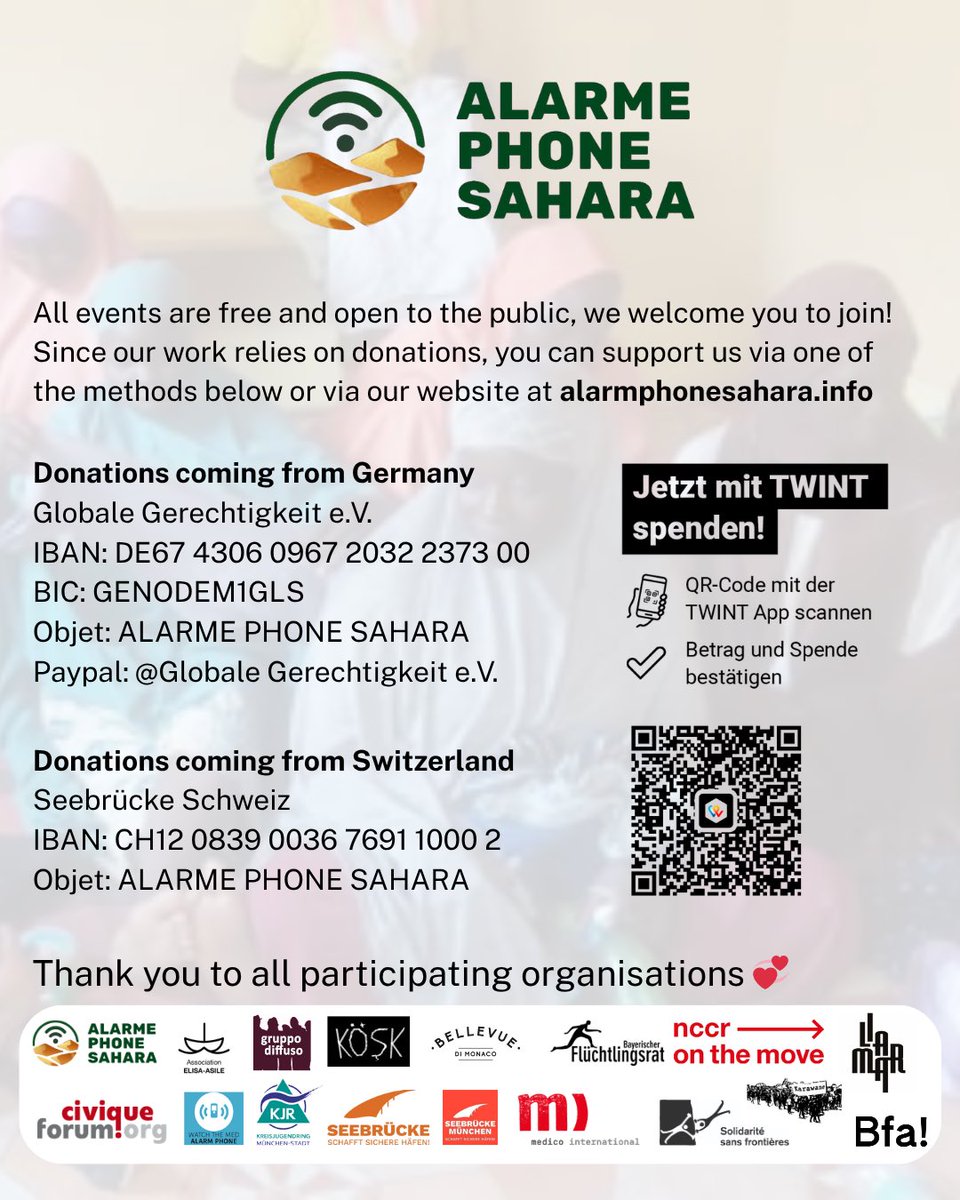
📣 Free entry, donations welcome
🗣️ Language: French, whispered translation into German
1
150
📣 Alarme Phone Sahara – Information Tour
Europe’s borders in the Sahara – migration, deportations and solidarity
With Azizou Chéhou & Moctar Nalosso (Agadez, Niger)
📣 Free entry, donations welcome
🗣️ Language: French, whispered translation into German
1
2
2
171
Moctar Nalosso & Azizou Chéhou provide insights into the daily work of APS – from desert rescues and support for deportees to the political documentation of the consequences of European externalisation policies. And it’s about transnational solidarity against the border regime.
96
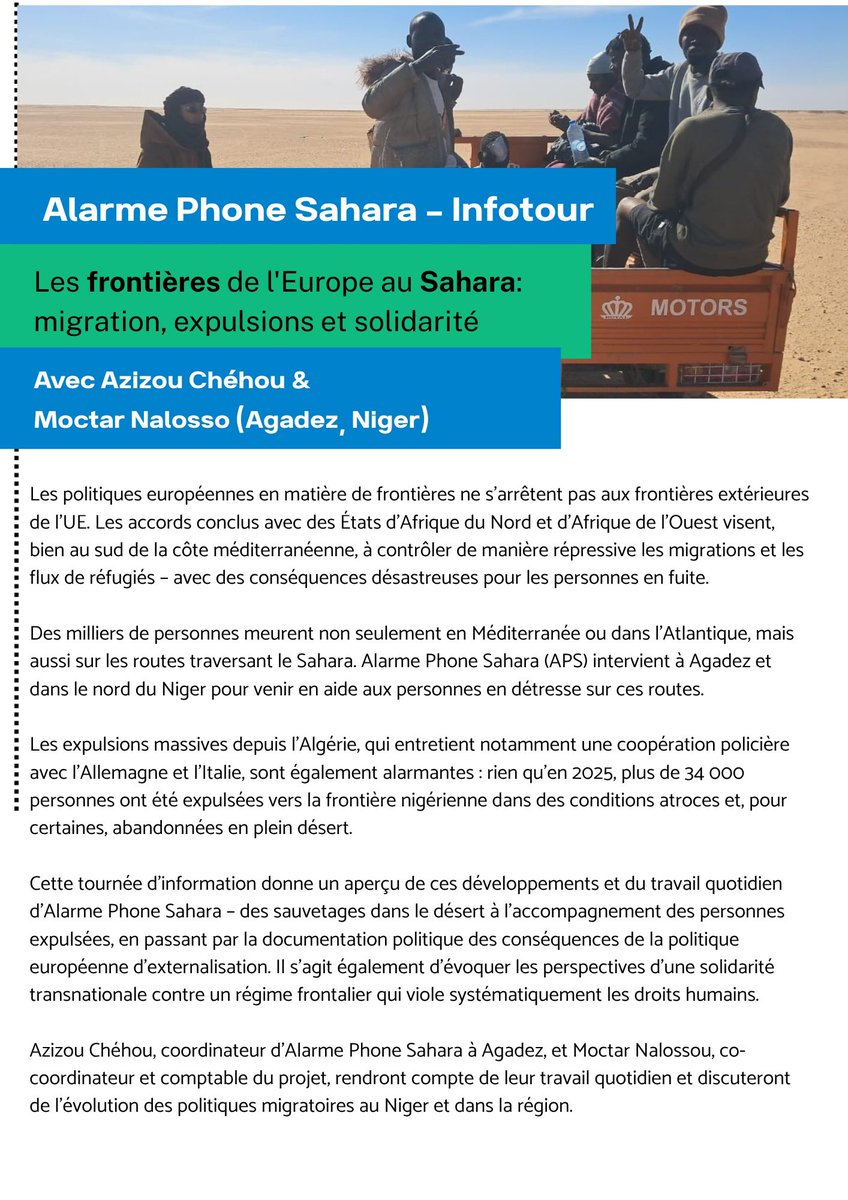
📣 Alarme Phone Sahara - Tournée d'information
Les frontières de l'Europe au Sahara – Migration, expulsions et solidarité
Avec Azizou Chéhou & Moctar Nalosso (Agadez, Niger)
📣 Entrée libre, dons bienvenus
🗣️ Langue : français, traduction chuchotée en allemand
1
2
2
135
Moctar Nalosso&Azizou Chéhou donnent un aperçu du travail quotidien de l'APS– des sauvetages dans le désert au soutien aux personnes expulsées, en passant par la documentation politique des conséquences de la politique européenne d'externalisation.
1
67
Il est question de solidarité transnationale contre le régime des frontières.
48
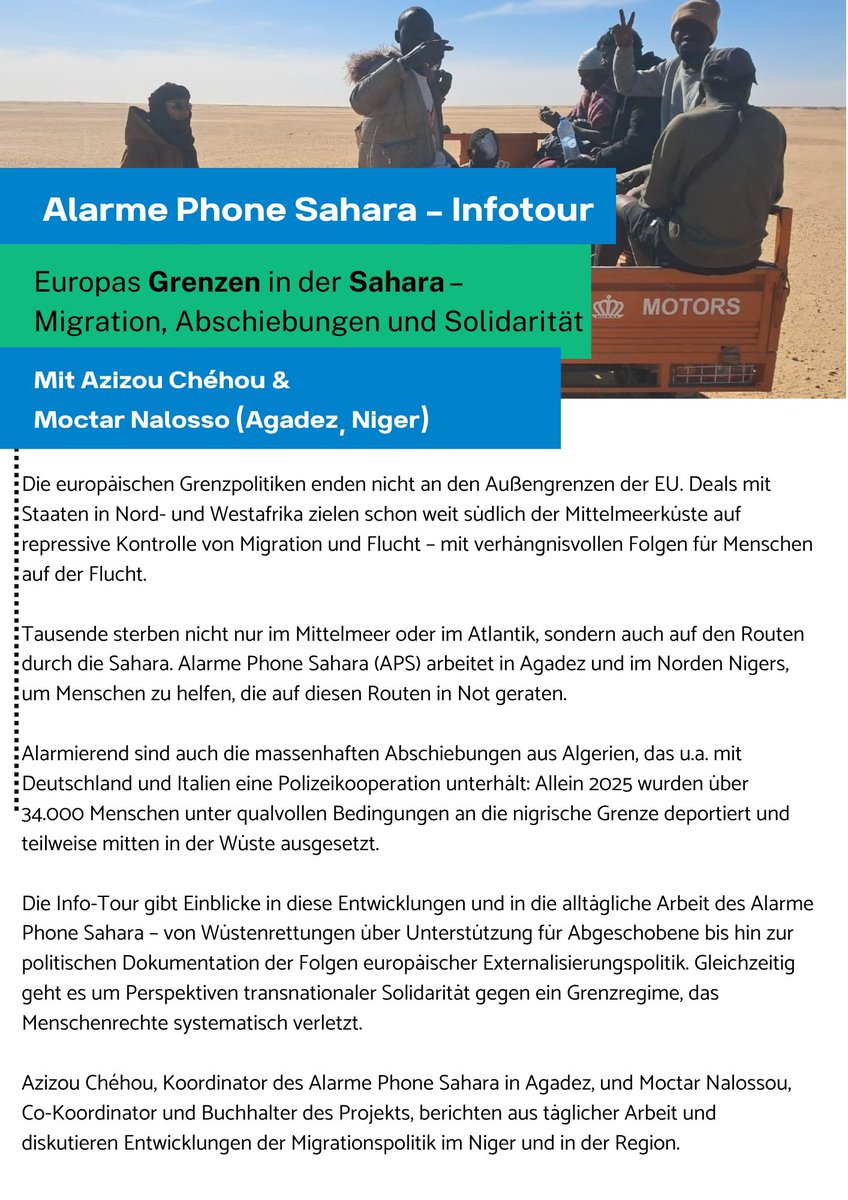
📣 Alarme Phone Sahara - Infotour
Europas Grenzen in der Sahara – Migration, Abschiebungen und Solidarität
Mit Azizou Chéhou & Moctar Nalosso (Agadez, Niger )
📣 Eintritt frei, Spenden erwünscht
🗣️ Sprache: Französisch, Flüsterübersetzung auf Deutsch
1
80
Moctar Nalosso&Azizou Chéhou geben Einblicke in die tägliche Arbeit des APS –von Wüstenrettungen über Unterstützung für Abgeschobene bis hin zur politischen Dokumentation der Folgen europäischer Externalisierungspolitik. Es geht um transnationale Solidarität gegen das Grenzregime
56
Alarmephone Sahara retweeted
Mar 4
7 days later: the people are still in the desert, alive, no help from outside. They divided into smaller groups, among them women and children.
They are out of water and extremely exhausted.
How long can they survive?
This is what Europe calls "migration control."
Borders kill!
1
6
8
2,281
A testimony of Jenneh Kargbo and Nanah Sesay, two women who travelled on migration routes from their home country #SierraLeone through the #Sahara desert to #Algeria and #Tunisia.
alarmephonesahara.info/en/ne…
1
2
356
The stories of the two women reveal horrific experiences of border violence, sexist violence and rape, racist exclusion and persecution, pushbacks to the desert and witnessing close people dying or being murdered.
1
1
120
At the same time, the stories of Jenneh Kargbo and Nanah Sesay also tell about the power and solidarity of women fighting to survive under most hostile conditions.
1
99