
Life&Finance &Entertainment Channel | First-hand information of the Guangdong-Hong Kong-Macao Greater Bay Area 生活、財經、娛樂頻道:行走大灣區,為您提供一手灣區資訊,歡迎關注。
Joined February 2021
- Tweets 4,312
- Following 1,125
- Followers 3,621
- Likes 13,811
2,603 Photos and videos


Pinned Tweet

8 May 2025
GenZ Pop Quiz🎤 | How Has Buying Anime Merchandise Become a New Fashion Among the Young?
🧸#Labubu toys, #Nezha trading cards, and Ita-bags adorned with #anime IP badges—increasingly, young people are happy to spend money on anime merchandise. While we’re still scratching our heads over what “eating guzi (chigu)” means, the anime merchandise economy has already become the new focus of China’s consumer market. Why has anime merchandise taken off so suddenly? What new changes have occurred in the #consumption concepts and habits of the younger generation? Let’s hit the streets and hear what Gen Z has to say.
@ChEmbPa @zwbsj163com1 @xuejianosaka @ChitChatChina
180
384
6,597
524,714
Apr 30
Follow me! Explore GBA
Where does a museum end and a campus begin? HKUST(GZ) students — Xingyu from #China and Fabian from #Indonesia — are about to find out.
They're exploring the "Nice to Meet You Here" public art exhibition at #GDMoA. At the center of the exhibition is "#SURREALITY", a mixed-reality project by HKUST(GZ)'s MC2 Lab. Here, a digital whale swims through gallery spaces, and a gate leads back to campus.
Follow their journey and see what they discover! #ArtHKUSTGuangzhou #FollowMeExploreGBA #GBA
1
46
Apr 16
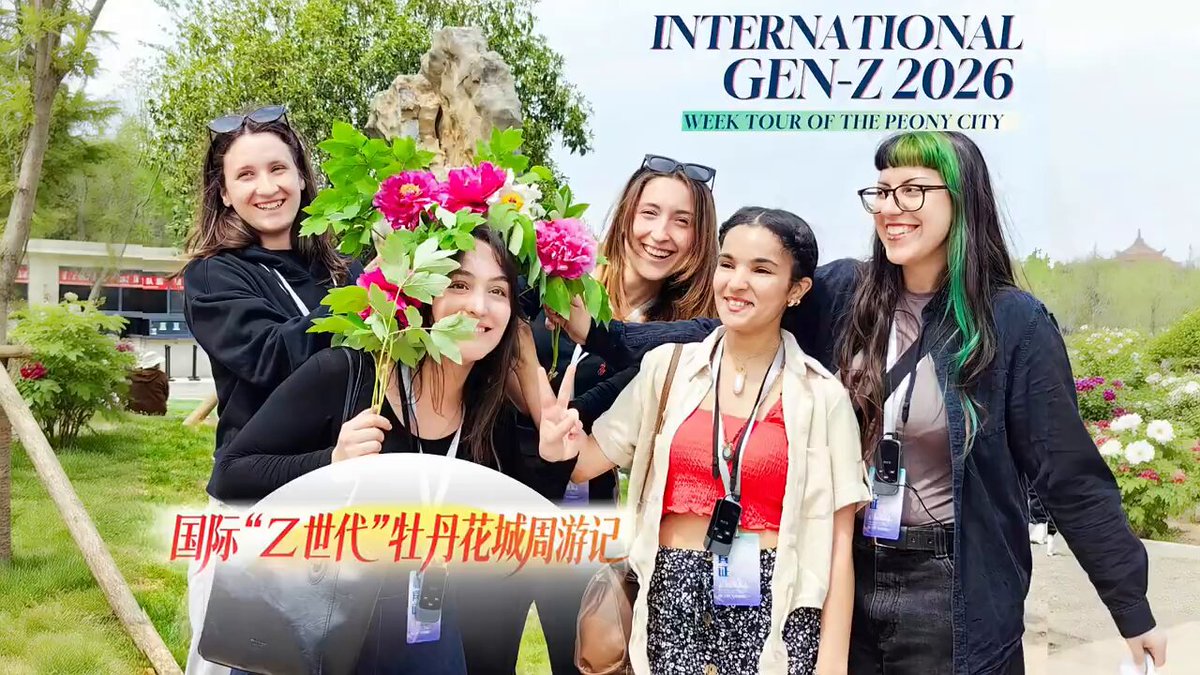
Over 40 young people from the "Generation Z" cohort across more than 20 countries delved deep into the millennia-old heritage of the ancient capital Luoyang, immersing themselves in peony culture, the Heluo civilization, and the allure of intangible cultural heritage. Through the fresh lens of youth, they shared China's stories, building a solid bridge for cross-cultural exchange between Chinese and international young people.
#BlossomsAllTheWayToLuoyang #ZoomerChina
1
3
37
Mar 30
Chinese President Xi Jinping recently replied to a letter from teachers and students of the Chinese language class at the Provence-Alpes-Cote d'Azur International School in France, extending his best wishes to them as well as all the teachers and students of the school. Xi said in the letter that learning Chinese not only helps one understand an ancient yet modern China, but also helps build a bridge to a brighter future for China and France.
26
Mar 5
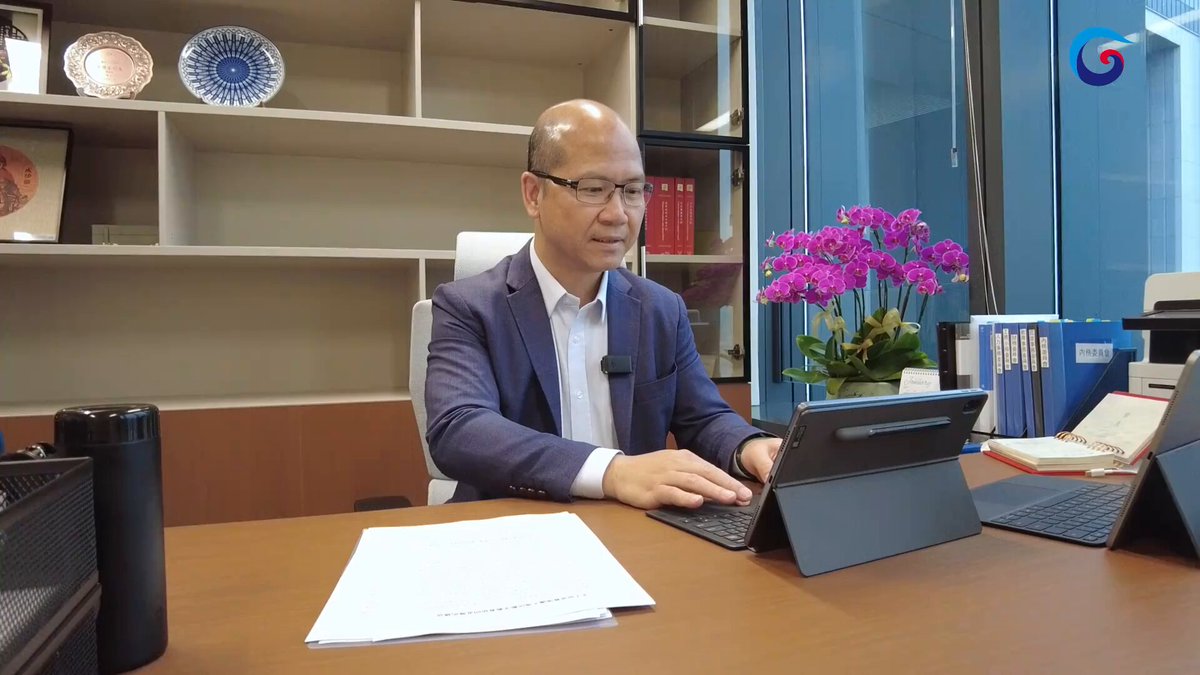
Hong Kong Deputy Ken Wong: Behind the Scenes of a Proposal to the NPC
Ken Wong, a Hong Kong deputy to the 14th National People's Congress (NPC) of China and Chairman of the Hong Kong Federation of Education Workers, shared in an interview with SFC reporter at China's National Two Sessions that he puts forward five suggestions this year. What fields is Ken Wong focusing on, and what kinds of suggestions is he taking to the Congress? Find out in the following video.
5
6
168
210,315
Feb 13
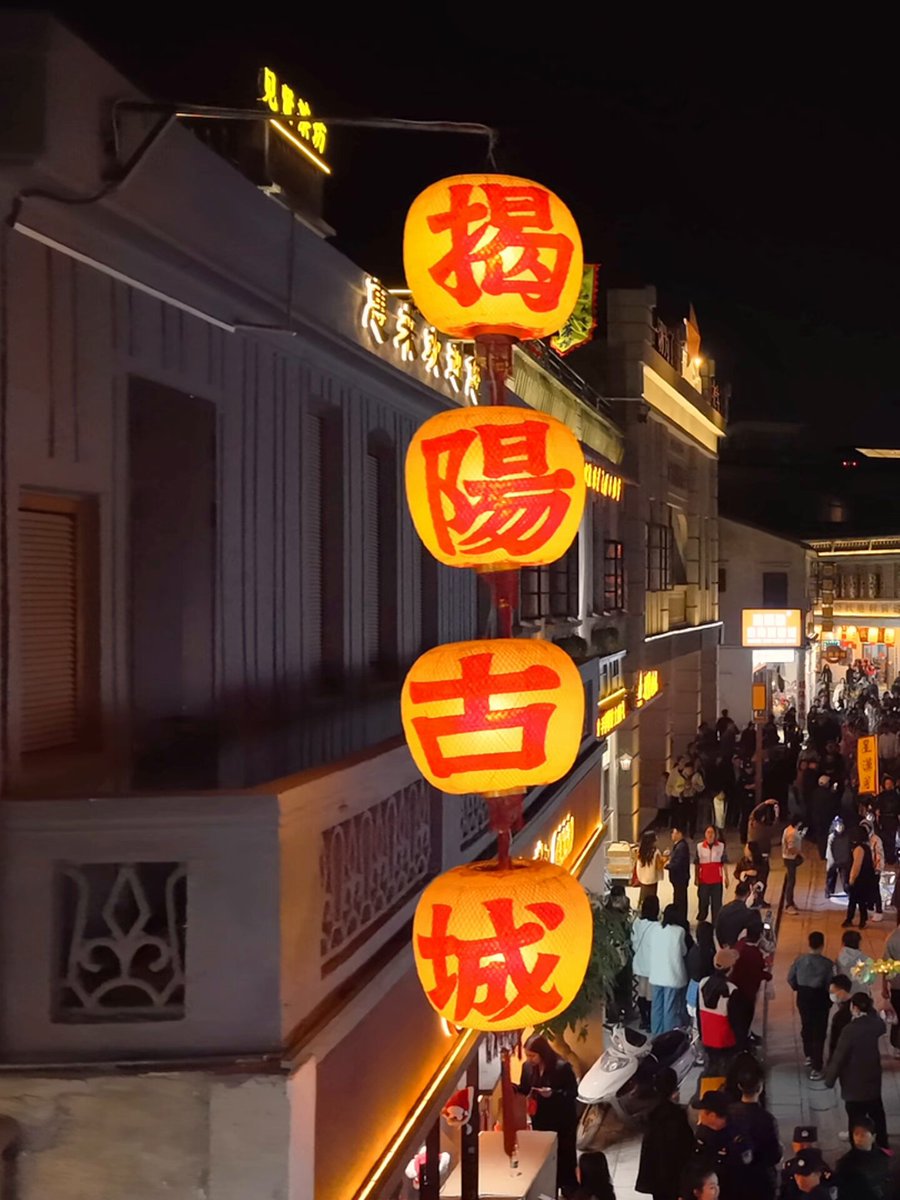
The first phase of the Jieyang Ancient City conservation project in Guangdong has been lit up — a millennium of cultural heritage brought to life through light and shadow. Jieyang, Guangdong invites you to celebrate the Chinese Spring Festival here! #SpringFestival #Guangdong #CHINESENEWYEAR2026
52
Feb 13
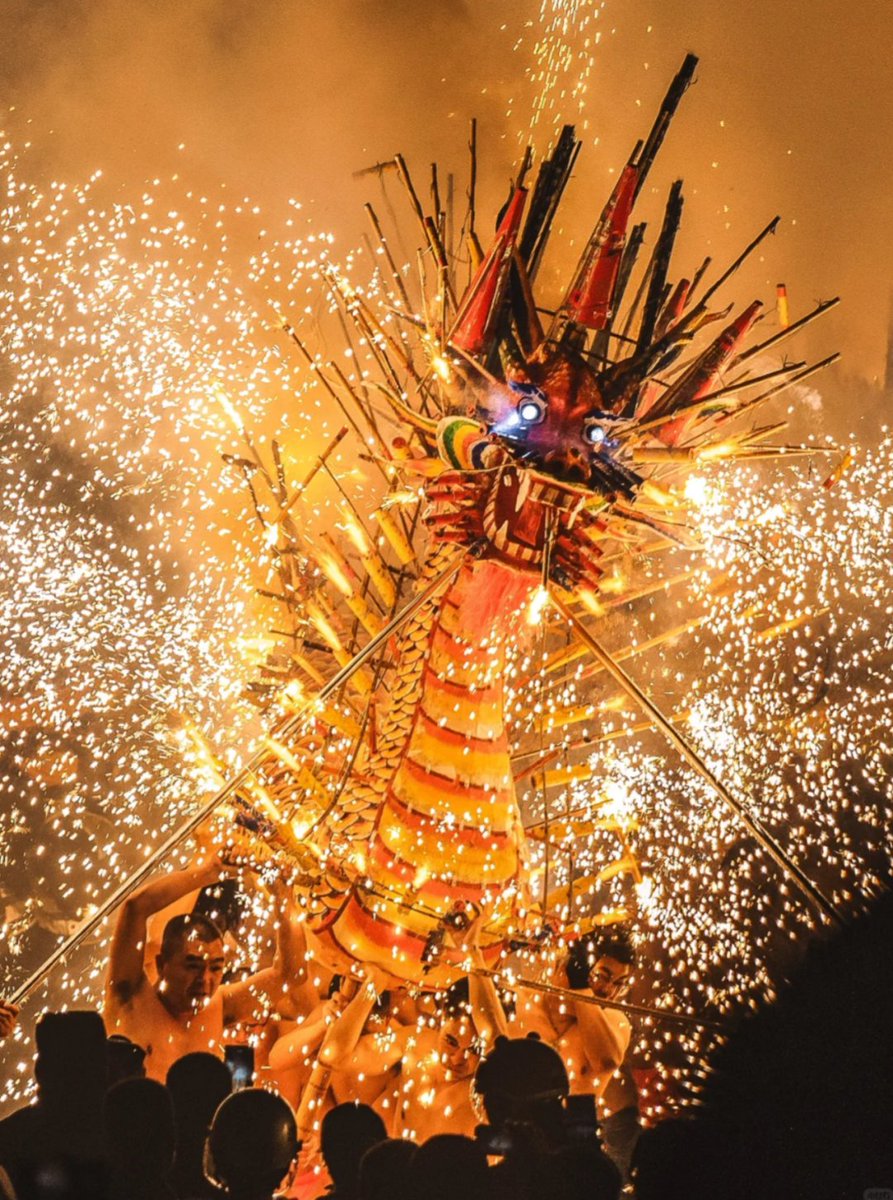
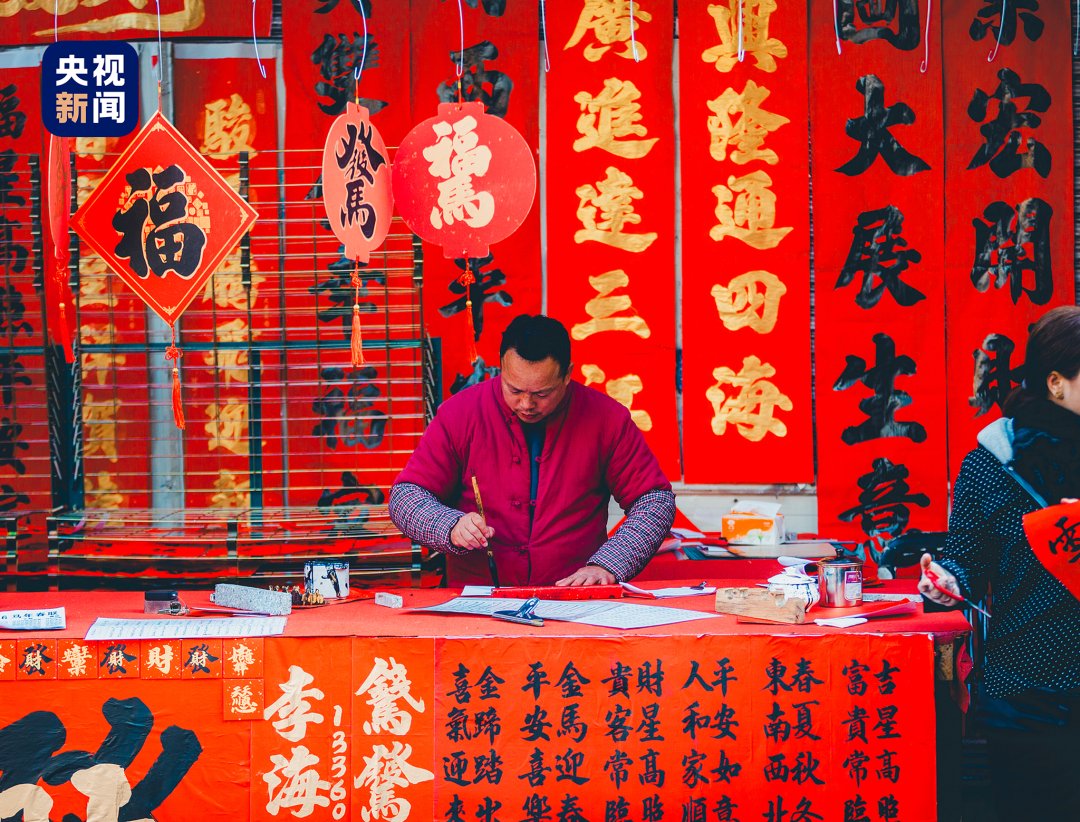
The Chinese Spring Festival holiday begins the day after tomorrow! Guangdong, China invites you to spend the Lunar New Year here. 🌺 Stroll through flower markets, 🏮 admire festive customs, 🍲 savor delicious cuisine, ♨️ soak in hot springs, 🏄🏻 ride the waves, 🎢 have fun at amusement parks — everything you need for an authentic festive atmosphere is right here in Guangdong. #SpringFestival #Guangdong #CHINESENEWYEAR2026


1
46
Jan 30
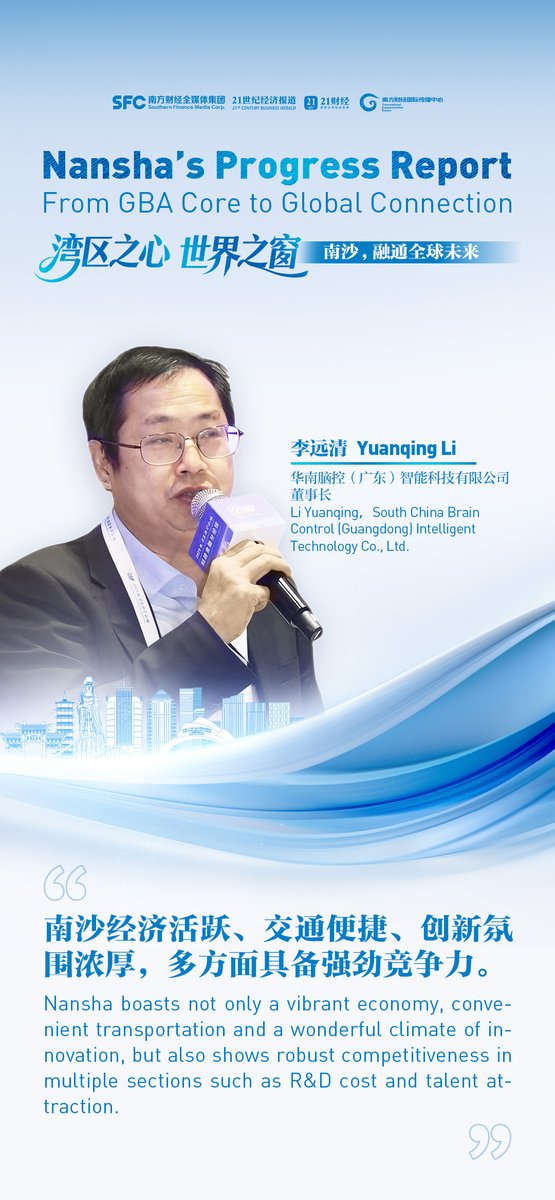
BCI Moves from Lab to Application - Yuanqing Li: The GBA Empowers Enterprise Development
The live demonstration of brain-computer interface ("BCI") technology by Neuralink, a company founded by Elon Musk, makes BCI more widely known. On the path where this "breakthrough tech" moves from the lab to industrialization, Chinese companies have already explored new approaches. South China Brain Control (Guangdong) Intelligent Technology Co., Ltd. ("HNNK") has achieved rapid application of industrial achievements with its non-invasive BCI technology. Now, HNNK's products cover diverse sectors such as care for the aged & disabled, and mental health, while GBA's location and policy advantages are providing HNNK with broad space for collaborative development.
"BCI is a cutting-edge technology that benefits humankind." said Mr. Yuanqing Li, Chairman of HNNK. Currently, multiple non-invasive BCI products that have been launched and marketed are applied in multiple sectors like care for the aged & disabled, mental health, military & aerospace, public security, culture & entertainment, and education. According to Mr. Li, the products on the market not only include assistive devices for the disabled such as brain-controlled mice, brain-controlled wheelchairs and smart wards, but also feature the development of China's first BCI-based wearable mindfulness meditation device which can prevent people from motion sickness, relieve tinnitus and alleviate depression and anxiety, etc., and consistently rank first in user reviews among products of the same type on Amazon.
"China has a large population of elderly people, individuals with mental health issues and those suffering from sleep disorders. As the target groups for BCI technology, they have opened up a vast space where the BCI technology can play an important role." said Mr. Li. He believes that BCI products, in the near future, will be accessible to every family in their daily life.
Looking back on the journey of development, Mr. Li expressed his admiration that the GBA's advantages in education, healthcare and industrial chains have fully empowered enterprises. From the flexible technology transfer policies at South China University of Technology to the complete and efficient industrial chains in the Pearl River Delta, companies can complete the entire process from R&D to mass production "at their doorstep" without traveling far, making the implementation of innovation more efficient.
Amid the coordinated industrial development in the GBA, Mr. Li expressed his optimism about Nansha's development potential. He stated that Nansha, which is located at the geographical center of the GBA, and adjacent to Shenzhen, Hong Kong SAR and Macao SAR, boasts not only a vibrant economy, convenient transportation and a wonderful climate of innovation, but also shows robust competitiveness in multiple sections such as R&D cost and talent attraction. "If suitable opportunities arise in the future, we will certainly consider carrying out commercialization of achievements and industrial layout in Nansha."
Now, Nansha is being committed to fostering a vibrant "rainforest-style" innovation ecosystem, the outcomes of which can be seen from a set of data: a rise to 37.8% in the added value of strategic emerging industries in the GDP, a rise to 5.48% in the R&D investment intensity, and an annual average rise by 21.5% in the number of high-tech enterprises which has exceeded 1,300 in total. With an increasing number of high-level sci-tech innovation platforms taking root here, a technology innovation system is rapidly taking shape with Nansha as its hub, injecting sustained momentum into the development of future industries.
80
Jan 20
Nansha: A Strategic Stronghold Connecting the World is Taking Shape
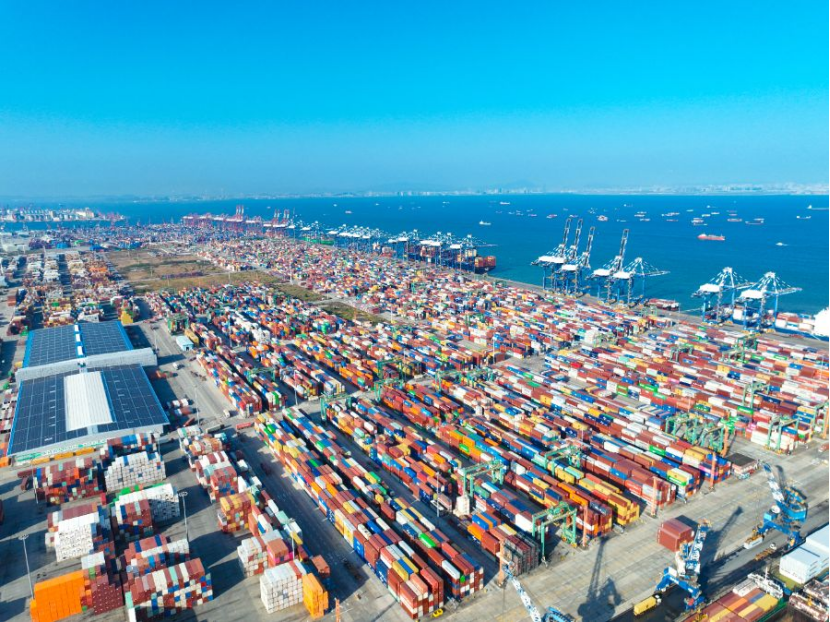
From the bustling Nansha Port to the back-end systems of cross-border capital flows, Nansha in Guangzhou is growing into a key stronghold that faces and connects the world. In the new stage of the deepening development of the Guangdong-Hong Kong-Macao Greater Bay Area (GBA), Nansha is gradually assuming the heavy responsibility of a hub and gateway through the systematic superposition of multiple capabilities, including transportation, finance, and rules.
Multidimensional transportation reshapes location value. With the opening of the Shenzhen-Zhongshan Link and the progression of projects like the Shiziyang Tunnel, the spatial and temporal distance between Nansha and both sides of the Pearl River Estuary has been significantly shortened. The Qingsheng Comprehensive Hub has achieved seamless connection between high-speed rail and subways, making Nansha the only comprehensive transportation node with direct access to Hong Kong and Macao. Meanwhile, Nansha Port has opened over 170 international shipping routes reaching more than 120 countries and regions, with its container throughput consistently ranking among the top single port areas globally. Supported by a multiple-tier system of roads, railways, ports, and aviation, Nansha has formed a "sea-land-air-rail" multidimensional network radiating through the GBA and connecting the globe, achieving an upgrade from a "node" to a "hub."
Financial openness unleashes institutional connectivity. As a pilot demonstration window for financial opening-up, Nansha took the lead in launching pilots such as Free Trade (FT) accounts and high-level openness in cross-border trade and investment, aligning with international common rules. The continuous expansion of QFLP and QDLP mechanisms has provided a replicable path for the two-way flow of domestic and foreign capital. With the introduction of the "30 Measures on Nansha Finance," Nansha has been clearly designated as a pilot demonstration window for the financial industry's opening-up. An increasing number of enterprises are choosing Nansha as their first stop to enter the Chinese market.
Institutional alignment builds a new highland for openness. In accordance with the deployment of the Nansha Plan, Nansha is intensively implementing rule alignment measures. Nansha pioneered the reform of the commercial registration confirmation system, compressing the approval time for market access by over 90%; its evaluation of the rule-of-law business environment has consistently ranked among the top of China's pilot free trade zones. Additionally, Nansha has released a list of 146 recognized overseas professional qualifications and established a comprehensive service base for Chinese enterprises "going global," with a cooperation network covering 71 countries and regions.
Today's Nansha has systematically integrated elements such as location, finance, and rules into a sustainable capability for openness. It serves as both a channel for Hong Kong and Macao elements to enter the mainland and a springboard for mainland enterprises to go global, moving with steady steps toward a key position on the world stage.
#Nansha #connectivity #Finance #Institution @NanshaLook
26
Jan 20
Nansha Rising: A New Investment Hub Powered by Finance and Sci-tech Innovation
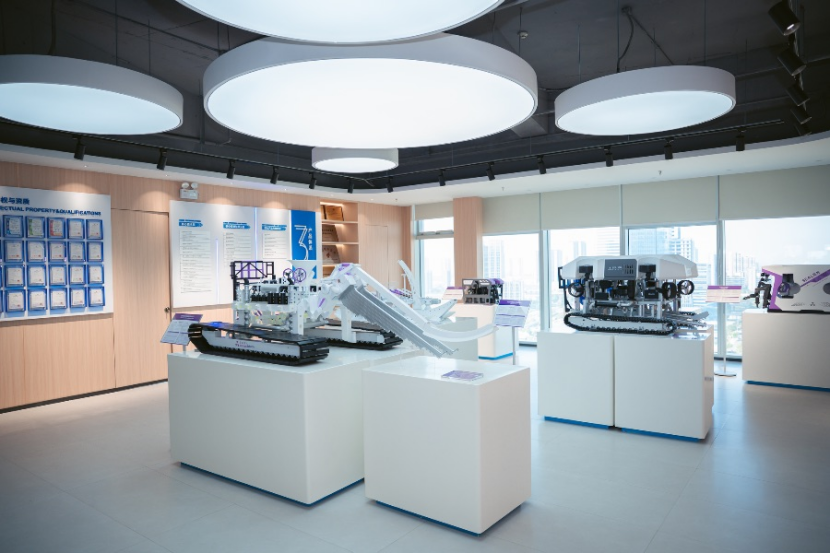
Against the backdrop of the deepening development of the Guangdong-Hong Kong-Macao Greater Bay Area (GBA), Nansha, Guangzhou, is undergoing a magnificent transformation from a "geographical center" to a "hub for investment and innovation" by building a systemic framework of sci-tech ecosystems and financial services. Relying on its unique advantages in connecting the massive domestic market with international rules, Nansha has emerged as a premier destination for the rapid aggregation of global capital and innovation resources.
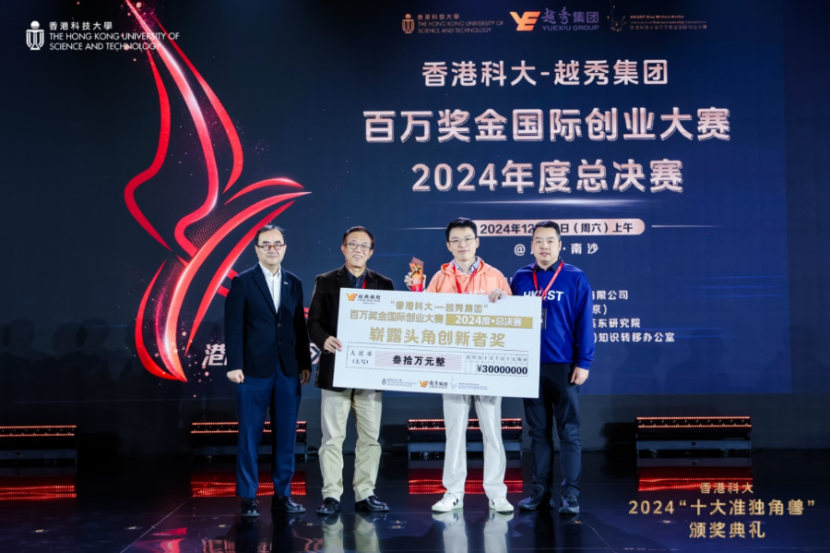
Institutional innovation drives technology commercialization. By pioneering access standards for an all-space unmanned system spanning sea, land, and air, Nansha has propelled Pony.ai from local road testing to a successful international IPO. Similarly, with targeted policy support, Deepsea Gausson (Shenhai Zhiren) has overcome commercialization bottlenecks for domestic deep-sea robots, consistently securing overseas orders. Furthermore, thanks to the "15 Measures on Relaxing Market Access," Nansha's biopharmaceutical sector has achieved a "clinical transformation acceleration," marking several national breakthroughs, including the first gene therapy for thalassemia. To date, the number of high-tech enterprises in Nansha has surpassed 1,300, with an average annual growth rate of 21.5%.
Financial empowerment fosters an innovation ecosystem. Complementing its technological prowess, Nansha utilizes the 200-billion-yuan Guangzhou Industrial Investment Fund and the "Kunpeng Plan" to guide capital toward early-stage and small-scale tech ventures. This approach has cultivated 17 listed companies with a total market value exceeding 210 billion yuan. Additionally, mechanisms such as QFLP (Qualified Foreign Limited Partnership) pilots and cross-border cash pools, combined with financial products like intellectual property-backed financing, have attracted over 290 Fortune Global 500 projects, including Louis Dreyfus and Mitsubishi Heavy Industries. Foreign-invested enterprises have now become a cornerstone of the region's high-quality development.
With a total area of 803 square kilometers, a development intensity of only 25%, and nearly 100 square kilometers of reserved space, Nansha provides ample land for long-term industrial growth. Powered by sci-tech innovation and enabled by financial openness, the district is steadily building a complete industrial chain spanning basic research, achievement transformation, industry incubation, and cross-border expansion. For global investors, Nansha is not merely a destination for individual projects, but a strategic pivot for engaging in the future of the GBA and sharing in China's innovation dividends.
#Nansha #investment #Technology @NanshaLook

33
Jan 20
Empowering Enterprise through Rule of Law: Nansha Builds an Internationalized Legal Business Environment to Attract Global Investment
Once an expanse of banana and sugarcane fields, Nansha has transformed into a thriving investment destination with nearly 300,000 market entities. In 2025, Guangzhou Nansha led the city in the growth rate of newly invested enterprises and has ranked first in the national free trade zone legal environment index for two consecutive years. Rule of law is becoming one of Nansha's most core competitive advantages in attracting global investors.
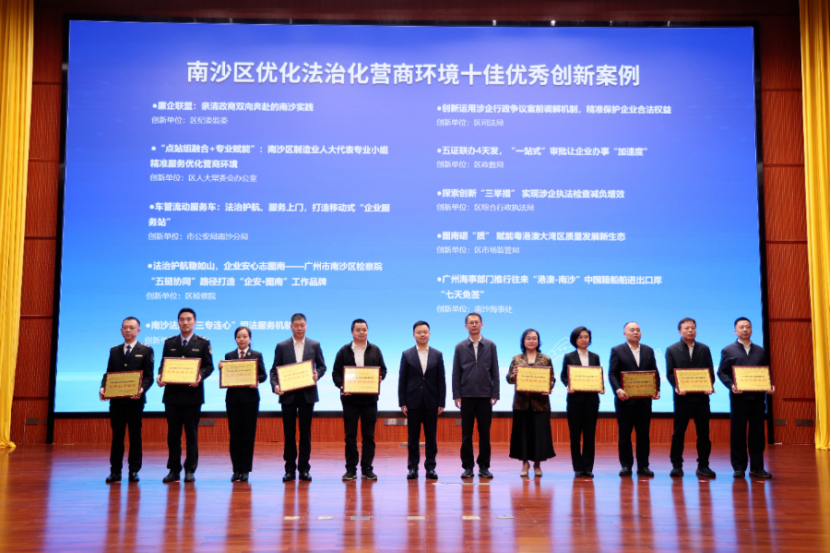
Institutional integration accelerates government efficiency. In 2025, Nansha launched "91 measures to optimize the legal business environment" and produced systemic results, formally releasing the "White Paper on Optimizing Nansha's Legal Business Environment (2025)" and "Ten Excellent Innovation Cases". By implementing the "Five-Certificate Joint Approval" system, government processing has entered "acceleration mode," shortening certificate issuance to just 4 days. This practice of countering market uncertainty with the certainty of the rule of law has been hailed by entrepreneurs as a "reassuring pill" for development.
Rule alignment breaks through cross-border bottlenecks. Facing the challenges of "one country, two systems, and three jurisdictions," Nansha is dedicated to serving as a "converter" for rule alignment. Addressing the difficulties in serving legal documents in cross-border commercial disputes, Nansha established a cross-regional collaborative service mechanism. This has compressed the service cycle for legal documents from several months to "7-day express delivery". This "Nansha Solution" serves Hong Kong and Macao entrepreneurs while providing replicable experience for national cross-border judicial exploration.
Proactive services unleash market vitality. Nansha is shifting government services from "enterprises seeking help" to "services seeking enterprises". Through "mobile vehicle management service vans" delivering administration to the doorstep, high-frequency business tasks can be completed "without leaving the office". Meanwhile, through inclusive and prudent supervision within a legal framework—such as practical adjustments to management measures supporting the night economy—the district saw a 15% boost in night economy activity within a single month.
From institutional design to heartfelt service, Nansha is building a legal business environment highland characterized by "the most flexible mechanisms, optimal services, and strongest protections". It is more than just a geographical investment destination; it is a "certificate of trust" for China's modern governance capabilities, ensuring that global capital and innovation can win a certain future in Nansha.
#Nansha #Innovation #RuleOfLaw @NanshaLook
1
31
Jan 5
Wild Guangdong, a three-episode nature documentary showcasing the biodiversity of South China's Guangdong province, premiered on the BBC Earth Asia channel and the China Central Television Documentary Channel and Guangdong Satellite TV. Depicting the wildlife wonders of Guangdong with a moving and grand perspective, the documentary tells compelling stories of how local people coexist with nature and protect ecological treasures amidst the process of modern urban development.
chinadaily.com.cn/a/202601/0…
1
182
31 Dec 2025
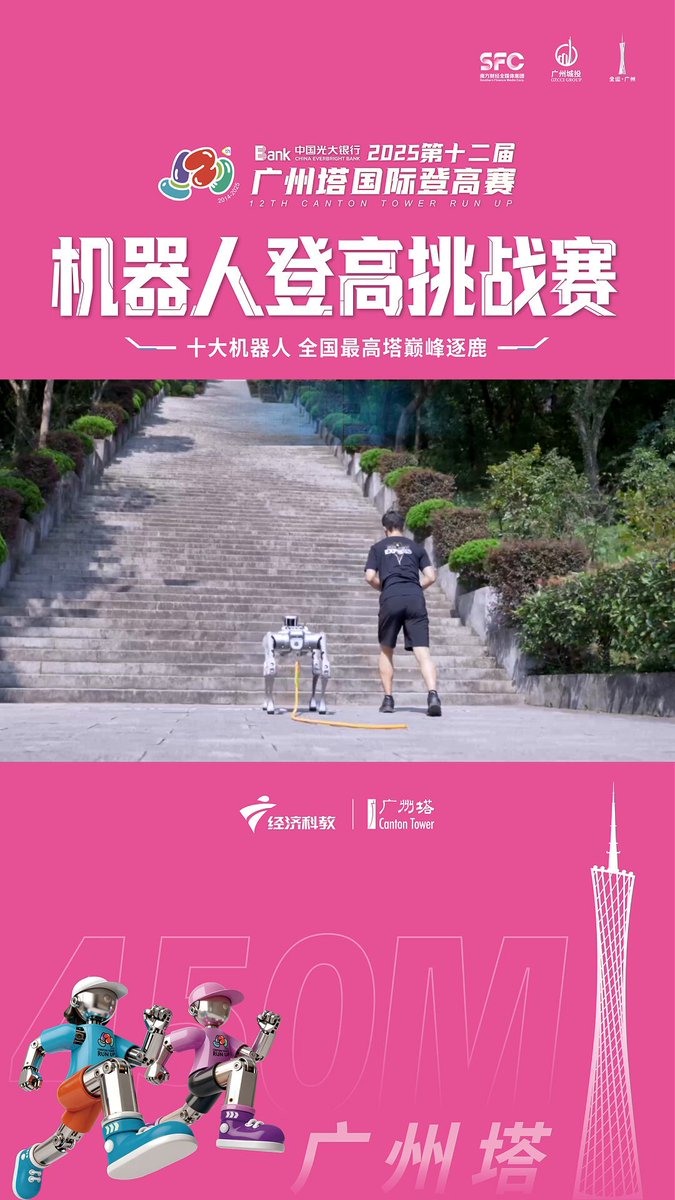
硅基档案:逐际动力全尺寸通用人形机器人Oli
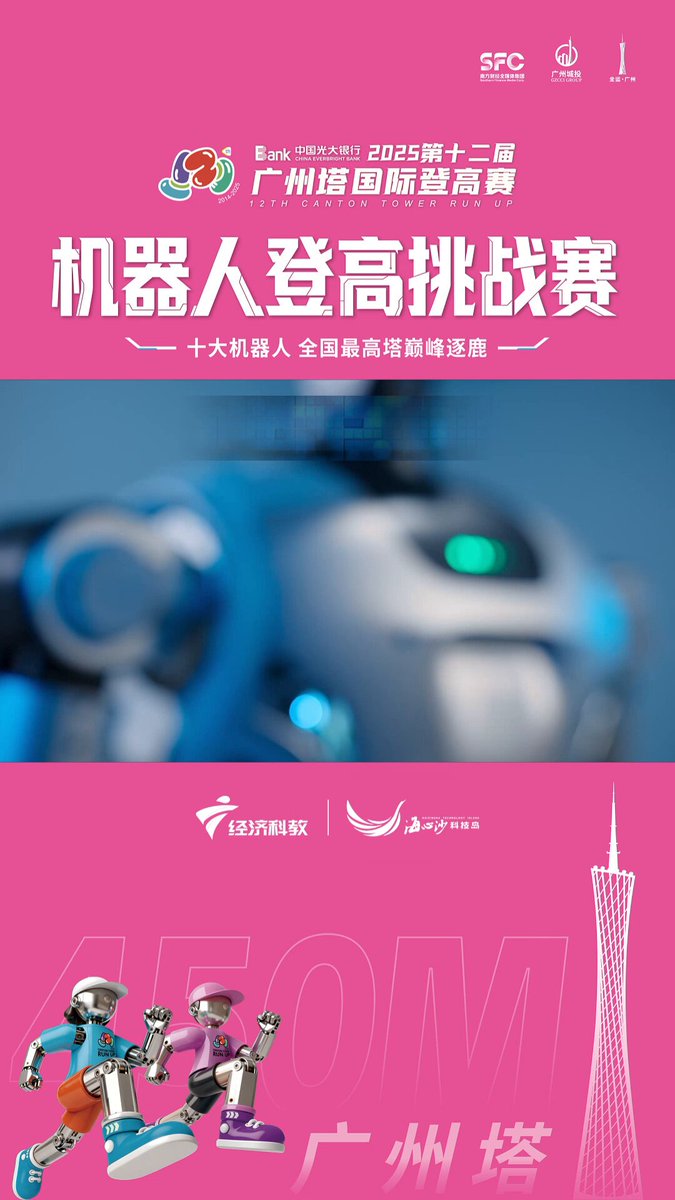
广州塔国际登高赛机器人登高挑战赛,将于2026 年1月1日全网呈现。逐际动力全尺寸通用人形机器人Oli前来挑战。#广州塔国际登高赛 #机器人 #登高 @LimX_Dynamics
97
31 Dec 2025
硅基档案:宇树科技轮式四足机器狗Go2-W
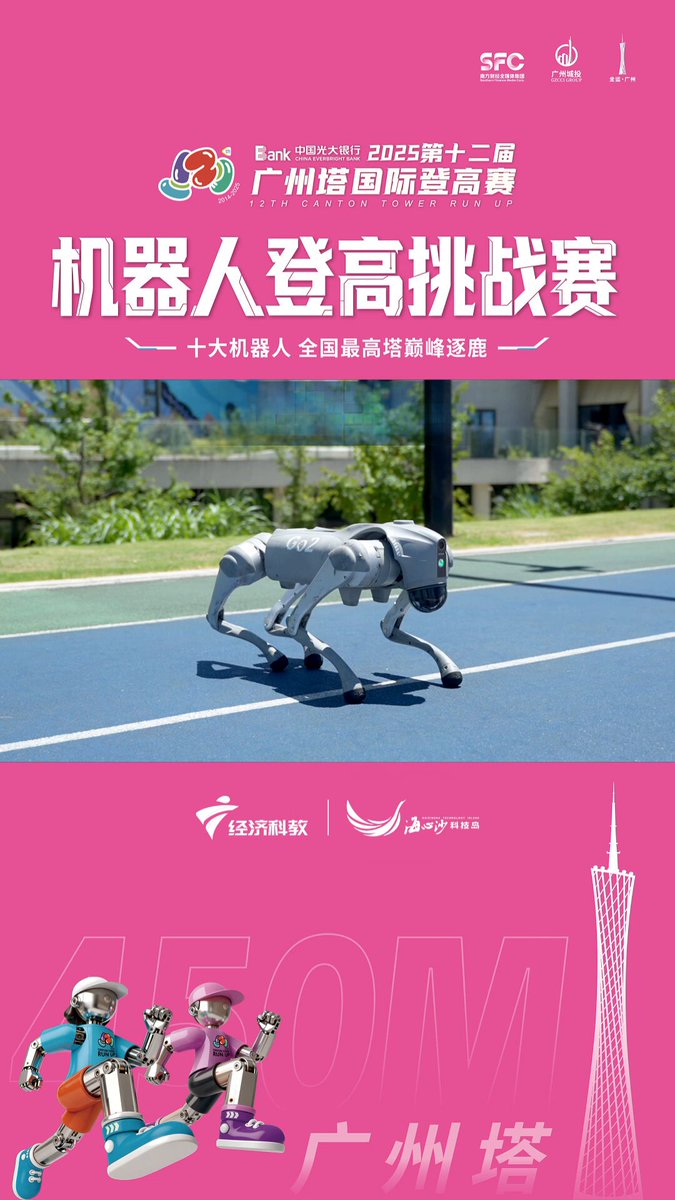
广州塔国际登高赛机器人登高挑战赛,将于2026 年1月1日全网呈现。宇树科技轮式四足机器狗Go2-W前来挑战。#广州塔国际登高赛 #机器人 #登高 @UnitreeRobotics
84
31 Dec 2025
硅基档案:宇树科技工业级四足机器狗B2
广州塔国际登高赛机器人登高挑战赛,将于2026 年1月1日全网呈现。宇树科技工业级四足机器狗B2前来挑战。
#广州塔国际登高赛 #机器人 #登高 @UnitreeRobotics
86
31 Dec 2025
硅基档案:普渡机器人轮式四足机器人PUDU D5
广州塔国际登高赛机器人登高挑战赛,将于2026 年1月1日全网呈现。普渡机器人轮式四足机器人PUDU D5前来挑战。#广州塔国际登高赛 #机器人 #登高 @PuduRobotics
1
57