Lab tech, element hunter, plant botherer. Here comes the science...
- Tweets 1,787
- Following 401
- Followers 901
- Likes 10,959





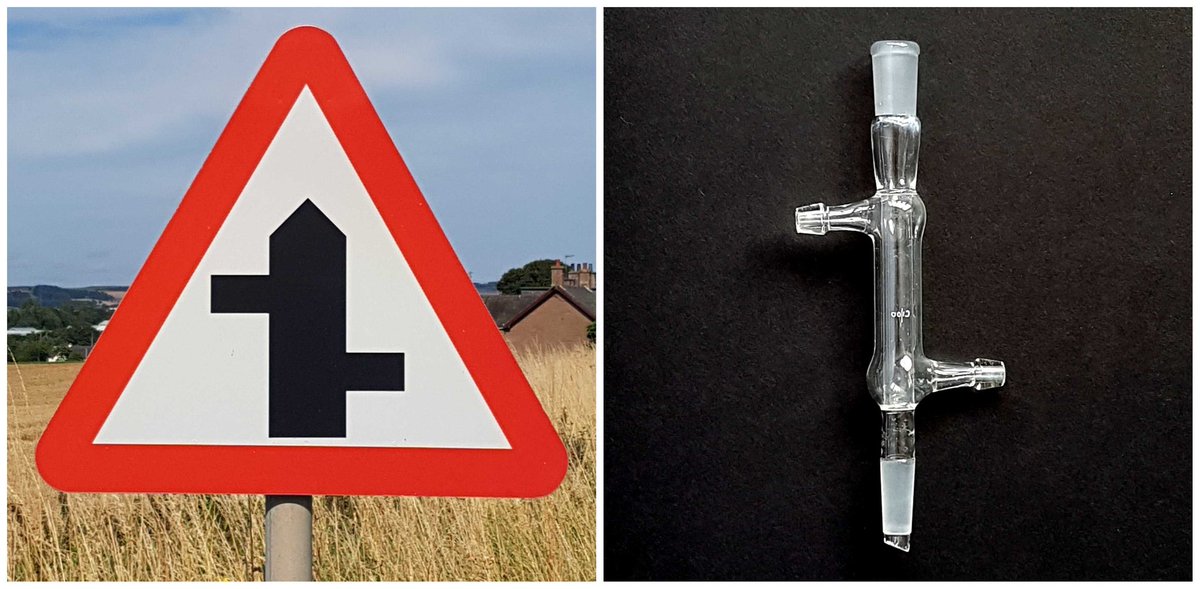
ALT Photo of a roadsign warning of a staggered junction, and a photo of a glass Liebig pattern condenser with the water inlet and outlet in the same orientation as the road sign.


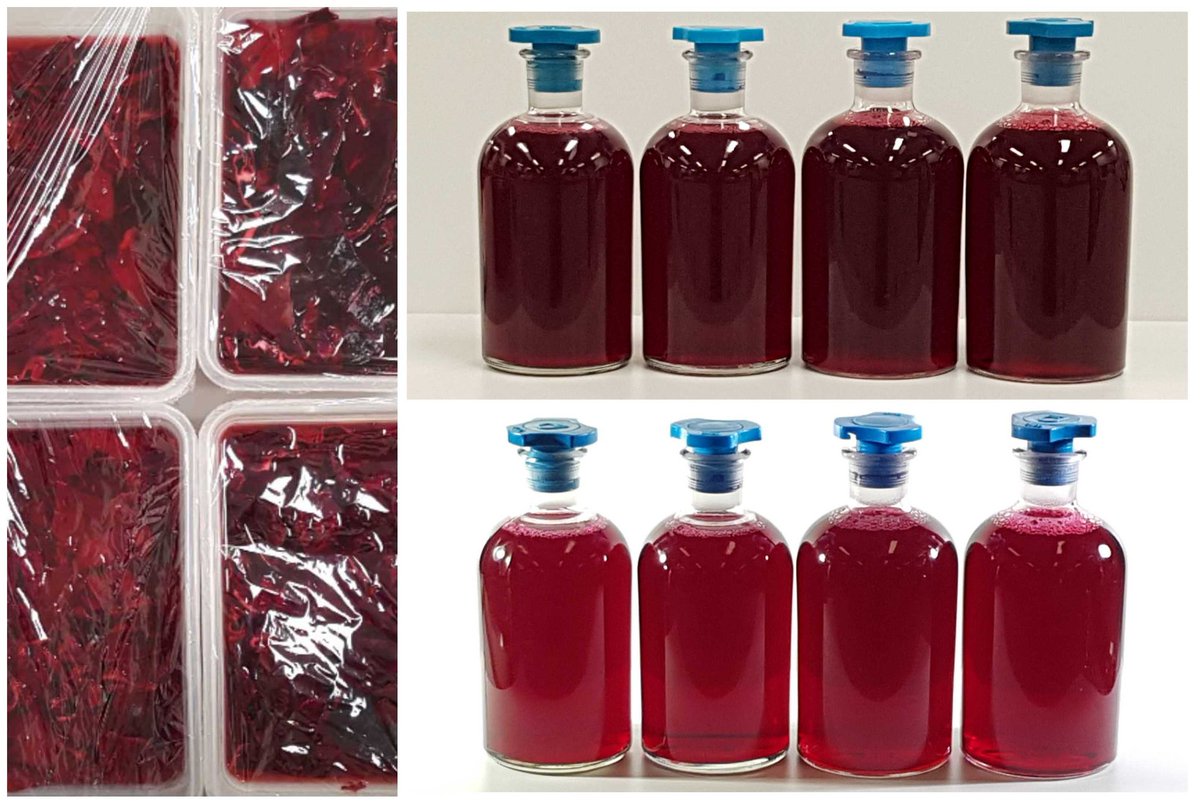
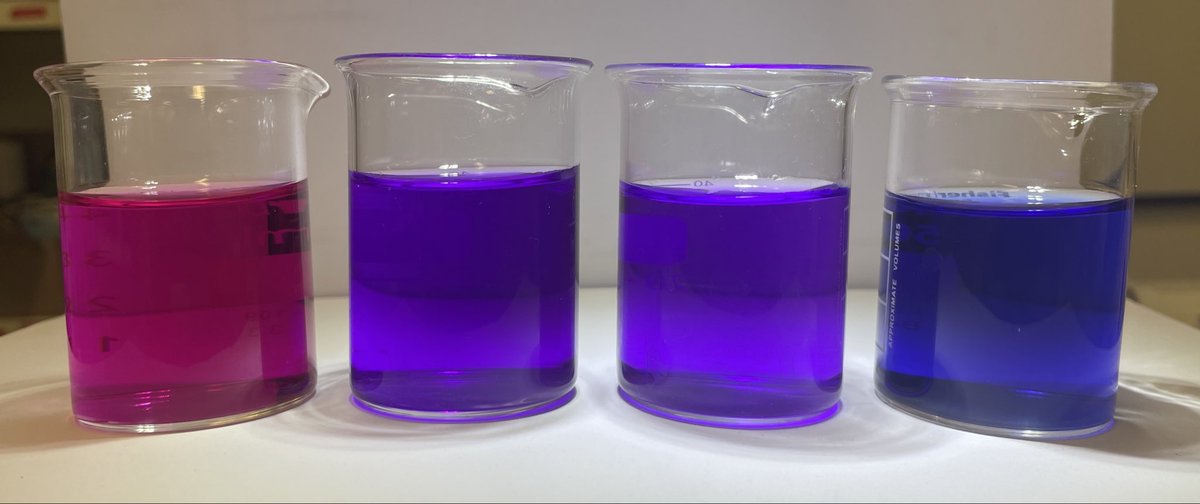
ALT A collage. On the left hand side is a photo of four basins containing shredded red cabbage bathing in dilute sulfuric acid. On the right, a row of four bottles containing the deep red extracts. The bottles are shown under ambient lighting conditions and also with intense white back lighting to better show the colour.
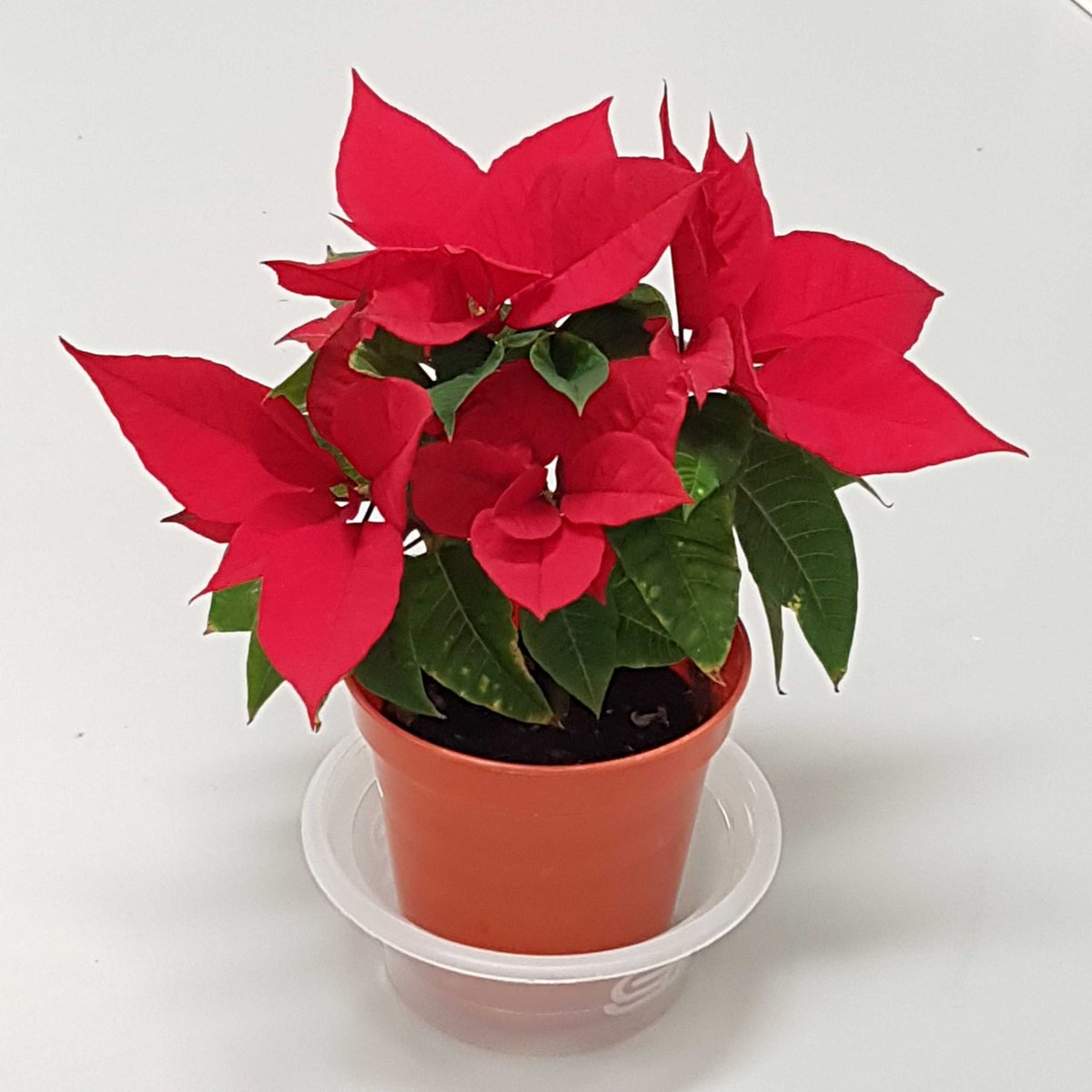
ALT Photo of a poinsettia with predominently red foliage in March.
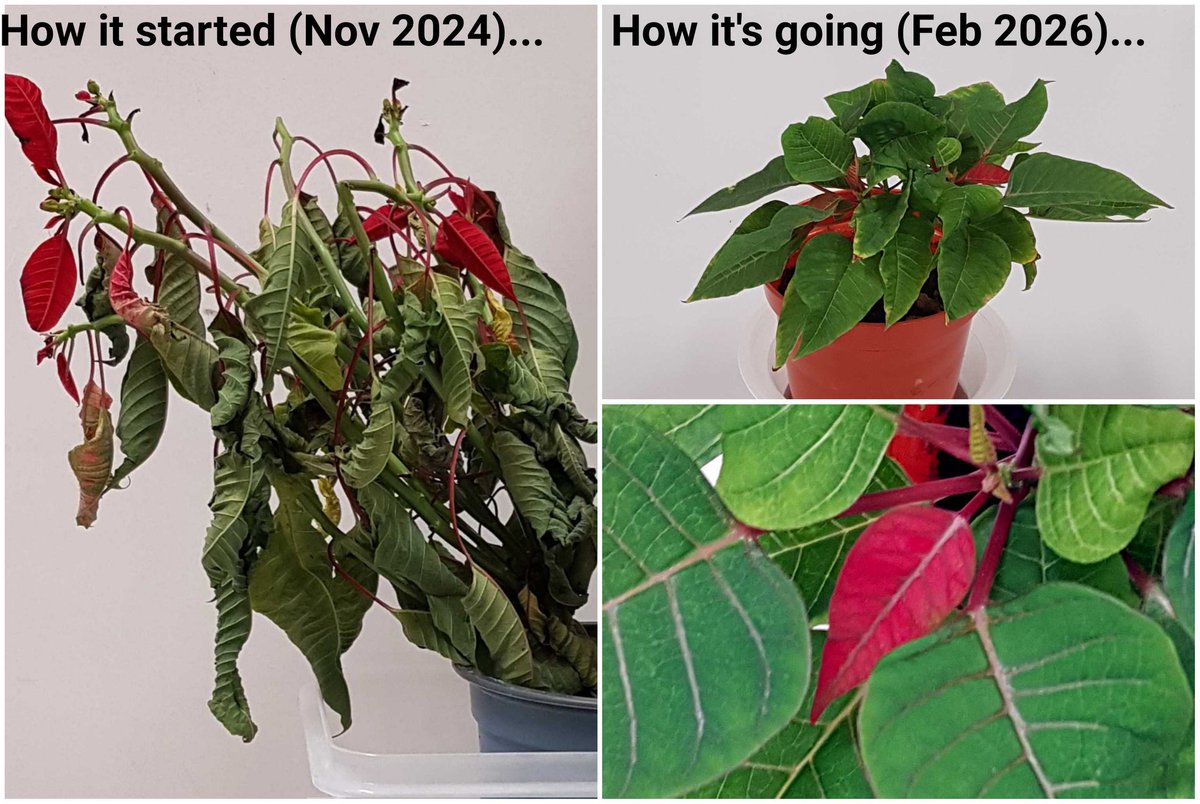
ALT How it started, November 2024. A large but wilting poinsettia in a black pot. Dull green leaves and red bracts hang limp on droopy stems. How it's going, February 2026. A small but vigorous poinsettia in a brown pot. A compact bushy specimen with bright green leaves and a single small fresh red bract.
ALT How it started, November 2024. A large but wilting poinsettia in a black pot. Dull green leaves and red bracts hang limp on droopy stems. How it's going, February 2026. A small but vigorous poinsettia in a brown pot. A compact bushy specimen with bright green leaves and a single small fresh red bract.
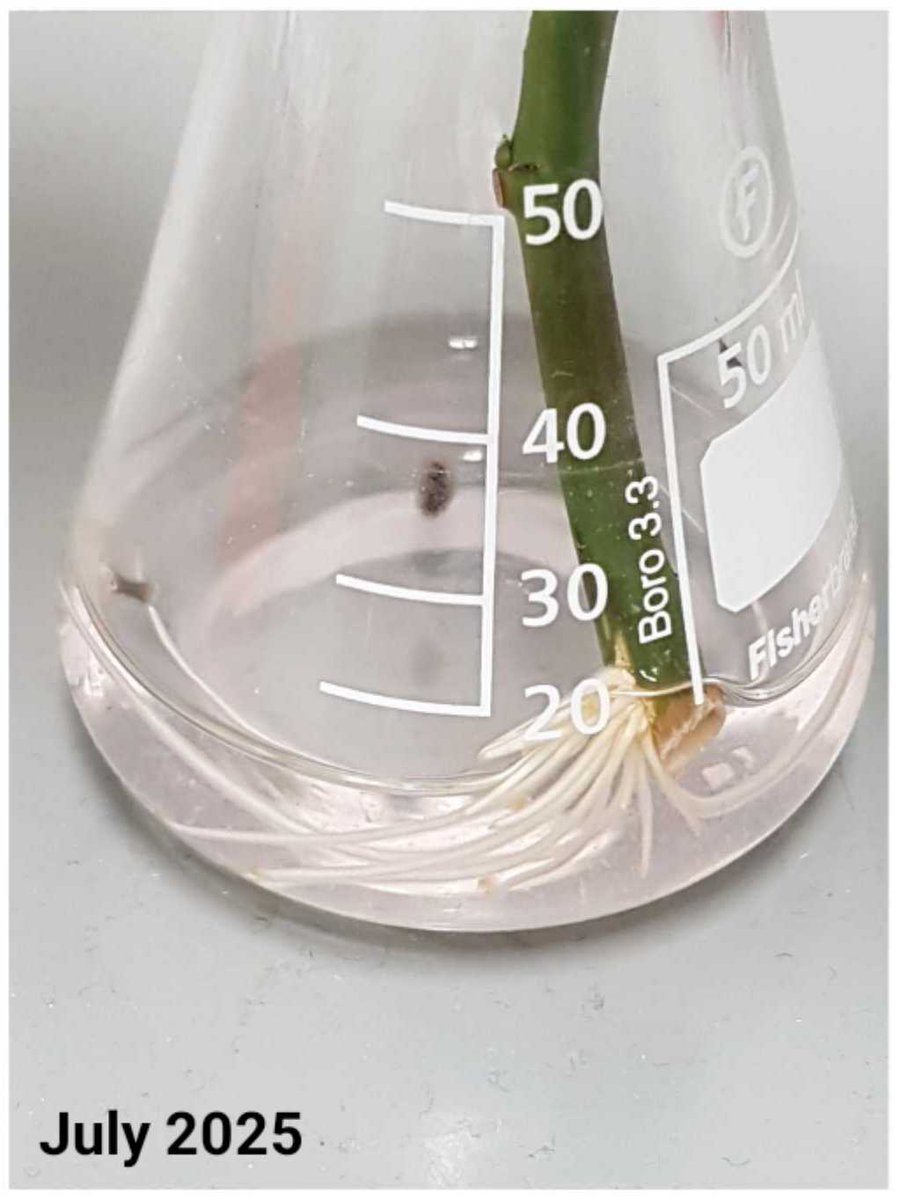
ALT Photo of the green stem dipping in approx 10 mL water in a 50 mL conical flask. A clump of white roots has sprouted from the end of the stem.

ALT A collage. On the left hand side is a photo of four basins containing shredded red cabbage bathing in dilute sulfuric acid. On the right, a row of four bottles containing the deep red extracts. The bottles are shown under ambient lighting conditions and also with intense white back lighting to better show the colour.
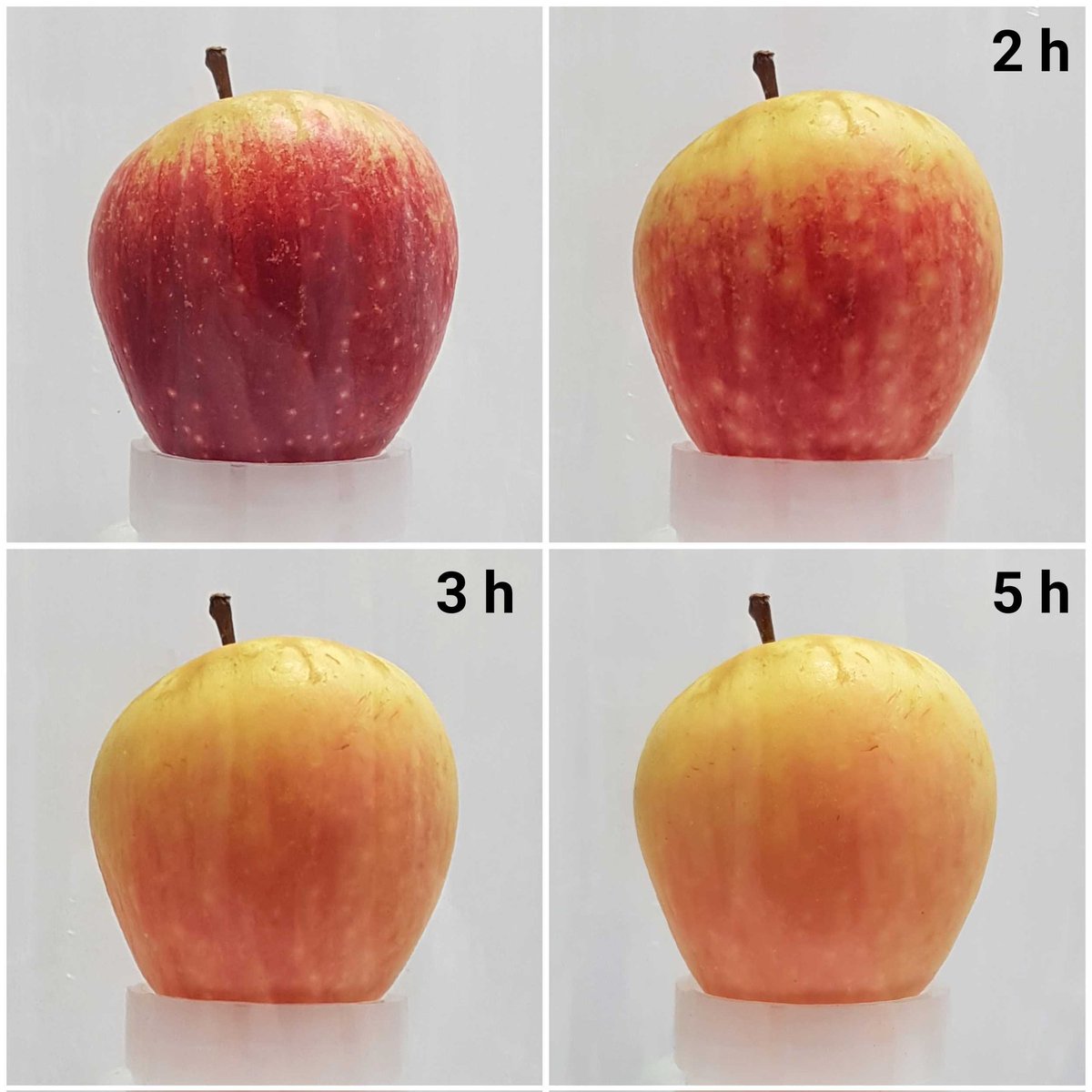
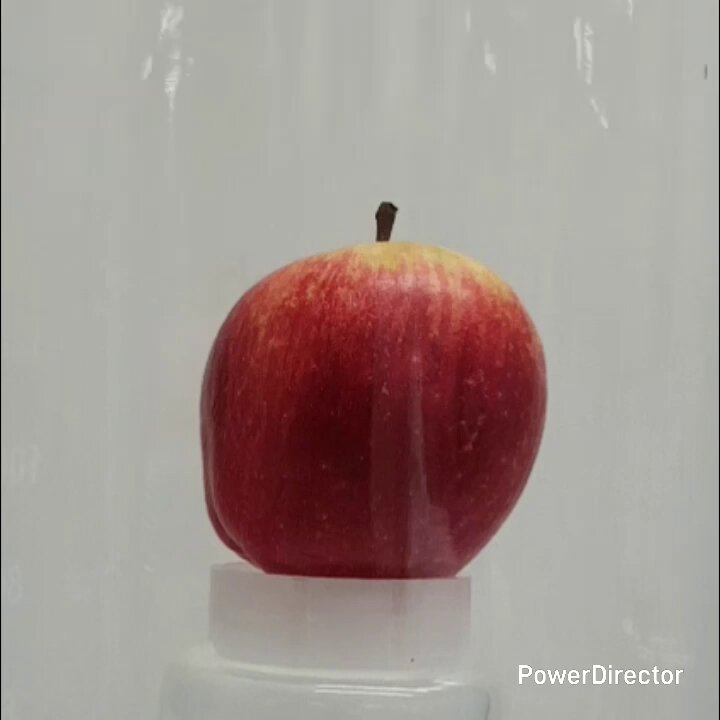
ALT Collage of four photos of an apple in an atmosphere of sulfur dioxide. The photos were taken one or two hours apart and show the red apple fading to yellow-orange.
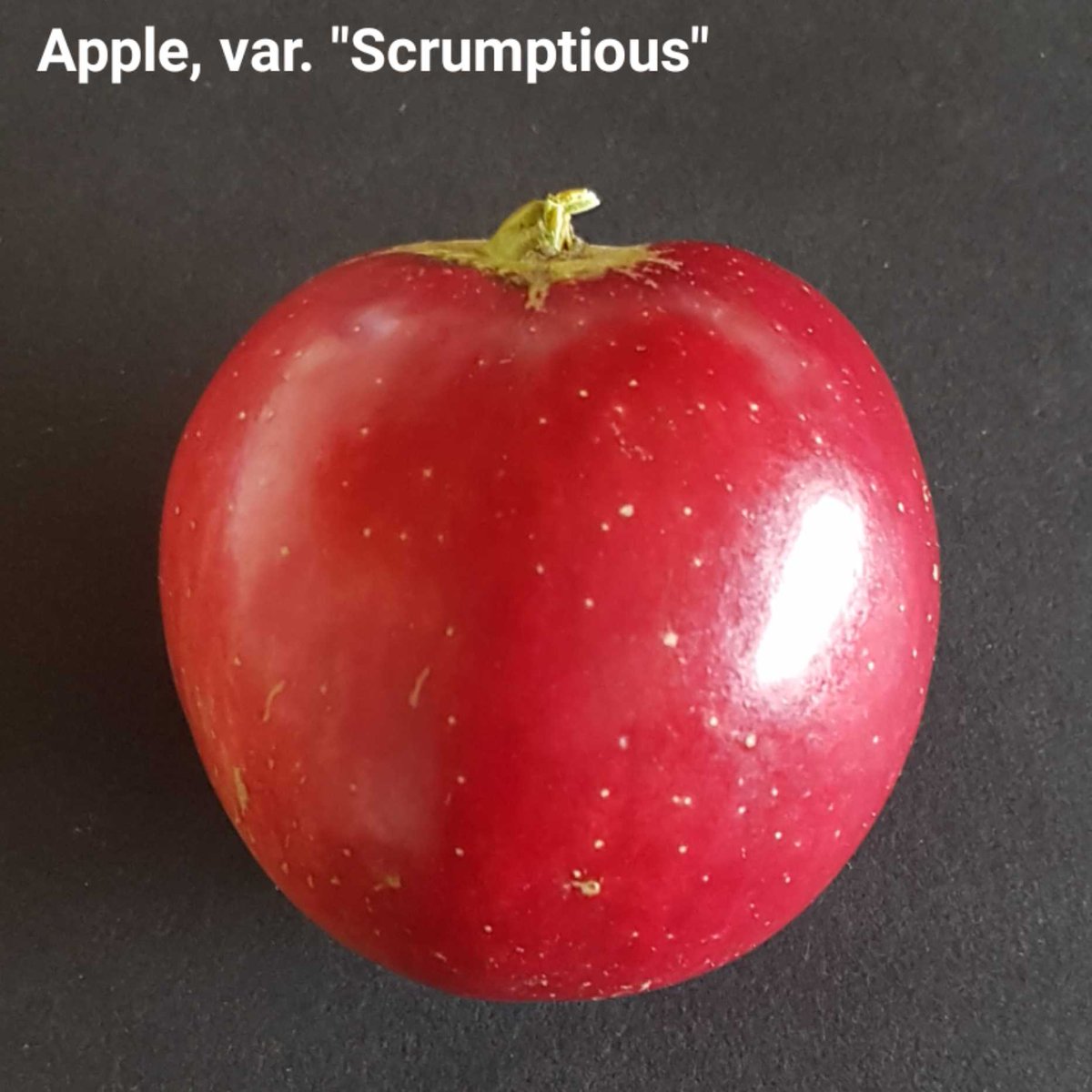
ALT A beautiful shiny bright red apple with a short green stalk. The variety is Scrumptious. It's lit from the side, against a dark background, and there's a bright white reflection on the right hand side.
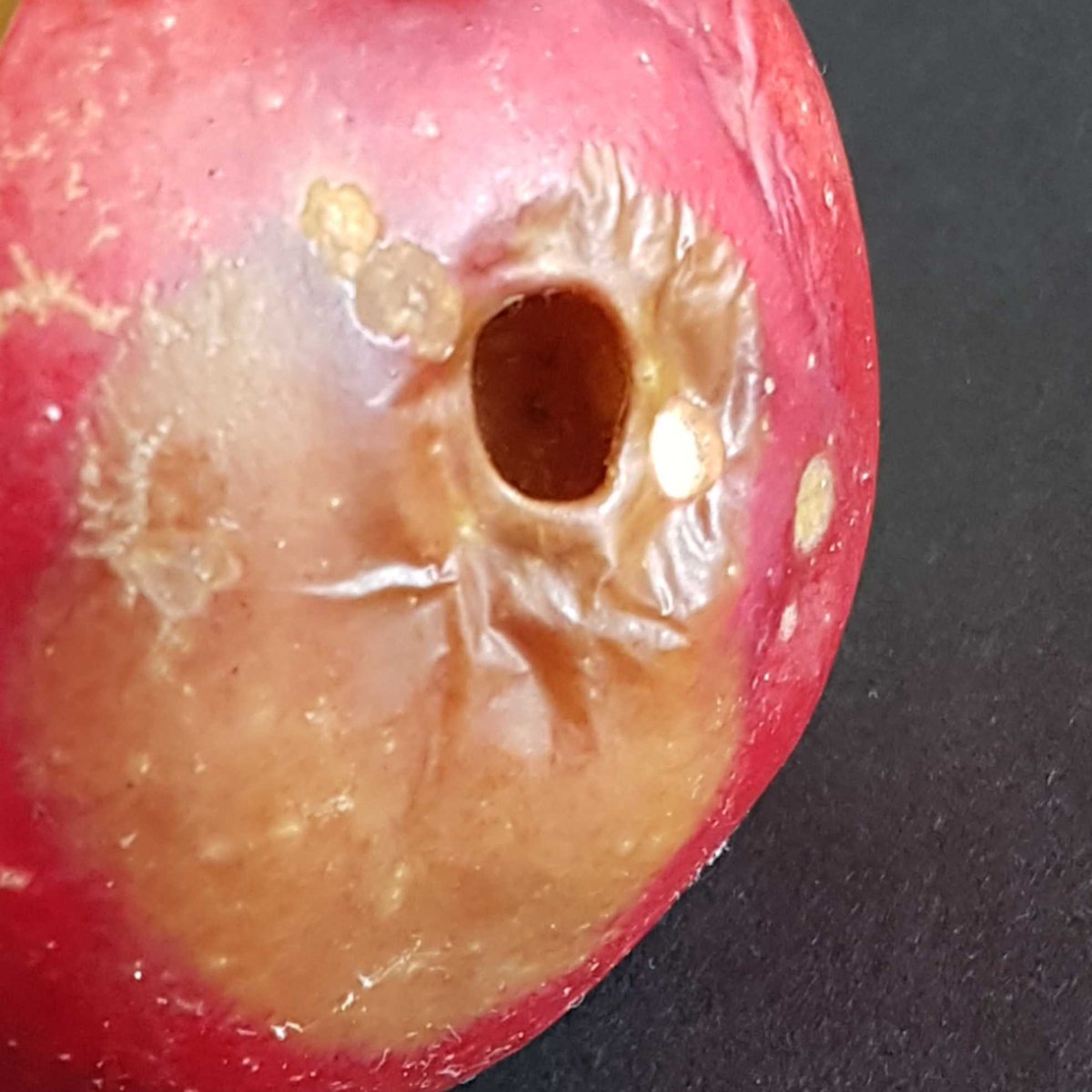
ALT The less beautiful side of the science apple. A large brown rotten patch surrounds a one centimetre diameter circular hole into a large putrefying cavity.
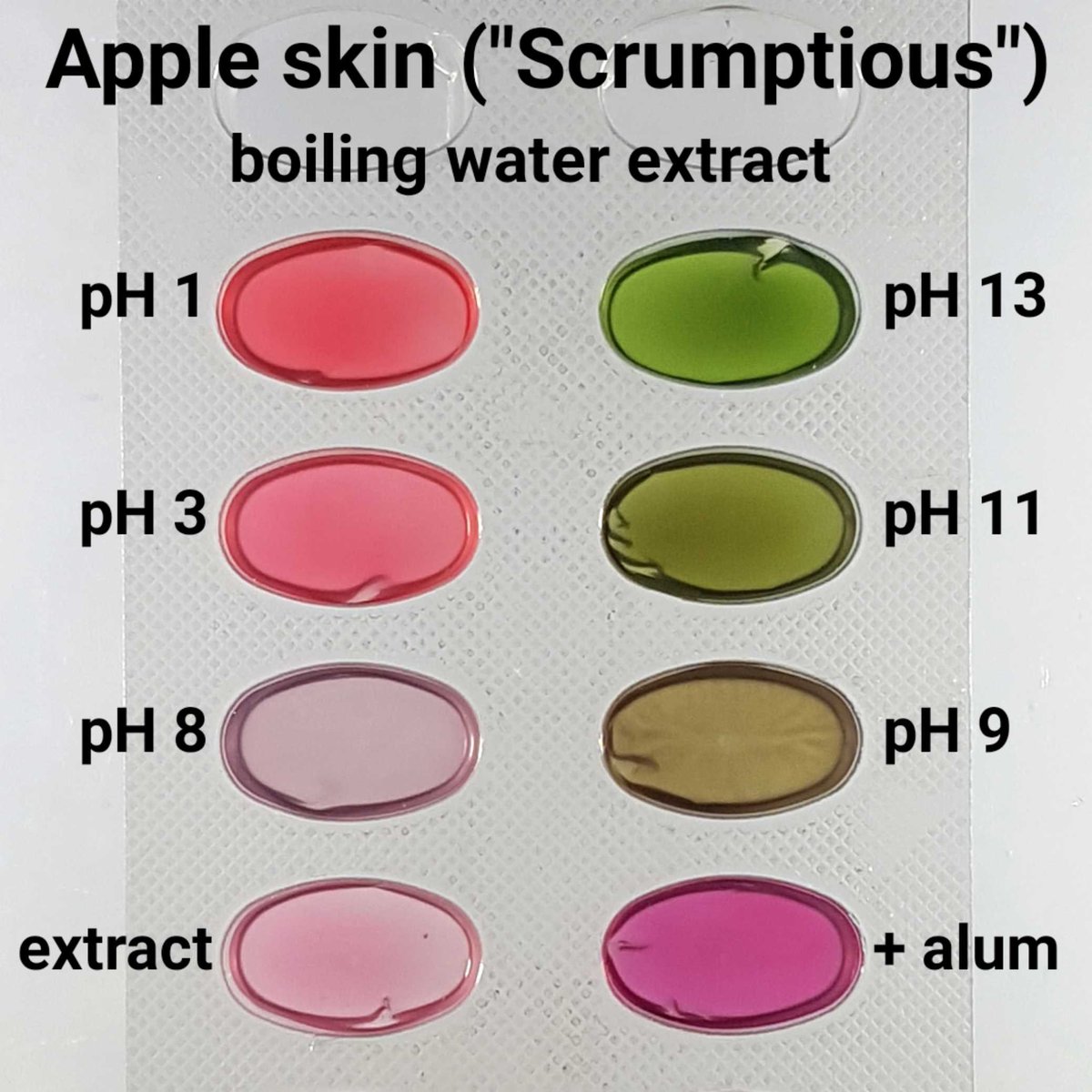
ALT A blister pack, wells filled with apple extract whose pH has been adjusted. At pH 1 the extract is red. It's deep rose pink at pH 3, lilac at pH 8, brownish at pH 9, olive green at pH 11 and dark apple green at pH 13. The extract itself is pink and the aluminium complex is dark magenta.
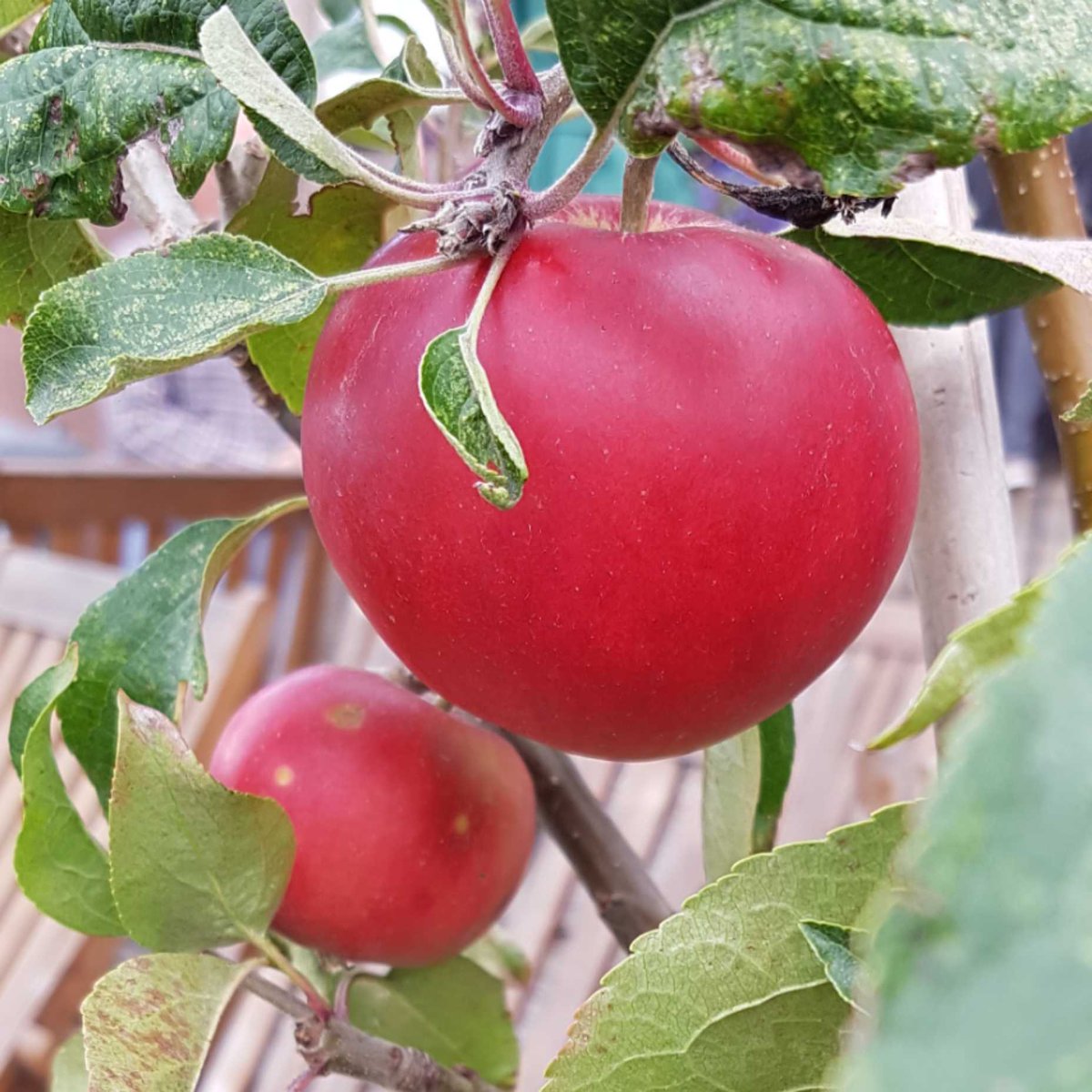
ALT Close up of a couple of apples on the tree. There's a large smooth bright red apple in the foreground amid some green leaves. Behind it is a smaller red apple with a few small brown patches, signs of attack from some pest.




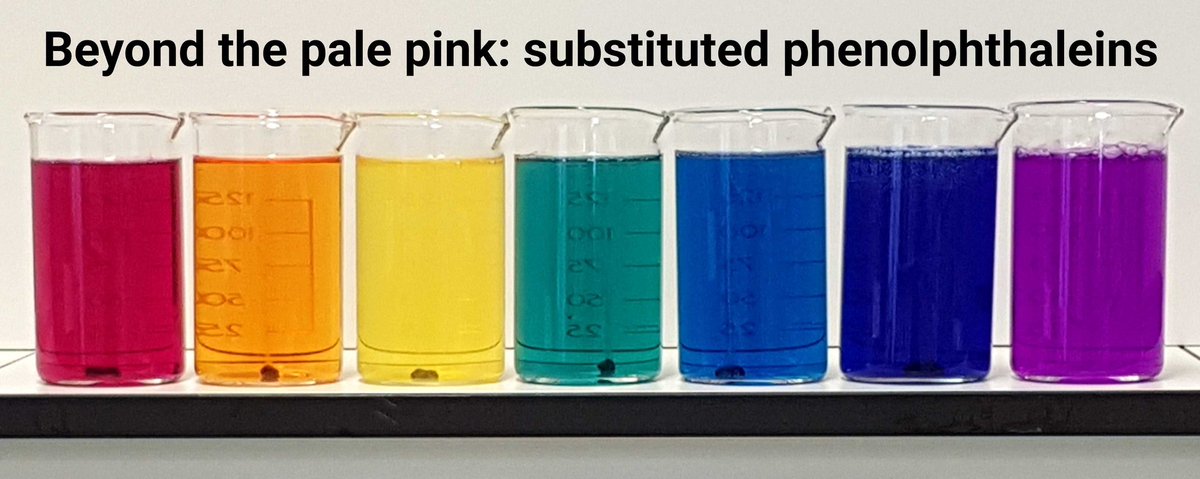
ALT A row of seven beakers filled with coloured solutions in rainbow order: red, orange, yellow, green, blue, indigo, violet. The caption reads "Beyond the pale pink: substituted phenolphthaleins"

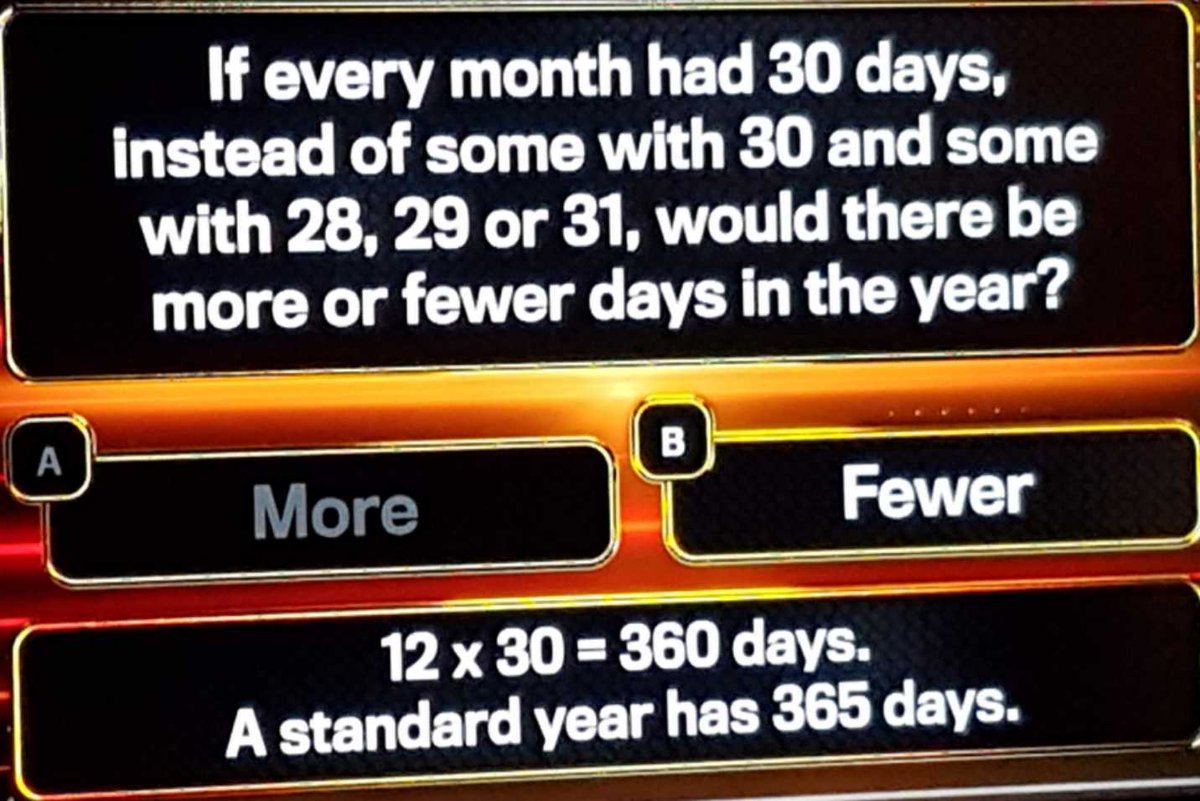
ALT The question reads: If every month had 30 days, instead of some with 30 and some with 28, 29 or 31, would there be more or fewer days in the year? The answer options are: A. More B. Fewer B. Fewer is highlighted as the correct answer. The explanation given is: 12 × 30 = 360 days. A standard year has 365 days.