Joined March 2017
- Tweets 30,773
- Following 506
- Followers 362,528
- Likes 86,553
4,697 Photos and videos

Pinned Tweet

Jun 6
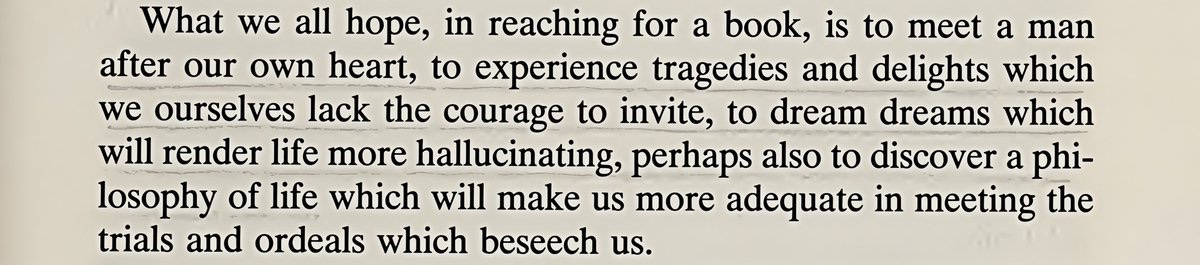
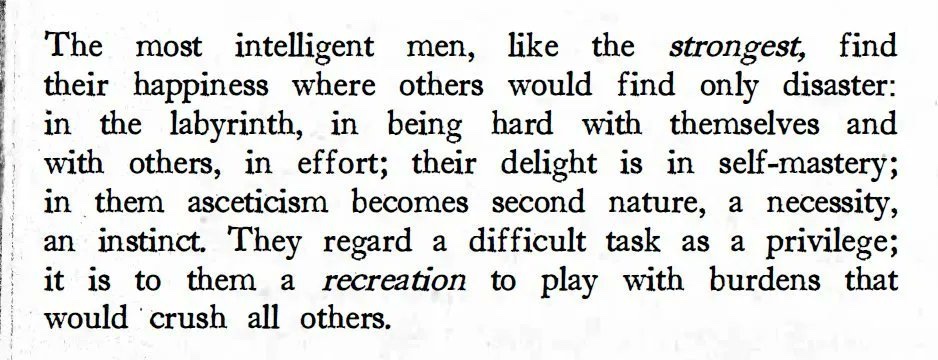
Every man should read this quote:
Friedrich Nietzsche (1895)
19
275
1,900
69,109
Jun 12
Most authors dream of their book selling 15,000 copies.
My friend Jayson Gaignard sold 15,000 copies BEFORE his book was even published.
How?
He launched a campaign on Kickstarter which has sold 15,000 books and raised over $140,000 from supporters SO FAR (it's still going)!
The craziest part?
Jayson doesn't have a large social media following–he only has about 5k followers on LinkedIn and 2k on Instagram.
I wanted to learn more about and so have a lot of other authors, so Jayson suggested we host a call and let people join.
So that's exactly what we're doing–we'll be hosting a FREE 1-hour live event on June 18th.
If you're an author or aspiring author, you won't want to miss this.
Comment "BOOK" and I'll DM a link to join the call! 💬
6
1
16
2,717
Jun 10
There are 2 paths for content creators:
Be top of mind
OR
Be one of a kind
Post so often that people become aware of who you are or post rarely but amazing content that makes people remember you.
3
6
17
2,858
Jun 10
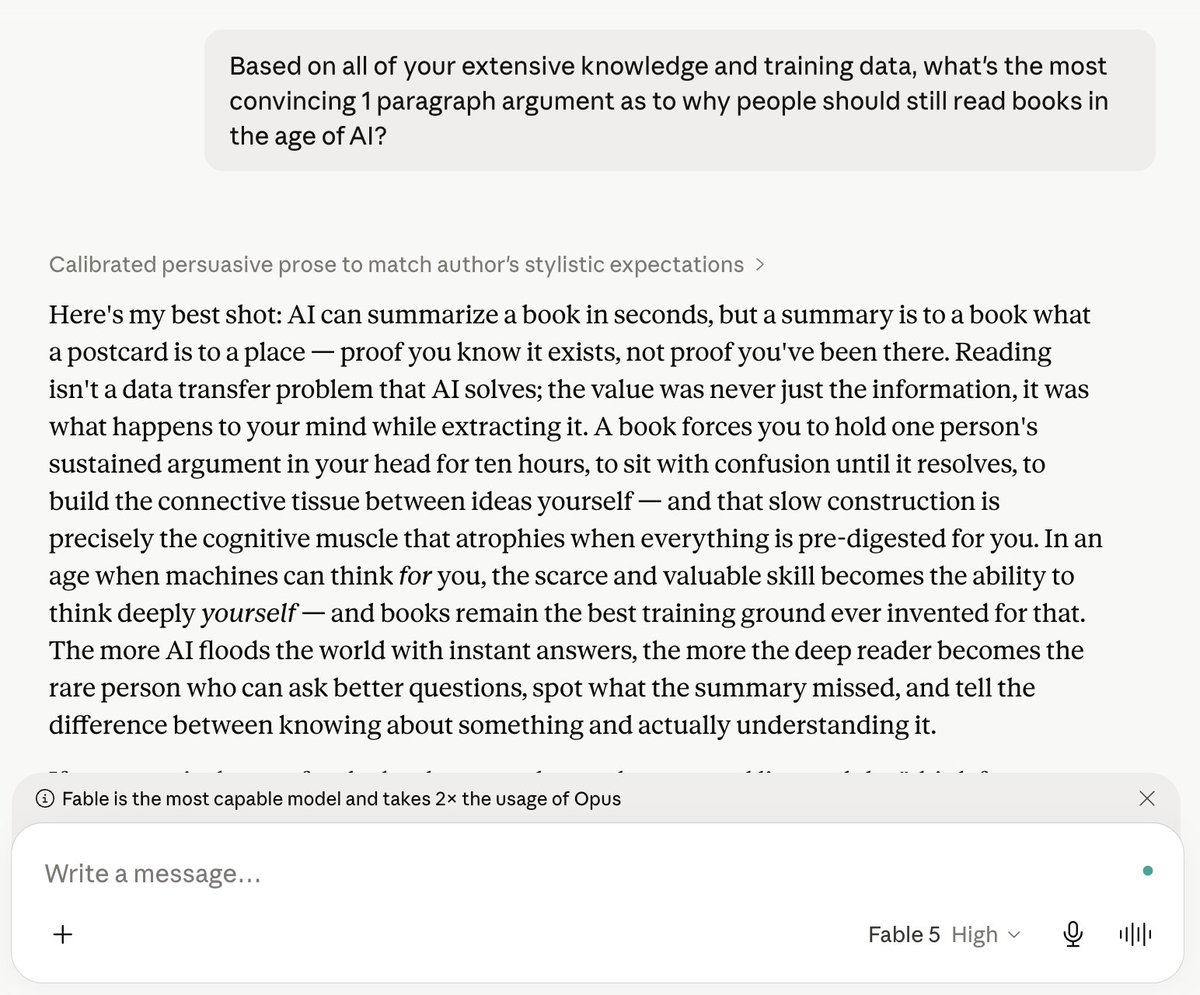
I asked Fable 5 why people should still read books in the age of AI.
Here's what it said:
58
160
1,059
83,964
Jun 8
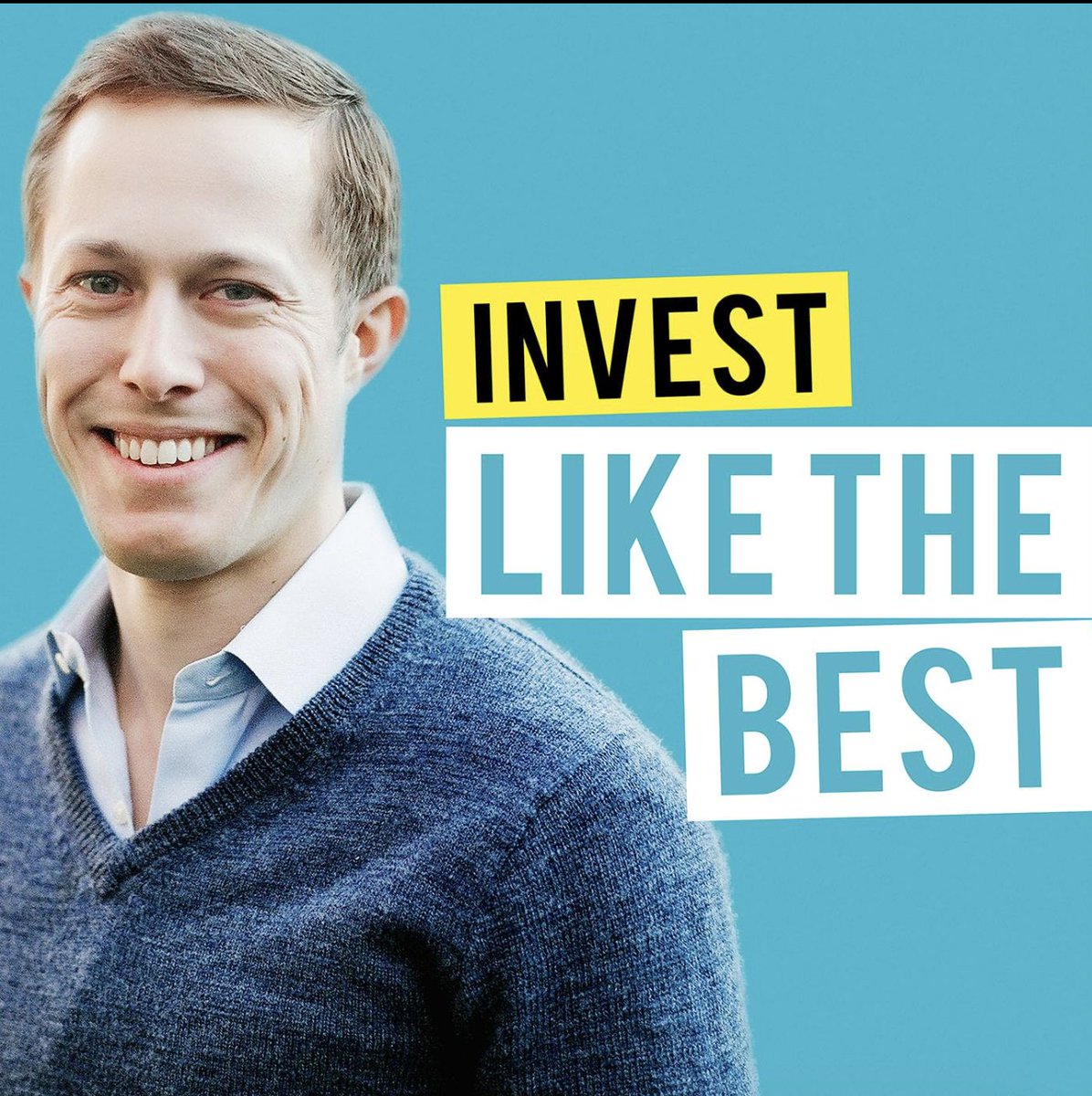
This is Patrick O'Shaughnessy.
He's an investor, host of the popular podcast "Invest Like The Best", and an avid reader who spends 3 hours a day reading books.
Here are 20 reading tips from @patrick_oshag:
1) Reading changes the past. This is important. The past isn’t fixed. A new book often makes you realize something essential about an old book.
2) This is why knowledge compounds. Old stuff that was a 4/10 in value can become a 10/10, unlocked by another book in the future.
3) This is why picking “best” books is hard and maybe misguided. Usually it’s some combination of books that has a non-linear impact.
4) When you start out reading, you are collecting distant dots in a constellation with no apparent connection. As you keep going, say past 100 books, you start to realize all the good ones, even those on wildly different topics, are connected.
5) In most books, even good ones, I find about 20% of the text useful. Because the past isn’t fixed, I still view this as time well spent.
6) In a small subset of books, the author doesn’t give you ore, he/she gives you gold. Impro. The True Believer. The Tiger. Bird by Bird.
7) Joseph Campbell: “If what you are following is your own true adventure, if it is something appropriate to your deep spiritual need or readiness...then magical guides will appear to help you.” That has been true for me with reading.
8) Beyond being an asset--“a stock” or sorts--it is also a “flow.” I hear runners talk abt flow state. I feel the same when reading some books.
9) Reading gets more and more enjoyable the more you do it.
10) 82 books may sound like work, but I don’t even feel it. That kind of joy is an EDGE.
11) I highlight and write notes in Kindle, and then export each book’s notes/highlights into Evernote.
12) I prefer physical books, but because I have to type up 100 notes, I can’t justify reading that way unless Kindle isn’t available.
13) I probably highlight 50-100 things in each book, and take a more detailed note on 10-20. Most notes are about building out the constellation.
14) Notes are essential. Without them, I’d forget almost everything. Sometimes I’ll just root around in my Evernote book section for hours.
15) STOPPING & SKIPPING: I stop a good chunk of books between 5-100 pages in. Never keep going if a book sucks. Most books are bad.
16) I skip a lot in non-fiction. If a paragraph’s opening sentence seems repetitive, I move to the next. The “body” is usually way too long.
17) Campbell had a great rule of thumb: the fewer citations, the better the book. This isn’t always true, but it’s true an awful lot.
18) I am increasingly tired of books which follow the “academic study cute anecdote” formula.
19) Books that use “proprietary data” are best. That data could be experience, conversations, actual data that isn’t publicly accessible.
20) I also read one book at a time. If I find myself reading a second, that means I should quit the first. So I do.
2
9
56
5,493
Jun 5
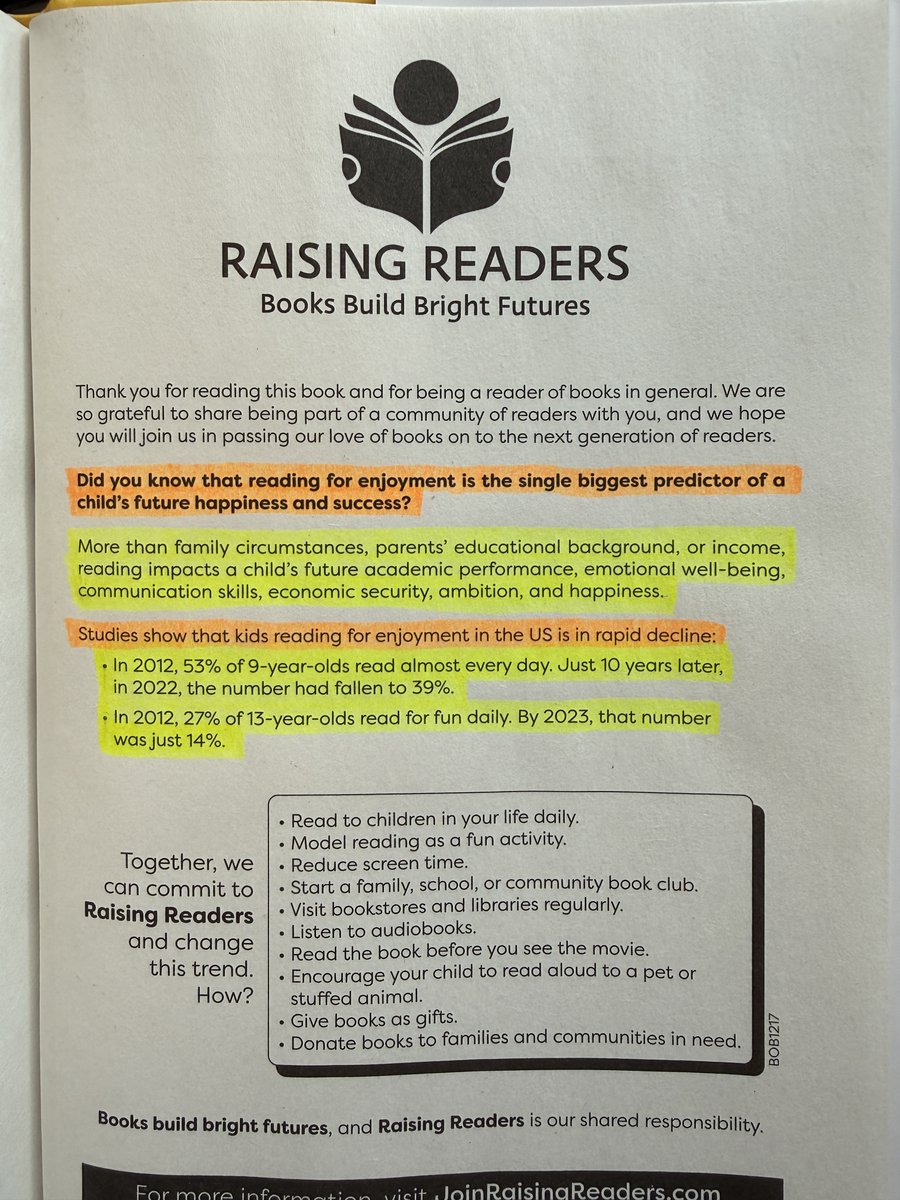
Reading for enjoyment is the single biggest predictor of a child's future happiness and success.
But kids reading books is in rapid decline:
-Kids who read almost daily has fallen from 53% to 39%.
-Kids who read for fun has fallen from 27% to 14%.
We need to fix this.
13
67
210
8,237
Jun 5
Reading 25 pages of a book a day is the equivalent of 10,000 steps for your brain.
55
179
2,133
53,975
Jun 4
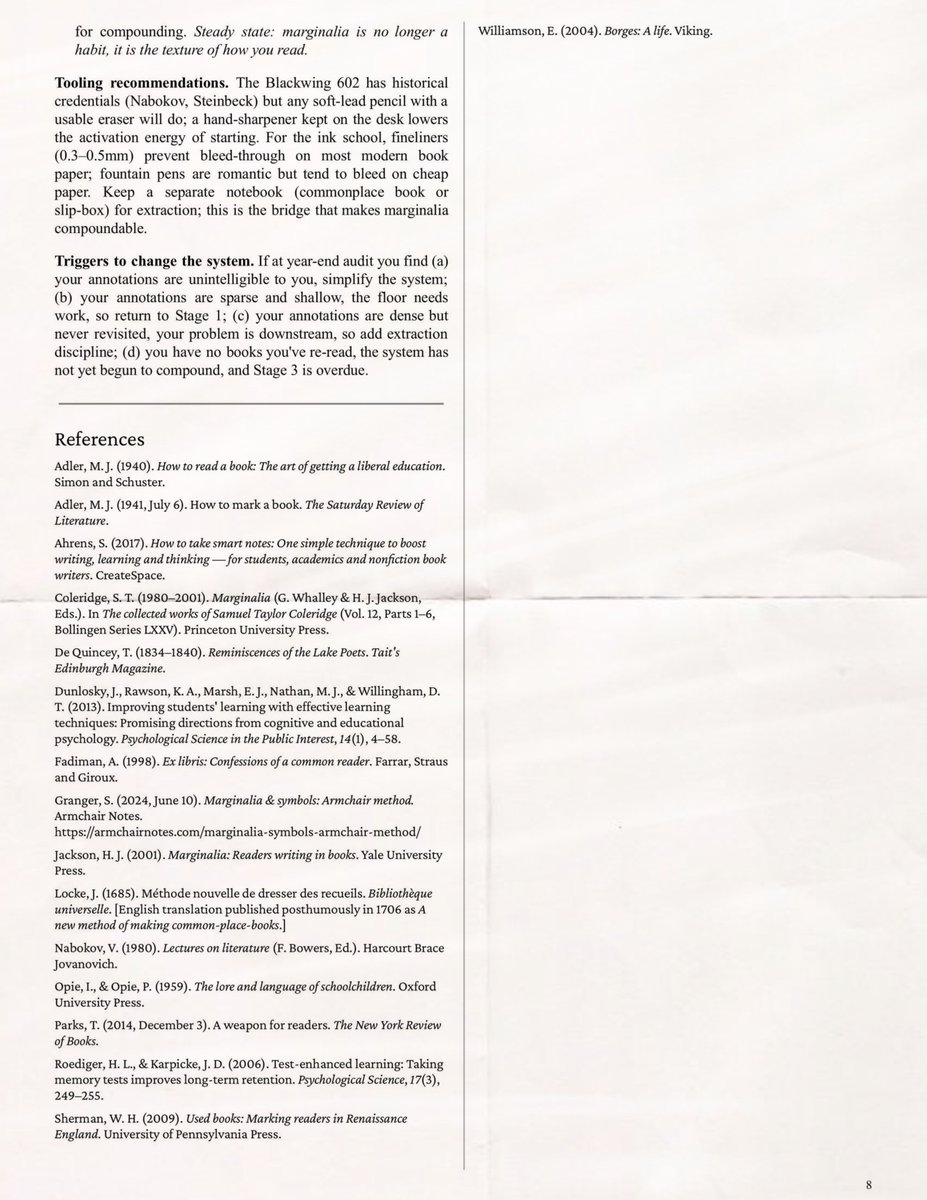
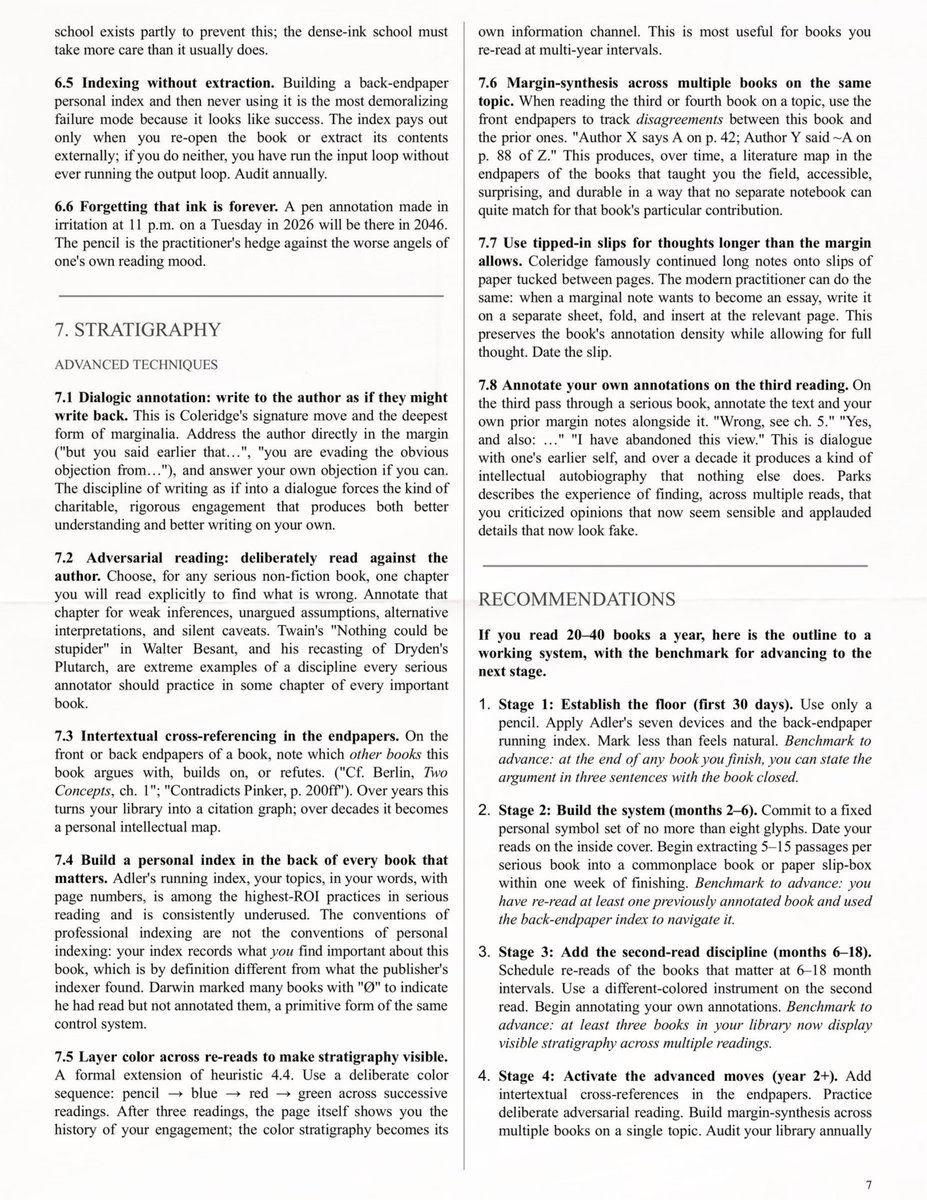
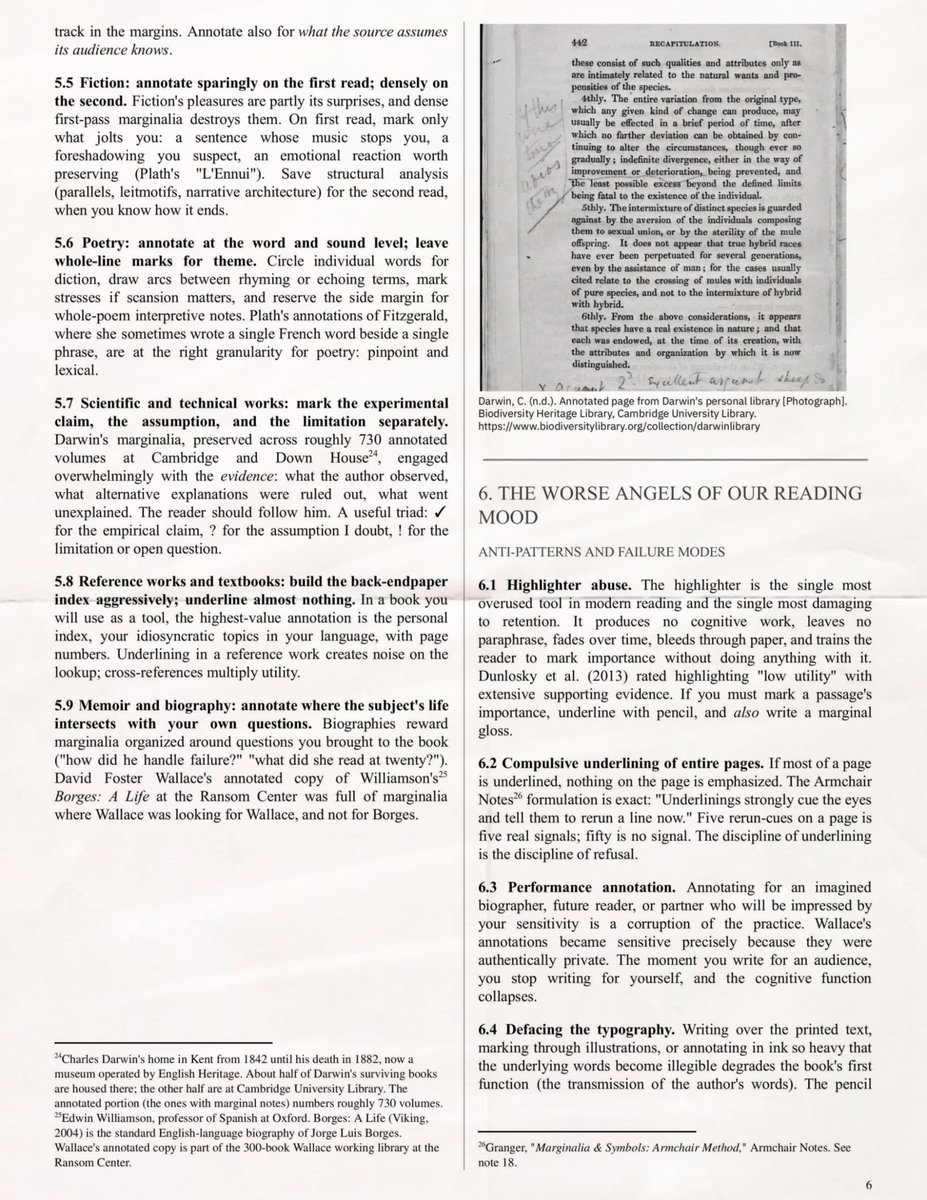
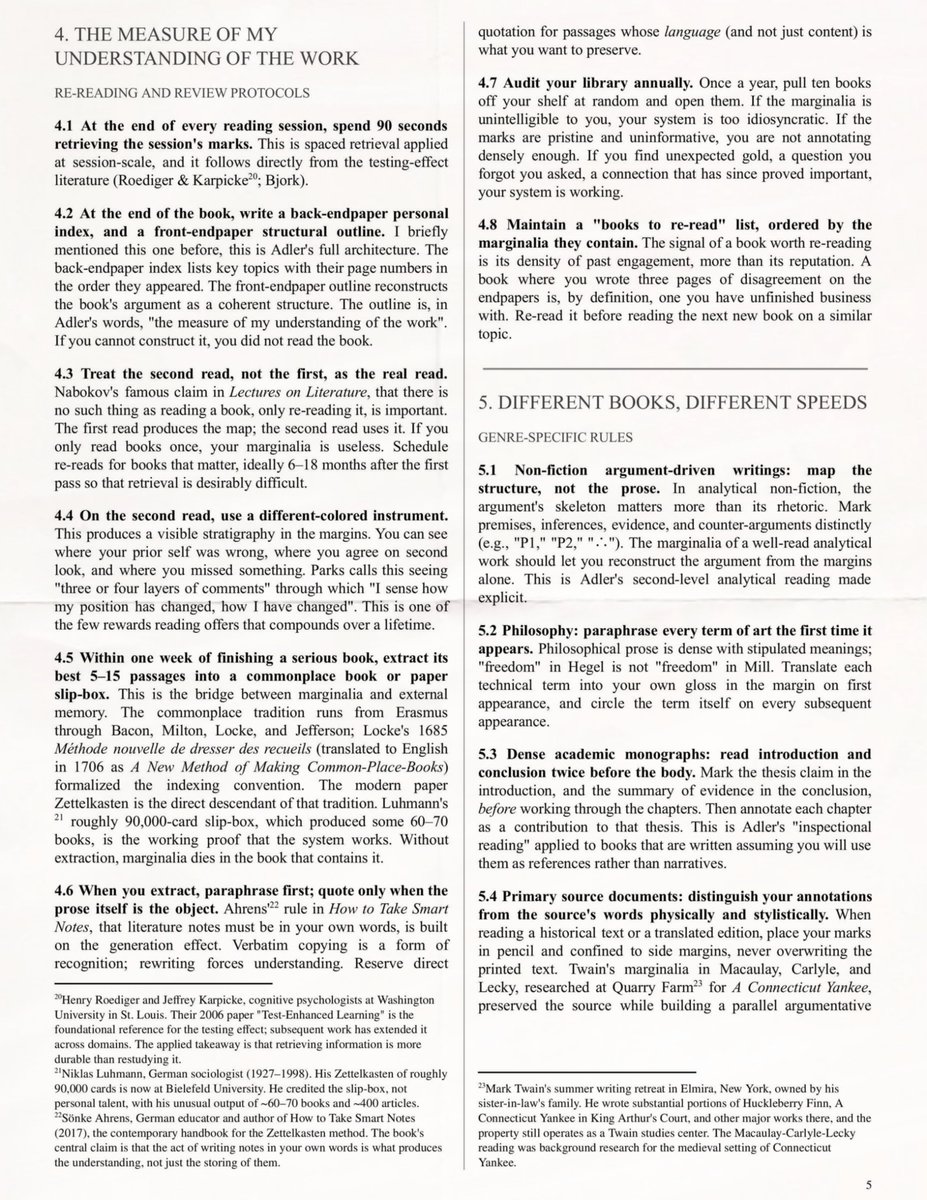
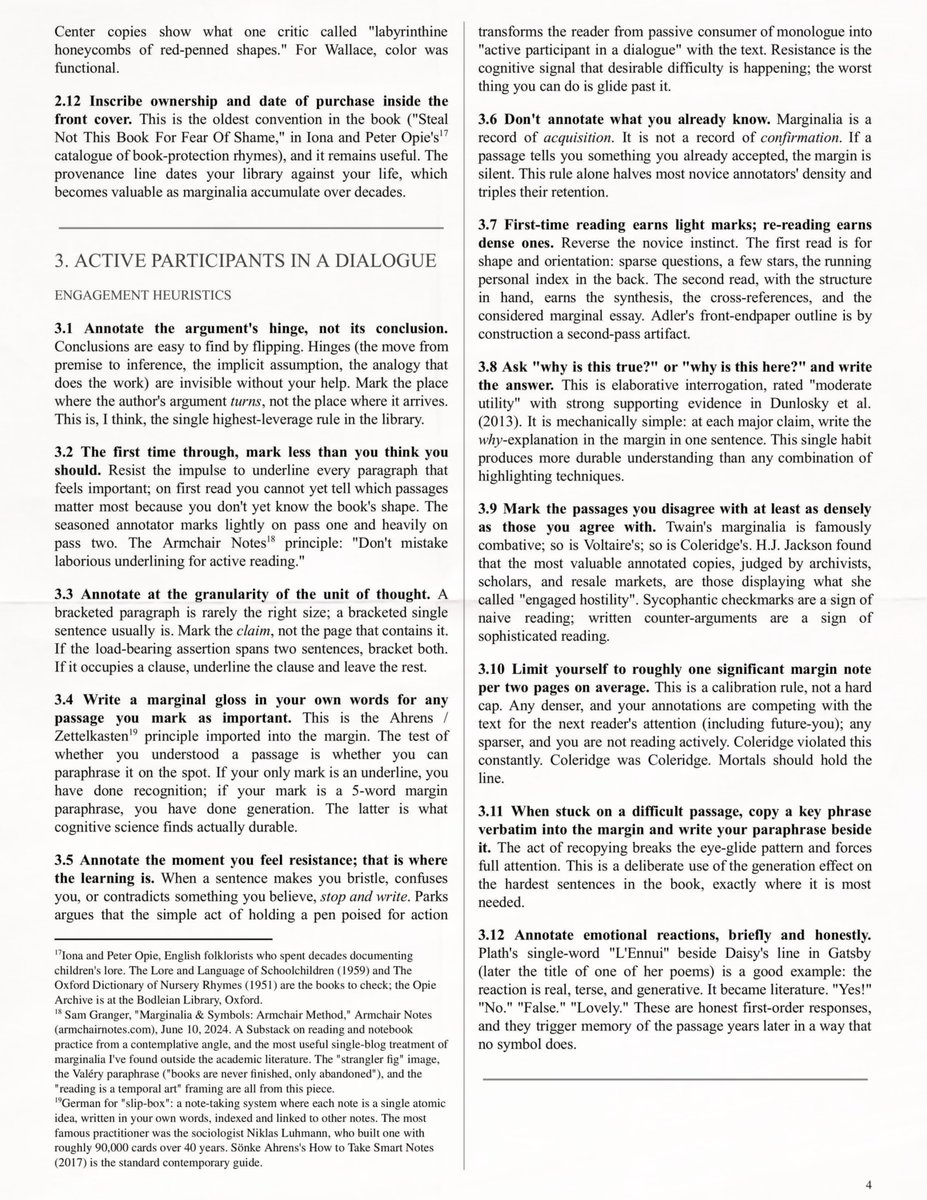
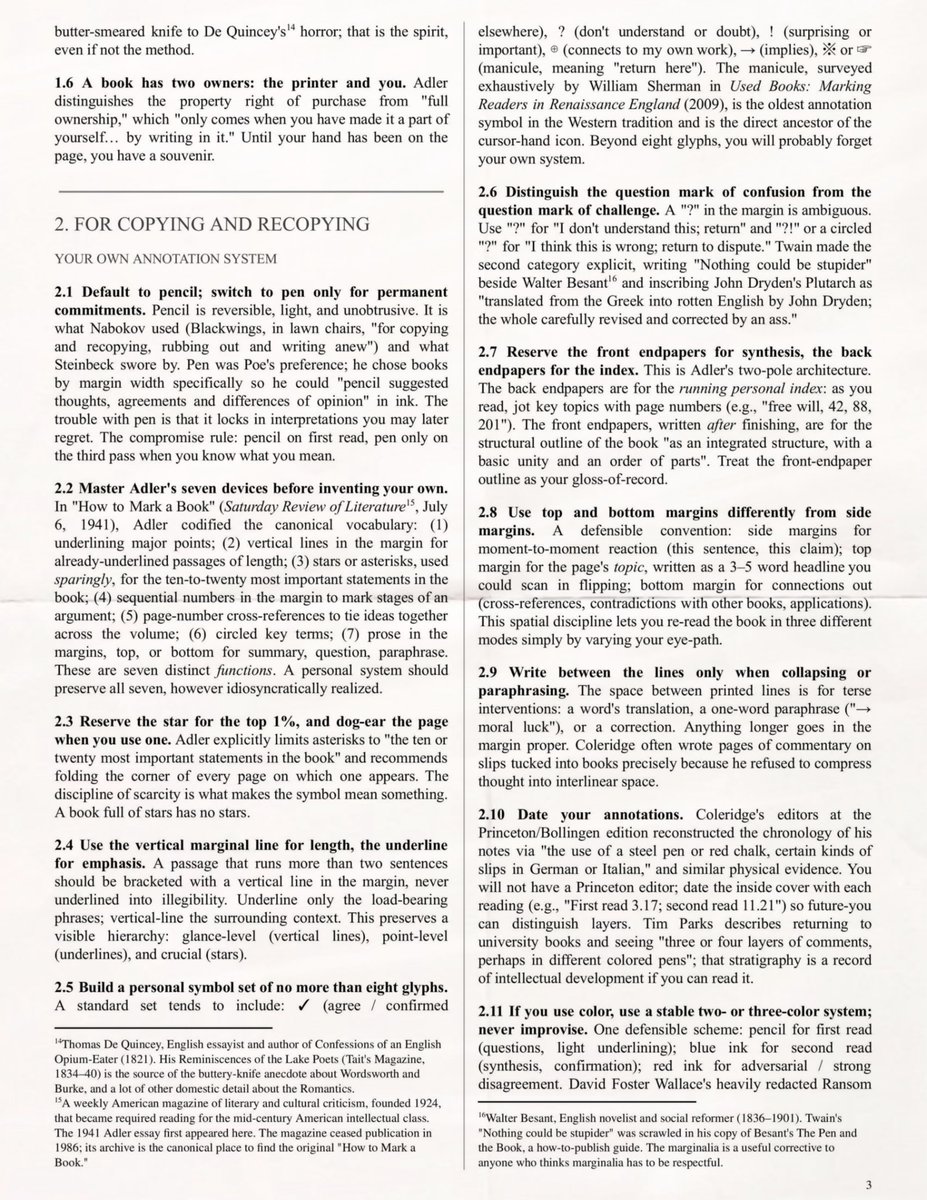
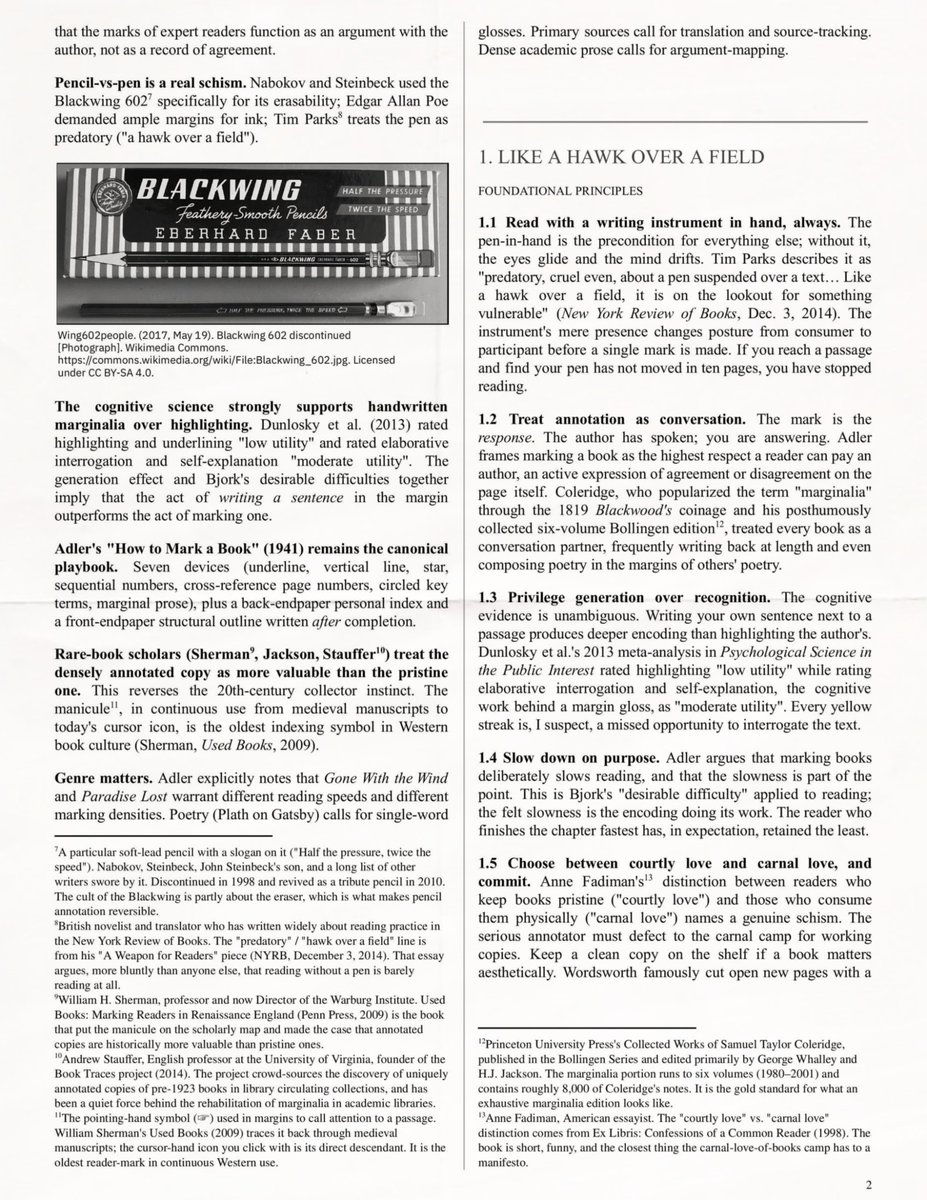
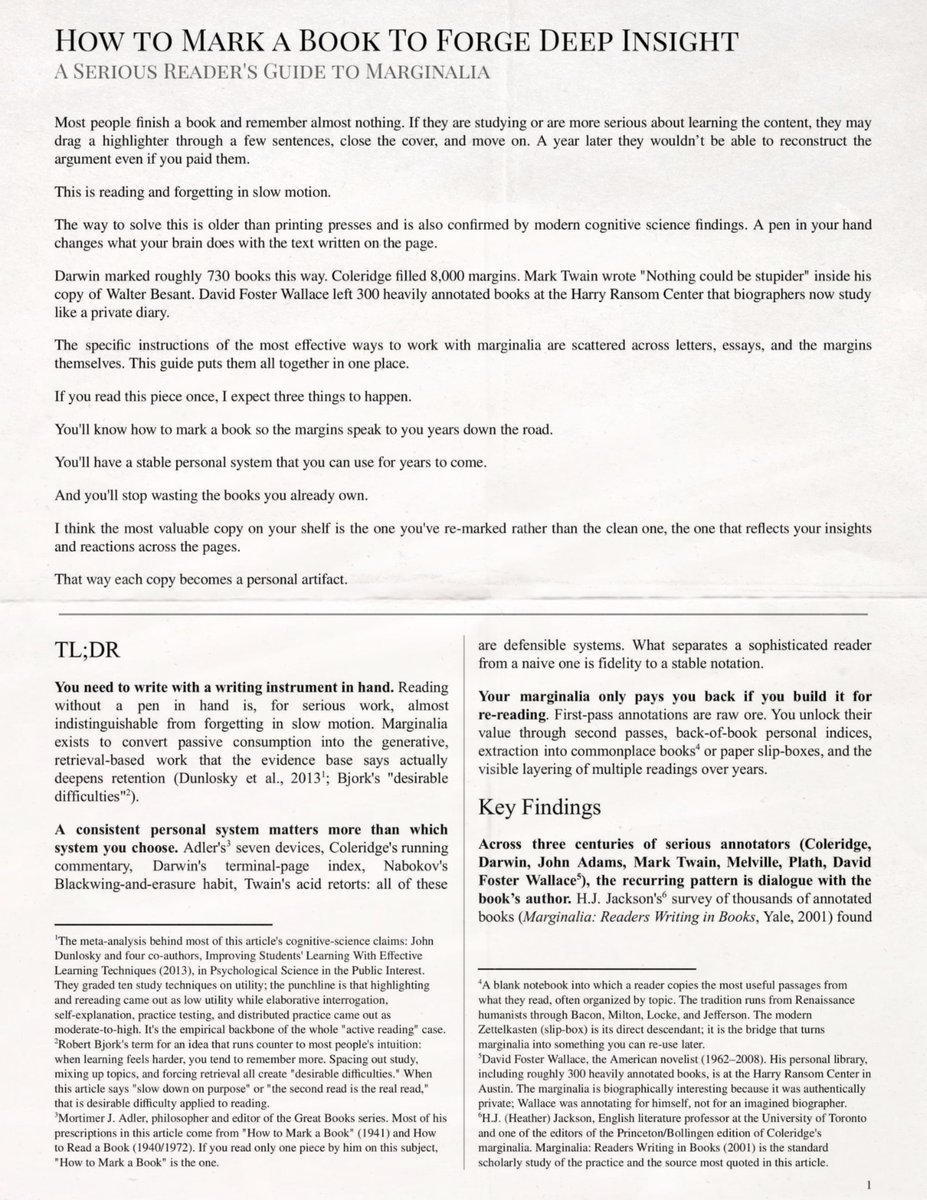
How To Mark Up A Book To Forge Deep Insights:
(a serious reader's guide to marginilia)
1/8
5
52
288
15,179
Jun 4
Credit to @polymathinvest1 for creating this guide.
Check out his Substack here:
polymathinvestor.com/?r=2xv7…
3
6
1,828
Jun 4
PS: Looking for an awesome book to read?
I share a summary of an amazing book every week in my free newsletter. Join 50,000 readers here: alexandbooks.beehiiv.com/sub…
1
7
1,790
Jun 4
You need to be bookmaxxing. Read more books. Borrow more books. Buy more books. Recommend more books. Gift more books. Discuss more books. Review more books. Reread more books. Quote more books. Join more bookclubs. Take more notes on books. Apply more books. Do more with books.
45
175
897
21,975