
Road Tripping through the Universe! It Wicked Rocks! Co-creator of Gaia Scene Terra Nova Substack and all things Awesome! #EmpoweredHuman
Joined May 2016
- Tweets 224,506
- Following 962
- Followers 2,467
- Likes 243,760
1,051 Photos and videos









Alex Clark retweeted

Jun 14
I honestly and truly believe that Donald Trump does this kind of stuff for the sole purpose of irritating Leftists.
I’m here for it.

One day I hope MAGA supporters can ADMIT if Barack Hussien Obama had done anything remotely close to this, we’d still be hearing about it today
1,238
1,691
17,190
231,630
Alex Clark retweeted

Too many young men think they need to wait until they have their life perfectly together to get married but in my life experience, I say to hell with that, find yourself a good woman and she’ll help you unlock the best man you can be and vice versa.
Jun 14

The biggest decision in life that you will make is accepting Jesus into your life. The second is the spouse that you marry. I owe all of what I have to the above.
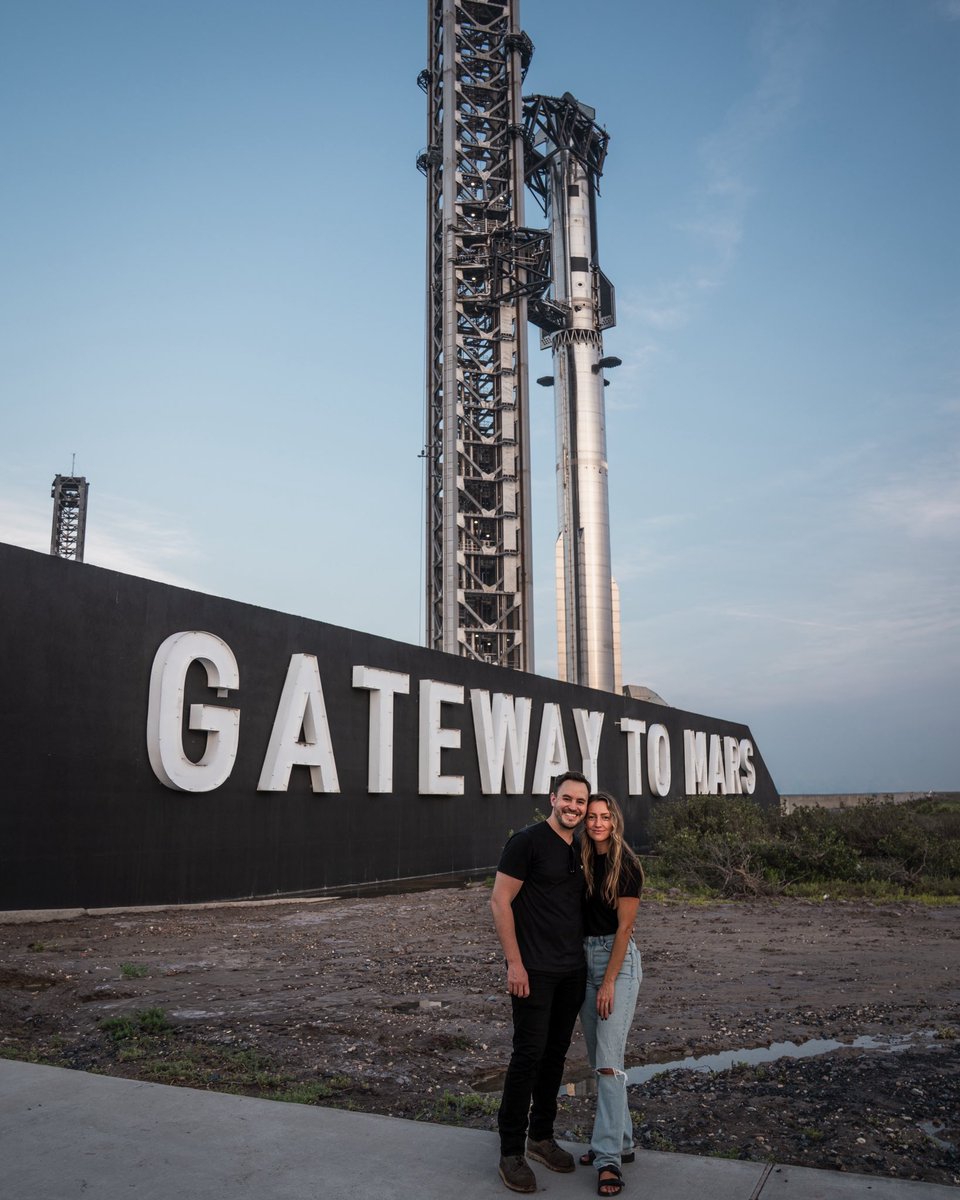
My wife was the one who encouraged me to apply to @SpaceX when I already had job secured elsewhere after college. She encouraged me to move to Starbase and work on the Starship when I was very hesitant on doing so. She has supported me throughout multiple 7 day work weeks and 16 hour work days.
Blessed and highly favored is an understatement.
48
184
1,963
50,430
Alex Clark retweeted

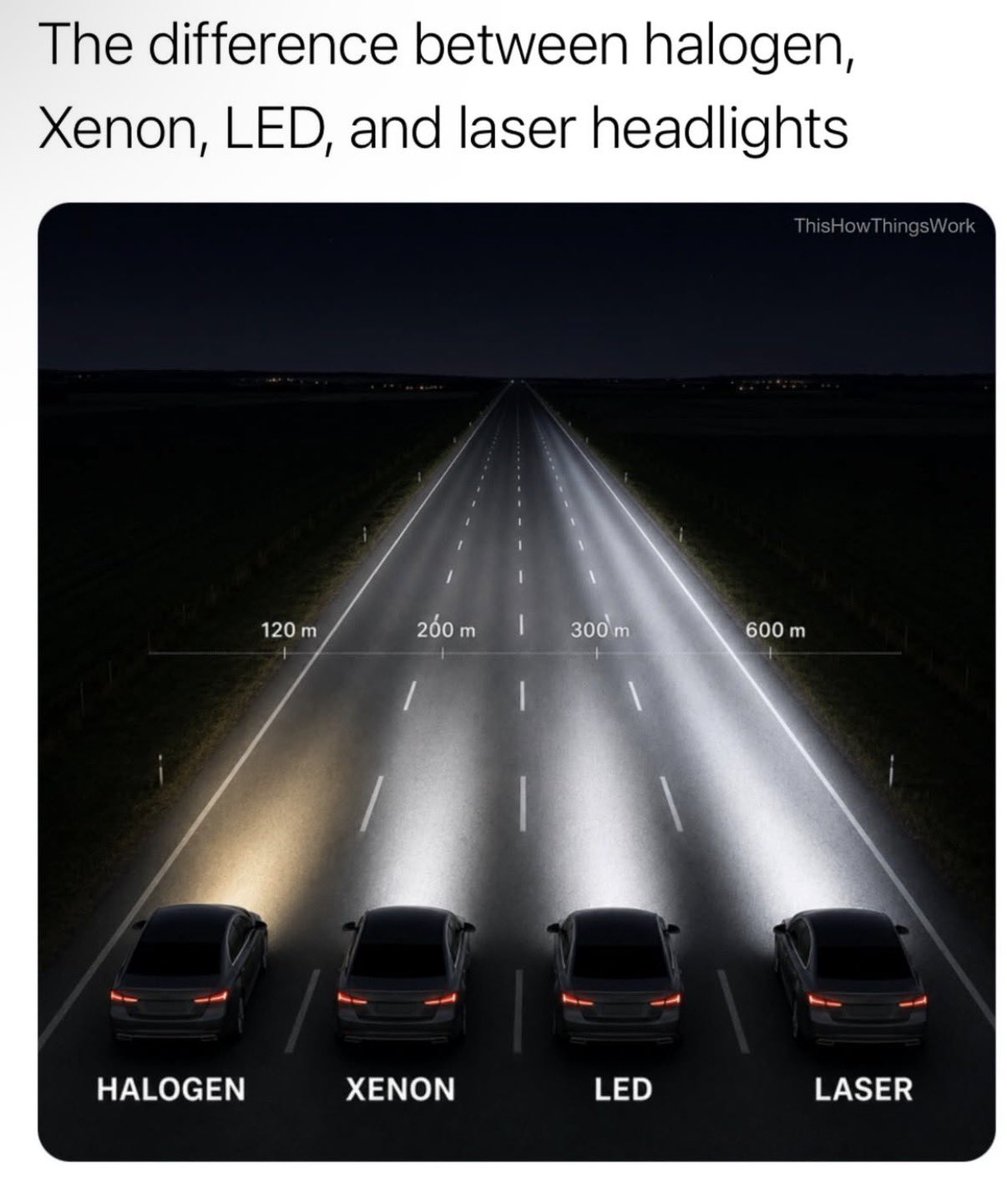
Why does it seem like lately, everything under the sun is illegal EXCEPT blindingly bright headlights?
I generally hate when the government bans most things, but this is one of the few things that I'd be glad to see get totally banned.
Jun 14

I am once again making a plea. Someone please get these headlights under control!
40
14
285
10,674
Alex Clark retweeted

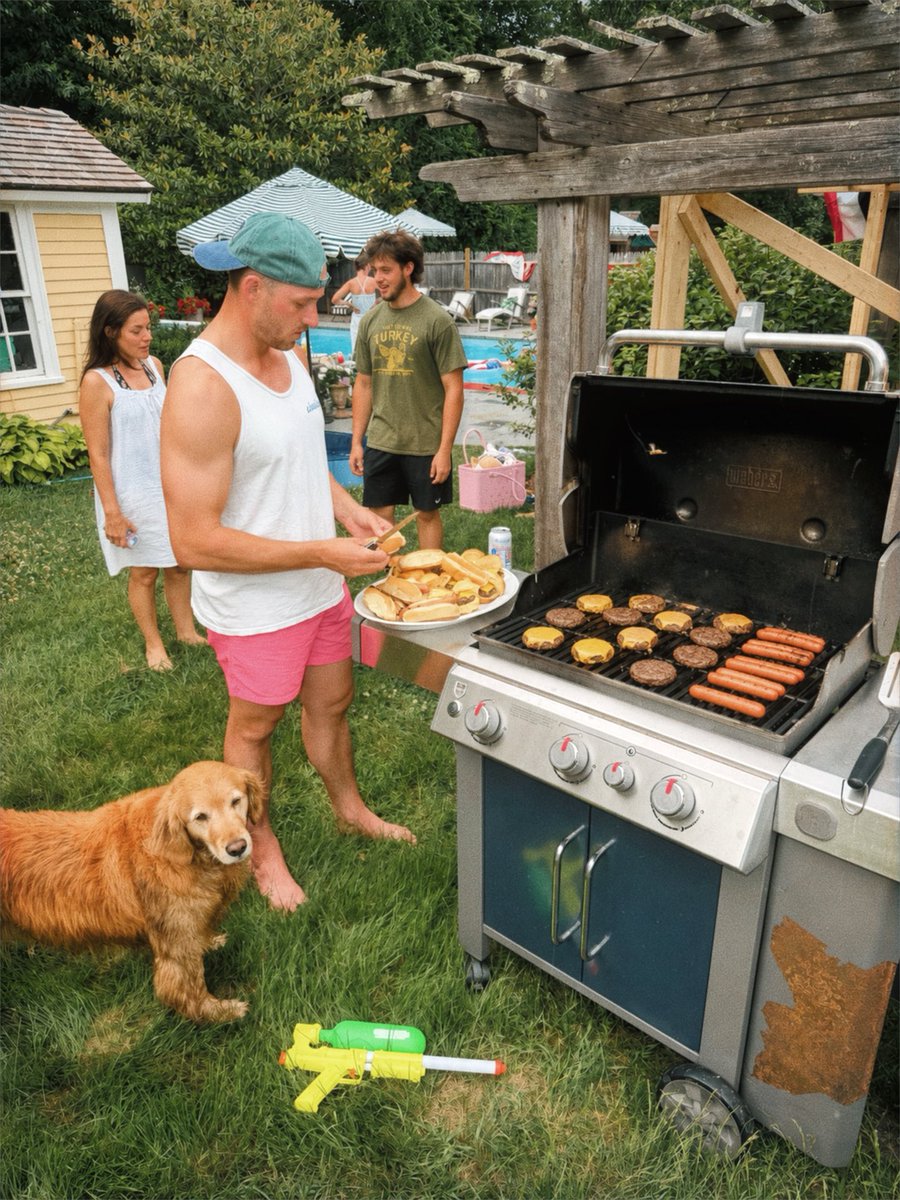
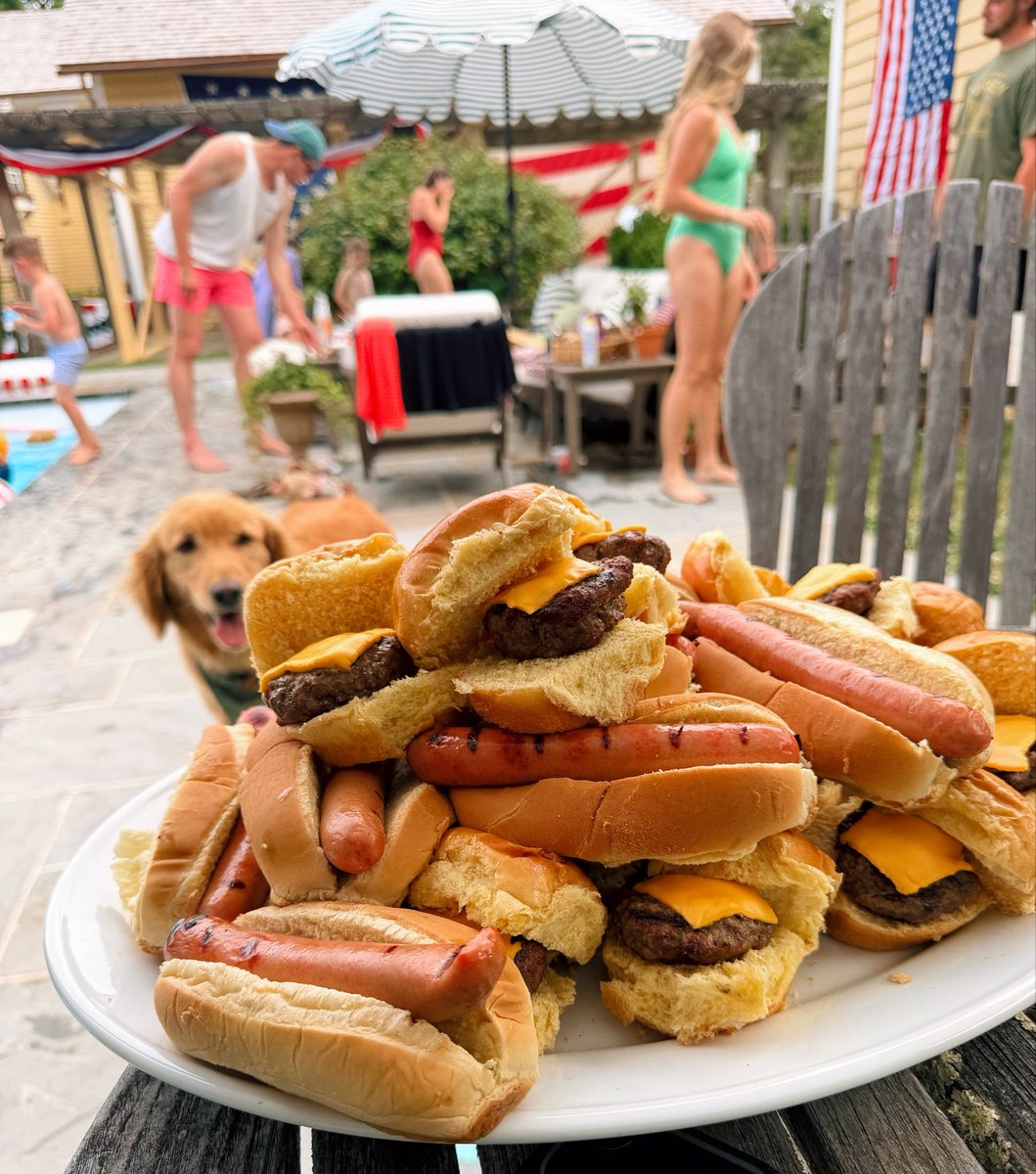
Throw a big all-American summer cookout with your X mutuals and their families 🇺🇸
@gregcello


16
17
591
14,227
Alex Clark retweeted

I think she may be the sweetest sheep in the world // Eleanor 🐑
25
39
463
3,434
Alex Clark retweeted

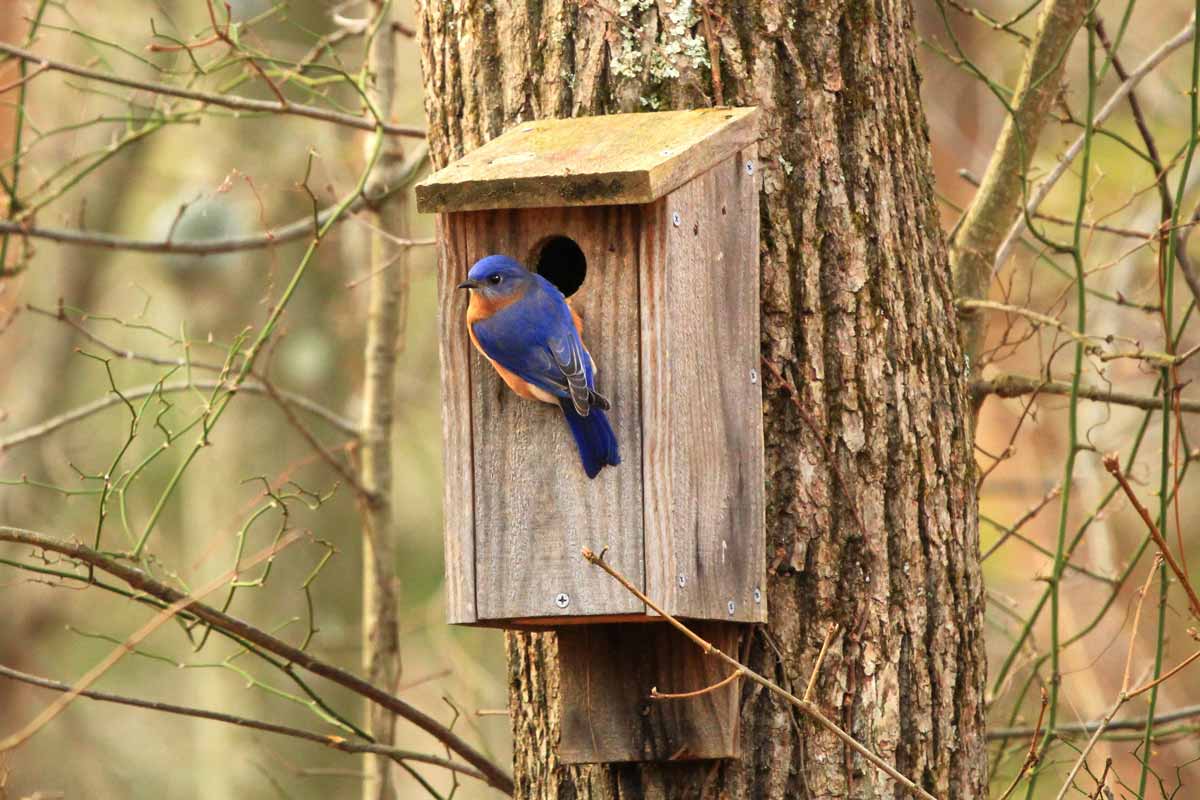
A hundred years ago, the eastern bluebird was one of the most common birds in the country. Then it nearly disappeared.
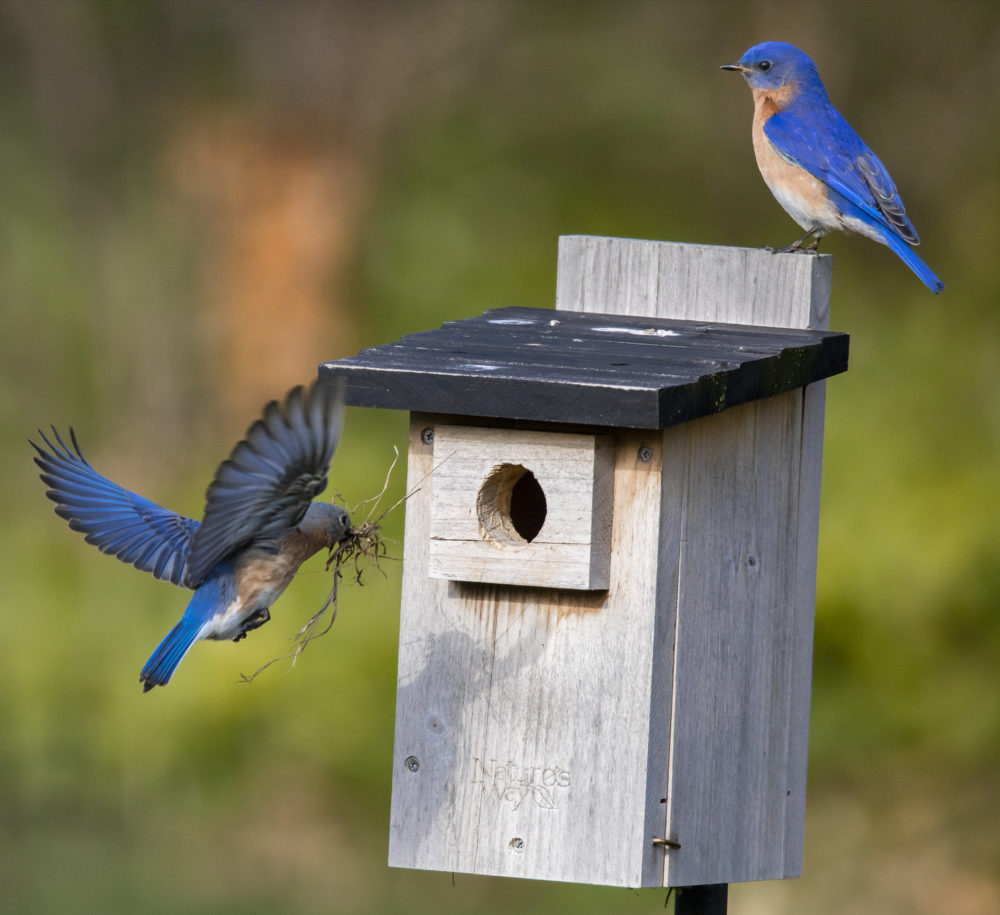
Here's the problem: a bluebird can't build its own home. Neither can a chickadee or a wren. They're cavity nesters with no tools to dig a hole, so they move into ones that already exist: an old woodpecker hole, a rotted knot in a tree, a hollow in a dead limb, a soft spot in a wooden fence post.
Then we launched a relentless effort to tidy the world and put everything in its right place.
We cut down the dead trees, the "ugly" snags, and hauled them off. We swapped the old wooden fence posts for metal. We cleaned up every hollow stump and dying branch. And just like that, the nesting spots were gone.
Worse, two birds we'd imported from Europe, house sparrows and starlings, muscled into the few cavities left and threw the bluebirds out. By the 1970s, bluebird numbers had fallen by nearly 90%.
Here's where things began to turn. Ordinary people started nailing wooden boxes to posts. Just boxes, with a hole the right size. And the bluebirds came back, all the way back, one of the greatest comebacks in American conservation, built almost entirely by regular folks in their own yards with a little lumber.
So here's where you come in. A nest box isn't a cute decoration. It's a replacement for the dead tree we took down, a hole in the world for a bird that can't make its own.
Put one up, with the correct hole size for the bird you want, on a smooth pole a predator can't climb, and you stop being a bystander to that story.
44
443
1,539
22,314
Alex Clark retweeted

While New York shows the 💩 side of society, Japan shows the best. Their culture is amazing
7
27
304
2,057
Alex Clark retweeted

Jun 14
I've had a few of these gate openers over the years, they start acting up after 13 years and completely stop working by 17 years.🤣🤣🤣
485
1,195
20,222
905,337
Alex Clark retweeted

Jun 14
So many Europeans are going to go back home singing the praises of America and American hospitality that the legend that is America will be carried on for generations.
6
79
910
4,305
Alex Clark retweeted

People always ask me about my own dog Hank the Tank and what his story was.
This is how I found him. A huge hole in his neck full of maggots and owners who didn’t want him.
Their loss if you ask me ❤️
266
1,449
15,508
95,830


Alex Clark retweeted

One of the little button quail just hatched 🥰 I'll update on the rest in the morning!
Have a good night friends 😴 🤗
41
35
689
4,944
Alex Clark retweeted

17h
I have a ten year old Doberman named Drago. Over the past decade I’ve bought him every toy you can buy. None of them lasted a day. He ripped them all to shreds.
A week ago I was at Target and saw a stuffed lamb (might be a sheep I have no idea) for sale. Bought it for Drago, expected it to last ten minutes.
I’m not sure if he thinks it’s his kid or what but he has not only not destroyed it, he brings it everywhere. When he eats, he brings it to his bowl. When he goes outside, he takes it. I’m fairly certain that if I tried to take it from him he would kill me. 😂

2,124
1,402
23,594
345,121
Alex Clark retweeted
Good Monday morning , friends 🌞
5 little button quail have hatched so far.
Kitty sneezed in my video and scared one 🤣
42
23
335
3,141
Alex Clark retweeted

Doomers must have mental whiplash at this point.
1. China kicked out of Panama
2. Venezuela secured and friendly without a war.
3. EU and Canada whimpering like babies
4. No Russian tanks rolling across Germany or the rest of Europe.
5. No ww3
6. China in a major deflationary event
7. Taiwan still free from China
8. Gaza ceasefire
9. Israel still standing
10. BRICS on the back foot.
11. Right leaning goverments being elected across central and south America.
11. Iran military defeated
12. The men who ordered the deaths of thousands of America
Soldiers in Afghanistan and iraq sleeping with 72 goat virgins.
12. Strait opening back up.
13. No forever war in Iran
14. No boots on the ground in Iran
15. No US recession
16. Gas prices falling
17. Oil prices falling
18. Jobs expanding
19. Flyover country is booming
20. Lower taxes
21. Secure southern border.
22. Deportations continuing
23. No empty shelves or empty oil tanks.
24. SPR isnt running dry.
25. Barnacles didn't end the world.
26. Trade continues with tariffs
27. Fraudsters being arrested
28. Millions no longer on food stamps
29. Redistricting happened
30. Gop tightened up the mid term races
31. Trump still in office.
32. ICE and border patrol fully funded for the rest of Trumps term.
33. Stock markets at record highs.
34. Do I need to go on? There are about 100 more domestic policy issues I could list...
And it hasn't even been 2 years.
At this rate, the doomers are going to need even more intensive mental health care.
245
2,236
7,166
134,899
Alex Clark retweeted

As I grow older, I appreciate more and more the blessings of our country. For decades, certain people have shit on it. They have no idea just how good they really have it. My grandfathers arrived on our shores penniless, as teenagers. They created a legacy out of hard work and love of country. Both would punch someone in the face if they ever denigrated the place that gave them the opportunity to prosper and live in freedom. We are living in the greatest country on earth. No question.
Jun 14

A nice young man came in where I work today & we got to chatting. He's Russian, lives in Israel.He said how amazing the place I work is, there's nothing like it where he lives, & it's his first time here & he's loving America! I had the best talk w/ him.We have a great country!🇺🇸
12
64
391
5,753
Alex Clark retweeted
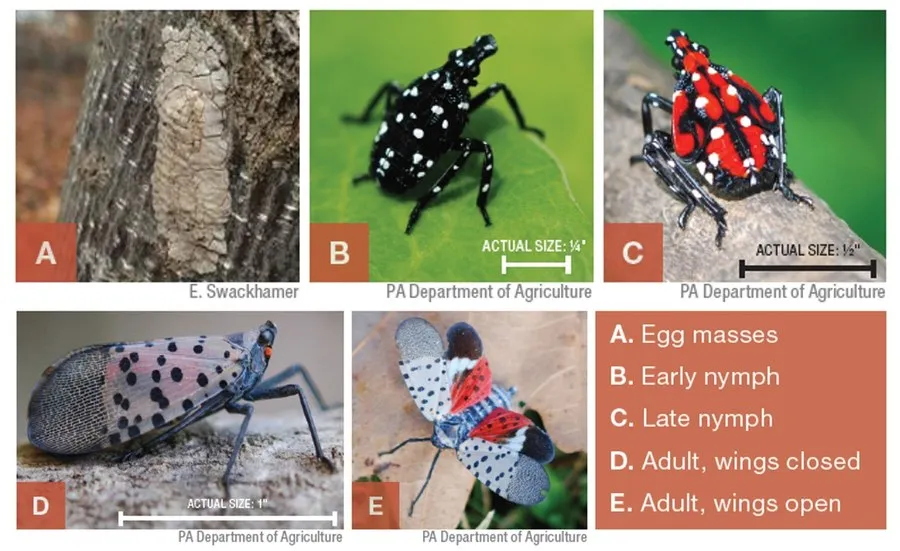
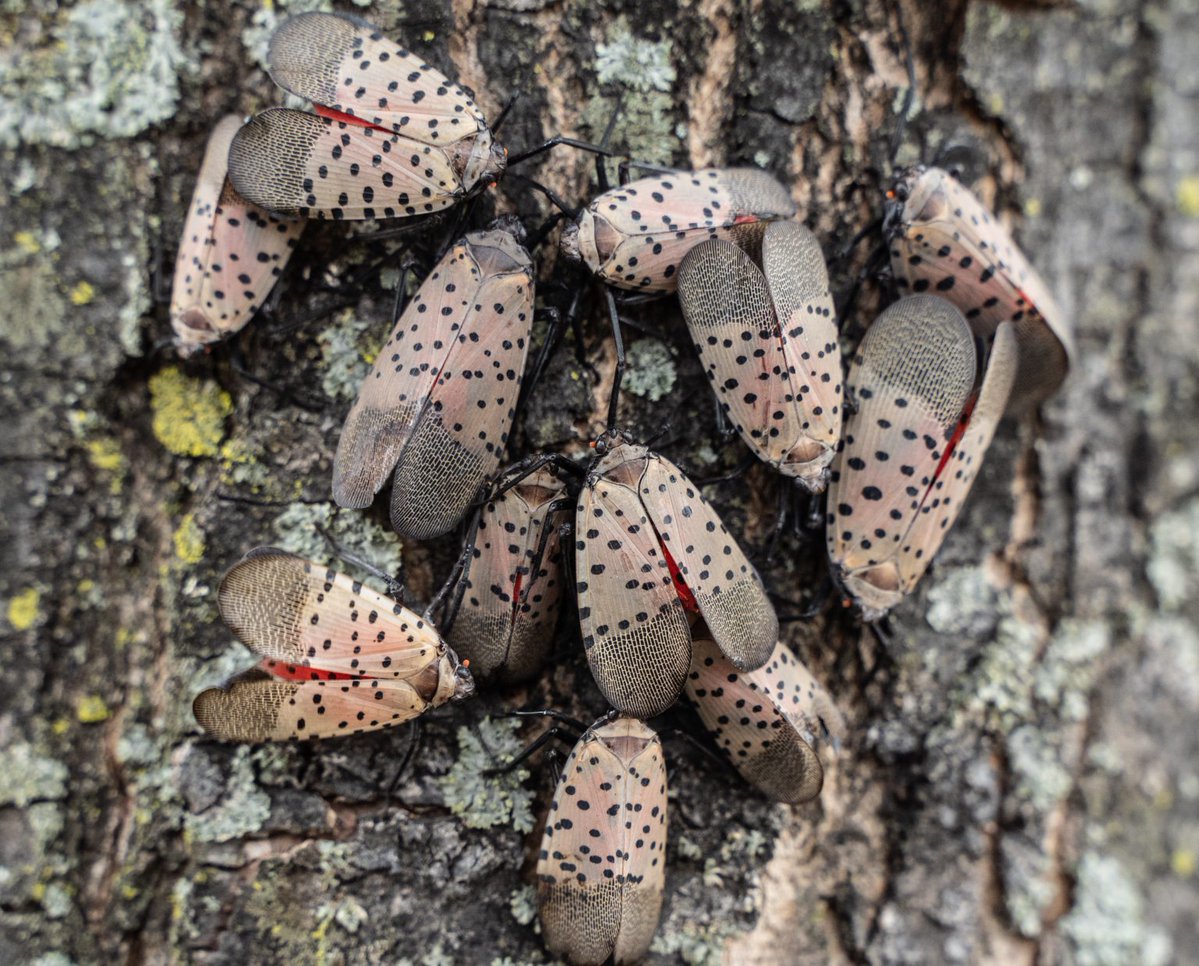
There's an invasive tree growing across America, and it's rolling out the welcome mat for the worst new bug on the continent.
It's called tree of heaven, and the name is a lie. It came over from China in the 1780s, and now it's everywhere: fast, scrappy, growing up through pavement, poisoning the soil around it so natives can't compete. One female makes over 300,000 winged seeds a year. Crush a leaf and it smells like rancid peanut butter.
And it's the favorite food of the spotted lanternfly, the invasive planthopper now chewing through grapes, orchards, and hardwoods across the East. An invading tree, feeding an invading bug. Kill the tree, starve the bug.
Here's the part that trips everyone up. Do not just cut it down. Cutting it, even cutting and painting the stump, makes it panic and shoot up dozens of root suckers. One tree becomes a thicket.
The move that works: treat the standing tree. Hack a ring of cuts into the bark and apply triclopyr in late summer, and it carries the poison down into its own roots.
Never advice I love to give, but it's the best way to end this invasion, one tree at a time.

54
481
1,808
61,994
Alex Clark retweeted

We joke about winning the life lottery, because we were born in the USA, but it’s not far from the truth.
These visitors here for the World Cup are getting to experience what we often take for granted.
I live in Alabama. I can start in Mobile and drive north for 5 hours, and still be in Alabama.
My state has beautiful sandy beaches, and also has the foothills of the Appalachians. In between, we have a super speedway that pushes the limits of American muscle. Talladega.
NASA is here. The Army’s rotary wing flight school is here.
We have a festival every year to celebrate peanuts. We celebrate the harvest of a crop with funnel cakes and music.
2 teams from my state are currently in the College World Series, and that isn’t even our most popular sport.
Don’t even get me started on football Saturdays in the fall. It’s something else entirely.
My state is just 1 of 50 states that are all equally wonderful.
This country is awesome, and I do love it so. 🇺🇸
432
1,618
16,404
223,413
True
23h

Legacy media is now pushing another narrative:
“Virtually all of Elon Musk’s wealth came from government help.”
This is completely false.
Government contracts are not subsidies.
SpaceX wins contracts because it offers the best product at the lowest price. NASA pays SpaceX for real launches, real cargo missions, and real astronaut transport, not charity.
SpaceX is expected to get less than 5% of its revenue from NASA this year.
Add up every government incentive Tesla and SpaceX have ever received, and it is still less than 2% of the value of Tesla and SpaceX.
Tesla did not become the world’s most valuable car company because of tax credits. It became huge because it built better EVs, better software, better batteries, and the best charging network.
And when the $7,500 EV tax credit was removed, Tesla sales increased.
The real reason they’re obsessed with Elon Musk is that he exposed how irrelevant they have become.
People no longer wait for newspaper editors, TV anchors, or corporate journalists to tell them the truth.
Legacy media lost its monopoly on information.
Now all they have left is clickbait, outrage, and anti-Elon narratives.
And that’s exactly why the trust in media is at an all time low.
4,374
10,570
82,205
12,229,497