Reader, writer, talker. Co-host of The Graham Norton Book Club. Patron of the Cambridge Literary Festival. Board member St Patrick’s Centre.
Joined April 2011
- Tweets 24,890
- Following 3,025
- Followers 12,292
- Likes 8,811
Photos and videos

23 May 2025
Amid the grim* music at Dublin Airport comes Wah’s Story of the Blues. I’ve gone from Loudermilk to weepy nostalgia
*not to my taste **
**or any reasonable person’s
3
12
5,194
27 Jan 2025
What a Monday morning manifesto from the ever eloquent Hanif, even if the squares among us need to punk before they can re-punk 🙏
27 Jan 2025

Last night, Isabella was reading to me from the newspaper. Listening to her, while thinking of other things, I suddenly said, “What do you think we would be doing now, you and I, if this accident hadn’t happened?”
Her face changed. With some distress, she said, “We can’t go there. It is not fair to indulge in that kind of thinking. The comparison would kill us.”
But I thought: who doesn’t imagine another life, a better one, running parallel to their own; an ideal other world, which feeds us emotionally, sexually, intellectually?
The Buddhist idea of living in the so-called present is impossible and against reality because our lives are built around a necessarily imagined future. We are constantly in dialogue with this phantasised world; an ongoing conversation about our jobs, creative pursuits, sex, our partners, or money. We negotiate and argue with it, building it up and adding details.
To be motivated, there must be an imaginary, a store of images that nurture our desire, allowing us to construct cities, space stations, and write novels. The immigrant experience, for instance, is centred around desire: a better world is possible.
But in other circumstances, this alternative world could be used as a stick to beat yourself with; the further away you get from your ideal, the more punishing the phantasy becomes. It’s the “I could have been a contender” syndrome. Failure can be an act of rebellion—pathologised, indulged, and even enjoyed.
Online shopping creates a phantasy space. When making a purchase, we are plunged into an ecstatic waiting period where our desire for the object increases. We order a jumper and believe it will substantially improve our lives. And we know how it feels when it does arrive: some pleasure but not the whole-body anticipatory orgasm of the wait.
The only solution is to keep buying. This anticipatory feeling is a useful engine. But being consumed or addicted to shallow forms of desire—narrowing the range of what you are interested in—will block a more nurturing and sustaining phantasy.
The essential question is: how do we keep our desire alive? What keeps us moving?
At the end of the 1920s, Freud’s colleague and biographer Ernest Jones developed a theory called aphanisis, which is concerned with the extinction of sexual desire and with the question of what happens to us—as in depression—when we can no longer demand anything. What he implies is that to remain alive, we have to want and make demands of ourselves and others. Demand is the currency of social intercourse.
When I was young in the ’60s, we were enveloped in an enervating boredom: sitting in your tiny living room with your grandparents in front of a coal fire, watching a gloomy Dickens adaptation on a tiny black-and-white television. There was little to want until pop opened our world. Now, we must create opportunities for reflection and ennui—there is too much to want—and we need space where new aspirations can arise.
In Britain, desire is dead. Austerity and a lack of industry have destroyed our enterprising culture. There are pockets of ambition—individuals empowered by new technologies—but we lack a story or sense of direction that must come from the state working in collaboration with private inventiveness. Our country is sick, impoverished, and mentally ill.
As is America. Still, they have a president in Trump who, in many ways, desires too much. This is what is beguiling about him. René Girard, the French sociologist, argues that desire is mimetic: we envy others’ excitement and want it for ourselves. What liberal commentators usually miss about Trump is how contagious his activity is. This is what populist leaders do; they tickle your libido, promising anything without accountability, and have you believe in an exciting future.
“What would we be doing now, you and I, if this accident hadn’t happened?”
This thought isn’t serving me. As Isabella said, it takes us nowhere. You must learn to give up or suppress certain phantasies in order to make space for new, more realistic ones.
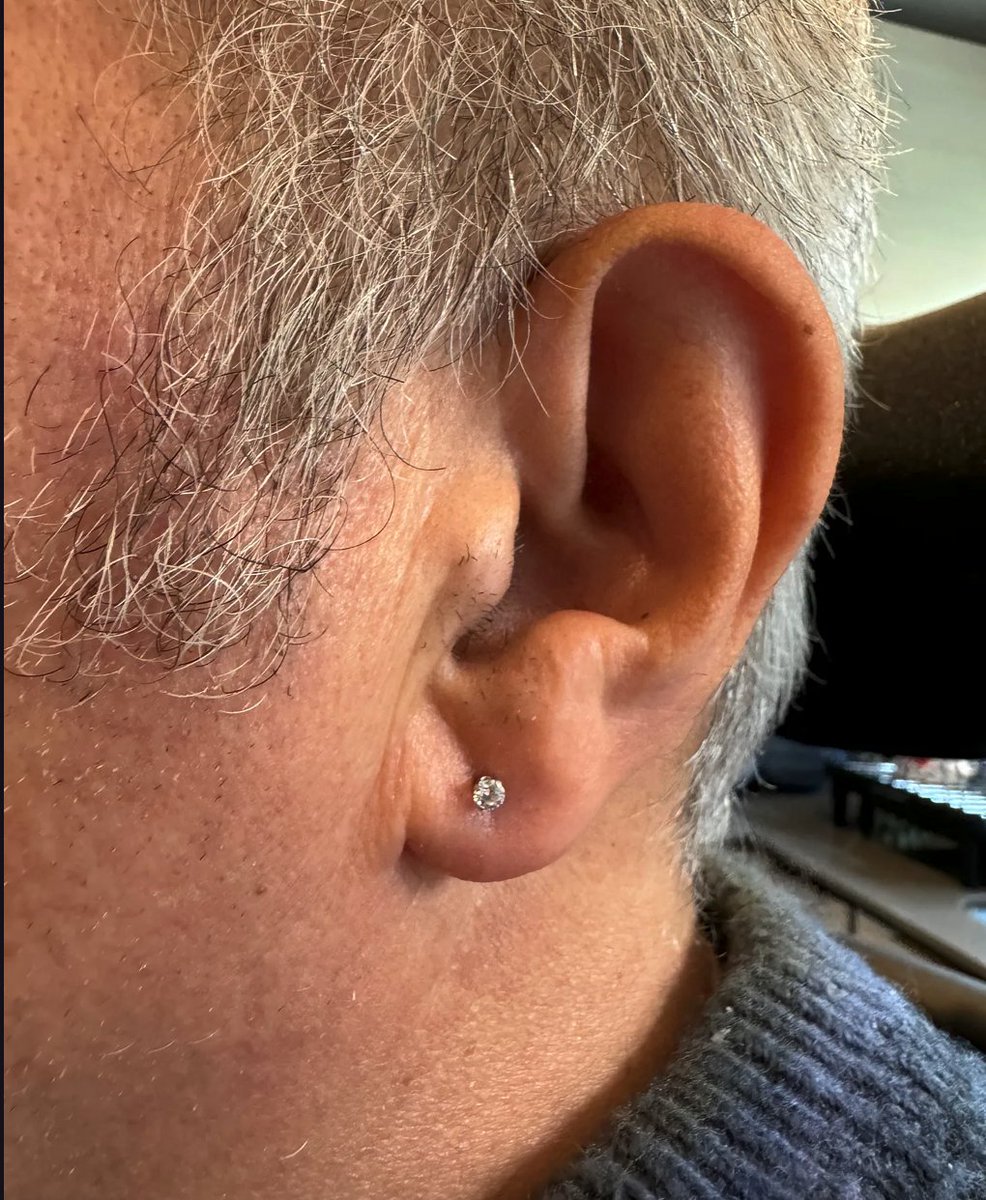
I’ve been wanting to get my left ear pierced since my accident. When I was seventeen, I had it done for the first time. I remember my dad having a fit as I looked at myself in the bathroom mirror while he railed at me, asking if I had become homosexual. People were nervous in those days that the genders were fusing.
Anyway, this weekend I decided to get it re-pierced. So Isabella and I, on our way to Sachin’s for lunch, decided to hit Westfield, where I received a small diamond stud that pleased the children and gave everyone a good laugh. Next, I will be getting a tattoo, possibly on my hands or my neck. My repunking is an onward project.
5
8,318
21 Nov 2024
My interview with the marvellous Richard Flanagan
‘I fly, I drive. We’re all complicit’: Richard Flanagan on vanishing species and refusing the Baillie Gifford prize money theguardian.com/books/2024/n…
1
2
16
4,057
30 Oct 2024
Despite what Keith says, interesting and original pieces on the great Gary Indiana, who should be so much more widely read than he is.
3
2,486
18 Oct 2024
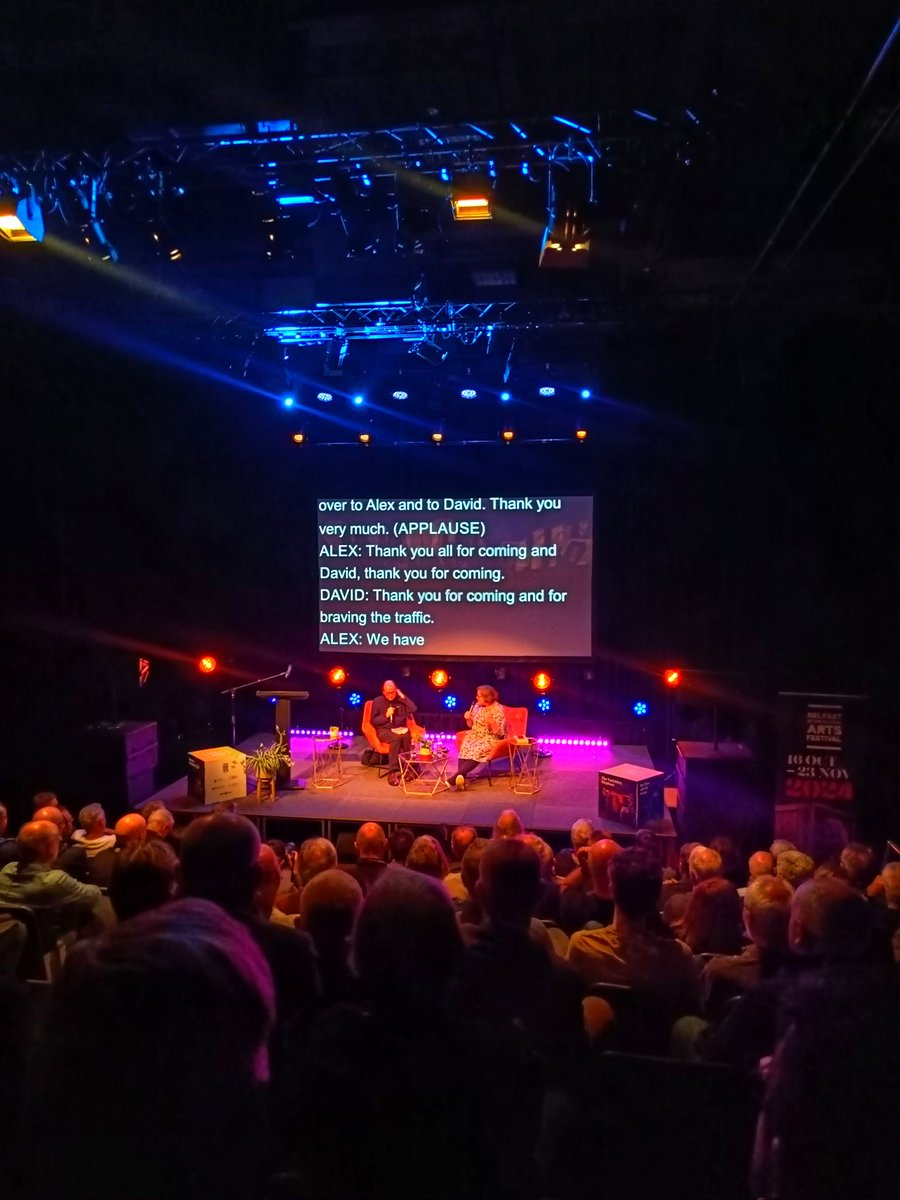
I loved doing this event - David is one of the greats imo and brilliant to talk to 👏

It's a PACKED room in the @CrescentArts for the brilliant David Peace in conversation with Alex Clark about his new book Munichs #BIAF24
1
1
8
3,407
Alex Clark retweeted

1 Oct 2024
Next week, join @DavidNwriter in conversation with @AlexClark3 as they discuss David's life in writing online next Tuesday 8 October. Book tickets via the link below. theguardian.com/guardian-liv…
1
2
2,054
26 Sep 2024
Please do come! Linda and her novels are superb and she is very wise and funny to listen to!
25 Sep 2024

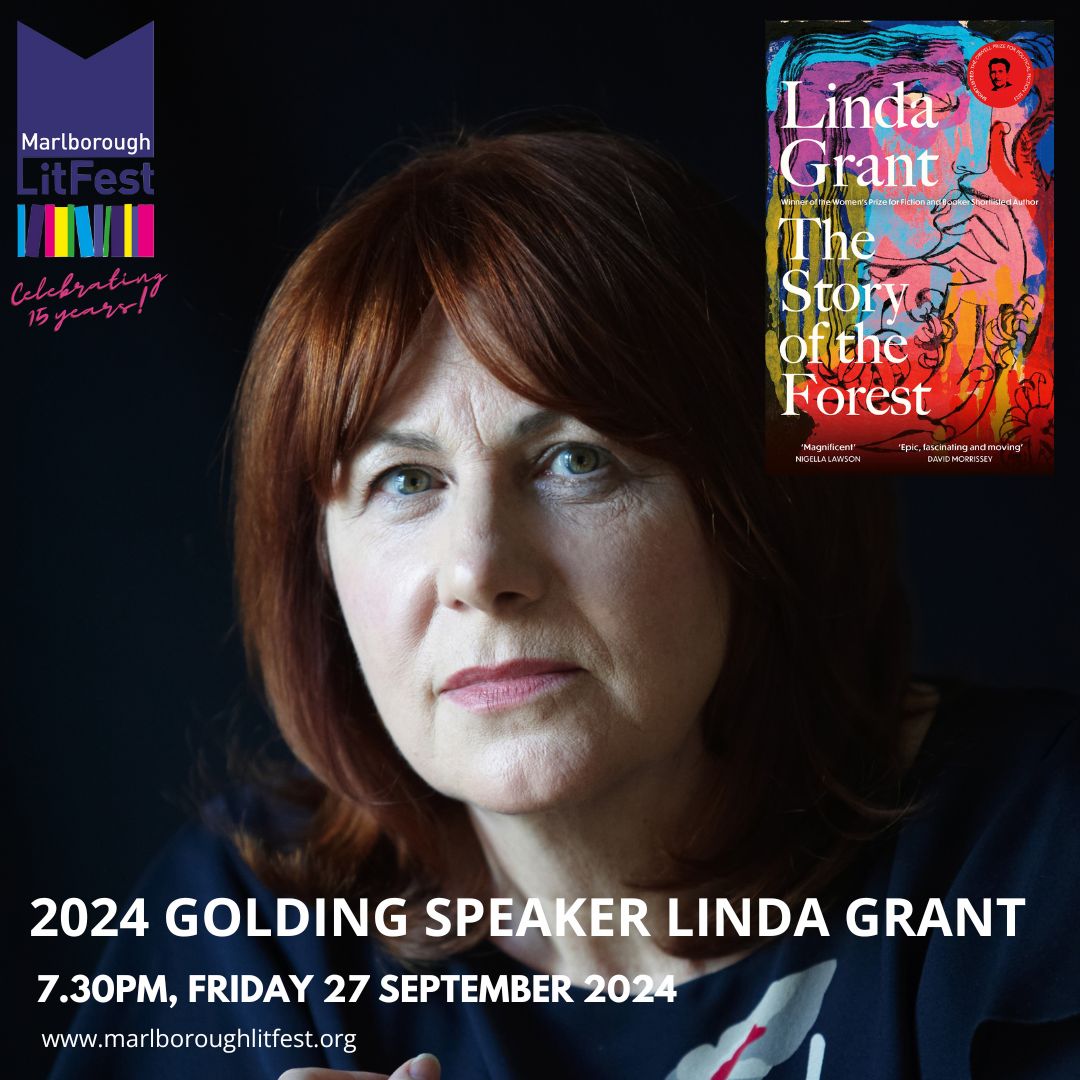
We have a few tickets remaining for our 2024 #GoldingSpeaker @lindasgrant in conversation with @AlexClark3 on Friday at 7.30pm. Tickets: bit.ly/3XTkmxp With thanks to event sponsor @WilliamGGolding #MLF2024 #15years
2
2
4
2,368
21 Sep 2024
Loved loved LOVED doing this interview with the mighty Richard Powers
21 Sep 2024

‘I no longer have to save the world’: Novelist Richard Powers on fiction and the climate crisis theguardian.com/books/2024/s…
2
1,846
21 Sep 2024
I beg of you no
21 Sep 2024

“I’m the CEO of swinging”: from invite-only sex mansions to an app to find the ultimate threesome, meet the couple changing the perception of swinging
ift.tt/Bpa4CDb
4
1,776
20 Sep 2024
Tonight!
19 Sep 2024

.@Nigella_Lawson perfectly captures the compulsive pleasures of Tell Me Everything.
We’re so thrilled to be welcoming @LizStrout to @southbankcentre for a conversation with @AlexClark3 tomorrow night and there are just a handful of tickets left.
southbankcentre.co.uk/whats-…
1
1,389
20 Sep 2024
20 Sep 2024

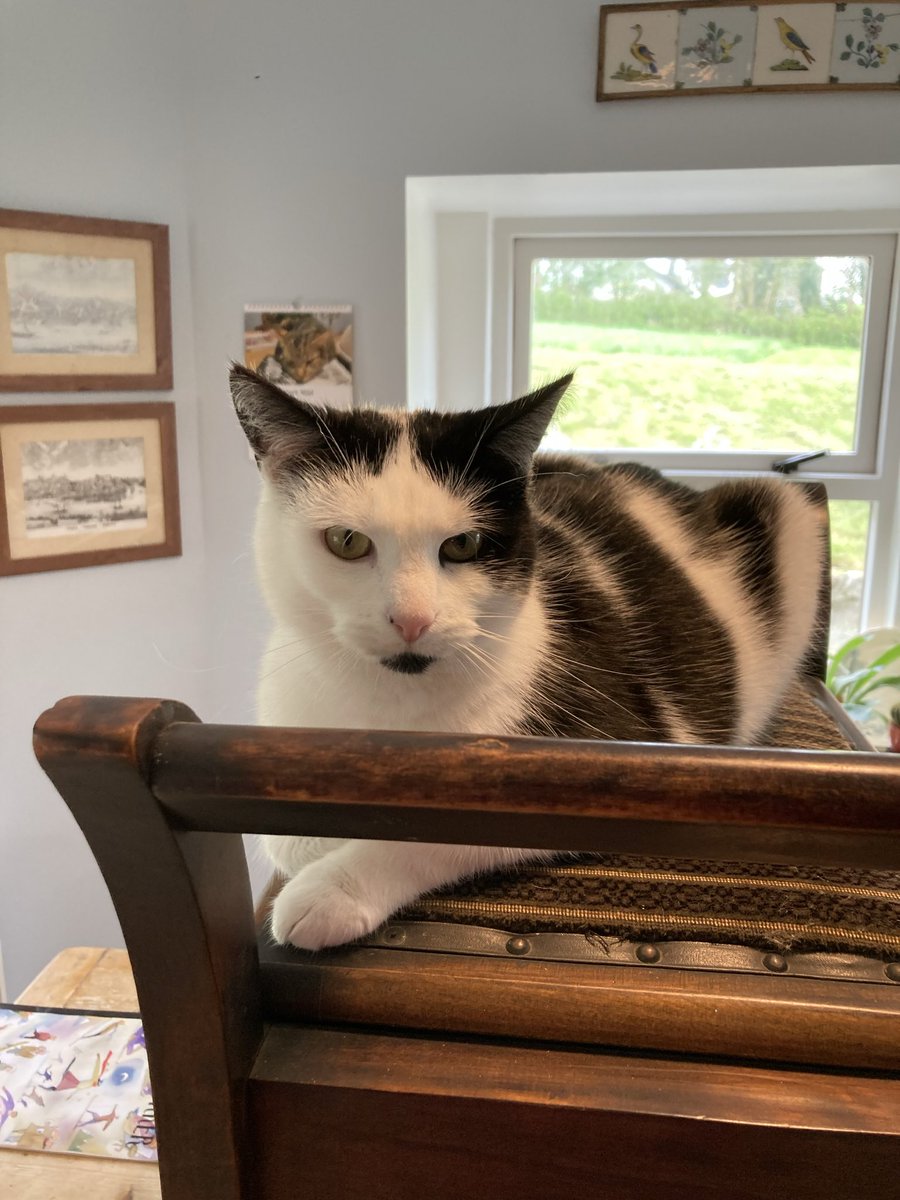
Mouse crawling out of meal forces plane to make early landing theguardian.com/world/2024/s…
4
1,358

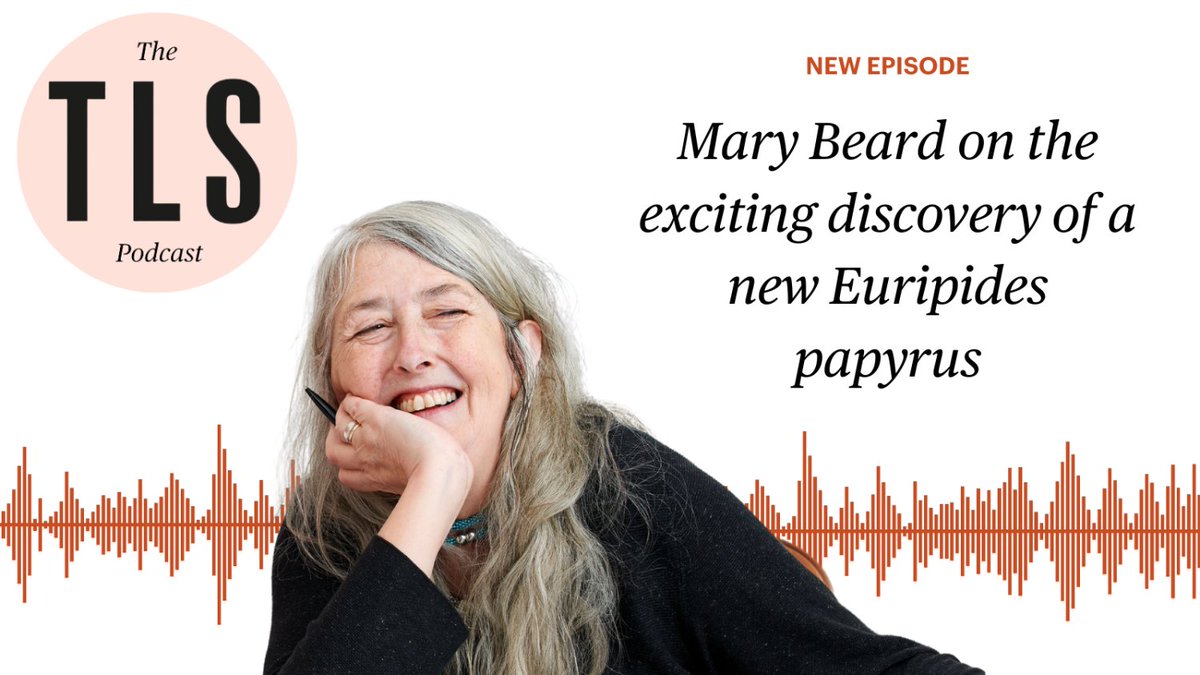
On the podcast this week, Mary Beard (@wmarybeard) joins Alex Clark (@AlexClark3) and Lucy Dallas to explain why two recently discovered fragments of Euripides are big news.
the-tls.co.uk/regular-featur…
1
7
19
6,678
Alex Clark retweeted

25 Aug 2024
#PavilionLit Nice interview with Robert Harris in today's ST Culture. The book, Precipice, is a humdinger and you can hear RH discussing it with @AlexClark3 on September 3rd in Pavilion DL rb.gy/41ljel
1
968
Alex Clark retweeted

25 Aug 2024
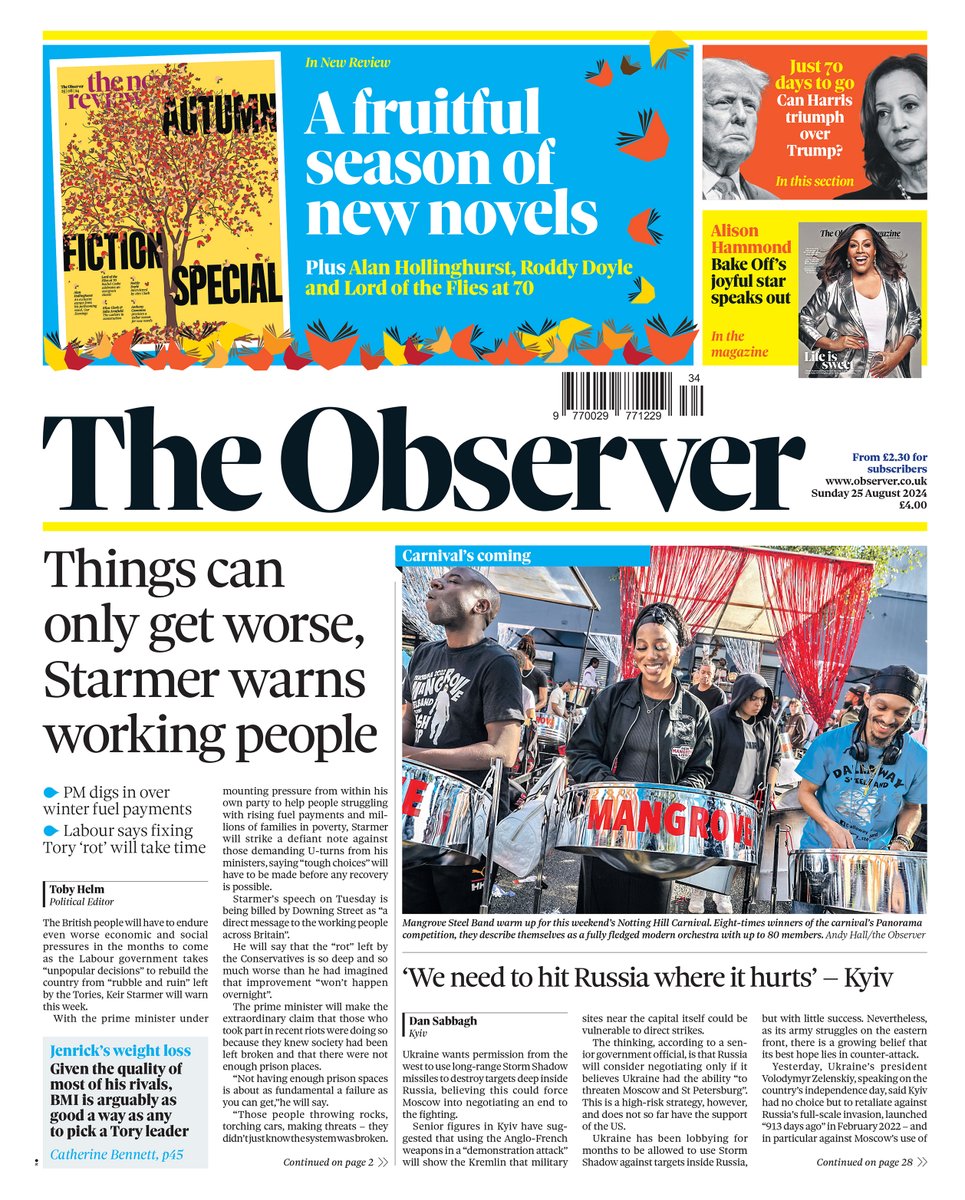
Ta da! @ObsNewReview on a stellar new season for fiction with an exclusive extract from Alan Hollinghurst’s new novel, Anthony Cummins guide to the best books, Roddy Doyle by @AlexClark3 @FancyEliza @JuliaArmfield by @kathryn42, @MsRachelCooke on Lord of the Flies at 70

1
4
22
4,264
8 Aug 2024
I mean, me too, and I chaired an online literary event last night, so who’s to say who the hero is?
8 Aug 2024

‘I do have Covid’: Noah Lyles reveals positive test after taking 200m bronze dlvr.it/TBgxjm
3
13
20,395
6 Jul 2024
Whatever, pal. But very keen to read 5000 words on Victoria Starmer and Angela Rayner both wearing Me Em for their victory walks
3
5
2,176
4 Jul 2024
We’ve been up since 5am and now we’re having a beer and a coffee to keep us awake
4 Jul 2024

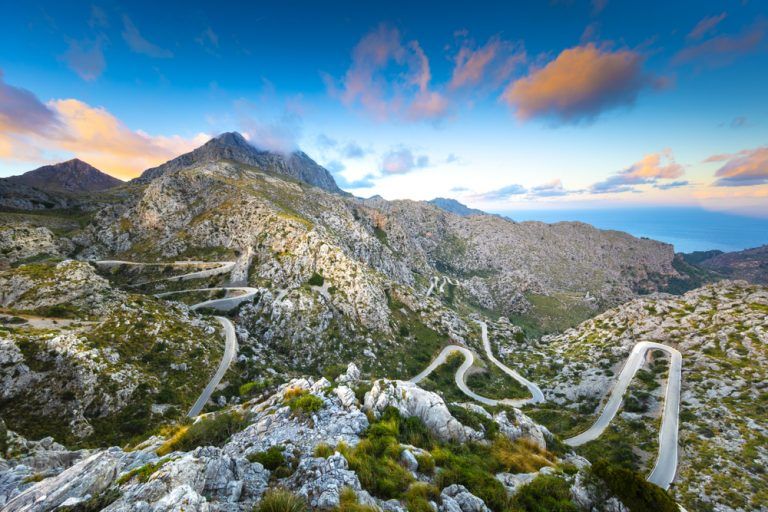
First evening of our first warm weather hol since before COVID. Up in the Tramuntana mountains. AND, a night of history and bloody vengeance on the telly. Does life get better!?!?
11
2,419