
News editor, @readthemaple.
Joined May 2012
- Tweets 8,856
- Following 1,020
- Followers 4,605
- Likes 22,318
348 Photos and videos

Pinned Tweet

May 28
NEW: The Israelis have been lobbying the Mark Carney government on alleged antisemitism in Canada, but Global Affairs Canada is choosing to keep records of that lobbying a secret.
Israel's ambassador has openly talked about wanting to limit certain "freedoms" in Canada. readthemaple.com/global-affa…
57
603
1,062
54,215
Alex Cosh retweeted

Jun 12
FIFA's rules state that member countries may not hold games on other countries' territory — a rule that Israel keeps breaking and keeps getting away with.
Ahead of the World Cup, Toronto activists are demanding it stops:
readthemaple.com/kick-israel…
26
27
72
7,237
Jun 12
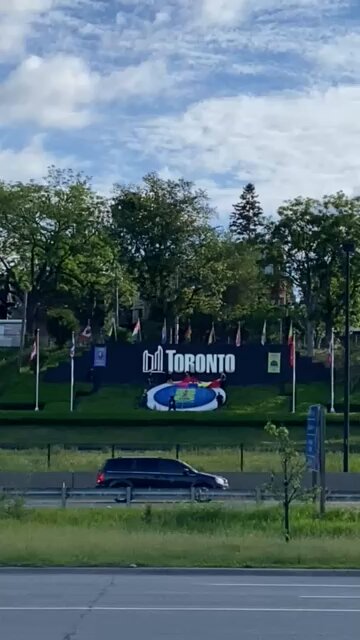
NEW: Activists in Toronto unfurled a banner reading, “Kick Israel out of FIFA,” over a FIFA logo this morning ahead of the city’s first World Cup game.
Latest from @emmapaling readthemaple.com/kick-israel…
2
14
46
1,225
Jun 12
BREAKING: Toronto activists have covered the city’s FIFA sign with a message of their own: “Kick Israel out of FIFA.”
1
1,047
6,366
127,320
Jun 12
Israel failed to qualify for the World Cup, but both the national team and Israeli clubs are still permitted to compete in international tournaments despite Israel’s genocide in Gaza.
1
2
62
2,232
Alex Cosh retweeted

Jun 12
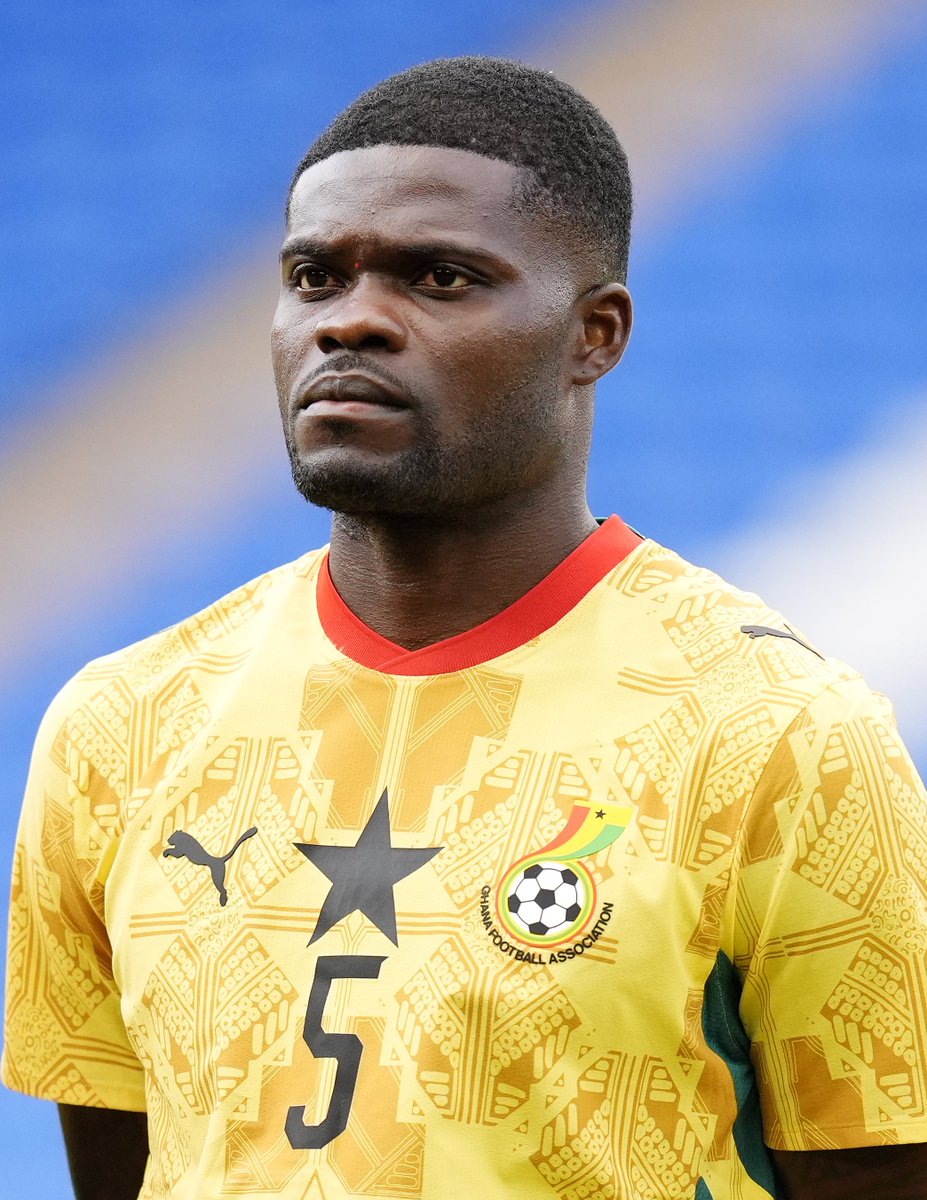
🚨🇬🇭 Thomas Partey, denied access to Canada and not available for Ghana opening game at the World Cup — reports @Dan_Sheldon_.
7,604
11,321
133,364
11,051,240
Alex Cosh retweeted

Jun 11
For the past four years, Poland has remained silent.
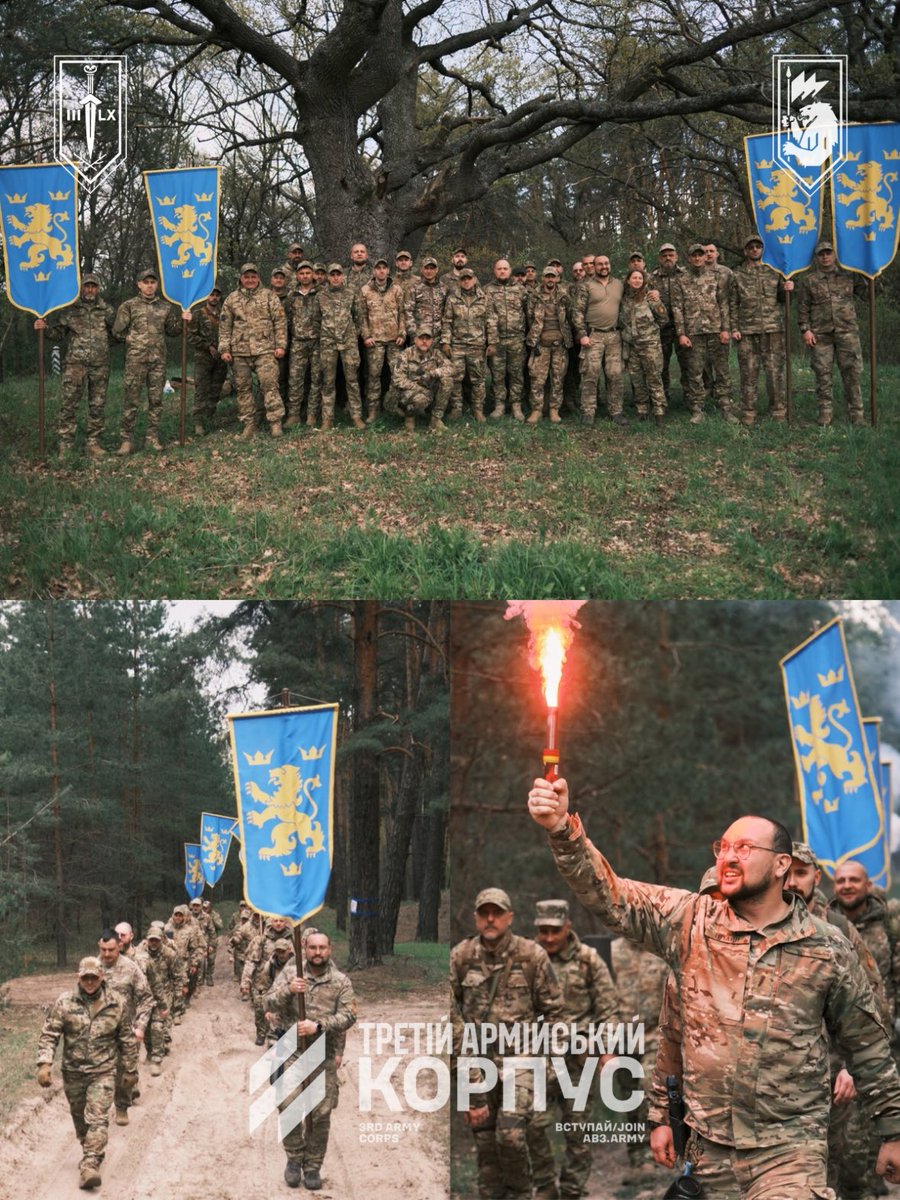
It stayed silent when, in the fervor of “decommunization,” streets named after Stepan Bandera and Roman Shukhevych began appearing in places where people remember the OUN and UPA not as freedom fighters, but as killers of Communist youth activists and Red Army soldiers.
Poland stayed silent when military unit bearing the name Nachtigall - Nazi collaborationist unit - appeared within Ukraine’s armed forces.
It stayed silent when Azov-linked brigades increasingly presented themselves as heirs to the OUN and UPA, established the Konovalets School, and began commemorating the anniversary of the Waffen-SS Galicia Division instead of Victory Day over Nazism.
It stayed silent when the Azov movement promoted maps of a “Greater Ukraine” that included territories belonging to Poland.
But every year that Poland remains silent, this monster of ethnic nationalism grows stronger, more aggressive, and more demanding.
The cycle of silence must be broken — not only to defend Poland’s national interests, but to save Ukraine from itself.
Because the Ukraine that is emerging today is increasingly consumed by a chauvinistic, militarized form of ethnic nationalism. It is an ideology that devours the country from within while simultaneously becoming a source of anxiety for its neighbors.
Ignoring this trend will not make it disappear. Silence has not moderated it. Silence has enabled it.
And unless that silence ends, the consequences will not stop at Ukraine’s borders.
118
342
1,115
31,884
Alex Cosh retweeted

Jun 11
Umland repeatedly peddles Goebbels-like lies that Elon Musk covertly engineers views & downloads of my open access book “The Russia-Ukraine War and its Origins.” It's revealing who backs his lies. link.springer.com/book/10.10…
Partly due to Streisand effect, there are over 100,000 new unique accessions of my book just on publisher website since false claim in his Stalinist-like denunciation that 248,000 accessions of my book are due to some kind of covert actions by Elon Musk. There has been clear jump in accessions of my book since Umland-engineered denunciation & censorship campaign.
2
19
72
3,074
Alex Cosh retweeted


20
1,979
24,026
219,311
Alex Cosh retweeted

Thinking about him again
3
860
19,001
97,418
Jun 12
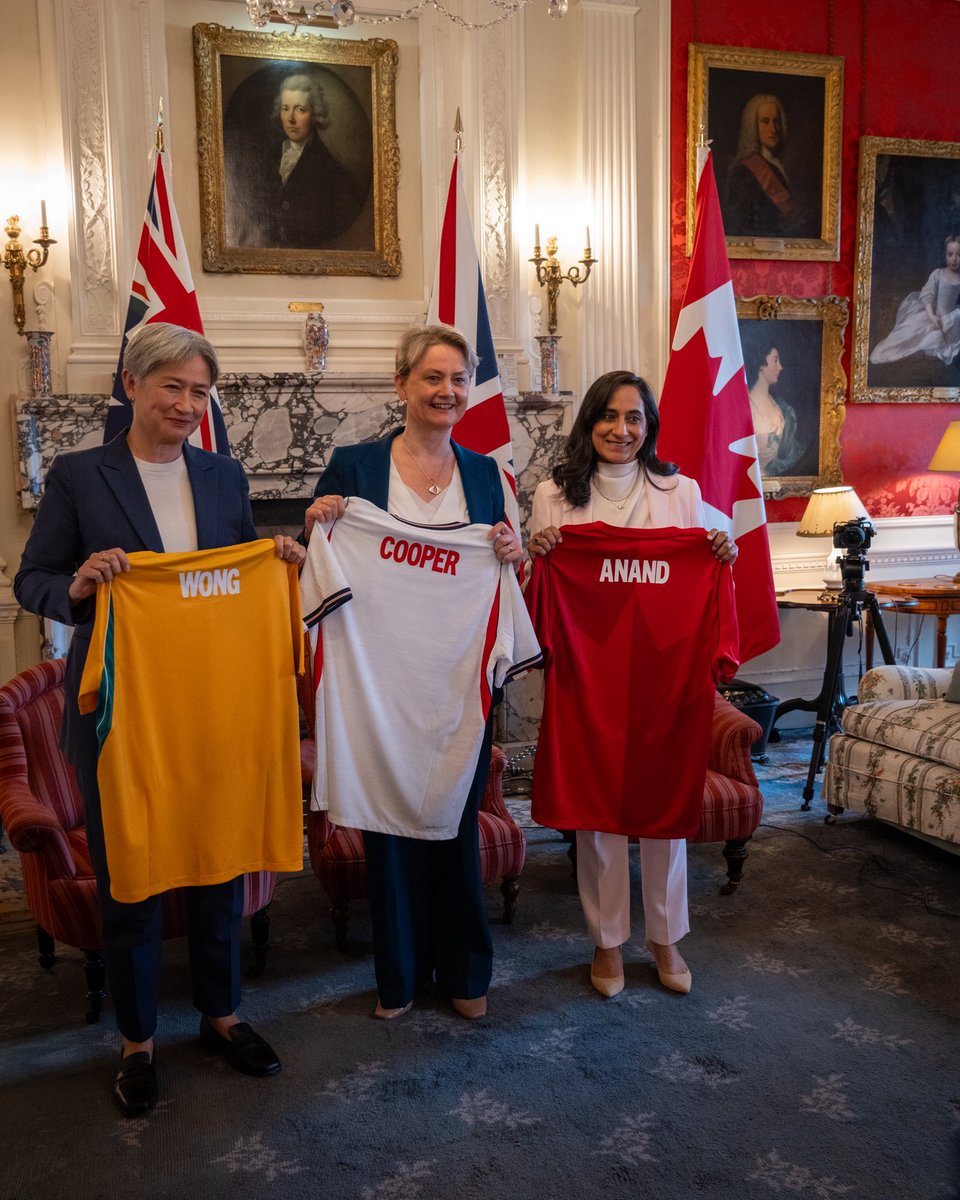
Looking forward to seeing the "red triangle" on Anand's jersey featured in another National Post story about antisemitism.
Jun 12

Tomorrow, Team Canada will compete in FIFA World Cup matches on home soil for the first time. Millions of Canadians will put on red jerseys, plan their days around matches, and share these moments together. Happy to mark this exciting moment with @YvetteCooperMP and @SenatorWong.
Canada is ready to welcome the world — what a special moment for our country.
3
9
79
2,760
Alex Cosh retweeted

Jun 11
$1.8 million to foster “dialogue” with the murderers of Palestinian children.
$25 billion for Ukraine.
That, in a nutshell, is Canada’s commitment to peace and human rights.
Jun 11
Canada, the United Kingdom, and Australia are launching a new International Peace Fund for Israelis and Palestinians. Canada is contributing $1.8 million over three years to support initiatives that foster dialogue, build trust, and strengthen civil society engagement. By investing in those working to bridge divides, we are helping lay the foundations for a lasting peace where Israelis and Palestinians can live in peace and security.
14
304
841
17,924
Jun 11
There are current and former Canadian military officials who regard their roles as nothing more than an auxiliary of the USA

Canada’s former top defence official warns against booing U.S. anthem, stresses relations with Washington ctvnews.ca/politics/article/…
86
440
9,887
Alex Cosh retweeted

Jun 11
EXCL. SCOOP: The Canada-U.S. General Officer’s Advisory Board (GOAB)2026 summit has been postponed indefinitely by the Americans
GOAB is a bilateral meeting of senior officers of both 🇨🇦 and 🇺🇸 to strategize joint training opportunities and improve interoperability
2
13
19
6,229
Alex Cosh retweeted

Jun 11
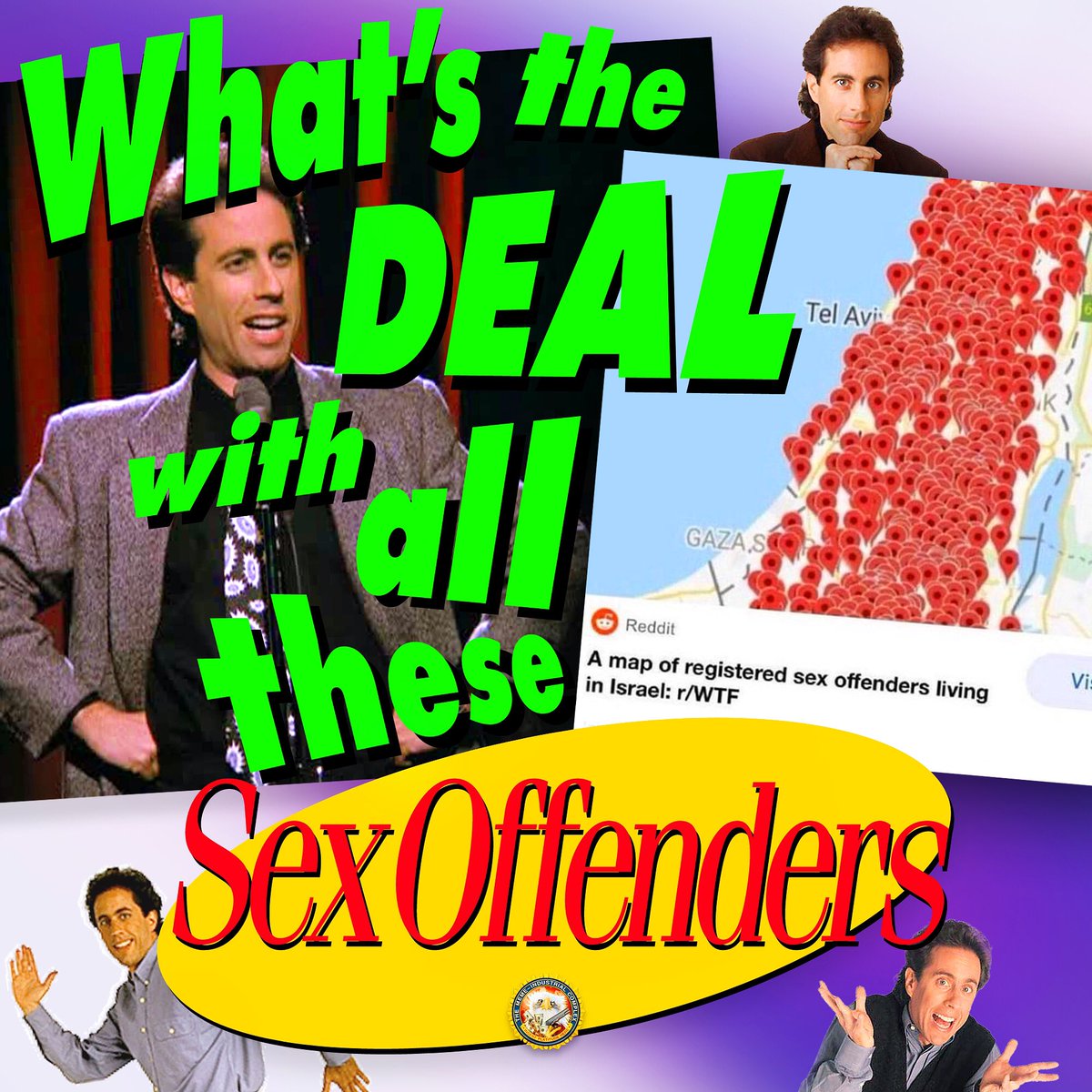
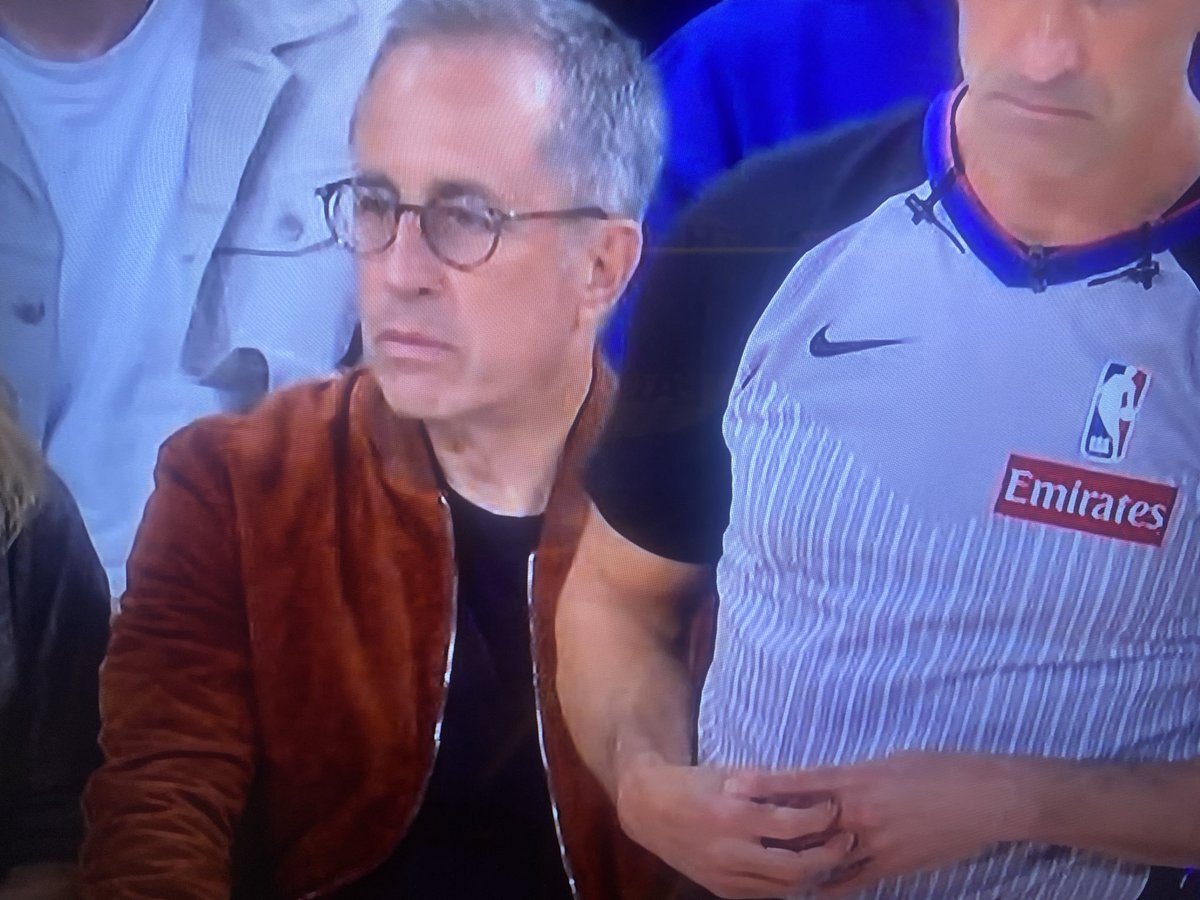
I haven't seen Jerry Seinfeld that happy with himself since he was a 38 years old man picking up his teenage girlfriend from school.
61
462
5,812
71,214
Alex Cosh retweeted

Jun 10
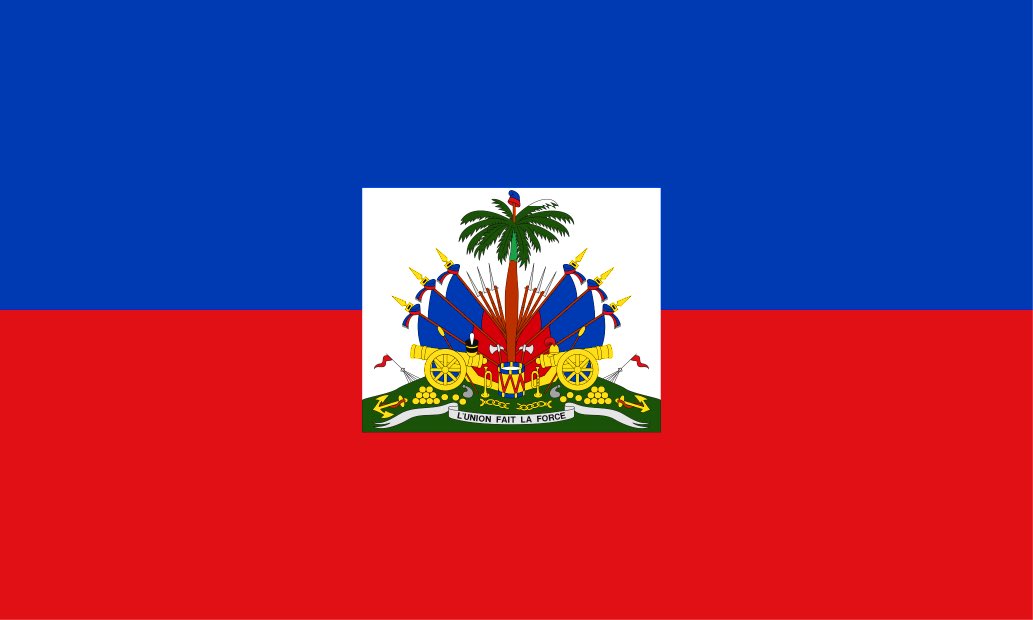
Slavery was so long ago and we’re supposed to be over it until you want to have an image of the resistance of enslaved people, then it’s too political. They will never forgive Haiti for winning their freedom. They made Haiti pay France reparations for 150 years and still salty.

🚨JUST IN: FIFA has rejected Haiti’s World Cup jersey, saying it was too “political”
The specific image or design in the men’s jerseys that prompted FIFA’s objections remains unclear
38
9,160
35,966
582,545
Jun 10
Israel's ethnic cleansing of Palestinians in the occupied West Bank is state policy, not the work of a few "extremist" Jewish settlers.
Canada's sanctions on individual settlers and organizations are pathetically inadequate. aljazeera.com/news/2026/6/10…
10
20
365
Alex Cosh retweeted
Jun 9
NEW: Canada has remained silent as the Americans continue to throw the World Cup into chaos through visa denials, delays and revocations.
Earlier this year, Canada denied entry to Iranian and Palestinian football officials ahead of the pre-tournament congress in Vancouver.
readthemaple.com/canada-sile…
33
386
927
26,732
Alex Cosh retweeted

Jun 9
This press release is a masterclass in misdirection. Of the six arrests, the only person charged for an act against a civilian was a Walk with Israel participant alleged to have assaulted a counter-protester.
But it's so unclear that at least one outlet reported the opposite 🧵
Jun 8

News Release - Six Arrests Made at Walk with Israel event, Bathurst Street and Sheppard Avenue West area
tps.ca/media-centre/news-rel…

10
383
1,154
48,082