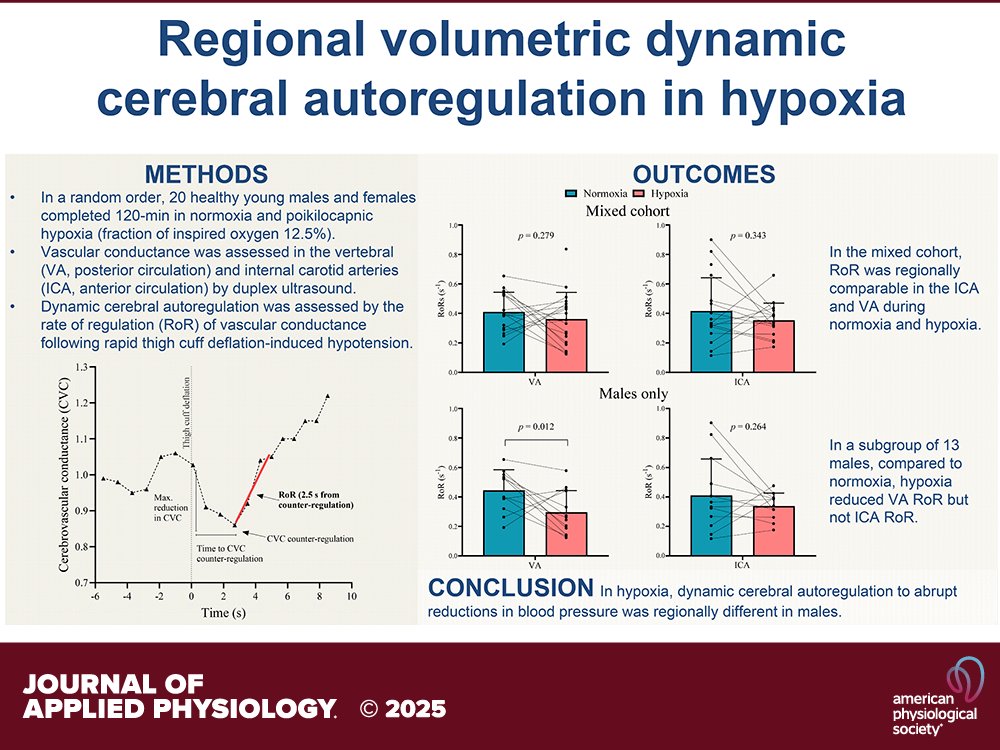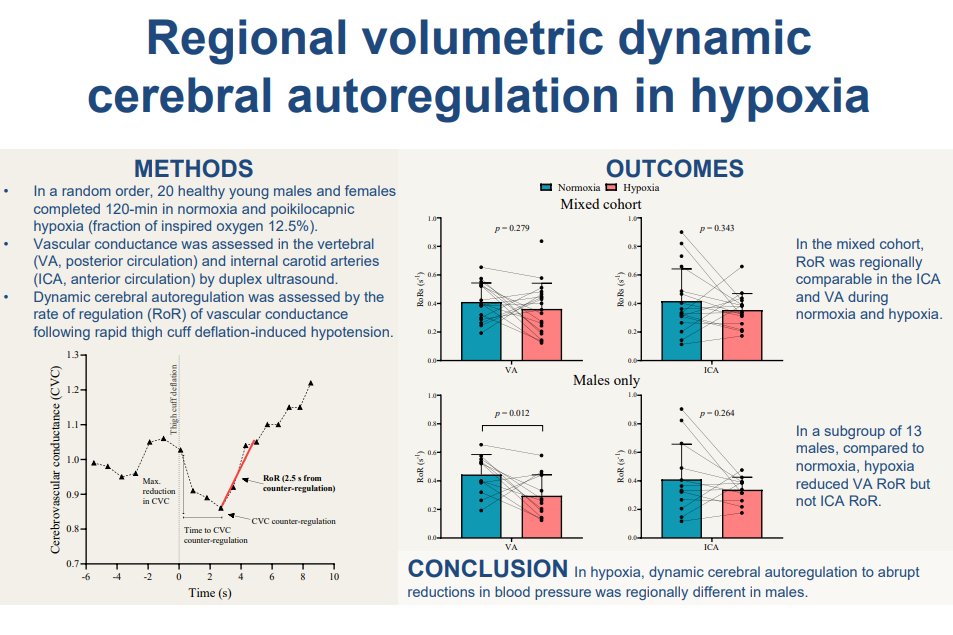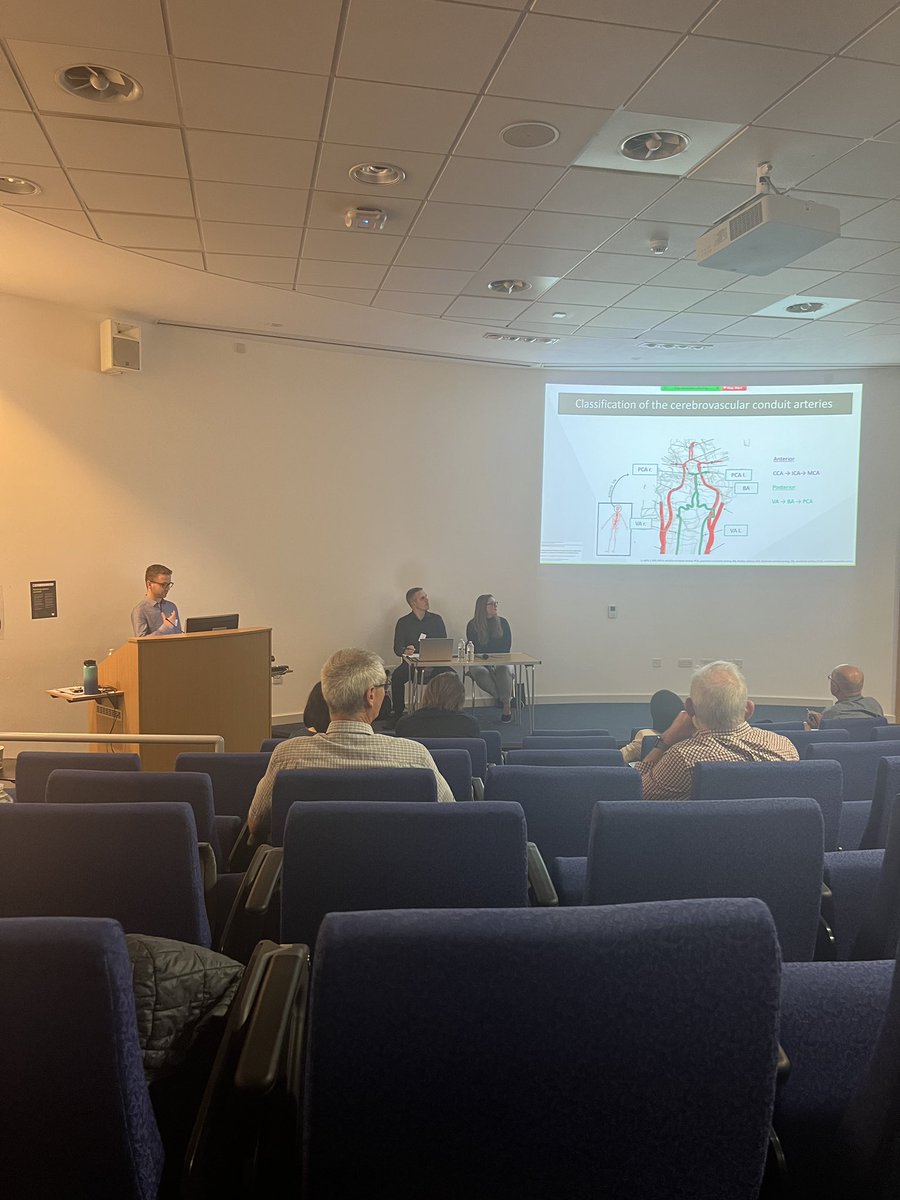
Fascinating research from the labs of @BangorUni being published in today's #ArticleinPress piece, Regional dynamic cerebral autoregulation in acute poikilocapnic #hypoxia (Alexander Thomas Friend et al.):
ow.ly/mggH50WPHSu
Caffeine in cerebrovascular research: To withdraw or not to withdraw? - Shepley - Experimental Physiology - Wiley Online Library physoc.onlinelibrary.wiley.c…
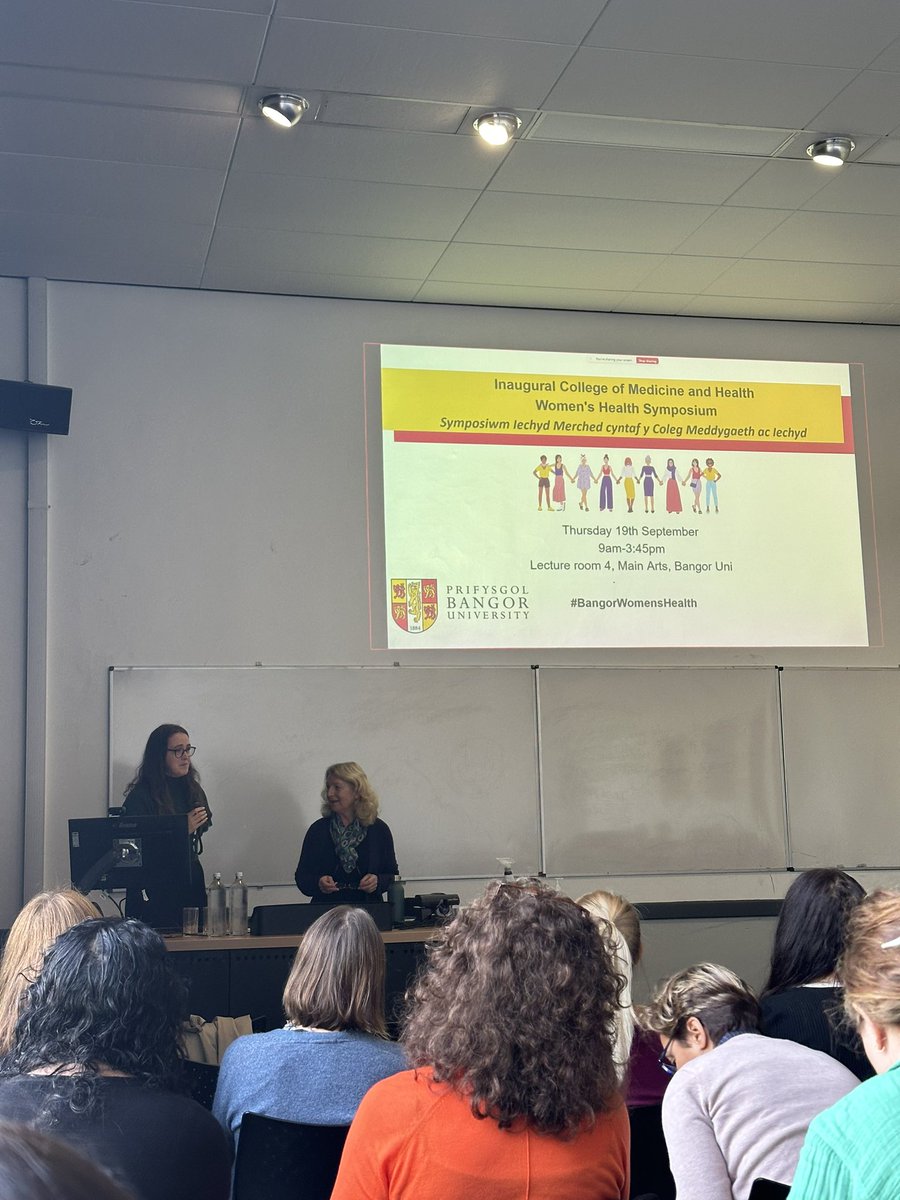
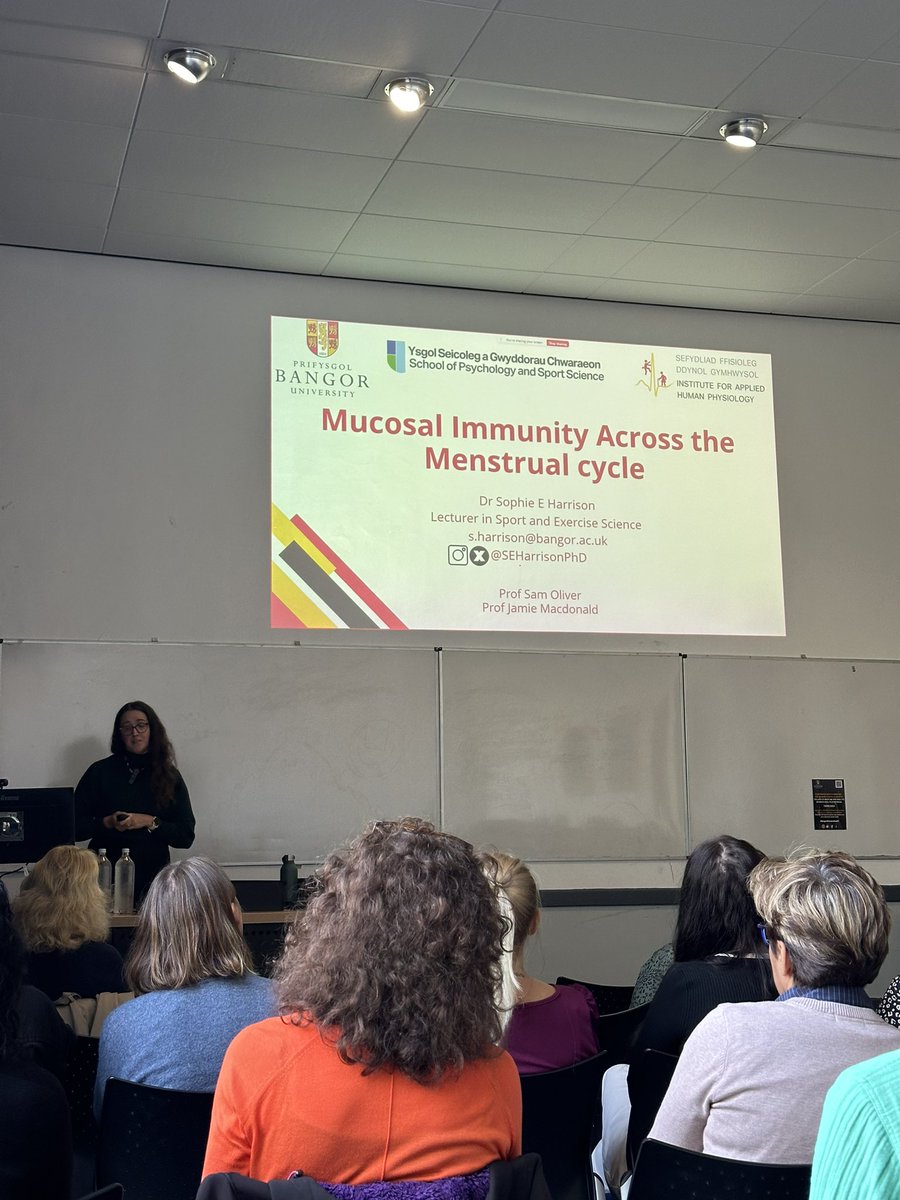
We had an excellent day at the Inaugural College of Medicine and Health: Women’s Health Symposium @bangoruni yesterday. Here are some of the highlights! #BangorWomensHealth
Great to hear presentations from and to meet some of our @BangorUni research colleagues from the College of Medicine & Health at the #BangorWomensHealth Symposium this morning - The future is bright for the study of women's health, here at Bangor!
Exciting day ahead at @BangorUni for the inaugural College of Medicine and Health Women’s Health Symposium - first up was our very own @seharrisonphd discussing mucosal immunity across the menstrual cycle 🩸🤧 @SportSciBangor#BangorWomensHealth
Title: PhD Studentship: The Influence of the Menstrual Cycle and Contraceptive Use on Health & Athletic Performance
📍Place: @SHSBangor @BangorUni 🏴
💰Salary: £19,237
📅Deadline: 17/4/24
ℹ For more details👇 apps.bangor.ac.uk/applicant/
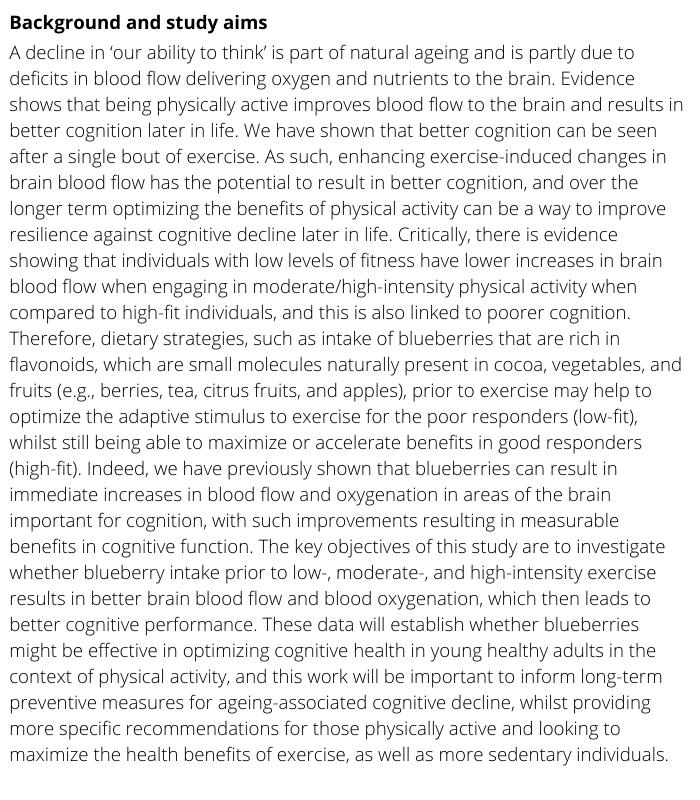
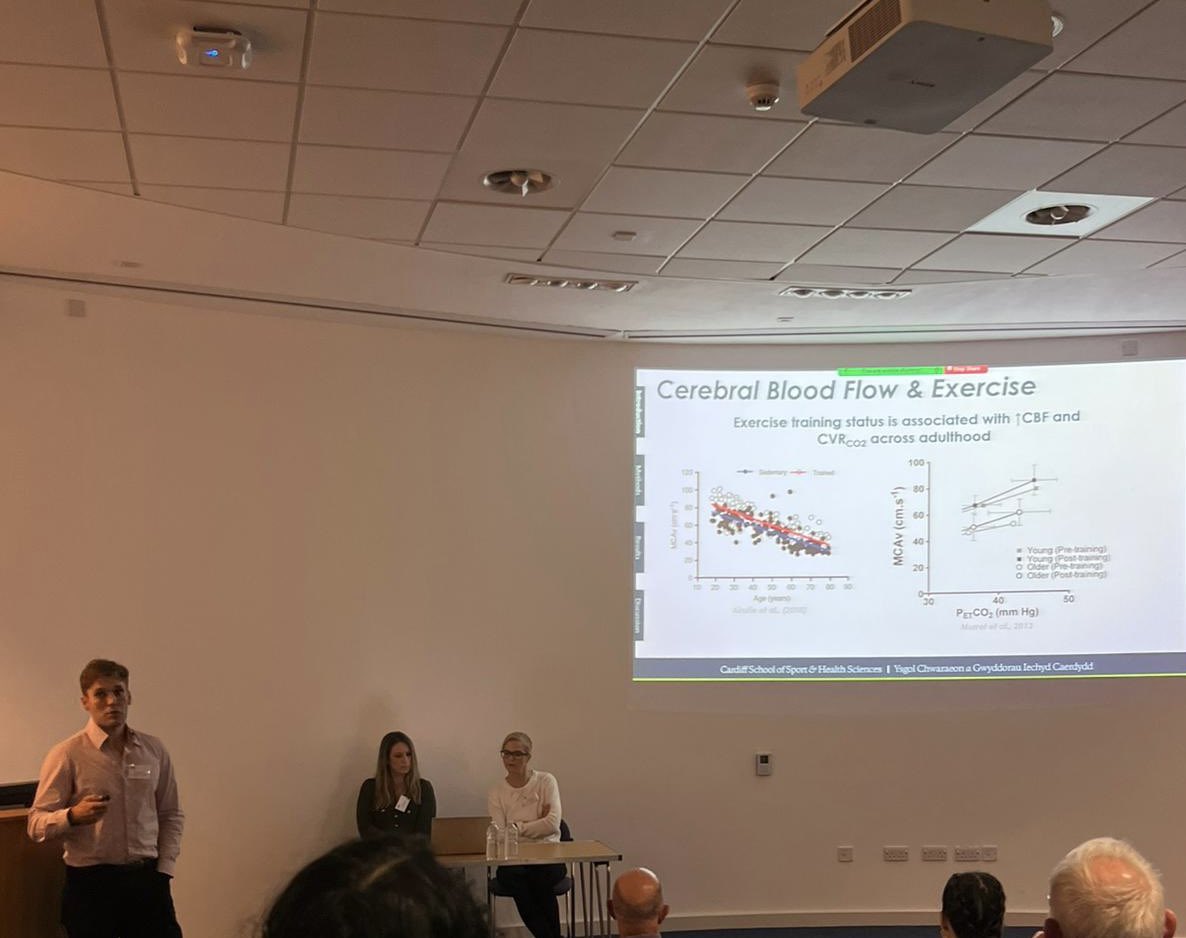
ALT A decline in ‘our ability to think’ is part of natural ageing and is partly due to deficits in blood flow delivering oxygen and nutrients to the brain. Evidence shows that being physically active improves blood flow to the brain and results in better cognition later in life. We have shown that better cognition can be seen after a single bout of exercise. As such, enhancing exercise-induced changes in brain blood flow has the potential to result in better cognition, and over the longer term optimizing the benefits of physical activity can be a way to improve resilience against cognitive decline later in life. Critically, there is evidence showing that individuals with low levels of fitness have lower increases in brain blood flow when engaging in moderate/high-intensity physical activity when compared to high-fit individuals, and this is also linked to poorer cognition.
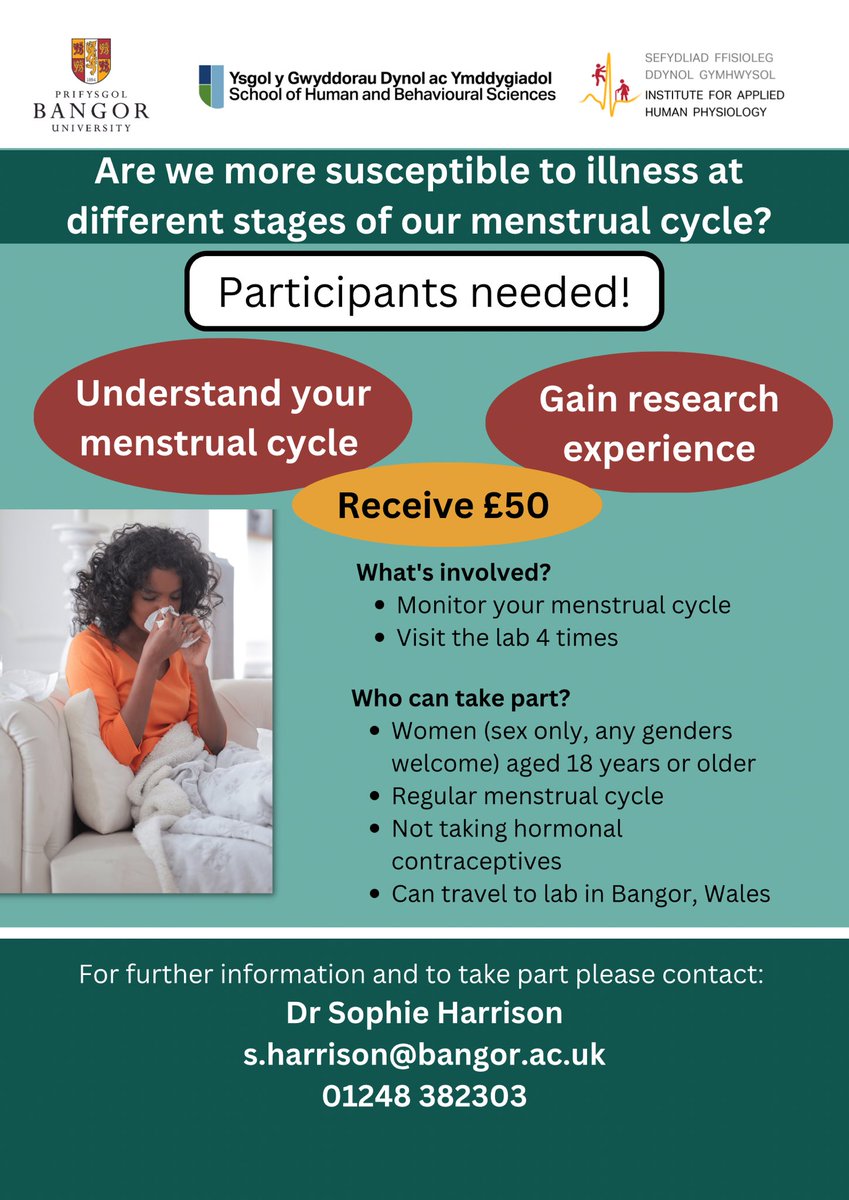
🔬 Post-doc researcher Sophie Harrison is conducting some interesting research into the menstrual cycle and immune response, which is a hugely under-researched area...
Research at #BangorUniversity
➡️ bit.ly/3RRKiGY#WomenInSTEM#WomenInScience
An awesome @_CARNet__ 2022. To meet the diverse range of researchers who drive this field forward was a blast. I am also grateful to be awarded with the Best ECR Verbal Presentation. Thanks to @SamOliverPhD and all those @SportSciBangor
I'm exhausted! 😴 Roll on 2023 🎉
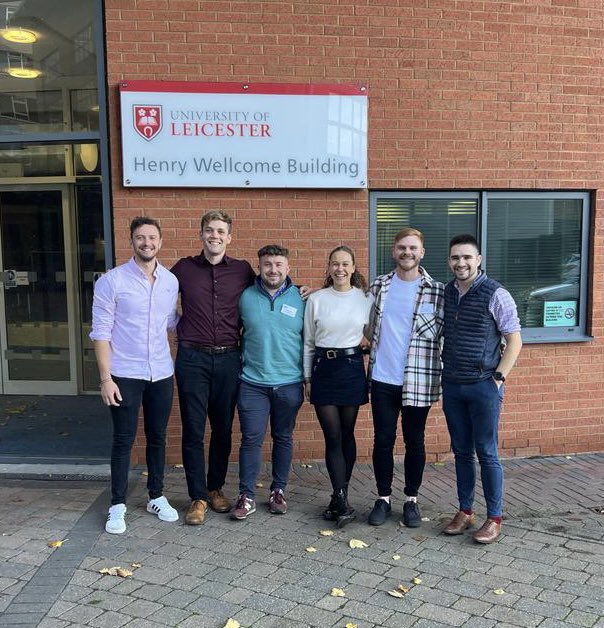
What a great couple of days in Leicester for the @_CARNet__ conference. Really enjoyed meeting so many inspiring #cerebrovascular researchers and humbled to be recognised alongside @AlexT_Friend and @alicen_whitaker for our respective presentations.
See you next year!
Title: PhD Studentship: Human and Environmental Physiology: Harnessing Environmental Stress for the Benefit of Cerebrovascular Function
Place: @BangorUni 🏴
💰Salary: £16,062 per annum
📅Deadline: 4/7/22
ℹ For more details 👇 apps.bangor.ac.uk/applicant/