
Joined January 2011
- Tweets 71,806
- Following 314
- Followers 804
- Likes 203,805
6,967 Photos and videos


наша слониха

Peace? Didn’t Russia just bomb a church in Ukriane yesterday? How peaceful.
1
63
Делулу&Креатин retweeted

Боже, Терехов пише, шо русня вдарила по зоопарку і є постраждалі тварини

знову шахеди
бігаю з ноутом між коридором і своєю кімнатою, де працюю
1
19
95
4,373

No image has ever better captured our sense of cultural exhaustion, our sense that it's all been done before, than this one:


1980 - you climbed mount everest? you must be a pioneer.
2026 - you climbed mount everest? you must be an asshole!
136
2,586
61,607
2,770,188
Делулу&Креатин retweeted

Metal Band Living in Kyiv, Ukraine: Reality Check
We survived another night of ballistic missiles, drones, explosions, uncertainty, absence of sleep.
Our studio, in which we recorded our upcoming album “Monumental”, has been damaged.
4
18
74
1,507
Делулу&Креатин retweeted

Absurd. The organisation tasked with protecting cultural heritage does not even know whom it protects it from.
Why is it so hard to just say “Russian strike”?
Sadly, under @UNESCO_DG, @UNESCO continues to show lack of leadership, weakness, and inability to fulfill its mandate.

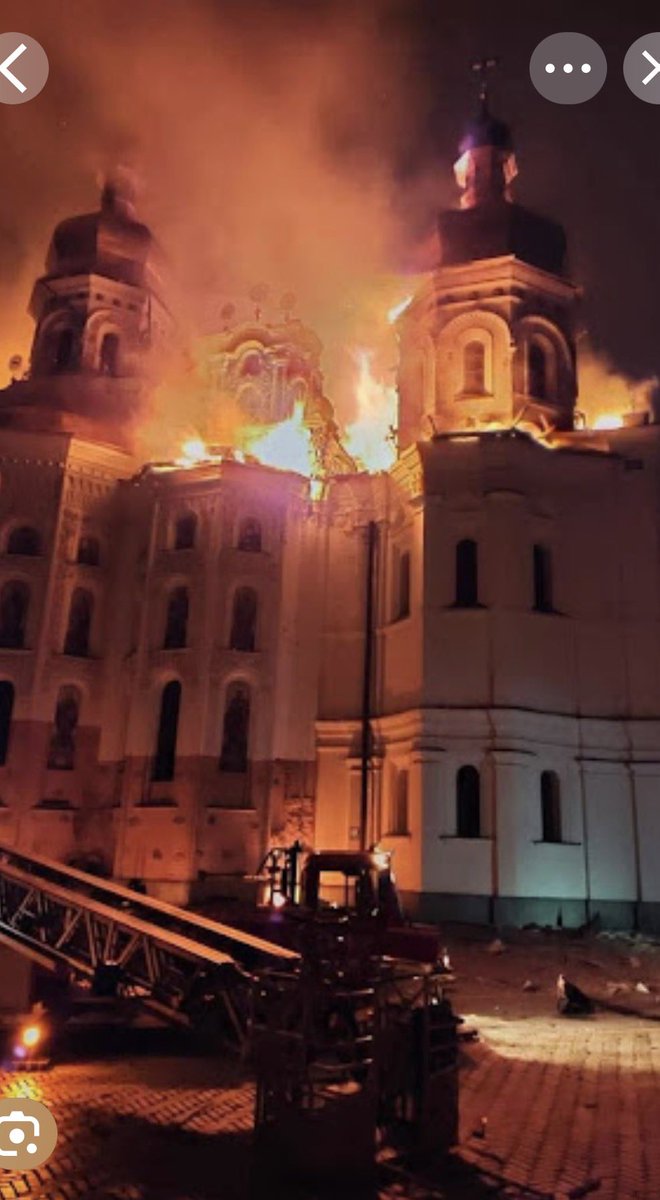
In the context of the escalation of the war in Ukraine following the invasion by the Russian Federation, @UNESCO condemns the reported strike on 15 June that hit the Kyiv-Pechersk Lavra, within the World Heritage property “Kyiv: Saint-Sophia Cathedral and Related Monastic Buildings, Kyiv-Pechersk Lavra”, one of Ukraine’s most significant spiritual and cultural landmarks.
The strike reportedly caused significant damage to the exterior and interior of the Dormition Cathedral. Adjacent historic structures, including elements of the Lavra’s fortification complex and Ivan Kushnik Tower, were also reportedly impacted.
#UNESCO condemns attacks against cultural property, educational institutions, students, education personnel and media professionals protected under international law. Damage to such institutions deprives communities of access to culture, education, and shared spaces that are essential for recovery and social cohesion.
UNESCO stands ready to support relevant authorities in assessing damage to cultural and educational institutions and identifying urgent measures within its mandate.
unesco.org/en/articles/unesc…

Community note
UNESCO forgets to mention Russia bombed the Kyiv-Pechersk Lavra:
edition.cnn.com/2026/06/14/eur…
google.com/amp/s/amp.dw.c…
reutersconnect.com/item/kyiv-pech…
10
207
774
23,853
Делулу&Креатин retweeted

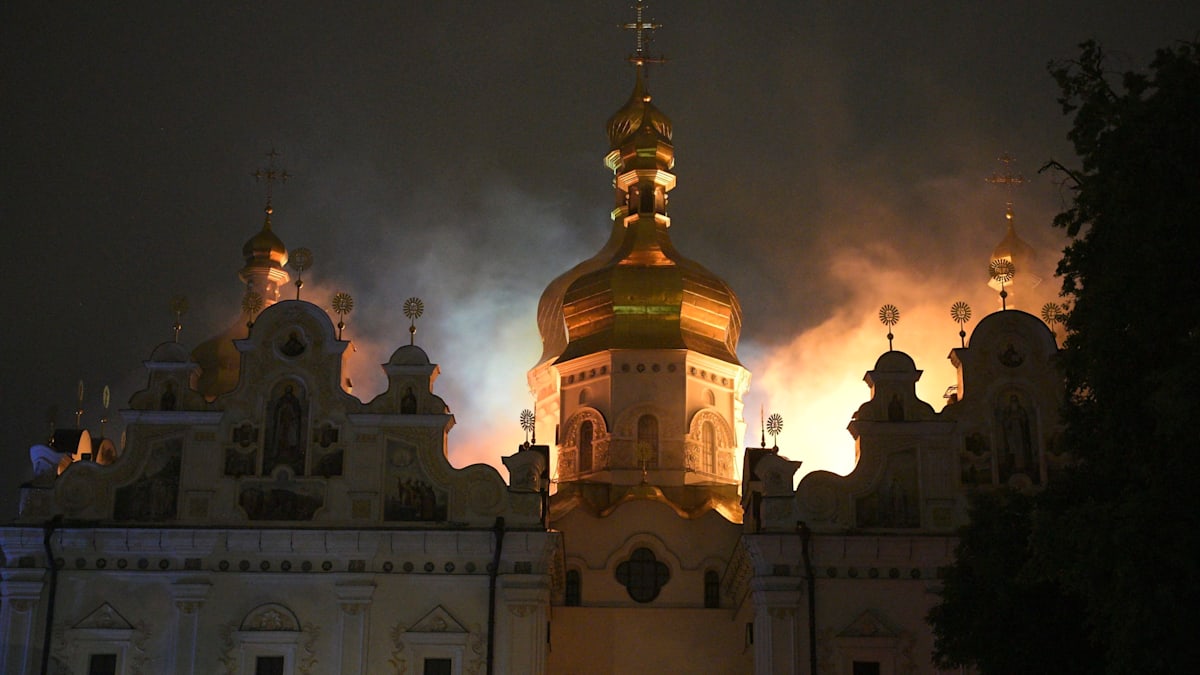
Russen machen Russen Sachen. Schöne Dinge, die andere vor Urzeiten erbaut haben, kaputt. Und von „Rechts“ gibts teilweise Applaus.

Massiver Luftangriff auf Kiew – historisches Kloster brennt, Polen lässt Kampfjets aufsteigen to.welt.de/FxHaSsB
58
46
559
10,682
Делулу&Креатин retweeted

Я БУДУ КРИЧАТИ ПРО ЦЕ, БО МИСТЕЦТВО ПОТРЕБУЄ ВАС
Я ШУКАЮ ДОПОМОГИ ЗІ СТВОРЕННЯМ ЗАПАСНИКІВ КАРТИН, КУДИ ЗМОЖУТЬ ЗДАТИ КАРТИНИ БУДЬ ЯКІ ХЦДОЖНИКИ!
ЩОБ ЦЕ БУЛО ПРОСТІШЕ НІЖ ЗДАТИ КАРТИНИ В МУЗЕЙ.
Цю тему я вже підіймала в Національній Спілці Художників України, але на те, щоб це зробити треба дуже багато допомоги, треба згуртуватись і щось зробити!
Велика проблема з тим, що картини в запасники музеїв можуть здати тільки на важких умовах відомі художники.
Мені це болить!
Останні дні ми бачимо наскільки це проблема актуальна.
І не кажіть - у вас було багато часу це зробити. Коли в тебе немає медійної підтримки, коли ти один маленький голос - це зробити значно складніше.
Зараз я виступаю як директор благодійного фонду НСХУ. Я ПРОШУ КОГЖНОГО КОГО ЦЕ МОЖЕ СТОСУВАТИСЬ ОБʼЄДНАТИСЬ З НАМИ І ЗРОБИТИ ЦЕ.
Давайте врятуємо те, що залишилось!
5
15
64
2,584
Делулу&Креатин retweeted

Un héritage millénaire en flammes, comme à Notre-Dame.
Et demain, Bolloré, Mariani, Philippe de Villiers et toute la clique viendront encore prêcher le rapprochement avec une Russie « protectrice de la civilisation chrétienne ».
Toute honte bue, comme à chaque fois.
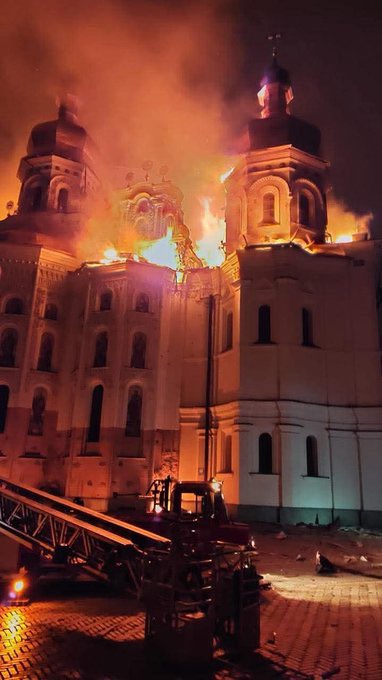

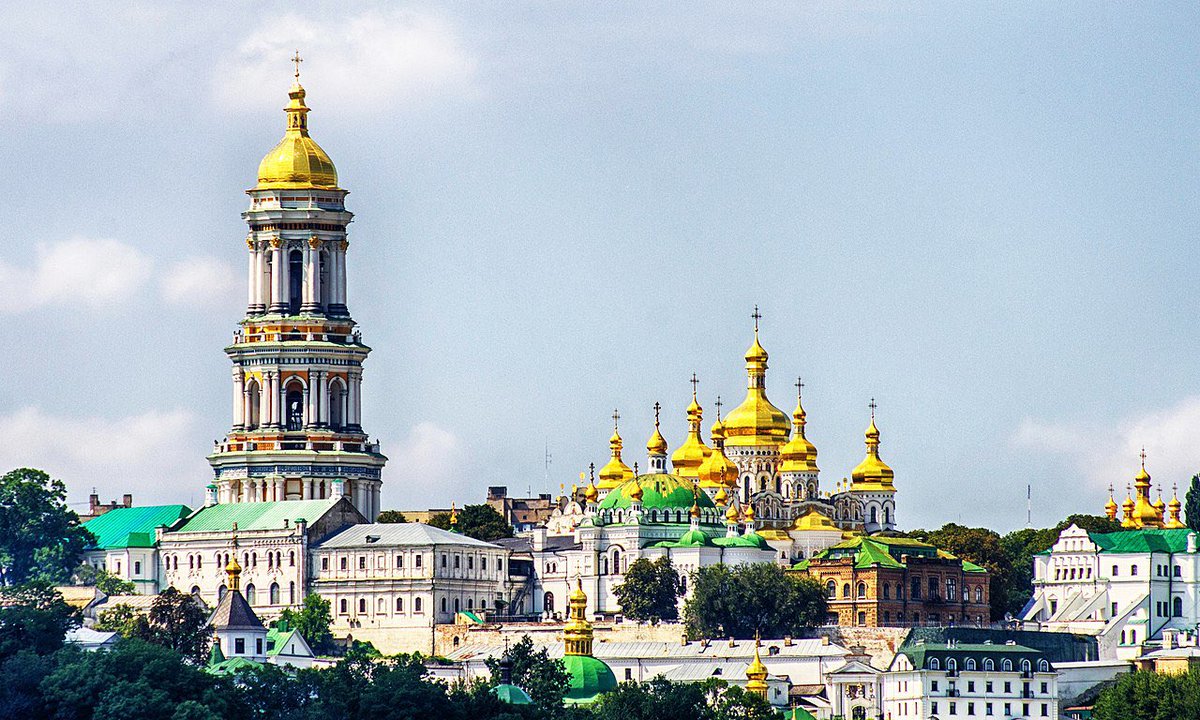
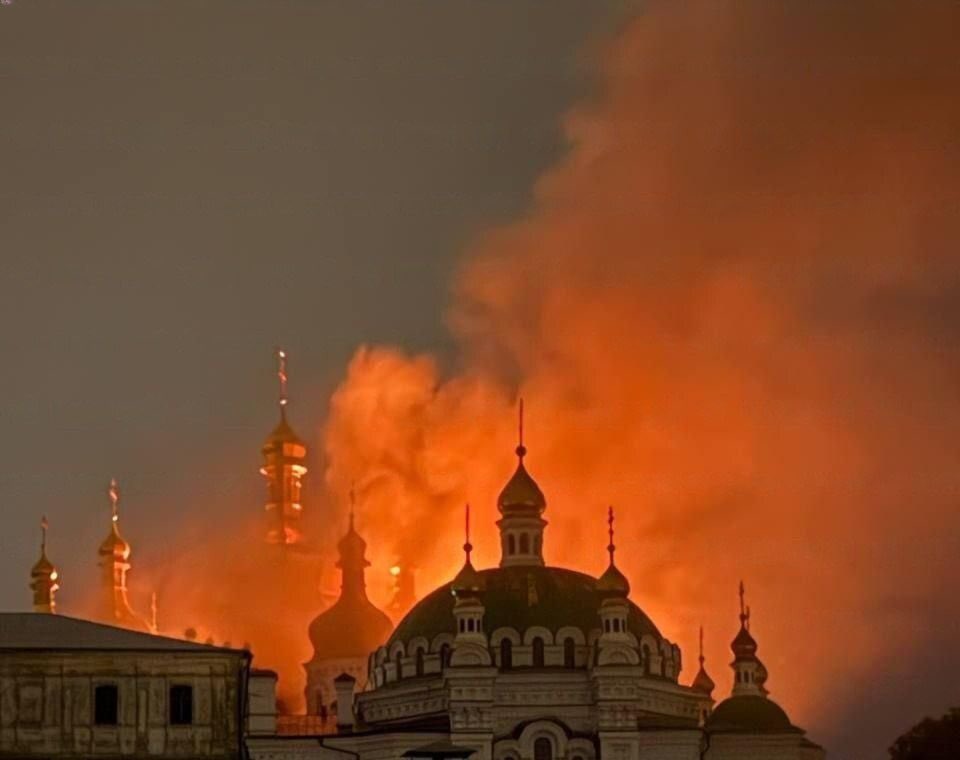
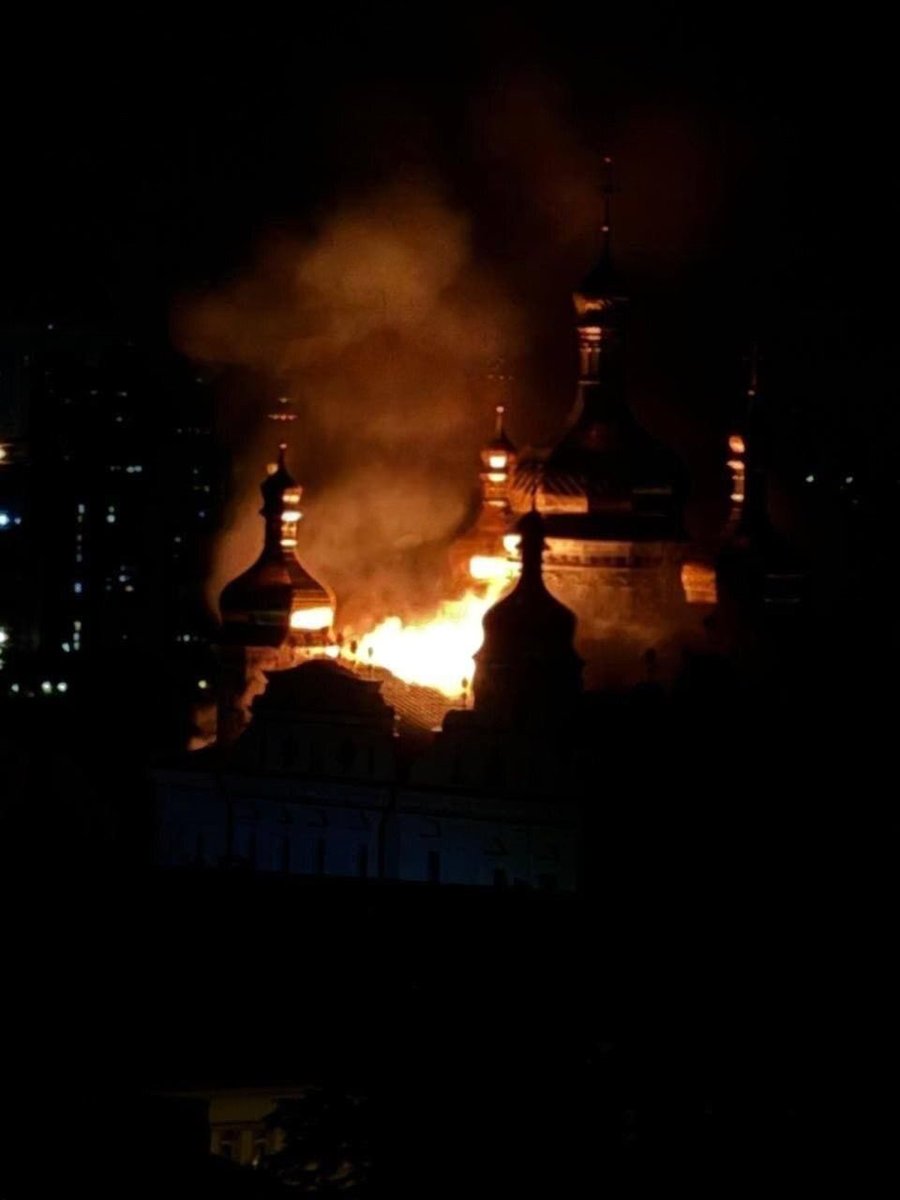
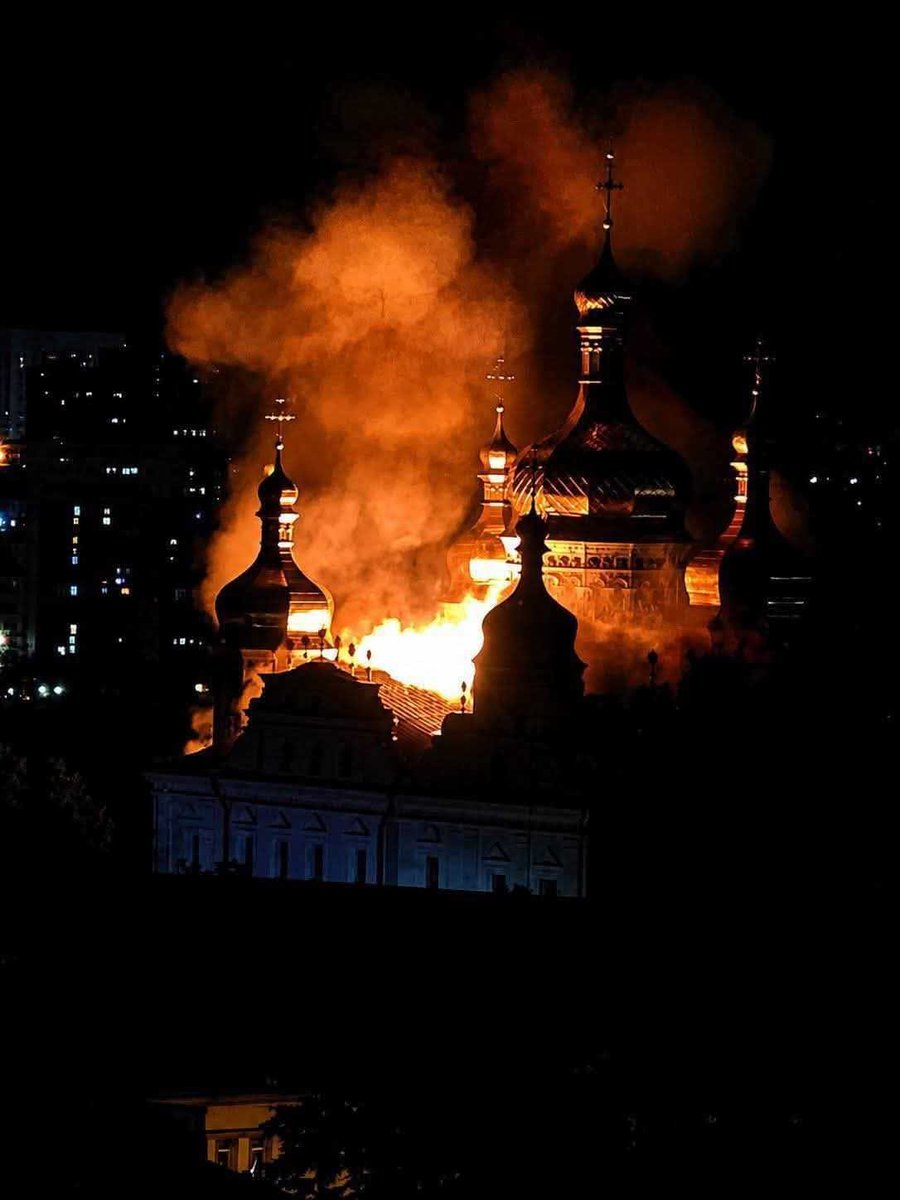
Cette vue est l’une des plus célèbres de la capitale ukrainienne : la laure des grottes de Kyiv, ensemble monastique classé à l’UNESCO.
La Russie vient à nouveau de le bombarder ; le toit de la cathédrale de la Dormition est en feu.
Le crime contre la civilisation continue.
237
903
2,401
38,307

Ахххха
14h

США можуть стати «вартовим Близького Сходу» за 20% доходів регіону - Трамп
ukrinform.ua/rubric-world/41…
2
2
22
1,349
візуал звичайнооо ...

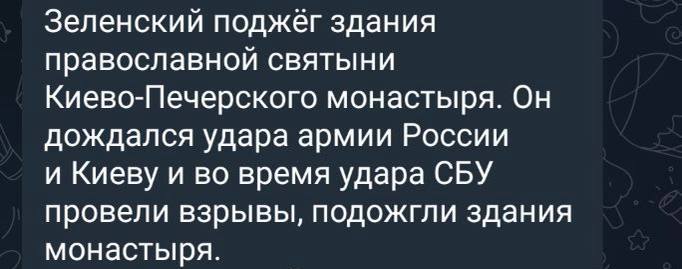
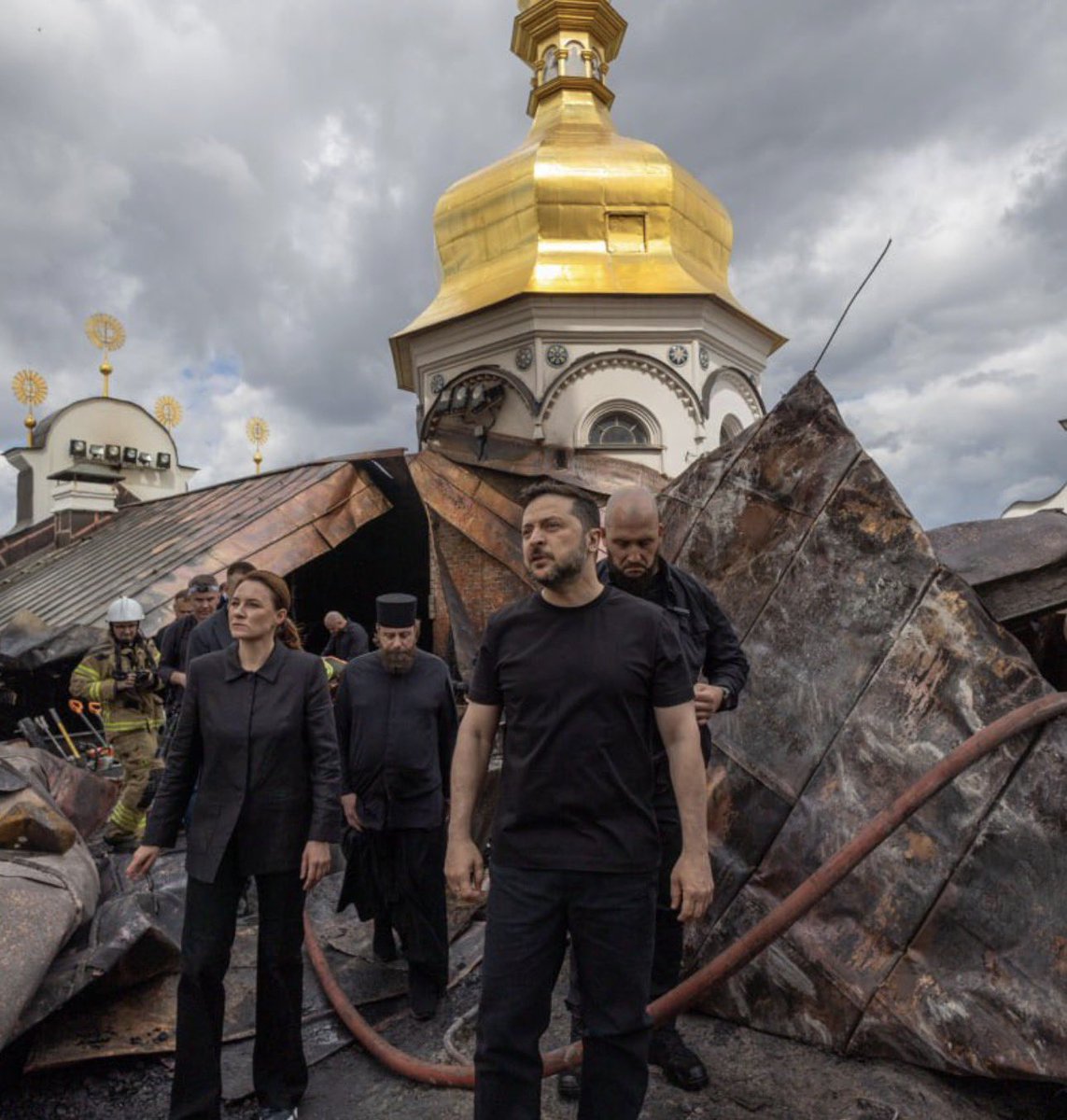
Zelensky at the Kyiv Pechersk Lavra after Russia struck it yesterday.
The debris of a Russian Geran-2 drone was found on the roof.
The monastery was built in 1051 and is the most important site of Orthodox Christianity in Ukraine.
1
45
Делулу&Креатин retweeted

Barbarei. Und ein Viertel der Deutschen unterstützt die deutsche Kollaborateurspartei.
17h

Das Höhlenkloster in Kyjiw zählt zum Unesco-Weltkulturerbe. Nach russischen Angriffen steht dessen Hauptkirche in Flammen. Durch Angriffe wurden zwei Menschen getötet. trib.al/88XpXcm
30
116
546
8,892
Делулу&Креатин retweeted

Russia unleashes a barrage of missiles on the historic Kyiv Cathedral.
This needs to stop.

RUSSIAN MISSILE STRIKE SETS HISTORIC KYIV CATHEDRAL ABLAZE, KILLING AT LEAST 4 AND WOUNDING 23
A barrage of ballistic missiles and drones hit Ukraine's capital overnight, damaging the Assumption Cathedral at the UNESCO-listed Kyiv Pechersk Lavra monastery complex, setting its roof on fire. The assault killed at least four people and wounded 23 others in the capital, including a child and a pregnant woman.
christiannewsline.com/articl…
40
29
228
8,394

Делулу&Креатин retweeted

With all due respect to @baunov, I think to consider strkes against Lavra, Kyiv Arsenal, and Dovzhenko Studio as some sort of "retaliation" is sheer nonsense. Putin's propagandists will certainly say this, but it does not make it any more true. Russia has been striking major Ukrainain cultural sites four years throughout the war. Babyn Yar was striken in 2022, for God sake. The Chernobyl Museum was demolished by a direct strike last month. Dozens of major Christian churches have been destroyed. The very idea that Putin cares about Sevastopol diorama is totally laughable. The idea that Putin thinks that striking civilian targets in Ukraine brings his victory closer is valid, though.

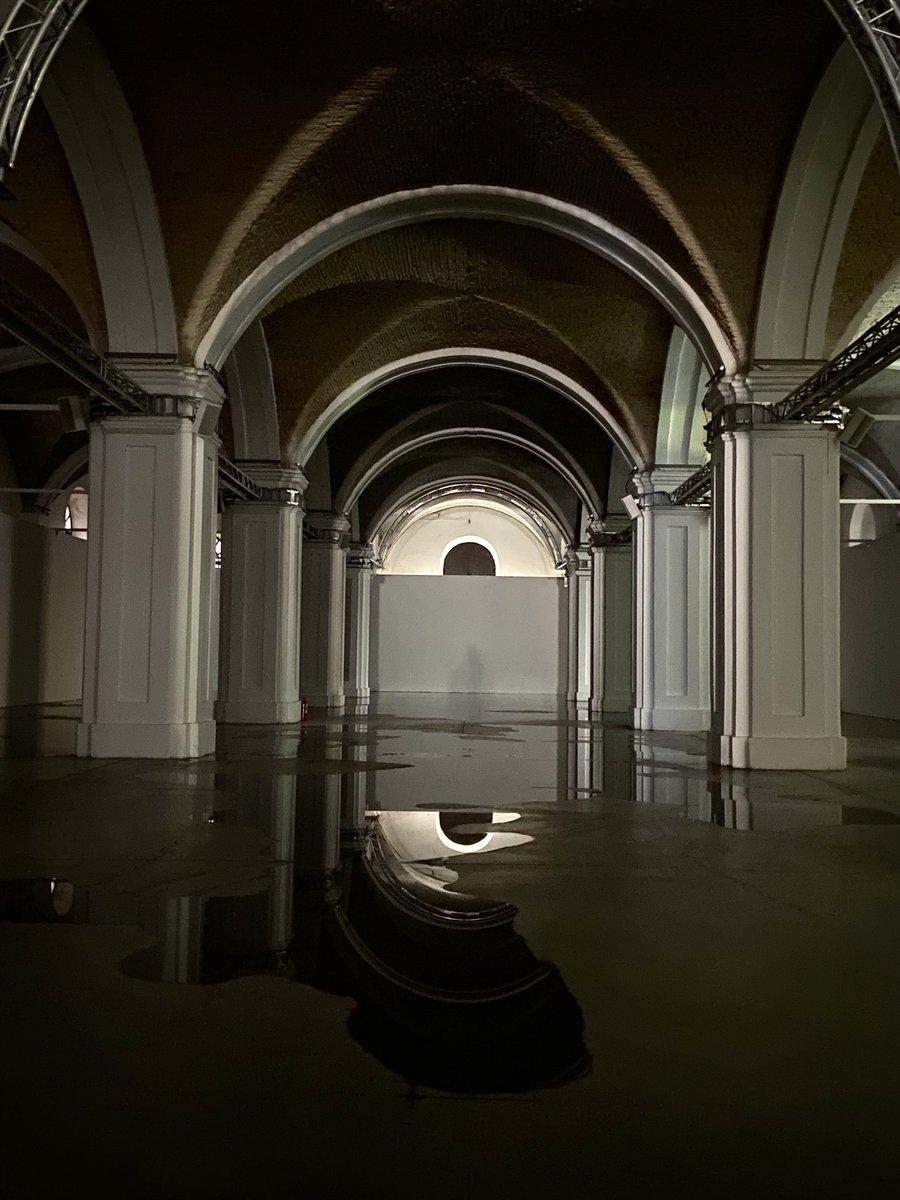
I can’t judge the military side of it, but last night’s Russian strikes on Kyiv damaged not only buildings in and around the Kyiv Pechersk #Lavra, Ukraine’s most important Orthodox monastery, but also the Dovzhenko Film Studio and the Arsenal complex — two other sites deeply woven into Kyiv’s historical and cultural identity.
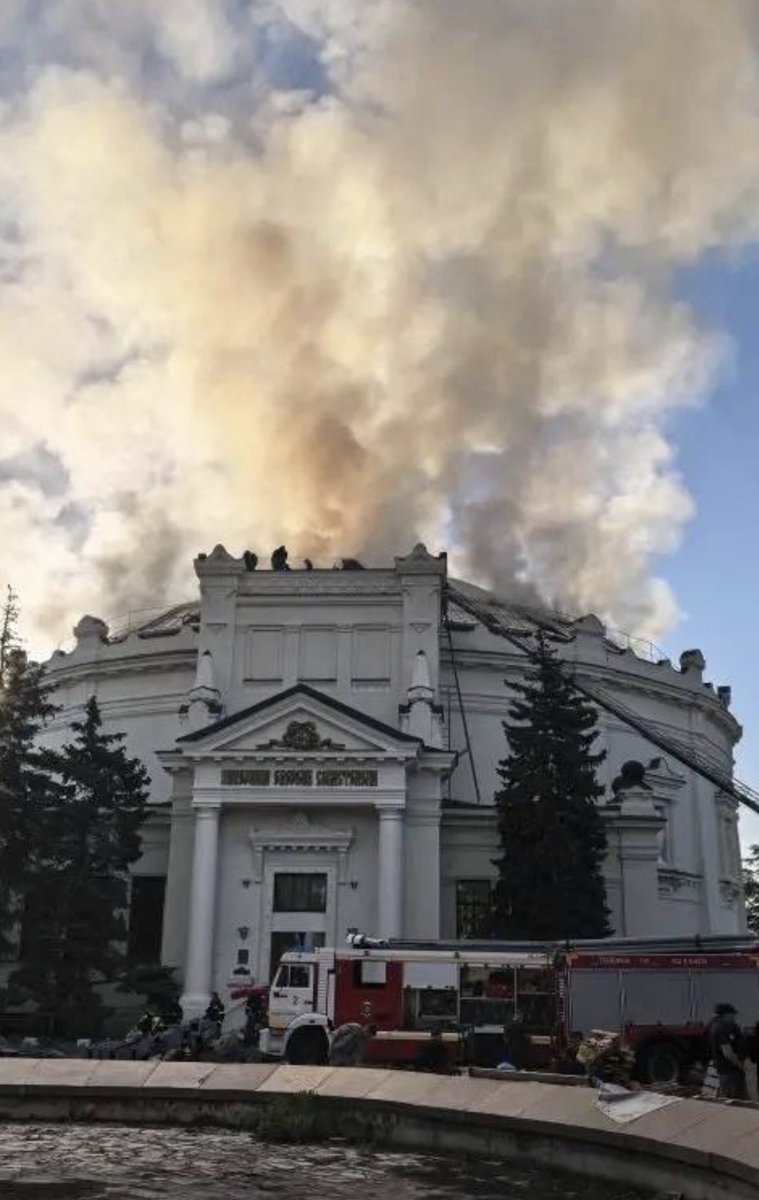
The choice of targets may not be entirely coincidental. Just days ago, a Ukrainian strike reportedly damaged the Panorama Museum of the Defence of Sevastopol in Russian-occupied Crimea, home to Franz Roubaud’s famous panoramic painting depicting the defence of the city during the Crimean War.
Created for the fiftieth anniversary of the siege of Sevastopol and opened in 1905, Roubaud’s panorama became one of the principal shrines of Russian military memory. For Sevastopol, the museum is more than a cultural institution. It is one of the city’s key lieux de mémoire — a civic shrine tied to its identity as a fortress and military port. For Putin’s generation and virtually everyone raised in the Soviet Union, visiting the panorama was a standard part of patriotic education. The building occupied an almost sacred place in the Soviet historical imagination.
Whether or not today’s strikes were intended as a response, they hit sites that play a similar role in Kyiv’s identity to the one the panorama museum plays in Sevastopol’s.
More broadly, we may be seeing a gradual expansion of target selection: beyond military facilities, infrastructure, industrial sites and residential buildings, and increasingly toward symbolic, historical and cultural landmarks. Given how much Putin’s worldview — and the propaganda system built around it — operates in the realm of symbols, memory and historical narratives, it is conceivable that cultural targets are being chosen not only for military reasons but also for their psychological and symbolic impact. Striking places that embody a nation’s identity can be a way of trying to undermine morale and weaken a society’s sense of itself.
18
59
322
25,886
Делулу&Креатин retweeted

13h
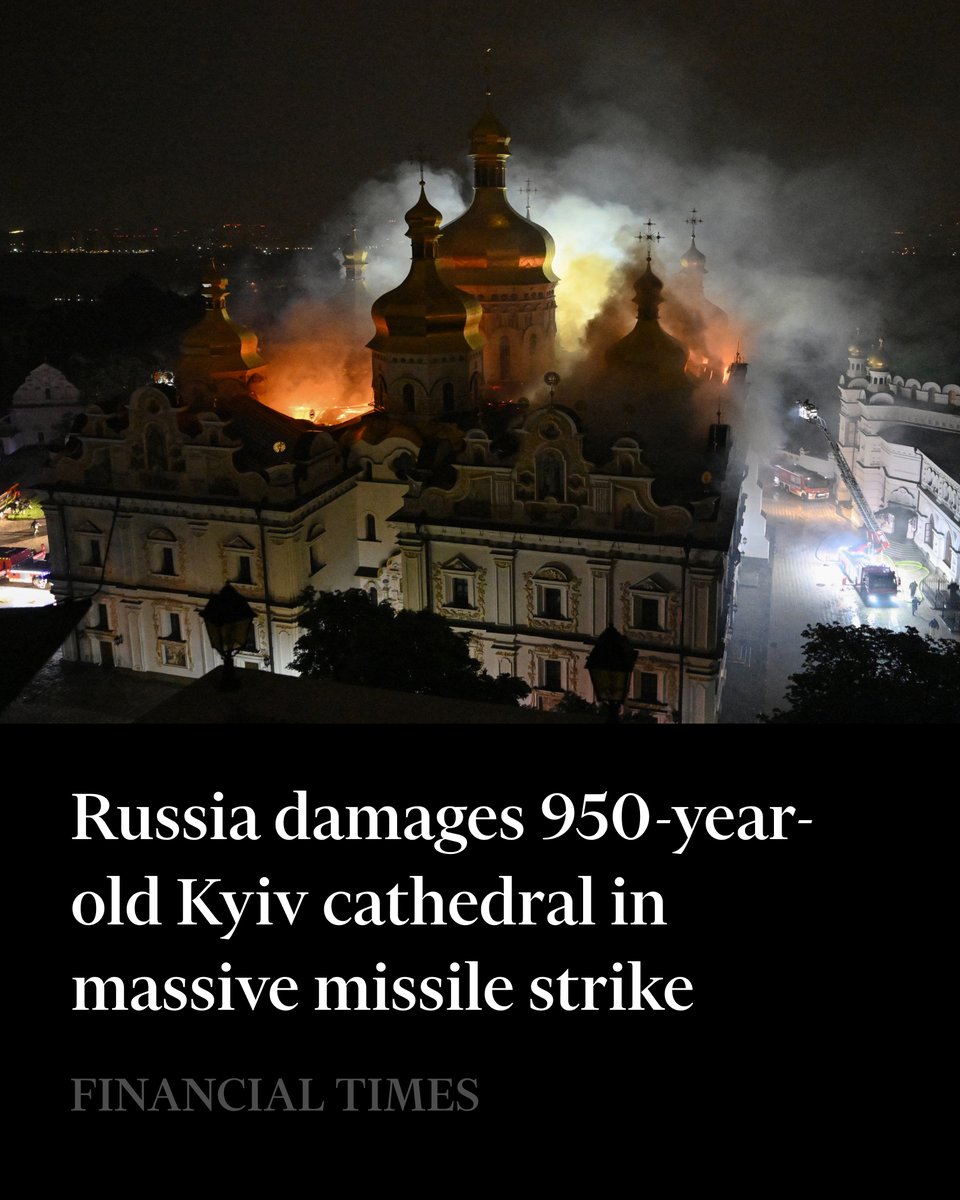
Russia has attacked Ukraine’s capital with a massive barrage of missiles and drones, damaging a 950-year-old cathedral and monastery, just hours after an hour-long phone call between Donald Trump and Vladimir Putin. ft.trib.al/jgIyTac
175
406
1,112
46,749
Делулу&Креатин retweeted

The Dovzhenko film studio in Kyiv is one of the oldest centers of world cinema. Established in 1927, it’s where Dziga Vertov, Sergey Paradzhanov and obviously Oleksandr Dovzhenko shot some of their masterpieces. It survived WWII because its collection was evacuated to Central Asia before the Nazi takeover. This morning, it was hit by Russian missiles. The entire collection of 100,000 costumes going back nearly a century burned down. Other priceless artifacts gone, too.
Barbarians sacking Europe’s cultural heritage.
19
577
1,158
69,957
Делулу&Креатин retweeted

You'll only get sustainable peace in the Middle East if Iran, Israel and the Gulf have leaderships willing to negotiate directly with each other in a trilateral format that bypasses inept and delusional US administrations that have only exacerbated instability since 1980
10
22
147
6,777
Делулу&Креатин retweeted

First responders have put out the fires in Kyiv – at the Lavra and the Mystetskyi Arsenal. I am grateful to all the services working at the sites of the strikes, and to everyone who is helping. It has been confirmed that two Russian drones deliberately targeted the part of the city where the Lavra and the Mystetskyi Arsenal are located. As of now, 35 people are reported injured in Kyiv. Across the country, 53 people have been wounded, and 11 people are known to have been killed in this massive Russian attack. My condolences to all their families and loved ones.
We are in constant communication with our partners regarding the consequences of this Russian attack and the necessary response. It is important that state leaders, public leaders, and international organizations do not remain silent. I have instructed Ukraine’s Ministry of Foreign Affairs and our entire diplomatic team to maximize all contacts with partners today so that international events this week and next deliver real results for strengthening our defense and increasing global pressure on Russia over this war. We need a just response to this Russian strike. Thank you to everyone who stands with Ukraine.
563
3,133
11,599
176,463
RT @JasminMuj: The term for this is ‘culturcide’, the deliberate destruction of cultural, educational, and/or sacred sites as a means of de…
38