
Joined May 2007
- Tweets 33,061
- Following 5,759
- Followers 7,361
- Likes 19,560
2,271 Photos and videos







Pinned Tweet

Jun 10
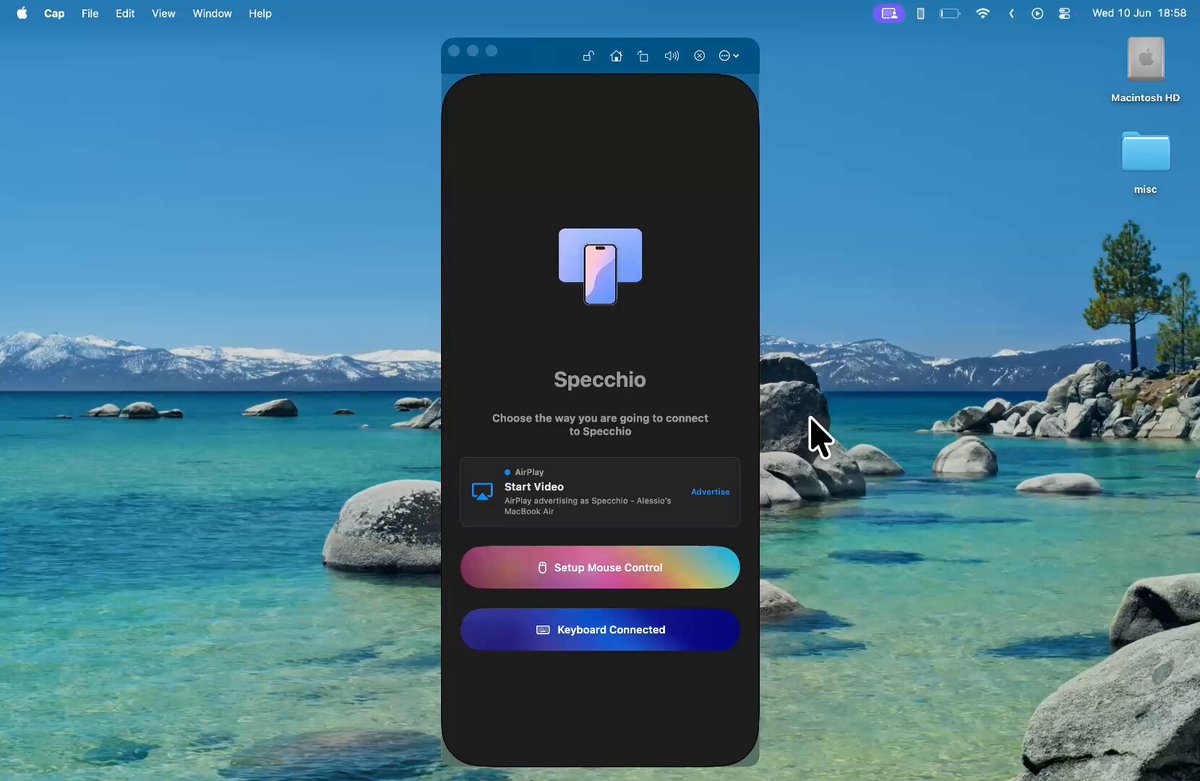
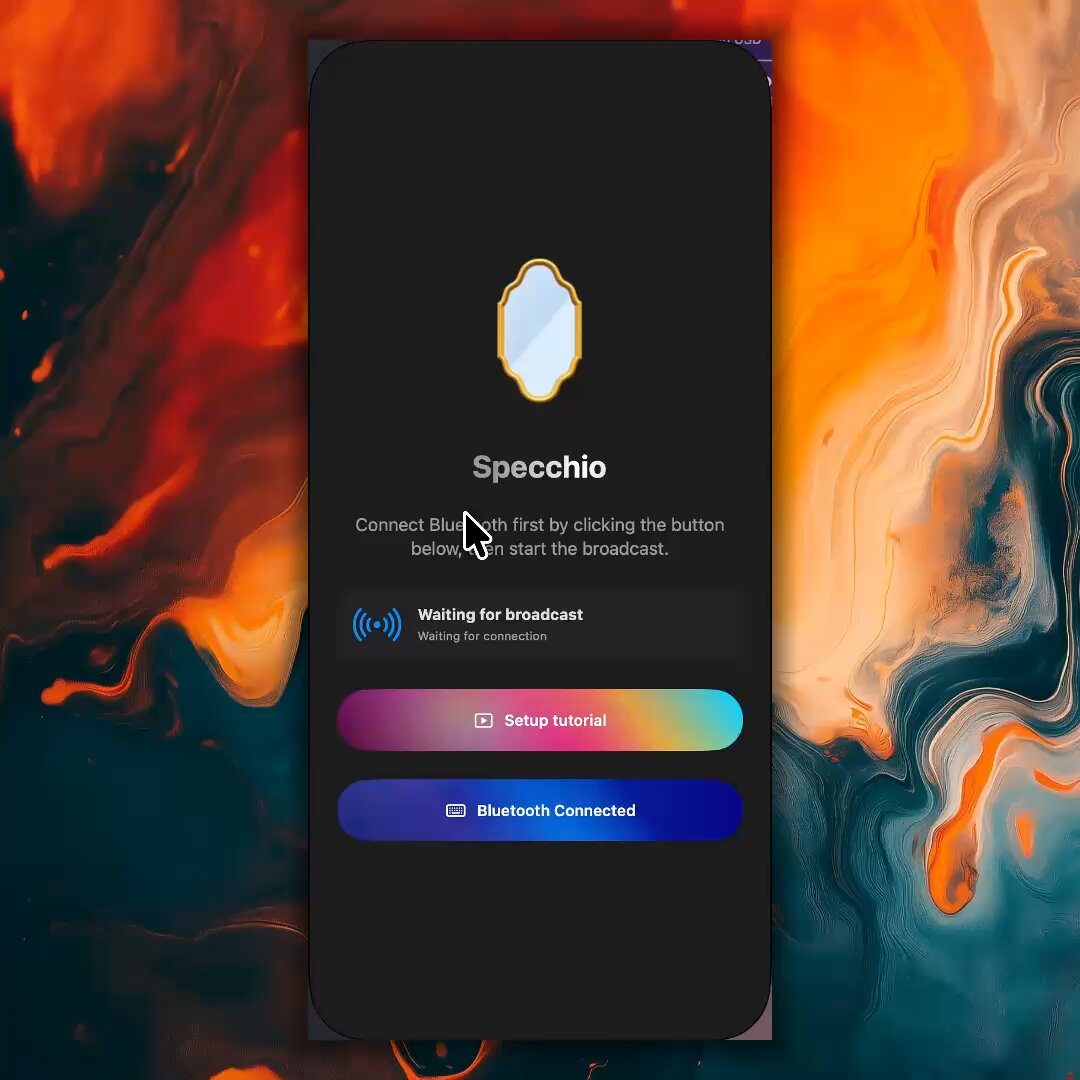
iPhone Mirroring is banned from the EU because of the monstrosity of the Digital Markets Act.
So I built my own.
Works on WiFi at 60fps over AirPlay, mouse and keyboard support.
76
56
2,269
774,877
Jun 12
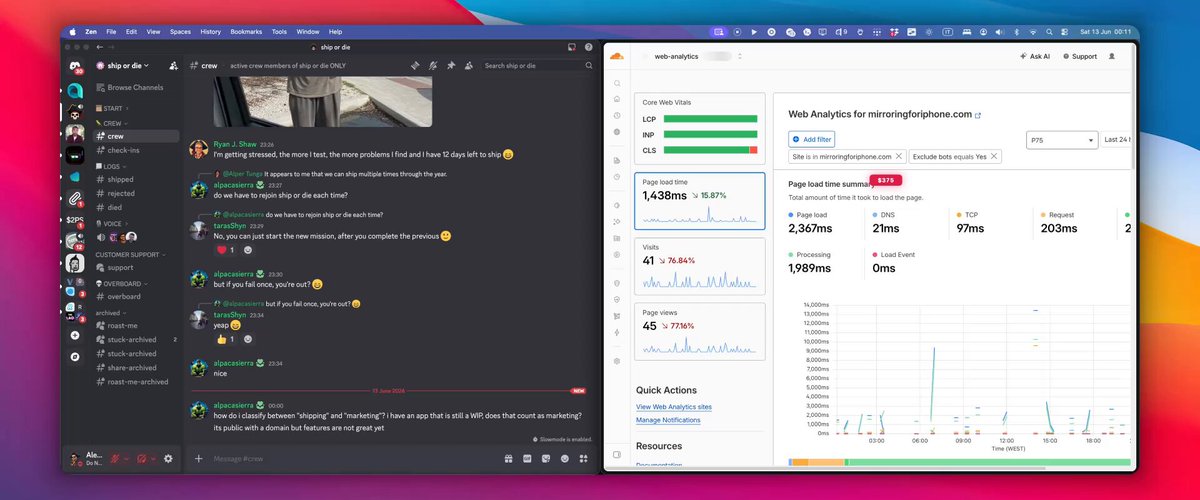
For my next @shipordie_ mission, cooking a tiny tool to keep motivation high and celebrate the small wins in the entrepreneurial journey of indie devs.
2
3
643
alexintosh retweeted

Apple just announced the new Siri AI features are coming, but not to EU iPhone users.
That shouldn’t be the outcome.
I vibe-coded a website to gather signatures for EU iPhone users who want access to the new Siri AI features.
Sign the petition: siri4eu.com
21
73
207
103,098
Jun 10
iPhone Mirroring is banned from the EU because of the monstrosity of the Digital Markets Act.
So I built my own.
Works on WiFi at 60fps over AirPlay, mouse and keyboard support.
76
56
2,269
774,877
Jun 11
Jun 11

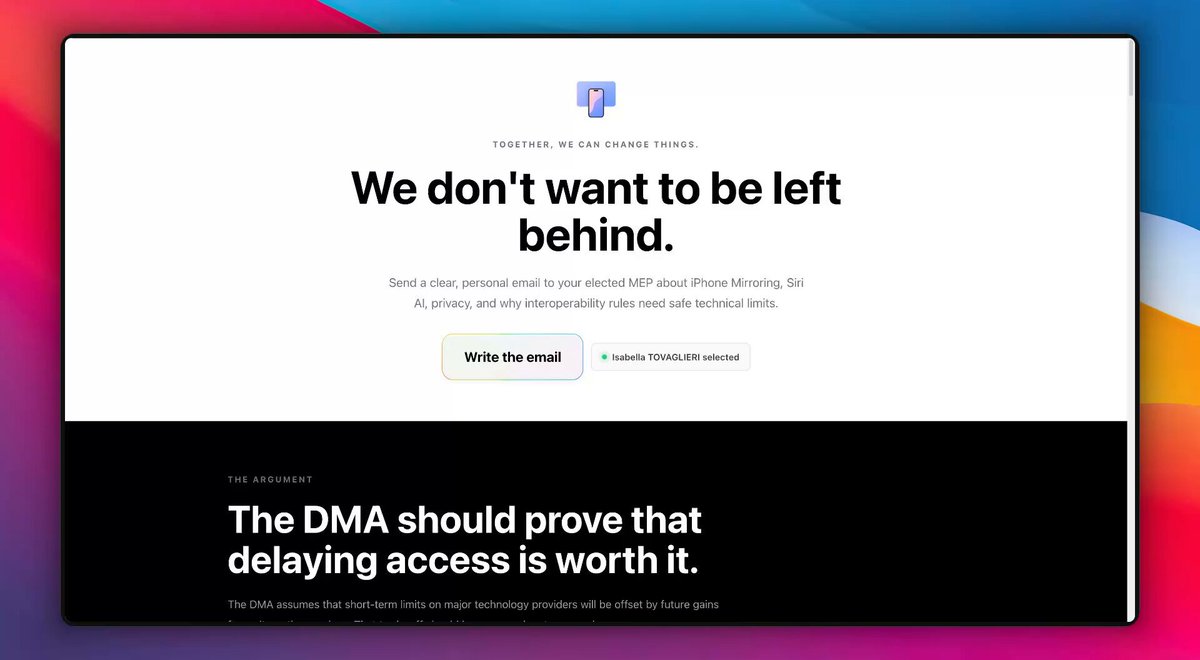
We refuse to be left behind.
The obligations in the DMA are TOO BROAD.
We receive features YEARS after other markets while entrepreneurs and devs fall behind their international competitors.
So I built a website to contact your elected EU MEPs.
It's time to send a message.
1
2,116
Jun 11
We refuse to be left behind.
The obligations in the DMA are TOO BROAD.
We receive features YEARS after other markets while entrepreneurs and devs fall behind their international competitors.
So I built a website to contact your elected EU MEPs.
It's time to send a message.
3
3
14
6,498
Jun 10
Ma raga funziona, solo che ha cambiato nome.
Jun 9

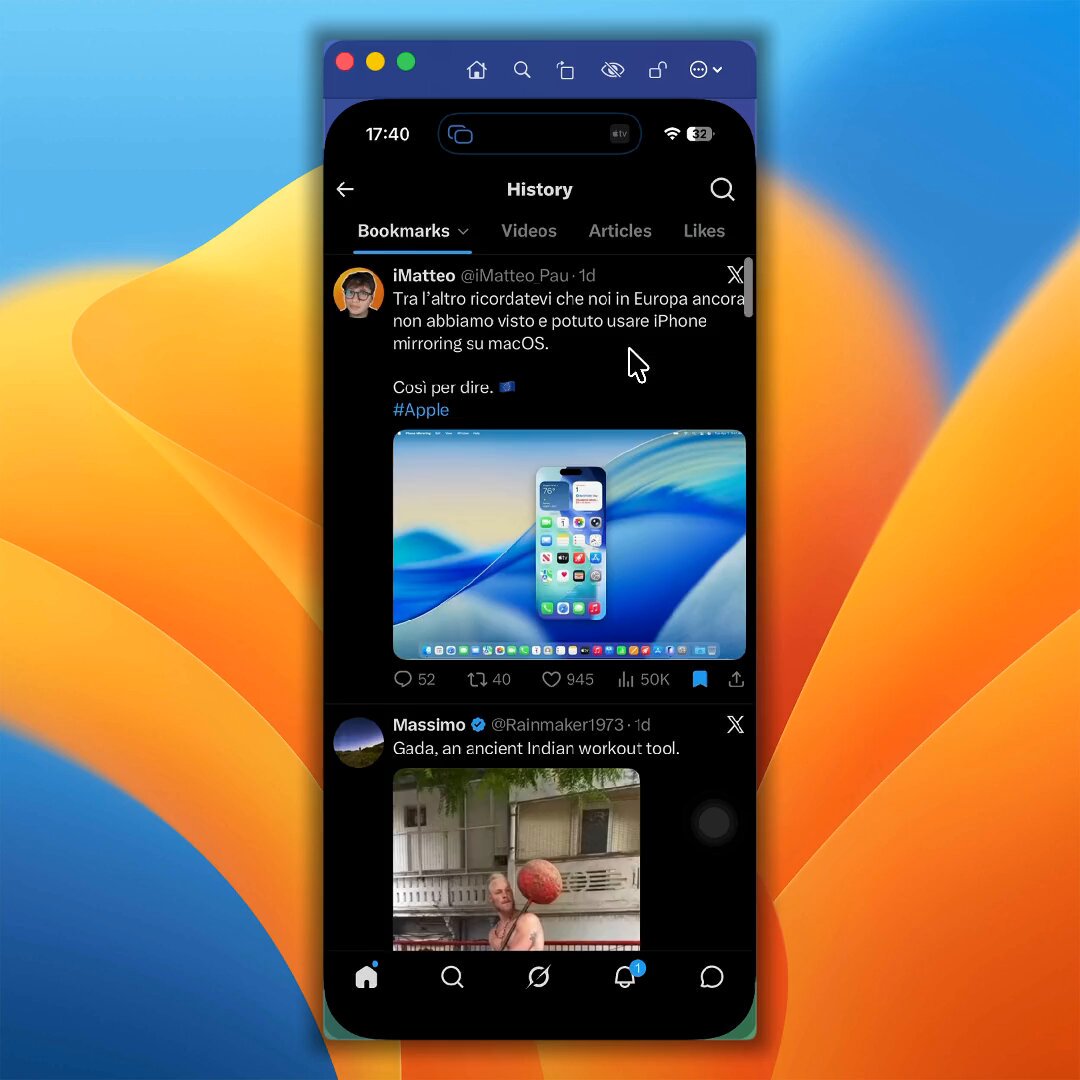
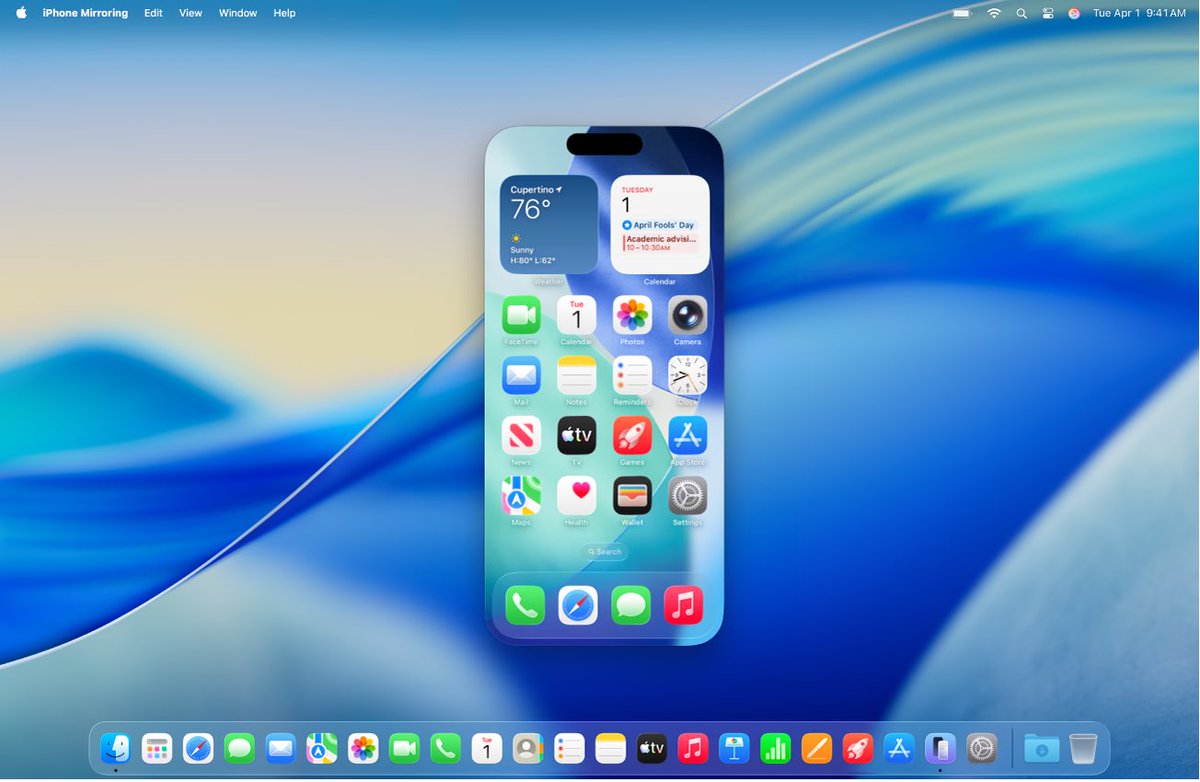
Tra l’altro ricordatevi che noi in Europa ancora non abbiamo visto e potuto usare iPhone mirroring su macOS.
Così per dire. 🇪🇺
#Apple
5
1
75
55,108
Jun 10
Jun 10
iPhone Mirroring is banned from the EU because of the monstrosity of the Digital Markets Act.
So I built my own.
Works on WiFi at 60fps over AirPlay, mouse and keyboard support.
4
3,774
Jun 10
1
14
18,109
alexintosh retweeted

If I were to summarize Portugal in one sentence:
Portugal is a civilization with relatively strong uncertainty absorption rooted in family and social networks, but whose emergence capacity is periodically constrained by parochial habits that favor relationships over function.
In Drucker's language, Portugal is neither a nation of pure cosmopolitans nor pure parochials.
It is probably best described as:
A parochial society governed by increasingly cosmopolitan institutions.
That combination helps explain many Portuguese paradoxes: high social warmth and cohesion, but also recurring complaints about nepotism, low productivity, slow administration, and difficulty transforming talent into large-scale innovation.
It is also why many Portuguese professionals flourish when they move into highly cosmopolitan environments such as the United States, United Kingdom, Switzerland, or France, while remaining culturally very Portuguese in their personal lives.
39
58
615
50,390
Jun 7
I dreamed of finding a place offering maritozzi col la panna, spitini palermitani e granita di mandorla.
I was so happy.
Now I am obsessed in finding such a place around Lisbon, Cascais, Setubal.
If you know any I'll offer you one.


2
544
Jun 6
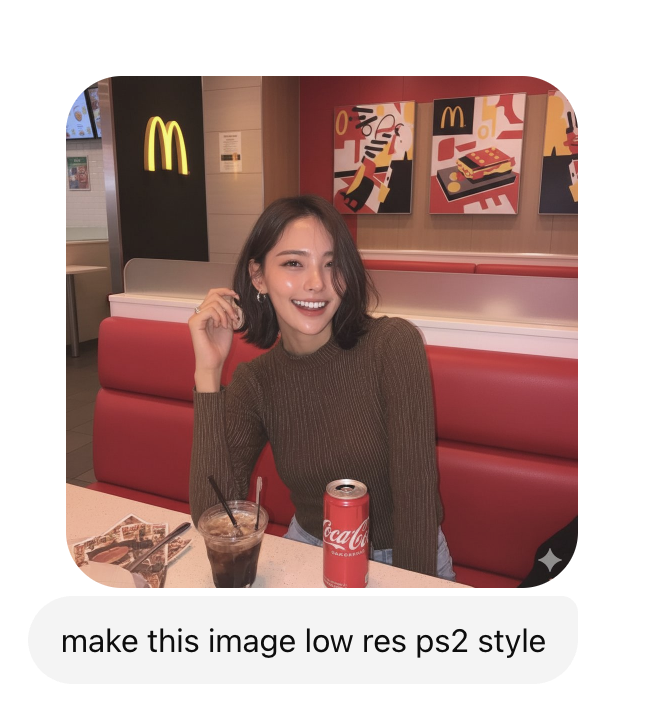
i like the low poly more


1
3
569
Jun 4
the most devastating feeling is knowing you would have done much better if you just did what you preached.
3
10
404