
Tokyo-based journalist.
Joined March 2009
- Tweets 2,056
- Following 1,449
- Followers 2,656
- Likes 3,958
230 Photos and videos
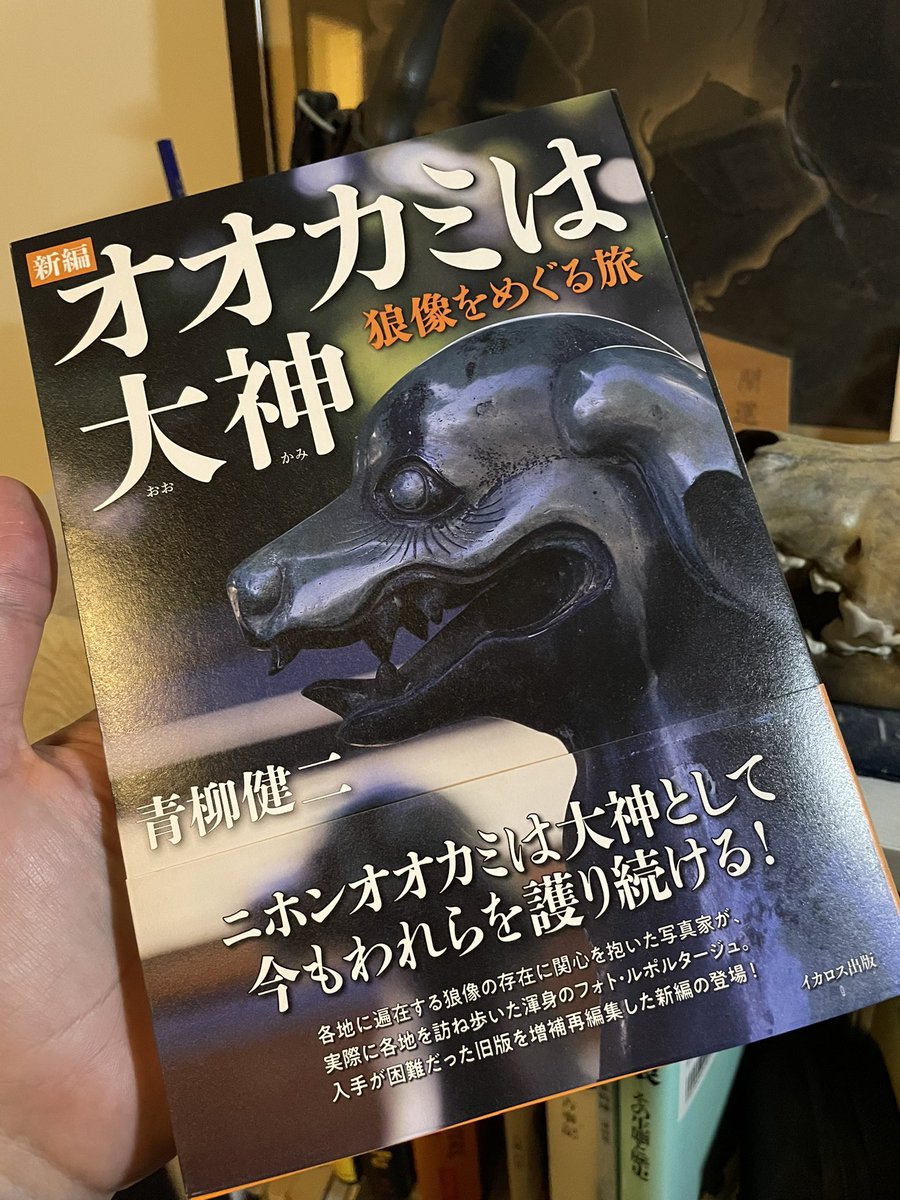
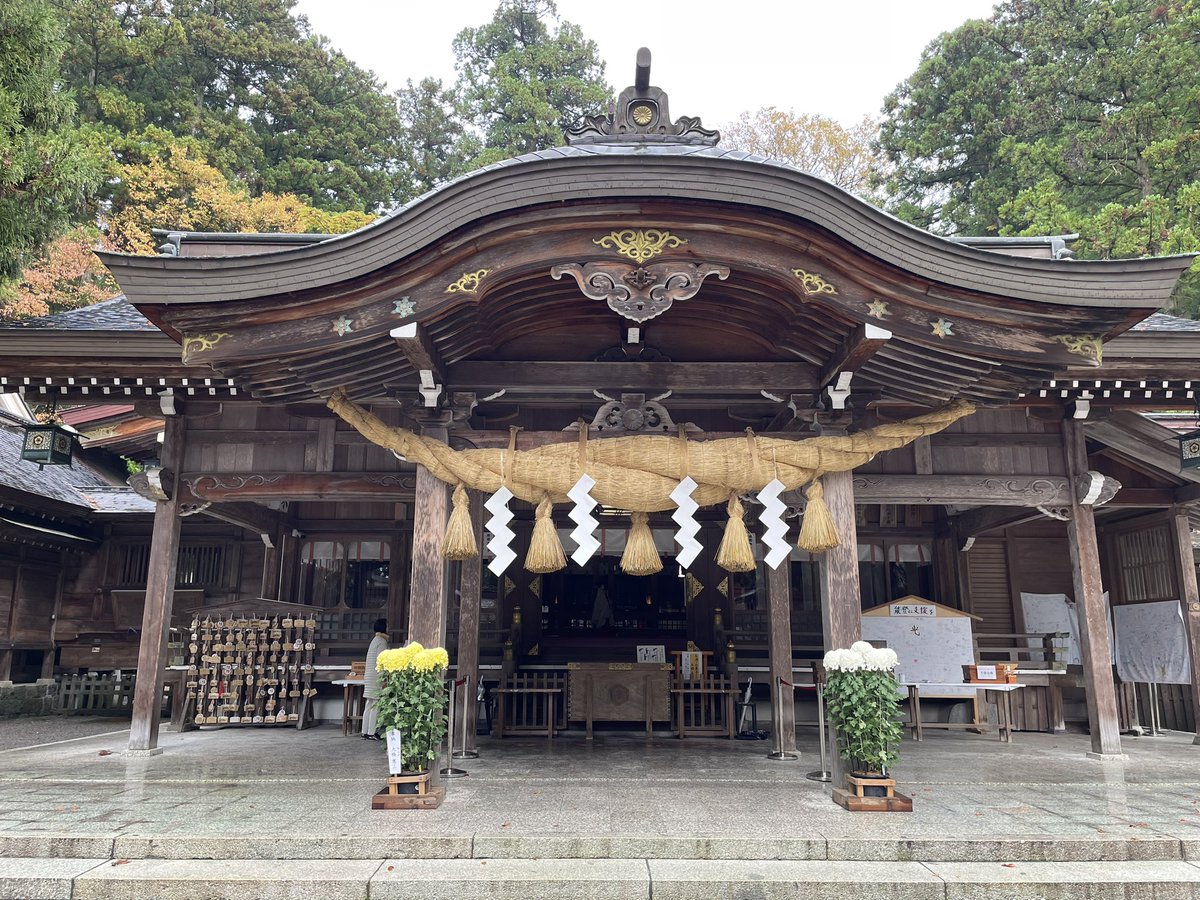

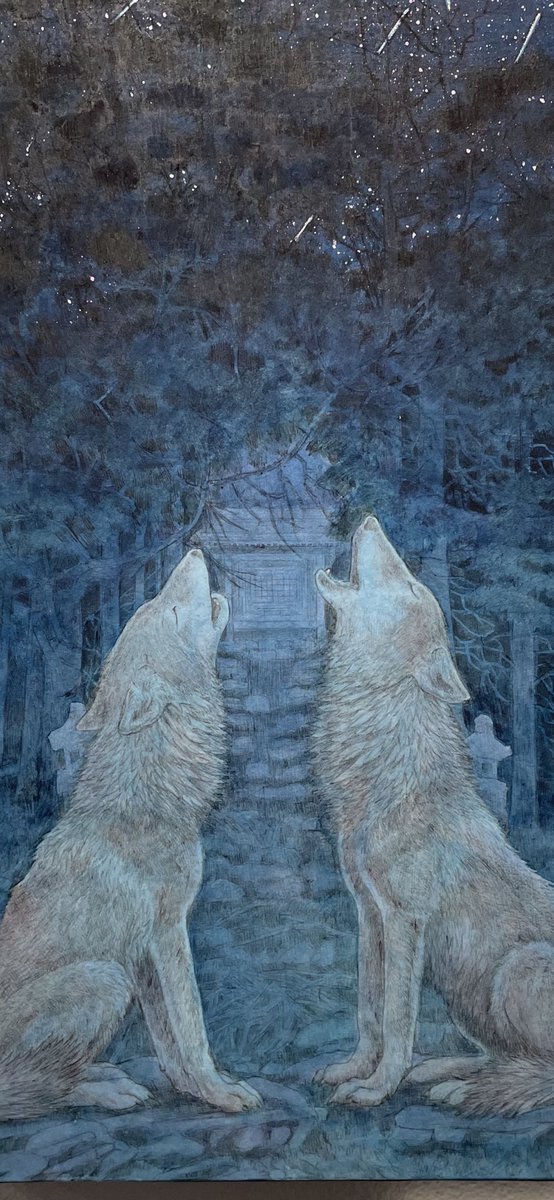
Alex K.T. Martin retweeted

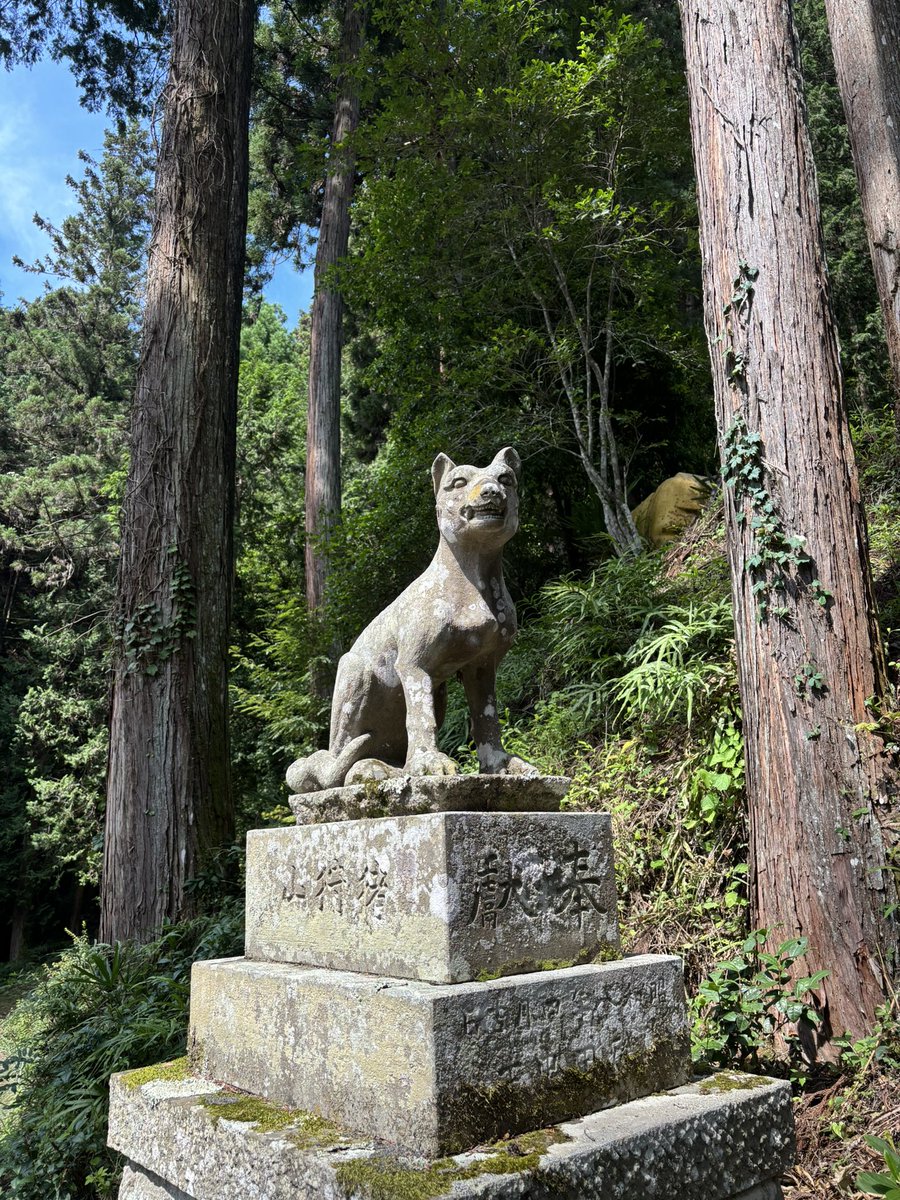
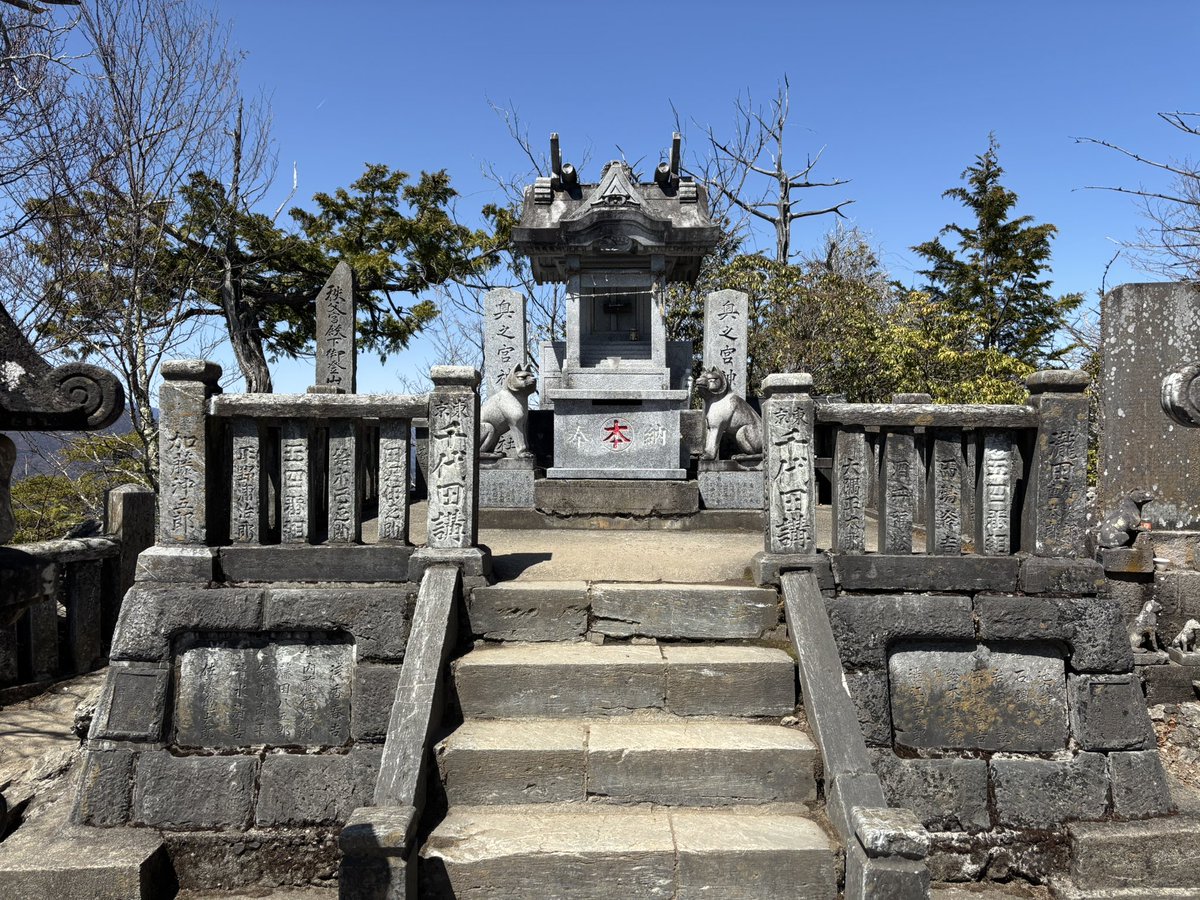
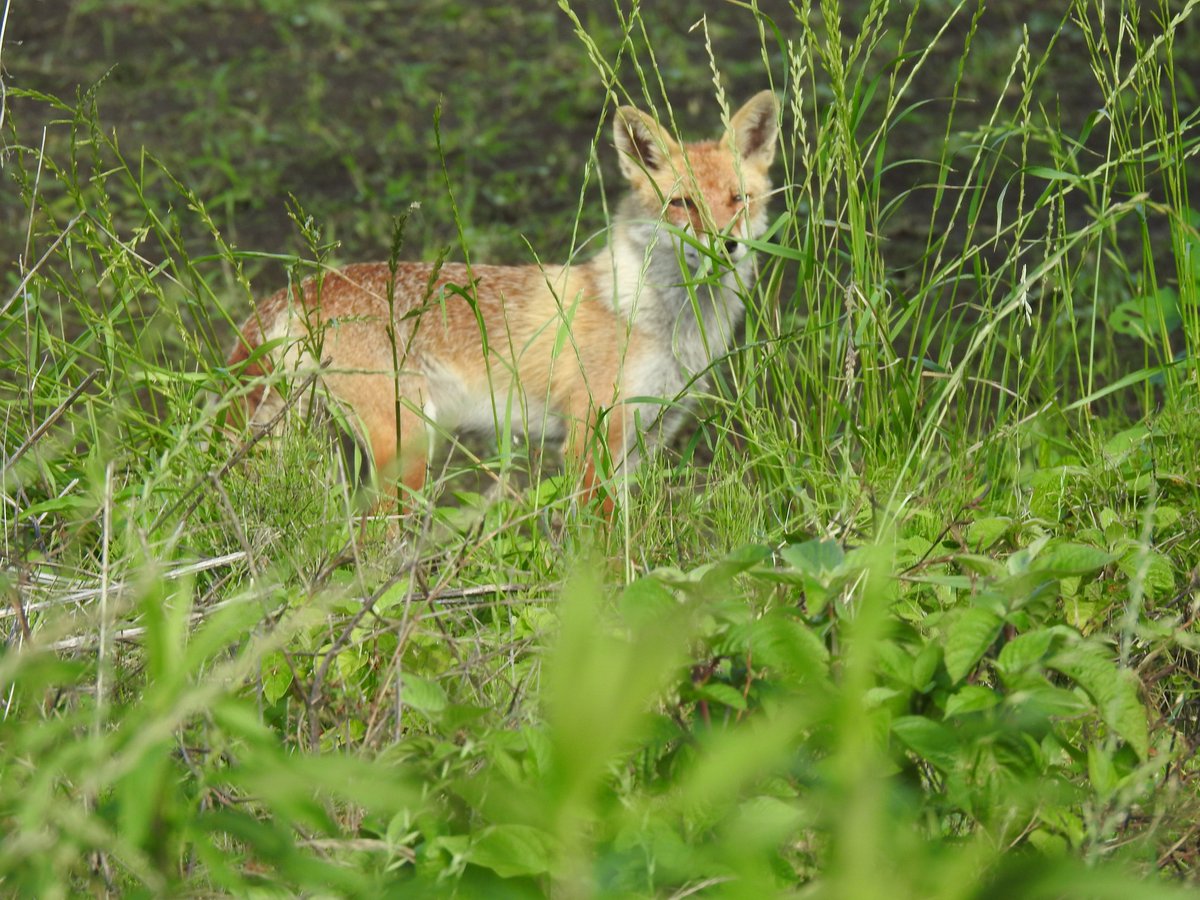
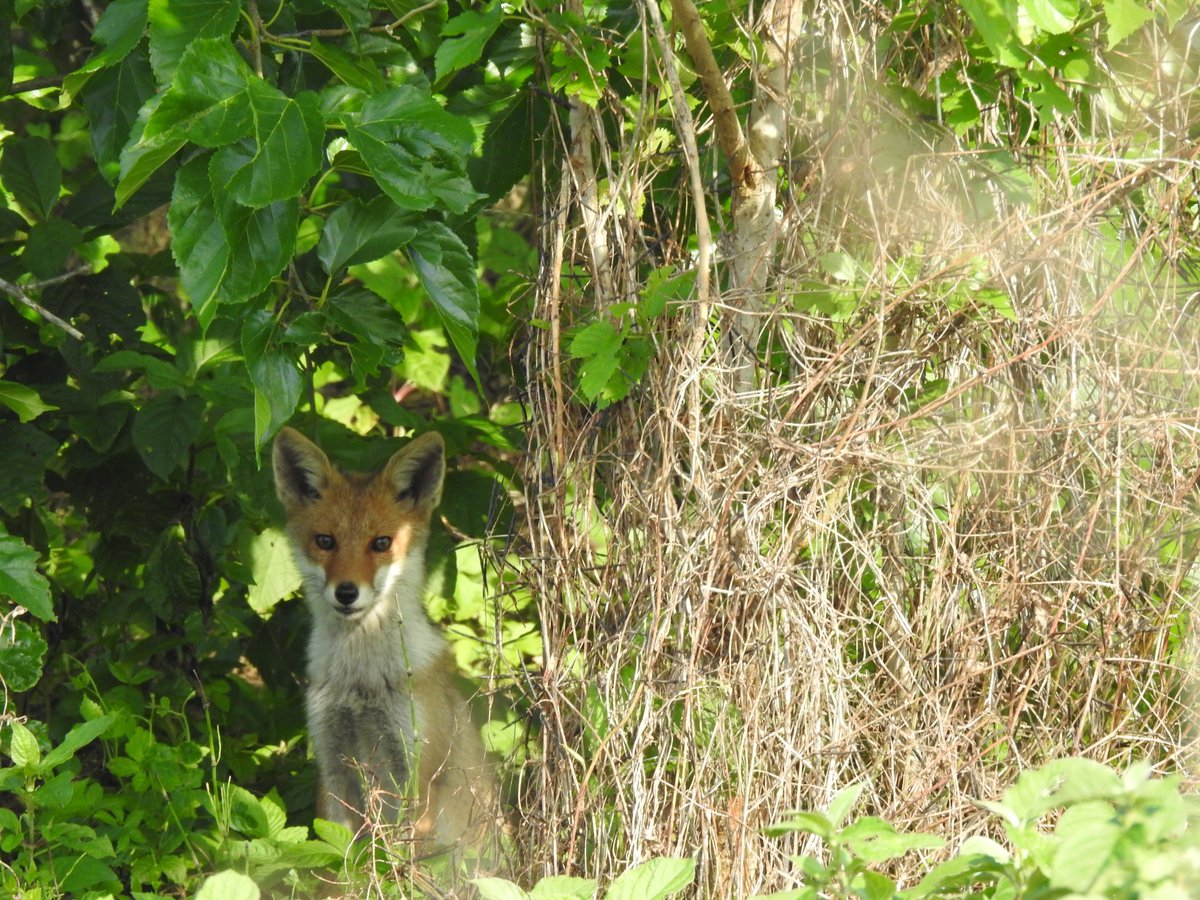
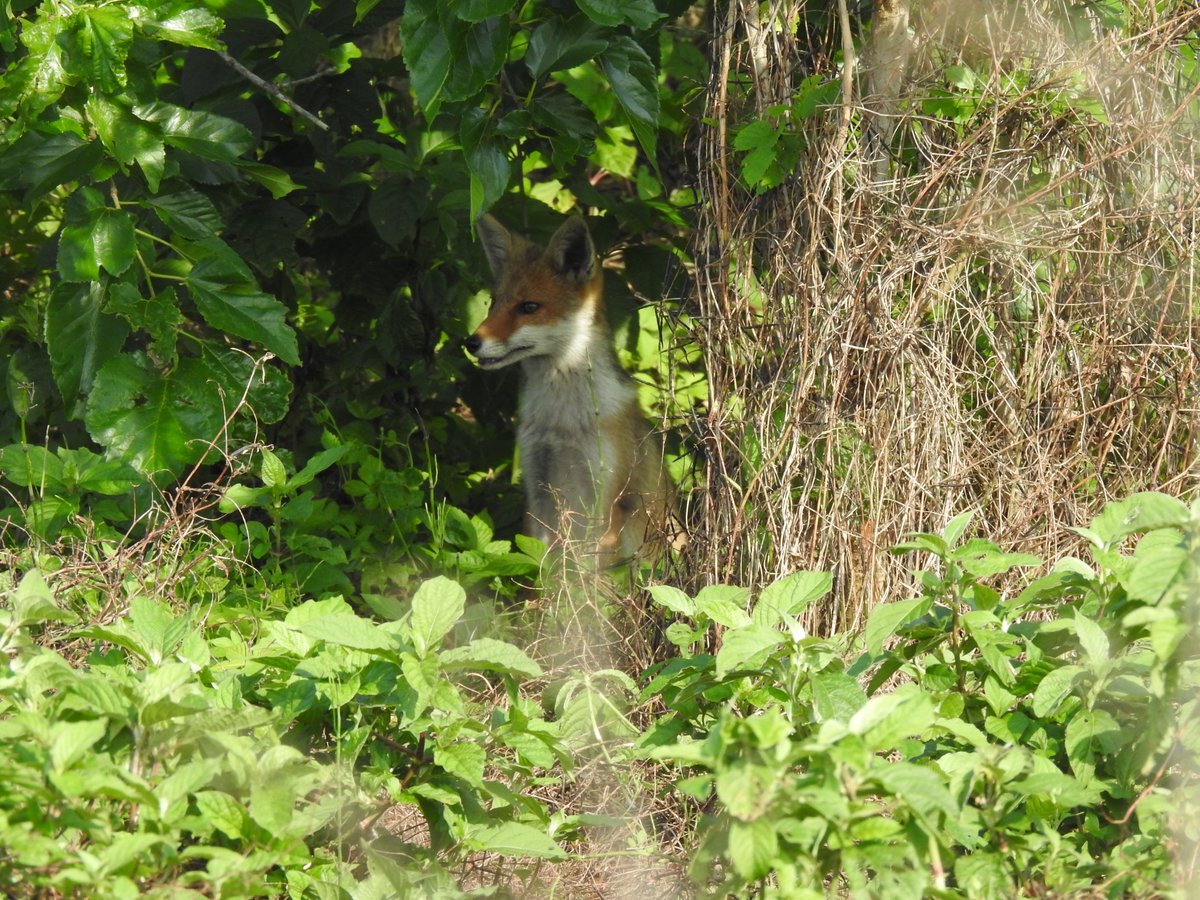
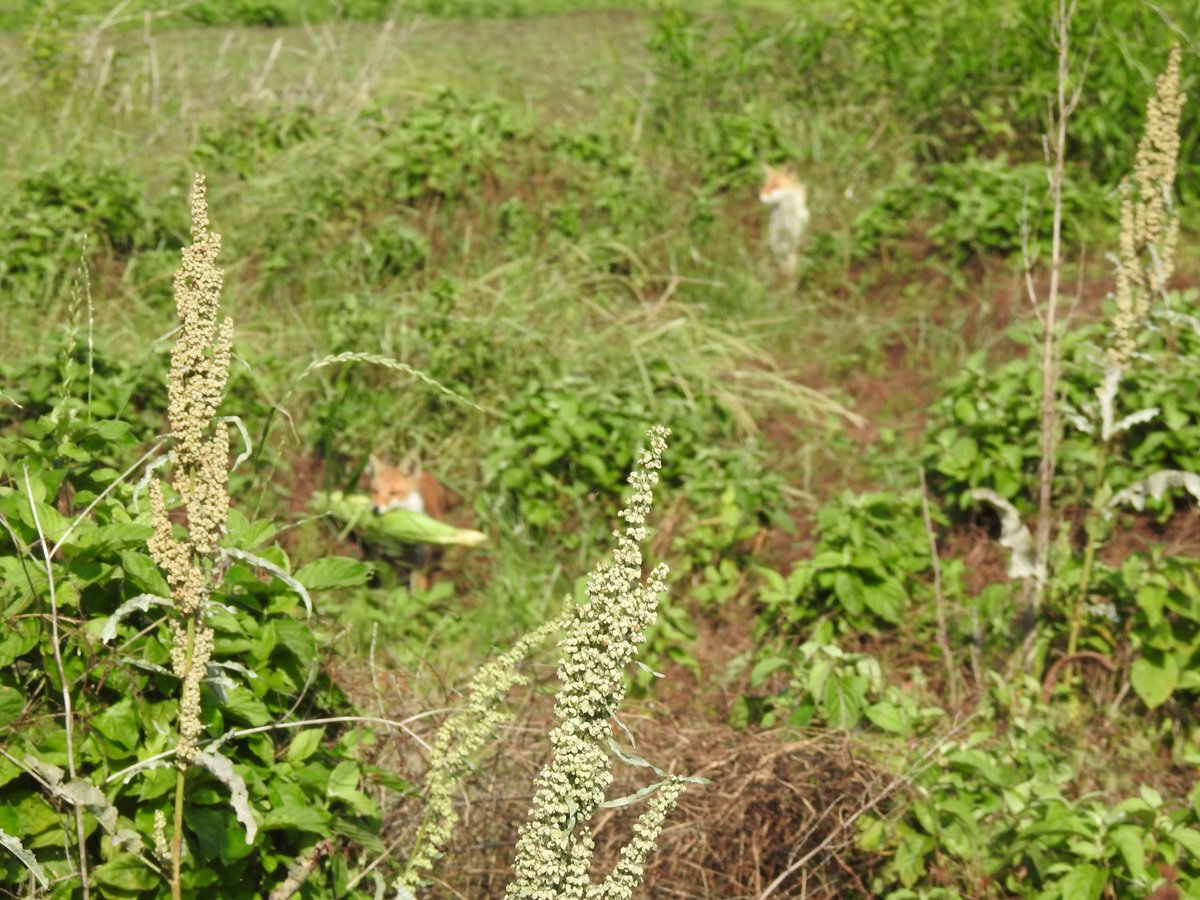
犬のさんぽ中にキツネが撮れました!
こんな感じでオオカミが撮れれば…。😁
1
6
38
623
I spoke with the daughter of a man whose disappearance sheds light on a little-seen consequence of Japan’s aging society: the rising number of elderly people with dementia who go missing each year. japantimes.co.jp/news/2026/0…
4
9
2,797
Alex K.T. Martin retweeted

May 25
As Japan's population ages, thousands of people with dementia are reported missing every year — and some are never found. One daughter turned her search for her father into advocacy. 👉 ebx.sh/C3LIyh

1
8
7
8,122
Alex K.T. Martin retweeted
May 24
He left home for an evening walk around 4 p.m. and never came back. As Japan's population ages, thousands of people with dementia are reported missing every year — and some are never found. One daughter turned her search for her father into advocacy. ebx.sh/jwGjWE
1
2
13
2,695
AI is beginning to enter temples and shrines in Japan, raising questions about what can — and can’t — be replicated when it comes to ritual, belief and human presence. My story: japantimes.co.jp/life/2026/0…
1
2
2,775
Alex K.T. Martin retweeted
Apr 12
Monks are building chatbots. Robots are entering rituals. But something essential may be missing. What happens when AI starts to sound like the Buddha? ebx.sh/usOMyv
1
3
6
2,271
Japan’s hay fever problem is the legacy of a postwar reforestation campaign. My story: japantimes.co.jp/environment…
2
1
2,100
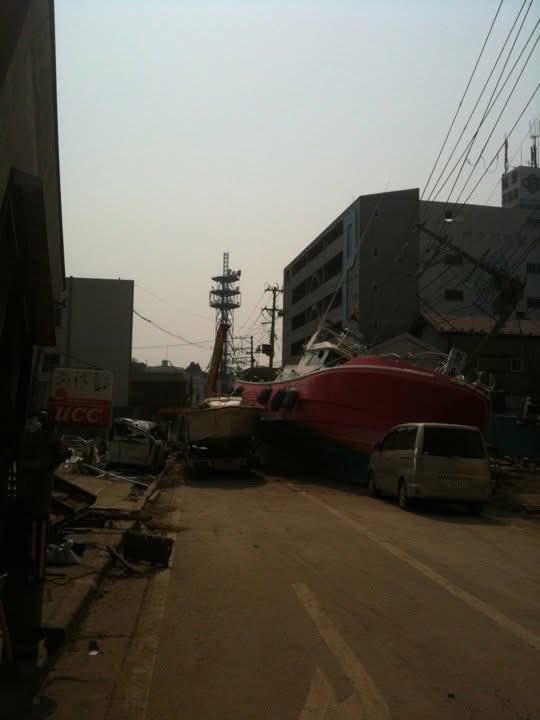
I covered the 2011 Tohoku quake and nuclear disaster when it happened. 15 years later, I visited communities still shaped by displacement — from the still-sparsely populated town of Futaba to a new inland neighborhood built for tsunami survivors. My story: japantimes.co.jp/news/2026/0…
1
4
7
2,484
Alex K.T. Martin retweeted
Mar 9
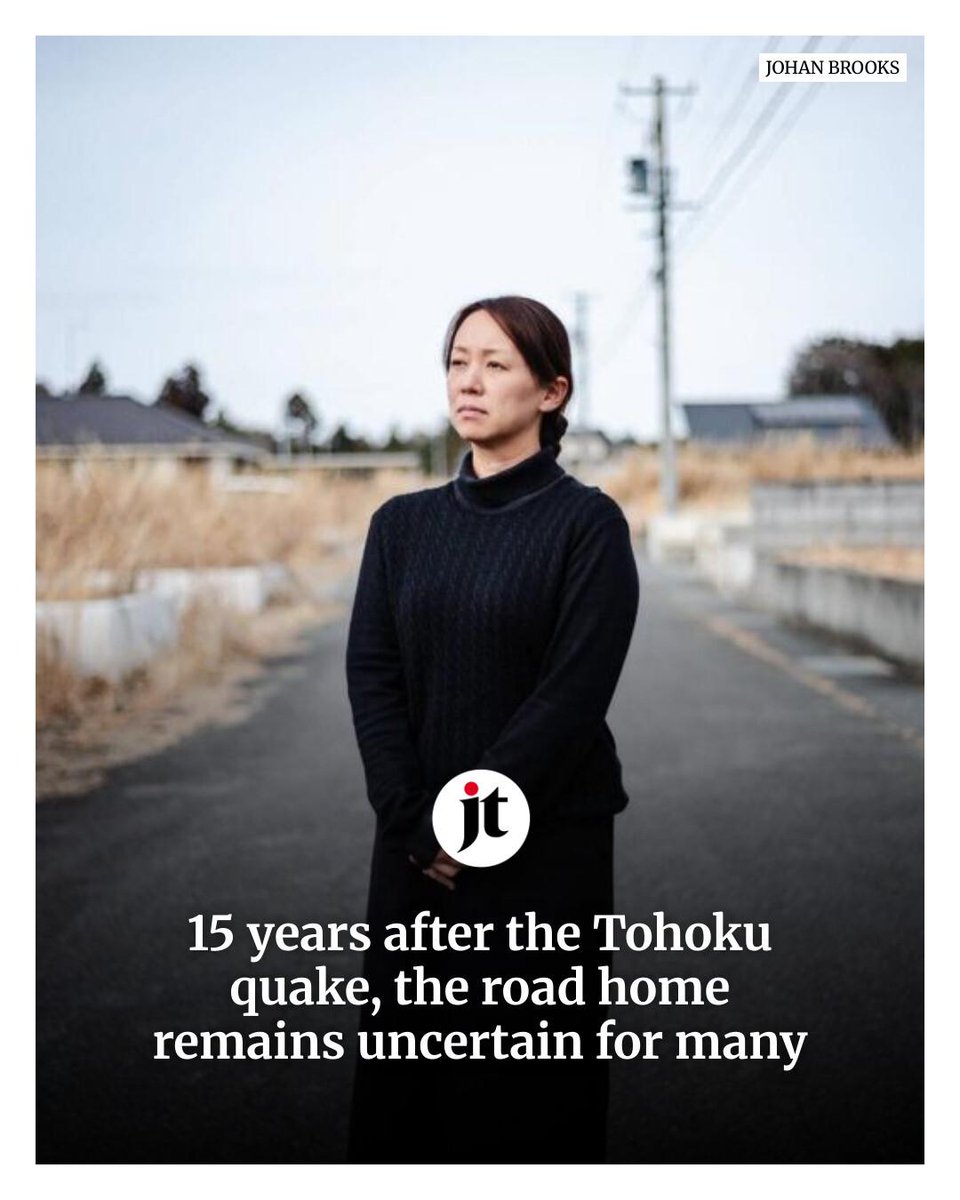
Recovery following the 2011 earthquake, tsunami and nuclear crisis has been uneven across northern Japan. What do those efforts reveal about reconstruction as the country prepares for the next megaquake? 👉 ebx.sh/jDeAO1
2
13
49
23,536
A Japanese temple builder founded in 578 is still operating today. So is a 1,300-year-old hot spring inn, along with Japan’s largest school of ikebana. How have these institutions survived wars, disasters and social change for over a millennium? My story: japantimes.co.jp/business/20…
2
11
2,200
Alex K.T. Martin retweeted
Feb 9
Japan’s reputation for longevity extends beyond its people. Some of its oldest companies — from temple builders to hot spring inns — offer clues to how craft and continuity can outlast centuries of change. ebx.sh/vX4rDk
1
2
5
2,060
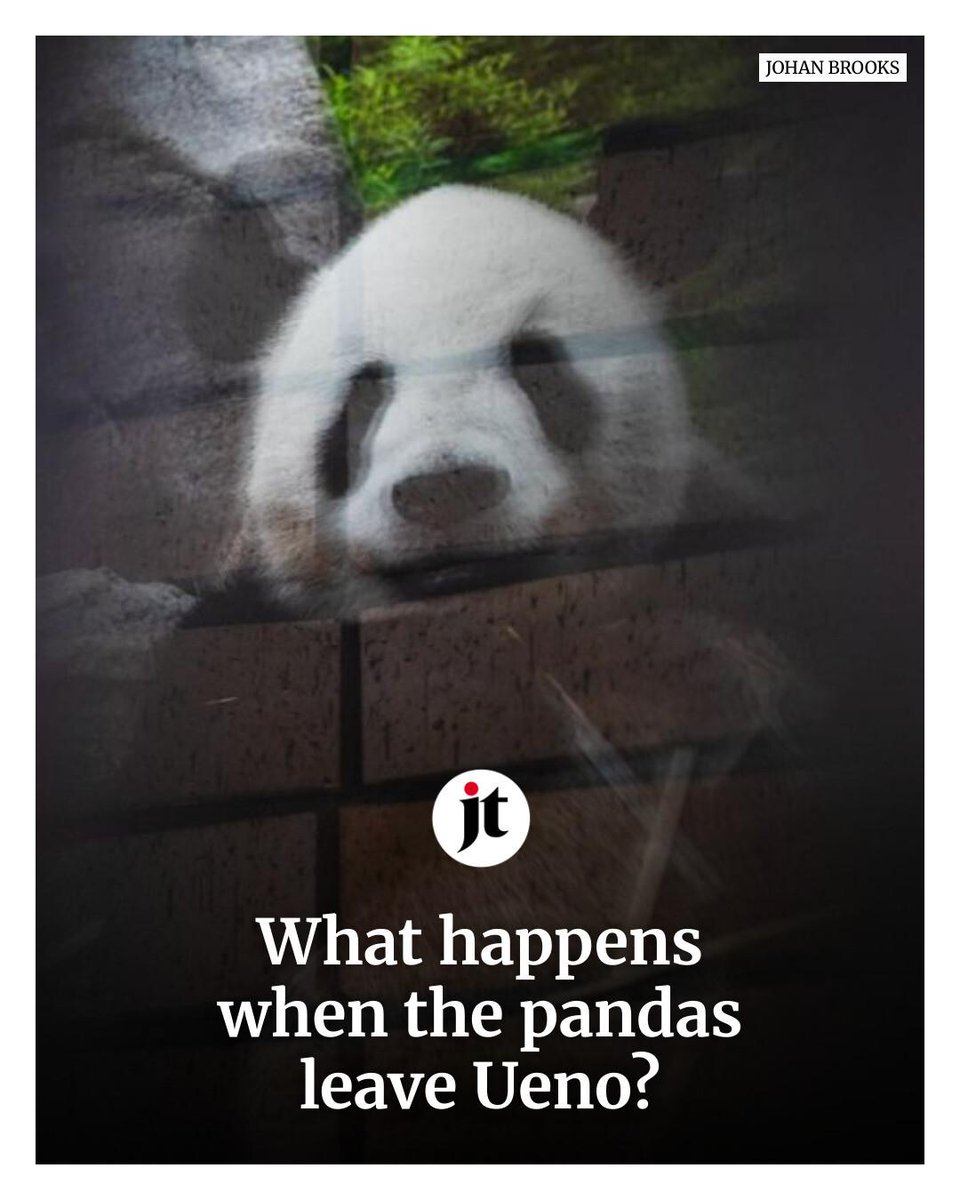
From cuddly crowd-pleasers to symbols of international ties — my latest on Ueno’s pandas and what their goodbye means for Japan and China🐼 japantimes.co.jp/news/2026/0…
1
2
188
Alex K.T. Martin retweeted
Jan 24
When Ueno Zoo’s last pandas leave this month, the loss won’t just be emotional. Economists estimate the absence of pandas could cost the area ¥15 billion a year — a reminder that pandas are serious business. 👉 ebx.sh/vrq89J
17
21
55
28,853
Alex K.T. Martin retweeted
Jan 23
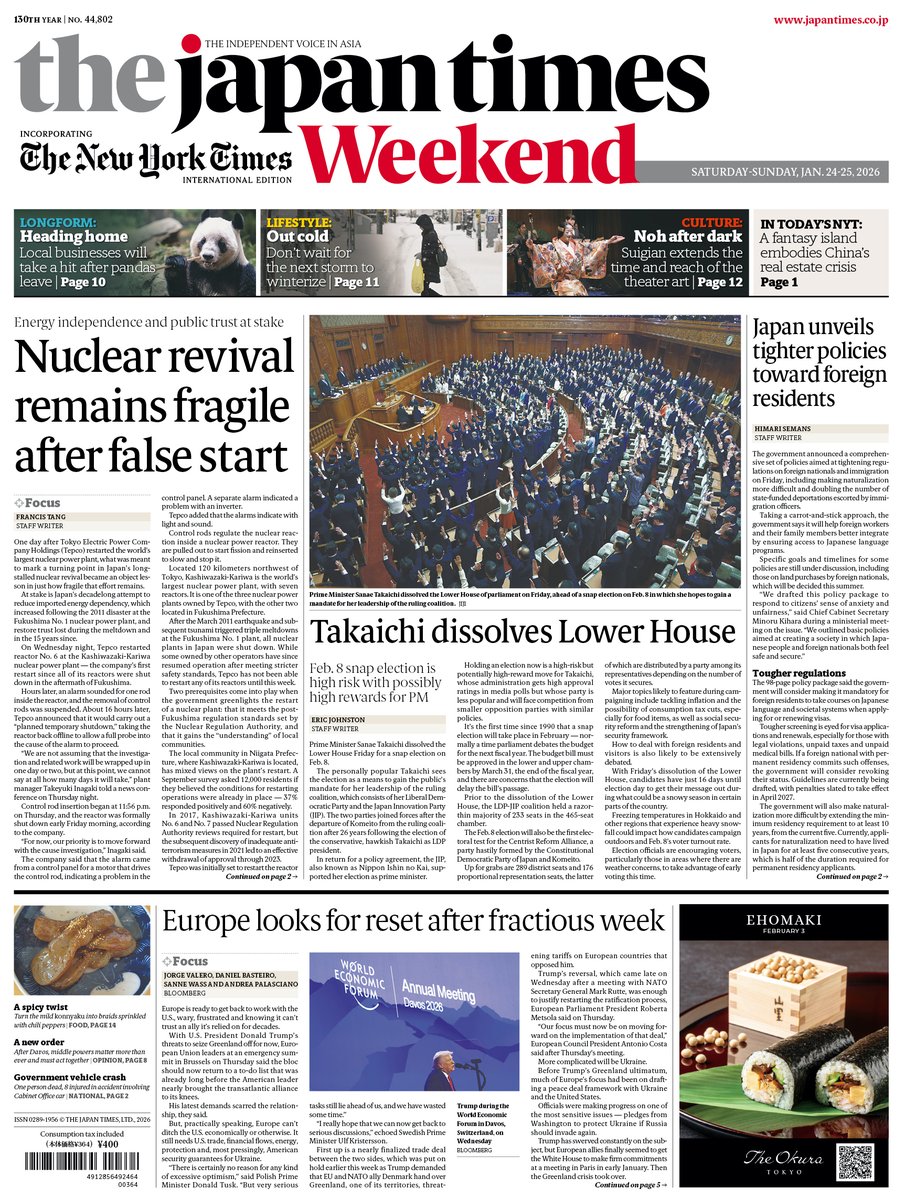
In tomorrow's edition of The Japan Times Weekend: What happens when the pandas leave Ueno?
3
9
2,319
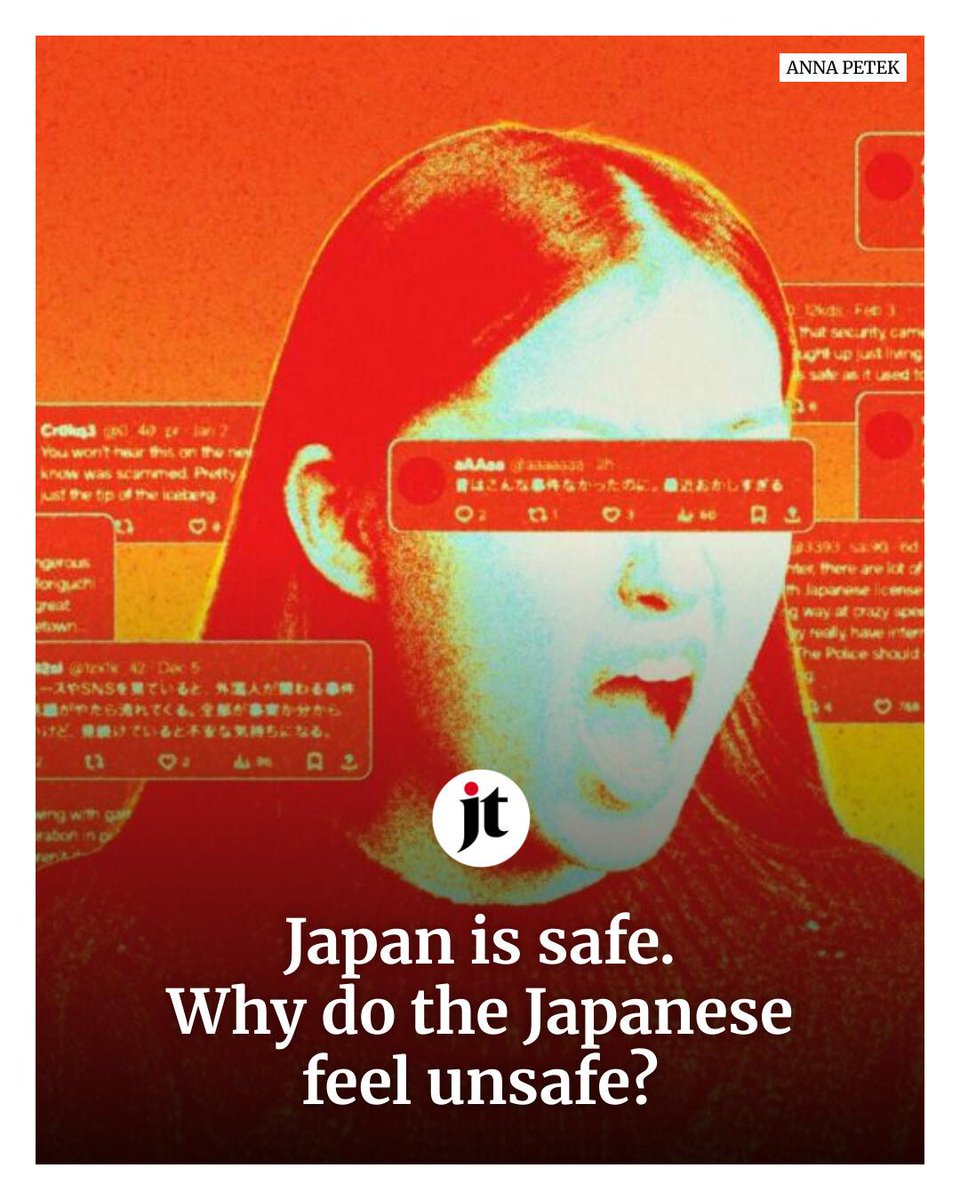
Despite long-term declines in crime, “taikan chian” (体感治安) — the public’s perceived sense of safety — is worsening in Japan. I explored the gap between data and sentiment. japantimes.co.jp/news/2026/0…
1
6
18
3,732
Alex K.T. Martin retweeted
Jan 12
Japan is one of the world’s safest countries. So why do so many people feel uneasy? This week, @AlexktMartin takes a look at crime, perception and the growing gap between data and fear. 👉 ebx.sh/7lZW4C
1
3
6
3,783

31 Dec 2025
Wishing everyone a peaceful and healthy 2026🙏
今年もありがとうございました。
皆さまが安心して過ごせる2026年になりますように🎍

1
6
297
Alex K.T. Martin retweeted
29 Dec 2025
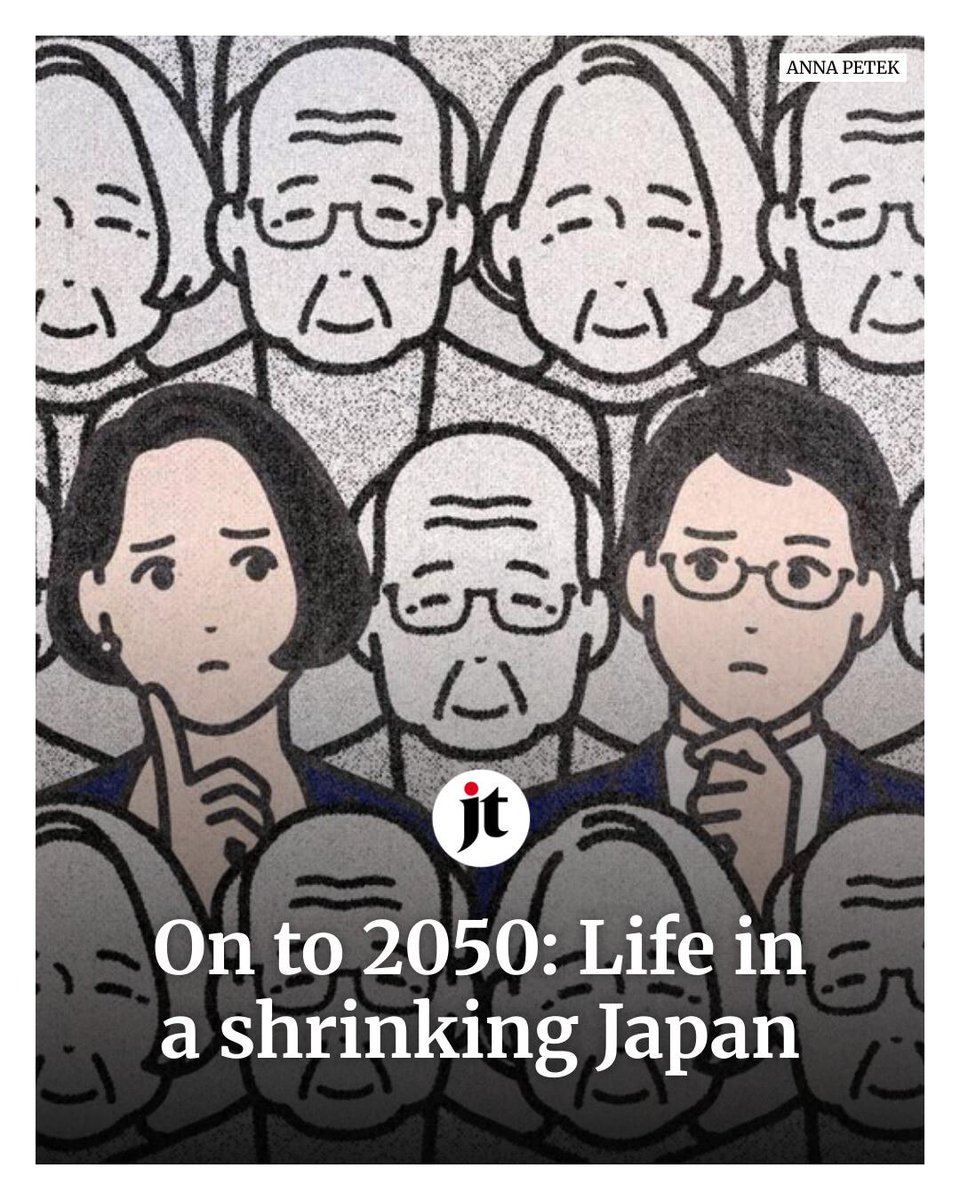
Japan is the fastest aging nation in the world. Now that we're closer to 2050 than 2000, how will that affect the generation now coming of age? 👉 ebx.sh/RiOmGQ
15
17
56
28,728
29 Dec 2025
For my final story of 2025, I looked ahead to the next quarter century for Japan — and the society today’s young adults may inherit as demographic decline accelerates. Thanks for reading this year, and a Happy New Year to all! 良いお年をお迎えください!🎍japantimes.co.jp/news/2025/1…
3
17
5,154