
I am from Denmark. Working as a receptionist. Loves aviation. Used to work for a local Danish airline for 33 years. Please don’t DM. 🥰
Joined January 2022
- Tweets 4,305
- Following 2,144
- Followers 2,728
- Likes 49,335
1,566 Photos and videos
Pinned Tweet

11 Feb 2024
Love these 90 seconds. ♥️
11 Feb 2024

It's hard to put all 7 films into 90 seconds, but we certainly had fun trying.
36
22
159
11,630
Alice Bohlbro Pedersen retweeted
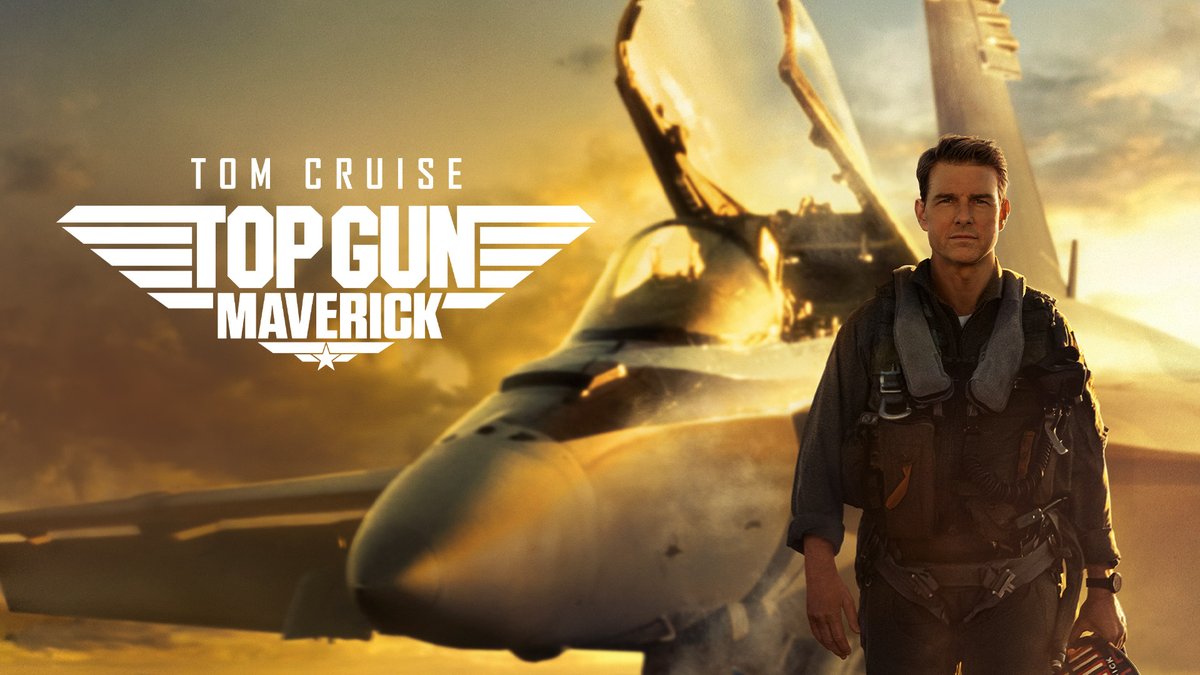
TOP GUN: MAVERICK was released 4 years ago today. A long-awaited follow-up to the 1980s action classic, and the most commercially successful Tom Cruise film ever, the behind-the-scenes story will give you the need for speed…
1/46
13
158
830
71,645
Alice Bohlbro Pedersen retweeted

May 24
Pain makes some people cruel.
I refused to become what hurt me.
Betrayal shows in patterns, not moments.
Forgive—but don’t give access again.
Protect your peace.
🔥 Anomos Truth 🔥
Truth over Comfort
#TruthOverComfort #AnomosTruth
Please share someone might need to hear this 🔥

2
4
7
98
Alice Bohlbro Pedersen retweeted
May 21
Fan groups are being warned about fake accounts and impersonation…
Moderators raise concerns and are ignored, yet still step in to remove threats. Yesterday, over 12 fake accounts were removed by a moderator without support. If safety isn’t the priority, what is?
Please share
1
4
7
150
Tjek video fra OneRepublic! #TikTok vm.tiktok.com/ZNRGWMWr3/
1
2
67
Alice Bohlbro Pedersen retweeted

26 Nov 2025
Mission: Impossible (1996-2025)
26 Nov 2025

Longest franchise where all the movies are actually good?
7
47
307
8,225
Alice Bohlbro Pedersen retweeted

18 Dec 2025
is DIGGER: “Let’s f***ing go!”
Only in theaters October 2026.
2,047
8,472
61,460
5,927,209
4 Dec 2025
2025 is the year of rewards for @TomCruise Congratulations on being the recipient of this award as well. So well deserved, and I’m glad you’re finally being acknowledged for all the work you’ve done for the industry, and the work you keep doing for the industry. 💖
3
1
11
213
21 Aug 2025
Hmm is that why we haven’t seen either of them for a while now? Looking for a family home and planning on becoming a dad before he is 64? Or another rumor?
radaronline.com/p/tom-cruise…
10
2
28
1,260
Alice Bohlbro Pedersen retweeted

15 Aug 2025
Being exceptional at your work is a double edged sword because it becomes expected of you. But it’s still remarkable, because seeing a stunt on that level, where the actor has to do the stunt while operating the camera, and be the character. He’s 1 of 1

In anticipation of the imminent digital release of the latest 'Mission: Impossible' movie, 'Mission: Impossible – The Final Reckoning,' we have an exclusive clip that should sufficiently have fans holding their breath as Hollywood icon Tom Cruise once again risks in the name of entertainment and action movie magic.
Taken from the “Olifants River Canyon” behind-the-scenes content that will be included as part of the digital release, the clip offers some insight into one of the most dangerous stunts ever performed by Cruise, or anyone, as the actor takes to the skies and hangs off an airplane as he fights to save the world.
'Mission: Impossible – The Final Reckoning' will be available to buy on digital on August 19th!
@MissionFilm
2
16
107
4,416
Alice Bohlbro Pedersen retweeted

15 Aug 2025
inside the mine #MissionImpossible - The Final Reckoning.
.
.
#CruiseFinalReckoning #FinalReckoning #MissionImpossible8 #EthanHuntReturns #TopGunEnergy #HollywoodLegend #BehindTheScenesCruise
4
5
14
8,987
Alice Bohlbro Pedersen retweeted

13 Aug 2025
Some of the craziest Tom Cruise stunts from the MISSION: IMPOSSIBLE series.
6
36
158
25,768

In anticipation of the imminent digital release of the latest 'Mission: Impossible' movie, 'Mission: Impossible – The Final Reckoning,' we have an exclusive clip that should sufficiently have fans holding their breath as Hollywood icon Tom Cruise once again risks in the name of entertainment and action movie magic.
Taken from the “Olifants River Canyon” behind-the-scenes content that will be included as part of the digital release, the clip offers some insight into one of the most dangerous stunts ever performed by Cruise, or anyone, as the actor takes to the skies and hangs off an airplane as he fights to save the world.
'Mission: Impossible – The Final Reckoning' will be available to buy on digital on August 19th!
@MissionFilm
5
85
292
24,777
18 Jun 2025
They are finally honoring @TomCruise with an Oscar.
press.oscars.org/news/academ…
7
7
39
845
18 Jun 2025
@long_casi Good morning dear. I didn’t add you to my post because you did already like it before I added other friends. 🥰 You’re too fast for my old fingers. 😂😂
2
1
12
307
Alice Bohlbro Pedersen retweeted
6 May 2025
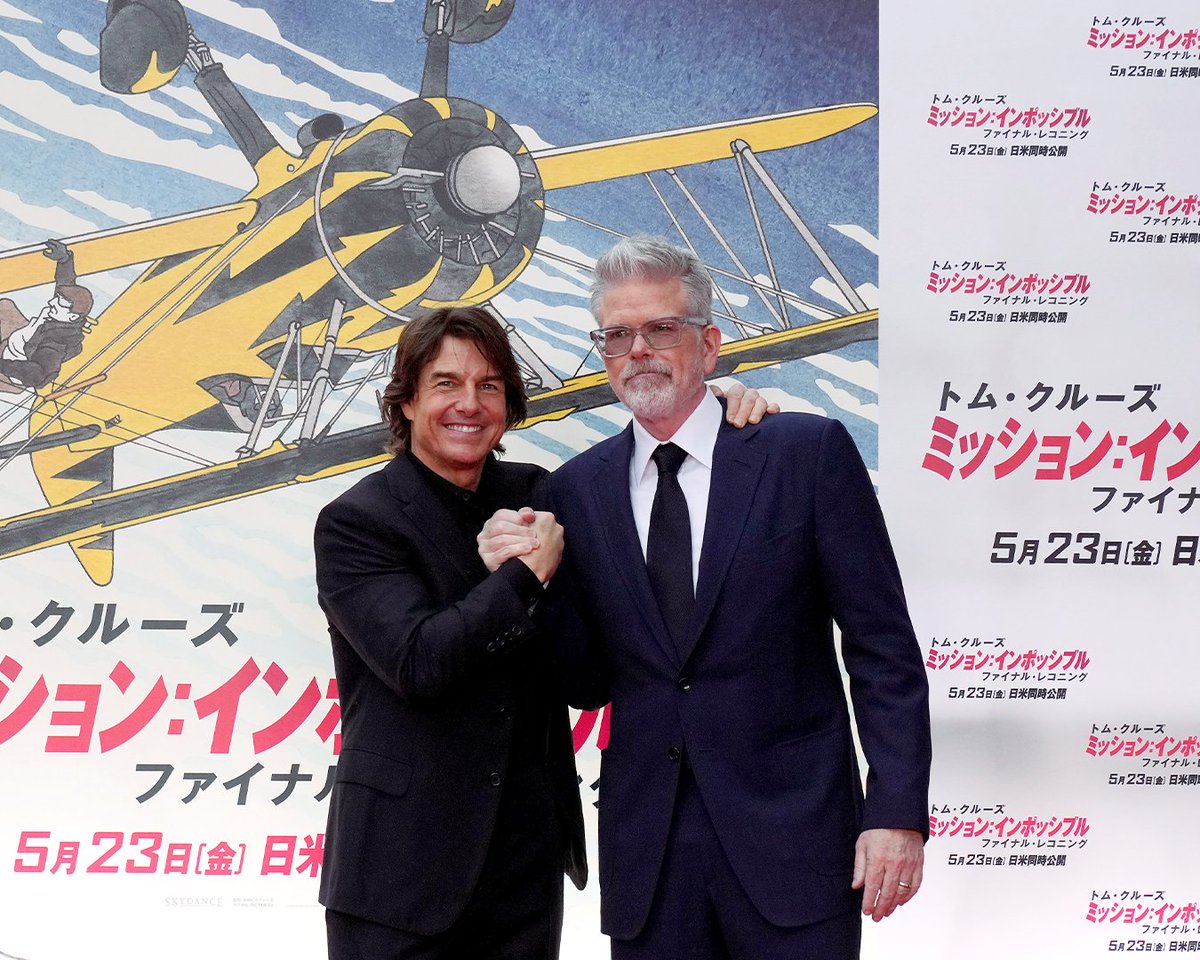
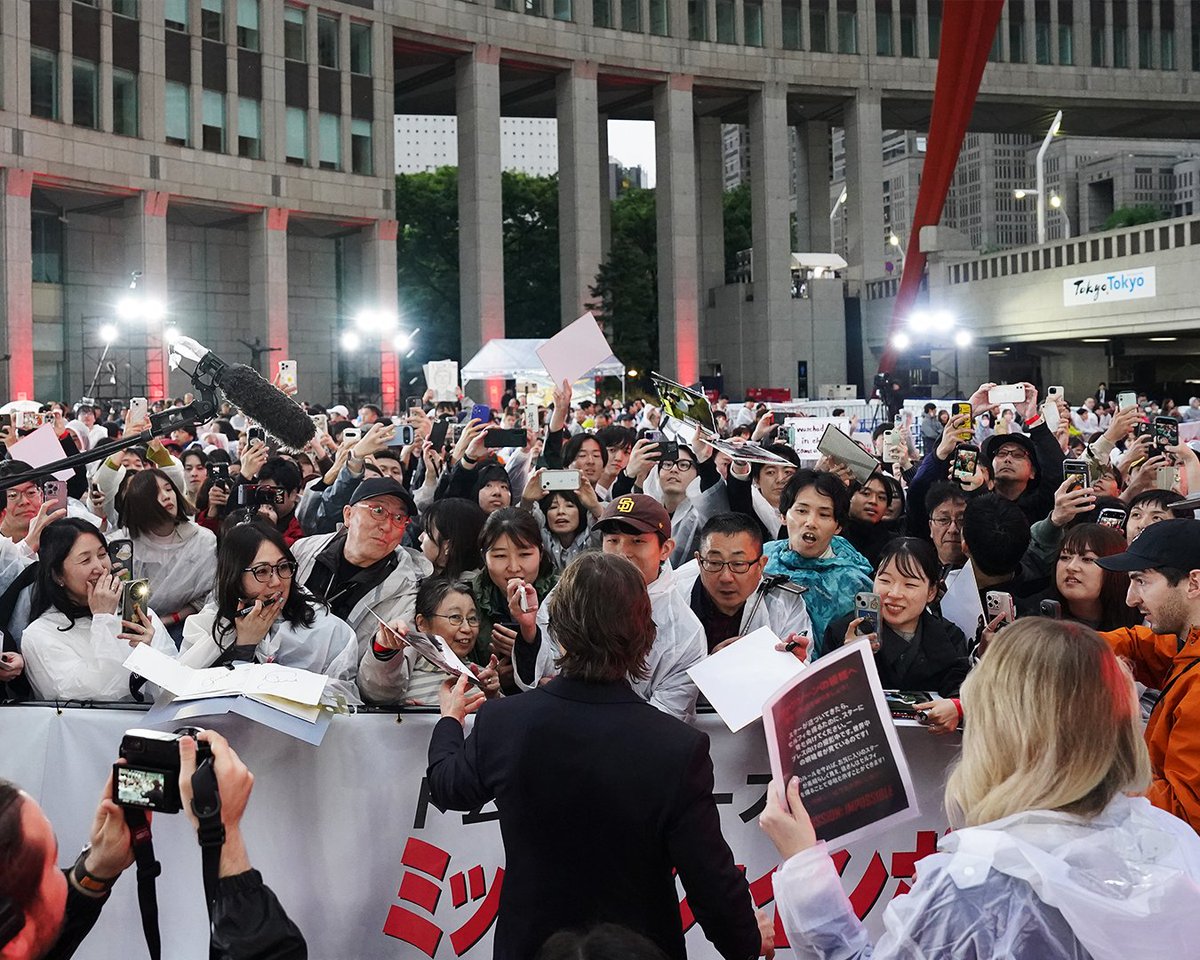
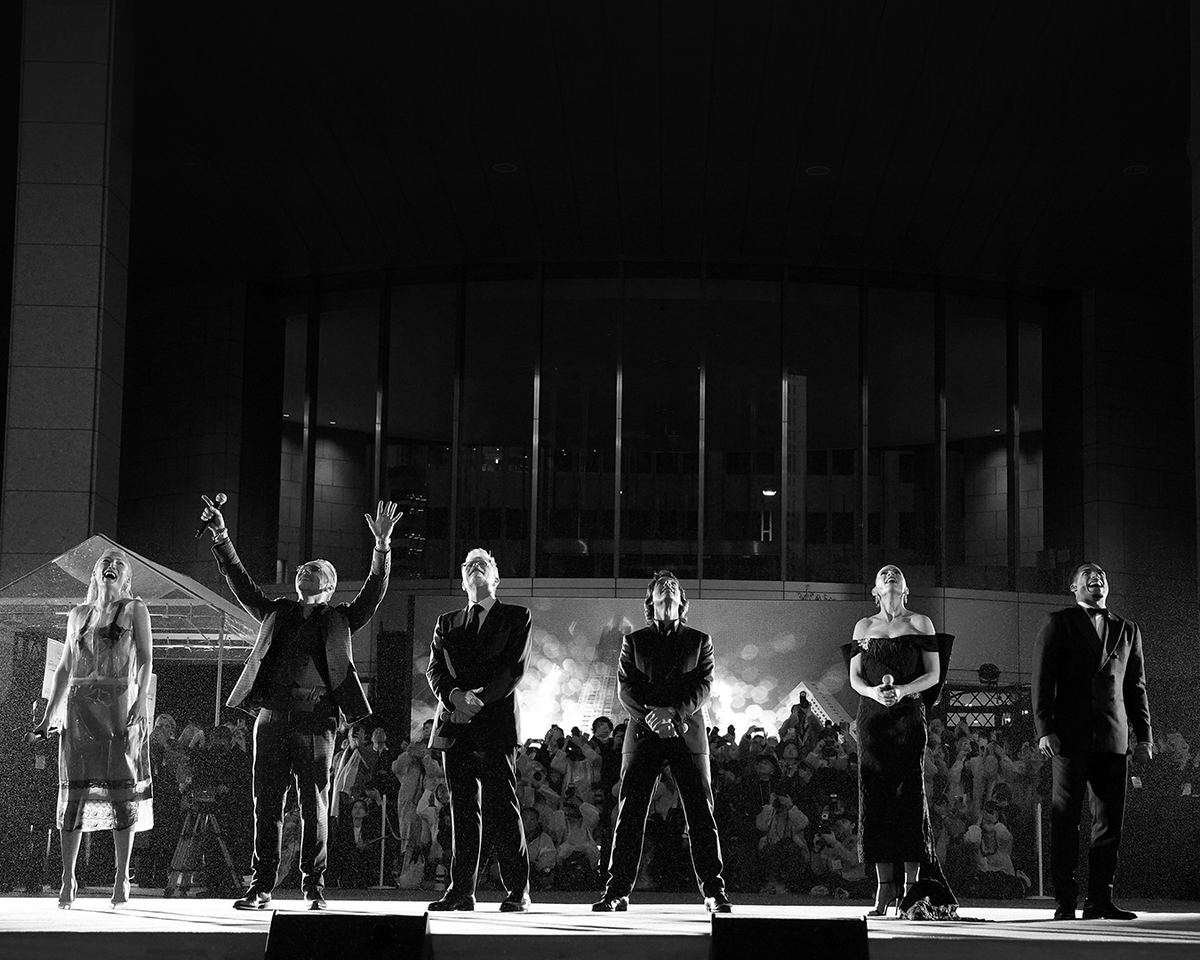
What an honor to begin our global tour in Tokyo, my 25th visit to this incredible city. This film is a true culmination of this franchise, and the love shown by audiences tonight was felt by all.

302
3,086
24,299
762,206
Alice Bohlbro Pedersen retweeted

4 May 2025
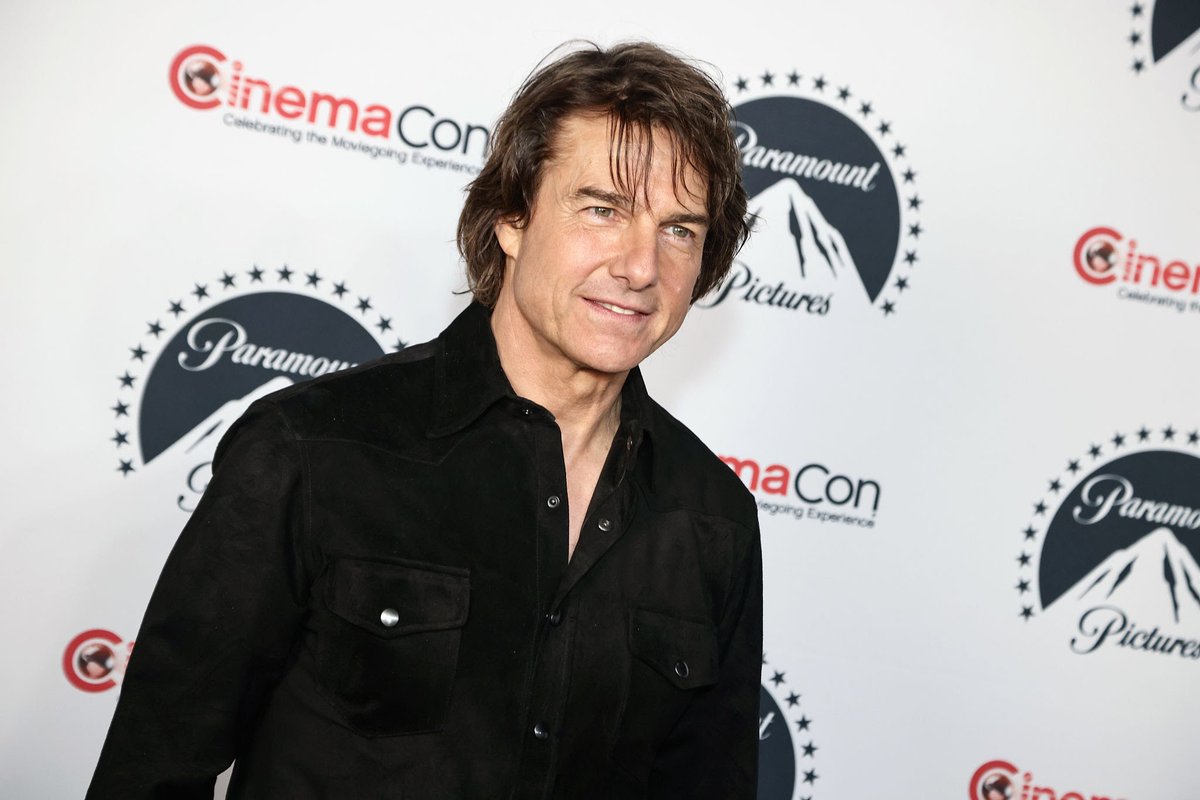
Today, I’m going to stand up for Tom Cruise. With just a few weeks to go before the release of the next Mission: Impossible, I keep seeing a flurry of criticism on social media, polls, and the like. According to some, Tom Cruise is an overrated, subpar blockbuster actor. Frankly, it's hard to imagine a worse take. The man is so deeply entwined with the Hollywood blockbuster — which he helped redefine — that we often forget the actor behind the star. And yet.
Cruise is not just Ethan Hunt, the "Last Samurai", or Pete "Maverick" Mitchell. He’s also Ron Kovic, the broken ex-Marine in Born on the Fourth of July; Frank T.J. Mackey, the charismatic and pitiful self-help guru in Magnolia; Dr. Bill Harford, the New York physician drifting through Eyes Wide Shut (which I’m going to rewatch Monday at Cineum — can’t wait); Vincent, the cold-blooded hitman in Collateral; or the young pool prodigy Vincent Lauria for Scorsese in the underrated and absolutely brilliant The Color of Money. These are off-type roles — often disturbing, sometimes despairing — that reveal a much richer range than people give him credit for.
Who else can say they’ve worked with Stanley Kubrick, Steven Spielberg, Martin Scorsese, Francis Ford Coppola, Oliver Stone, Michael Mann, Paul Thomas Anderson, Ridley Scott, or Brian De Palma? Not many. That list alone should be enough to restore his critical standing and earn him the respect he deserves.
The misunderstanding probably comes from this: Cruise never claimed to belong to the Actor’s Studio school. He never sought artistic asceticism to earn critics' approval. He chose spectacle, efficiency, the Hollywood machine — but without ever betraying a certain idea of popular cinema — the kind that brings people together, that dazzles, and that demands uncommon physical and mental discipline.
What fascinates me about him isn't just his sense of framing or timing — it's his total integrity in execution. He performs his own stunts, often taking insane risks. He flies fighter jets, rides motorcycles, clings to planes during takeoff, scales skyscrapers. He’ll shoot a scene twenty times until it’s perfect.
He’s a craftsman, an obsessive. The Buster Keaton of the digital age, in a way.
People criticize his Colgate smile, his carefully managed image, his commercial choices, or his Scientology phase. But who else, over the past 40 years, has maintained such consistent technical excellence, range, and pursuit of a complete cinema — one that blends form with physical performance?
Cruise never fakes it. He literally puts himself on the line, for the audience’s enjoyment.
To me, he belongs to that rare lineage of actor-producers — like Chaplin — who carry a vision of cinema that is both popular and deeply personal. He’s not just in front of the camera: he builds films, experiences, modern mythologies.
And he’s a staunch defender of the industry. He frequently shows up to support his peers’ productions and encourages people to go back to theaters. When Top Gun: Maverick came out — at a time when COVID had nearly hammered the final nail into Hollywood’s coffin — Spielberg (with whom he had been estranged for years) said to him: “You saved Hollywood.”
So no, Tom Cruise is not just a star. He’s a great actor — one that, I hope, cinema history will one day view differently: not just as an icon, but as a performer of his time, deeply committed to storytelling through action, rhythm, and sheer presence.
Anyway, I can't wait to see MI8, because honestly: Ethan Hunt > James Bond — and it’s been that way for a while now.
41
76
373
23,191
3 May 2025
Oh. Did he just confessed that he knew he would lose the election, and that the election was rigged???
3 May 2025

THIS IS IT!!
THIS.
IS.
A.
CONFESSION!!
"Has the election not been rigged, I would have been out of here. I would have been gone. But they have me for another four years."
HE JUST FUCKING CONFESSED TO RIGGING THE 2024 PRESIDENTIAL ELECTION!!
👇👇👇👇👇
2
10
303
Alice Bohlbro Pedersen retweeted
7 Apr 2025
Every choice, every mission, has all led to this. Mission: Impossible – The Final Reckoning. May 23, 2025.
5,585
27,035
132,581
10,449,220