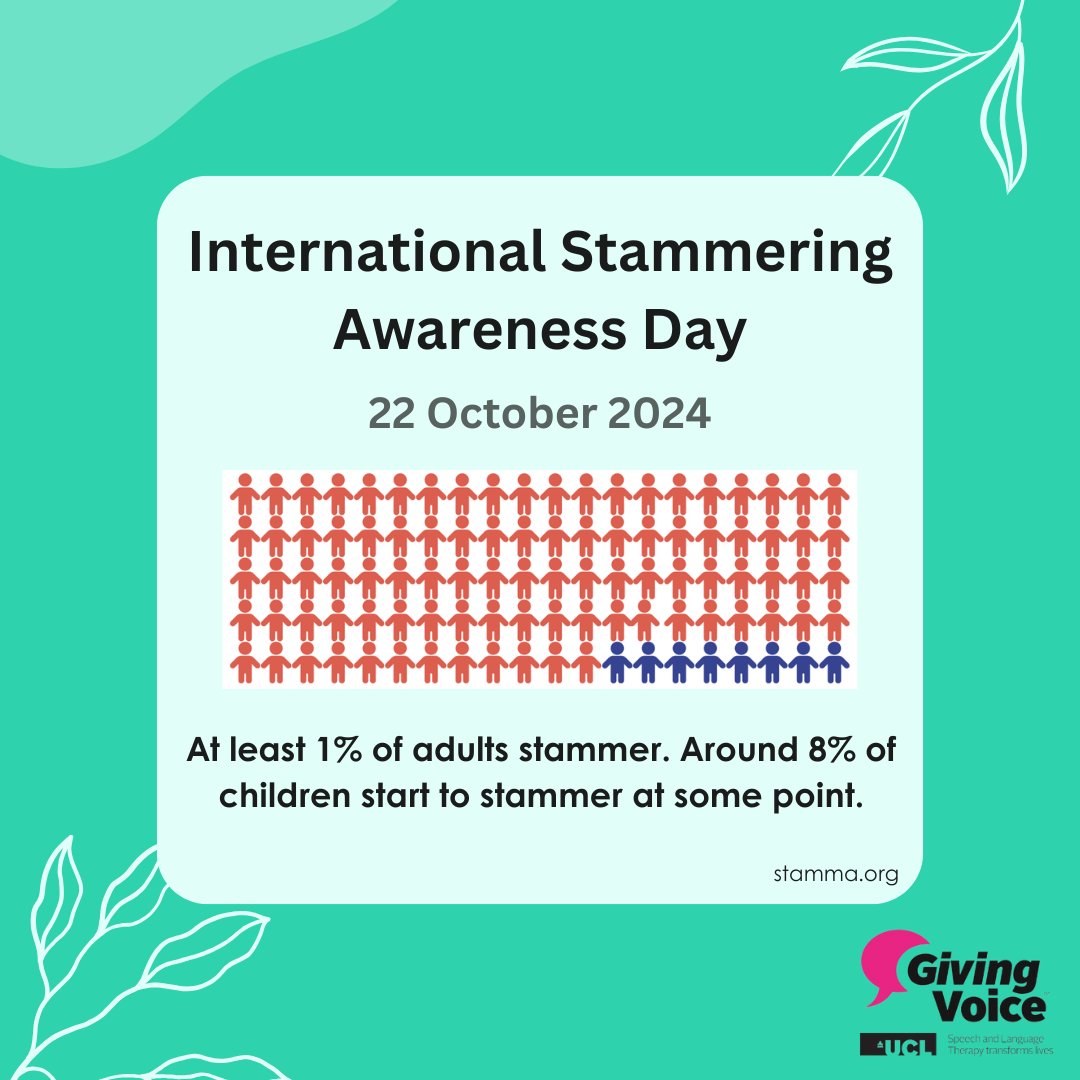
June is #AphasiaAwarenessMonth.
Aphasia affects a person’s ability to speak, understand, read or write, often after a stroke or brain injury. Speech and language therapists play a vital role in supporting communication and confidence.
Find out more: rcslt.org/speech-and-languag…
We are celebrating World Voice Day. 🥳
Speech and language therapists support people to protect and improve their voice—whether for health, work, or daily life.
Check out @RCSLTpolicy voice care tips 👇
rcslt.org/wp-content/uploads…
Today is Transgender Day of Visibility 🏳️⚧️
Did you know that SLTs support trans people with voice, communication confidence, and inclusive care?
Explore trans voice resources 👉 rcslt.org/speech-and-languag…
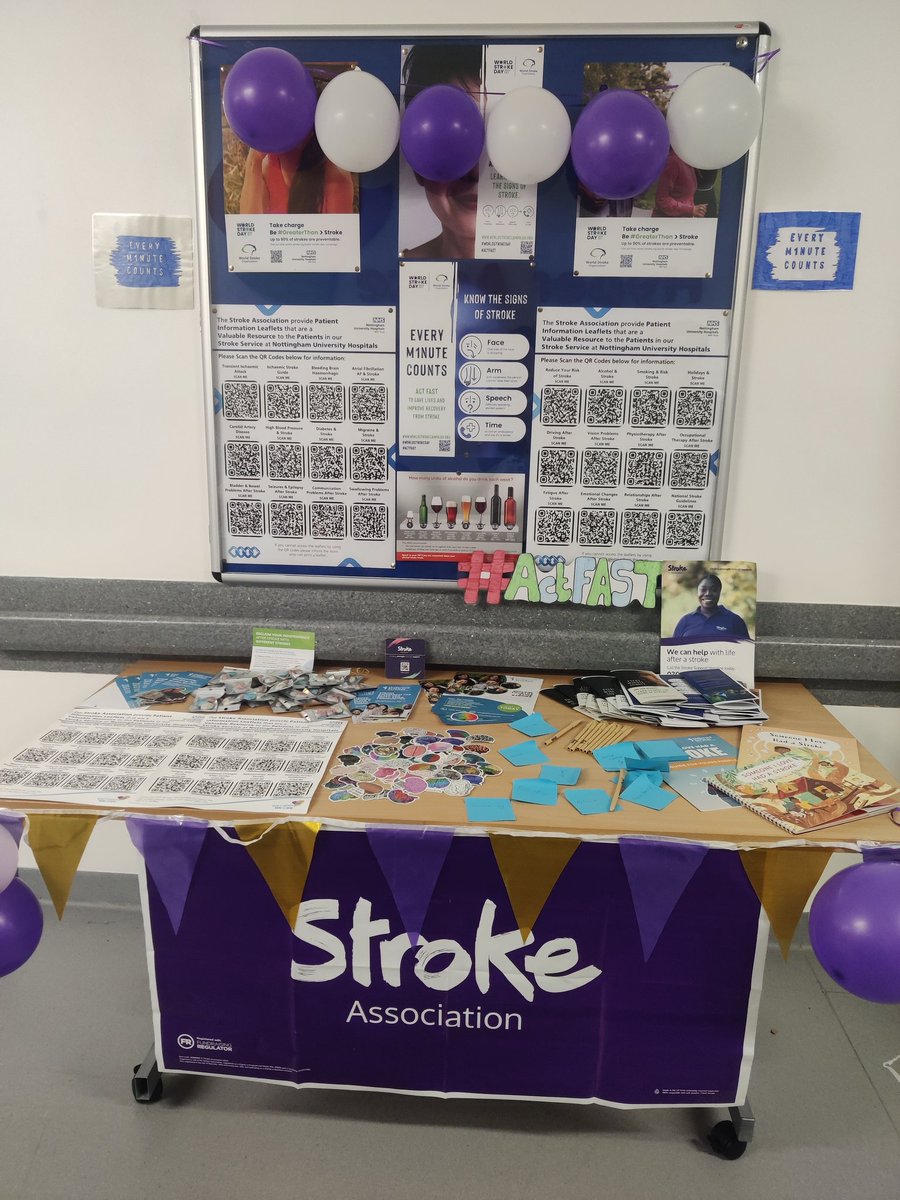
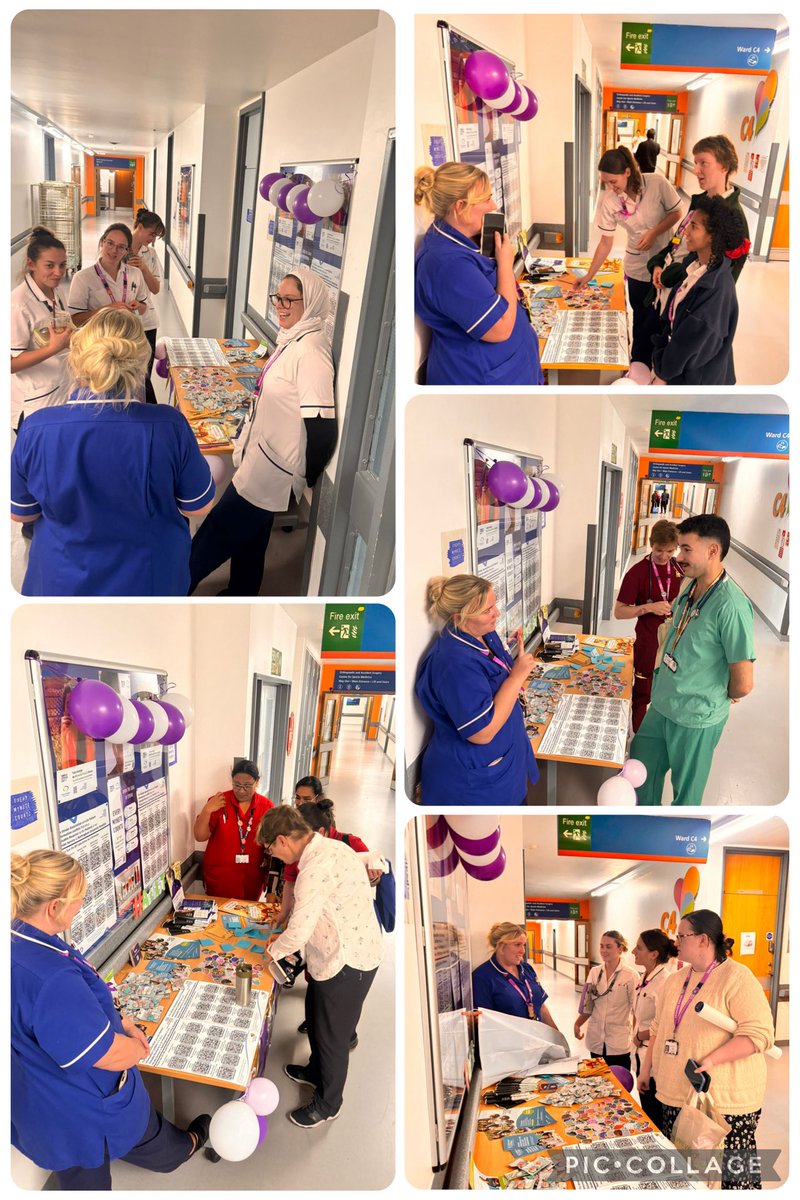
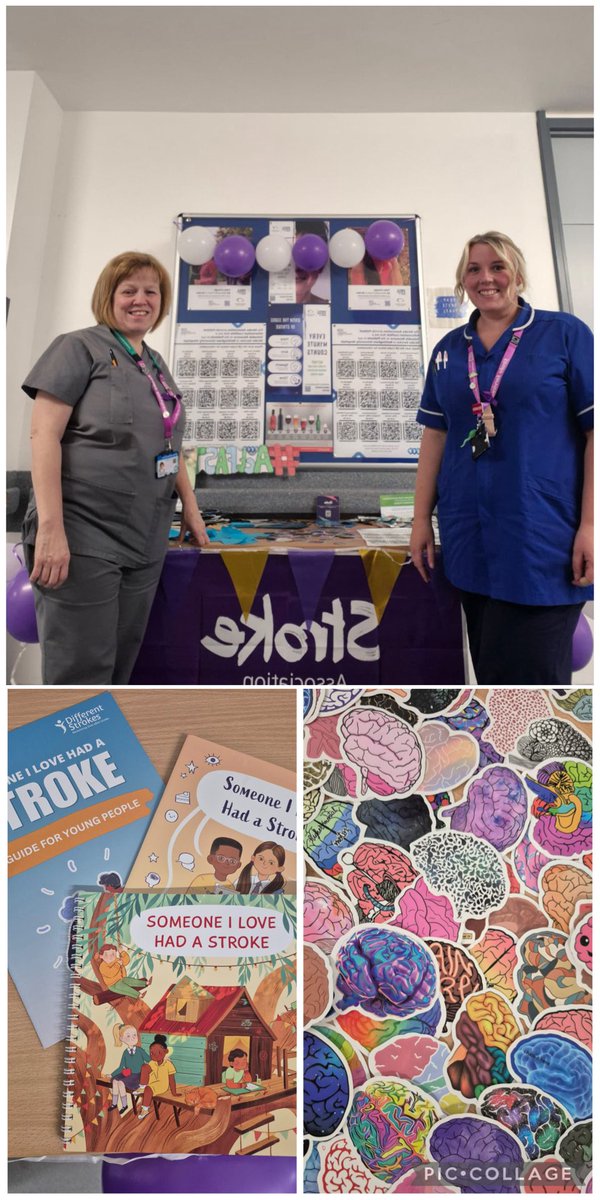
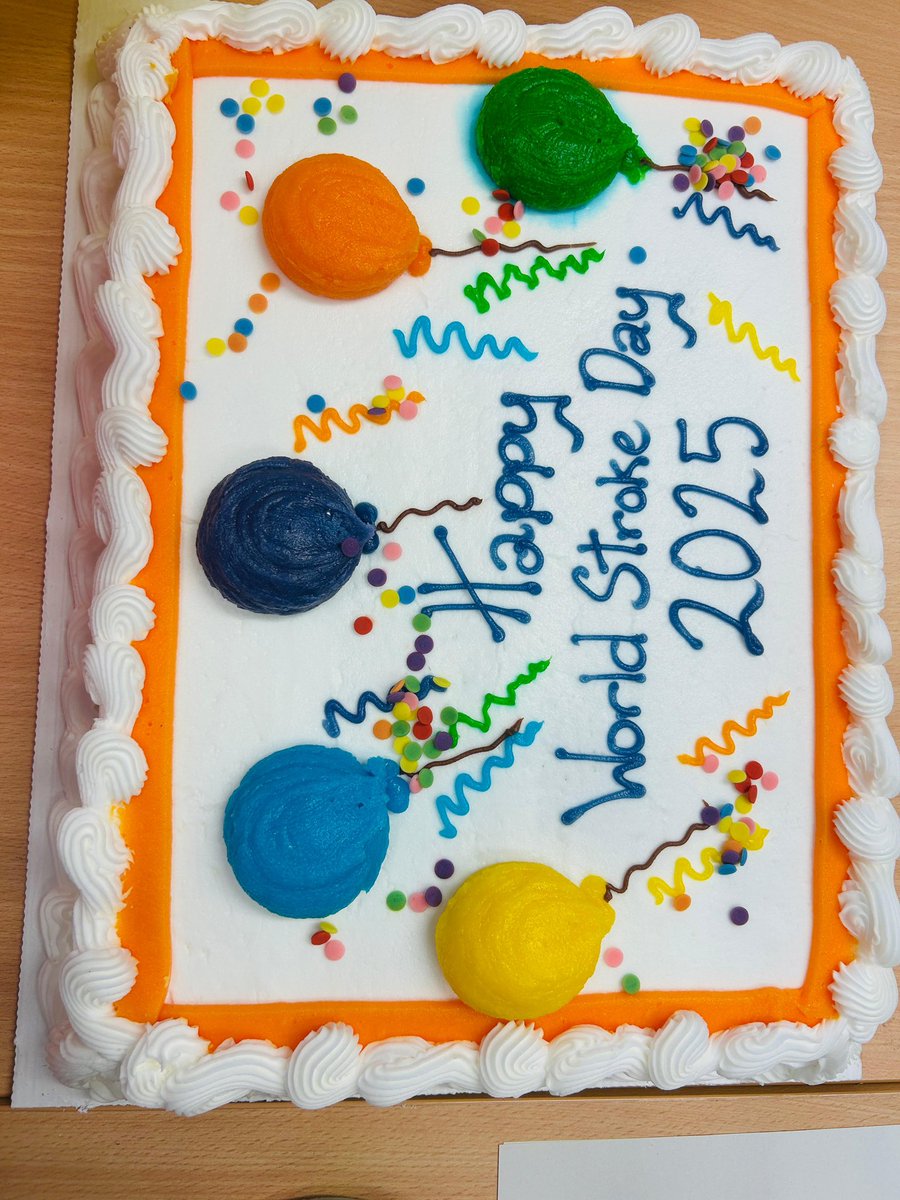
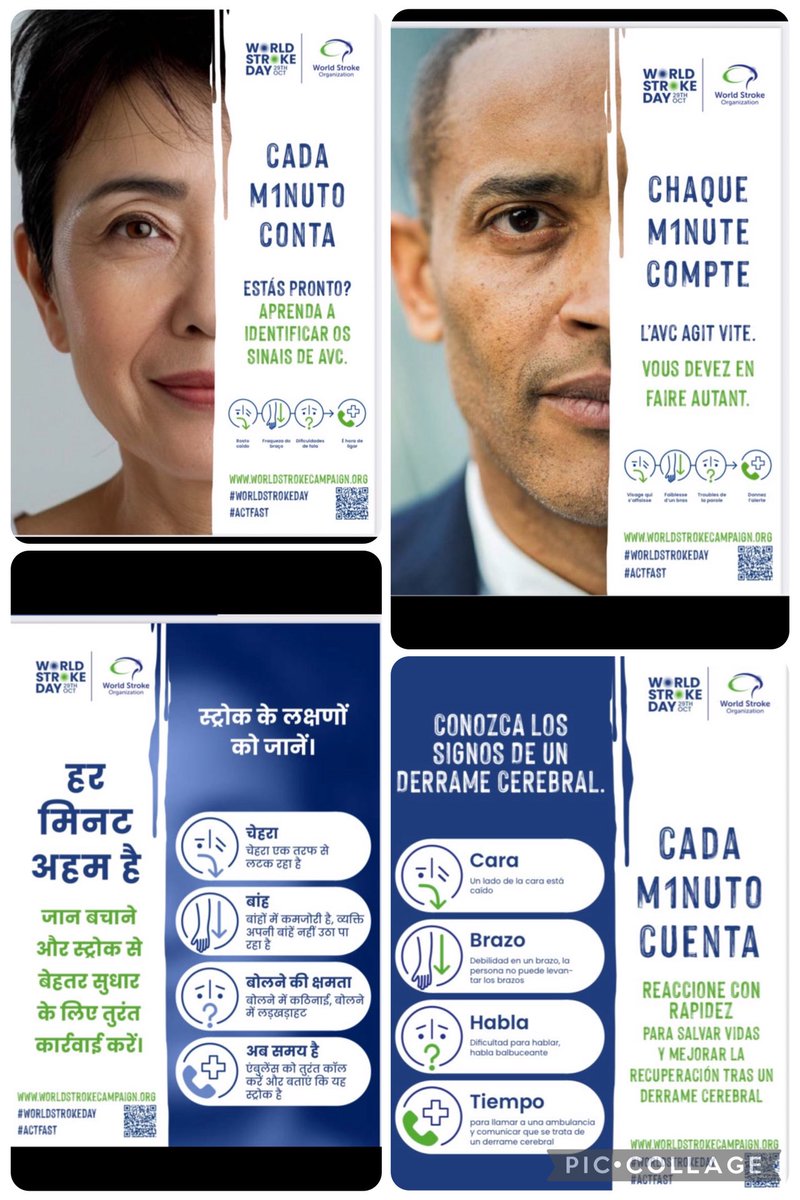
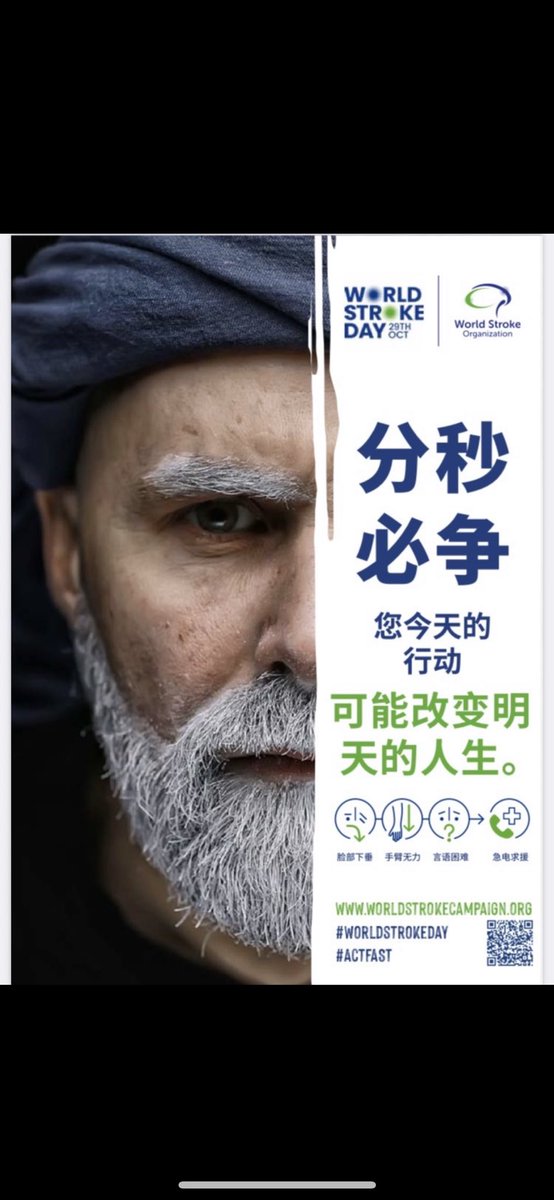
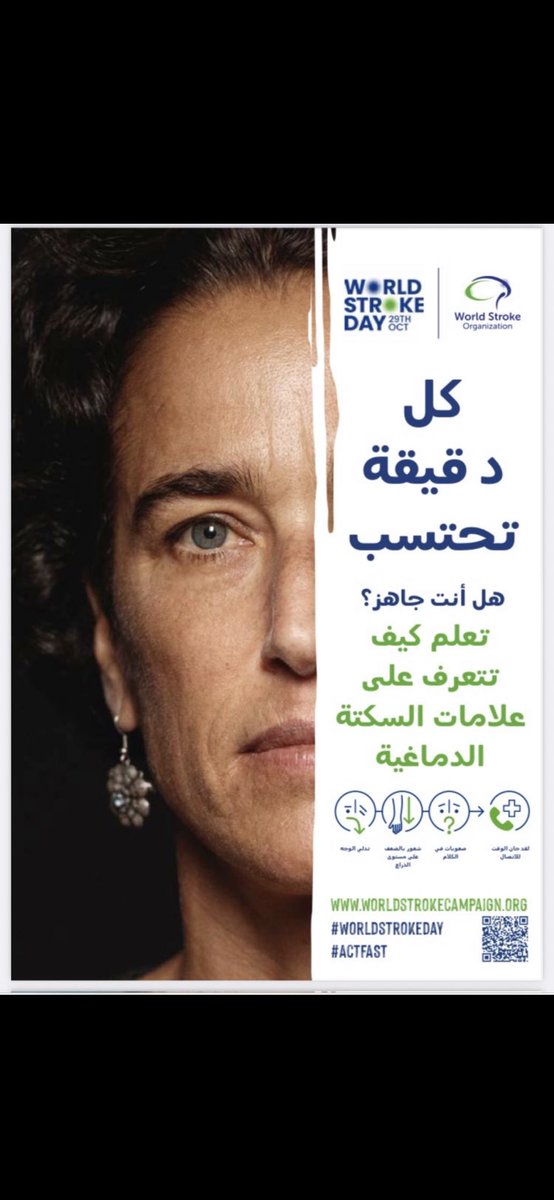
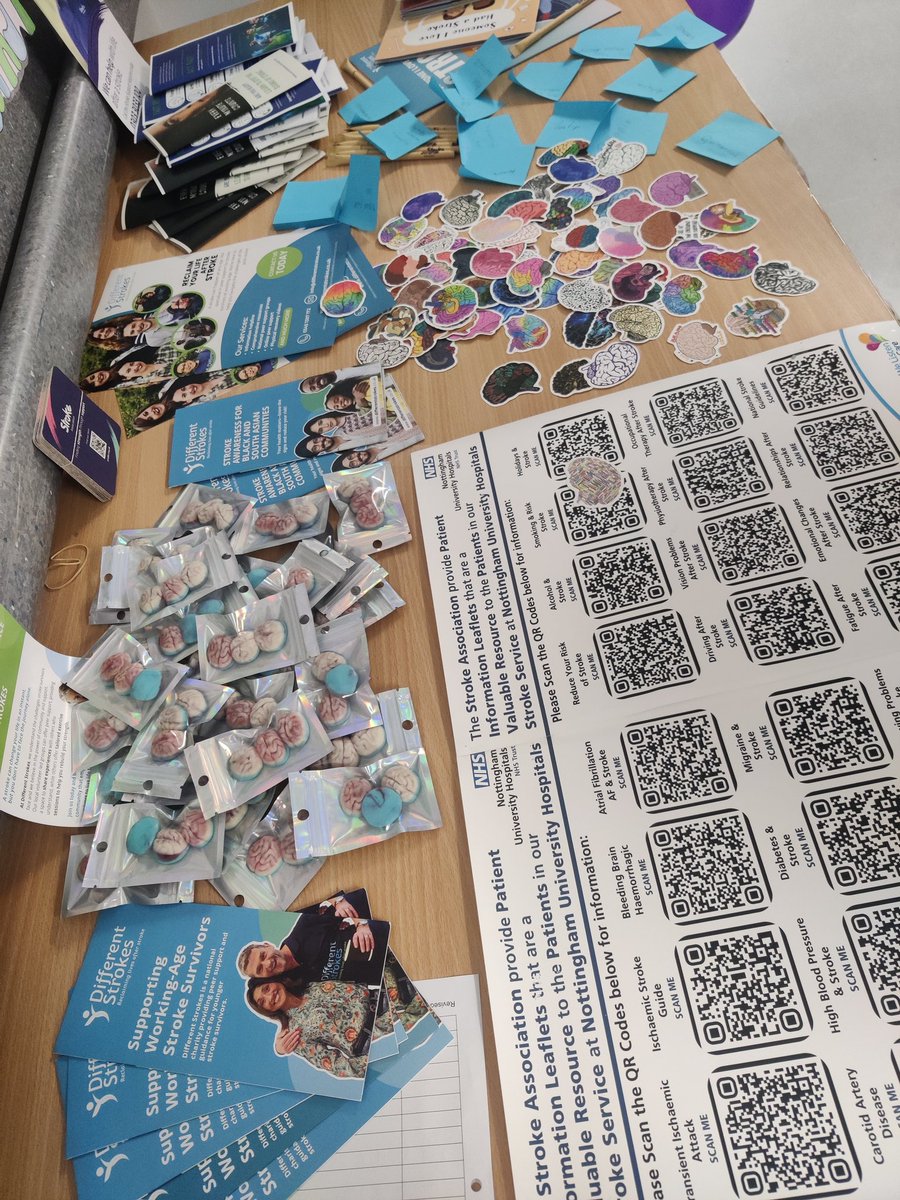
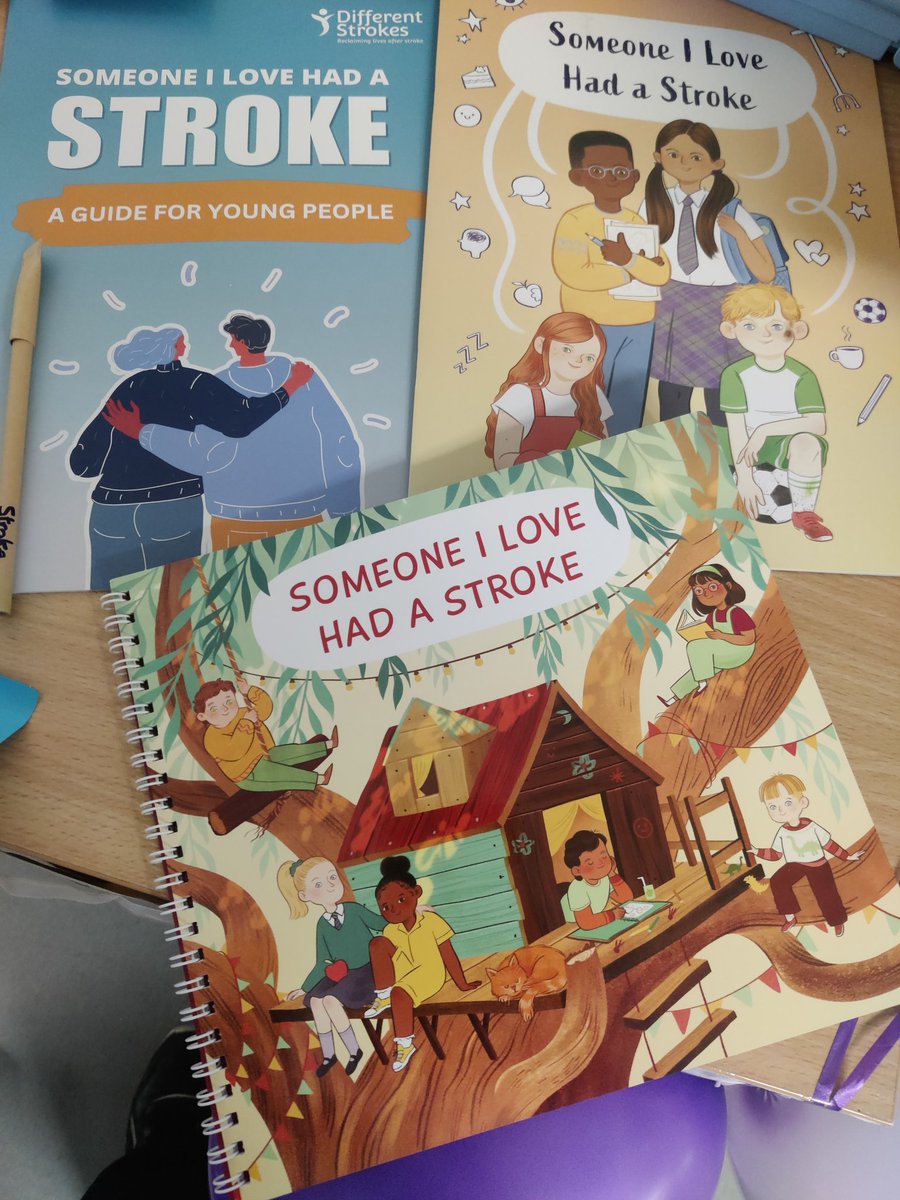
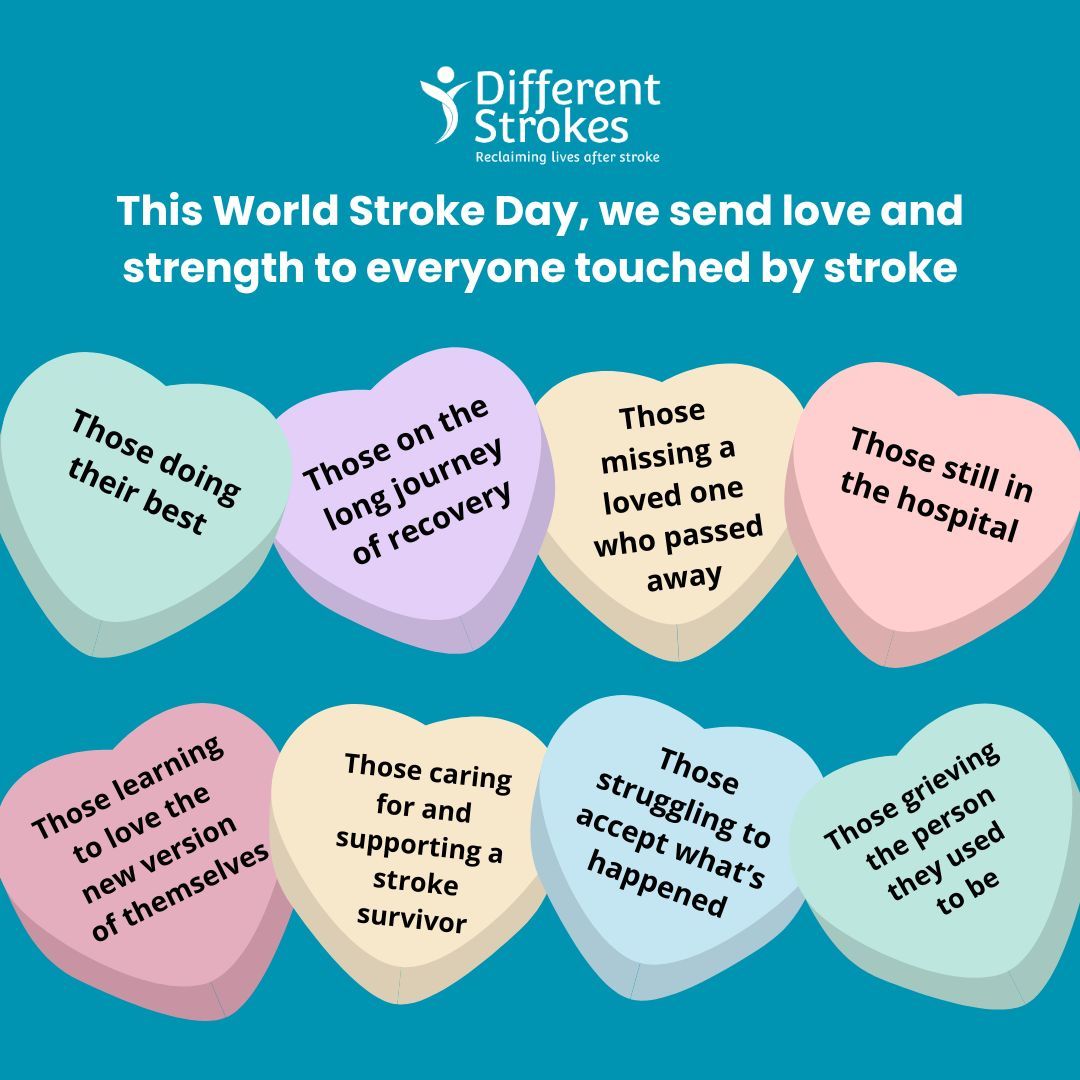
Some amazing resources shared by @QMCStrokeUnit to spread awareness and support for #WorldStrokeDay 🌍 including information around how to recognise a stroke and easy read books to support those affected by stroke (plus brain stickers and sweets!) 🧠
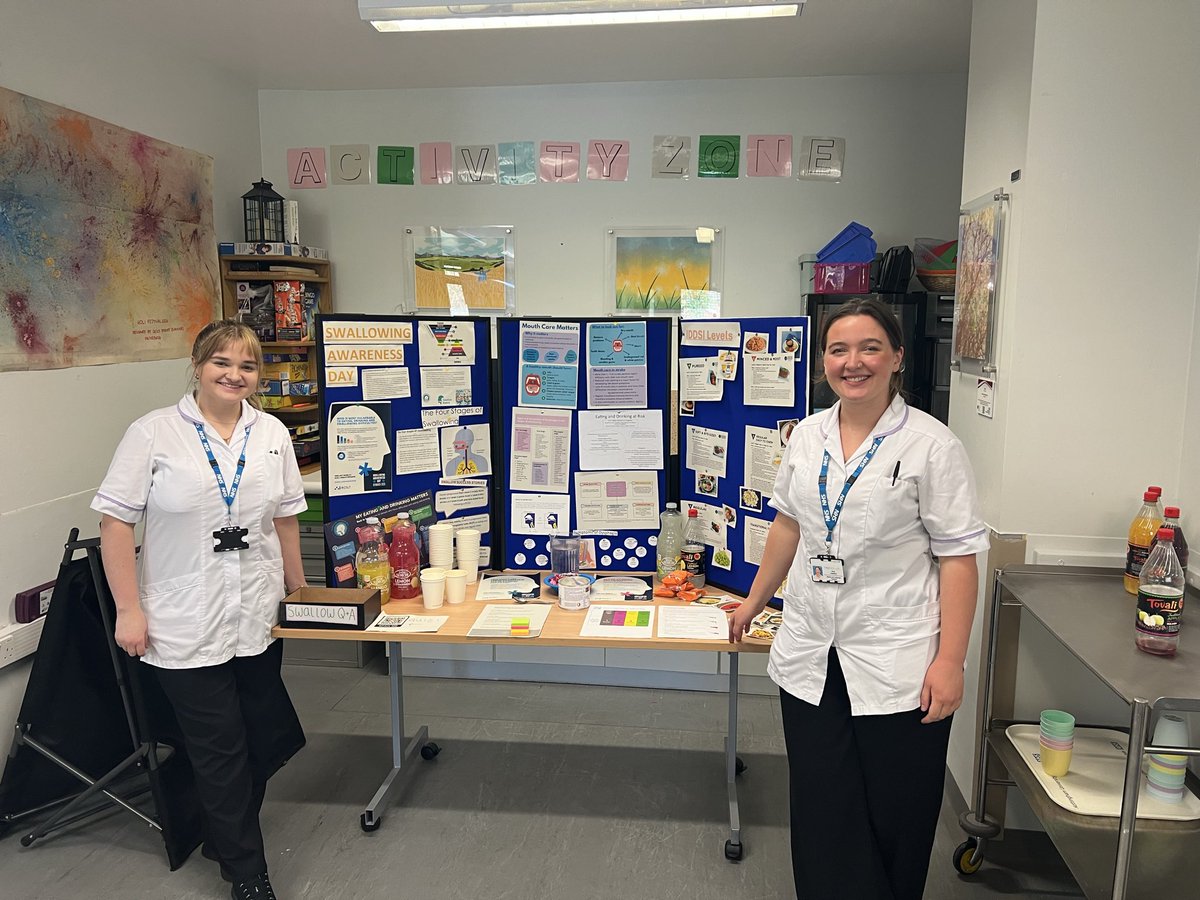
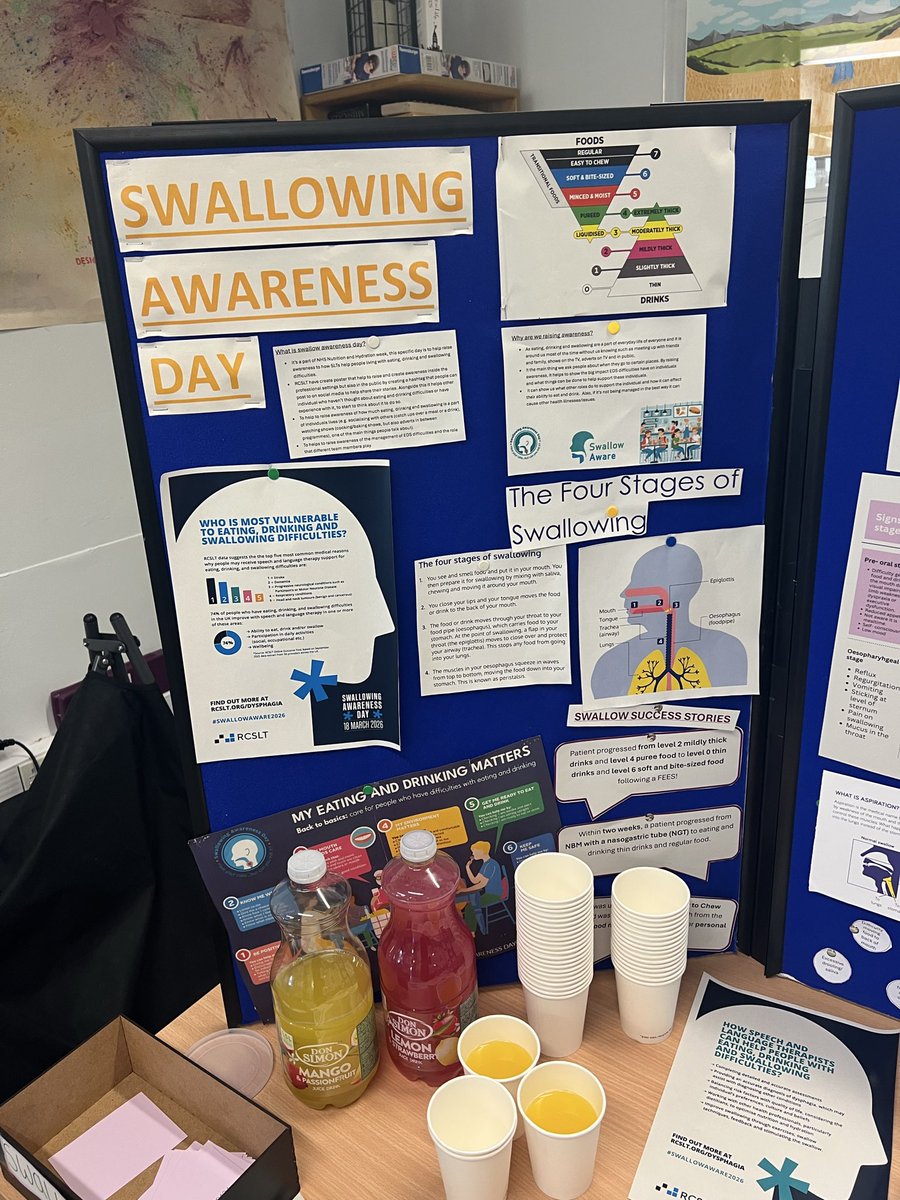
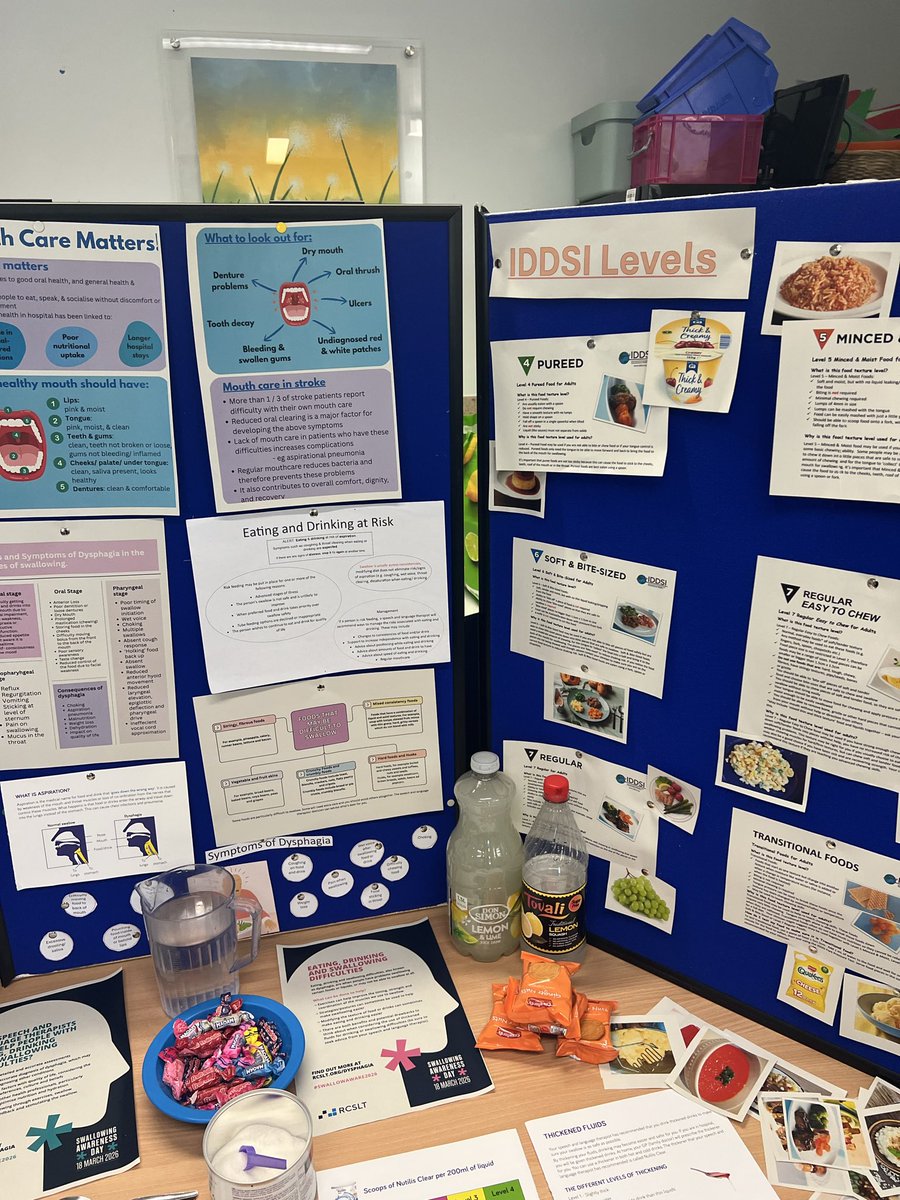
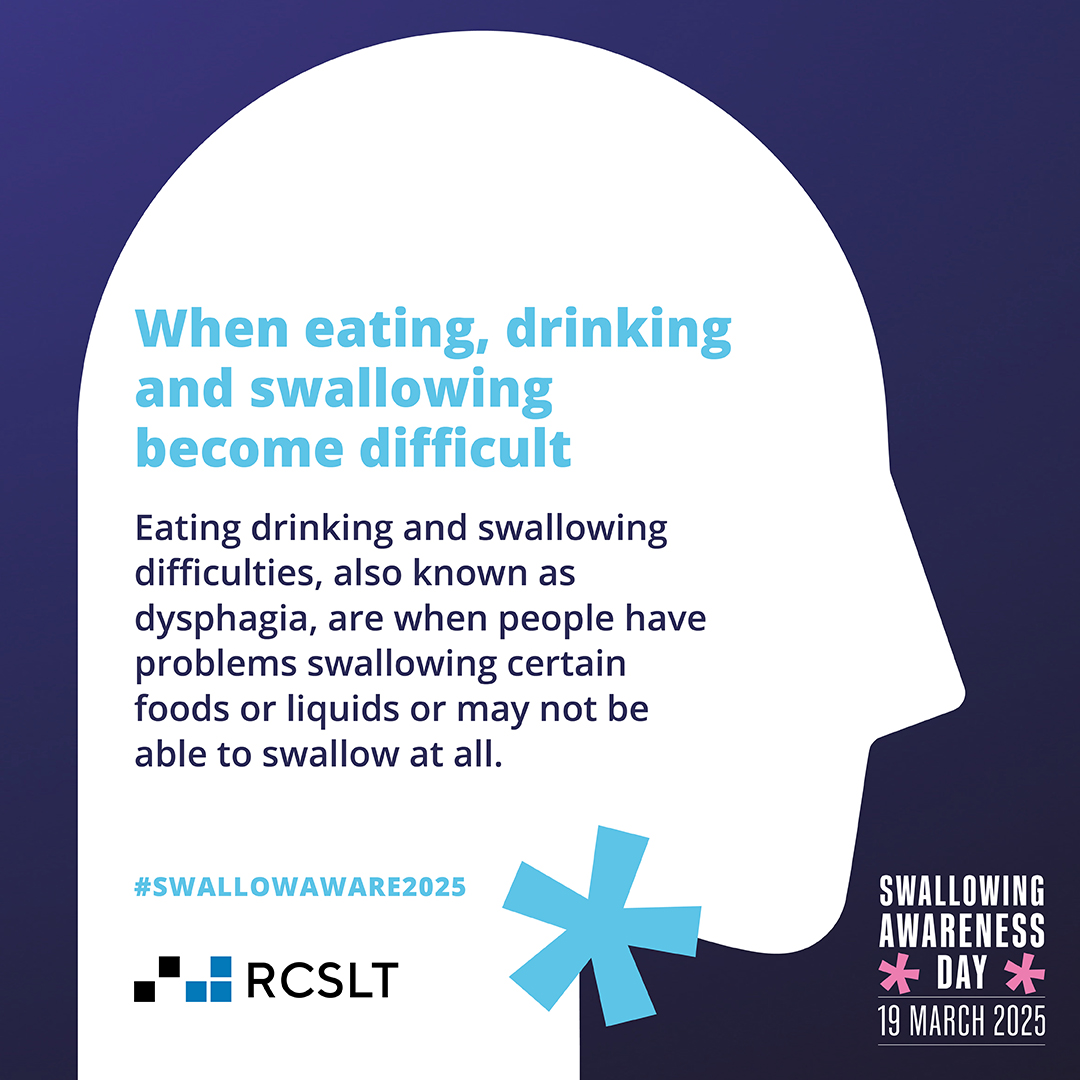
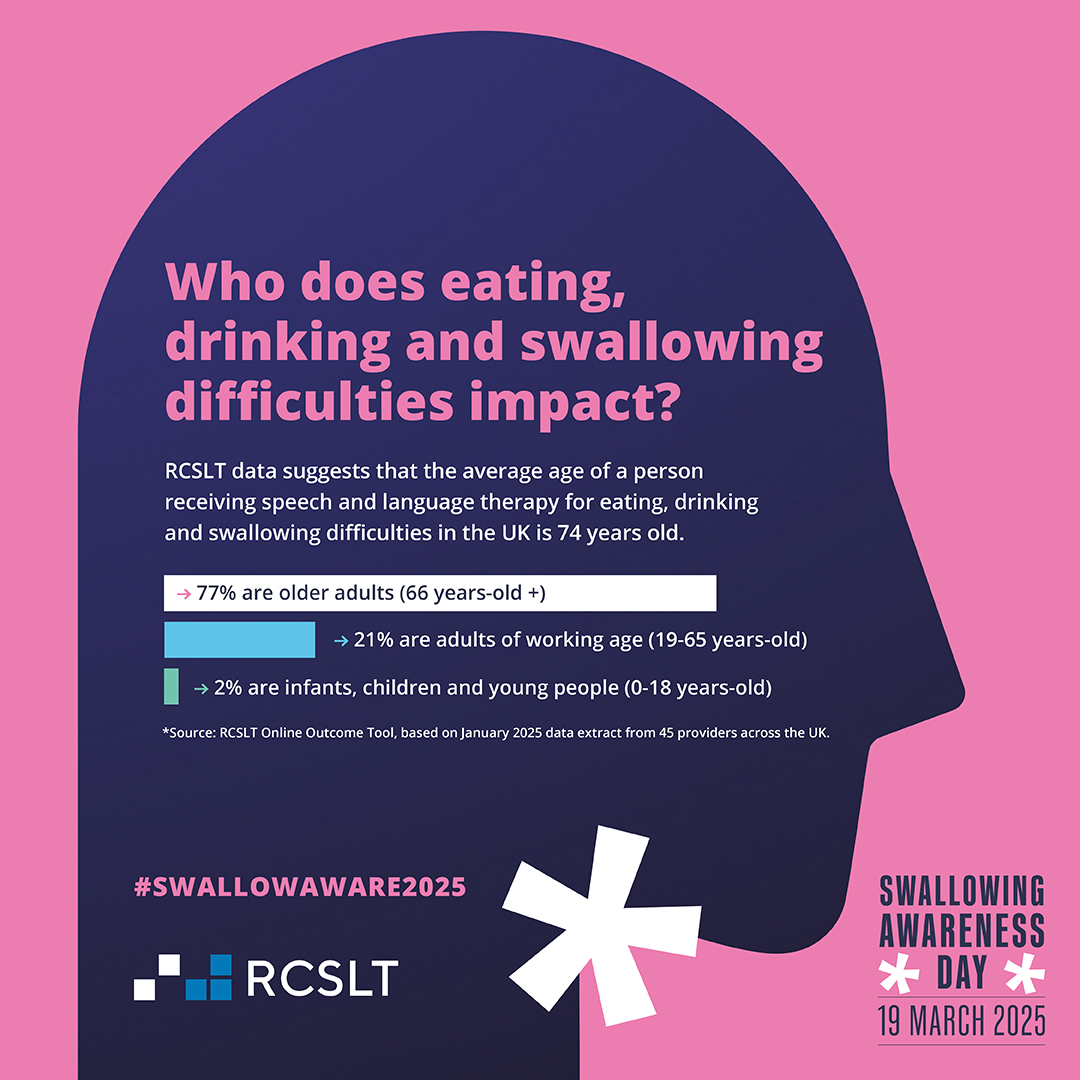
Swallowing Awareness Day highlights how speech and language therapists assist individuals with eating and swallowing challenges (#dysphagia).
Eating, drinking & swallowing is usually effortless, but can present difficulties for some people
#swallowaware2025#dysphagia#slpeeps
ALT 1. Infographic illustrating the impact of eating, drinking, and swallowing difficulties on various age groups and demographics.
2. Visual representation showing how eating, drinking, and swallowing difficulties affect individuals across different life stages.
3. Chart depicting the effects of eating, drinking, and swallowing challenges on children, adults, and the elderly.
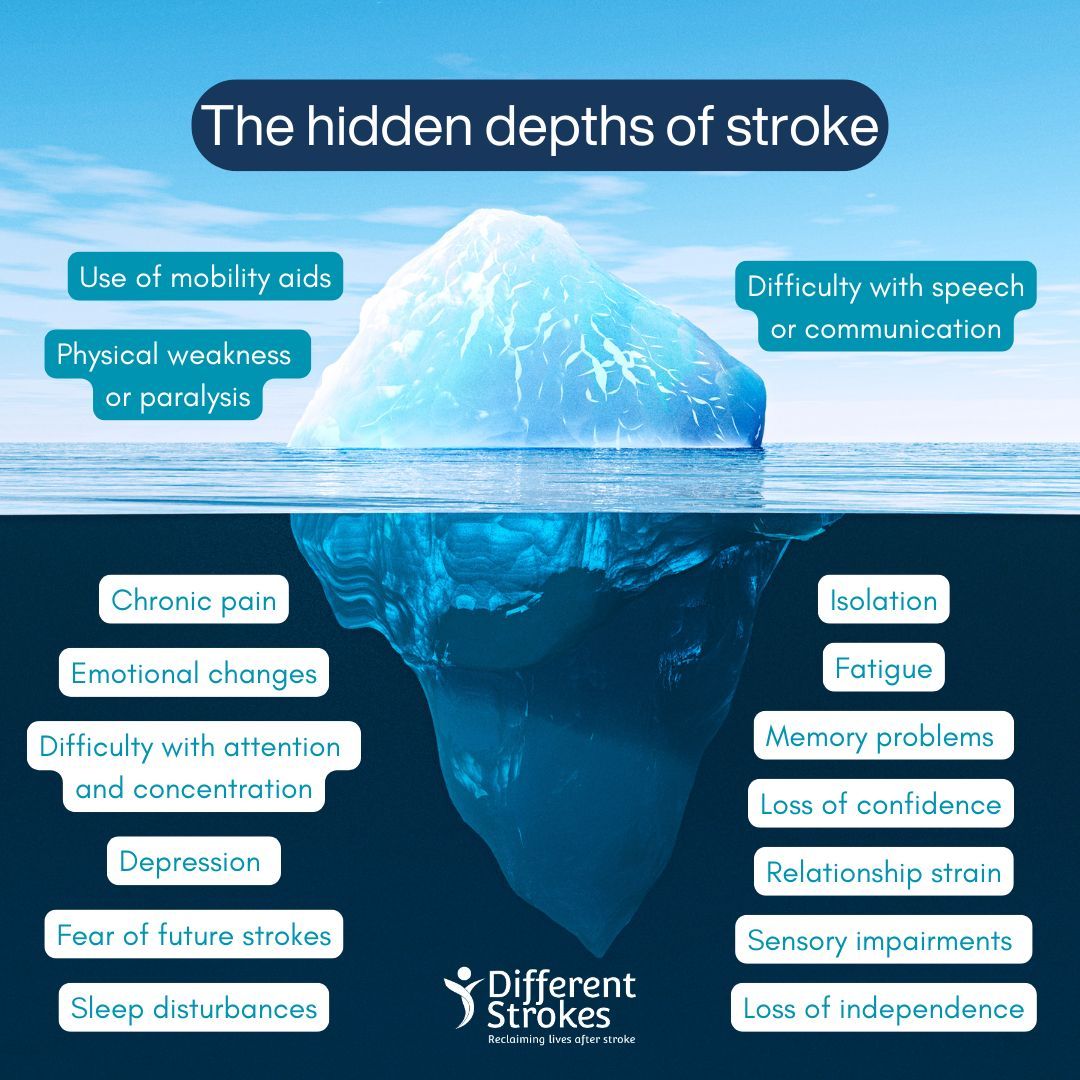
What you see on the surface is only part of the story. 💙💚
Stroke recovery goes so much deeper, with hidden challenges that often go unseen. From cognitive struggles to emotional battles. Let’s look beneath the surface this #WorldStrokeDay 🌊💙💚
#TogetherAfterStroke
ALT An image titled “The Hidden Depths of Stroke” shows a large iceberg floating in deep navy-blue water against a light blue sky. Above the water, visible effects of stroke include “use of mobility aids, physical weakness or paralysis, and difficulty with speech or communication.” Below the water, hidden challenges include “chronic pain, emotional changes, difficulty with attention and concentration, depression, fear of future strokes, sleep disturbances, isolation, fatigue, memory problems, loss of confidence, relationship strain, sensory impairments, and loss of independence.” The image represents the unseen depths of stroke recovery.
When Tish found Different Strokes, he realised he wasn’t alone in his stroke recovery journey 💙💚.
This #WorldStrokeDay, we’re celebrating the power of community. No one has to face it alone. 💪💚💙
#TogetherAfterStroke#NotJustTheElderly"
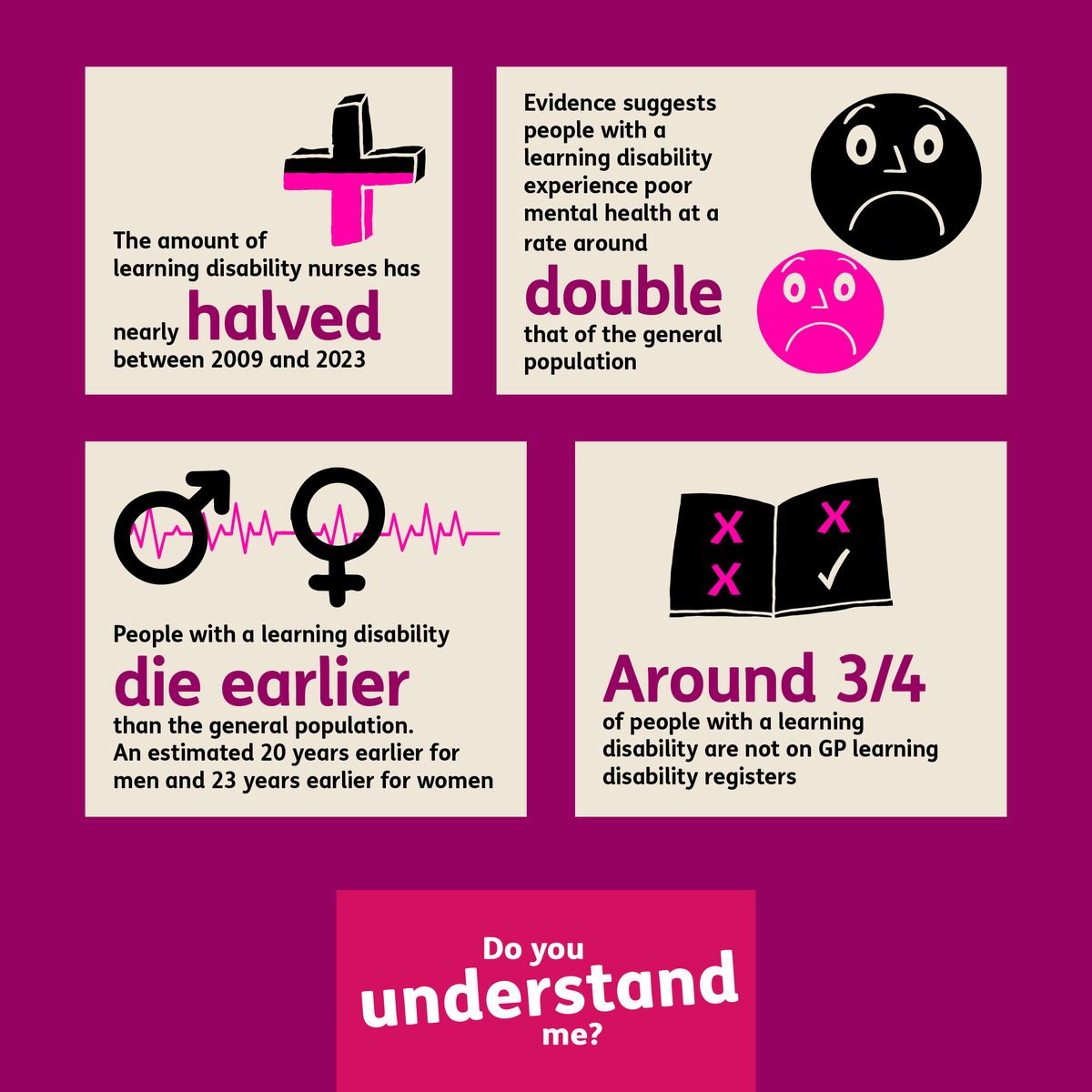
💬 Do you understand me?
People with a learning disability continue to face health inequalities and barriers to accessing care. But it is important to get help with health when it's needed.
Visit our website for health resources: brnw.ch/21wKO9c#LearningDisabilityWeek
ALT A maroon graphic with four beige squares on it. There are stats within the squares which read: The amount of learning disability nurses has nearly halved between 2009 and 2023. Evidence suggests people with a learning disability experience poor mental health at a rate around double that of the general population. People with a learning disability die earlier than the general population. An estimated 20 years earlier for men and 23 years earlier for women. Around 3/4 of people with a learning disability are not on GP learning disability registers.