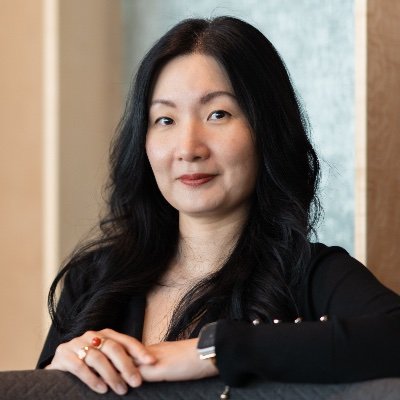
I’m thrilled to share the Spring 2026 issue of "Beyond the Blackboard," the newsletter of the Canadian Psychological Association’s Teaching of Psychology Section: alicekim.ca/teaching-learnin…
This issue reflects so much of what makes the ToP community meaningful: thoughtful conversations about teaching, recognition of excellent psychology educators, practical strategies for supporting student learning, and opportunities to connect through upcoming events.
Many thanks to the ToP Executive and everyone who contributed to this issue. I hope you enjoy reading it, and I hope it encourages more psychology educators, researchers, and students to get involved with the section!
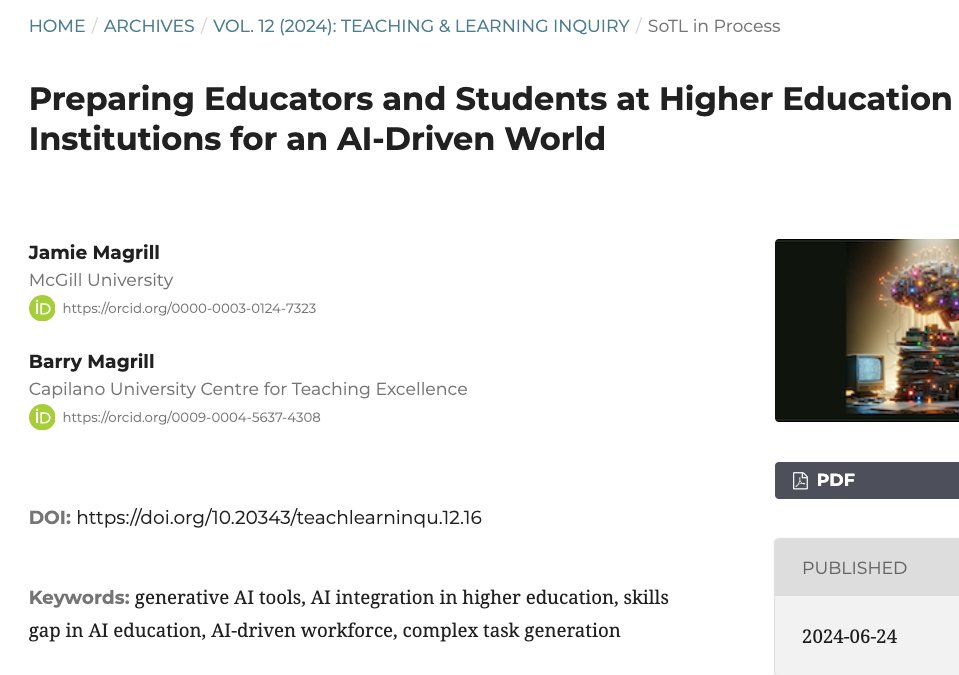
This is such an important question for higher education. In an age of AI, we need to think beyond discrete skills and consider how students develop judgment, adaptability, confidence, and the ability to navigate complex real-world contexts.
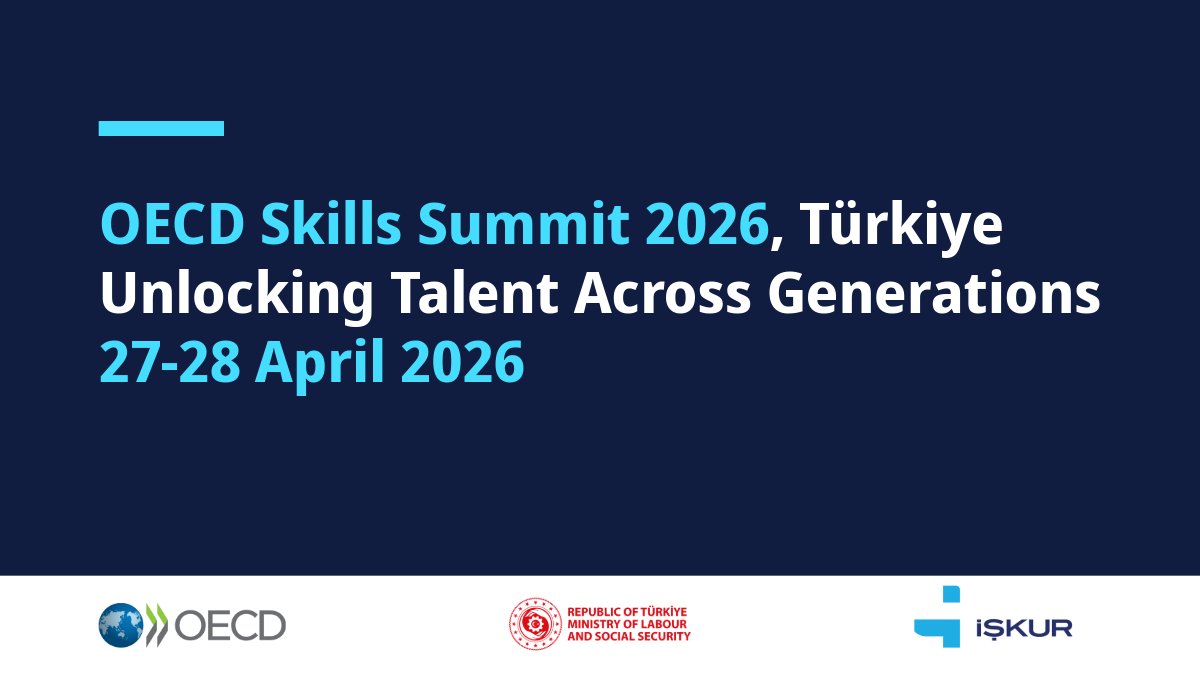
Not all the skills we learned in school will be relevant in an age of AI. How should education & training systems adapt?
This is being discussed by ministers & international organisations at the OECD #SkillsSummit 2026.
See the #OECDCentre4Skills paper: oe.cd/SS26IP
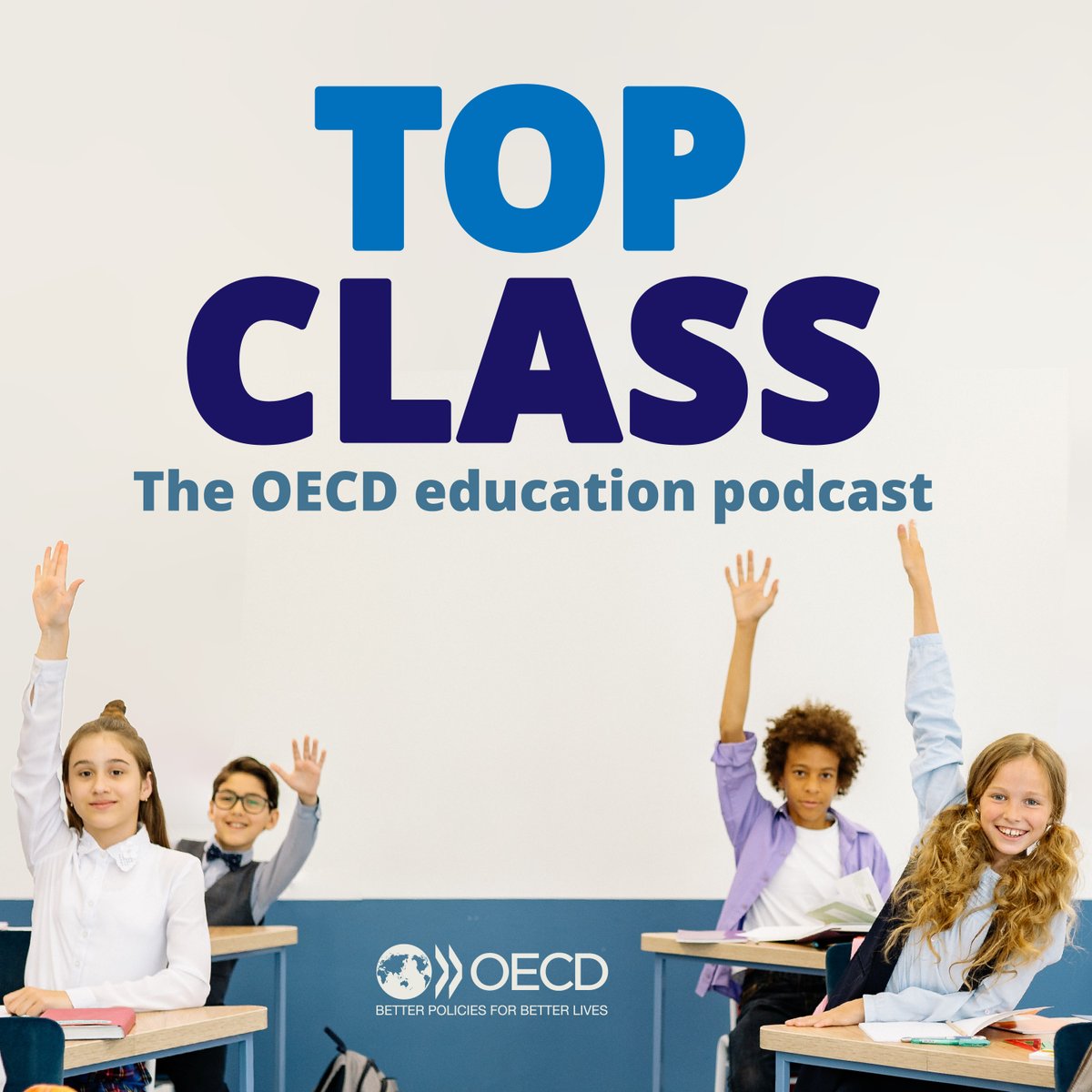
📢New Top Class episode📢
Estonia’s Education & Research Minister @kristinakallass talks to @DuncanCrawford_ about leading one of the world’s top education systems and why the future means👇
🤖 More teachers, not fewer
📉 Smaller class sizes
🎧Listen👉 soundcloud.com/oecdtopclassp…
Looking forward to co-facilitating the upcoming @SotlCan journal club session with Cosette Lemelin on “Developing a SoTL Identity: Barriers, Motivations, and Institutional Context.” Grateful to have 2 of the paper’s authors, Erin Aspenlieder and Clarke Mathany, joining as well!
The Canadian Psychological Association’s Teaching of Psychology (ToP) Section Awards are now open. Apply by April 30!
Awards include the SoTL Research Award and the Excellence in Teaching of Psychology Awards, with an early career stream.
Learn more: cpa.ca/sections/teaching/tea…
Important work 👇
In many ways, teaching in higher education is about how we navigate difference, tension, and dialogue - not just what we teach, but how we create the conditions for learning together.
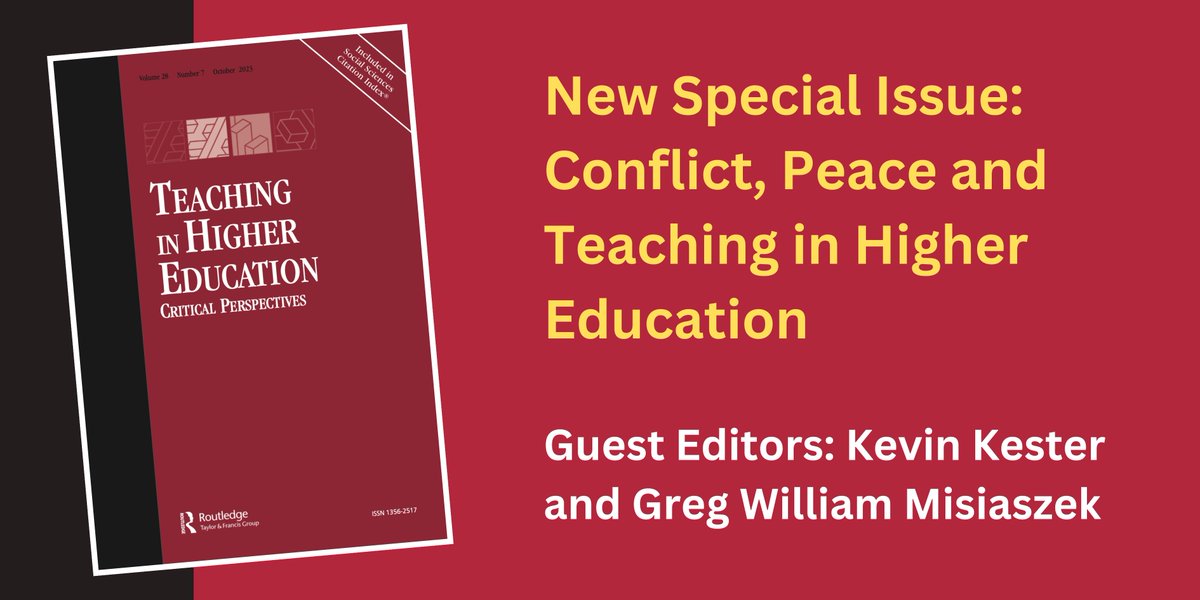
New special issue out: Conflict, peace and teaching in higher education! 🚨
Guest editors: Kevin Kester and Greg William Misiaszek
Read the editorial and the 19 papers in the special issue:
tandfonline.com/toc/cthe20/3…#HigherEducation#PeaceEducation
ALT Text in the image says 'New Special Issue: Conflict, Peace and Teaching in Higher Education. Guest Editors: Kevin Kester and Greg William Misiaszek'. Next to the text is the cover of the journal Teaching in Higher Education: Critical Perspectives. The cover is red with a black band on the edge. The background is divided into black and red colours.
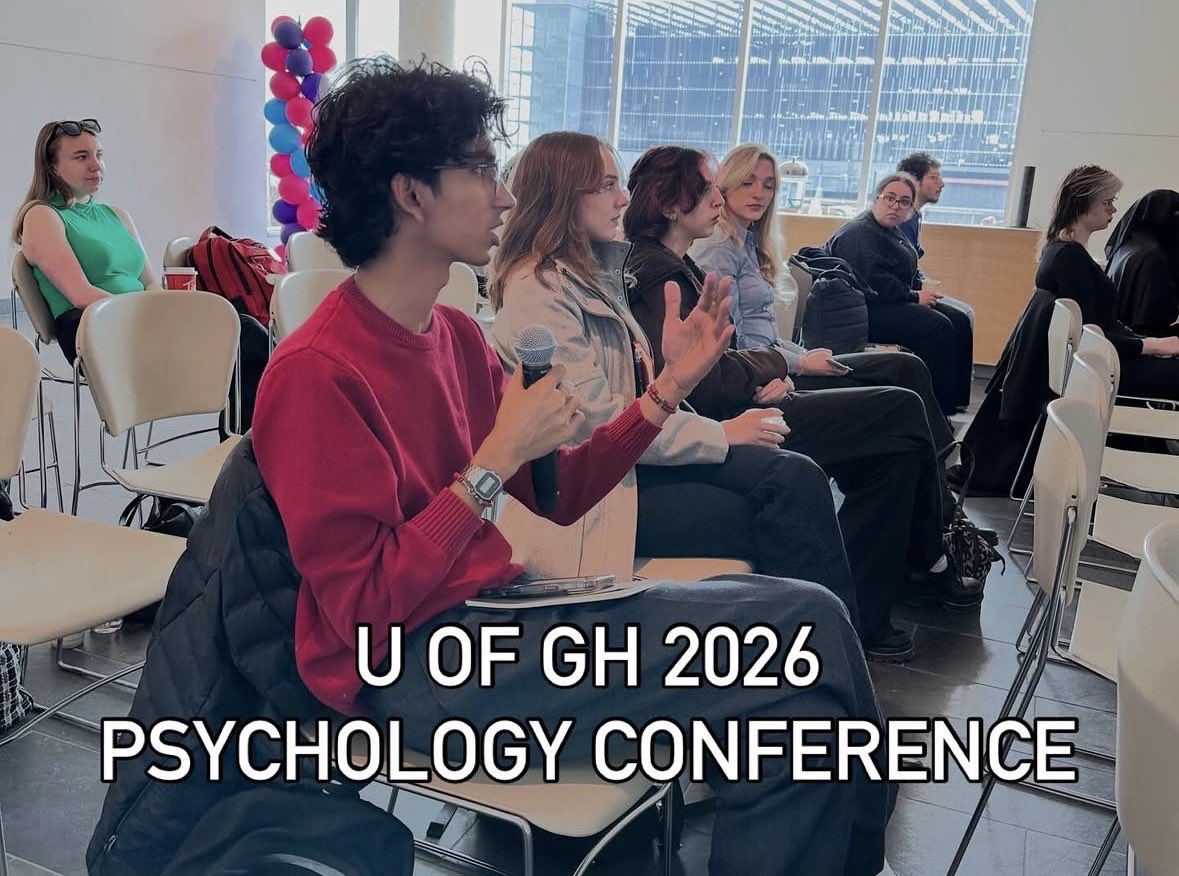
One reflection from our University of Guelph-Humber (@GuelphHumberUni) 2026 Psychology Conference:
The most powerful learning I saw wasn’t individual, it was collective.
ALT A student engaging in discussion while sitting in a crowd and holding a microphone.
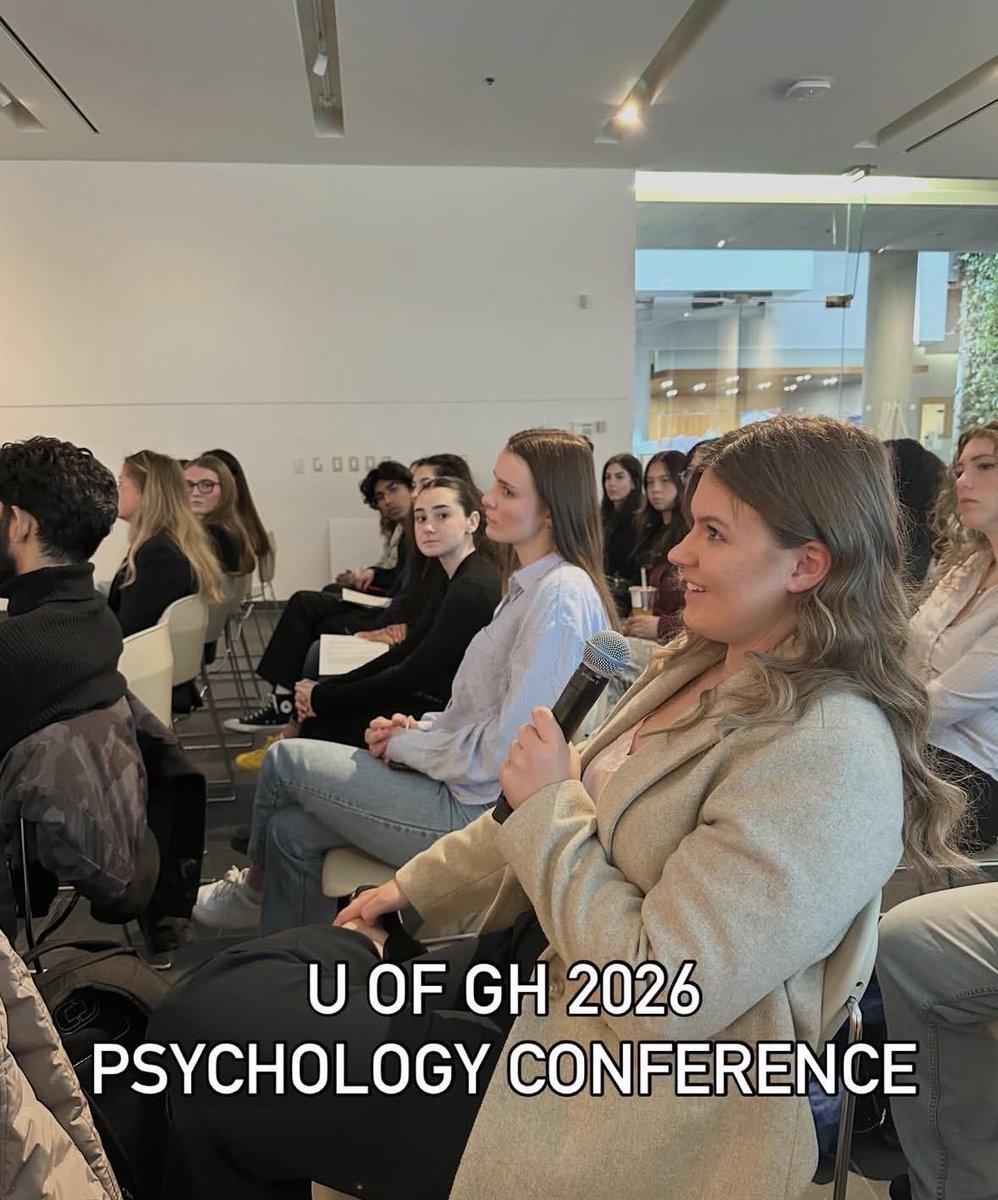
ALT A student sitting in a crowd, engaging in discussion with the speaker while holding a microphone.
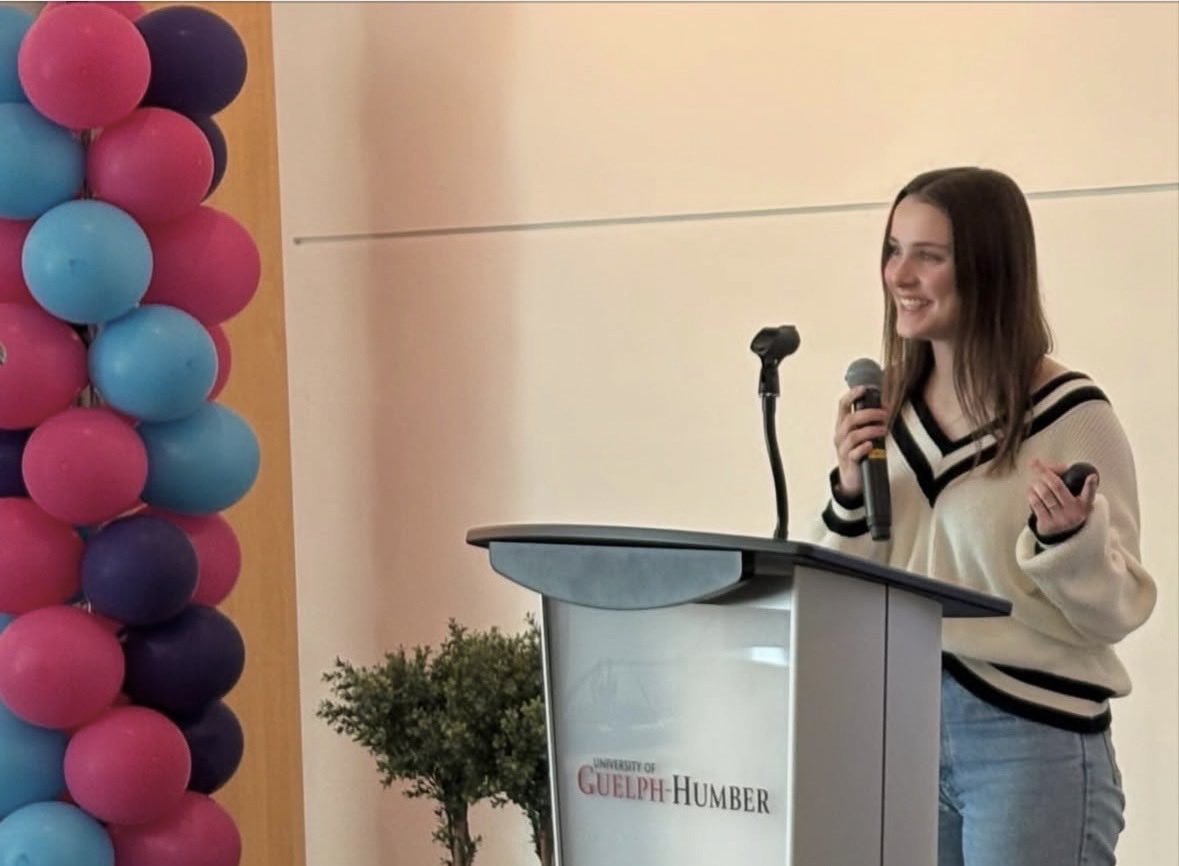
ALT A student standing in front of a podium, presenting her research project.
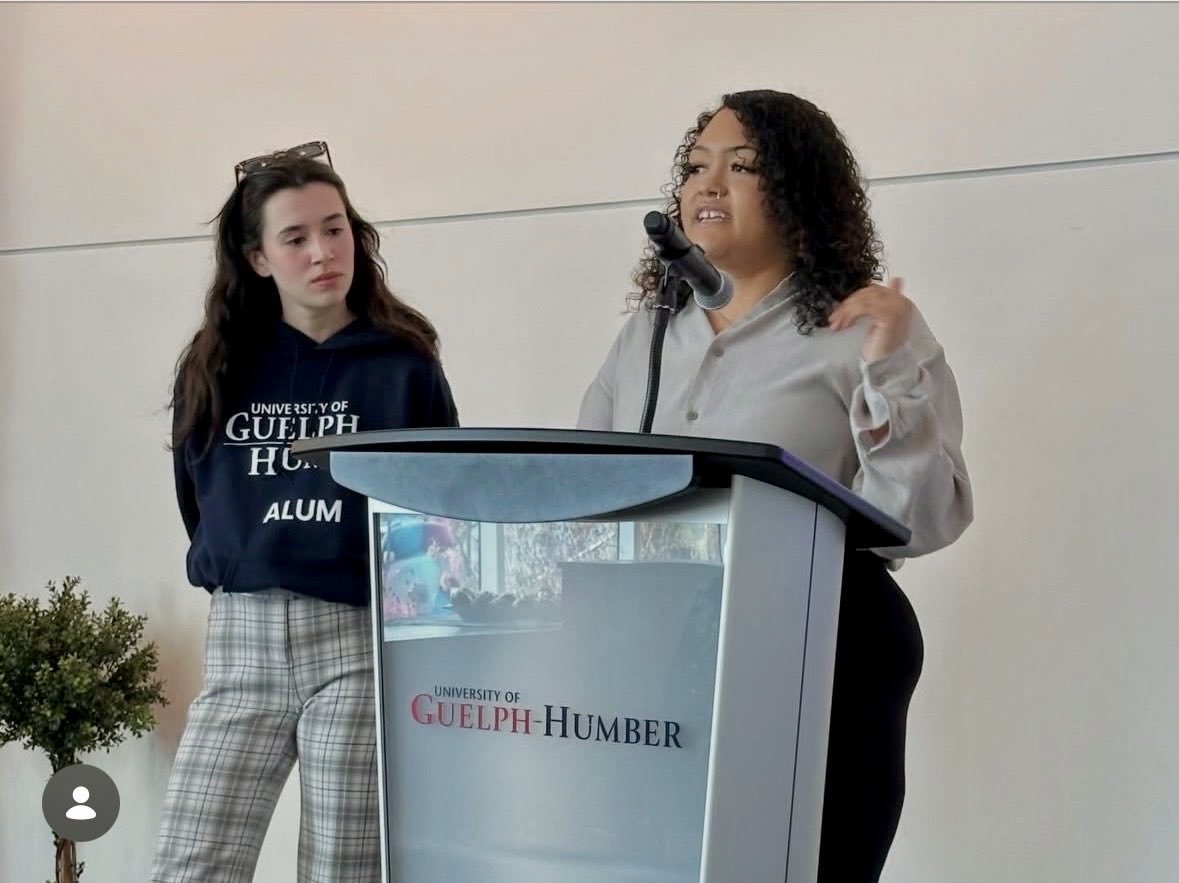
ALT Two students standing at a podium, presenting their research.
I’m so very proud of our students, and deeply grateful to our community partners and exhibitors (Enriched Mindset, Breakthrough Autism, Mind Forward Brain Injury Services, Street Therapy), our keynote speaker Dr. John Lee, and our UofGH community, especially our Psychology team.
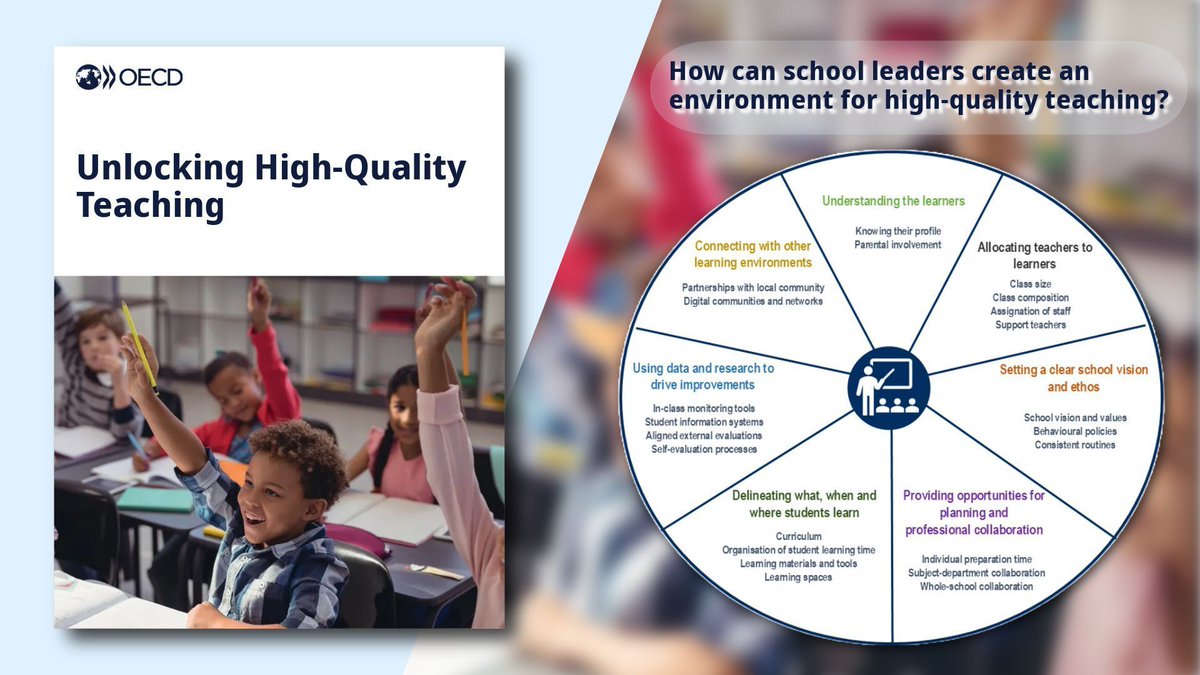
Great teaching takes more than a great teacher.
What can school leaders do to unlock it?
This report worked across schools and researchers and to help identify seven keys to powerful learning environments:
oecd.org/en/publications/unl…
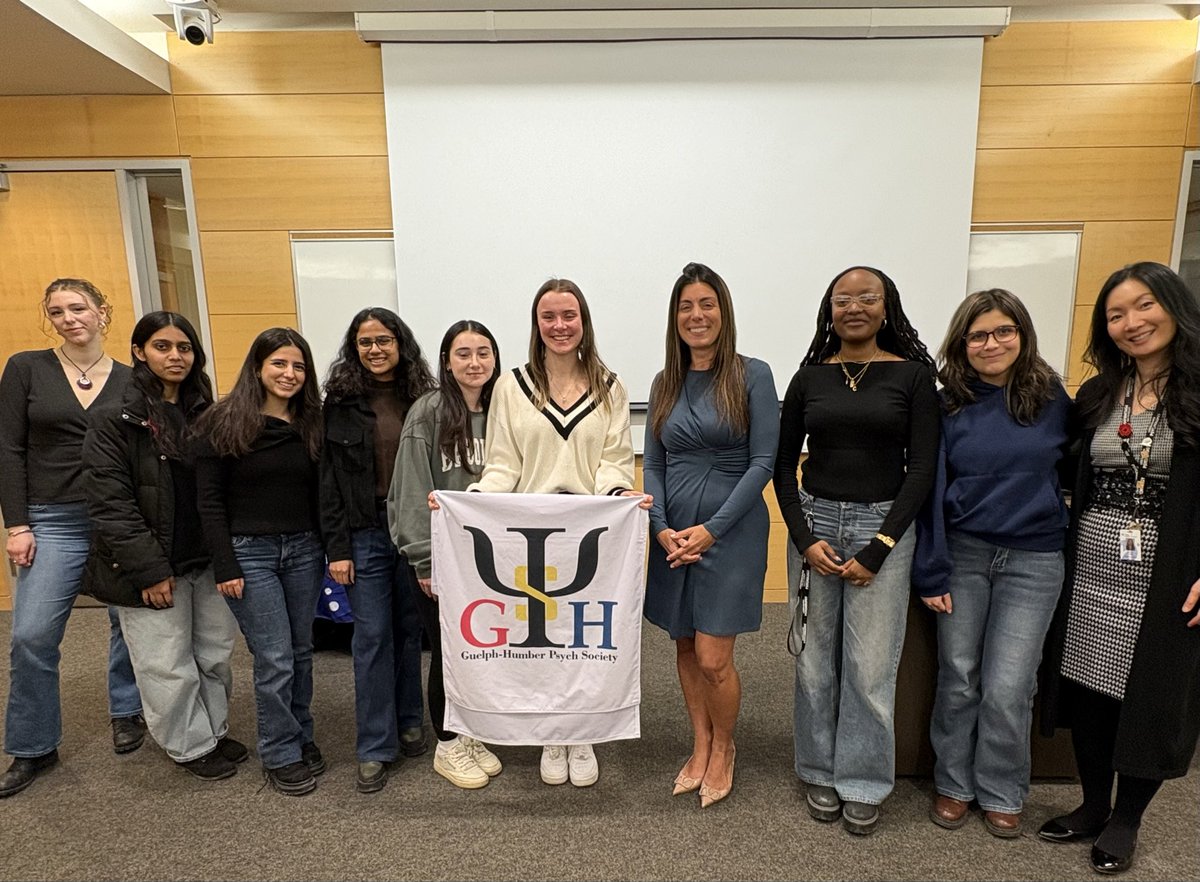
UoGH Psych Society organized an external speaker event this past week featuring Dr. Nancy Marchese from Breakthrough Autism for a Q&A session on Applied Behavior Analysis.
A strong example of students identifying questions they care about and creating opportunities to engage with practitioners beyond the classroom.
@GuelphHumberUni
ALT Group photo of members of Psych Society, faculty, and invited speaker standing together after the event.
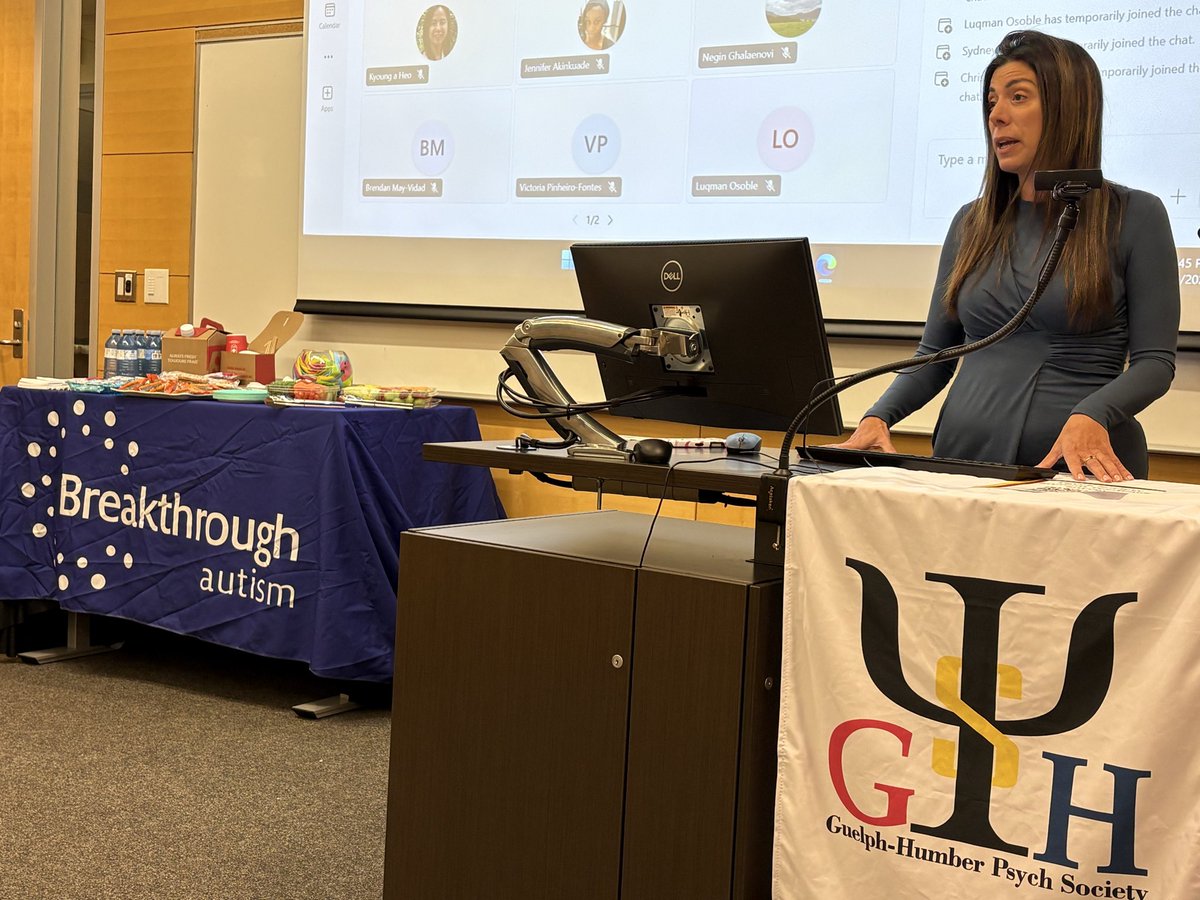
ALT Invited speaker addressing an audience of students during the Q&A session.
The new TiHE issue is out! 🚨
Read Volume 31, Issue 2, from the link below. Topics range from decolonisation to 'Good Student discourses' to pedagogies of refusal, and beyond...
Nine articles, one Points of Departure piece! ✏️
#HigherEducationtandfonline.com/toc/cthe20/3…
The first set of student presentations took place this past week in my honours seminar on mind & body. The presentations and student-led class discussions were exceptionally thoughtful, with students bringing in ideas and materials from other courses - exactly the kind of integrative thinking we hope to cultivate across the program. #HigherEducation
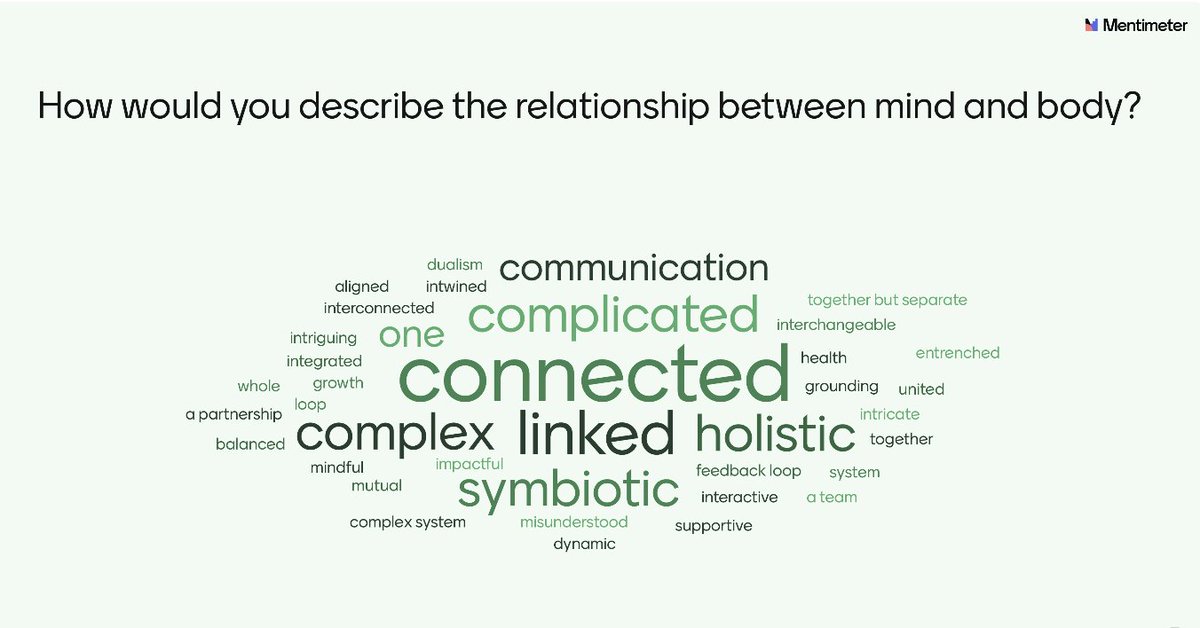
From our first class: I asked students to describe the relationship between mind and body in three words. This word cloud offers a useful snapshot of the kinds of concepts and relationships they’re bringing into the course.
ALT Word cloud created from anonymous student responses to the prompt “Describe the relationship between mind and body in three words.” Prominent responses include "connected, complicated, holistic'.