Joined November 2010
- Tweets 4,768
- Following 3,379
- Followers 2,600
- Likes 9,540
594 Photos and videos














1 Nov 2025
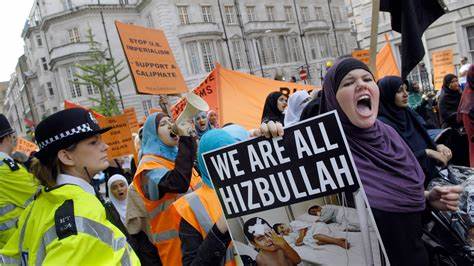
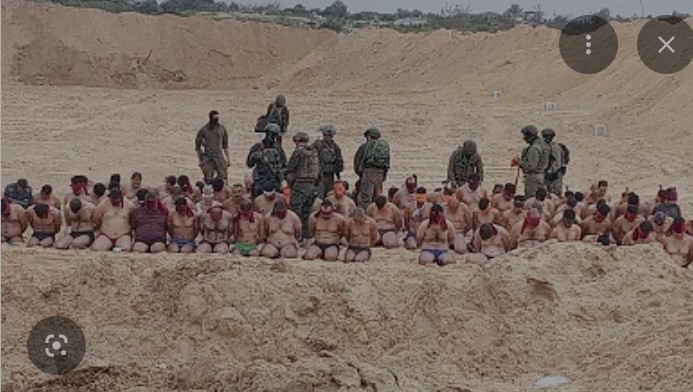
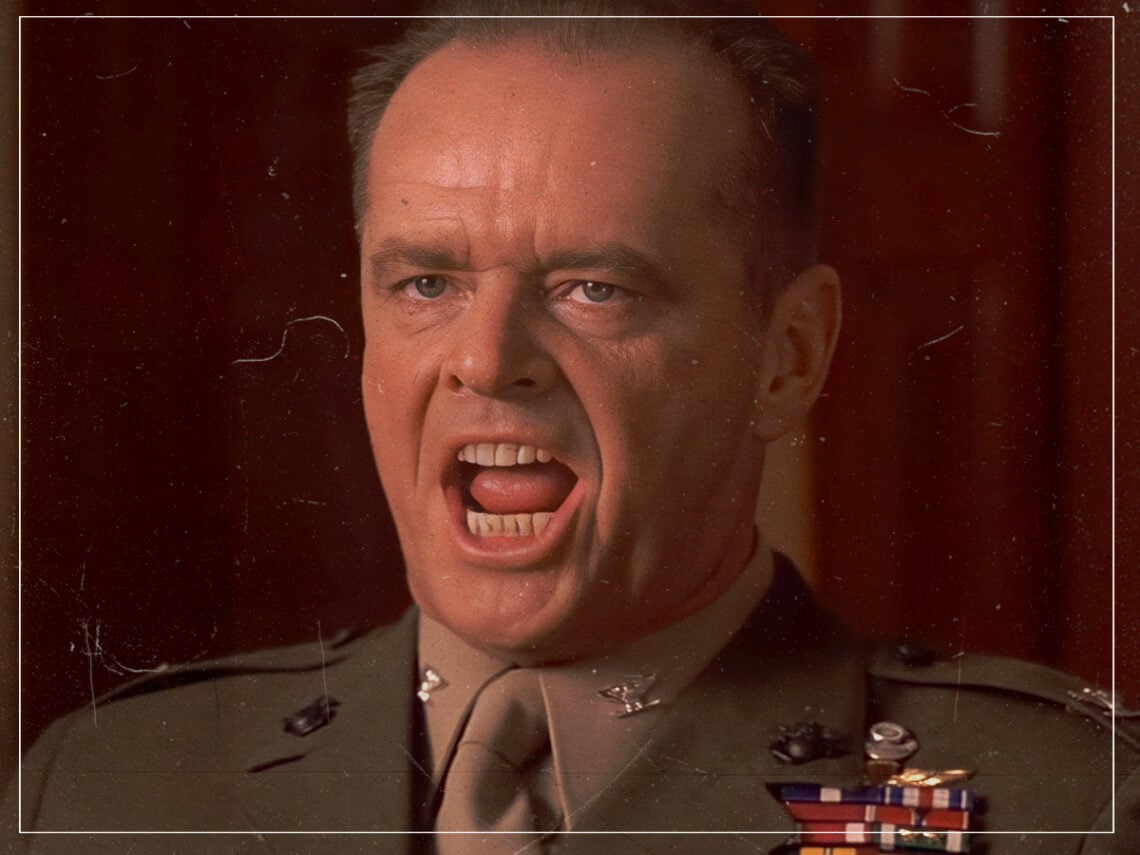
So "Grandpa Rock" is a synonym for "Good Rock..."

2
110
(((AlienSeth)))🇺🇸🇮🇱 retweeted

31 Oct 2025
Grandpa Rock Playlist 💕 I’m feeling old now 😂😂
2,204
5,871
32,915
774,091
(((AlienSeth)))🇺🇸🇮🇱 retweeted

24 Aug 2025
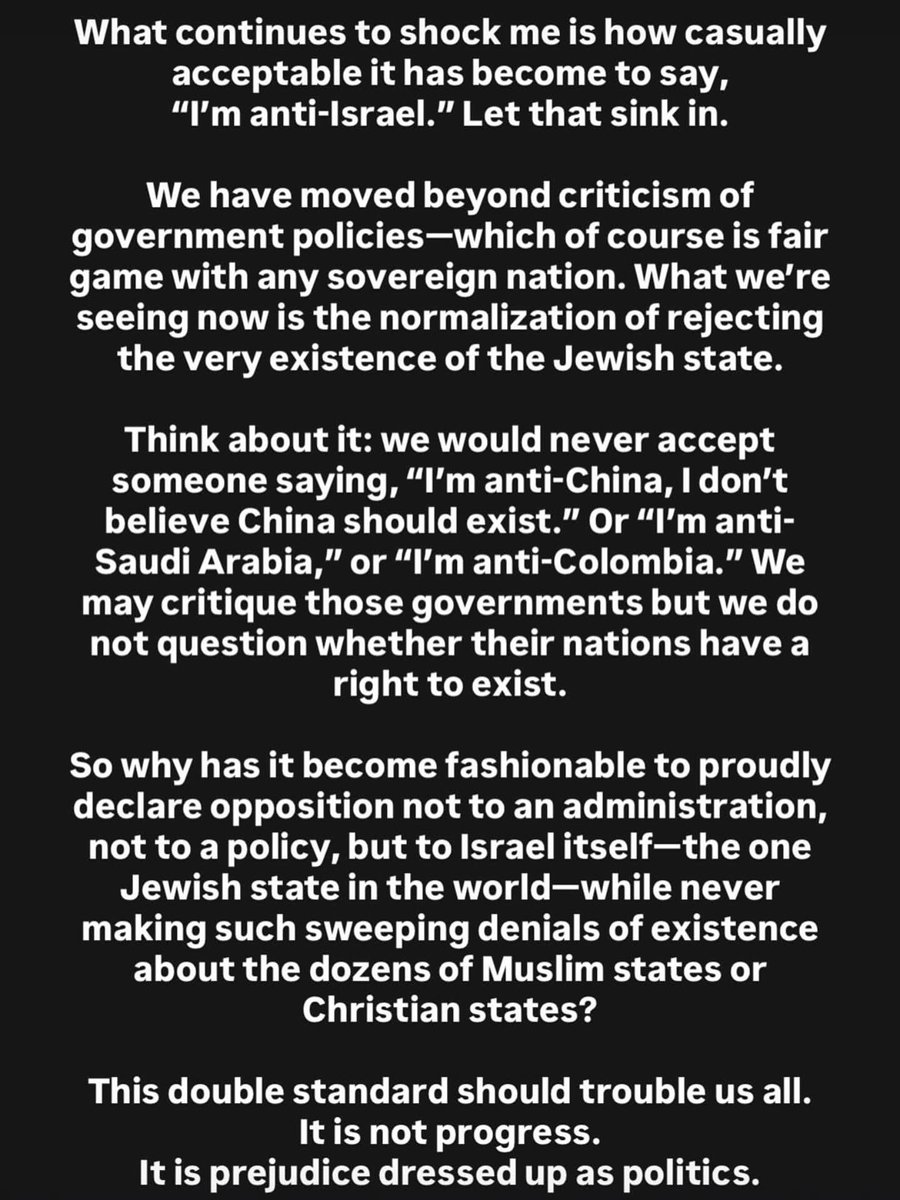
Echoing every word of this post. #AmYisraelChai 🇮🇱
1
4
4
1,437
(((AlienSeth)))🇺🇸🇮🇱 retweeted

25 Nov 2024
205
534
6,382
49,715

7 Aug 2025
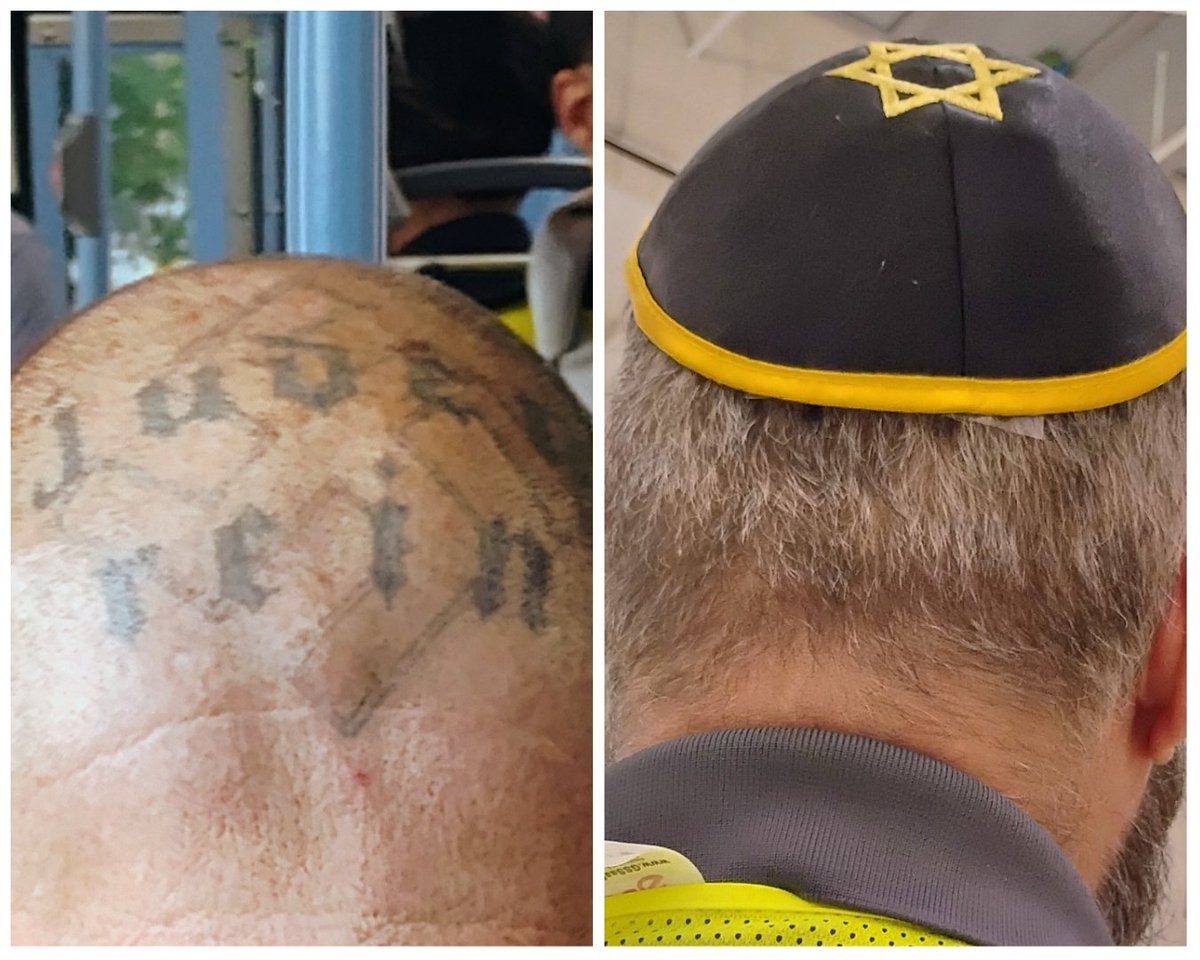
I was on the bus when I saw this tattoo on the head of the fine example of humanity riding in front of me.
A swastika with the word "Judenrein."
When we both exited the bus, I removed my baseball cap and walked right in front of him, so that he could see what was on MY head.
1
2
160
(((AlienSeth)))🇺🇸🇮🇱 retweeted

23 Jun 2025
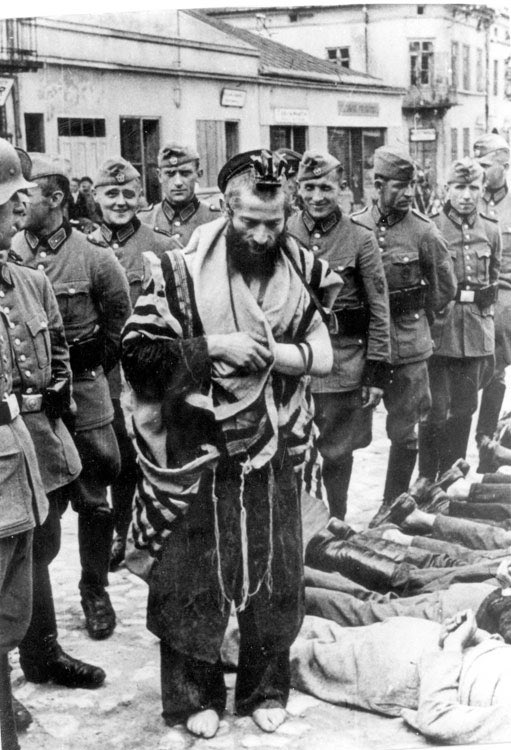
We didn’t abandon our Judaism when we couldn’t defend ourselves - what makes you think we would abandon it now, when we can defend ourselves?
601
941
6,770
235,731
(((AlienSeth)))🇺🇸🇮🇱 retweeted

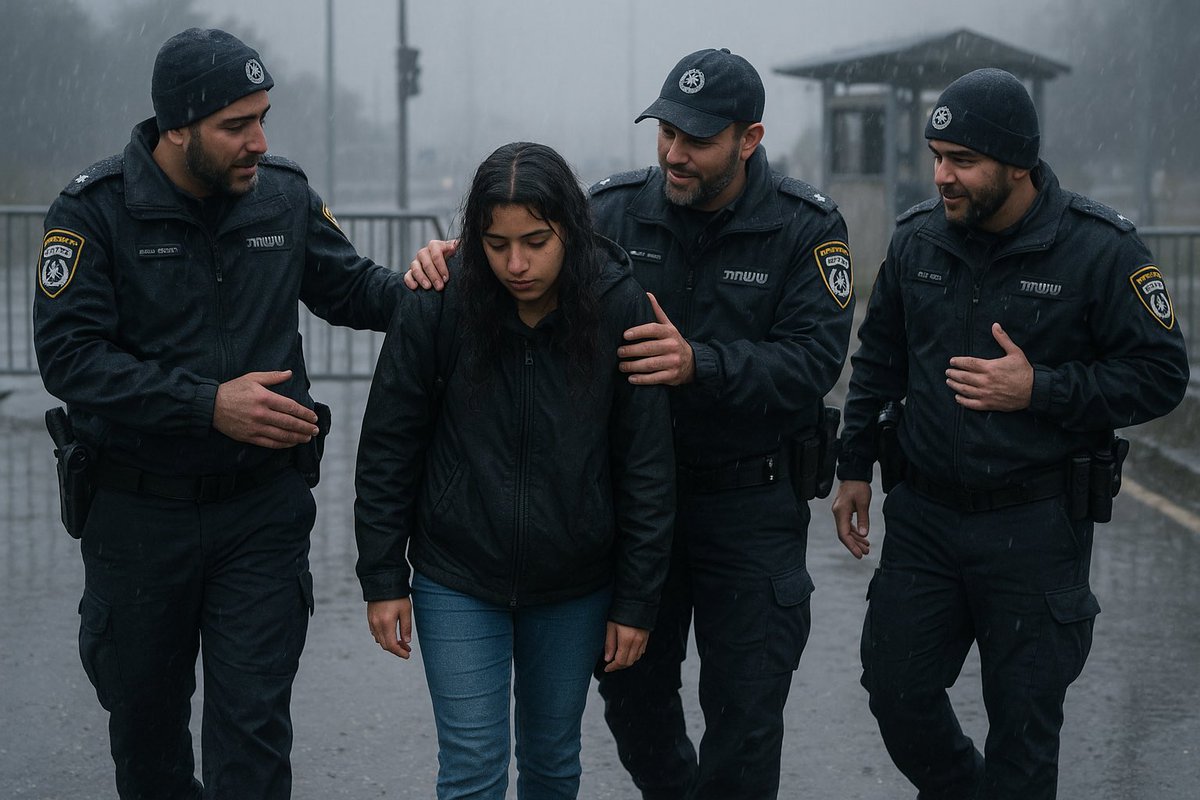
My story wasn’t just a turning point. It was the beginning of truth. It was the moment I realized that my support for Israel wasn’t just about identity. It was personal. It was about survival.
Yes, I’ve always been an Israeli citizen. And yes, I interacted with Jewish people from time to time. But growing up, I was raised to fear them. To hate them, even. I never truly saw the Jews around me for who they were, because I was never allowed to.
Everything changed when I was kidnapped and taken to Ramallah.
They stole my money. They took everything I had. But I still had my phone. Shaking, I called 100, the Israeli police. I told them I had been kidnapped and taken to Ramallah. But it was early February 2023, and a severe winter storm hit. The line cut off.
I had no money. No one to turn to. I was still a child, in shock, confused, and desperate. I knocked on the door of a Palestinian home. Women opened
a grandmother, her daughter, and a granddaughter. I told them what happened, hoping for mercy. But they beat me. Pulled my hair. Hurt me.
Eventually, by the grace of God, a man stepped in and helped. He took me to a Palestinian police station.
But things didn’t go as expected.
At the entrance, at the desk, and in every room, men — whether trained or not asked me why I was there. I had to repeat my story over and over, standing there, freezing and terrified.
Then they told me, “This isn’t our case,” and sent me to another station.
I asked them how I was supposed to get there. I had no money, no idea where I was, and I was in a city I had never seen before. No one helped. One man pointed vaguely outside the building, giving me confusing directions in the pouring rain.
I walked through the storm. Drenched. Shivering. Barely able to breathe. But I reached the second station.
Only to hear the exact same words.
Same questions. Same humiliation. Same dismissal. But then they noticed something. The Israeli police were trying to contact me. Reluctantly, they started questioning me.
They had no computers. Just old papers. The man interrogating me would listen to one sentence, then scroll through his phone. He insulted me between questions. Sometimes he laughed. Sometimes he got angry for no reason. I was nothing to him.
When the Israeli police called, they made me hang up. Sometimes they let me answer, but forced me to lie.
Still, the Israeli police were relentless. They tracked every detail, kept pressuring the Palestinian Authority, and coordinated my return.
I remember one call. An Israeli officer told me, “They’re refusing to hand you over, but don’t worry. If they don’t cooperate, our army will come. Don’t be scared.”
But the mental abuse continued. Hours passed.
Then, in the middle of the storm, late at night, they threw me out.
I stood there crying. I asked, “Why? Why did you keep me all day if you had no intention of helping? Why block my calls? Why pretend?”
I begged them to let me use the phone, find shelter, anything. They refused.
I stepped back out into the freezing storm. I called the Israeli police again. They tried locating a safe place nearby, even just a roof to stand under, but there was nothing.
Still, they calmed me. They gave me instructions: “Don’t open your phone unless we call. Conserve your battery. Stay calm. We’re with you.”
Five minutes later, one of the Palestinian officers came back and told me to come inside.
It wasn’t because they cared. It was because the Israeli police forced them.
They put me in a warm room. Seven young men sat around me. I stayed quiet.
Fifteen minutes later, the coordination was complete. I was taken to one of the crossings, where the Israeli police were waiting for me
They wrapped me in a hug
And in that moment, I realized who truly stood by me. Not just in identity, but in action. Not just in words, but in protection
That’s when I knew. These are my people. This is my home. This is Israel.
98
331
1,361
49,044
(((AlienSeth)))🇺🇸🇮🇱 retweeted

28 Apr 2025
Nike thought it was clever to hijack Holocaust remembrance for marketing.
‘Never Again until next year’?
Six million souls aren’t your advertising gimmick.
Disgusting. #NeverAgain #BoycottNike

6
8
37
2,061



(((AlienSeth)))🇺🇸🇮🇱 retweeted

11 Mar 2025
These are not human people. No soul.
youtube.com/watch?v=ncwEX2nK…
2
7
13
1,028
(((AlienSeth)))🇺🇸🇮🇱 retweeted

11 Mar 2025
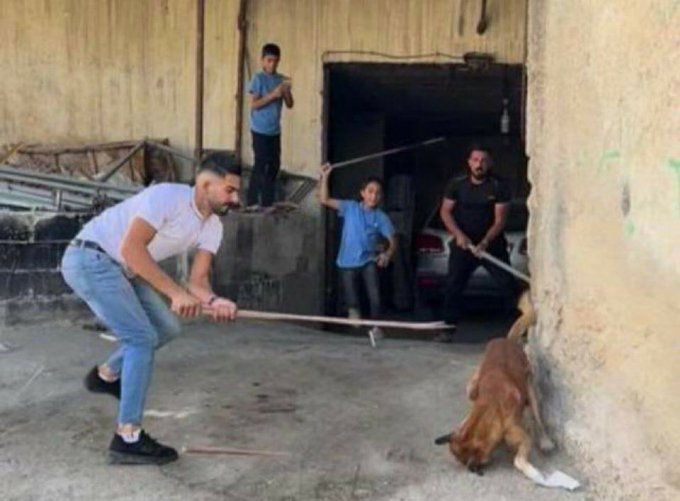
In 2022, the mayor of Hebron, a city in the West Bank, offered 20 shekels to anyone who killed a dog in his city.
Palestinians took to the streets en masse and filmed themselves torturing and killing thousands of dogs in the most brutal ways possible.
Don’t you dare to forget.
586
1,512
3,527
77,962
(((AlienSeth)))🇺🇸🇮🇱 retweeted

7 Mar 2025
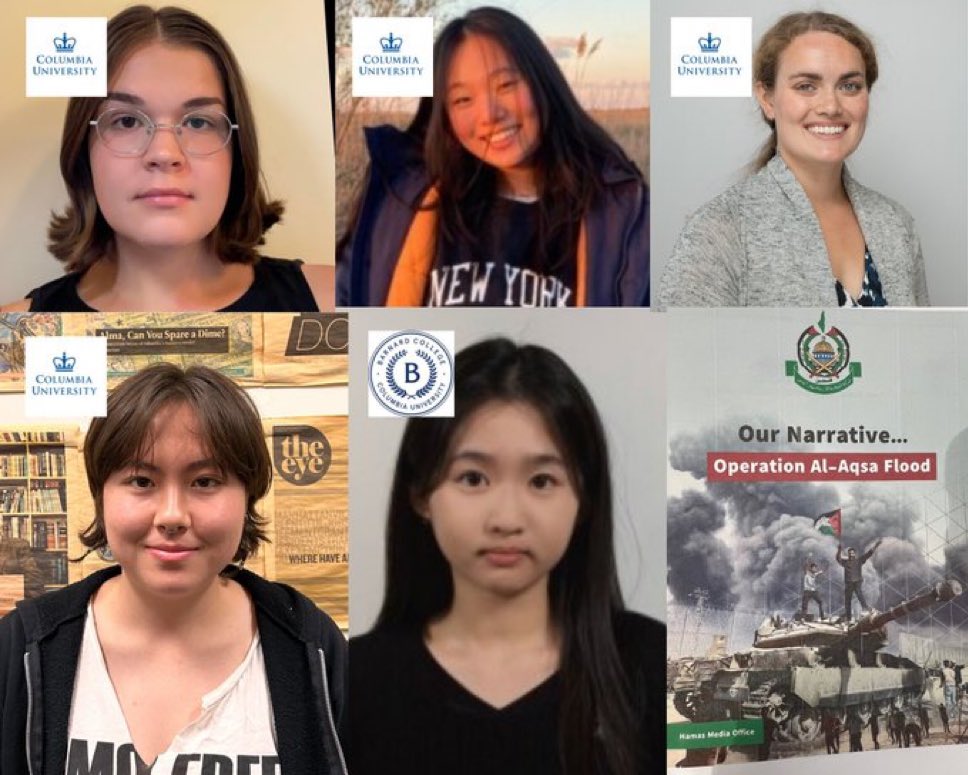
PLEASE DO NOT share this photo of Barnard and Columbia students who were arrested yesterday after violently taking over the library.
It would be a shame if their faces went viral.
1,894
27,210
41,417
838,604