
Historical Romance author. Follow me on FB at facebook.com/alinakfield. For news/special giveaways: landing.mailerlite.com/webfo……
Joined July 2012
- Tweets 32,418
- Following 2,176
- Followers 3,063
- Likes 13,914
8,173 Photos and videos
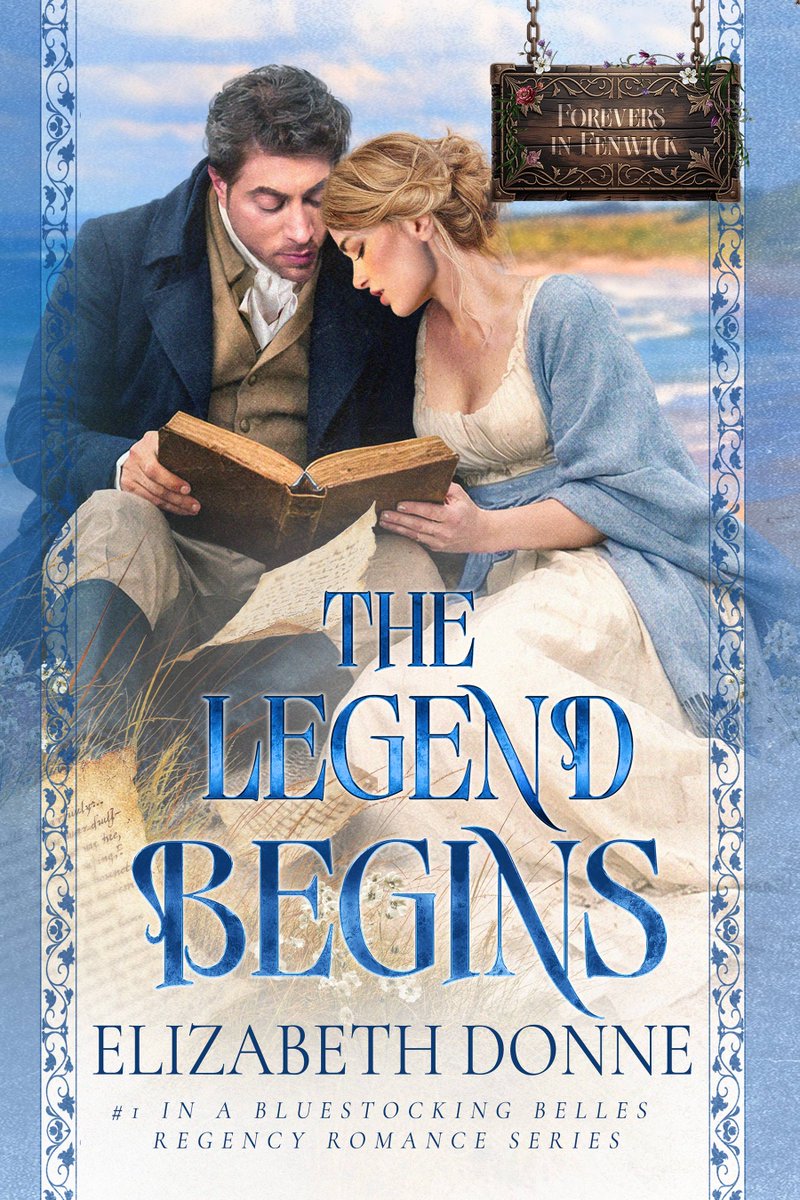
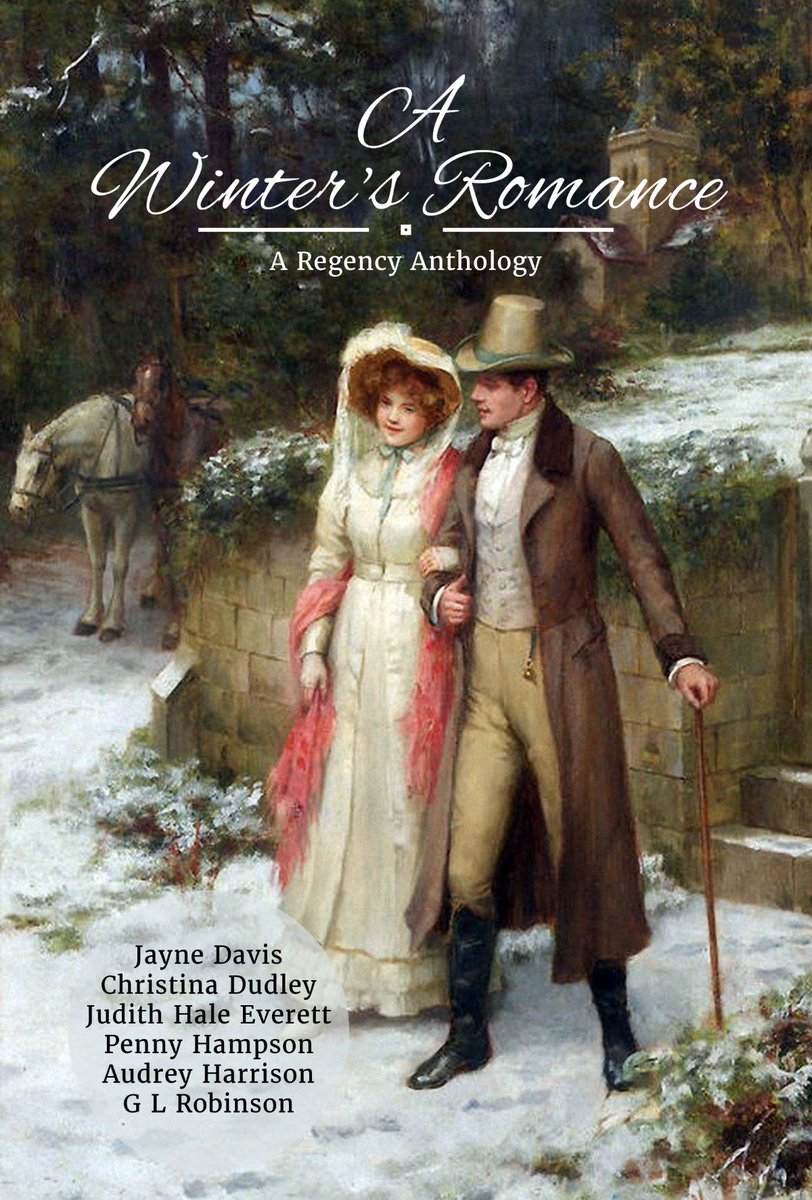


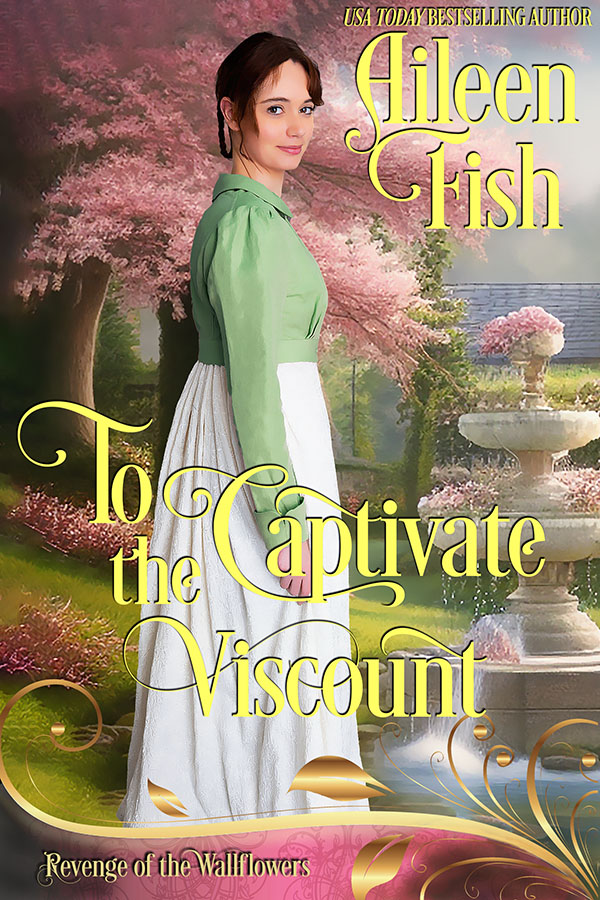


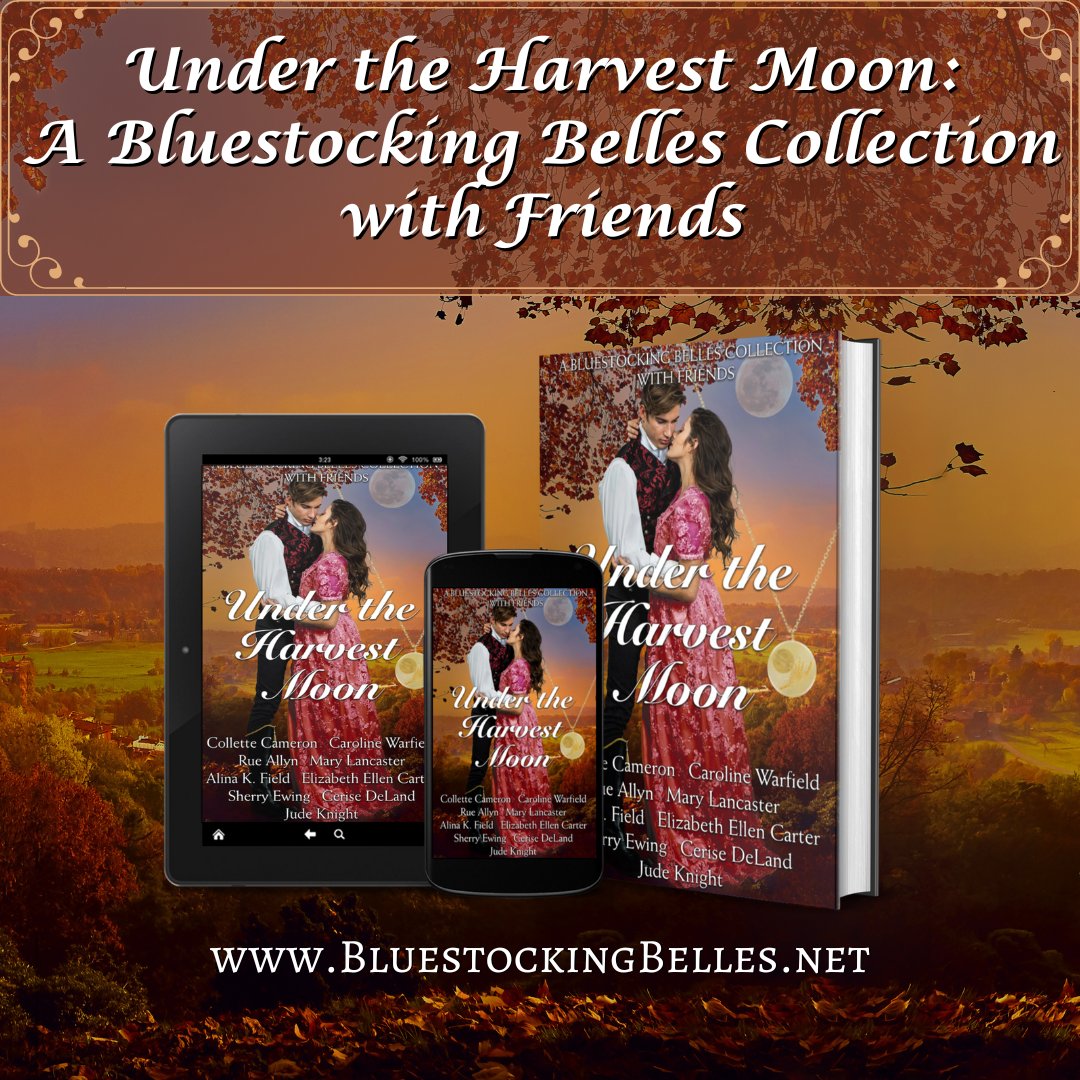
There's a new multi-author Regency romance series from the Bluestocking Belles, called Forevers in Fenwick. The first book in the series, The Legend Begins, released yesterday. Available in ebook: books2read.com/u/b65rOM
12
Alina K. Field retweeted
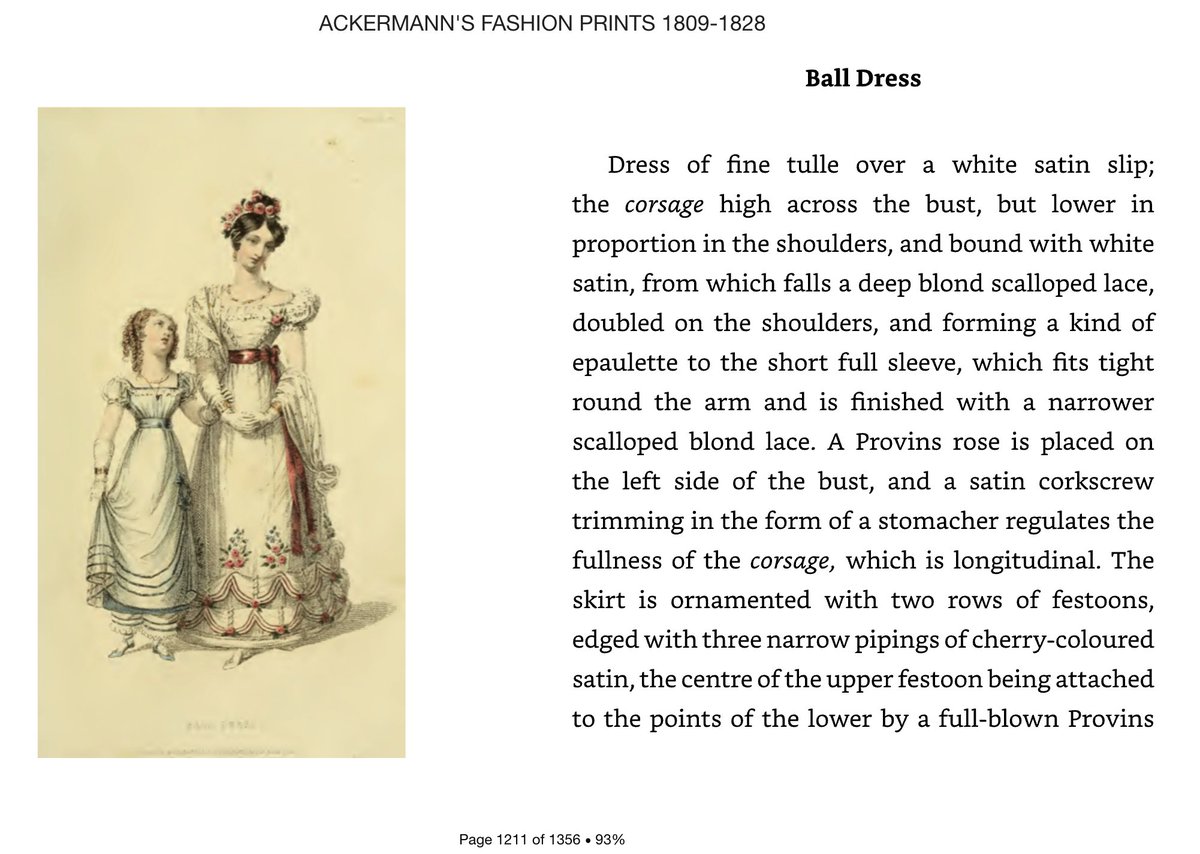
All #Regency authors need this! Flip through twenty years of #Ackermann's Repository #fashions on your phone or tablet. Commentary and lots of extras included. Read about how this project came into being. ow.ly/CYyx30sT6lR
1
3
54
Alina K. Field retweeted
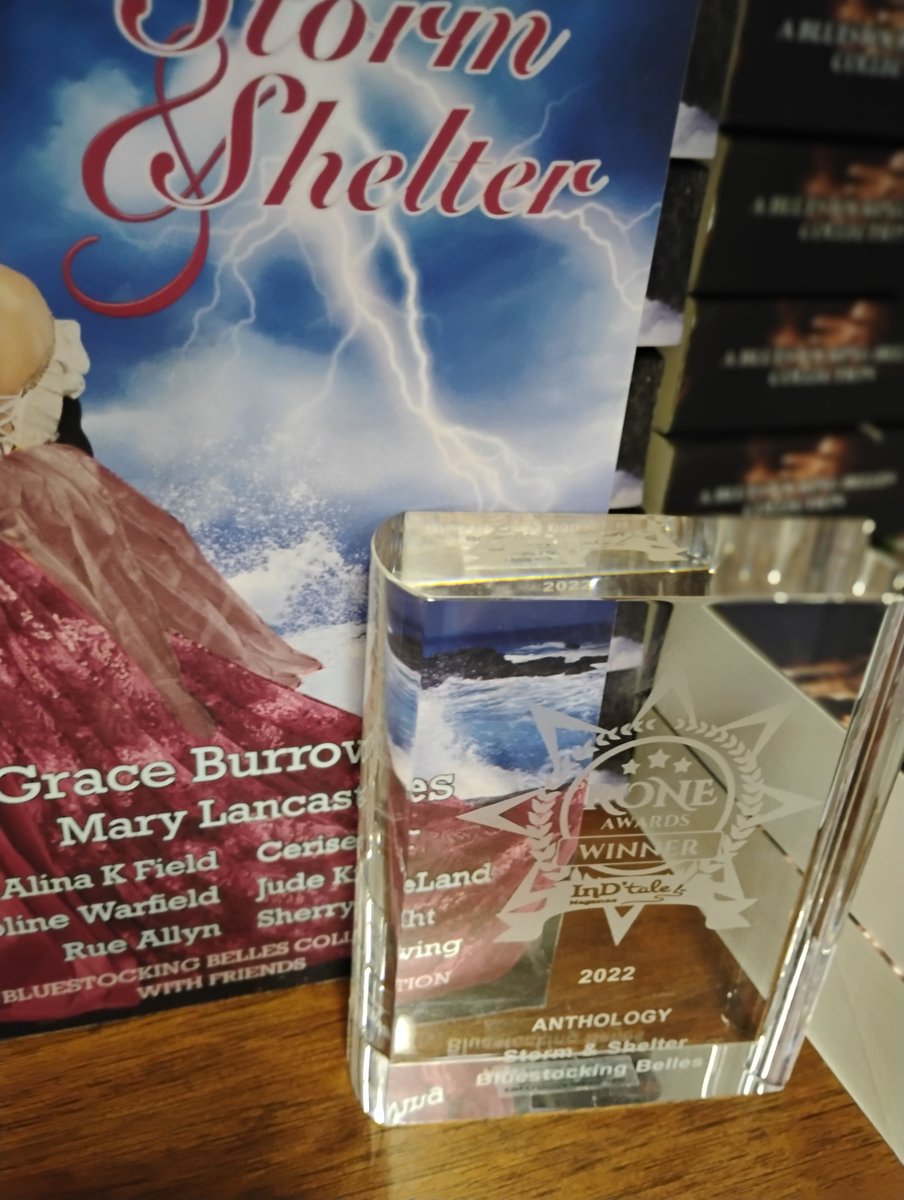
A Scottish Earl rescues a French lady smuggler during a devastating storm, suspecting she knows the woman he’s seeking,. When she admits her identity, she dashes his hopes—and promises him new ones. @AlinaKField @BellesinBlue #ReadaRegency #Storm&Shelter ow.ly/6GRb30sS7LM
1
3
45
This week's helping of Regency gossip: bluestockingbelles.net/a-cau… #BellesinBlue
3
20

29 Dec 2025
One thing AI has accomplished: a proliferation of scammers! asliceoforange.net/adventure…
1
17
10 Dec 2025
In the midst of our Yuletide celebrations, the Teatime Tattler is looking ahead to another winter holiday: bluestockingbelles.net/cupid…
1
1
21
Alina K. Field retweeted

1 Dec 2025
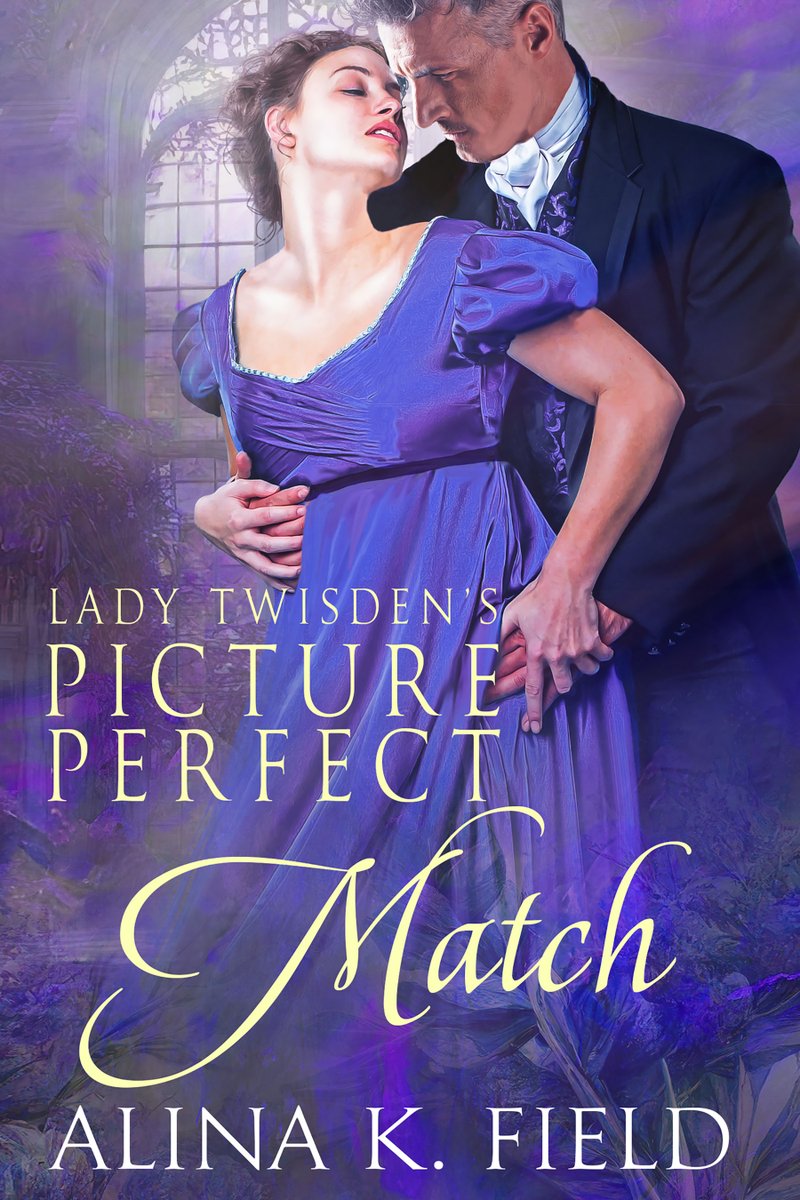
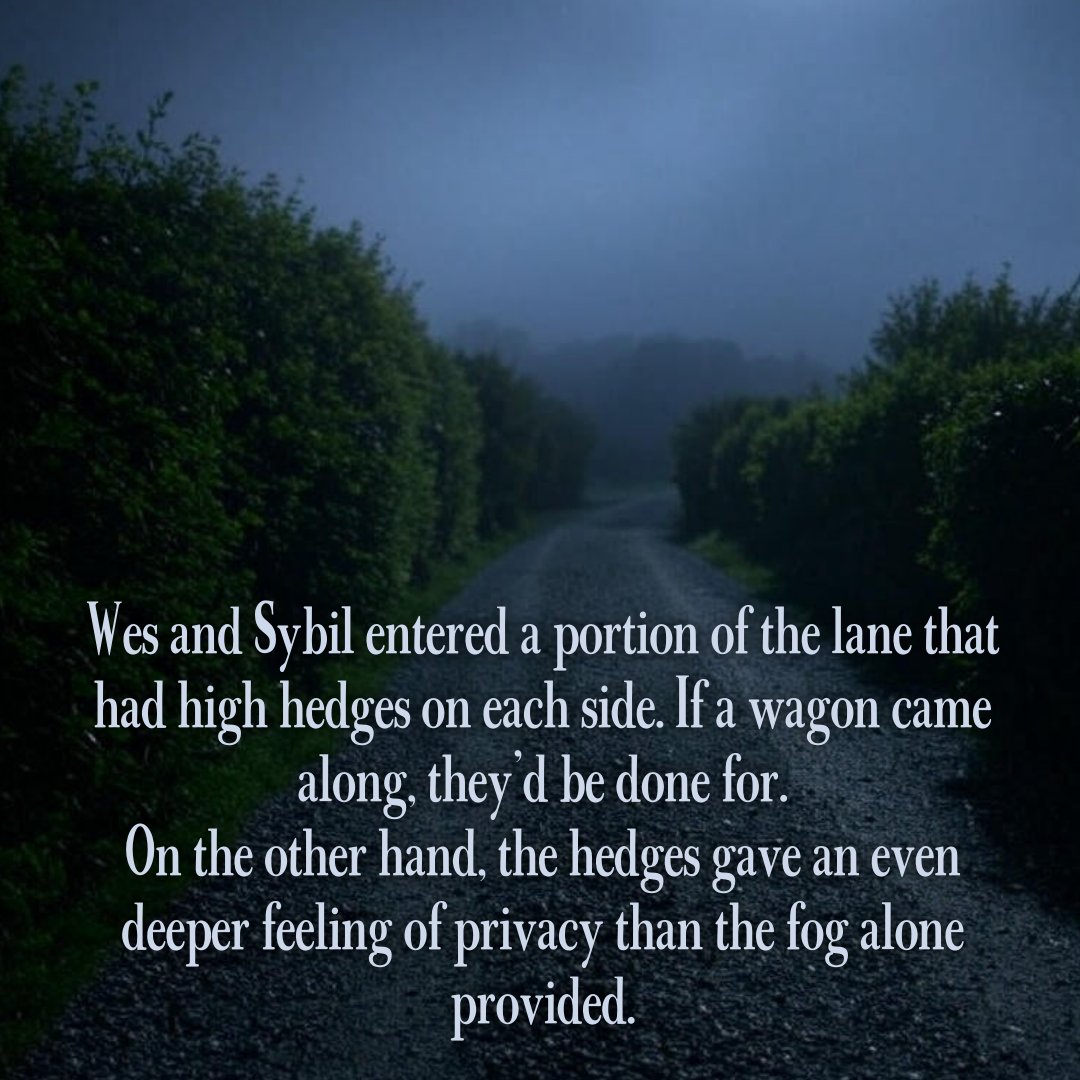
Sir Westcott Twisden didn’t know he wanted to marry until the tallest lady he’d ever met crossed his path. Curious when a local smuggler shows up to visit her, Wes follows her into trouble. @BellesInBlue @ReadaRegency @AlinaKField ow.ly/plHx30sRAO2

1
17
Alina K. Field retweeted

10 Nov 2025
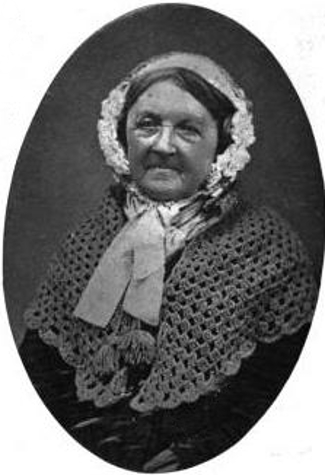
Woman of the Day Scottish teacher Mary Moffat, born in 1822 in South Africa, the first woman to cross the Kalahari (she did it twice while pregnant). Without her, we might never have heard of the bloke she married. In fact, the locals always referred to him as “Mary Moffat’s husband”.
Born in the mission outpost of Kuruman and educated in Cape Town, Mary was fluent in at least six African languages, including the local Bantu language Setswana. She was kind, selfless, practical - she would turn up to formal events in everyday clothes - and resourceful. She baked bread, sewed clothes, made essentials like soap and candles from scarce resources, and found her vocation in teaching. She later ran infant schools for up to 100 Bakwena children at mission stations in Botswana, and taught their mothers sewing and language skills.
Mary met her future husband when he was recovering from severe wounds sustained after he’d attempted to shoot a lion which had been terrorising villagers. It savaged his arm before expiring. He recovered at Kuruman, realised what a catch she was and asked her to marry him. It was by far the best decision he ever made in his life, one he openly acknowledged.
She’d married a missionary, abolitionist and explorer, but she was even more of a nomad than he. They trekked by ox-drawn wagon for twelve days to their first home, a mission station at Mabotsa, Botswana, where Mary cultivated vegetables, dealt with the daily threat of lion attacks, set up an infant school, and networked with local chiefs, impressing them with her calm diplomacy and cultural sensitivity. She gave birth to their first child, a sickly son, but it was soon time to uproot and establish a new mission at Chonuane.
It was a bad move. The river dried up, drought destroyed their crops and they were forced by malnutrition to return to Kuruman, where Mary’s half-starved appearance shocked her family. Soon afterwards, she gave birth to a baby girl.
That became the recurring theme of her life: pregnancy (they had six children) and physical hardship in unforgiving terrain.
He’d heard of a “remote and shining lake” on the other side of the Kalahari. As soon as Mary gave birth to another son, she joined his 1,500-mile expedition to Lake Ngami in 1849 while pregnant. They were plagued by tsetse flies, endured extreme temperatures, far too little water, and sickness, and lived on iron rations of stewed meat, corn and milk for three months. Mary nursed two children with malaria and suffered partial paralysis (possibly a stroke) but had no choice to press on. Her fourth baby died. Her fifth child was born in the desert.
In 1852, she sailed to Britain with the children for safety and recuperation, and after her return in 1958, gave birth to her sixth child.
Mary died in 1862, aged just 41. Is that the end of the story? Not quite.
Mary Moffat’s husband’s second Zambezi Expedition ended in failure two years later and when he tried to find the source of the Nile, managed to lose contact with the outside world for six years.
That never would have happened on Mary’s watch. Here’s the thing. He’d never have found his “remote and shining lake” or its impressive Falls without her. Her diplomacy and language skills smoothed his path. It was Mary who negotiated safe passage for his expeditions, Mary who gathered vital intell on the best routes and how to find sources of water, Mary whose widely-respected reputation secured alliances with groups like the Makololo, enabling her husband to map the Zambezi River and advance north into Zambia.
In the end, the New York Herald sent journalist Henry Morton Stanley to track down Mary Moffat’s husband.
He found him on the shores of Lake Tanganyika OTD in 1871, greeting him with the famous words: “Dr. Livingstone, I presume?"
107
552
2,100
68,317
Alina K. Field retweeted
19 Nov 2025
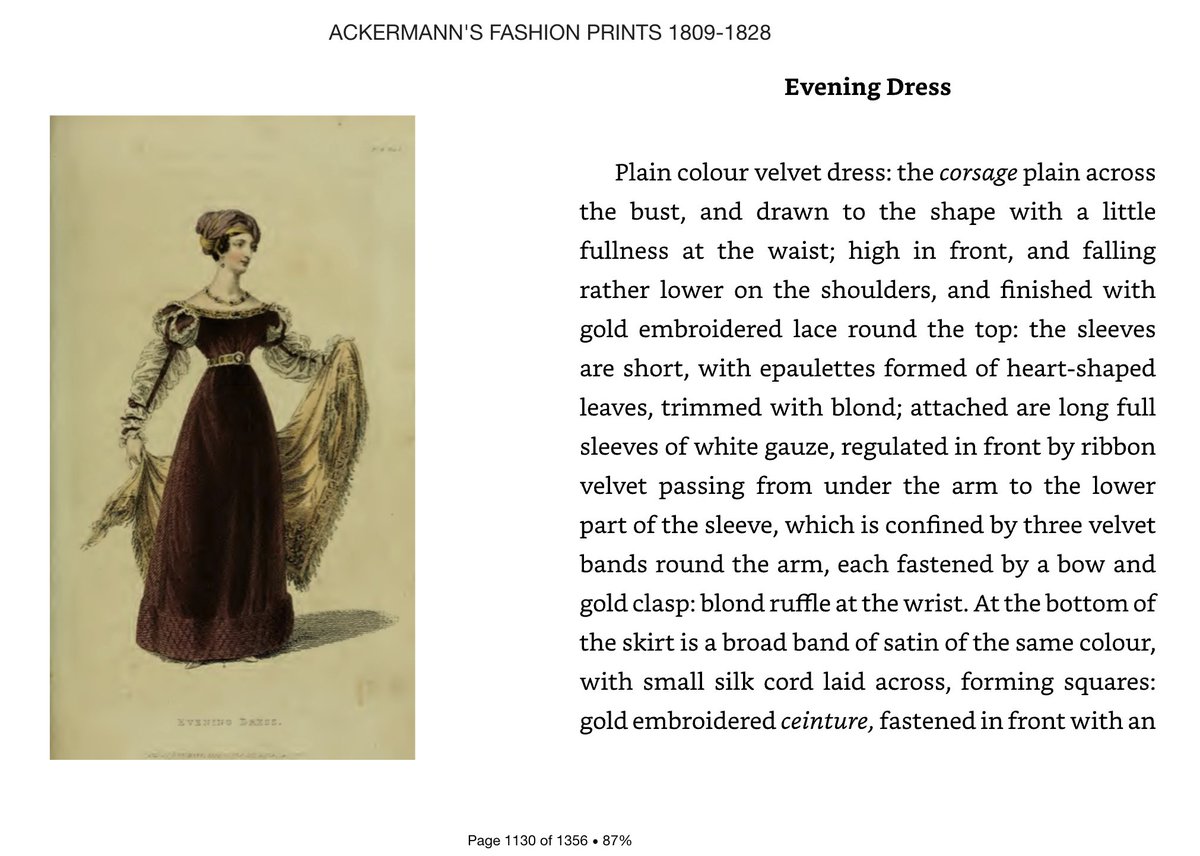
In this comprehensive ebook of #Ackermann’s Repository #fashion prints, you get all fashion prints along with their descriptions for all years from 1809-1828. The print version is in four volumes and costs more than $200. Great resource for #authors! ow.ly/iBmI30sQE9m
1
4
17
Alina K. Field retweeted
20 Nov 2025
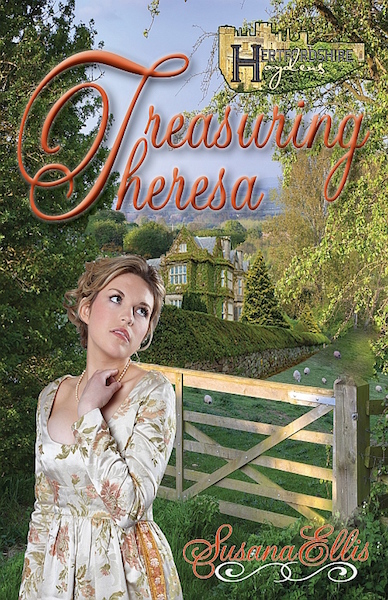
The country lady and the London swell have nothing in common. Have they? Treasuring Theresa by Susana Ellis #ReadaRegency #EPICfinalist @BellesinBlue ow.ly/uAkC30sQE9n
1
1
9