
👩💻📚🐴🌻🇪🇺/ Rebel Scum Since 1977
Joined June 2008
- Tweets 68,219
- Following 967
- Followers 986
- Likes 316,519
1,993 Photos and videos












Pinned Tweet

Apr 22
Add: dumping the mess on the real experts, underpaying them, and
then wondering why the experts refuse your fees, change profession, hate AI.


1
456


RT @stealthygeek: He's putting up even more tarps to cover JFK's entire name. Remember, this is after he paved over Jackie Kennedy's Rose G…
789

Alliandre👩💻📚🐴🌻🇪🇺 retweeted

Jun 14
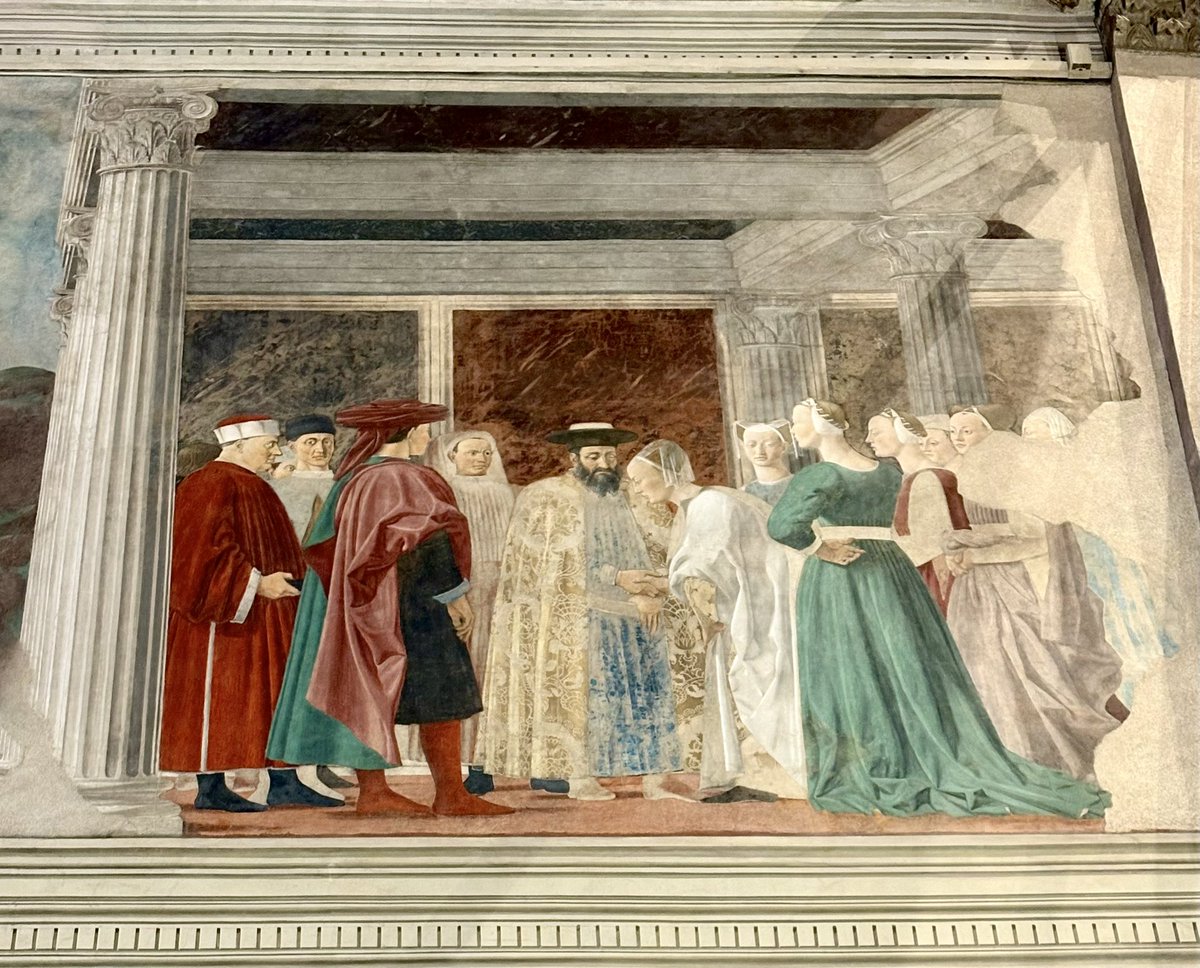
Si sta come
le fan di Piero
nelle chiese
con la cervicale che duole
4
6
99
1,500
Alliandre👩💻📚🐴🌻🇪🇺 retweeted

Time line cleanser, for morale improving purposes, from my garden:
12
80
860
21,028

Alliandre👩💻📚🐴🌻🇪🇺 retweeted

A huge factor in the collapse of our collective mental health is the decline in reading for pleasure. Reading lessens loneliness, builds community, sharpens the intellect. It brings joy. You will be shocked at how much better you feel if you begin to read regularly.
23
383
2,292
42,253

Non è "la sinistra" , Giorgia.
Questo è un pensiero MOLTO GRAVE.
Essere antifascista è tra i fondamenti della nostra Repubblica.
Hai giurato sulla Costituzione.
Antifascista.
Non "di sinistra".
Quanto sono felice di non averti mai votato manco per sbaglio, non immagini.
3
3
9
286
Alliandre👩💻📚🐴🌻🇪🇺 retweeted

Jun 14
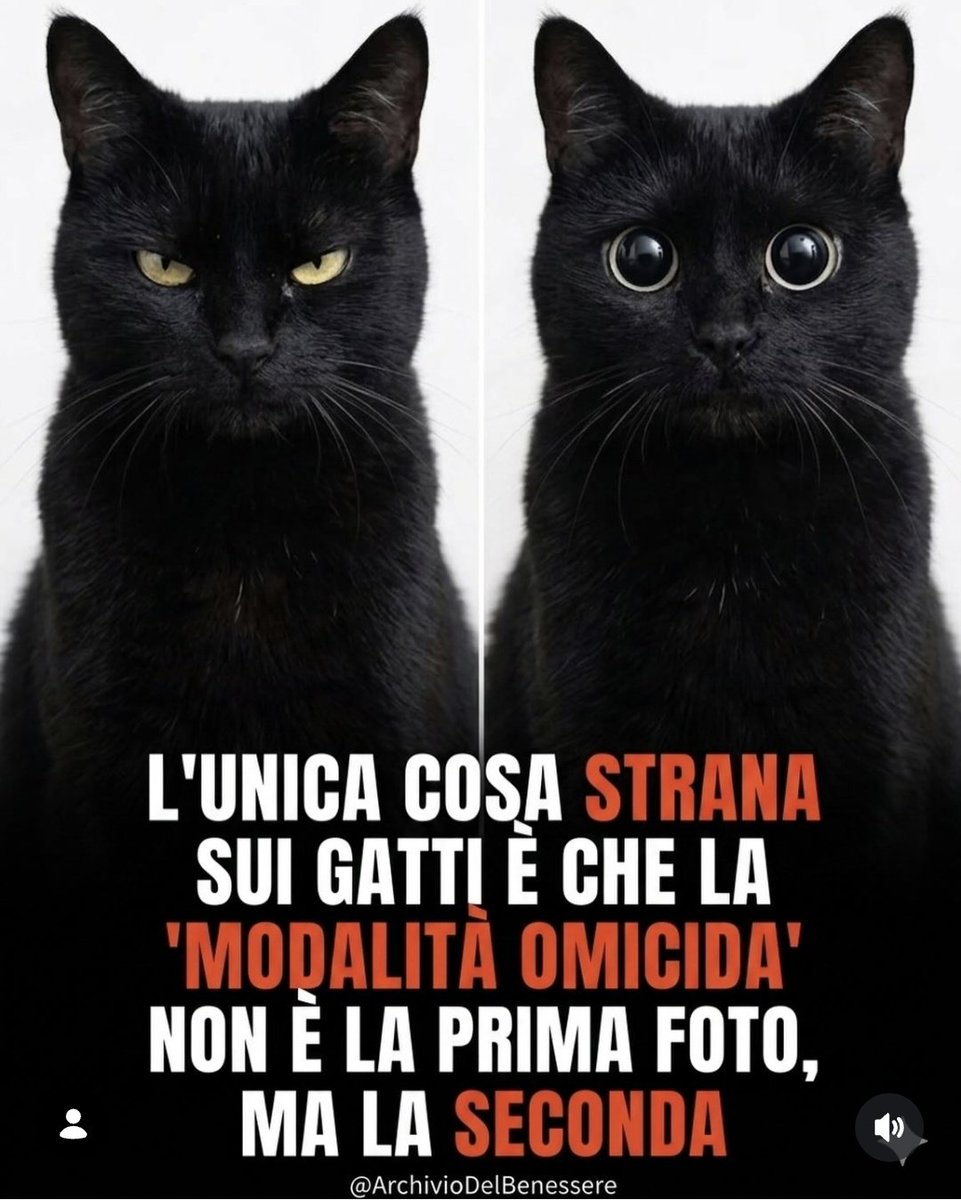
I love being a cat owner. They're such easy pets to- STOP ATTACKING THE CURTAINS! QUIT EATING THE PLASTIC BAG YOU ALMOST DIED LAST TIME- but like I was saying very low maintenance pets
42
1,288
11,444
114,013
Alliandre👩💻📚🐴🌻🇪🇺 retweeted

"La parola #femminicidio non indica il sesso della morta. Indica il motivo per cui è stata uccisa."
Michela Murgia.
Non c'è nulla da aggiungere.
132
1,474
8,714
112,147
Alliandre👩💻📚🐴🌻🇪🇺 retweeted

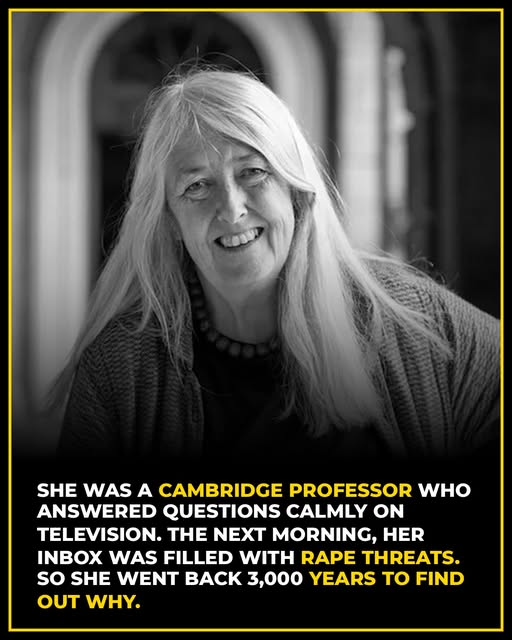
She was 57 years old.
White hair. No carefully managed image. No media training designed to make her more palatable. Just thirty years of accumulated knowledge and the calm, unhurried authority of a woman who had spent her life mastering her subject.
She sat on a BBC panel, answered questions about immigration and politics, cited evidence, made arguments — and then went home.
The next morning, her inbox looked like a crime scene.
Her name is Mary Beard — Cambridge professor, classicist, one of the most respected scholars of ancient Rome and Western civilisation alive. And the internet had decided that a woman speaking with quiet authority on television needed to be punished for it.
The messages were not criticism. They were not debate. They were rape threats. Death threats. Coordinated campaigns of personal destruction targeting her appearance, her age, her voice — anything that could be used to remind her that spaces like the one she had just occupied were not meant for her.
Most people would have gone quiet.
Mary Beard went further in.
She did what scholars do when they find a pattern that disturbs them: she followed it backward. Through decades. Through centuries. Through millennia. All the way back to some of the oldest texts in Western civilisation.
And she found it had always been there.
In Homer's Odyssey — one of the foundational works of Western literature, nearly three thousand years old — there is a scene that most readers pass over without registering its quiet violence. Penelope comes downstairs and asks the poet to sing a different song. Her own son, Telemachus, cuts her off. He orders her back to her room and tells her plainly: speech is the business of men.
She goes.
Mary Beard read that scene and recognized it immediately.
Not as ancient history. As a pattern.
In ancient Rome, women who dared to speak in public were not described as orators or thinkers. They were described as noise — disorderly sound, something that did not deserve to be called language or argument. Their voices were not speech. Their thoughts were not thoughts.
In the medieval world, women who claimed public authority were labeled as witches.
Elizabeth I — Queen of England, ruler of a nation — had to rhetorically reshape herself into something masculine just to be taken seriously as the leader of her own country.
The silencing of women who speak with authority was not invented by social media. It was not a modern pathology or a cultural accident. It was built deliberately, over centuries, into the very foundations of how Western civilisation defined who gets to speak, what authority sounds like, and who is allowed to take up space in public life.
Mary Beard had found something important.
In 2017, she published Women & Power: A Manifesto — short enough to read in an afternoon, substantial enough to reframe everything you thought you understood about why this keeps happening.
Her argument was precise and devastating.
The problem is not that women lack the ability to lead. The problem is that the model of leadership itself — the template for what public authority looks, sounds, and feels like — was built by men over centuries and has never been redesigned. When a woman enters public life and doesn't fit that template, she is not failing. The template was never built for her. It was built specifically to exclude her, and it has been doing exactly that, efficiently and continuously, for three thousand years.
The solution, Beard argued, is not to teach women to perform power the way men have always performed it. The solution is to dismantle and rebuild the very concept of what power is allowed to look like.
She kept teaching. She kept writing. She kept appearing on television — white-haired, unhurried, carrying her decades of authority without performing it, without packaging it for comfort, without apologizing for it.
The threats continued.
But other messages began arriving too. Letters from women and girls who had spent their entire lives feeling that every door was slightly too narrow, every table slightly too high, every room slightly reluctant to make space for them. Women who had spent years wondering what was wrong with them — why they couldn't quite fit, couldn't quite belong, couldn't quite be taken seriously no matter how much they knew or how hard they worked.
They read the book and understood, perhaps for the first time, that nothing had ever been wrong with them.
The room had been designed without them in mind.
That is not a personal failing.
That is a three-thousand-year-old architectural decision.
And one Cambridge professor with white hair and a calm voice — who refused to go quiet when the internet told her to — spent her career documenting it, naming it, and handing that knowledge to everyone who needed to hear it.
Telemachus told Penelope that speech was the business of men.
He was wrong then.
He is still wrong now.
And Mary Beard has three thousand years of evidence to prove it.
via The Inspireist
#FeministFriday #HERstory
137
2,679
7,807
175,204
Alliandre👩💻📚🐴🌻🇪🇺 retweeted

Jun 14
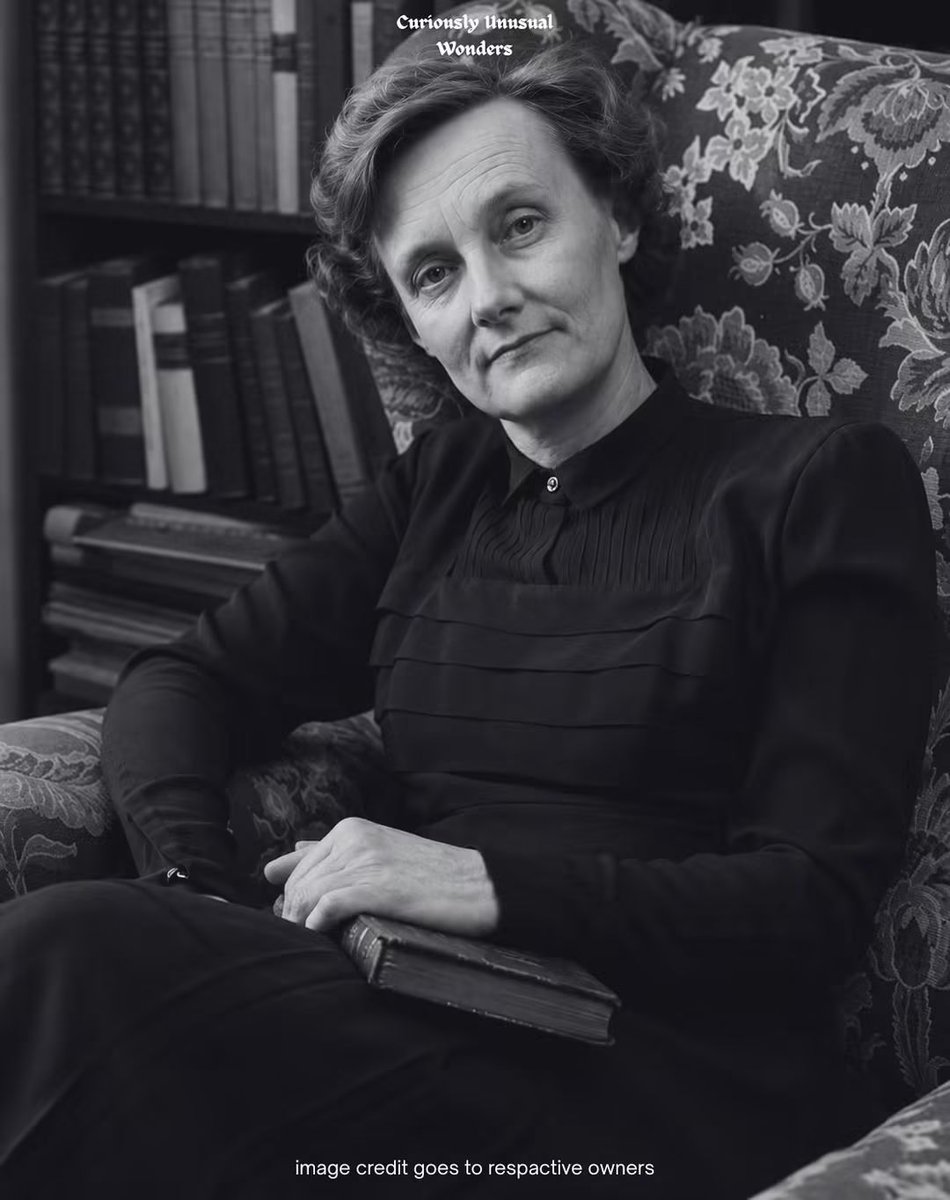
The Swedish government told her she owed 102% of her income in taxes. She was 68 years old, a children's book author, and held no political power. Yet, by writing a simple fairy tale, she helped topple a government that had ruled for 44 years.
Stockholm, 1976.
Astrid Lindgren opened her mail to find a tax assessment that defied logic. As Sweden’s most beloved author and the creator of Pippi Longstocking, her books had taught generations of children about courage, independence, and standing up to bullies. Now, she had to face a broken system of her own.
She read the document carefully, did the math, and realized the truth: due to a quirk in the law that combined regular income tax with self-employment fees, her marginal tax rate had hit 102%.
It was not a typo, nor was it a rounding error. One hundred and two percent.
If she paid what they demanded on her extra earnings, she would owe more than she actually made. She would literally go into debt for the privilege of working.
At 68 years old, she could have hired expensive accountants to quietly find loopholes and protect her wealth. She could have done what many powerful people do when systems overreach—safeguard her own position and leave everyone else to figure it out alone. Instead, she picked up her pen.
In March 1976, she published a satirical fairy tale in Expressen, a major Stockholm newspaper. It was called "Pomperipossa in Monismania" (Pomperipossa in Money-mania). It told the story of a successful author who loved her country and worked hard, only to discover a tax system designed to punish honesty and success.
The story was witty, precise, and impossible to misread. Pomperipossa was Astrid; Monismania was Sweden.
The ruling Social Democratic Party—which had governed Sweden for over forty consecutive years—was furious. Prime Minister Olof Palme went on the defensive, dismissively claiming in public that Lindgren was a wonderful storyteller but a terrible mathematician.
Astrid didn't back down. She stood by her numbers, and soon enough, the Ministry of Finance was forced to admit that her math was completely correct.
She began appearing on television and speaking out publicly, pointing out—with the calm, steady patience of someone used to explaining things to people who aren't listening—that a tax system taking more than 100% of a person's earnings wasn't progressive. It was absurd.
That September, Sweden held its national elections. For the first time in forty-four years, the Social Democratic Party lost power. While political analysts pointed to several contributing factors, like economic stagnation and inflation, everyone acknowledged that Astrid Lindgren’s tax revolt had fundamentally shifted the national conversation. She had made it safe to question a system that once seemed untouchable, giving a voice to frustrations millions of people felt but hadn't known how to articulate.
The new coalition government reformed the tax code, cutting the most extreme rates, and Astrid quietly went back to writing children's books.
But she never stopped paying attention. In the 1980s, when Sweden debated a new animal protection bill, she noticed loopholes that would still allow for cruel factory farming practices. She wrote articles, lobbied politicians, and testified before Parliament well into her eighties. In 1988, Sweden passed some of the strongest animal welfare laws in the world. It was widely nicknamed "Lex Lindgren" (Lindgren's Law) because everyone knew she was the driving force behind it.
Astrid Lindgren passed away in January 2002 at the age of ninety-four. Sweden honored her with a state funeral attended by the Royal Family and the prime minister, while thousands lined the streets of Stockholm.
But her true legacy lives on far outside of official ceremonies. Every child in Sweden still reads her books, every debate about fair taxation still references Pomperipossa, and animal welfare advocates across Europe still look to Lex Lindgren as proof of what is possible.
She never ran for office, nor did she ever build a formal political movement. She had no credentials in economics or public policy—just an extraordinary gift for storytelling. But she had spent decades writing about Pippi Longstocking, a girl who refused to follow rules that didn't make sense, stood up to bullies, and never shrank herself to make others comfortable.
Astrid Lindgren simply chose to live her life exactly like the hero she created. When authorities insisted that nonsense made sense, she refused to pretend along with them. And because she spoke up, the world listened.
28
709
2,384
71,475
Alliandre👩💻📚🐴🌻🇪🇺 retweeted

I narcisisti non capiscono né accettano bellezza oltre sé
Anzi
Lui sta per morire, tutto deve morire
Jun 13

NEW
Trump has now opened all five U.S. marine national monuments to commercial fishing, ending long-standing fishing restrictions across millions of protected ocean acres.
Conservationists warn the move puts habitat for whales, sea turtles, sharks, and coral reefs at risk. 🚩


1
2
32
Alliandre👩💻📚🐴🌻🇪🇺 retweeted

Jun 14
Oh, per non essere fascista se l'è presa proprio tanto.

142
364
2,481
33,341
Alliandre👩💻📚🐴🌻🇪🇺 retweeted

Jun 14
Remigrazione
C’è una parola nuova che gira, e ha un suono pulito. Remigrazione. La pronunciano in tanti senza pensarci, come si ordina un caffè. Comoda, leggera, igienica. Le parole pulite servono a questo da sempre: coprire ciò che ad alta voce farebbe vomitare.
Non è spuntata dal nulla. L’ha teorizzata un austriaco, Martin Sellner, in un libro intitolato “Remigrazione, una proposta”, tradotto in italiano l’anno scorso. Ha preso corpo in una villa vicino a Potsdam, nel novembre del 2023, dove uomini dell’estrema destra tedesca si sono chiusi a discutere come allontanare due milioni di persone. Lo ha scoperto un gruppo di giornalisti, e mezza Germania è scesa in piazza. Nel piano c’era scritto pure dove spedirle, quelle persone: uno “Stato modello” da qualche parte in Nord Africa. Un’idea già vista. Si chiamava piano Madagascar, prevedeva di deportare quattro milioni di ebrei su un’isola, ed era il 1940.
Un dettaglio di quella riunione conta più di tutto. Sellner non ha mai detto deportazione. Diceva remigrazione. Sapeva cosa stava progettando e ha scelto la parola che non spaventa. Non lo dico io. Sta agli atti.
Te la traduco, la parola pulita. Remigrazione vuol dire prendere una persona e portarla via. Vuol dire bussare a una porta all’alba e far scendere una famiglia in pigiama. Vuol dire un bambino con le scarpe slacciate che non capisce dove lo portano. Vuol dire una madre che stringe una valigia con dentro niente, perché il tempo non glielo hanno dato. Non parlano solo di chi è sbarcato ieri. Parlano dei “non assimilati”, che nella loro lingua sono ragazzi nati qui, con la carta d’identità in tasca, che parlano romanesco o napoletano e il paese dei nonni non l’hanno mai visto.
Non è la prima volta che una parola viene lavata così. Quasi novant’anni fa cominciò con le parole e con le leggi. Si diceva trasferimento, reinsediamento, trattamento speciale. Si facevano le liste. I treni vennero dopo, poco più di ottant’anni fa, e su quei treni la gente stava in piedi, al buio, per giorni. Dove finivano lo sai. Lo sai senza che te lo scriva. L’hai studiato a scuola, hai pensato mai più, hai chiuso il libro. La parola pulita è tornata lo stesso, e ti scorre davanti mentre fai colazione.
Pensa alla gente normale di allora. Il farmacista. La maestra. L’impiegato che ogni mattina comprava il pane e un giorno ha smesso di salutare il fornaio, perché il fornaio era diventato un problema. Non erano mostri. Erano gente come te. Hanno solo girato la testa. Si sono detti che non li riguardava, che protestare era pericoloso, che ci avrebbe pensato qualcun altro. Quel qualcun altro non è arrivato mai. Quando i treni passavano sotto casa, chiudevano le tende e alzavano la radio.
Oggi la tenda è lo schermo del telefono. Scrolli, leggi remigrazione, senti un fastidio, tiri dritto. Intanto c’è già chi sussurra di “altre soluzioni”, perché a qualcuno la sola deportazione comincia a stare stretta. La frase non la finiscono. Gli manca il coraggio. Fanno come Sellner: dicono la parola che non spaventa e il resto lo lasciano al tuo silenzio. Prima la parola pulita. Poi la parola detta a metà. Poi non servirà più nessuna parola, perché sarà già successo.
Uno Stato sano avrebbe gli anticorpi. Tratterebbe chi istiga allo sterminio per quello che è, perché questa non è un’opinione, è il primo gradino di una scala che conosciamo a memoria. Invece la parola va di moda. Qualcuno la spaccia per libertà.
Resti tu. Non la maestra, non il farmacista, non quel qualcun altro che non arriva mai. Tu, che hai sentito quel fastidio mentre leggevi e adesso vorresti chiudere la pagina e lasciarti il fastidio alle spalle. Non chiuderla. Quel fastidio è l’unica cosa pulita rimasta in questa storia, ed è esattamente ciò che la gente di novant’anni fa ha deciso di non sentire. La differenza tra te e loro non è il cuore. È solo il momento. Loro si accorsero quando i treni erano già partiti. Tu te ne stai accorgendo adesso, prima. La prossima volta che leggi remigrazione non tirare dritto. Chiamala col suo nome, ad alta voce, dove gli altri ti sentono. Costa fatica e ti farà sentire fuori posto. Era esattamente la fatica che allora non fece nessuno.
60
177
423
16,190
Alliandre👩💻📚🐴🌻🇪🇺 retweeted

Greetings from the garden


4
24
276
3,239
Alliandre👩💻📚🐴🌻🇪🇺 retweeted

Long Covid Cases Hidden By Widespread Preference For Literally Any Other Diagnosis

ALT Someone struggling with fatigue Headline: Long Covid Cases Hidden By Widespread Preference For Literally Any Other Diagnosis STory by Marcel Morceaux and Hubert Bangford Photo from Unsplash
9
347
1,074
10,032