Corporate life surviver| Proud parent| Desi sarcasm| Investor| Movie Buff| Life lessons| Fitness| Badminton is ❤️
Joined April 2026
- Tweets 597
- Following 86
- Followers 105
- Likes 211
155 Photos and videos







Pinned Tweet

Apr 26
We built a tool that helps you apply to jobs faster and better.
Job applications today are exhausting:
– Writing new cover letters every time
– Figuring out what recruiters want
– Preparing for interviews from scratch
So I made this simpler.
3
10
2,956
Jun 15
Nifty up by almost 1.5% but the stocks are not moving even 1% today. The great balancing is working out. Looks like we are going into 2026 bull phase soon.
Which stock have you accumulated in the recent dip?
468
Jun 15
So now that everyone knows that AI and engineers will co-exist and AI is not going to take away their jobs, what is the next new hype we are going to make?
55
Jun 14
In diarrhoea, avoid cigarette.
In constipation, avoid cigarette.
In high BP, avoid cigarette.
In low BP, avoid cigarette.
In diabetes, avoid cigarette.
In low sugar, avoid cigarette.
In low B12/ D3, avoid cigarette.
In low iron, avoid cigarette.
Why do people smoke cigarette?
56
Jun 14
Pass by any barber shop or tea stall run by a guy from Bihar, Jharkhand, or UP, and 90% chances are you'll hear 90s Bollywood songs playing on repeat.
I happened to talk to my son's barber and asked him why they never seem to play newer Bollywood songs. The reason was simple. He said those songs are rooted in their memories. They take them back to their childhood, to their village, to a time when life was simpler and free from the stresses of adulthood.
There's actually some psychology behind it. Music is one of the strongest triggers of nostalgia. The songs we grow up with become tied to specific people, places, emotions, and phases of life. Years later, hearing the same tune can instantly transport us back to those moments. For many who left their hometowns to earn a living in unfamiliar cities, those old songs are more than entertainment. They are a connection to home, family, and a version of themselves that existed before responsibilities took over.
Maybe that's why those playlists never change. They are not listening to songs. They are revisiting memories.
What's one song from your childhood that you still enjoy and could listen on repeat?
92
Jun 14
Google and Kaggle are launching a free 5-day AI Agents Intensive course. Perfect for anyone who wants to learn how to build AI agents and apps using the latest GenAI tools.
Register before it gets closed. Link is in the comment.
#agenticAI
1
121
Jun 13
Many people break their sweetheart's heart simply because they move to another city and convince themselves that a long-distance relationship won't work. Love for this generation often feels superficial.
And then there is the story of a boy who loved his Jiya so deeply that even the partition of India and Pakistan could not erase that love from his heart. It was engraved so profoundly within him that even after 78 years, not even death could provide a solution.
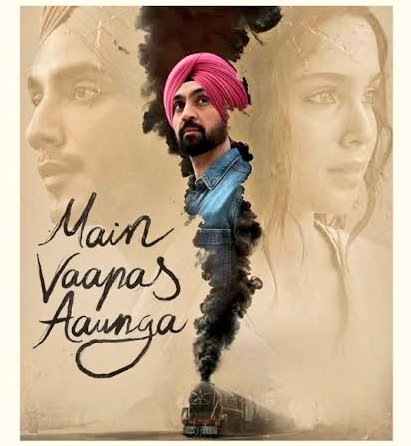
Yes, I am talking about the beautiful movie Main Vaapas Aaunga by #ImtiazAli sir.
The film is soulful, emotional, and deeply moving. It made my eyes well up with tears at least four or five times. #Naseeruddin shah sahab delivers a brilliant performance, and our beloved @diljitdosanjh paaji is equally outstanding. The seamless transition between the past and present timelines is beautifully executed and keeps you emotionally invested throughout.
#Sharvari and #vedangraina portray a love so pure that it leaves you mesmerized. Their performances make you feel every emotion, every longing, and every heartbreak. At several moments, I could genuinely feel the pain and trauma experienced during the partition.
If you enjoy emotional romances with a powerful storyline and great music by @arrahman, this is undoubtedly one of the best films of the year. A beautiful tale of love, loss, hope, and waiting that stays with you long after the credits roll.
#mainVaapasaaunga #moviereview
2
9
206,253
Jun 12
Sometimes I really don't get the meaning of life and its uncertainties. What are we here for?
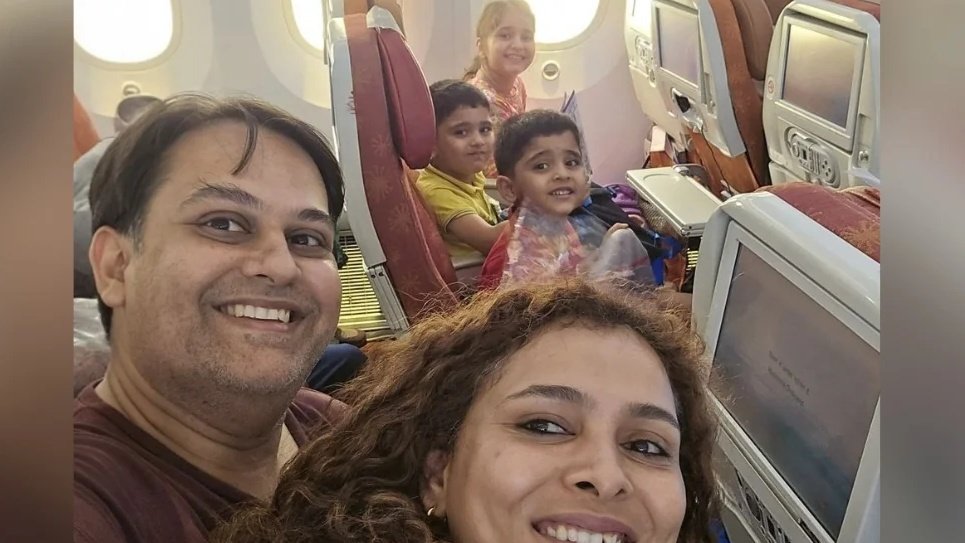
Its been one year and this pic still haunts me.
1
165
Jun 12
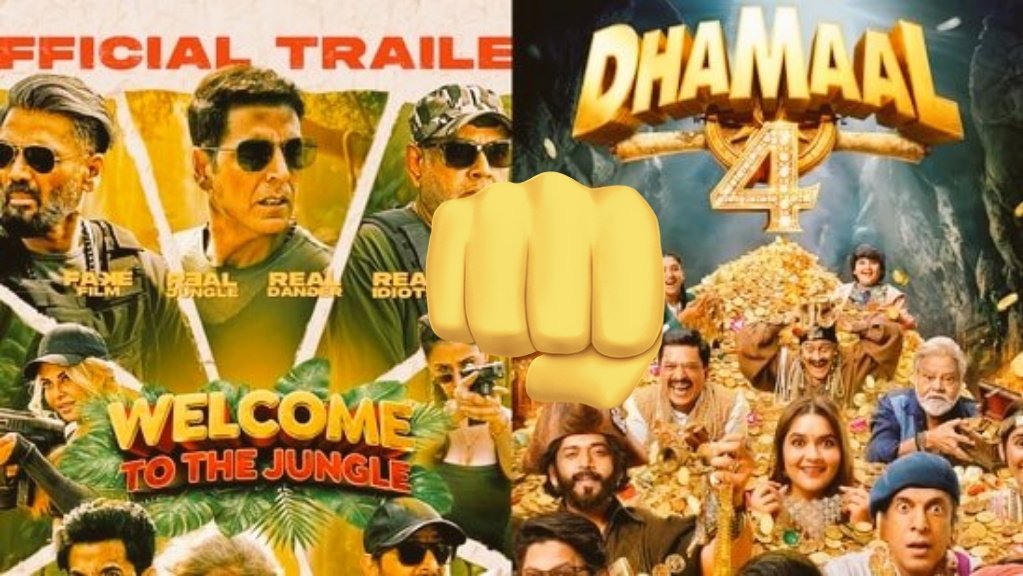
Just watched Welcome to the Jungle and Dhamaal 4 trailer.
Welcome to the jungle couldn't even bring laugh out of my 10 year old kid. With so many actors it was just chaos and nothing else. At the end of the trailer, there was krishna's punch which landed well. Other than that, I can clearly say they are running paid promotion on social media, including X.
Dhamaal 4, on the other hand, has tried to bring back some of the classic punches from the first installment, and trust me, it was a delight to hear them again. Adi and Manav's comic timing was spot on. The Phool Aur Kaante dialogue at the end literally left our family bursting into laughter.
Being a movie buff, I'll watch both movies anyway, as it's my second favorite weekend pastime.
But I know I will be in for a torture.🤣🤣
#dhamaal4 #welcometothejungletitletrack
#dhamaal4vswelcometothejungle
1
427
Jun 12
Only person to get benefitted from the SpaceX IPO is Elon Musk.
The listing is expected to be around 29% premium.
We get more than 100% premium in Indian companies about which no one has even heard of before their IPO.
Surprisingly many Indians made workaround to apply for it.
412
Jun 12
I skip my leg day in the gym every week.
Jun 11

82
Jun 12
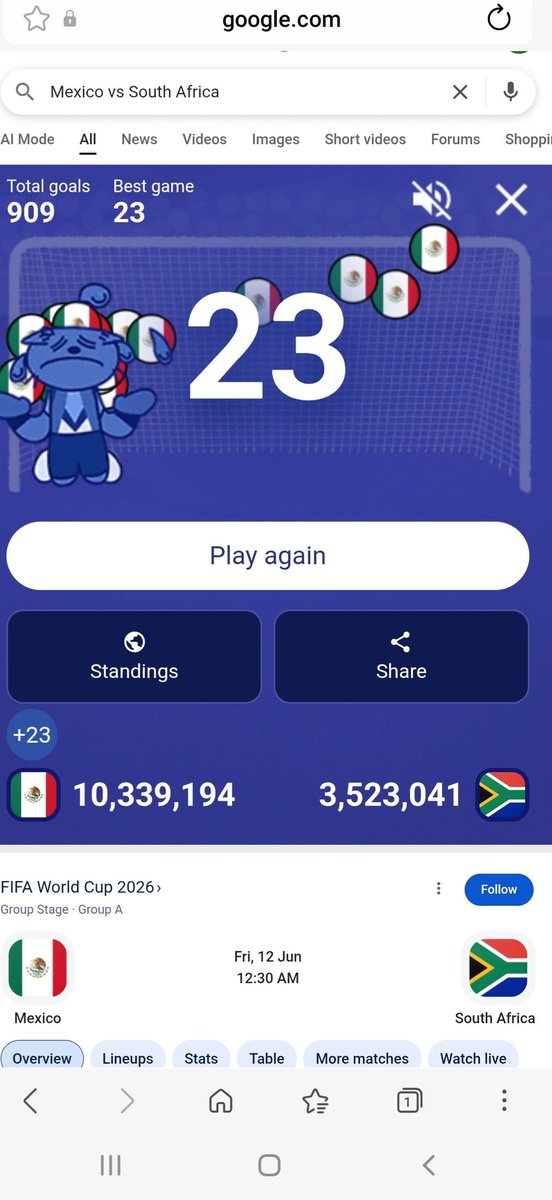
Mexico won their opening fifa match. These guys were so happy that they thought of recording their emotions instead of capturing the goal scored by their team. 😅
Well done. We definitely will have many angles of that goal captured, but your emotions would have been missed.
77
Jun 11
My nephew recently graduated from a university in Hyderabad.
He comes from an upper-middle-class business family in a small town. Their family business generates crore in revenue every year, and over decades they have built assets and wealth that most people would consider successful.
But there is a twist.
His parents never wanted their children to continue the family business. Like many Indian parents, they believed education was the path to a better life. The dream was simple. Get a degree, move to a big city, get a corporate job, and settle down.
Now, after graduation, he is struggling to find an internship that pays ₹10,000 a month or a job that pays ₹20,000.
There are four siblings in the family. Assuming the family wealth gets divided equally one day, each child may inherit around ₹1 crore. In cities like Hyderabad, Pune, Bengaluru, or Mumbai, that amount is barely enough to buy a decent flat.
What strikes me is this.
The very business that created the family's wealth may disappear within one generation. Not because it failed, but because the next generation was encouraged to move away from it.
And this is not just one story.
I have seen similar situations among friends, colleagues, and acquaintances. In many parts of India, even today, joining the family business after completing your education is often seen as a sign that you could not get a good placement or a respectable corporate job.
Somehow, we celebrate a fresher salary of ₹25,000 per month but look down on a young graduate who chooses to scale a business that already employs people and generates meaningful income.
Of course, not every family business should be continued, and not every child should be forced into one.
But maybe we have gone too far in the other direction.
Perhaps success is not always about leaving your hometown, moving to a metro, and working in an office tower.
Sometimes success is taking what your parents built through decades of effort and making it bigger.
India talks a lot about entrepreneurship. Yet in many families, the easiest entrepreneur to become is the one we discourage the most. The next generation already sitting inside a functioning business.
Just something I have been thinking about lately.
Are we unintentionally destroying generational wealth in the pursuit of white-collar success?
1
1
330
Jun 11
Linkedin has the most selfish users in this social media world. People will come to you for recommendations, references, but when its your turn to ask them for just a reference, they will not even read your message. Its not a professional networking platform anymore.
138
Jun 11
Planning to invest around 3 lacs in ITC for slow growth and steady dividend.
Is it a right time to go in or shall I wait for 260 levels?
#nifty
231
Jun 11
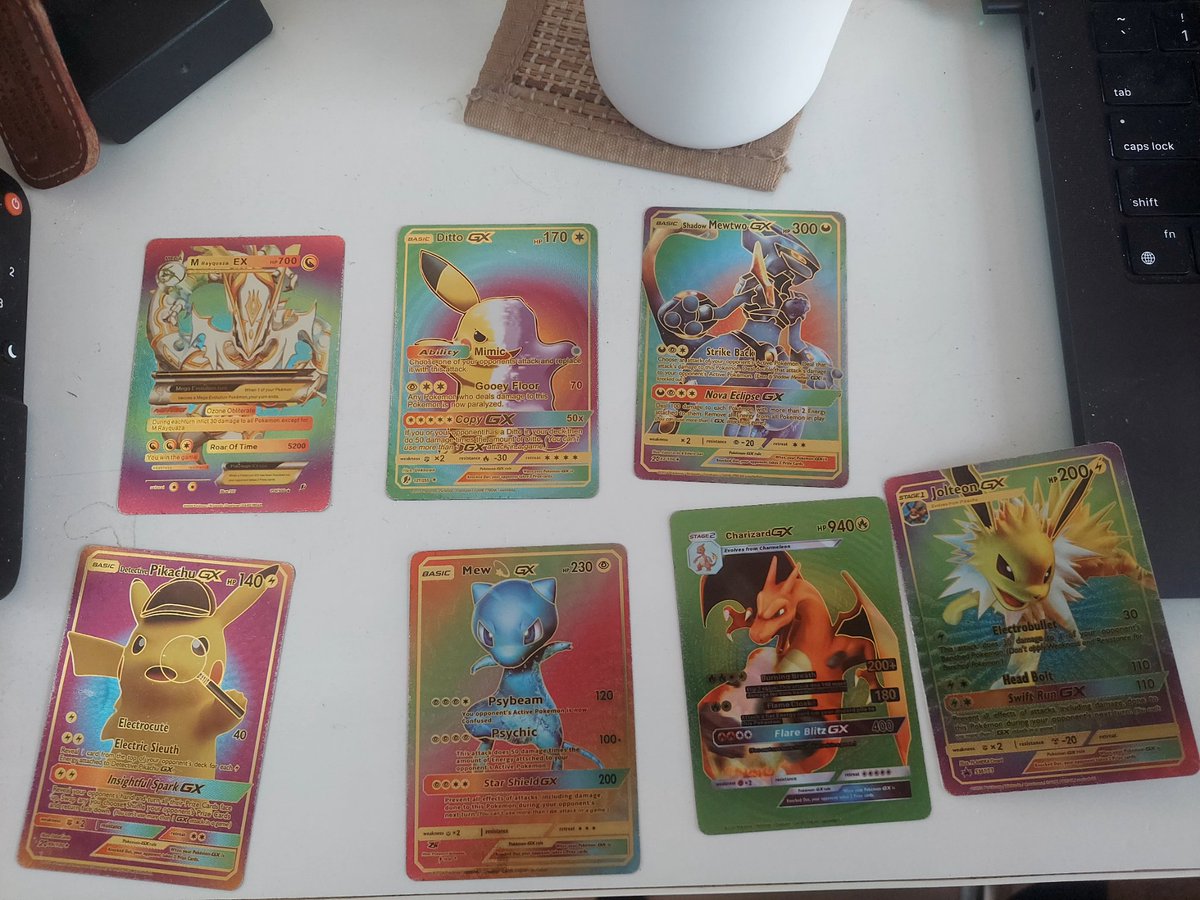
My innocent son thinks he has hit the jackpot with these pokemon cards.
Who is gonna tell him the truth?
82
Jun 10
In India, people will just make any reason and excuses to get freebies, free marks, free anything. Government has made it so easy to get freebies that no one even cares to do a little hard work.
Jun 10

Dear CBSE, I am Sarthak Raj . I got 27 in Maths and I need only a 6 marks to pass. Due to personal issues and exam pressure, my performance was affected. Please give grace marks and save my academic year. College counselling has started.
@TheAnuragTyagi @cbseindia29
@narendramodi
100
Jun 10
To all the men out there, just be cautious what you are speaking in public place, specially if you are on camera.
One lame joke of 370 Rs. Consent could cost you and your family financial burden, humiliation and shame.
Next time if you want to crack some joke, book a farmhouse.
1
4
1,635
Jun 9
Is it just me or anyone else felt blennophobia just by watching this?

336