
Climate Change Activist, LEED AP BD C, ENV SP, Sustainability Professional, @USGBC Faculty. Author. Tweets are my own. خبير مباني خضراء، سفير دولي للاستدامة
Joined October 2011
- Tweets 11,870
- Following 1,904
- Followers 18,720
- Likes 2,903
2,847 Photos and videos


Pinned Tweet

2 Nov 2019
يسعدني من هذه المنصة اعلان استعدادي لتقديم محاضرات تعريفية وندوات خاصة في مجال #الأبنية_الخضراء والاستدامة في اَي صرح تعليمي وجامعة من باب الخدمة المجتمعية ورفع مستوى الوعي بأهمية هذا المجال في تخصصات العمارة وتلك المتعلقة بالبناء والتشييد. فمن يرغب تنسيق محاضرة يتواصل معي

25
142
192
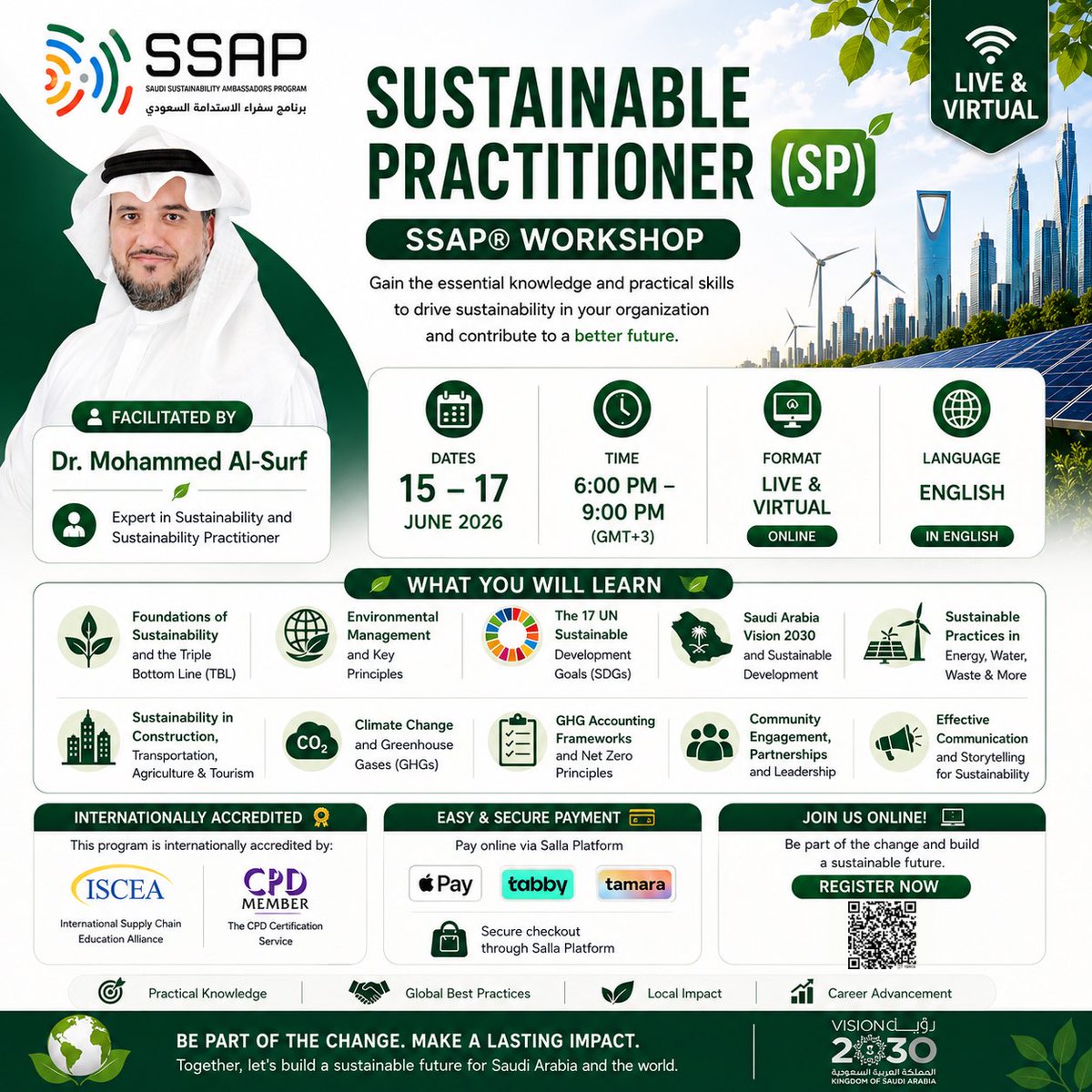
🌱 Excited to invite you to the SSAP® Sustainable Practitioner (SP) Workshop, a live and interactive program designed to equip professionals with the essential knowledge and practical skills needed to drive sustainability in their organizations and communities.
📅 15–17 June 2026
🕕 6:00 PM – 9:00 PM (GMT 3)
💻 Live & Virtual
🗣️ Delivered in English
🔗 Secure your seat today
salla.sa/sustainabilityacade…
Throughout this workshop, participants will gain practical insights into:
✅ Foundations of Sustainability & the Triple Bottom Line (TBL)
✅ Environmental Management Principles
✅ The 17 UN Sustainable Development Goals (SDGs)
✅ Saudi Vision 2030 & Sustainable Development
✅ Sustainable Practices across key sectors
✅ Climate Change & Greenhouse Gas (GHG) Emissions
✅ GHG Accounting Frameworks & Net Zero Principles
✅ Community Engagement, Partnerships & Leadership
✅ Effective Sustainability Communication & Storytelling
🎓 Internationally Accredited Program
✔ ISCEA – International Supply Chain Education Alliance
✔ The CPD Certification Service
Whether you are a sustainability professional, ESG practitioner, engineer, manager, consultant, student, or aspiring sustainability leader, this workshop will provide a strong foundation for advancing your sustainability journey.
Together, we can build the knowledge, leadership, and practical capabilities needed to create a more sustainable future.
🌍 Be part of the change. Make a lasting impact.
#Sustainability #SSAP #SustainablePractitioner #ESG #ClimateAction #NetZero #SDGs #SaudiVision2030 #Leadership #ProfessionalDevelopment #SustainabilityProfessionals #EnvironmentalManagement #SustainabilityTraining #SaudiArabia #GreenFuture #CapacityBuilding #SustainabilityLeadership #SPSA #SustainableDevelopment #OnlineLearning
236
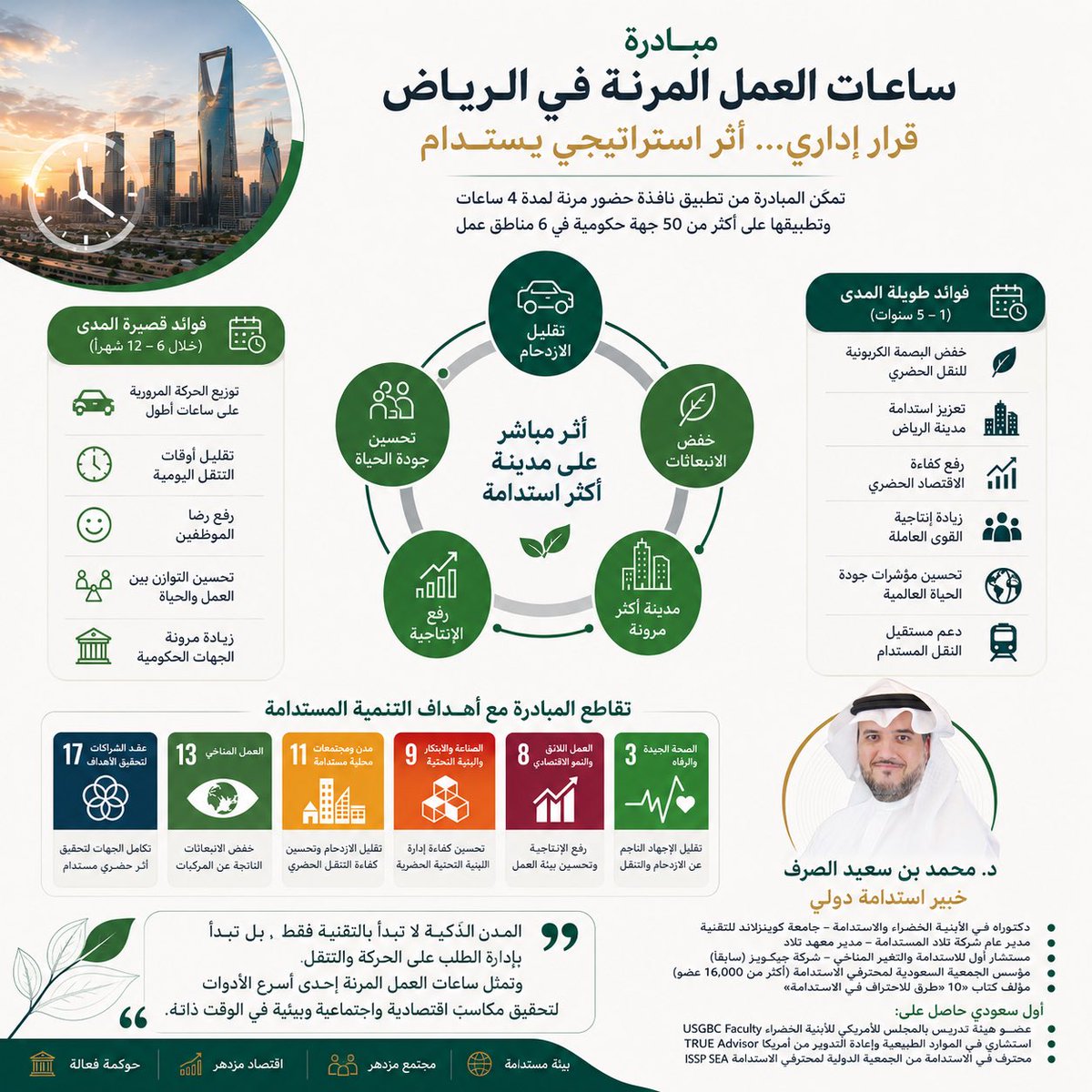
Flexible Working Hours in Riyadh: A Small Administrative Change with a Big Sustainability Impact
The recently announced Flexible Working Hours Initiative in Riyadh is more than a workplace policy—it is a strategic urban sustainability intervention.
By allowing flexible attendance windows across government entities, the initiative can help reduce peak-hour congestion, improve mobility efficiency, enhance employee wellbeing, and contribute to a more resilient and livable city.
From a sustainability perspective, the initiative directly supports several United Nations Sustainable Development Goals (SDGs), including:
✅ SDG 3 – Good Health & Well-Being
✅ SDG 8 – Decent Work & Economic Growth
✅ SDG 9 – Industry, Innovation & Infrastructure
✅ SDG 11 – Sustainable Cities & Communities
✅ SDG 13 – Climate Action
✅ SDG 17 – Partnerships for the Goals
What makes this initiative particularly valuable is that it delivers economic, social, and environmental benefits simultaneously—without requiring major infrastructure investments.
Smart cities do not begin with technology alone. They begin with smarter management of people, mobility, resources, and demand.
I look forward to seeing how this initiative contributes to enhancing quality of life, reducing emissions, and supporting Saudi Arabia’s Vision 2030 ambitions for a more sustainable future.
#Sustainability #SaudiArabia #Riyadh #Vision2030 #SmartCities #UrbanSustainability #ESG #ClimateAction #SDGs #GreenBuilding #FutureOfWork #QualityOfLife
1
1
2
301
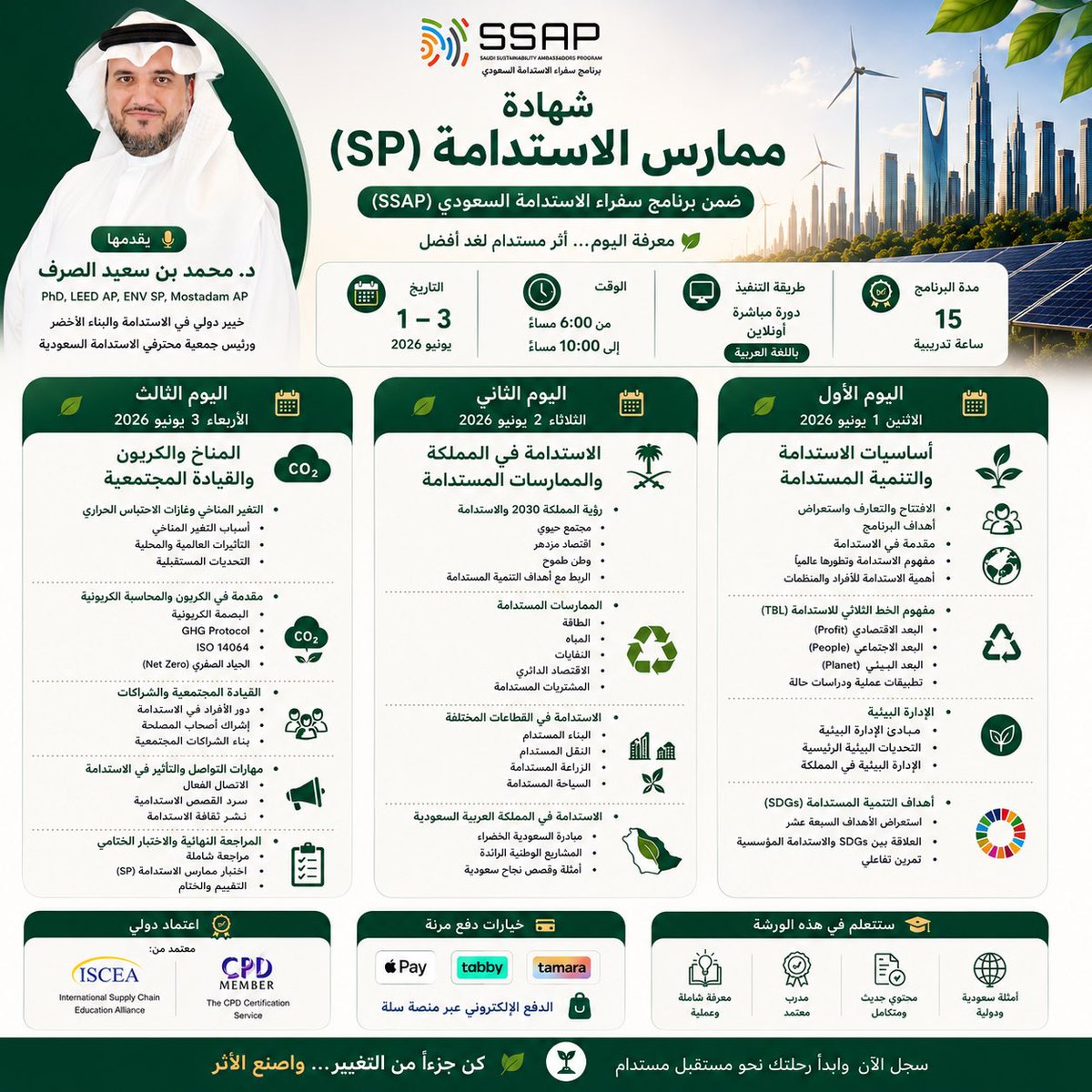
🌱 هل ترغب في بدء رحلتك المهنية في الاستدامة؟
يسرني دعوتكم للانضمام إلى دورة شهادة ممارس الاستدامة (SP) ضمن برنامج سفراء الاستدامة السعودي (SSAP)، أحد البرامج المهنية التي تهدف إلى بناء الكفاءات الوطنية وتمكين الأفراد من تطبيق مبادئ الاستدامة في مختلف القطاعات.
📅 التاريخ: 1 – 3 يونيو 2026
⏰ الوقت: 6:00 مساءً – 10:00 مساءً
💻 مباشرة أونلاين
🗣️ باللغة العربية
🎓 البرنامج معتمد دولياً من:
✔️ ISCEA – International Supply Chain Education Alliance
✔️ The CPD Certification Service
📚 ستتعرف على:
✅ مبادئ ومفاهيم الاستدامة
✅ أهداف التنمية المستدامة (SDGs)
✅ الاستدامة ورؤية المملكة 2030
✅ ESG والاستدامة المؤسسية
✅ قياس الأداء والاستدامة العملية
✅ تطبيقات ودراسات حالة واقعية
💳 التسجيل والدفع إلكترونياً عبر منصة سلة
مع خيارات Apple Pay وTabby وTamara.
salla.sa/sustainabilityacade…
🌍 كن جزءاً من التغيير، وساهم في تحقيق مستهدفات رؤية المملكة 2030 وأهداف التنمية المستدامة.
#الاستدامة
#ممارس_الاستدامة
#SSAP
#رؤية_2030
#التنمية_المستدامة
#ESG
#SaudiVision2030
#Sustainability
2
1
20
2,145
🌱 هل ترغب في بدء رحلتك المهنية في الاستدامة؟
يسرني دعوتكم للانضمام إلى دورة شهادة ممارس الاستدامة (SP) ضمن برنامج سفراء الاستدامة السعودي (SSAP)، أحد البرامج المهنية التي تهدف إلى بناء الكفاءات الوطنية وتمكين الأفراد من تطبيق مبادئ الاستدامة في مختلف القطاعات.
📅 التاريخ: 1 – 3 يونيو 2026
⏰ الوقت: 6:00 مساءً – 10:00 مساءً
💻 مباشرة أونلاين
🗣️ باللغة العربية
🎓 البرنامج معتمد دولياً من:
✔️ ISCEA – International Supply Chain Education Alliance
✔️ The CPD Certification Service
📚 ستتعرف على:
✅ مبادئ ومفاهيم الاستدامة
✅ أهداف التنمية المستدامة (SDGs)
✅ الاستدامة ورؤية المملكة 2030
✅ ESG والاستدامة المؤسسية
✅ قياس الأداء والاستدامة العملية
✅ تطبيقات ودراسات حالة واقعية
💳 التسجيل والدفع إلكترونياً عبر منصة سلة
مع خيارات Apple Pay وTabby وTamara.
salla.sa/sustainabilityacade…
🌍 كن جزءاً من التغيير، وساهم في تحقيق مستهدفات رؤية المملكة 2030 وأهداف التنمية المستدامة.
#الاستدامة
#SSAP
#ممارس_الاستدامة
#رؤية_2030
#التنمية_المستدامة
#ESG
#SaudiVision2030
#Sustainability
#SDGs
#SaudiArabia
2
2
14
2,578
يسرني أن أرفع لكم أصدق التهاني والتبريكات بمناسبة عيد الأضحى المبارك، سائلاً الله أن يتقبل منا ومنكم صالح الأعمال والطاعات، وأن يعيده علينا وعليكم بالخير واليمن والبركات.
كل عام وأنتم بخير، وعساكم من عواده، وتقبل الله طاعاتكم وأدام عليكم الصحة والسعادة وراحة البال. 🤍
عيدكم مبارك
#عيد_الأضحى_المبارك #كل_عام_وأنتم_بخير
1
3
293
اللهم في يوم عرفة، نسألك رحمةً تطمئن بها قلوبنا، ومغفرةً تمحو بها ذنوبنا، وفرجاً يزيل همومنا، وتوفيقاً يفتح لنا أبواب الخير كلها.
اللهم ارزقنا راحة البال، وسعة الرزق، وصلاح الحال، وحقق لنا ما نتمنى، واكتب لنا من الخير أكثر مما دعونا، واصرف عنا كل سوءٍ لا نعلمه.
اللهم اجعل هذا اليوم بدايةً لكل خير، ونهايةً لكل تعب، واستجب لنا دعواتنا، واغفر لنا ولوالدينا ولمن نحب، واكتب لنا القبول والرضا والعتق من النار 🤍
#يوم_عرفة
#عرفة
#دعاء_يوم_عرفة
#الحج
#عيد_الأضحى
1
205
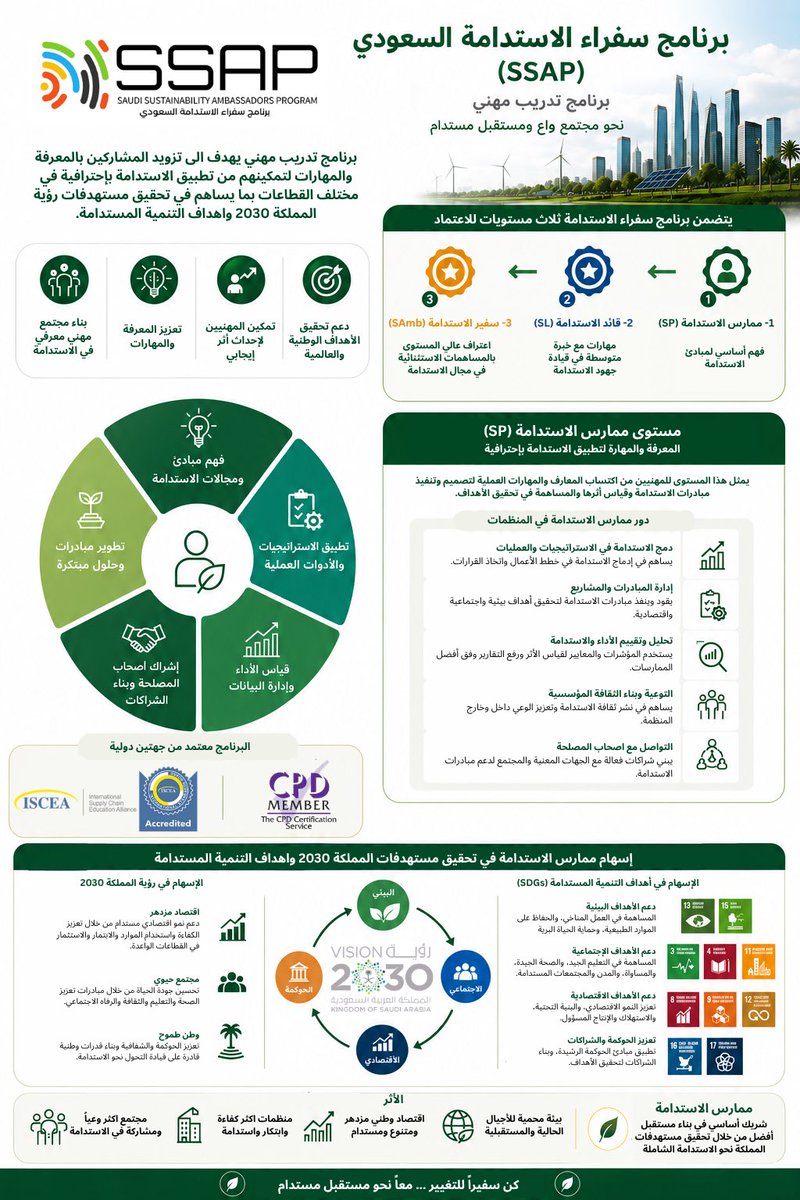
برنامج سفراء الاستدامة السعودي (SSAP) ليس مجرد برنامج تدريبي، بل منصة لبناء الكفاءات الوطنية وتمكين الأفراد من قيادة التحول نحو مستقبل أكثر استدامة. 🌱
من خلال مستويات البرنامج المهنية:
🔹 ممارس الاستدامة (SP)
🔹 قائد الاستدامة (SL)
🔹 سفير الاستدامة (SAmb)
يساهم البرنامج في دعم مستهدفات رؤية المملكة 2030 وأهداف التنمية المستدامة عبر نشر المعرفة، وتعزيز الممارسات المستدامة، وبناء مجتمع مهني قادر على صناعة أثر حقيقي ومستدام.
كما أن البرنامج معتمد دولياً من:
✔️ ISCEA
✔️ The CPD Certification Service
معاً نحو مجتمع أكثر وعياً واستدامة. 🇸🇦🌍
#الاستدامة
#SSAP
#رؤية_2030
#التنمية_المستدامة
#Sustainability
#SaudiArabia
#ESG
#Vision2030
3
14
112
9,374
Dr. Mohammed Al Surf د. محمد الصرف retweeted

May 25
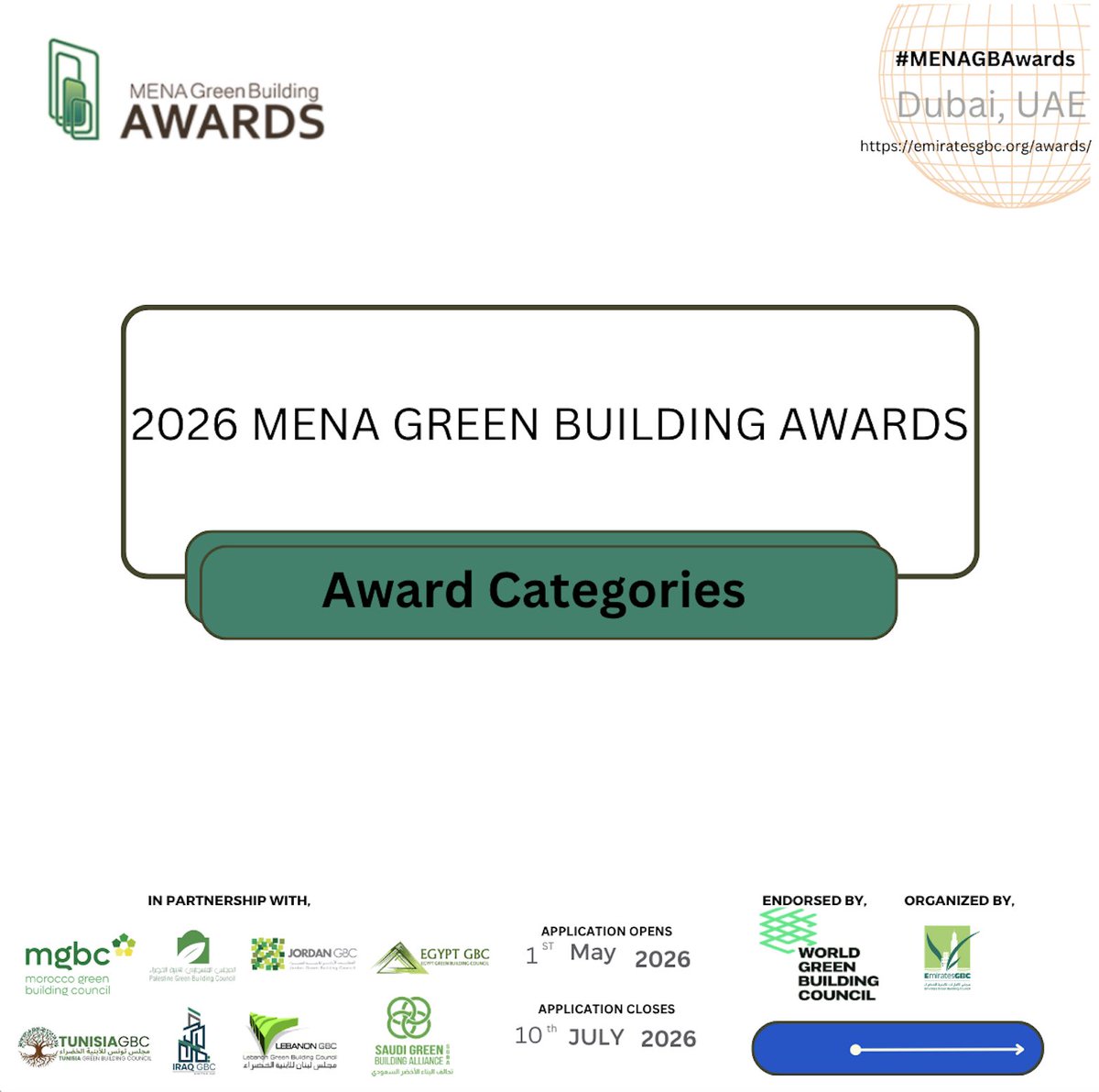
نفخر في تحالف البناء الأخضر السعودي بالشراكة الرسمية في جوائز المباني الخضراء لمنطقة الشرق الأوسط وشمال أفريقيا #MENAGBAwards 2026، إحدى أبرز المنصات الإقليمية لتكريم التميز والابتكار في الاستدامة والبيئة العمرانية
ندعو جميع الجهات والمشاريع المتميزة للمشاركة وإبراز إنجازاتها
1
1
200
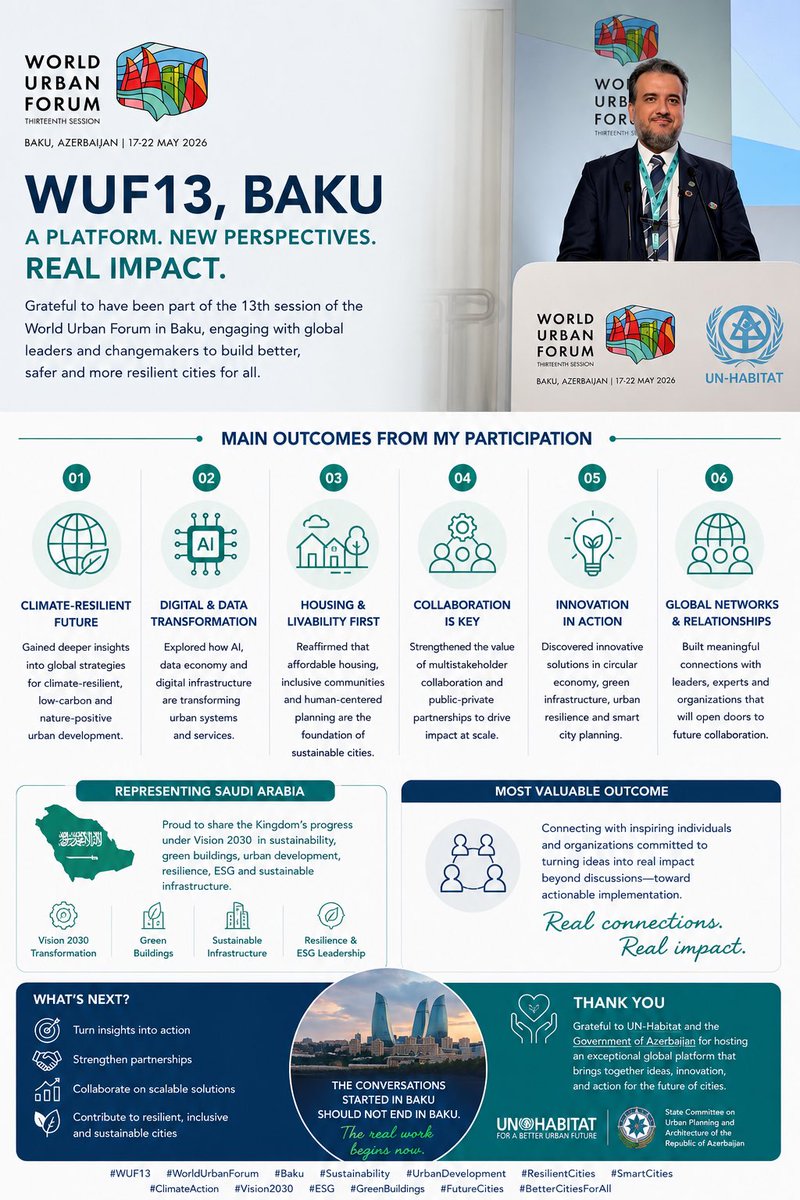
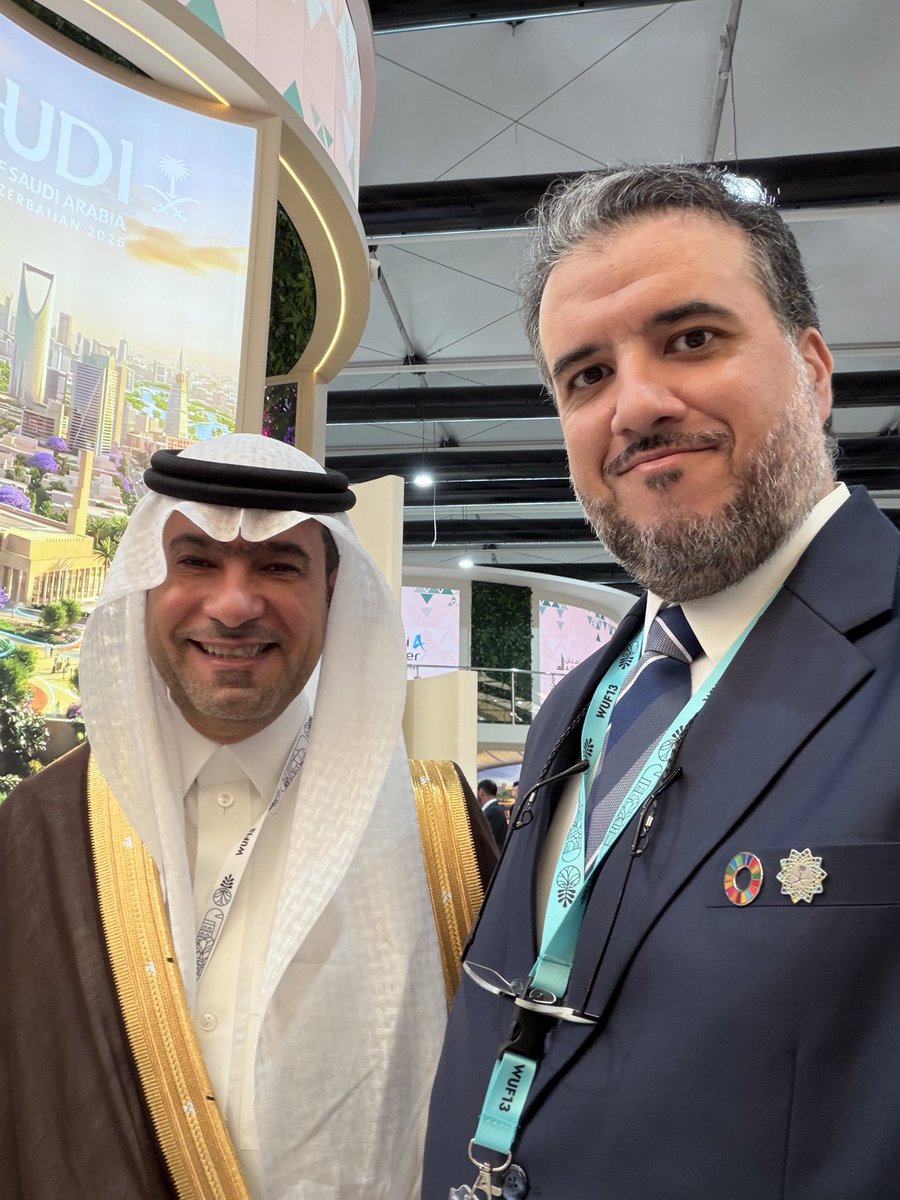
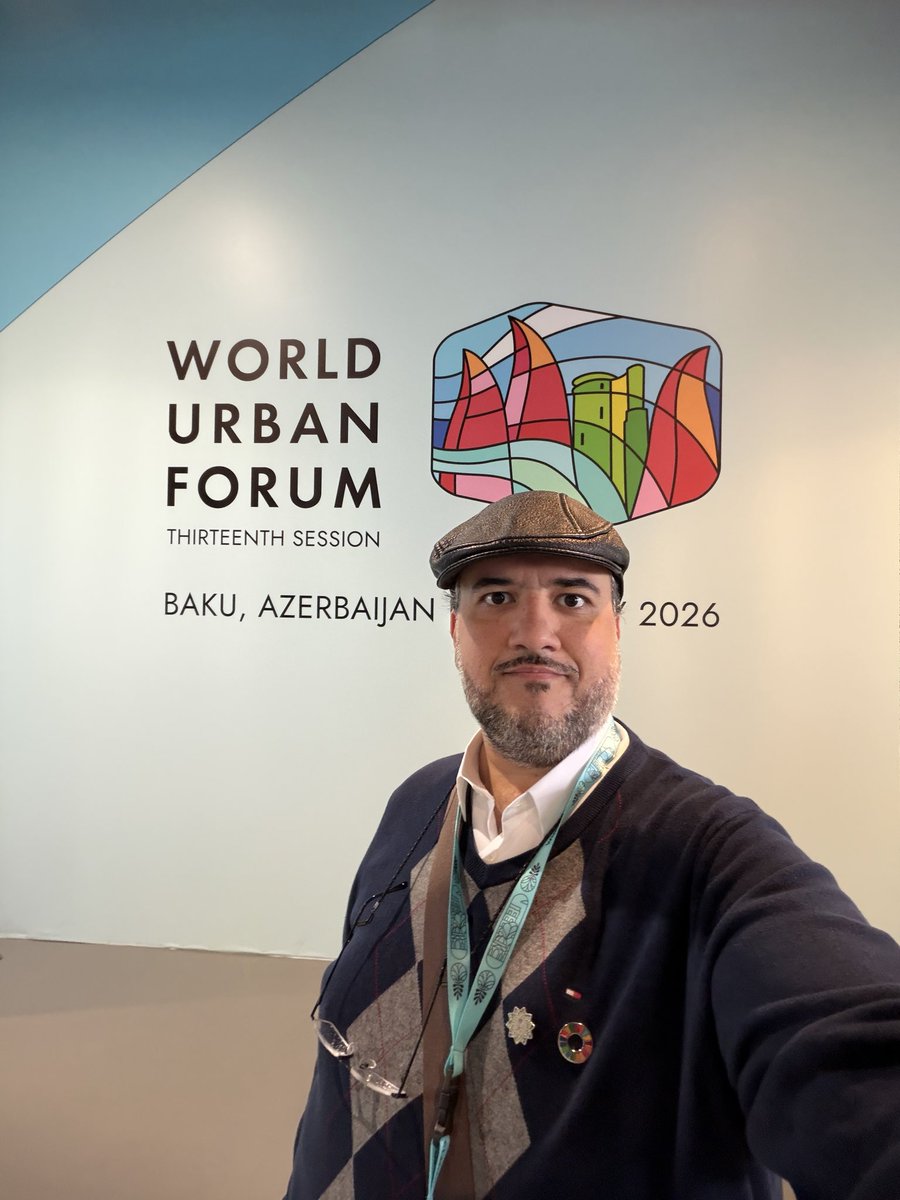
Grateful to have participated in the 13th World Urban Forum in Baku, where global leaders, innovators, and changemakers came together to shape the future of sustainable and resilient cities.
WUF13 provided valuable insights into climate resilience, smart cities, housing, ESG, digital transformation, and the growing role of collaboration in urban development.
Proud to represent perspectives from Saudi Arabia and witness the incredible global momentum toward building better cities for future generations.
The conversations started in Baku should now turn into action and impact.
#WUF13 #WorldUrbanForum #Baku #Sustainability #UrbanDevelopment #SmartCities #ClimateAction #Vision2030 #ESG #FutureCities @WUF_UNHabitat UN-Habitat (United Nations Human Settlements Programme)
516
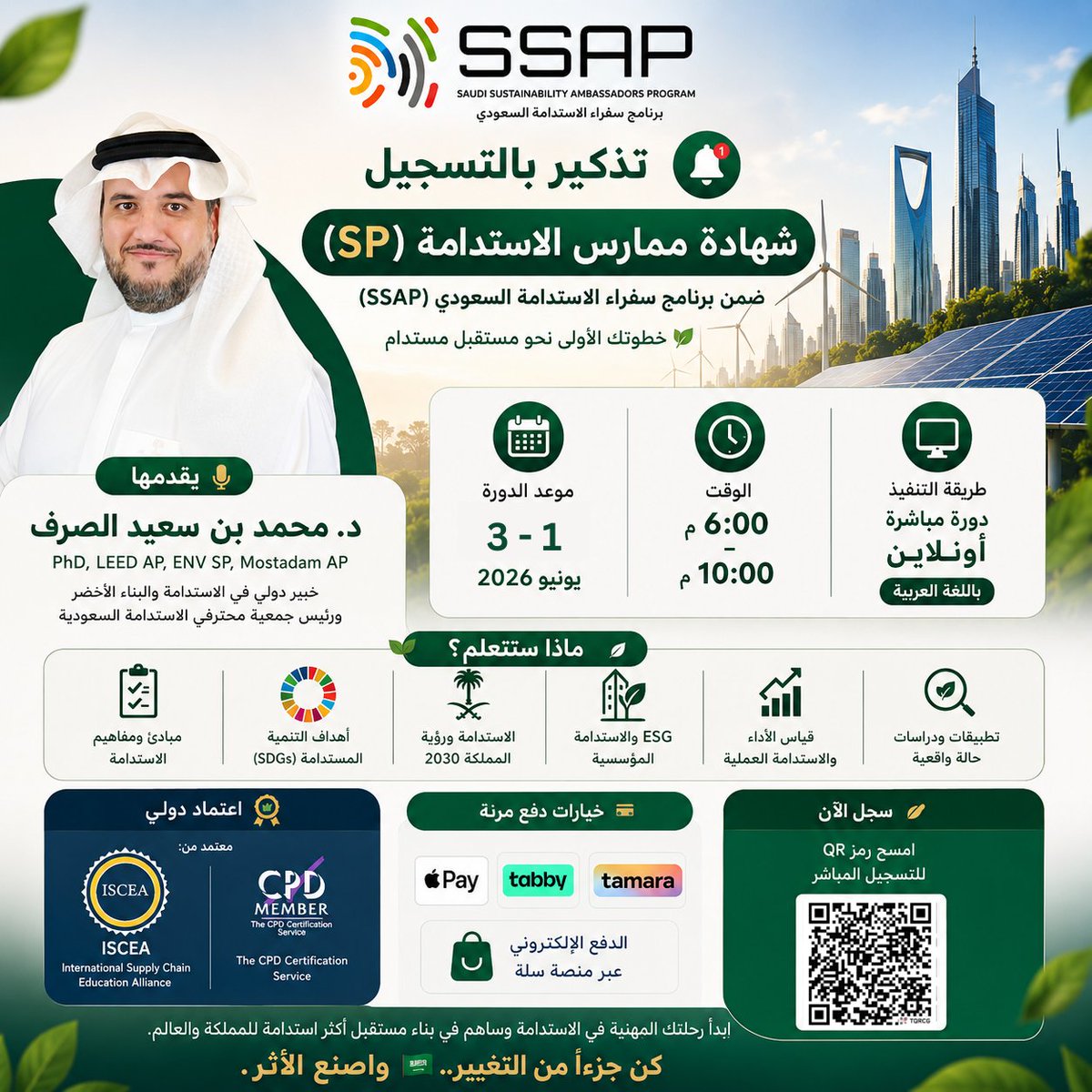
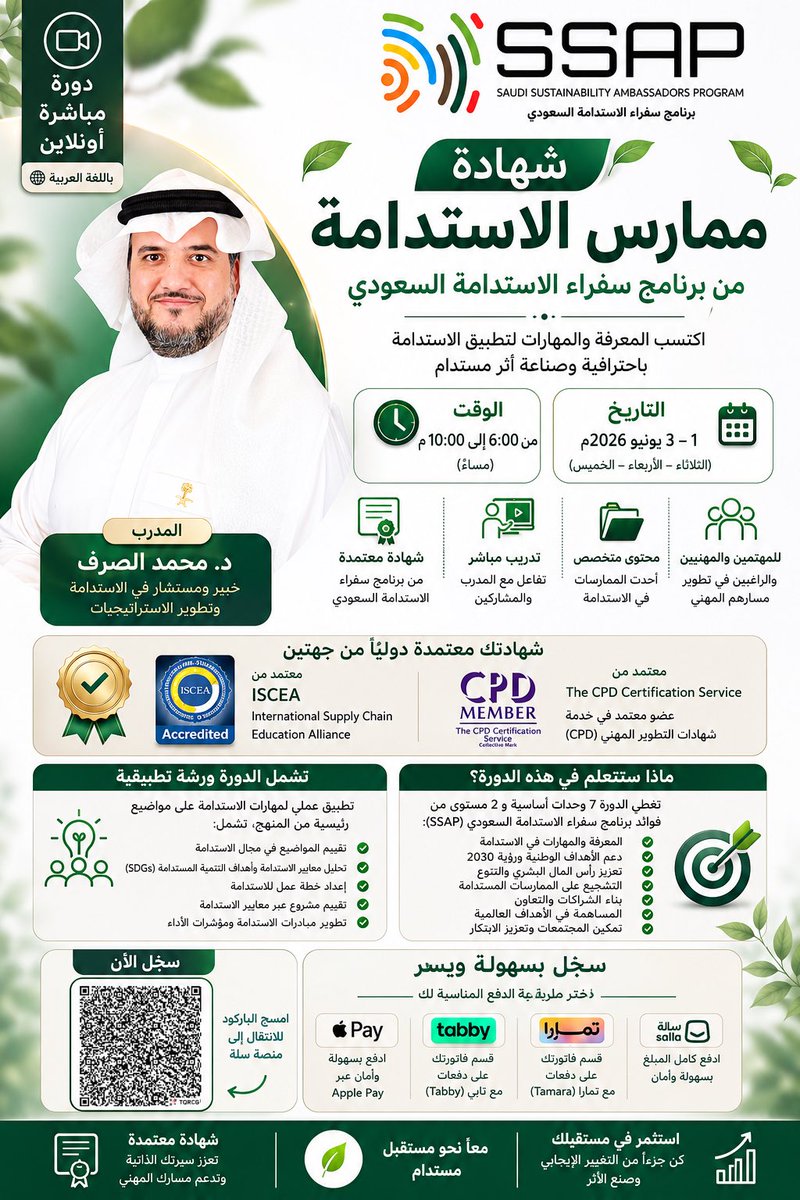
يسرني الإعلان عن تقديم دورة مباشرة أونلاين لشهادة ممارس الاستدامة (SP) ضمن برنامج سفراء الاستدامة السعودي (SSAP)، والتي تهدف إلى تزويد المشاركين بالمعرفة والمهارات العملية لتطبيق مفاهيم الاستدامة باحترافية ووفق أفضل الممارسات المحلية والعالمية. 🌱
📅 التاريخ: 1 – 3 يونيو 2026
🕕 الوقت: من 6:00 مساءً إلى 10:00 مساءً
💻 الدورة مباشرة أونلاين
🗣️ باللغة العربية
🔗 رابط التسجيل
salla.sa/sustainabilityacade…شهادة-ممارس-الاستدامة-sustainability-practitioner-ssap/p2097849486
خلال الدورة سنناقش:
✅ مفاهيم ومبادئ الاستدامة
✅ أهداف التنمية المستدامة (SDGs)
✅ الاستدامة في السياق السعودي ورؤية 2030
✅ إعداد خطط ومبادرات الاستدامة
✅ تقييم المشاريع ومؤشرات الأداء
✅ ورش عمل وتطبيقات عملية
🎓 الشهادة معتمدة دولياً من:
• ISCEA – International Supply Chain Education Alliance
• The CPD Certification Service
كما يمكن التسجيل والدفع بسهولة عبر منصة سلة مع خيارات:
✔️ Apple Pay
✔️ Tabby
✔️ Tamara
أتطلع للقاء المهتمين والمهنيات والمهنيين الراغبين في تطوير مسيرتهم المهنية في مجال الاستدامة وصناعة أثر إيجابي ومستدام. 🌍
#الاستدامة
#ممارس_الاستدامة
#SSAP
#الاستدامة_في_السعودية
#رؤية_2030
#Sustainability
#SaudiArabia
#ESG
#التنمية_المستدامة
#SaudiSustainabilityAmbassadorsProgram
1
6
19
3,682
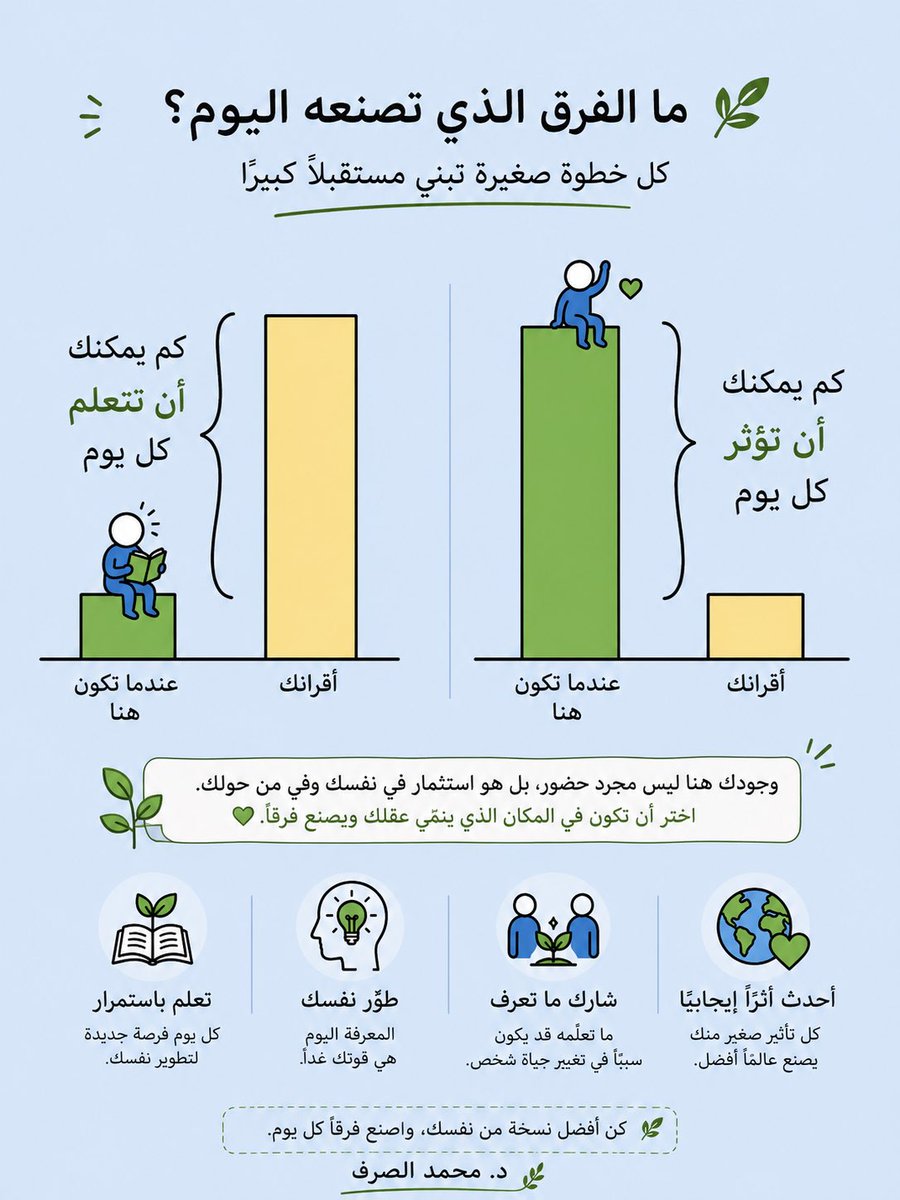
في عالم سريع التغيّر، لا يُقاس تأثيرنا فقط بما نتعلّمه… بل بما نُلهم به الآخرين أيضًا.
كل خطوة صغيرة نحو التعلّم، التطوير، ومشاركة المعرفة قد تصنع فرقًا أكبر مما نتوقع.
أحيانًا يكون استثمارك الحقيقي ليس في الوصول وحدك، بل في رفع من حولك معك. 🌱
الاستدامة ليست مجرد بيئة أو تقنيات…
الاستدامة تبدأ بعقل يتعلّم، وشخص يشارك، وأثر يستمر.
📚 تعلّم باستمرار
💡 طوّر نفسك
🤝 شارك ما تعرف
🌍 اصنع أثرًا إيجابيًا
لأن الفرق الذي نصنعه اليوم… هو ما يبني مستقبل الغد.
#الاستدامة #التطوير_الذاتي #القيادة #التأثير #التعلم #الاستدامة_المهنية #رؤية2030 #Sustainability #Leadership #Impact
1
1
3
390
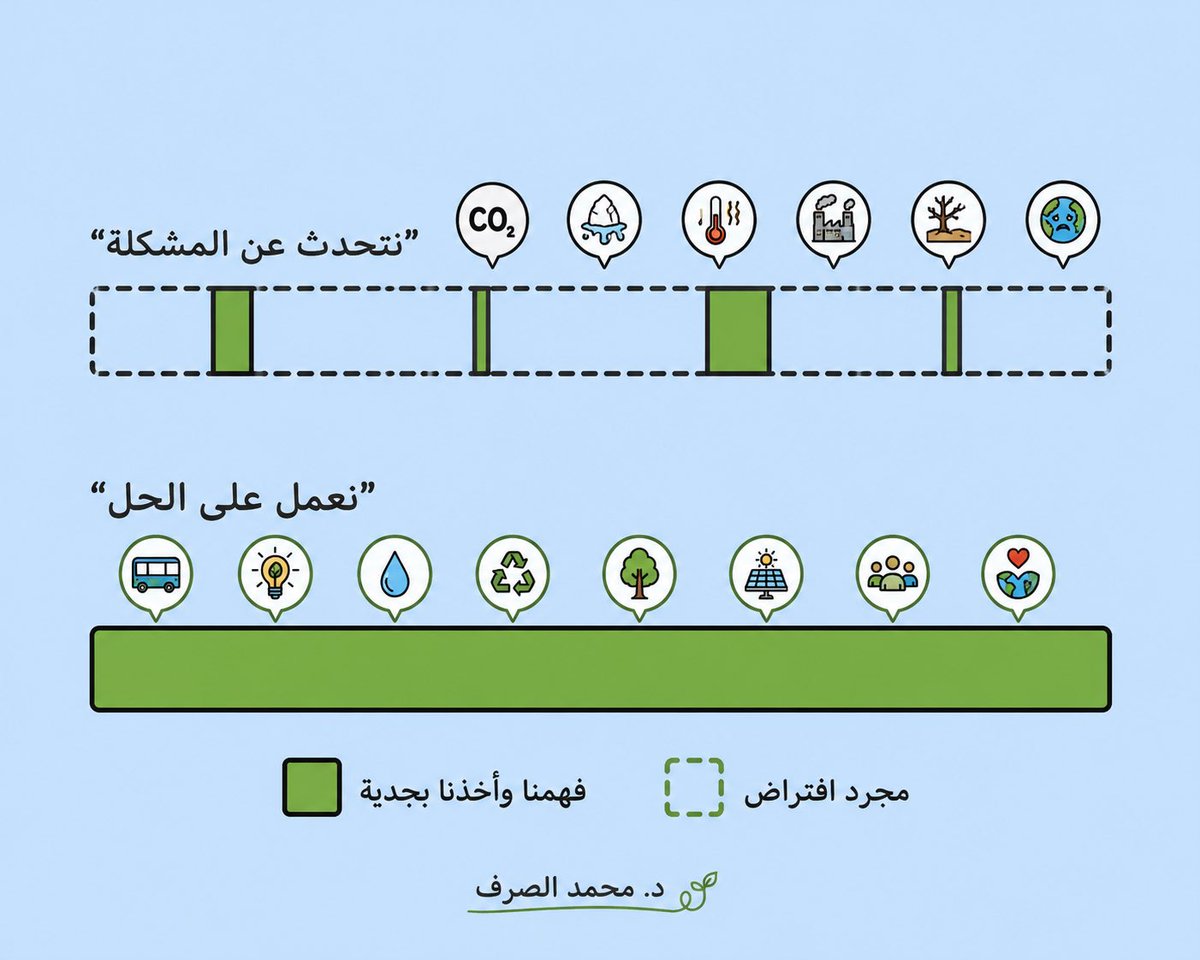
نتحدث كثيرًا عن تغيّر المناخ، والانبعاثات، والاستدامة…
لكن السؤال الحقيقي هو:
هل نحول هذا الوعي إلى أفعال؟ 🌍
الفرق بين مجرد الحديث عن المشكلة والعمل على الحل…
هو الفرق بين القلق على المستقبل وصناعته.
الاستدامة ليست شعارًا، وليست منشورًا موسميًا، بل قرارات يومية صغيرة تتراكم لتصنع أثرًا حقيقيًا:
🚍 نقل مستدام
💡 كفاءة طاقة
💧 ترشيد المياه
♻️ إعادة التدوير
🌳 التشجير
☀️ الطاقة المتجددة
🤝 التعاون المجتمعي
عندما نأخذ التحديات البيئية بجدية، نتحول من مجرد مراقبين للمشكلة إلى جزء من الحل.
لن يكون المستقبل أكثر استدامة بالافتراضات…
بل بالعمل الحقيقي والمستمر. 🌱
#الاستدامة #تغير_المناخ #الحياد_الكربوني #الاقتصاد_الدائري #الطاقة_المتجددة #ESG #الوعي_البيئي #Sustainability #ClimateAction #NetZero
1
173
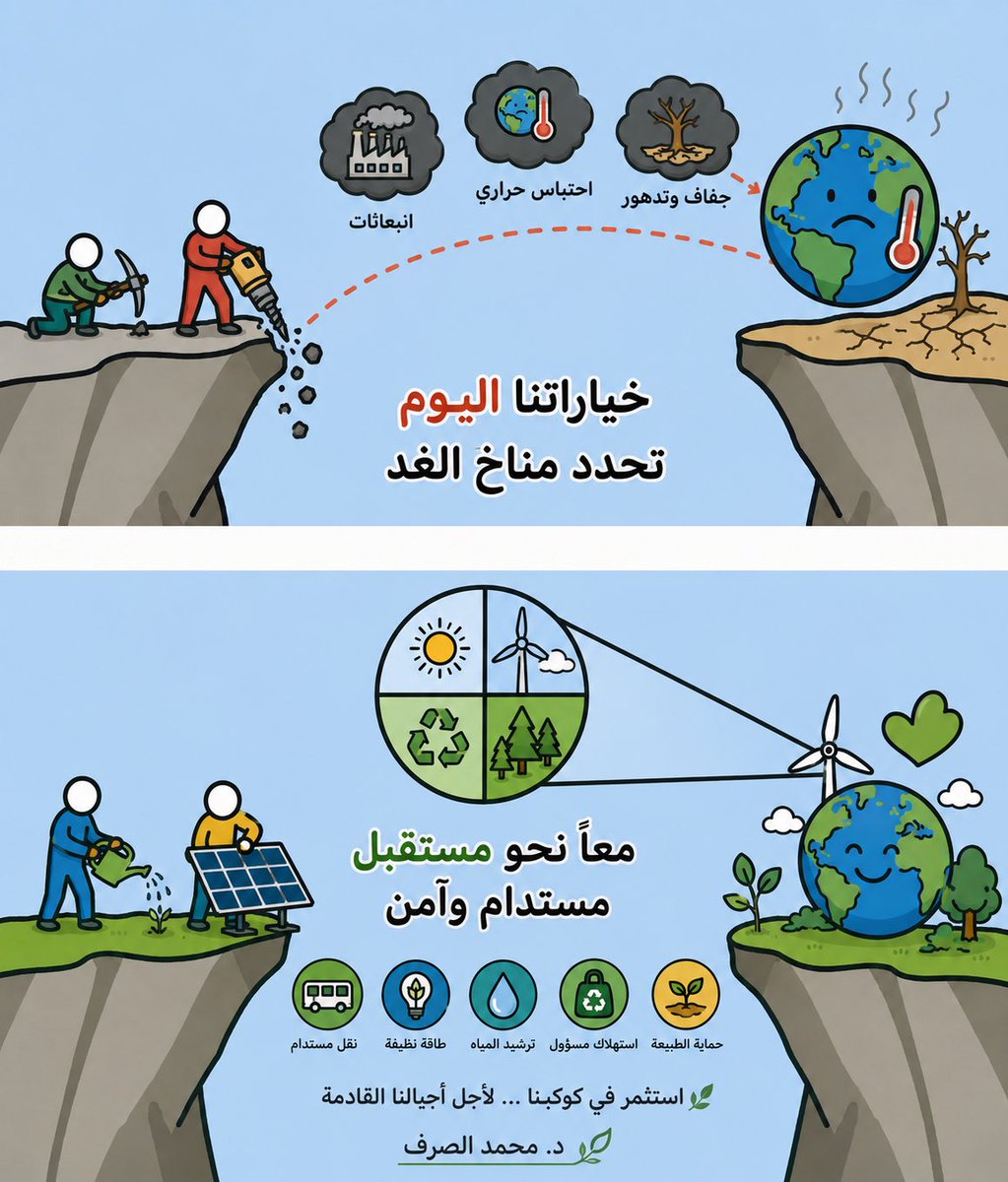
خياراتنا اليوم ليست مجرد قرارات عابرة…
بل رسائل نرسلها إلى مستقبل كوكبنا. 🌍
كل استهلاك، كل مصدر طاقة، كل وسيلة نقل، وكل سلوك يومي…
إما أن يدفعنا نحو مزيد من التحديات المناخية، أو يقودنا إلى مستقبل أكثر استدامة وأمانًا.
التحول الحقيقي لا يبدأ بالحلول الضخمة فقط،
بل يبدأ عندما تتحول الاستدامة من “فكرة” إلى “أسلوب حياة”.
☀️ طاقة نظيفة
♻️ اقتصاد دائري
💧 ترشيد الموارد
🌳 حماية الطبيعة
🚍 نقل مستدام
🤝 وعي ومشاركة مجتمعية
المستقبل الذي نطمح إليه لن يُبنى بالصدفة…
بل بخيارات واعية تُتخذ كل يوم.
لنكن جزءًا من الحل، لا مجرد شهود على المشكلة. 🌱
#الاستدامة #تغير_المناخ #الحياد_الكربوني #الطاقة_المتجددة #الاقتصاد_الدائري #الوعي_البيئي #Sustainability #ClimateAction #NetZero #GreenFuture
1
127
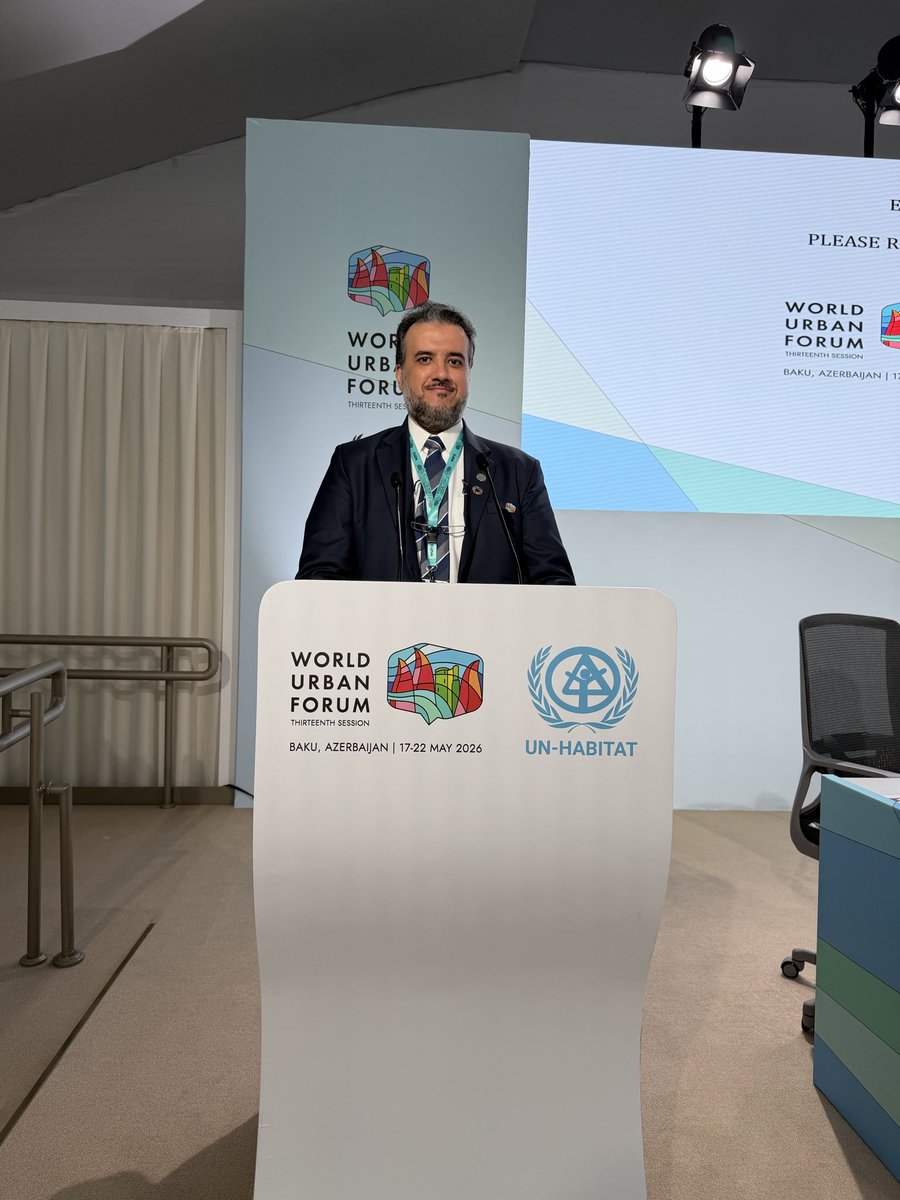
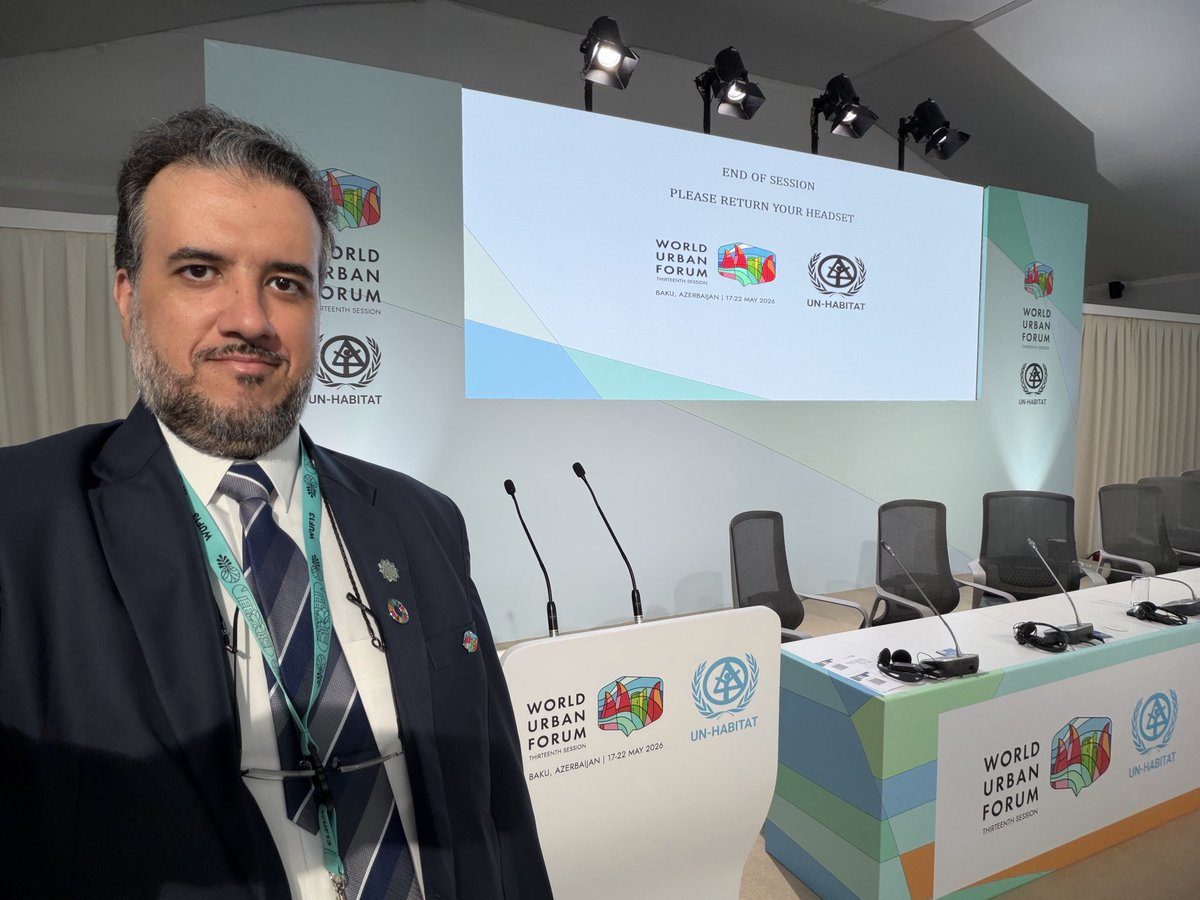
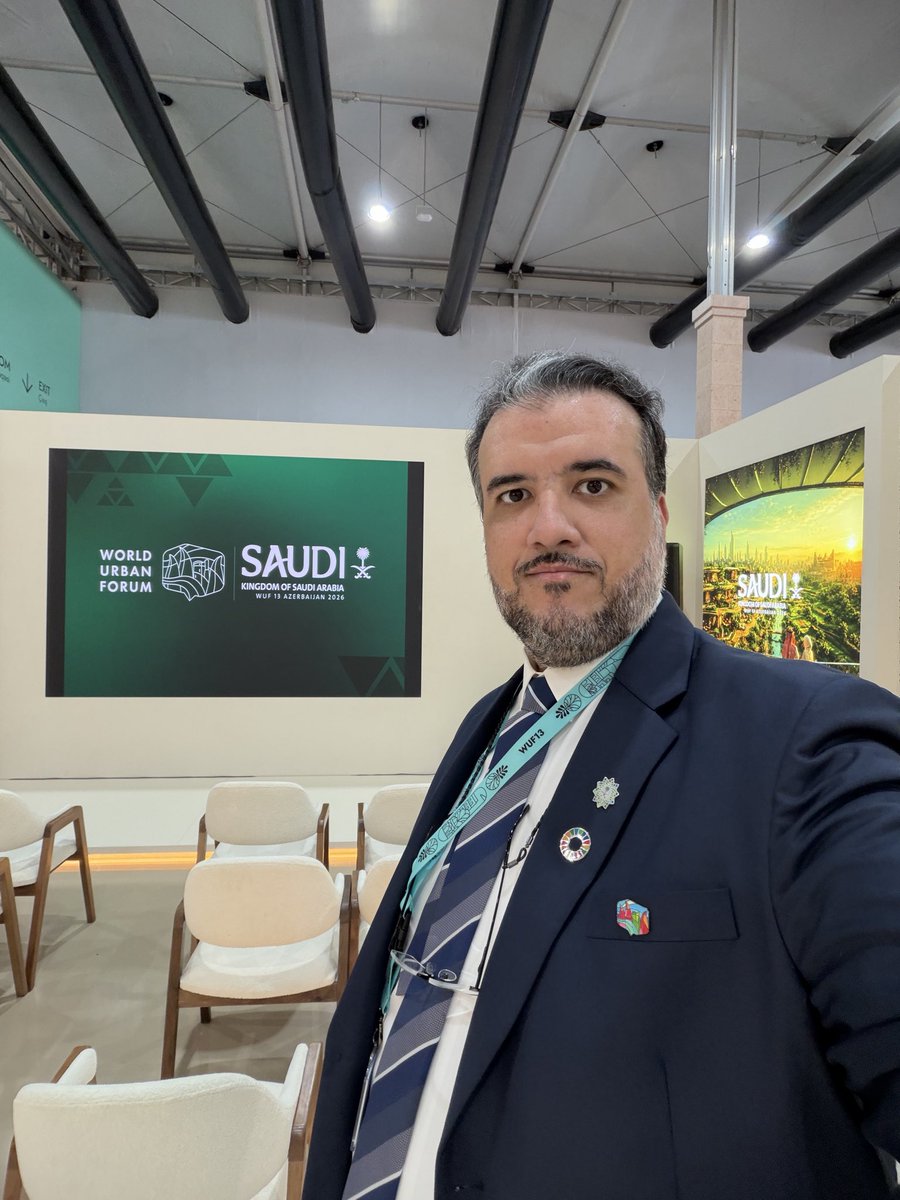
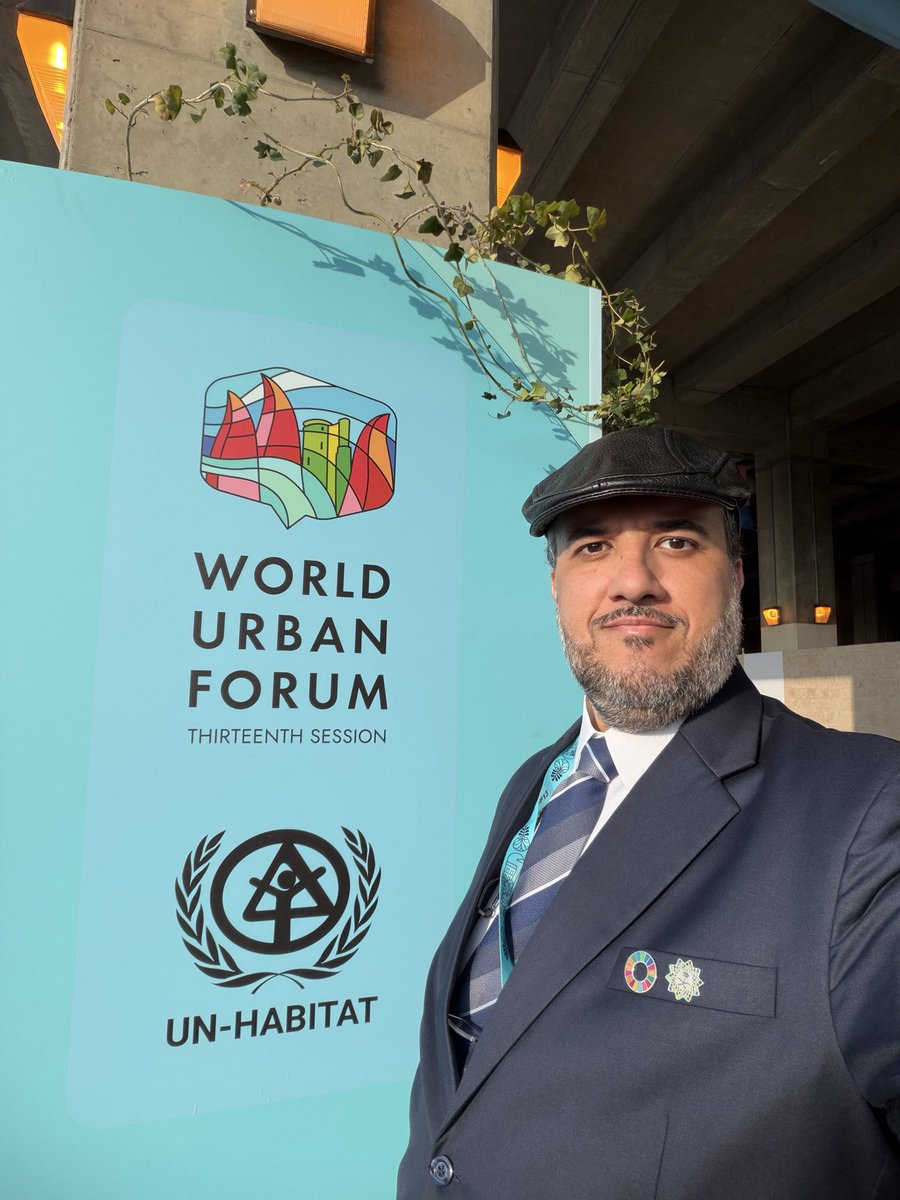
Honored to have had the opportunity to deliver a short impromptu speech during the World Urban Forum 13 in Baku.
Although it was not originally planned, I was grateful for the chance to share a brief perspective on the remarkable sustainability transformation taking place across the Kingdom of Saudi Arabia — from green building practices and climate resilience to urban innovation, ESG integration, and the ambitious vision shaping our cities of the future.
What makes Saudi Arabia’s journey unique is not only the scale of development, but the speed at which sustainability is becoming embedded into policy, infrastructure, investment, and community planning.
Forums like WUF13 remind us that global collaboration and knowledge exchange are essential in addressing the future of urban development and creating more resilient, inclusive, and sustainable cities.
My sincere appreciation to everyone I had the pleasure of meeting and engaging with throughout the forum. The conversations, ideas, and partnerships being formed here in Baku are truly inspiring.
#WUF13 #WorldUrbanForum #Baku #SaudiArabia #Sustainability #UrbanDevelopment #ClimateAction #GreenBuilding #ESG #Vision2030 #CitiesOfTheFuture
1
9
660
I’m pleased to share that the latest episode of the 𝗔𝗜 𝗔𝗿𝗮𝗯𝗶𝗮 𝗖𝗲𝗻𝘁𝗲𝗿 𝗼𝗳 𝗘𝘅𝗰𝗲𝗹𝗹𝗲𝗻𝗰𝗲 𝗗𝗶𝗮𝗹𝗼𝗴𝘂𝗲𝘀 | 𝗥𝗼𝘂𝗻𝗱𝘁𝗮𝗯𝗹𝗲 𝗣𝗼𝗱𝗰𝗮𝘀𝘁 𝟱 – 𝗣𝗮𝗿𝘁 𝗔 is now available.
The discussion explored a critical question shaping the future of nations, industries, and economies:
“How Can the Data Economy and Digital Infrastructure Drive Global Competitiveness in the AI Era?”
It was a privilege joining an outstanding group of experts from technology, cybersecurity, banking, consulting, AI, and digital transformation to exchange perspectives on:
▪️ AI-powered economies and competitiveness
▪️ Digital infrastructure readiness
▪️ Data governance and sovereignty
▪️ Sustainability and intelligent urban transformation
▪️ Cybersecurity and trust in the AI era
▪️ The role of collaboration in accelerating innovation
A sincere thank you to the organizers, partners, moderators, and fellow speakers for an insightful and future-focused dialogue.
Featured alongside:
* Panos Tsiakis
* Zainab Alamin زينب الأمين
* Jay Sadiq
* Xi Liang
🎧 Watch & Listen:
Social Media:
LinkedIn: tinyurl.com/5byvpnvc
Twitter/X: tinyurl.com/y4jycxfw
YouTube: youtu.be/D0QncQWvjh0
Streaming Platforms:
Spotify: tinyurl.com/bdfn8pzh
Apple Podcasts: tinyurl.com/3z559f9n
SoundCloud: tinyurl.com/y4zaf8mw
#AI #ArtificialIntelligence #DataEconomy #DigitalTransformation #DigitalInfrastructure #Sustainability #ESG #Cybersecurity #SaudiArabia #Vision2030 #SmartCities #Innovation #AIArabia #Tilad #SGBA
1
3
341
Dr. Mohammed Al Surf د. محمد الصرف retweeted

May 16
خلال لقائه بالوفد السعودي المشارك في المنتدى الحضري العالمي الثالث عشر WUF13، أكّد معالي وزير البلديات والإسكان رئيس وفد المملكة المشارك @majedhogail أهمية توحيد الجهود لإبراز حضور المملكة، واستعراض منجزاتها وتجاربها النوعية في مجالات الإسكان والتنمية الحضرية المستدامة.
#المملكة_في_باكو | #SaudiAtBaku
5
32
37
20,320
Dr. Mohammed Al Surf د. محمد الصرف retweeted
May 18
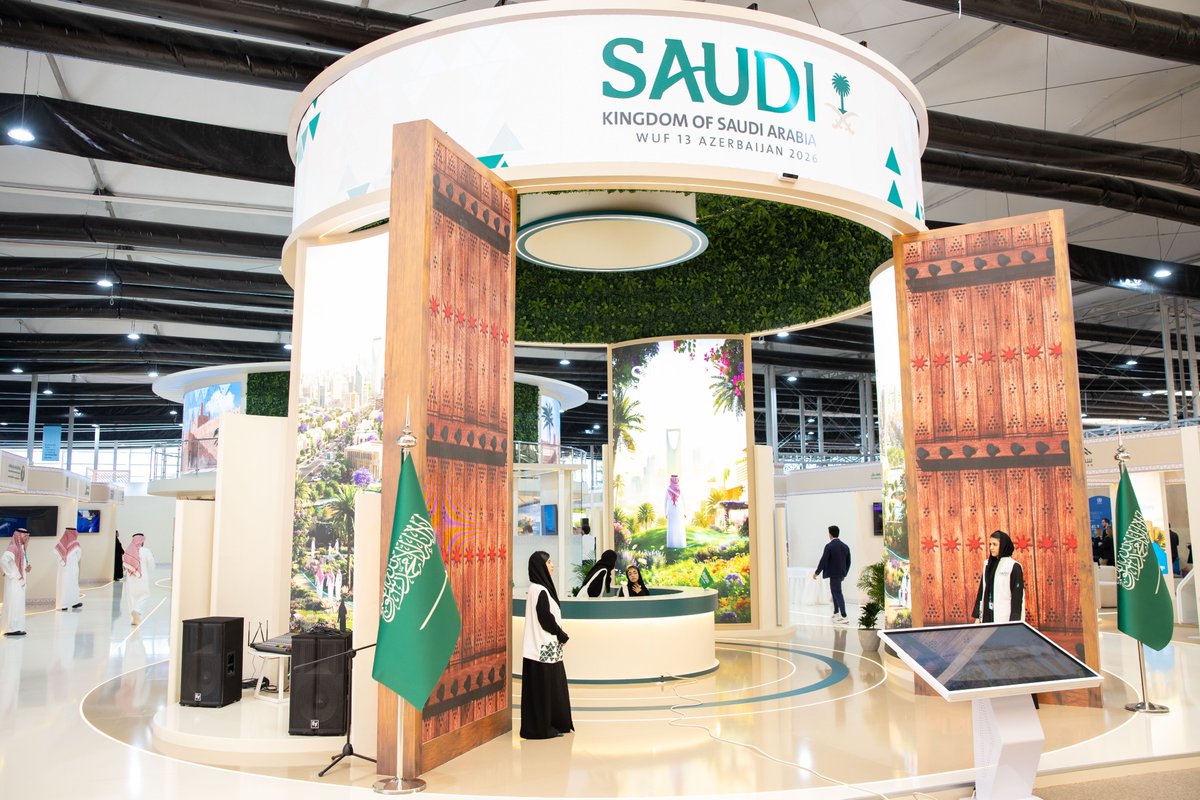
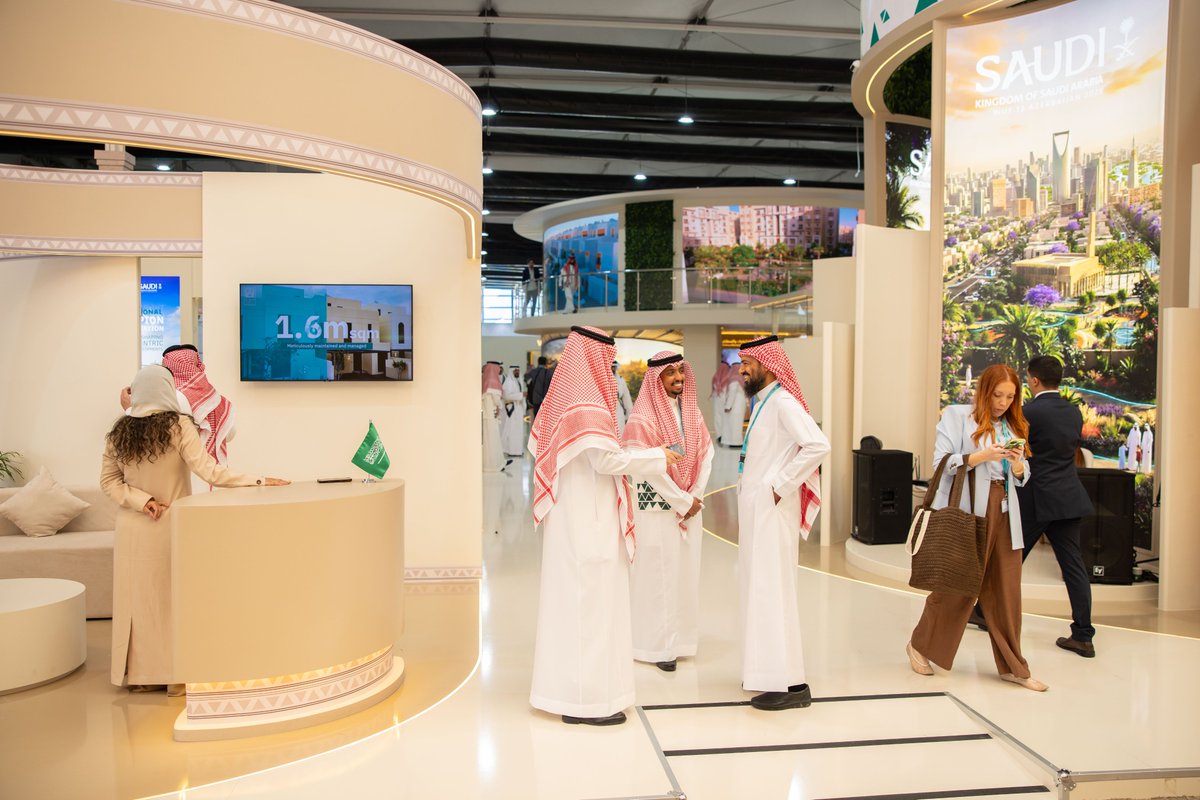
في حضور يجسد دور المملكة القيادي في رسم ملامح التنمية الحضرية والإسكان المستدام، افتتح معالي وزير البلديات والإسكان الأستاذ ماجد الحقيل @majedhogail جناح المملكة في باكو، الذي يجمع أكثر من 20 جهة حكومية وخاصة وغير ربحية.
2
31
48
810,128
Dr. Mohammed Al Surf د. محمد الصرف retweeted
May 18
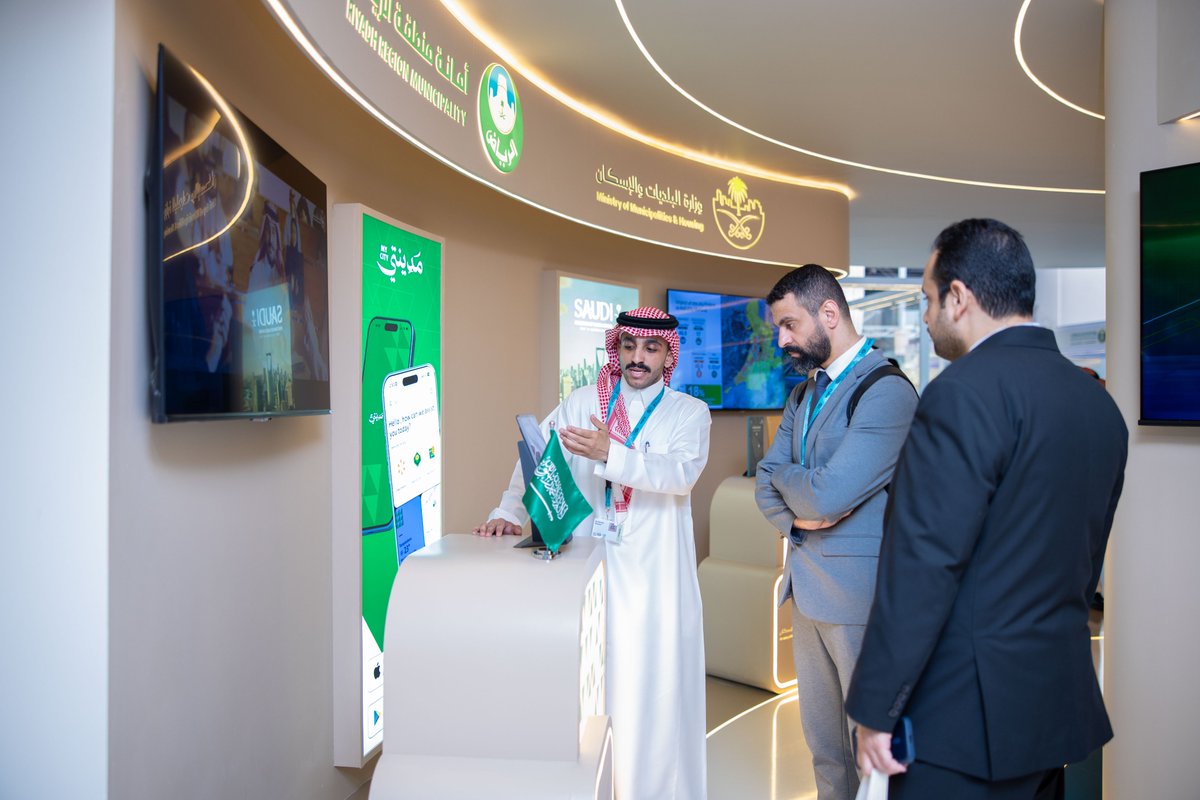
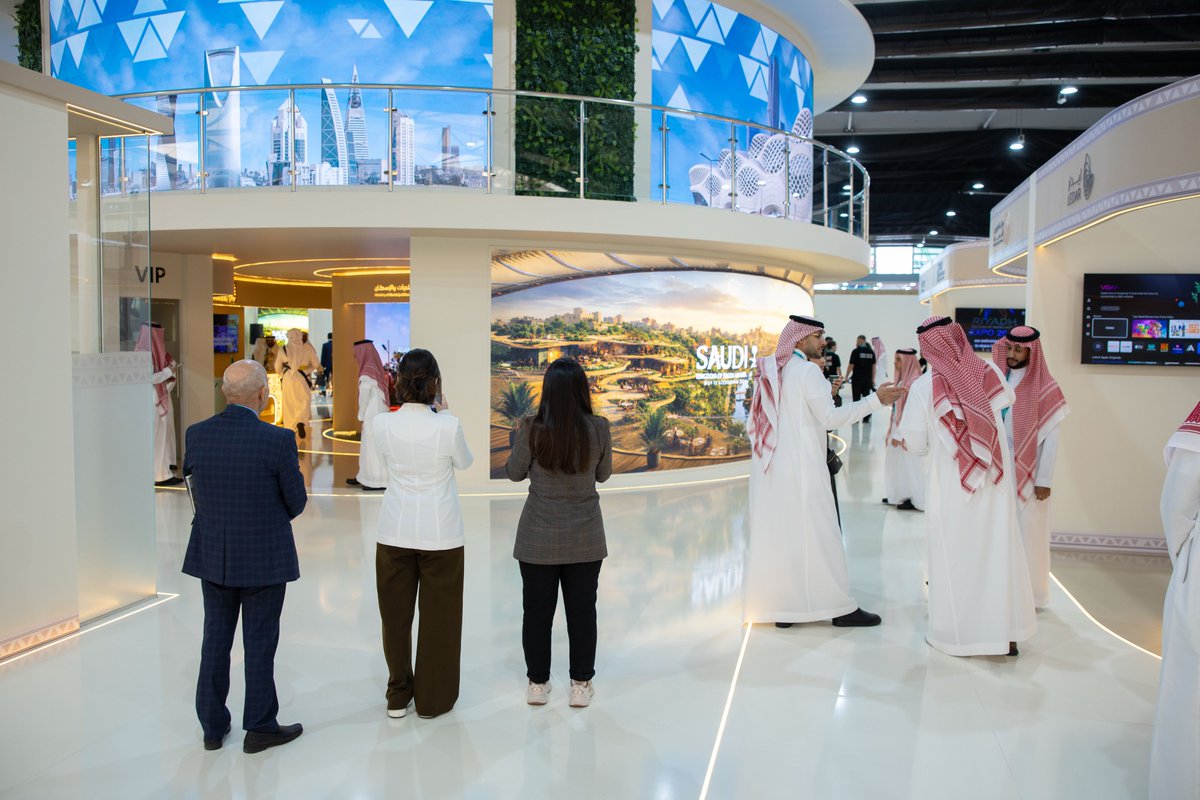
في باكو.. يستعرض جناح المملكة ملامح المستقبل الحضري، عبر حلول المدن الذكية والإسكان المستدام ضمن أعمال المنتدى الحضري العالمي الثالث عشر WUF13، في انعكاس لطموحات #رؤية_السعودية_2030 نحو مدن أكثر ابتكارًا واستدامة وجودة حياة.
#المملكة_في_باكو | #saudiAtBaku
4
23
25
8,620
Dr. Mohammed Al Surf د. محمد الصرف retweeted
May 18
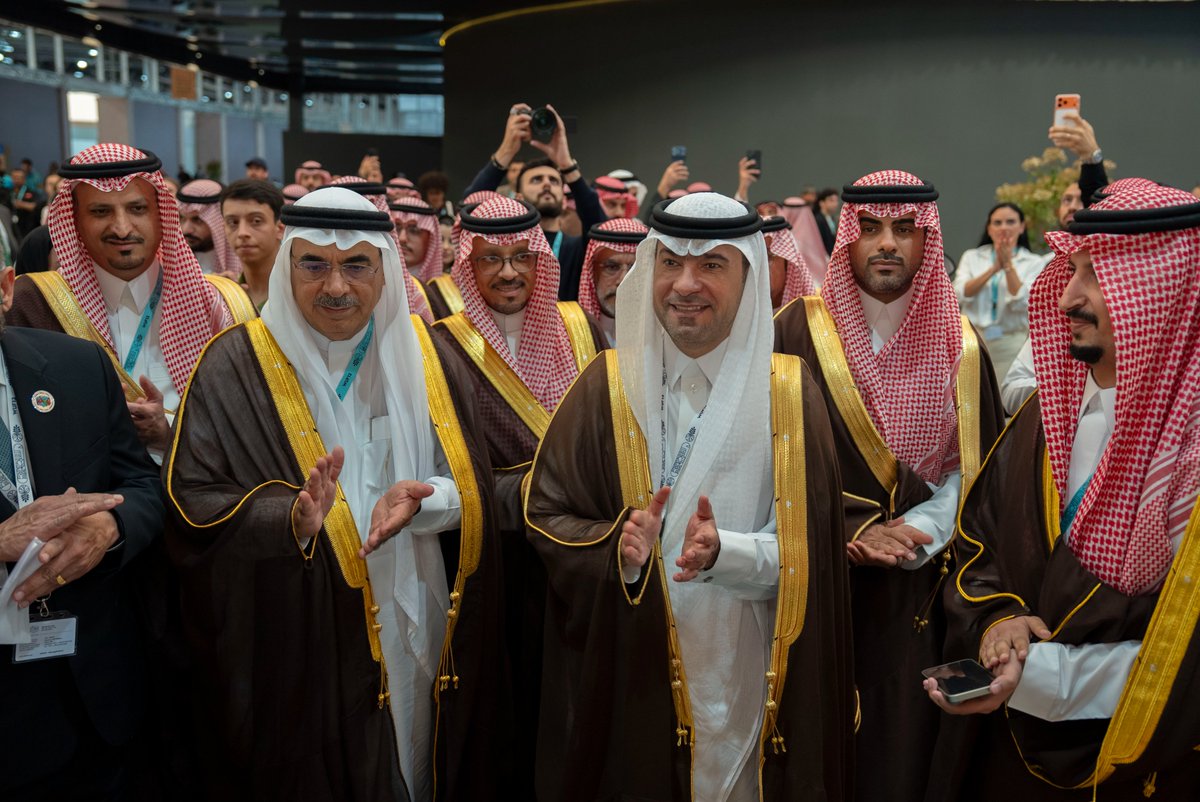
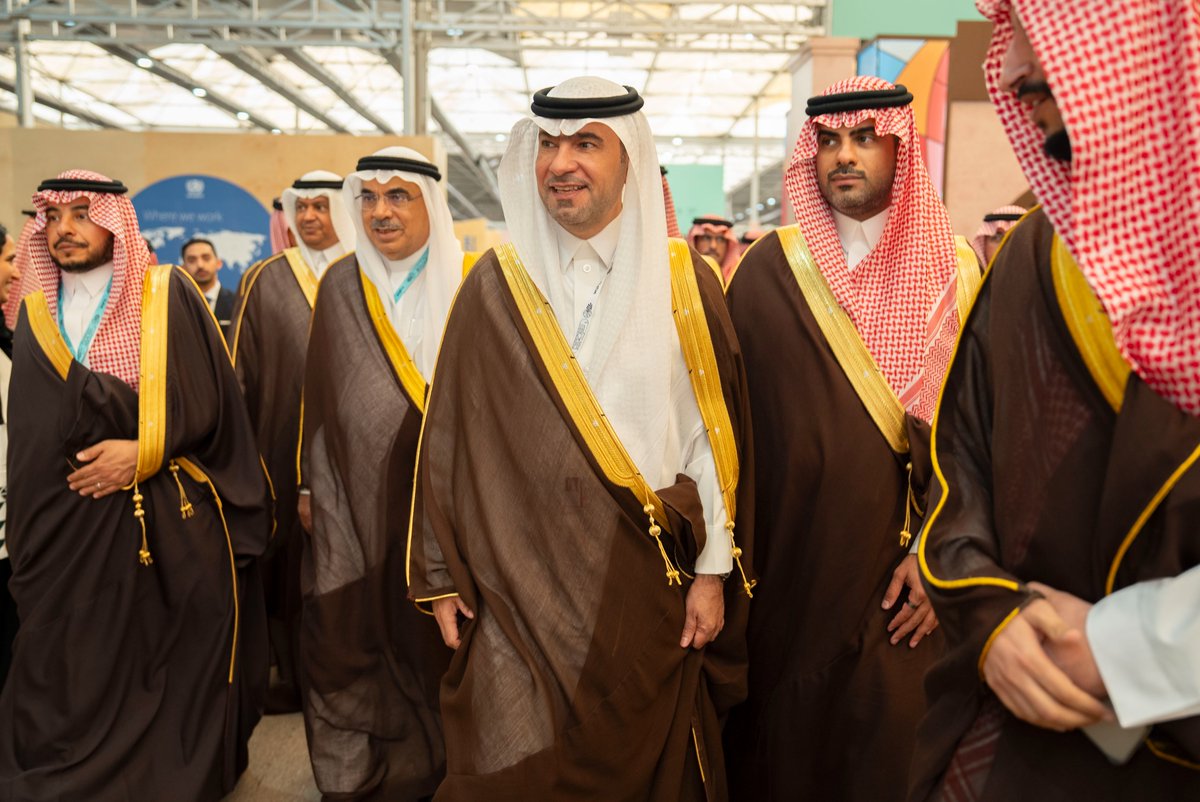
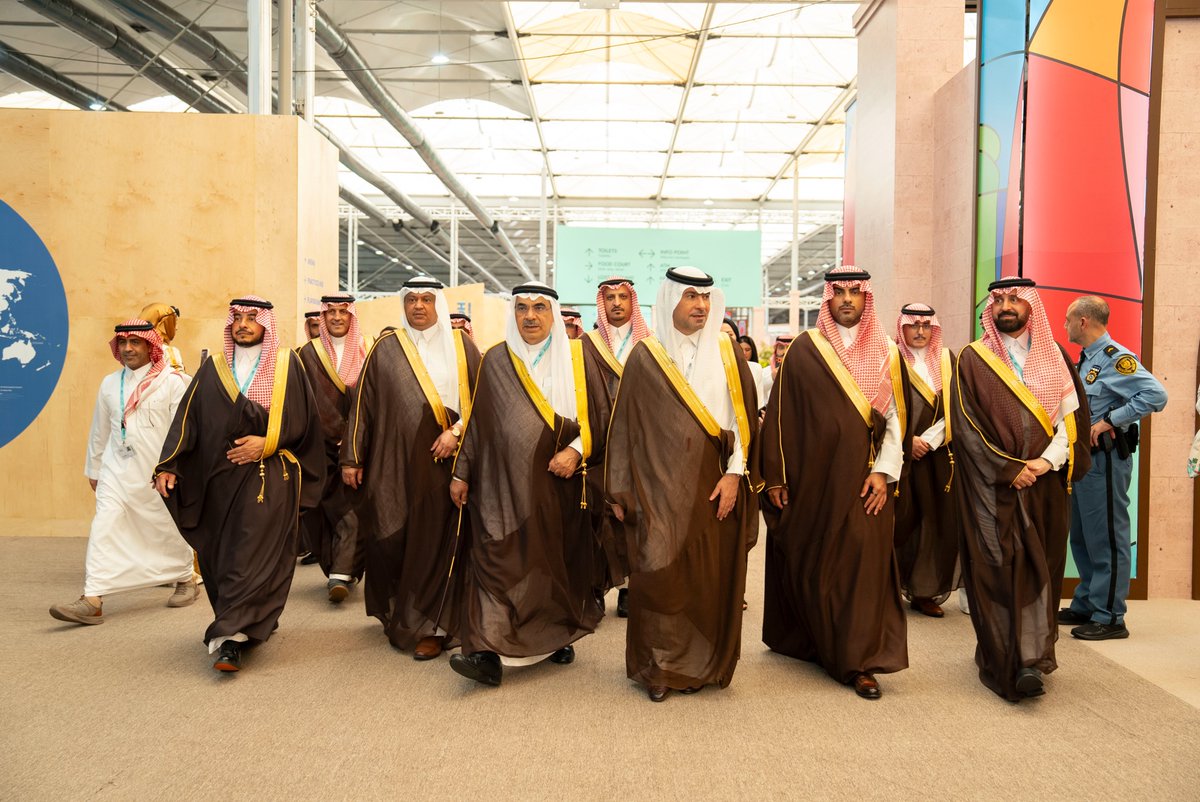
ضمن أعمال المنتدى الحضري العالمي الثالث عشر، قام أصحاب المعالي والسعادة بجولة في المعرض المصاحب للاطلاع على أبرز المبادرات والمشاريع الحضرية التي تعكس مستقبل المدن الحديثة والإسكان المستدام، وسط مشاركة دولية واسعة وتبادل للخبرات والرؤى نحو مدن أكثر ابتكارًا واستدامة.
#المملكة_في_باكو | #SaudiAtBaku
1
24
28
12,201
Dr. Mohammed Al Surf د. محمد الصرف retweeted
May 16
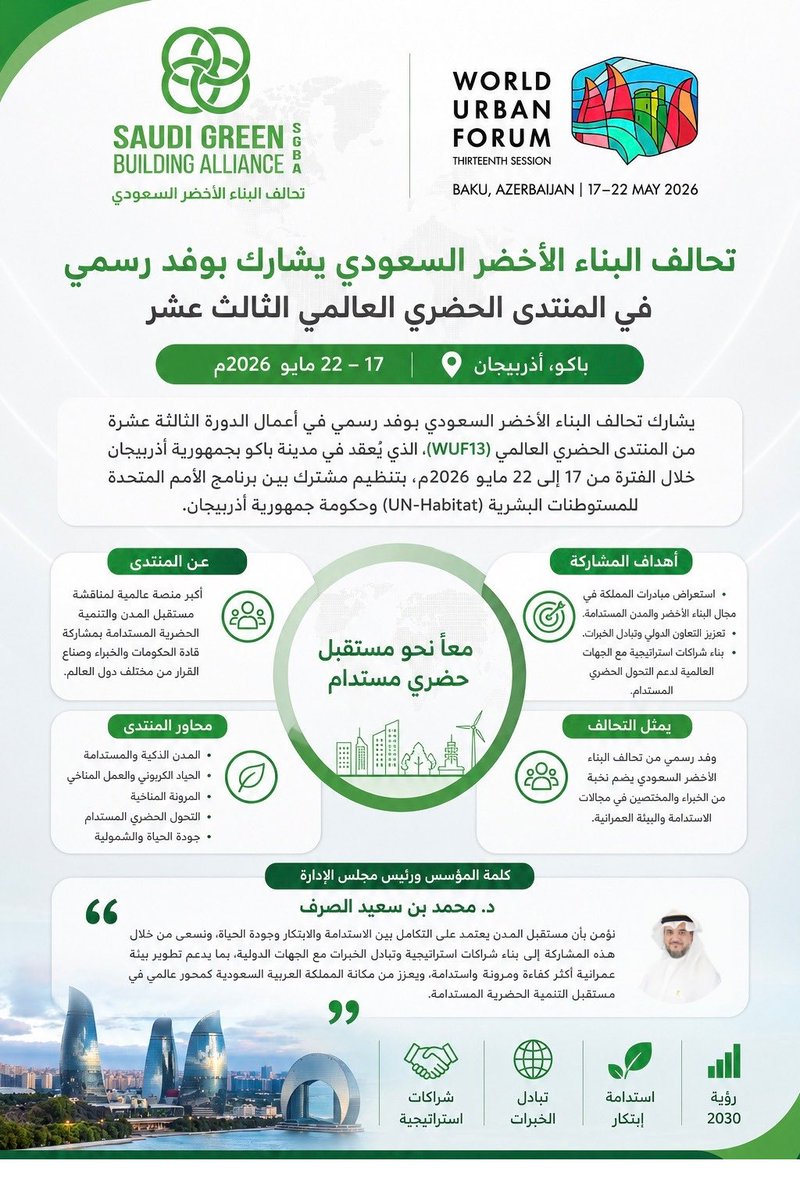
نفخر بمشاركة وفد رسمي من تحالف البناء الأخضر السعودي في أعمال المنتدى الحضري العالمي الثالث عشر #WUF13 بمدينة باكو في جمهورية أذربيجان خلال الفترة 17–22 مايو 2026م، ضمن واحدة من أبرز المنصات العالمية المعنية بمستقبل المدن والتنمية الحضرية المستدامة.
#تحالف_البناء_الأخضر_السعودي
1
1
225