
12/1999 - Putenei, 05/2000 - Pute, 05/2008 - Alte Pute, 05/2012 - Neugegrillte Pute, 03/2018 - Putenschnitzel, 03/2020 - Putenloch
Joined October 2010
- Tweets 151,087
- Following 411
- Followers 1,920
- Likes 112,811
16,229 Photos and videos















Pinned Tweet

24 Oct 2021
Тред. Коллективное поведение. ⬇️
1. В природе мы находим множество изящных узоров и завораживающих движений. Одной из полезнейших и удивительных способностей мозга является распознавание паттернов. Оно позволяет нам восхищаться красотой и извлекать информацию из паттернов.

10
25
175
Bob Baumann retweeted

🚨 More footage of the fire at the UNESCO-listed Kyiv Pechersk Lavra Orthodox monastery, caused by a Russian attack on Ukraine's capital.

1
119
237
3,083
Bob Baumann retweeted

17.4°C in Nuuk at 5pm. Kids are still swimming at Old Town Nuuk, Greenland 🇬🇱 I’ve eaten four ice creams in three hours. We’re handling the heatwave differently.
June 14, 2026
81
172
1,990
27,898
Find beauty in the quiet spaces between the stars.
Share your favorite lunar captures. 🌙✨
Jun 13

Find beauty in the quiet spaces between the stars.
Share your favorite lunar captures. 🌙✨

2
48
WOW!
Dublin reached only 16 today.
x.com/i/trending/20661984116…

1
37
Bob Baumann retweeted

сотрудники обсерватории на Ла Пальме пустили нас поснимать звезды рядом с телескопами.
настоящая дверь в небо! вы только посмотрите на эти отражения звезд в зеркалах, и это все переливается как блестки. и Млечный Путь над головой огромной аркой. этот вид просто свел меня с ума.

4
5
103
1,402
Droplets 💦💧💧
QP or Share yours 💧💧💦





1
3
57

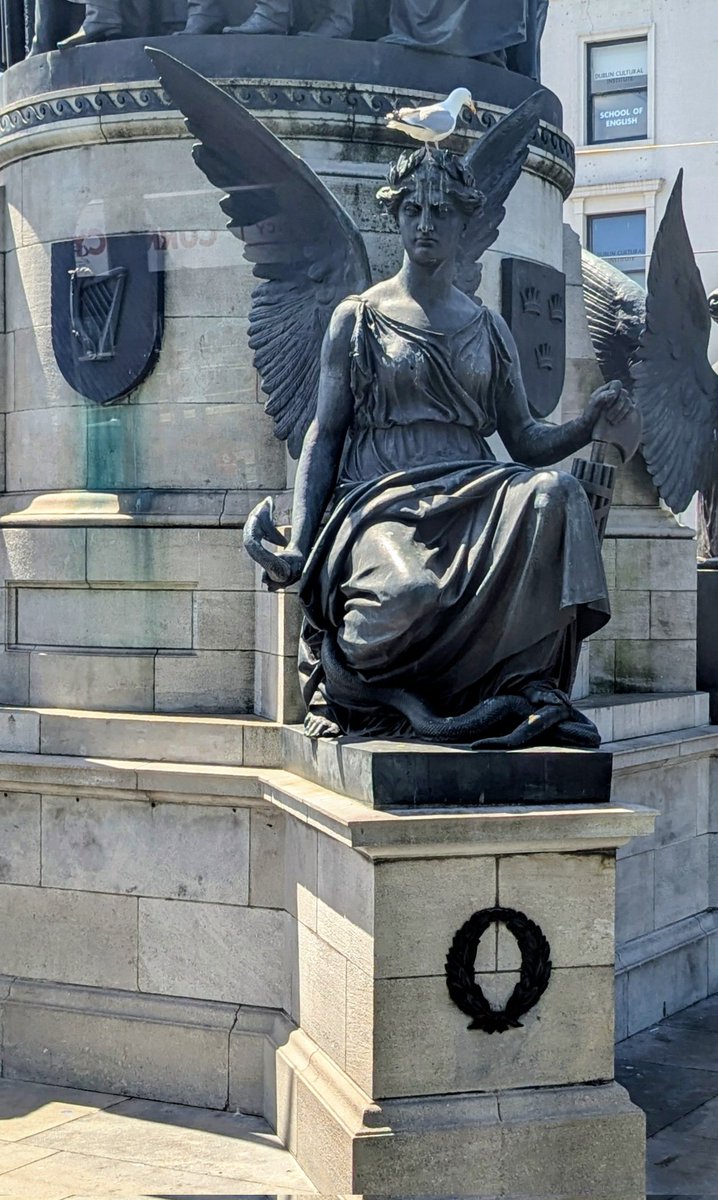
Fine Gael to develop 'blueprint' for unified island rte.ie/news/ireland/2026/061… via @rte
29







Bob Baumann retweeted

Jun 13
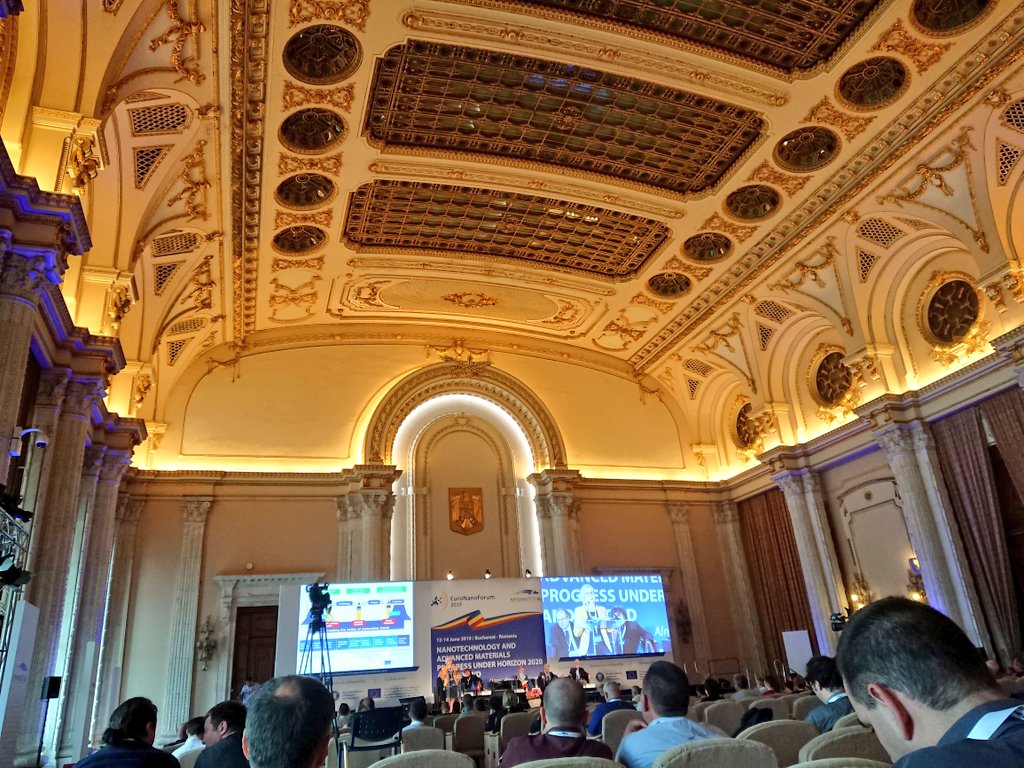
One of the best movie ive ever seen..
Completely underrated
🎬Kin-dza-dza! (1986)
263
1,009
7,344
521,908


Bob Baumann retweeted

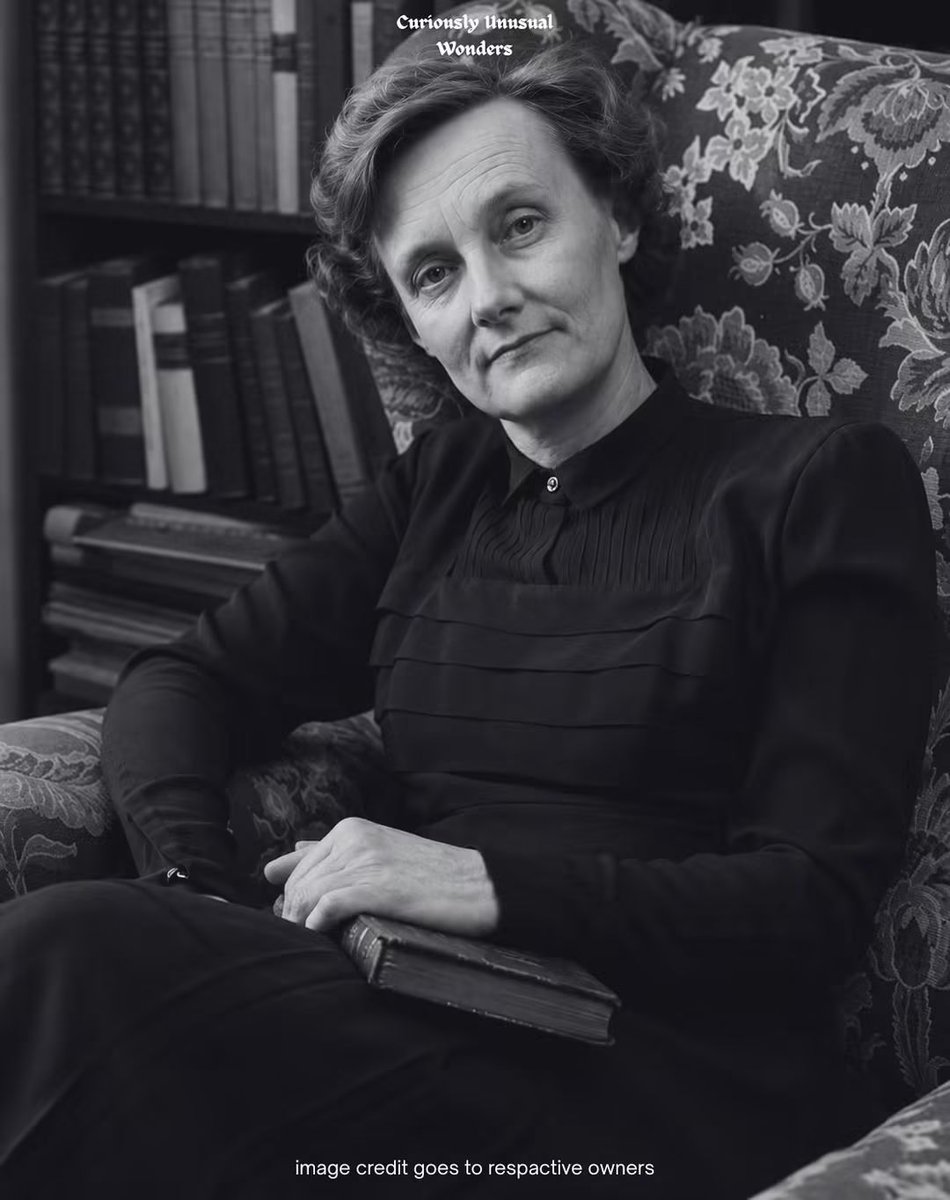
The Swedish government told her she owed 102% of her income in taxes. She was 68 years old, a children's book author, and held no political power. Yet, by writing a simple fairy tale, she helped topple a government that had ruled for 44 years.
Stockholm, 1976.
Astrid Lindgren opened her mail to find a tax assessment that defied logic. As Sweden’s most beloved author and the creator of Pippi Longstocking, her books had taught generations of children about courage, independence, and standing up to bullies. Now, she had to face a broken system of her own.
She read the document carefully, did the math, and realized the truth: due to a quirk in the law that combined regular income tax with self-employment fees, her marginal tax rate had hit 102%.
It was not a typo, nor was it a rounding error. One hundred and two percent.
If she paid what they demanded on her extra earnings, she would owe more than she actually made. She would literally go into debt for the privilege of working.
At 68 years old, she could have hired expensive accountants to quietly find loopholes and protect her wealth. She could have done what many powerful people do when systems overreach—safeguard her own position and leave everyone else to figure it out alone. Instead, she picked up her pen.
In March 1976, she published a satirical fairy tale in Expressen, a major Stockholm newspaper. It was called "Pomperipossa in Monismania" (Pomperipossa in Money-mania). It told the story of a successful author who loved her country and worked hard, only to discover a tax system designed to punish honesty and success.
The story was witty, precise, and impossible to misread. Pomperipossa was Astrid; Monismania was Sweden.
The ruling Social Democratic Party—which had governed Sweden for over forty consecutive years—was furious. Prime Minister Olof Palme went on the defensive, dismissively claiming in public that Lindgren was a wonderful storyteller but a terrible mathematician.
Astrid didn't back down. She stood by her numbers, and soon enough, the Ministry of Finance was forced to admit that her math was completely correct.
She began appearing on television and speaking out publicly, pointing out—with the calm, steady patience of someone used to explaining things to people who aren't listening—that a tax system taking more than 100% of a person's earnings wasn't progressive. It was absurd.
That September, Sweden held its national elections. For the first time in forty-four years, the Social Democratic Party lost power. While political analysts pointed to several contributing factors, like economic stagnation and inflation, everyone acknowledged that Astrid Lindgren’s tax revolt had fundamentally shifted the national conversation. She had made it safe to question a system that once seemed untouchable, giving a voice to frustrations millions of people felt but hadn't known how to articulate.
The new coalition government reformed the tax code, cutting the most extreme rates, and Astrid quietly went back to writing children's books.
But she never stopped paying attention. In the 1980s, when Sweden debated a new animal protection bill, she noticed loopholes that would still allow for cruel factory farming practices. She wrote articles, lobbied politicians, and testified before Parliament well into her eighties. In 1988, Sweden passed some of the strongest animal welfare laws in the world. It was widely nicknamed "Lex Lindgren" (Lindgren's Law) because everyone knew she was the driving force behind it.
Astrid Lindgren passed away in January 2002 at the age of ninety-four. Sweden honored her with a state funeral attended by the Royal Family and the prime minister, while thousands lined the streets of Stockholm.
But her true legacy lives on far outside of official ceremonies. Every child in Sweden still reads her books, every debate about fair taxation still references Pomperipossa, and animal welfare advocates across Europe still look to Lex Lindgren as proof of what is possible.
She never ran for office, nor did she ever build a formal political movement. She had no credentials in economics or public policy—just an extraordinary gift for storytelling. But she had spent decades writing about Pippi Longstocking, a girl who refused to follow rules that didn't make sense, stood up to bullies, and never shrank herself to make others comfortable.
Astrid Lindgren simply chose to live her life exactly like the hero she created. When authorities insisted that nonsense made sense, she refused to pretend along with them. And because she spoke up, the world listened.
28
682
2,285
67,173

A century-old vaccine against tuberculosis helps to regulate blood sugar in people with diabetes
go.nature.com/4xlRHTb
5
52
129
23,650
Bob Baumann retweeted

Jun 13
Runet veteran Igor Ashmanov says Moscow’s attempt to solve social problems through technical bans is escalating into a fight the state can't win
“Three years ago, almost nobody knew what a VPN was. Now every grandmother knows,” he said, insisting that restrictions on Western platforms and Telegram have simply taught Russians how to evade controls.
Ashmanov said the idea that people can be ordered how to behave online is “absolutely insane,” calling it the thinking of officials “trying to run the country as if they were playing chess, moving pawns around.”
“If you ban people from reading something on the internet, they install a VPN,” he said. “VPN technology is developing rapidly, and in fact it is becoming more and more invisible and difficult to block.”
He also warned that VPNs aren't just censorship-bypass tools, but essential infrastructure for programmers and companies. “VPN is a working tool for our developers,” he said, adding that it allows firms to operate securely with branches and remote staff.
Ashmanov’s bluntest warning was political as much as technical: “We have one to one and a half million programmers in the country. And now all of them have been taught that they need to fight the government.”
“On this path, the state won't win,” he concludes.
6
7
48
4,457