Journal of the American Association of Biological Anthropologists (AABA)
Joined August 2019
- Tweets 728
- Following 45
- Followers 2,367
- Likes 196
78 Photos and videos

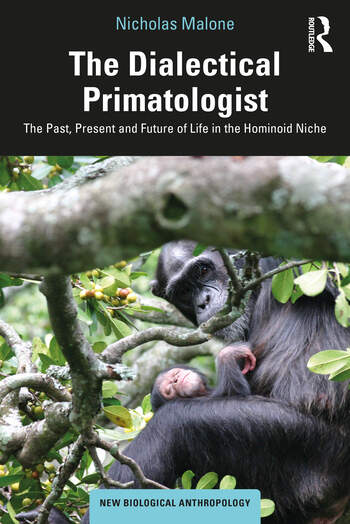







The dominant model links ape suspensory anatomy to ripe fruit feeding in terminal canopies, but new evidence shows positional versatility reflects interacting ecological factors, challenging single-factor adaptive explanations of hominoid evolution
#AJBA
doi.org/10.1002/ajpa.70204
2
5
364
Research on Hungarian Neolithic skeletons show shifting gender roles over time. Early burials show little sex distinction while later communities display gendered practices—yet skeletal stress markers reveal flexibility and individual variation #ajba
doi.org/10.1002/ajpa.70217
1
2
434
Not all bones record the same isotopic history. This bomb-carbon study shows large differences in collagen turnover across skeletal elements, refining how stable isotope data should be interpreted in archaeology and paleoanthropology
#AJBA
doi.org/10.1002/ajpa.70199
2
6
270
Arboreal bipedalism is hypothesized to precede terrestrial bipedalism, but biomechanical data are scarce. This study presents a captive experimental protocol that increases occurrence and enables gait analysis for evolutionary comparisons
#AJBA
doi.org/10.1002/ajpa.70189
6
8
265
Maternal mtDNA from 168 Gujaratis shows continuity of indigenous lineages since the Pleistocene. Indo-Aryan & Dravidian migrations had minimal maternal impact, while gene flow with West Eurasia did not cause large-scale population replacement
#AJBA
doi.org/10.1002/ajpa.70193
3
3
303
This study reviews, updates taxonomy, and digitizes the archival data of Mozambique’s non-human primate collection at the National Museum of Natural History and Science (Lisbon), assembled during Portuguese zoological missions in 1948 and 1955.
#AJBA
doi.org/10.1002/ajpa.70174
1
3
430
Comparisons of StW 573 & MLD 1 show they do not share the diagnostic traits needed for a species match. StW 573 differs in key cranial features, while MLD 1 resembles classic A. africanus. Therefore, StW 573 should not be attributed to A. prometheus
#AJBA
doi.org/10.1002/ajpa.70177
2
11
4,775
Locomotion is central to human survival, but in adolescents, preferred walking speeds aren't always the most energy-efficient. Greater walking flexibility reduces energetic penalties, and may offer adaptive advantages in human evolution.
#AJBA
doi.org/10.1002/ajpa.70152
6
14
684
Bio anth often treats populations as key units of evolution, but the term is used inconsistently. There is variation in how populations are defined (sample sizes, time ranges, characteristics), making comparisons hard. Clearer definitions are needed
#AJBA
doi.org/10.1002/ajpa.70141
195
This study integrates evolutionary theory into forensic practice to improve how sex is estimated from skeletal remains. By accounting for morphological integration, sex estimation can be accomplished with less variables without compromising accuracy
#ajba
doi.org/10.1002/ajpa.70137
2
10
656
This study revealed how genetic diversity, diet, and lifestyle shaped dental stress markers in the indigenous populations of the Canary Islands. The results show island-level differences tied to subsistence strategies. Access the article below!
#ajba
doi.org/10.1002/ajpa.70116
181
At Roonka, Australia, osteoarthritis wasn’t the ‘inevitable’ part of aging we assume today. Rare before European contact, OA here reveals how local biocultural entanglements shape the body, challenging ideas of universal biology
#ajba
doi.org/10.1002/ajpa.70122
1
1
358
The terminal Pleistocene was key in shaping modern populations, marked by high variability & regional divergence. Yahuai-1 (YH1;~16kya, southern China) offers insight into human diversity & population dynamics in SE Asia during this pivotal time
#AJBA
doi.org/10.1002/ajpa.70114
158
Racial disparities in birth & breastfeeding persist among non-Hispanic Black women. This study found labor mismatch (birth intent vs outcome) didn’t affect breastfeeding but income, education & BMI can impact women meeting birth & breastfeeding goals
#ajba
doi.org/10.1002/ajpa.70115
2
251
Epidemiologic research suggests sedentism increases irritable bowel syndrome (IBS) risk. This study suggests IBS may be driven by longitudinal effects of exercise alongside other environmental and behavioral factors contributing to energetic balance
#AJBA
doi.org/10.1002/ajpa.70104
1
171
'Toothnroll' is a new R package for landmarking, measuring and mapping dental tissues of hominoid anterior teeth. Additionally, the package applicability could extend beyond the fields of paleoanthropology and biological anthropology
#AJBA
doi.org/10.1002/ajpa.70079
1
4
212
This study explored how variations in body mass may have reflected changes London during the Black Death, and the relationship between epidemic diseases & changes in body size in the past, revealing new insights into health after extreme devastation
#AJBA
doi.org/10.1002/ajpa.70098
2
5
223
Object manipulation by chacma baboons in Gorongosa National Park varies by age, sex, and habitat type. This study contributes to current discussions about the emergence of habitual tool use across the primate order
#AJBA #baboons #tools
doi.org/10.1002/ajpa.70094
3
15
444
As ethics evolve globally, there is growing pressure on paleoanthropology to revisit its ethical practices, help create globally informed standards, and better align fossil handling with practices in related fields, such as human tissue research
#AJBA
doi.org/10.1002/ajpa.70085
3
10
324
This study investigates enamel thickness among Atapuerca hominins. The results caution against using enamel thickness alone for taxonomic classification and emphasize the importance of analyzing both upper and lower dentitions across dental classes
#AJBA
doi.org/10.1002/ajpa.70068
6
12
532