
The formation tradition that built America has been broken. Restoring it. Father. Author of Forge the Son. The home is the first republic. 🇺🇸
Joined November 2024
- Tweets 7,696
- Following 516
- Followers 7,375
- Likes 10,417
3,923 Photos and videos

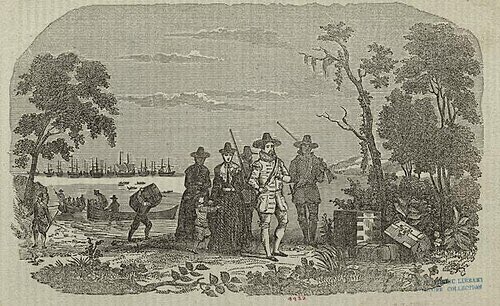
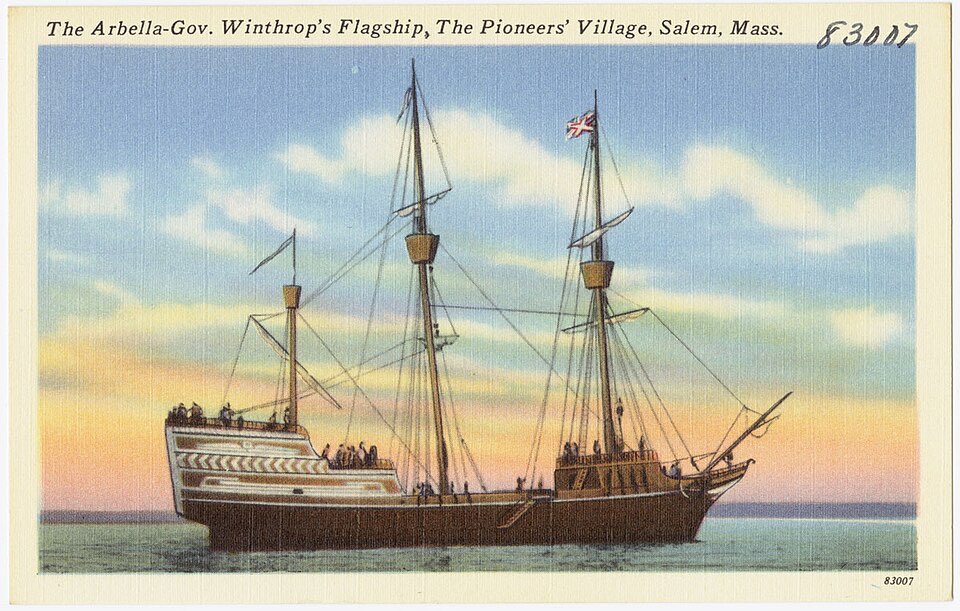
Pinned Tweet
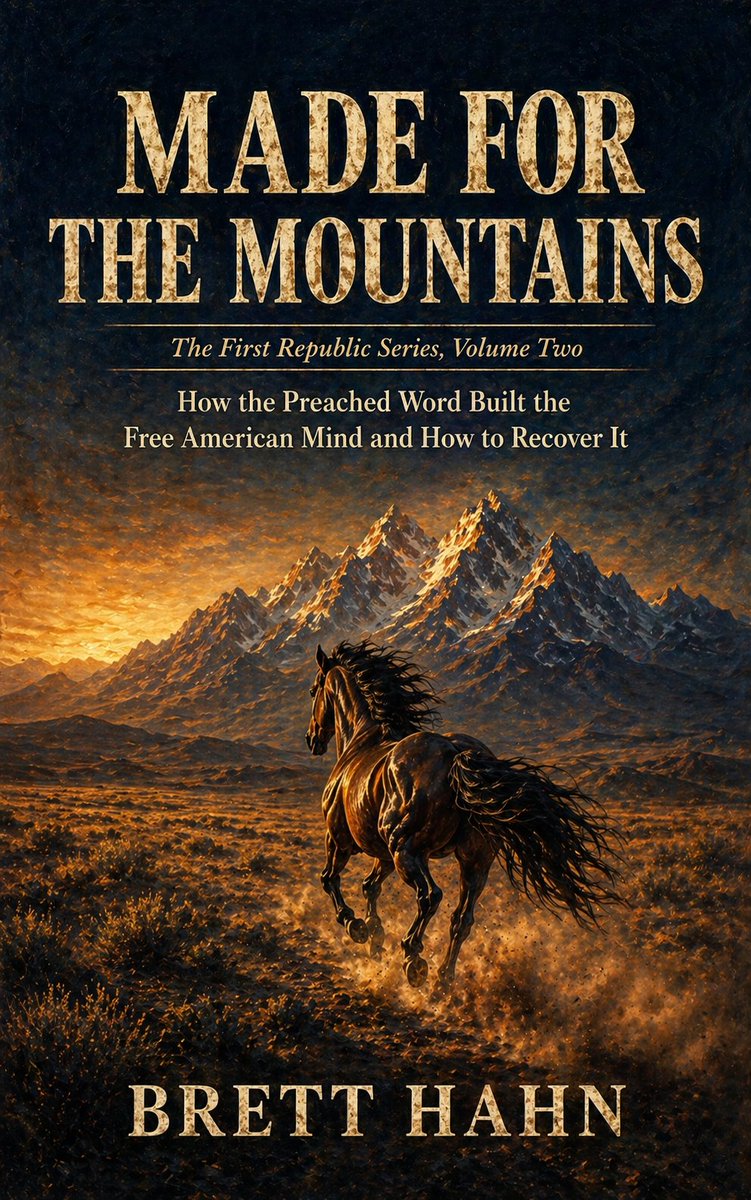
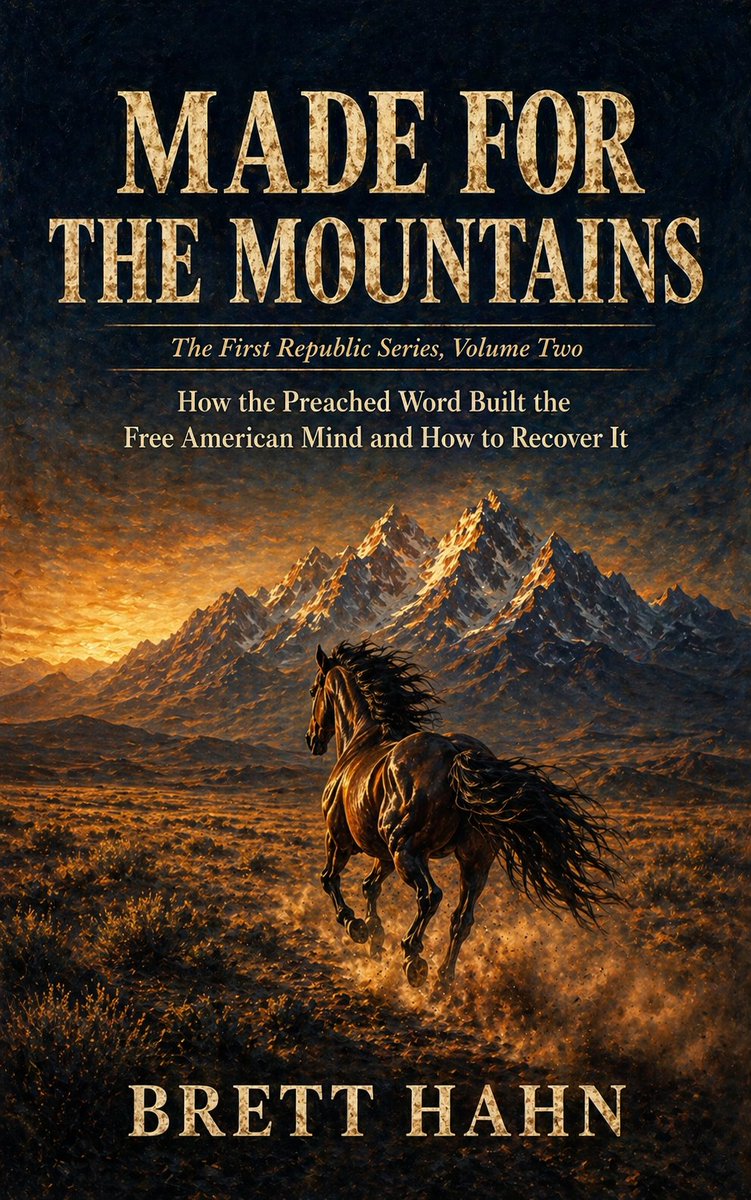
The wild horse runs across the high plain at dawn. He answers to nothing. He was made for the mountains.
The other horse stands in the pasture with his head down. The fence is low. He could clear it before breakfast. He waits for the next command. He has forgotten he was made for something more.
Let's dive in. 🧵🇺🇸 #AmRev
1
1
712
AmRev Resurrected retweeted

26 Mar 2025
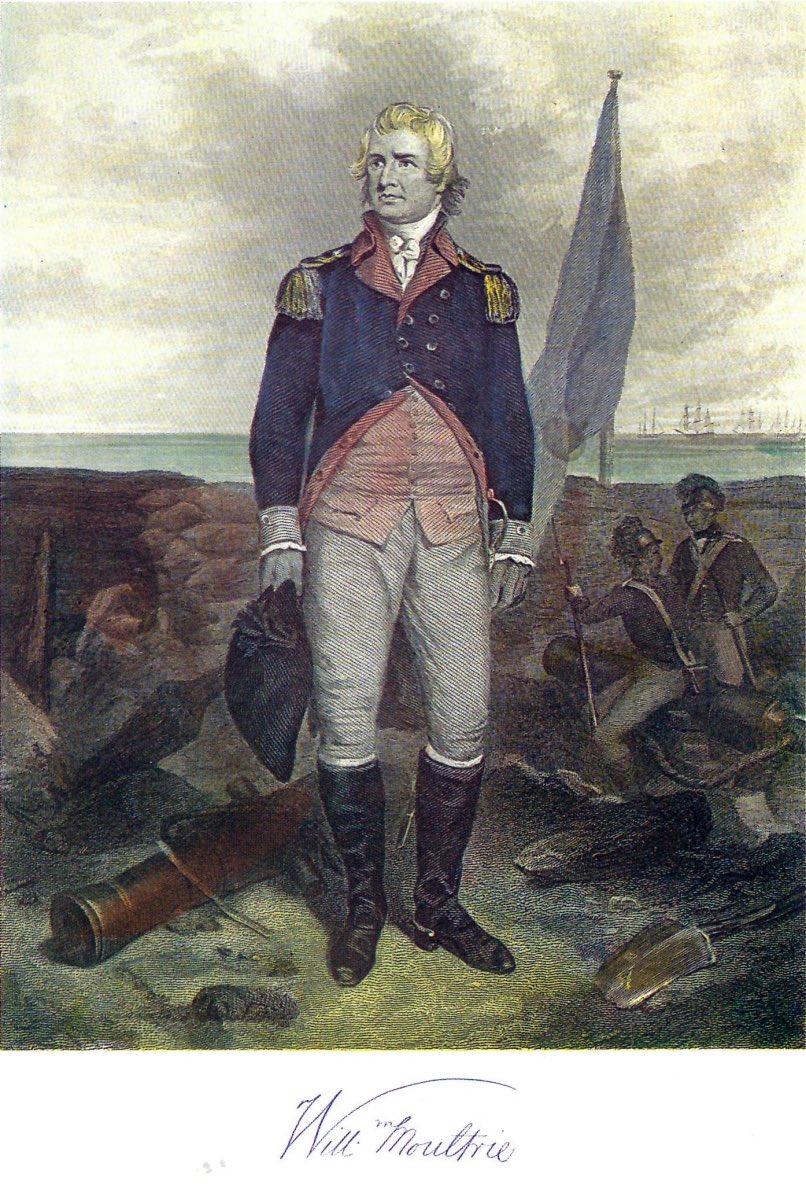
When South Carolina stood on the edge of invasion, one man rallied its defenses with grit and a bold blue flag: William Moultrie. From tavern keeper to general, he helped turn the tide in the South.
Let’s dive into the story of this underrated Patriot. 🧵🇺🇸 #AmRev
12
39
247
8,063
Oldie but a goodie. Enjoy 🫡🇺🇸
14 Jun 2025

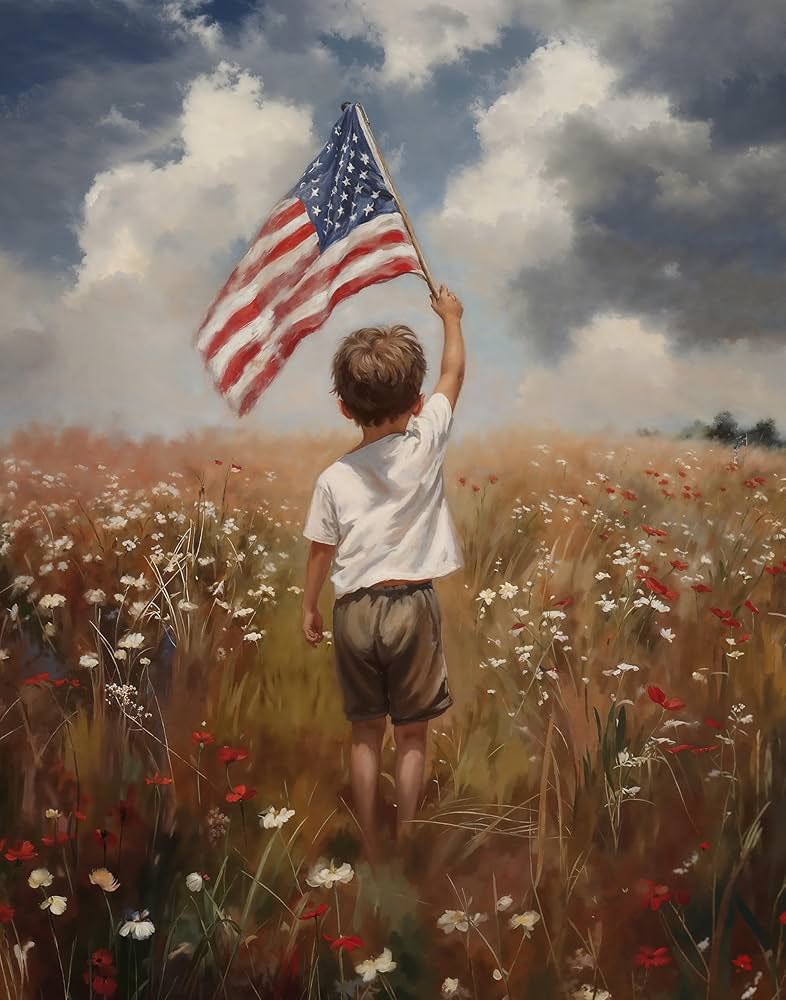
Today is Flag Day , a holiday honoring the birth of the Stars and Stripes. But where did our iconic flag come from? Who designed it? And how did it evolve over time?
Let’s take a patriotic journey through history. 🧵🇺🇸 #AmRev
3
12
477
Jun 11
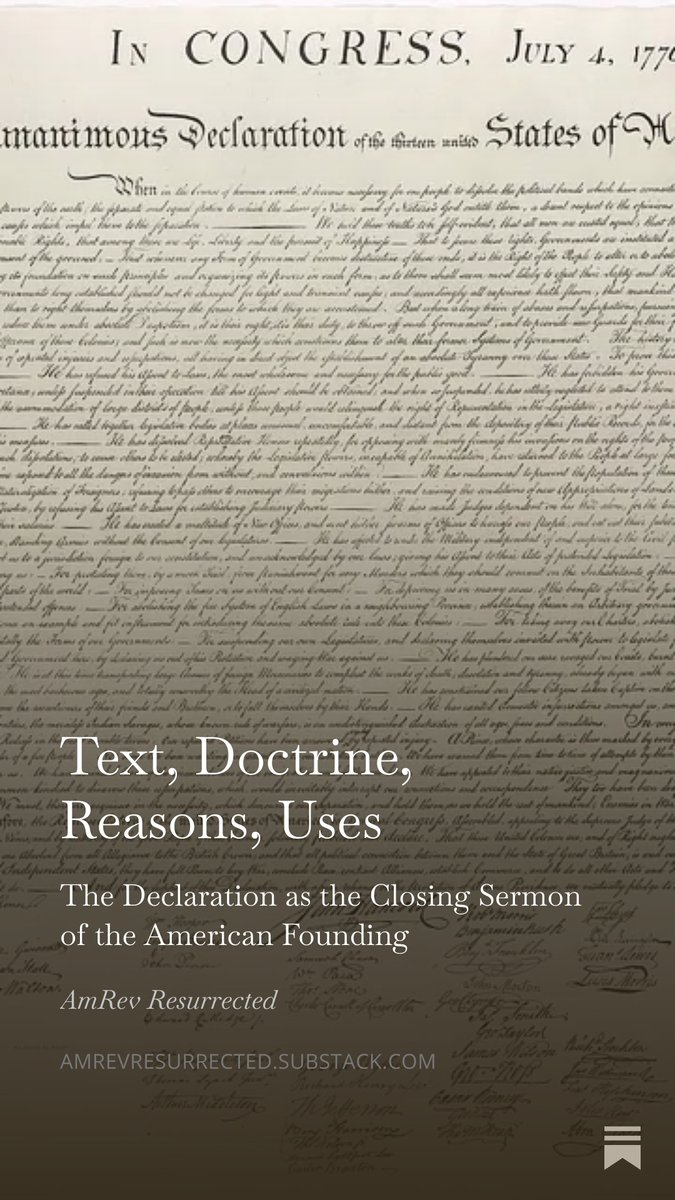
You have read the Declaration of Independence. You think you know what it says.
You do not.
It is not a political philosophy paper. It is the closing sermon of the American founding. This is how to read it the way the men who wrote it would have read it.
New Substack 👇 🇺🇸 #AmRev
1
2
11
842
AmRev Resurrected retweeted

Jun 4
245 years ago this morning, British cavalry stormed up a Virginia mountain to capture Thomas Jefferson.
They missed him by ten minutes.
June 4, 1781. At dawn, an exhausted rider named Jack Jouett came up the mountain to Monticello after riding 40 miles through the night. He woke the household and delivered his warning: Tarleton's dragoons were coming for the author of the Declaration of Independence.
So what did Jefferson do? He didn't bolt.
He sent his wife Martha and the children ahead by carriage, then stayed behind, calmly gathering his most important papers. He even sat down to breakfast. Accounts say he climbed a nearby hill with a collapsible telescope to look down at Charlottesville and check whether the British had actually arrived.
At first he saw nothing. Then, the story goes, he noticed he had lost his light walking sword along the way, went back for it, and looked again.
The streets were swarming with green coated dragoons.
A neighbor, Christopher Hudson, found Jefferson and begged him to go. Jefferson finally mounted his horse and slipped away through the woods. By his neighbor's sworn account, the house was surrounded within ten minutes.
Captain Kenneth McLeod's dragoons burst into Monticello and found a warm breakfast and an empty house.
Almost empty. The enslaved men of Monticello were still there, and they did not break. Caesar had spent the morning hiding the silver beneath the floor of the front portico and stayed hidden in that dark space for hours, by some accounts days. Family tradition holds that a British soldier pressed a pistol to Martin Hemings' chest and demanded to know where Jefferson had gone. His answer: "Fire away, then."
The soldier didn't fire. And nobody talked.
Here's the strangest part. Tarleton, "The Butcher" himself, ordered that nothing at Monticello be damaged or looted. The British drank some wine and left after 18 hours. The house survived. So did Jefferson.
The epilogue is brutal anyway. Jefferson's term as governor had expired two days earlier, and his enemies spent years calling his escape cowardice. The legislature opened a formal inquiry into his conduct. He was fully cleared, but the accusation stung him for the rest of his life.
Ten minutes. That's the margin between the Jefferson presidency, the Louisiana Purchase, the Lewis and Clark expedition... and a founding father in a British prison.
What's the closest call in history you can think of?
Jun 3

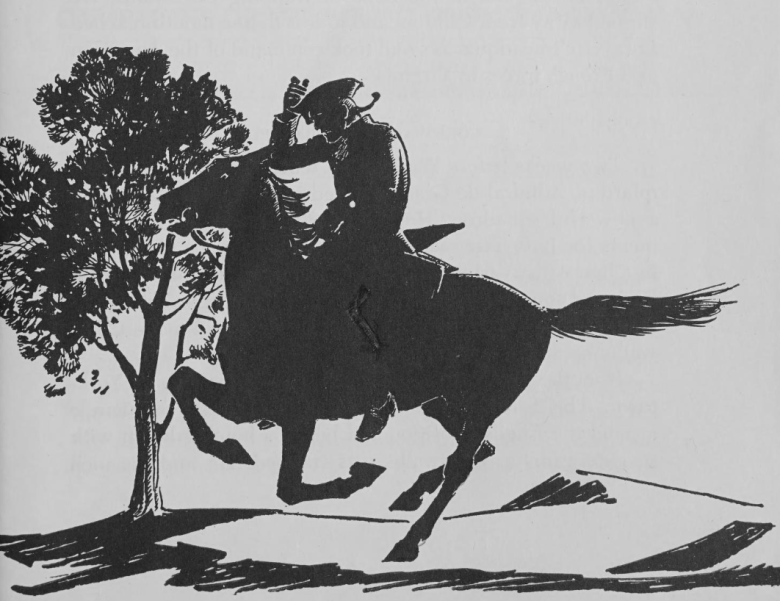
On this night in 1781, one man on a horse saved the American Revolution from losing Thomas Jefferson, Patrick Henry, and half of Virginia's government in a single morning.
You were never taught his name.
June 3, 1781. The British had chased Virginia's entire government out of Richmond. Jefferson, in his final days as governor, and the legislature had fled to Charlottesville, thinking they were safe in the foothills.
They were wrong.
That evening, 26 year old militia captain Jack Jouett was at a tavern in Louisa County when roughly 250 of the most feared cavalry in the British army came pounding down the road. Their commander: Banastre Tarleton, nicknamed "The Butcher," the man whose dragoons had cut down surrendering Americans at Waxhaws.
There was only one place they could be going. Charlottesville. 40 miles away. And the capture of Jefferson, the author of the Declaration of Independence, would be the prize of the war.
Jouett couldn't outrun them on the main road. So he didn't use it.
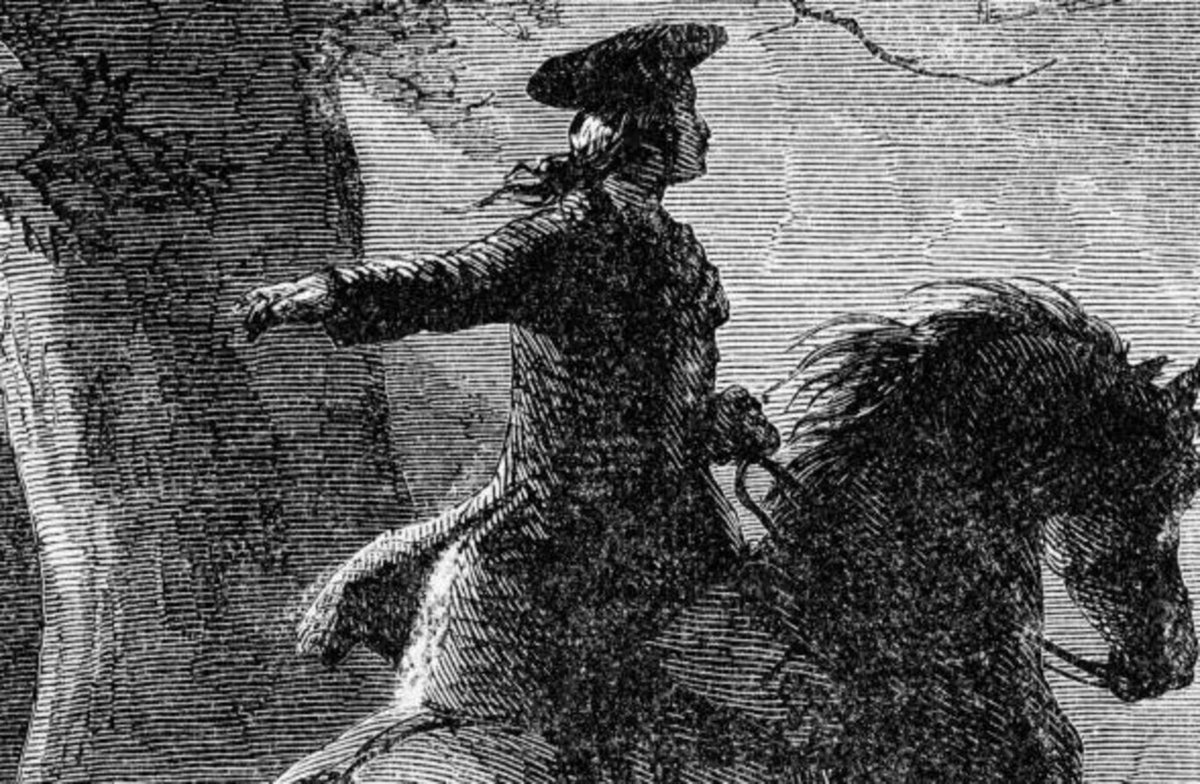
He swung onto overgrown backwoods trails and the abandoned Old Mountain Road, riding 40 miles through the dark with only the full moon for light. Legend says low hanging branches whipped and scarred his face for life.
Tarleton stopped his men for a 3 hour rest. Jouett never stopped.
Before sunrise on June 4, he came up the mountain to Monticello and woke Jefferson. Then he rode down into Charlottesville and warned the legislature.
Jefferson got out with minutes to spare. British dragoons were coming up his mountain as he left. The legislature escaped over the Blue Ridge to Staunton. Tarleton caught only seven stragglers, one of them a frontiersman serving in the legislature named Daniel Boone.
Paul Revere rode about 12 miles in 1775 and got captured before reaching Concord. Longfellow wrote him a poem and made him immortal.
Jack Jouett rode 40 miles, lost nothing, saved everything, and got a thank you gift of two pistols and a sword from the Virginia Assembly.
No poem. No fame. Almost no memory.
4
58
275
6,719
AmRev Resurrected retweeted

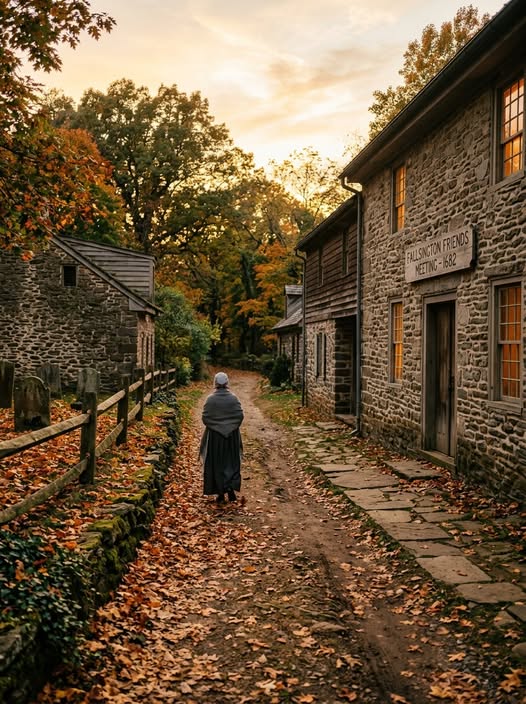
Most Pennsylvanians have never heard of Fallsington. 🏡
It's a small village in Bucks County, just a few miles from where William Penn first set foot on Pennsylvania soil in 1682. What makes it extraordinary is what didn't happen there: it was never torn down, never modernized, never absorbed into a suburb. The original Quaker meetinghouse is still standing. The 17th-century stone houses are still standing. The burial ground where Penn's earliest settlers were laid to rest is still there, the names worn smooth by three centuries of Pennsylvania weather.
What's interesting is that Fallsington isn't a reconstruction or a living history museum. It's a real village where people still live, surrounded by buildings that predate the United States by nearly a century. Walk its lanes and you're walking the same ground Penn's colonists walked. The scale is the same. The materials are the same. Almost nothing has changed.
Here's what people don't realize: Pennsylvania has one of the most intact colonial landscapes in America, and most of it goes completely unvisited. Fallsington is one of the best examples. It's been sitting quietly in Bucks County for over 340 years, waiting for someone to notice.
Have you ever been to Fallsington? 👇
Hashtags:
#Pennsylvania #PennsylvaniaHistory #BucksCounty #ForgottenPennsylvania #ExplorePA
Most Pennsylvanians have never heard of Fallsington. 🏡
It's a small village in Bucks County, just a few miles from where William Penn first set foot on Pennsylvania soil in 1682. What makes it extraordinary is what didn't happen there: it was never torn down, never modernized, never absorbed into a suburb. The original Quaker meetinghouse is still standing. The 17th-century stone houses are still standing. The burial ground where Penn's earliest settlers were laid to rest is still there, the names worn smooth by three centuries of Pennsylvania weather.
What's interesting is that Fallsington isn't a reconstruction or a living history museum. It's a real village where people still live, surrounded by buildings that predate the United States by nearly a century. Walk its lanes and you're walking the same ground Penn's colonists walked. The scale is the same. The materials are the same. Almost nothing has changed.
Here's what people don't realize: Pennsylvania has one of the most intact colonial landscapes in America, and most of it goes completely unvisited. Fallsington is one of the best examples. It's been sitting quietly in Bucks County for over 340 years, waiting for someone to notice.
Have you ever been to Fallsington? 👇
Hashtags:
#Pennsylvania #PennsylvaniaHistory #BucksCounty #ForgottenPennsylvania #ExplorePA
Fallsington was established around 1690 as a Quaker community near William Penn's Pennsbury Manor estate. Three of its original meetinghouses survive, the oldest dating to 1690, making it one of the most intact pre-Revolutionary villages in the entire United States. Most people drive past it on the way to New Hope without ever knowing it exists.
17
31
232
13,140
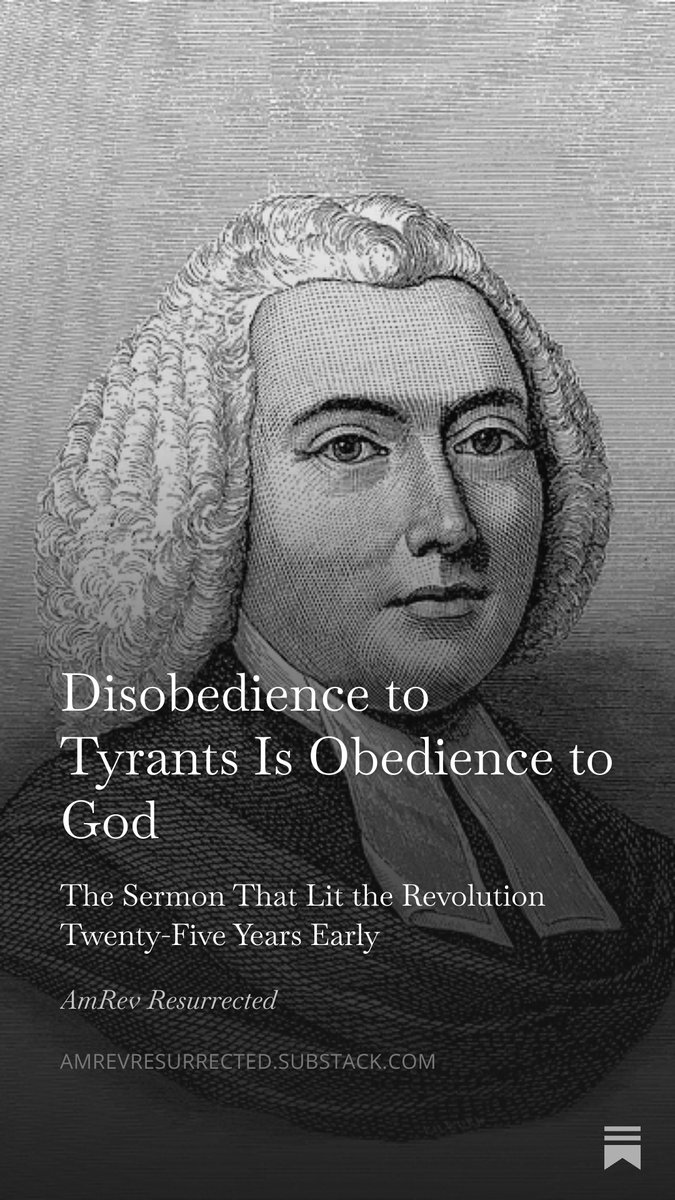
The Revolution did not start at Lexington. It started in a Boston pulpit on January 30, 1750, when a 29-year-old pastor preached Romans 13 against the establishment.
John Adams said the sermon was "read by everybody." The man died ten years before the Declaration.
New Substack 👇 🇺🇸 #AmRev
2
7
27
1,006
AmRev Resurrected retweeted

Pastor Jimmy and Adam grab the third rail of cultural discourse.
Join them on their journey today!
The Rise of Islam: Panic or Perspective - We Get To Do This gcfm.link/sl/18Z54d811b83
3
10
54
2,237
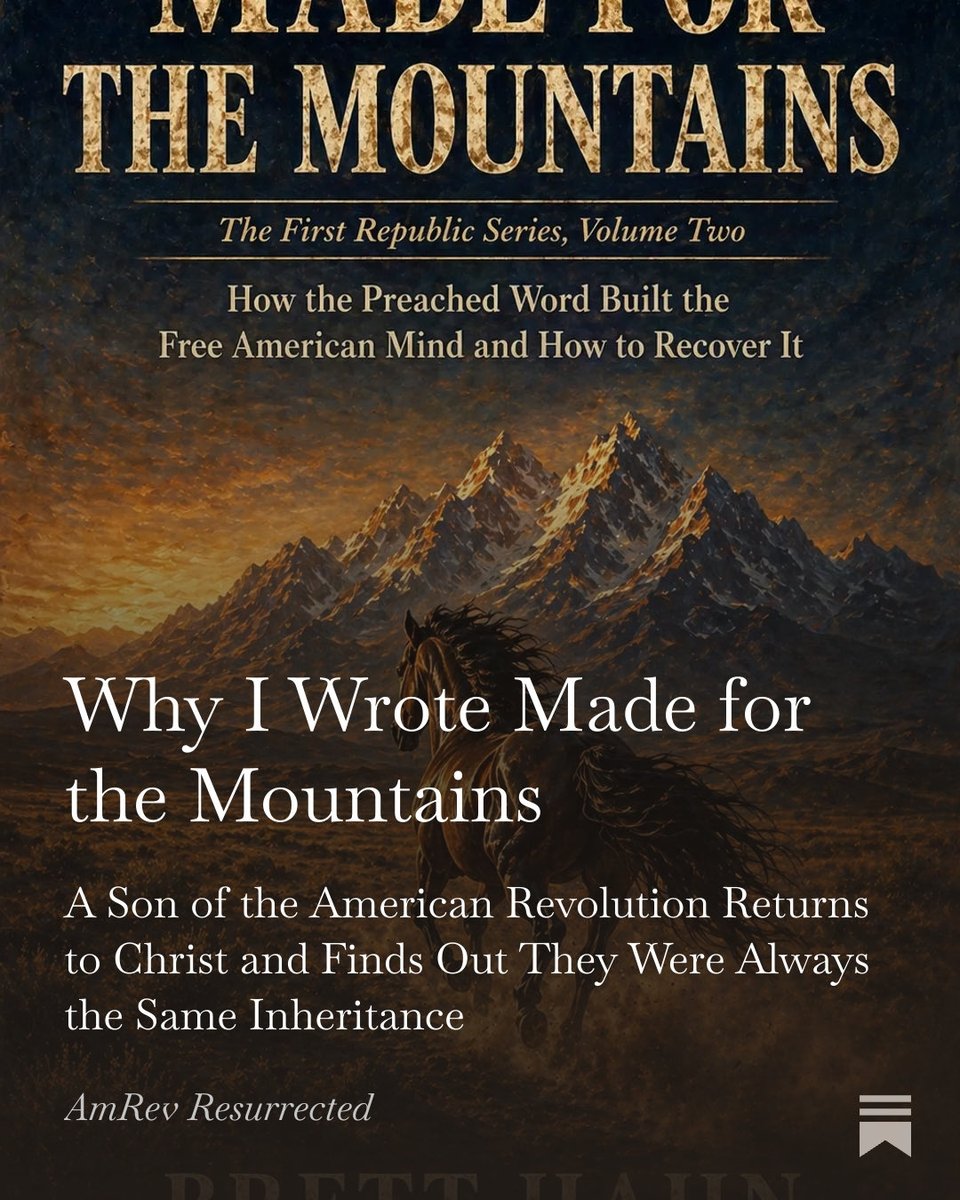
My seventh great-grandfather fought in the Revolutionary War. I knew the lineage. I did not know what formed him.
When I came back to Christ in 2022, the dig into the founders was the same dig.
The Word built the republic. I wrote a book about it.
New Substack 👇
2
12
713
The wild horse runs across the high plain at dawn. He answers to nothing. He was made for the mountains.
The other horse stands in the pasture with his head down. The fence is low. He could clear it before breakfast. He waits for the next command. He has forgotten he was made for something more.
Let's dive in. 🧵🇺🇸 #AmRev
1
1
712
July 4, 2026 is the 250th anniversary of the Declaration of Independence. The Declaration is the closing argument of a sermon the colonial pulpit had been preaching since 1634.
This is the book that recovers what the colonial pulpit was preaching. Read it before July 4.
1
3
167
Made for the Mountains is live. Hardcover. Paperback. Kindle.
The texts have not changed. The Word has not changed. The mountains have not moved.
Lift your head.
Buy here: a.co/d/05e9jQZW
1
185