Joined June 2018
- Tweets 29,109
- Following 2,475
- Followers 1,100
- Likes 42,428
102 Photos and videos
Amanda Neil retweeted

"In Gaza, Israeli forces have killed almost 1,000 Palestinians since the ceasefire was announced last October, the vast majority civilians. The Israeli authorities are pushing Palestinians into an ever-shrinking portion of the territory and imposing restrictions on lifesaving aid.
On the West Bank, Israeli security forces and settlers are accelerating the destruction of communities and the annexation of territory. So far this year, they have killed 57 people, injured nearly 1,300, detained hundreds, and issued 23 land confiscation orders.
Meanwhile, since the ceasefire, we have recorded at least 82 reported killings of Palestinians by Hamas.
Some senior Israeli officials have spoken publicly of the removal of all Palestinians from Gaza, and of ending any possibility of a viable Palestinian state. All of this is totally illegal.
We are out of red flags. Our many previous warnings have not been heeded.
All those with influence must exert pressure to make the ceasefire a reality, to end the unbearable suffering of Palestinians, and to hold those responsible to account."
Read Volker Turk, UN Human Rights Chief's global update to the 62nd session of the Human Rights Council. ohchr.org/en/statements-and-…
30
302
541
14,525
Amanda Neil retweeted

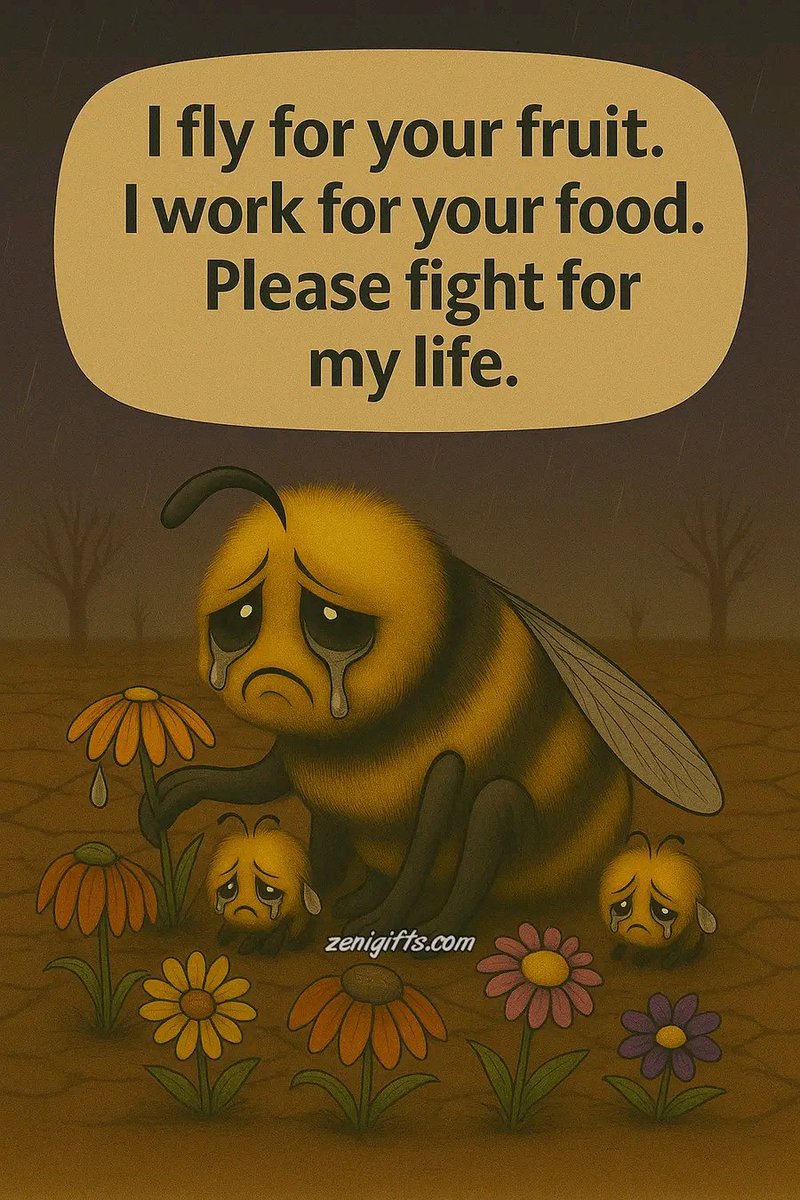
When the last bee falls silent…
No more buzzing.
No more pollination.
80% of the world’s flowering plants & 75% of our food crops depend on pollinators.
No bees = no almonds, no apples, no coffee, no chocolate.
This isn’t poetry. It’s our food security. 🐝🌱
3
63
119
1,122
Amanda Neil retweeted

Jun 14
I strongly condemn today's Israeli strikes on Beirut. The strikes took place despite the ceasefire & at a time when the US & Iran are expected to reach an agreement that will pave the way to a peaceful resolution of this conflict.
This conflict is having a devastating impact on the world's economy.
I urge all parties to show maximum restraint at this crucial moment & I strongly hope for a successful outcome of the ongoing efforts by the US & Iran.
2,687
1,444
6,908
921,331
Amanda Neil retweeted

Australian police launched investigation into to Israeli forces’ alleged sexual assault of Australian flotilla activists. (Sexual violence is a war crime under Australian law, attracting extraterritorial jurisdiction) abc.net.au/news/2026-06-15/f…
46
293
613
8,056
Amanda Neil retweeted

Jun 14
Pressure grows to suspend Israeli Medical Association from global medical body haaretz.com/israel-news/2026…
68
592
1,331
27,905
Amanda Neil retweeted

Jun 15
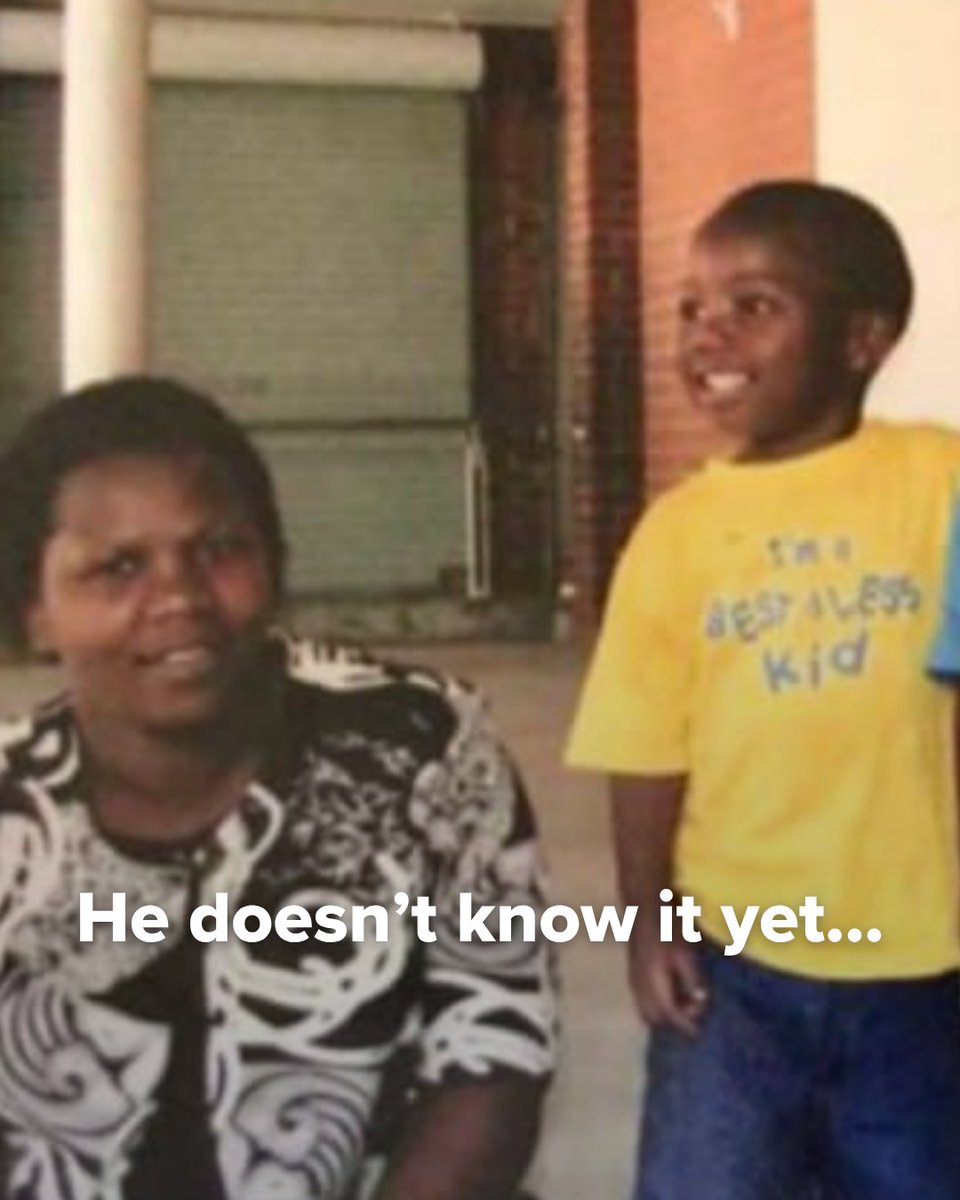
For most of us, we can’t even imagine what Nestory’s journey has been like.
As with all refugees.
Displaced, homeless, full of hope but in desperate need of safety. A chance. An opportunity at life.
With a dream and a ball, making a new life, in a country with a proud history of welcoming refugees, but facing its own forces of opposition today.
Nestory didn’t just shoot the ball into the Turkish net, he struck a lightning bolt to the conscience of millions of Australians.
How can we cheer one brilliant, skilled, explosive and confident young kid representing us, and we him, and simultaneously portray refugees or new arrivals as less worthy?
It also should raise the question of how refugees come to be? Everyone wants to live a safe life at home, with kin, generations of family, not having to ask for a chance..
But conflict, it’s funding, the breakdown in international law, the weapons industry needing to be fed, exploitation of resources, religious tribalism and extremism, all create the more than a hundred million people who have fled their home.
It is these drivers we must stop, and these causes we must never support nor participate in.
Football brings everyone together and shows us what we share.
Now, we share a love of a young Aussie kid who overcame every barrier put in his way, to reach the pinnacle of world sport.
And that is needed more than ever.

From being born in a refugee camp to scoring at a World Cup. A message to millions. ⭐️
Nestory Irankunda’s journey from displacement to becoming Australia’s youngest #FIFAWorldCup goalscorer shows what’s possible when hope, talent and opportunity come together. 🌍⚽

393
366
1,861
67,454
Amanda Neil retweeted
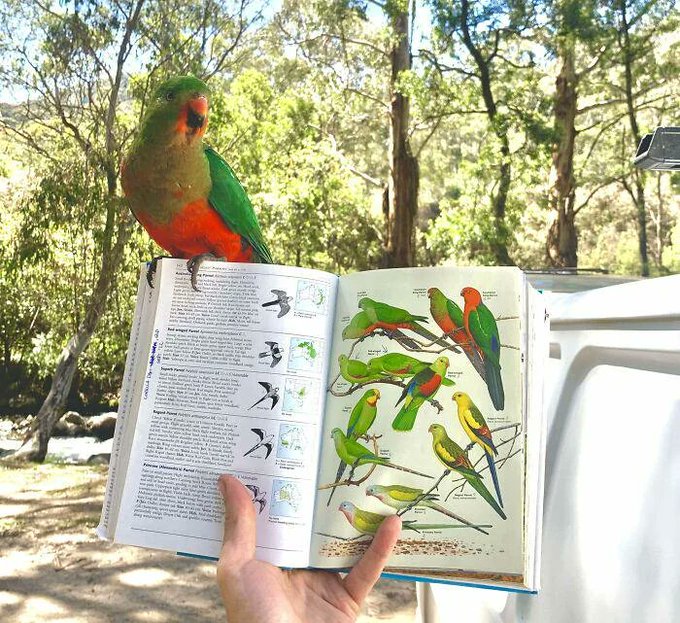
Things that happens once.
When an Australian King Parrot lands on its identification book's page.
28
100
672
21,686
Amanda Neil retweeted

Jun 14
🚨Reminder: Around 50,000 FIFA-accredited journalists are covering the 2026 World Cup.
Not a single foreign journalist has been allowed into Gaza for over two and a half years to report on the ongoing genocide.
28
1,706
3,519
47,640
Amanda Neil retweeted
There is no ceasefire in Lebanon with I$raeli attacks continuing in the south as it insists the MOU between Iran and the US doesn’t apply to them.
Multiple villages have been targeted this morning with demolition operations while a booby-trapped vehicle was detonated on the road between Haris and Tebnine.
Some municipalities have warned people not to return as many of those displaced from their homes are heading south.
I$raeli forces this morning opened fire on Kfar Roummaine and also targeted the area around Maifdoun as civilians tried to return with at least one person wounded.
65
1,062
1,424
111,012
Amanda Neil retweeted

Jun 15
🚨 BREAKING: Lebanon files UN Security Council complaint accusing I$rael of violating the Chemical Weapons Convention in the south
Lab tests from Aita al-Shaab, Naqoura, and Dhaira confirmed catastrophic levels of Glyphosate—a cancer-linked chemical—in agricultural soil.
Normal farming levels would show 0.5 to 2 mcg/g but tests on soil in South Lebanon show 22,750 mcg/g, 11,000 times above safe levels
It has been labeled by some as a deliberate war crime designed to permanently destroy arable border lands.
Here is our report from the scene filmed in February
Feb 7

I$rael once again sprayed cancer-linked chemicals on agricultural land in south Lebanon on Friday, an act condemned as a war crime and a bid to make the border region uninhabitable
Our report from the ground
146
6,518
9,474
173,558
Amanda Neil retweeted

Jun 14
BREAKING:
Apocalyptic scenes in Lebanon’s capital right now.
Israel is bombing residential buildings in densely populated neighborhoods of Beirut.
A ceasefire that still allows bombs to fall on civilians is not a ceasefire.
874
20,396
33,193
605,388
Amanda Neil retweeted

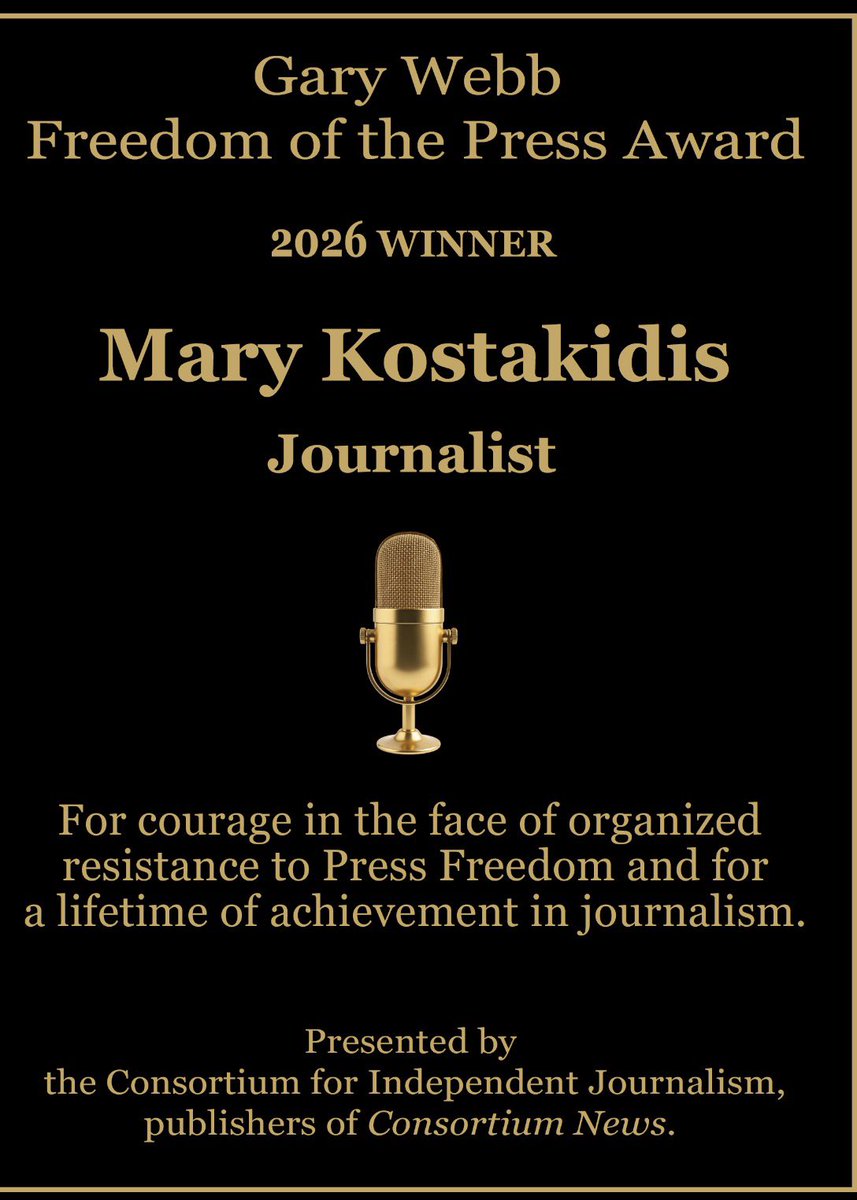
This afternoon @MaryKostakidis was awarded the Gary Webb Freedom of the Press Award by @unjoe @Consortiumnews Mary is the 3rd Australian recipient of this award.
Let’s celebrate Mary who stands tall in the face of those who try to silence her, and all of us 👏
41
469
1,286
20,064

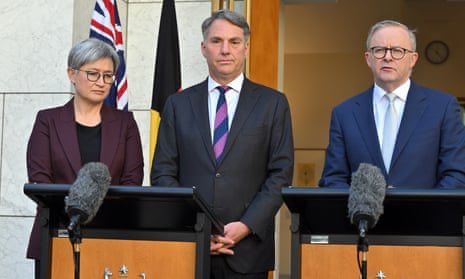
Prof Jeffrey Sachs, American economist and public policy analyst. Columbia University:
"AUKUS is designed to bill the Australian taxpayers and enrich the US military industrial complex. You have been had Australia, sorry to tell you. And your politicians should own up it."
106
1,117
2,128
17,482
Amanda Neil retweeted

Jun 13
NEW
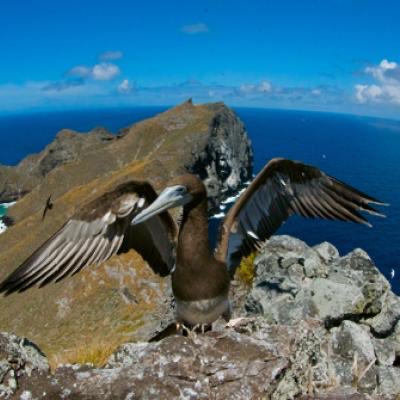
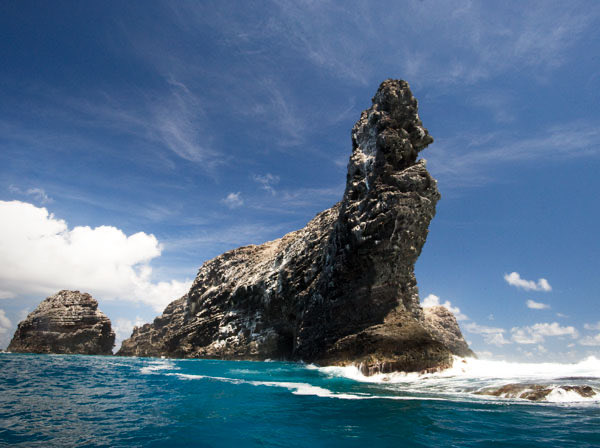
Trump has now opened all five U.S. marine national monuments to commercial fishing, ending long-standing fishing restrictions across millions of protected ocean acres.
Conservationists warn the move puts habitat for whales, sea turtles, sharks, and coral reefs at risk. 🚩
164
2,337
3,101
78,109
Amanda Neil retweeted

Jun 13
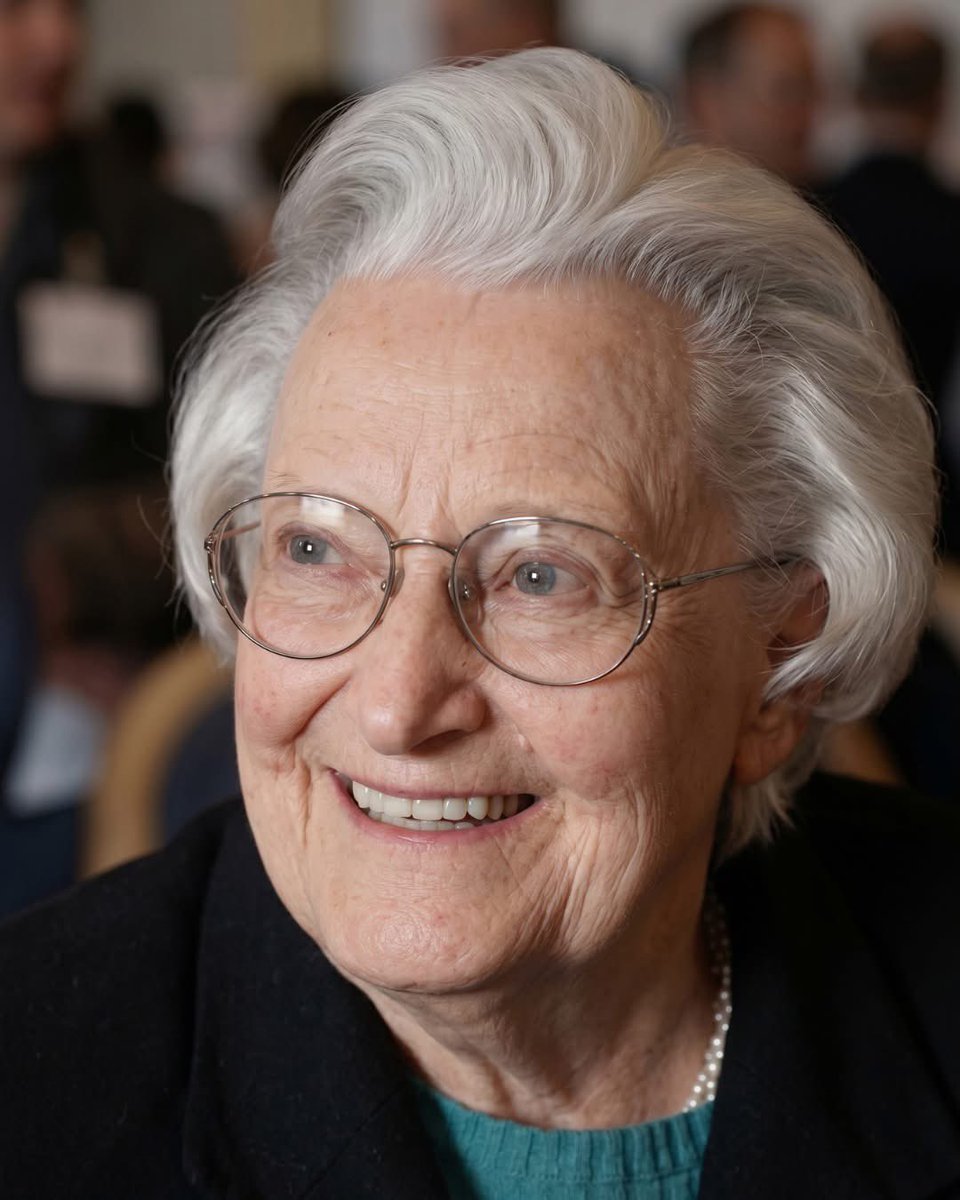
She was 30. He was 40, dying, and had nowhere left to go.
Cicely Saunders met David Tasma in a London hospital in 1947. He was a Polish Jew, one of the few who had escaped the Warsaw Ghetto. Now he was alone, fading away in a crowded surgical ward where doctors had stopped trying. To them, dying meant failure. When patients could no longer be cured, they were moved to back wards, dulled with medication, and their families were told, “There’s nothing more we can do.”
But Cicely did not walk away.
She visited David for weeks. She sat with him. Kept him company. Truly listened. He told her something she would carry for the rest of her life: “I want a place where people like me can die properly.”
Before he died on February 25, 1948, he gave her his life savings: £500. Then he said something else: “I’ll be a window in your home.”
She did not have a home. She did not have a hospice. She had nothing but his words and his money.
But she had a purpose.
For 19 years, she pursued it.
First, she learned about pain. She trained as a nurse, but a back injury changed her direction. She became a medical social worker and saw how hospitals failed people who were dying. Then she watched the nuns at St Luke’s Home in Bayswater do something radical: they gave morphine on a schedule, before the pain came back. Patients remained awake. They could speak. They could say goodbye.
That was when Cicely understood something.
No one was listening to the science.
Doctors would not listen to a nurse. So she became a doctor. At 33, she entered medical school. By 1957, she had earned her degree, with honours in surgery.
For seven years, she studied. She tested morphine doses, timing, and combinations. She proved what many doctors refused to believe: regular pain medication did not create addiction. It created clarity. Patients could live their final months awake, present, and able to be with the people they loved.
She also identified something she called “total pain.”
Pain was not only physical. It was emotional. Social. Spiritual. It was the pain of watching your family suffer. The pain of unfinished business. The fear of what came next. To truly care for the dying, you had to care for all of it.
It was revolutionary.
Medicine had no language for it.
Cicely gave it one.
In 1967, St Christopher’s Hospice opened in Sydenham, South London. It was not simply a hospital. It was a home. Fifty-four beds. Teaching spaces. Research laboratories. Gardens. Windows, real windows, that allowed dying people to see the world one more time.
The glass at the entrance was David Tasma’s window.
Within a few years, St Christopher’s became the model the world would follow. Florence Wald came from Yale, learned from Cicely, and carried the hospice movement to America. By 1974, American hospices were opening. By the 1980s, every developed country had them. Palliative care became a medical specialty.
One refugee’s final words had helped change medicine.
Cicely stayed. In 1980, she married a Polish painter named Marian, because it seemed she could not help falling for Polish men. She continued working at St Christopher’s into her late 80s. She received honours, honorary degrees, and even the Templeton Prize for progress in religion.
But she refused to become a celebrity. When one American visitor asked to touch “the great founder,” Cicely snapped, “No you can’t. I bite. I am not a cult figure.”
On July 14, 2005, Cicely Saunders died of breast cancer. She was 87.
She died at St Christopher’s Hospice. In the home she had built. Cared for by the staff she had trained. Living by the principles she had created.
Here is what matters: before Cicely, dying was treated as failure. After her, it became a stage of life deserving science, dignity, and love.
She spent 60 years proving something the world had forgotten: how we die matters as much as how we live.
Every hospice on Earth exists because one woman refused to accept the words, “nothing more we can do.”
13
138
444
9,099
Amanda Neil retweeted

Una de las «perlas» que nos ha dejado el papa León XIV ha sido esta sencilla, pero profunda, definición del perdón.
Dice que perdonar no significa olvidar el mal padecido ni permitir que siga sucediendo, sino liberarnos del resentimiento y del odio que dominarían nuestra vida. Con dicha enseñanza, el romano pontífice no está negando el carácter gratuito y generoso del perdón, pero lo está afrontando desde una perspectiva realista y sobrenatural, alejado de todo voluntarismo forzado y estéril.
En definitiva, conviene tener esta enseñanza en su debida cuenta, puesto que perdonar al prójimo es condición de posibilidad para que el alma viva en paz y para que también Dios perdone nuestros pecados.
76
1,647
6,307
152,760
Amanda Neil retweeted

Jun 14
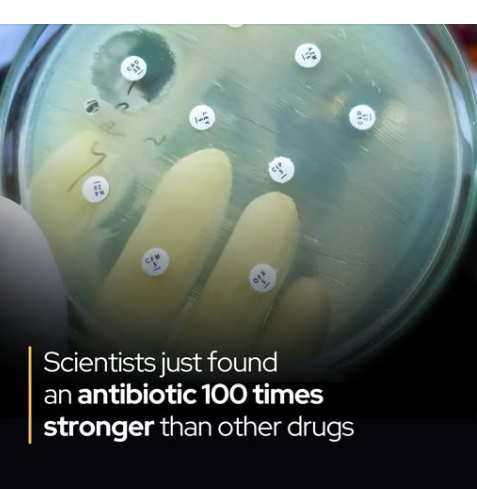
The most powerful antibiotic you’ve never heard of was sitting under scientists’ noses for decades.
A team from the University of Warwick and Monash University has discovered a hidden molecule that’s over 100 times stronger than existing antibiotics against drug-resistant bacteria like MRSA and VRE. It’s called pre-methylenomycin C lactone – and it was quietly lurking inside a well-known bacterium studied since the 1950s.
Streptomyces coelicolor is a familiar name in microbiology, known for producing the antibiotic methylenomycin A. But no one had tested the intermediate compounds created during its production – until now.
By deleting specific genes in the bacterium’s biosynthetic pathway, researchers uncovered two previously unknown intermediates. One of them, pre-methylenomycin C lactone, turned out to be a game-changer: 100x more active against Gram-positive bacteria than methylenomycin A.
The compound worked exceptionally well against methicillin-resistant Staphylococcus aureus (MRSA) and vancomycin-resistant Enterococcus (VRE), two of the deadliest superbugs on the World Health Organization’s priority list. Even more promising: in lab tests, the bacteria didn’t develop resistance to the compound – a rare outcome in antimicrobial research.
["Discovery of Late Intermediates in Methylenomycin Biosynthesis Active against Drug-Resistant Gram-Positive Bacterial Pathogens." Journal of the American Chemical Society, 2025]
31
395
1,338
58,637
Amanda Neil retweeted

Jun 12
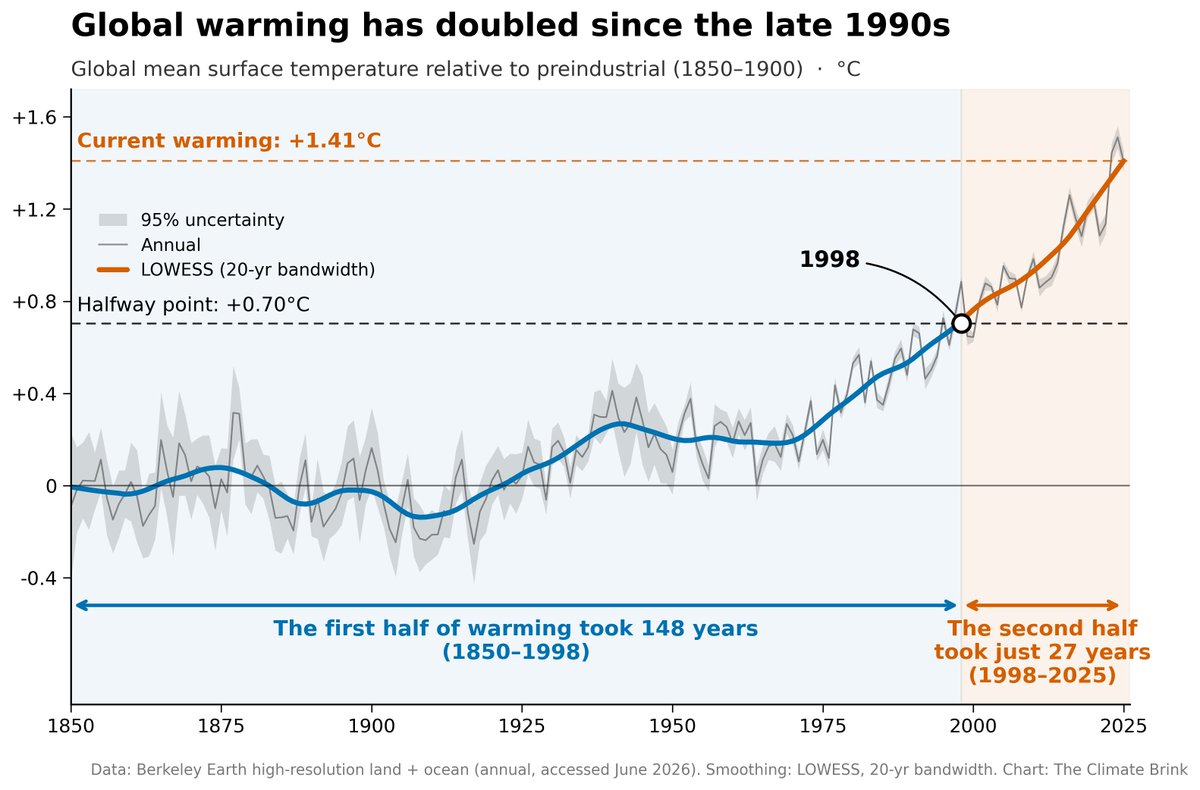
The world has warmed by around 1.4C since 1850.
It took 148 years for the first half of that warming to occur, and just 27 years for the second half!
154
574
1,984
134,055
Amanda Neil retweeted

Jun 13
"We are losing biodiversity at a rate unparalleled in human history." Global wildlife populations have sunk over 60% since 1970.
We are destroying ourselves and taking nature with us.
Time to protect people and the planet.
#ActOnClimate #climate #biodiversity #nature
59
899
1,512
19,025
Amanda Neil retweeted
Jun 13
The General Sherman Tree. By volume, it’s the largest living tree on Earth and is estimated to be 2,500 years old!
Despite their importance old growth forests continue to be logged globally. It's time to protect the irreplaceable.
#ActOnClimate #deforesation #rewilding #nature
15
320
693
5,382