
A collaborative effort to highlight the origin stories of American marksmanship, and those still carrying the torch. Exclusives only on @pepperboxtv
Joined March 2023
- Tweets 186
- Following 96
- Followers 3,708
- Likes 462
110 Photos and videos

Pinned Tweet

Apr 11
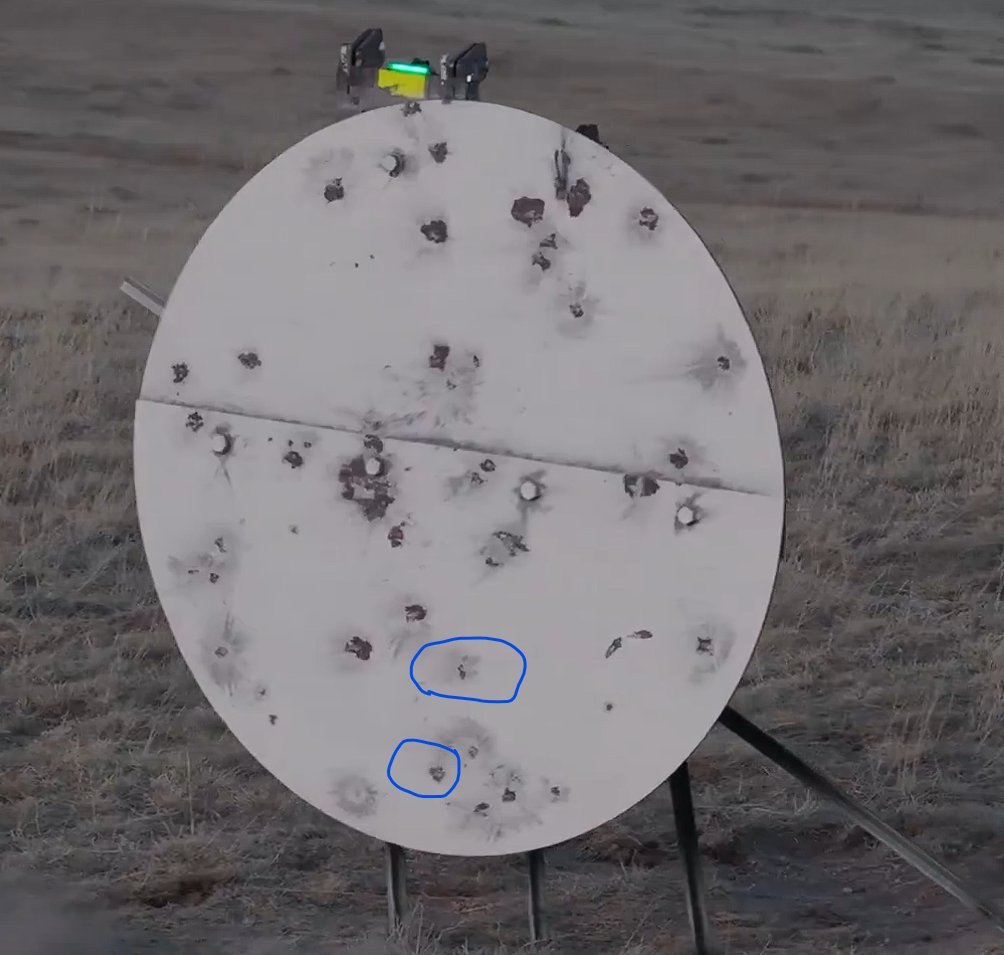
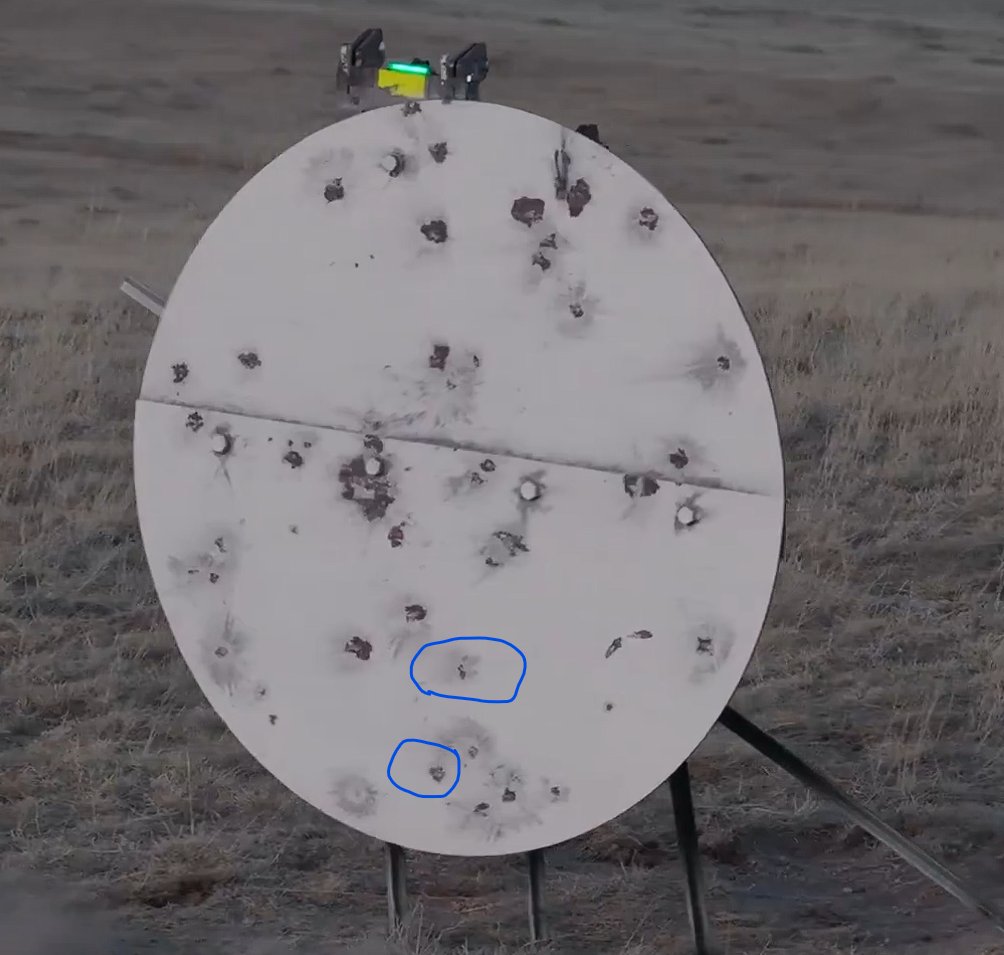
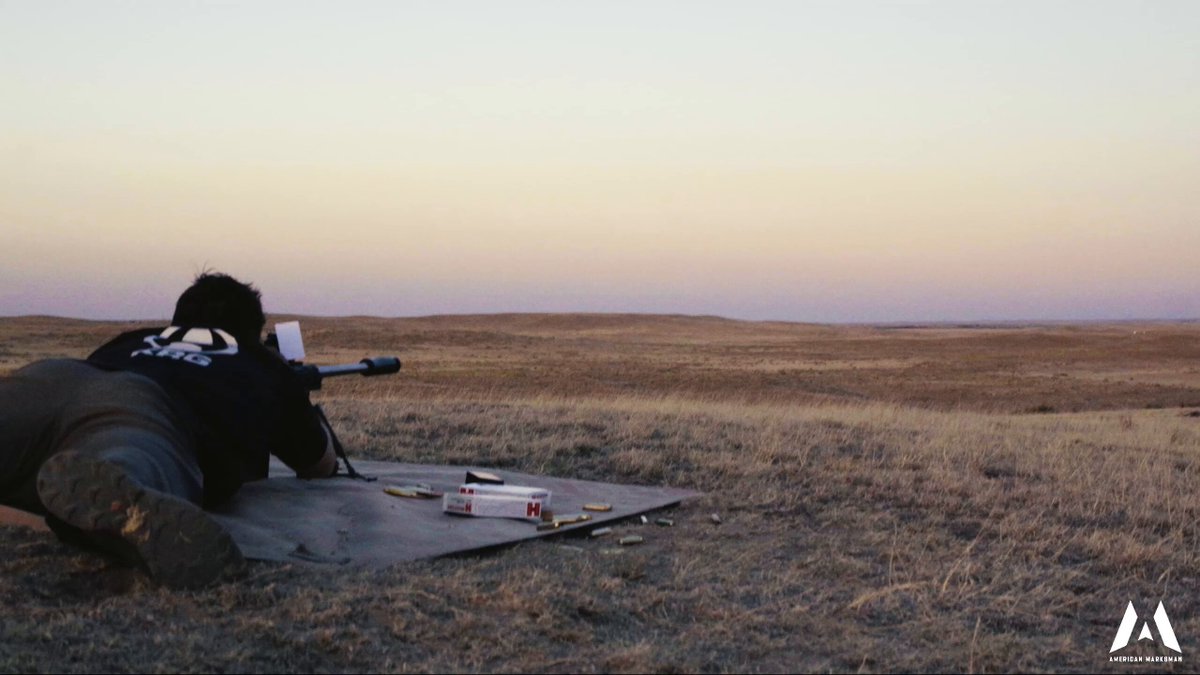
We got stuck overnight in the Rockies, but spent the day sending .338 Lapua (and all sorts of other calibers) all the way out to almost 4,000 yards.
Full video, uncensored.
12
29
500
55,422
Jun 13
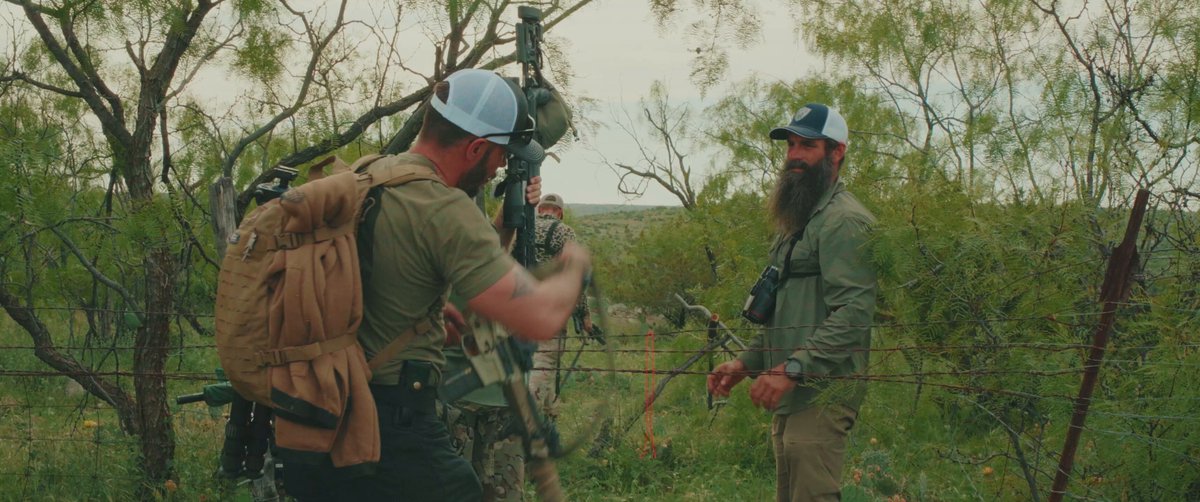
Full Episode: Hunting hogs and coyotes with Honor Tribe Outdoors
3
8
95
12,499
Jun 13
Many thanks for watching, and also thanks to our friends and supporters for help on this episode.
- @TeamHornady
- @TryFDC (Code: MARKSMAN)
- @DntOptics
- @KRG_W3
- @drinkEchelon
- @Guns_com
- @funkeractual
Friends:
- @the_sandalorian
- @mmtactician
- @calebwfrancis
8
253
Jun 13
Video just hit the tube. A coyote interrupted our boar hunt.
1
8
289
American Marksman retweeted

Jun 12
The walk in is always the best part, to be honest. The setup and prep work are more enjoyable to me than the rest.
Long before the shot is where I have the most fun.
4
3
63
3,045
Jun 12
Latest episode JUST dropped on Pepperbox!
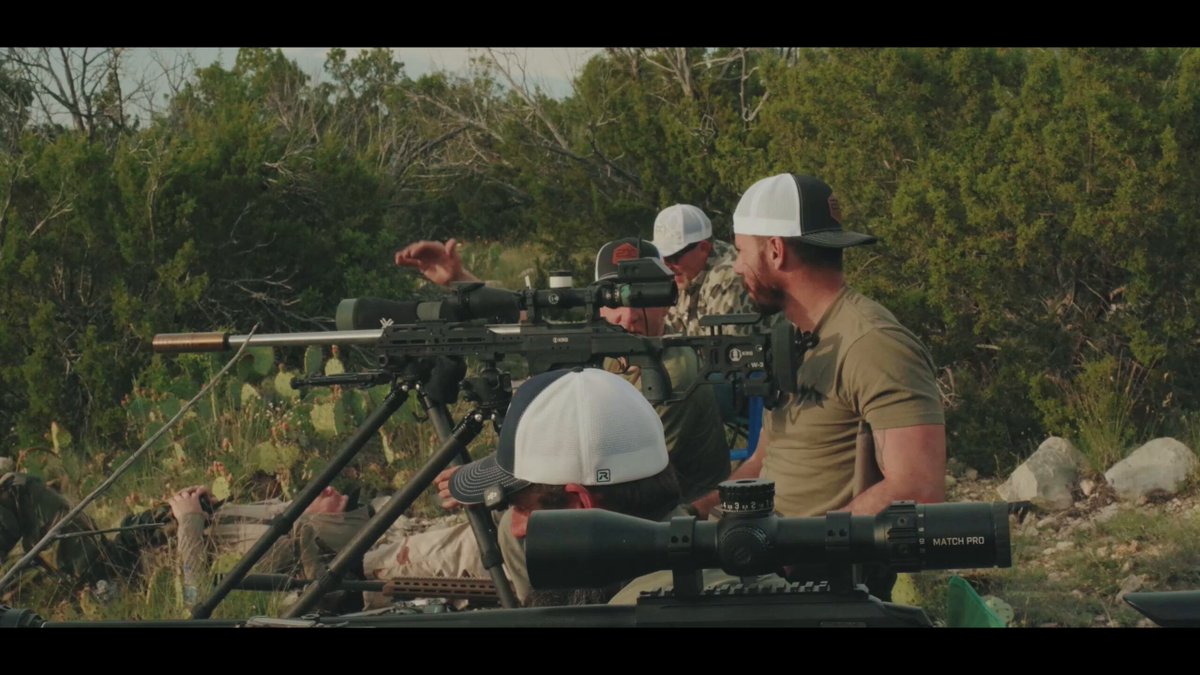
We head into the ridgeline to eat meat sticks and shoot coyotes, and we ran out of meat sticks.
2
4
95
4,275
American Marksman retweeted
Jun 9
If you're wondering where @AmericanMarks content has been, it's been on @pepperboxtv.
YouTube can go fornicate with itself. I got a demonetization on a bolt action rifle video. The hogging unprofessionally video CERTAINLY isn't gonna go on YouTube.
1
4
38
1,069
New episode coming soon!
The team hits March Ranch for a "long range boar" problem.
2
7
59
7,402
As always, you'll get it first on @pepperboxtv! The trial is free, too. Sign up today so you won't miss the BBC in action:
pepperbox.tv
3
265
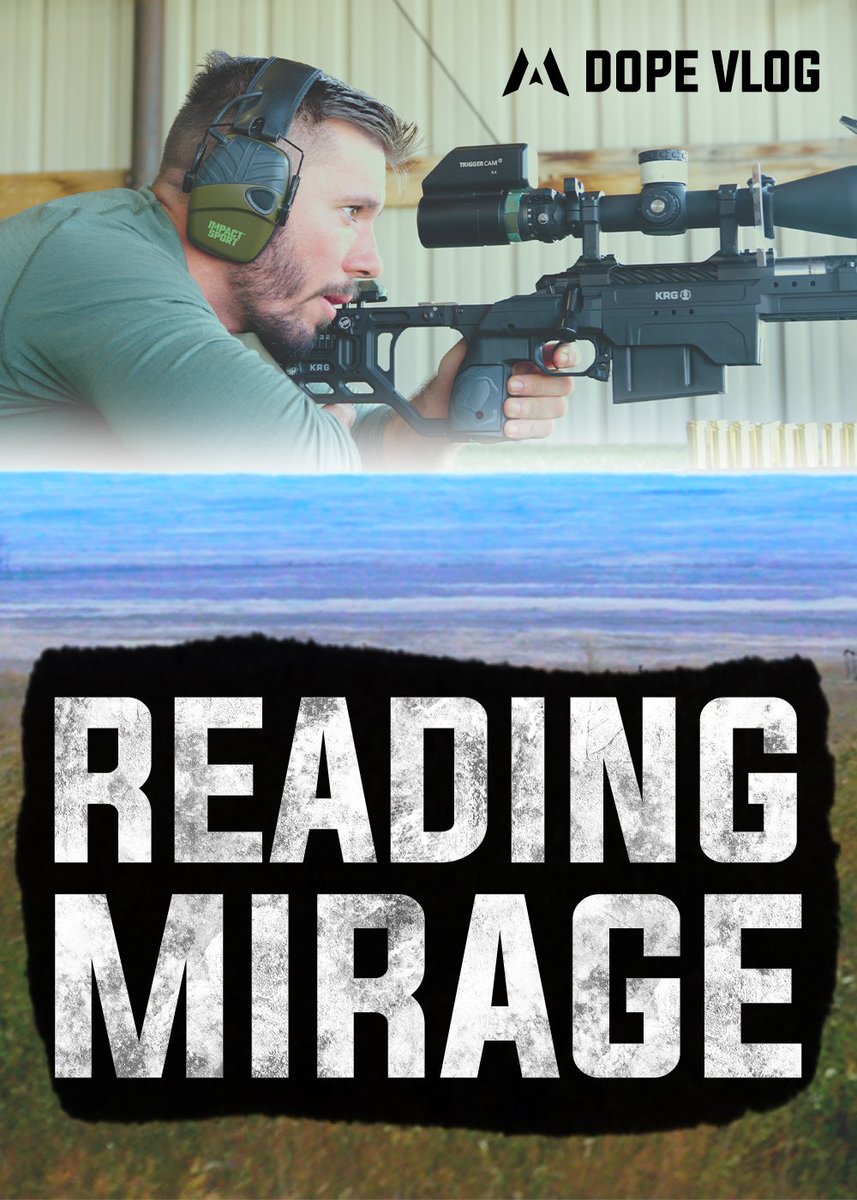
Couple of hits here at 1,200 yards, courtesy of the National Association for Gun Rights range.
What's cool about this footage is the mirage, though, not necessarily the distance, caliber, etc. Look closely at the target and how the mirage distorts the edges of it. That mirage distorting that target means that we have wind.
Finding ways to use mirage to your advantage are good. Mirage is a quick way to determine wind direction at distance. We can see mirage in front of that target moving left-right, without a lot of visible vegetation out there to otherwise determine what winds are doing.
If we were to pan right FAR enough, we'll eventually see right to left mirage (the opposite direction). That intersect point, where the left-right (video) and right-left mirage converges, is the general direction the main winds are headed. If we do a 180-degree turn from that intersect point, it'll be the opposite. The mirage will be 'separating' instead of converging. That wind is coming towards us.
The value of this is helping us understand what the winds are doing at the TARGET, not just what they're doing at our position. We can also use this from covered shooting positions where we can't FEEL what the wind is doing.
2
8
134
22,202
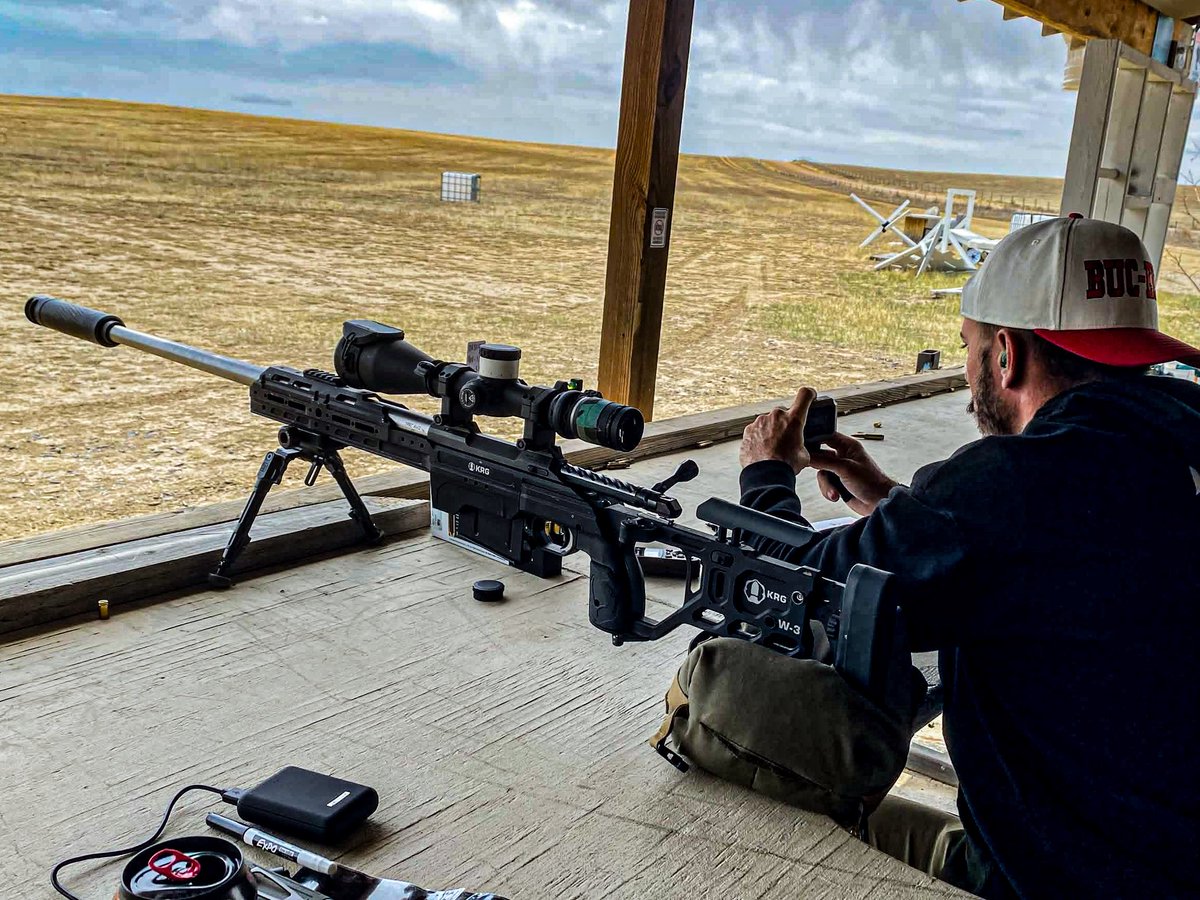
If you are interested in the rifle and load details, though, it’s a 7PRC in a @KRG_W3 Whiskey 3 Pro chassis, shooting @TeamHornady 180gr ELD-M (factory).
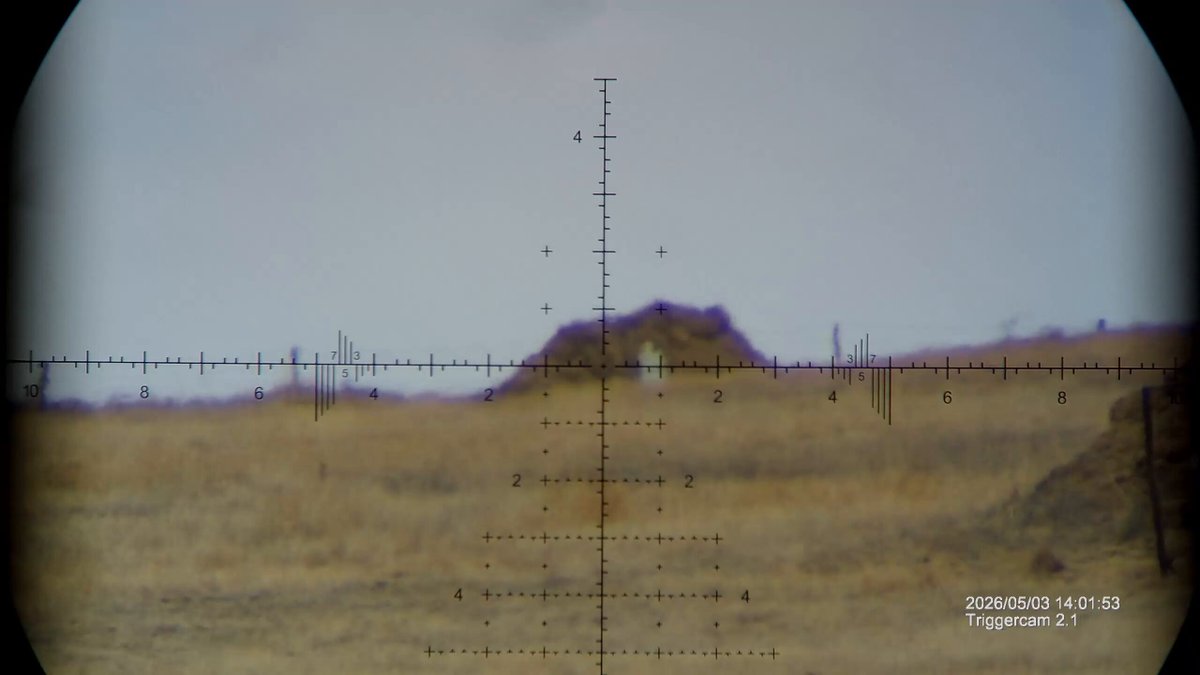
Glass is a @BurrisOptics XTR Pro with SCR2 reticle (MRAD).
2
19
481
May 31
Moving Targets:
There are two ways to engage moving targets; Tracking and Ambushing.
Tracking - You track (move) your crosshair with the moving target, good for a target moving in a known direction. Challenge is maintaining marksmanship fundamentals while moving the rifle.
Ambushing - Placing your crosshair at the precise location it needs to be to engage when the target passes into your aim point. Better for erratic targets, but also a bit easier to employ.
Ronnie is ambushing here at 1,000yds, having planned ahead of the engagement for a wind hold and the speed of the target (to get lead). You also have all the data you need with just this video to determine (estimate) target speed, and target size, as well.
Target is approximately 1.1 mils long, and .4 mils tall, meaning that at 1,000 yards it’s about 39 inches by 14 inches, give or take. x.com/RonnieAdkins/status/20…
10
269
American Marksman retweeted
May 10
2 shots, 2,040 yards, both rounds in the air at the same time. Factory ammunition.
1.15 miles.
55
247
4,091
242,349
American Marksman retweeted
May 19
I need one of these Lima Six's real bad.
22
19
603
25,821