Railwayman, Storyteller; IRAS'97. Principal Financial Adviser, Construction, SR. Railways|Governance|Travel|Culture|Sports|Food|Humour. Views strictly personal.
Joined June 2021
- Tweets 56,127
- Following 200
- Followers 26,770
- Likes 197,971
16,034 Photos and videos


Pinned Tweet

May 19
Friends, finally, after some delay, my podcast with @kunalvijayakar on the History of the Bor Ghat railway line on @IVMPodcasts is live! It has come out well though the editing could have been a little better. I regret if there are any errors in the podcast. I would request you to watch it on YouTube in leisure (as it is 47 minutes long 🙂) and let me know how it came out! Thanks! 🙏 #podcast #IndianRailways #History
youtu.be/wVF2NIsF-DM?si=lgNH…
8
6
42
22,852
Sunday humour - A store that sells “New Husbands” was opened in New York City, where a woman may go to choose a husband. There are six floors and the value of the products increases as the shopper ascends the floors.
a woman goes to find a husband.
Floor 1 - These men have jobs.
She continues to the second floor..
Floor 2 - These men Have Jobs and love kids.
she continues upward...
Floor 3 - These men Have Jobs, Love Kids, and are Extremely Good Looking.
'Wow,' she thinks, but she goes to the fourth floor.
Floor 4 - These men Have Jobs, Love Kids, are Good Looking and Help with Housework.
she exclaims, 'I can hardly stand it!' Still, she goes to the fifth floor...
Floor 5 - These men Have Jobs, Love Kids, are very handsome, Help with Housework, and Have a Strong Romantic nature.
She is so tempted to stay, but she goes to the sixth floor, where the sign reads:
Floor 6 - You are visitor number 31,456,012 to this floor...
There are no men on this floor. This floor exists solely as proof that women are impossible to please!
Thank you for shopping at the Husband Store..
(scroll and keep reading!)
Now The store's owner opened a “New Wives Store” just across the street..
The 1st Floor has wives that listen to men...
The 2nd, 3rd, 4th,5th and 6th floor have never been visited by men! 😄😛😂
4
3
25
1,364
4
18
136
4,248
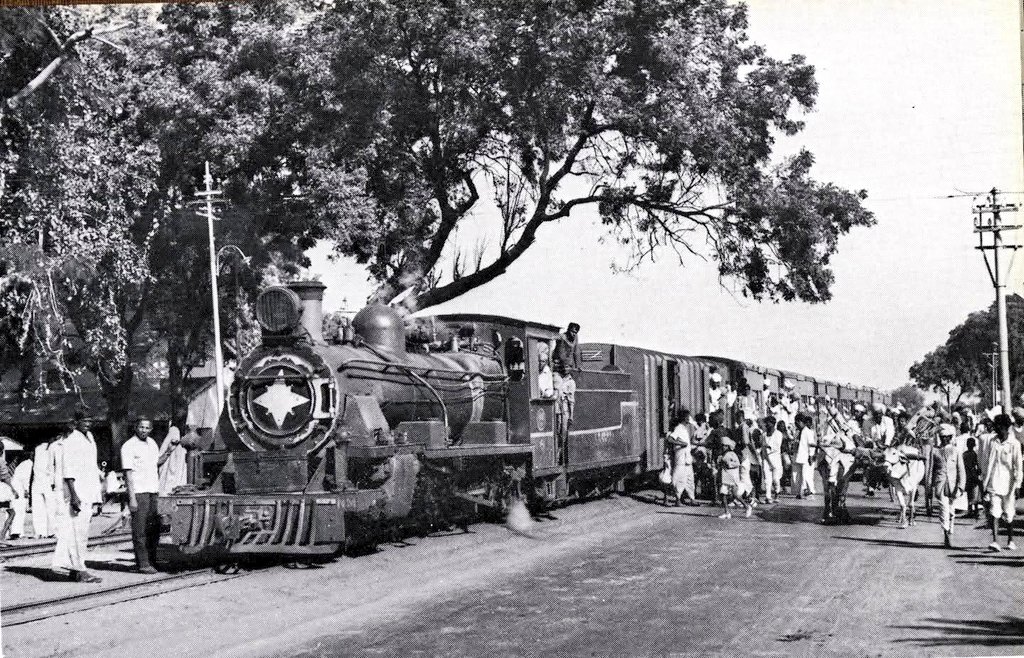
Steam locomotive 'NM' 4-6-2 No. 608 of the Gwalior Light Railway (GLR) at Makdoiya, 1970— surrounded by passengers and locals.
The GLR, also known as the Maharaja Railway, was a 2 ft narrow-gauge network set up for Gwalior State during British India. Until its closure in 2020, it was the longest 2 ft gauge railway in the world.
The NM class Narrow Gauge steam locomotives were built in the United Kingdom by W. G. Bagnall starting in 1931. These locomotives were famous for traversing the massive 2 foot narrow-gauge network out of Gwalior and Ujjain. They pulled mixed passenger and freight trains, often winding past the famous Gwalior Fort. #Gwalior #IndianRailways #heritage
2
4
22
699
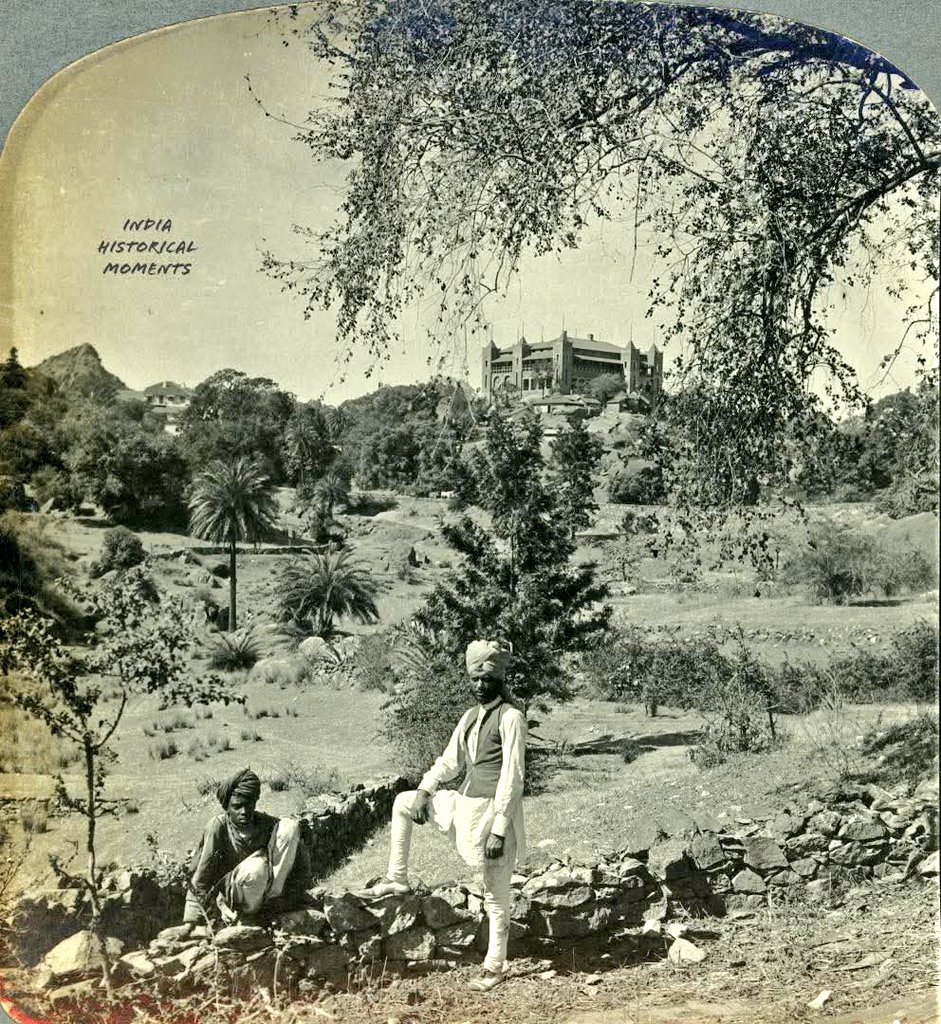
Headquarters of the British Agent, Mount Abu, India, 1905! The headquarters of the British Agent (also known as the Rajputana Agency) in Mount Abu was called the Residency. Built in 1868 in the Elizabethan style, it served as the summer retreat for the Agent to the Governor-General. Today, the majestic heritage building is known as Lok Bhavan and functions as the summer resort for the Governor of Rajasthan.
It is perched on a hillock overlooking Nakki Lake in Mount Abu, Rajasthan's only hill station. The British leased the land from the Maharaja of Sirohi to escape the extreme heat of the plains. During the 1857 Revolt, Agent George Patrick Lawrence used this headquarters to manage the British response across the region. #MountAbu #colinialIndia #history
4
3
35
1,651
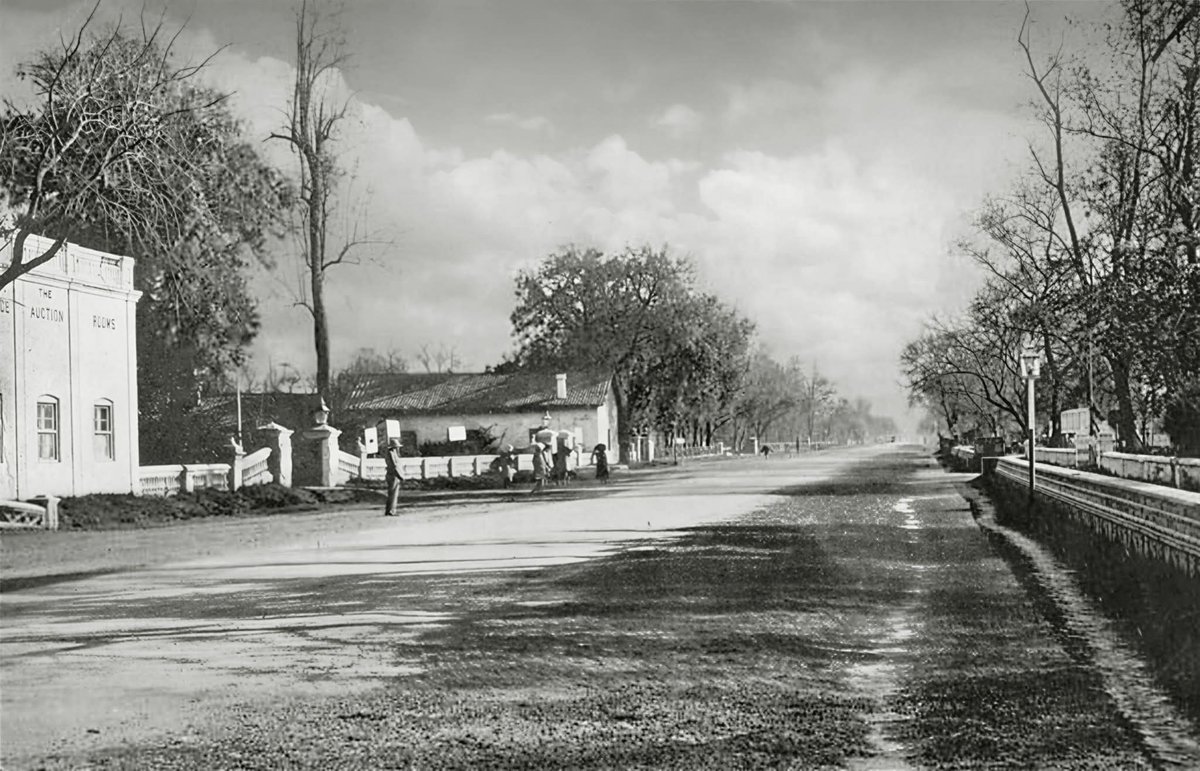
Late 19th Century, View of the Mall and Auction Rooms, Umballa (Ambala), Punjab (Haryana). Auction rooms in the Ambala Cantonment (Ambala Cantt) served as a vital commercial hub for British military officers, colonial administrators, and elite residents.
The Ambala Cantonment was established by the British East India Company in 1843. By the late 19th century, it grew into one of the largest and most strategically essential military bases in North India.
Purpose of Auction Rooms:
1. British officers frequently transferred across the Empire, returned to Europe, or passed away during service. Their bungalows, horse carriages, books, uniform gear, and high-end European furniture were sold at auction rooms to incoming personnel.
2. Decommissioned army livestock, outdated transport gear, and excess logistical supplies from the garrison were regularly auctioned off to local merchants.
3. British agency houses and auctioneers used these spaces to sell newly arrived European goods—such as pianos, wine, mirrors, and tailored clothing—brought in via the Delhi-Ambala-Kalka railway line, which opened in 1889.
The auction rooms operated within the designated civic grid of the cantonment, heavily centered around the iconic Mall Road and the bustling Sadar/Saddar Bazaar area.
The era marked a peak of colonial lifestyle refinement in the region. This era saw the establishment of the neighboring Sirhind Club in 1891, anchoring a high-society hub where auction catalogs were frequently read and discussed.
Today, the legacy of this trade lives on in the historic commercial districts of Ambala. Markets like Sarafa Bazar still house trading firms and prominent antique dealers dealing in vintage collectibles. #Ambala #colonialhistory #heritage @IndiaHistorypic
2
14
441
No matter how painful or difficult decision you've made in your life, as long as you can sleep well in the night it means you've made the right choice. Good morning, friends, and have a great #Sunday! 🙏 #SundayMotivation
4
3
30
732
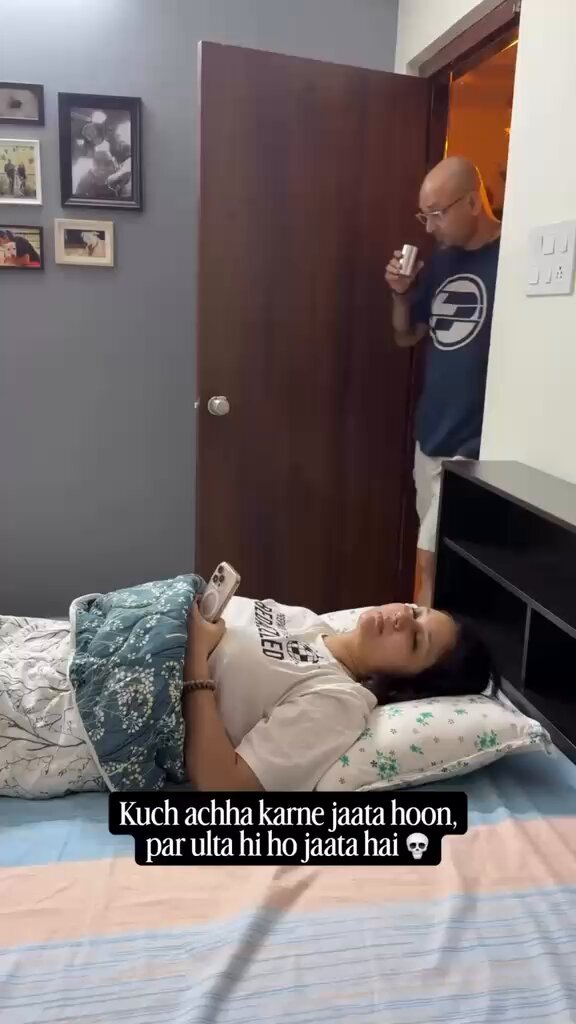
Husbands always have good intentions, but it invariably goes wrong for no fault of theirs. 😄😛😂 #husbandwife
36
148
1,602
284,538
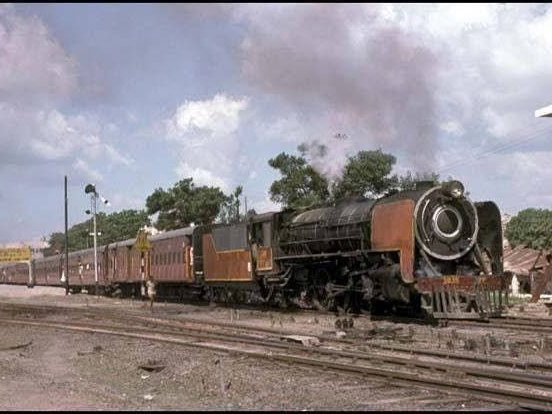
A beautiful photo of a YP class steam locomotive departing from Thanjavur, captured in 1975-76 by Rob Dickinson. The YP class locomotives were the workhorses of the Metre Gauge (MG) passenger network on the Southern Railway. These engines hauled long-distance expresses and local trains across South India before the rise of diesel engines and gauge conversion.
They connected important regional routes across Tamil Nadu, Kerala, Karnataka, and Andhra Pradesh before the tracks were upgraded to Broad Gauge. Capable of running up to 75 km/h, making them fast enough for main-line express duties. They generated a high turning force (tractive effort) to start and pull heavy passenger carriages up inclines.
Golden Rock Railway Workshop in Tiruchirappalli (Trichy), the Hubli Carriage & Wagon Workshop, and the Mysore Workshop were the central hubs for the periodic overhaul (POH) and maintenance of these locomotives. The introduction of diesel engines and the national uni-gauge policy caused a steady decline in the use of MG steam locomotives. Many YP engines were retired in the 1990s. #IndianRailways #History #MetreGauge
4
19
490
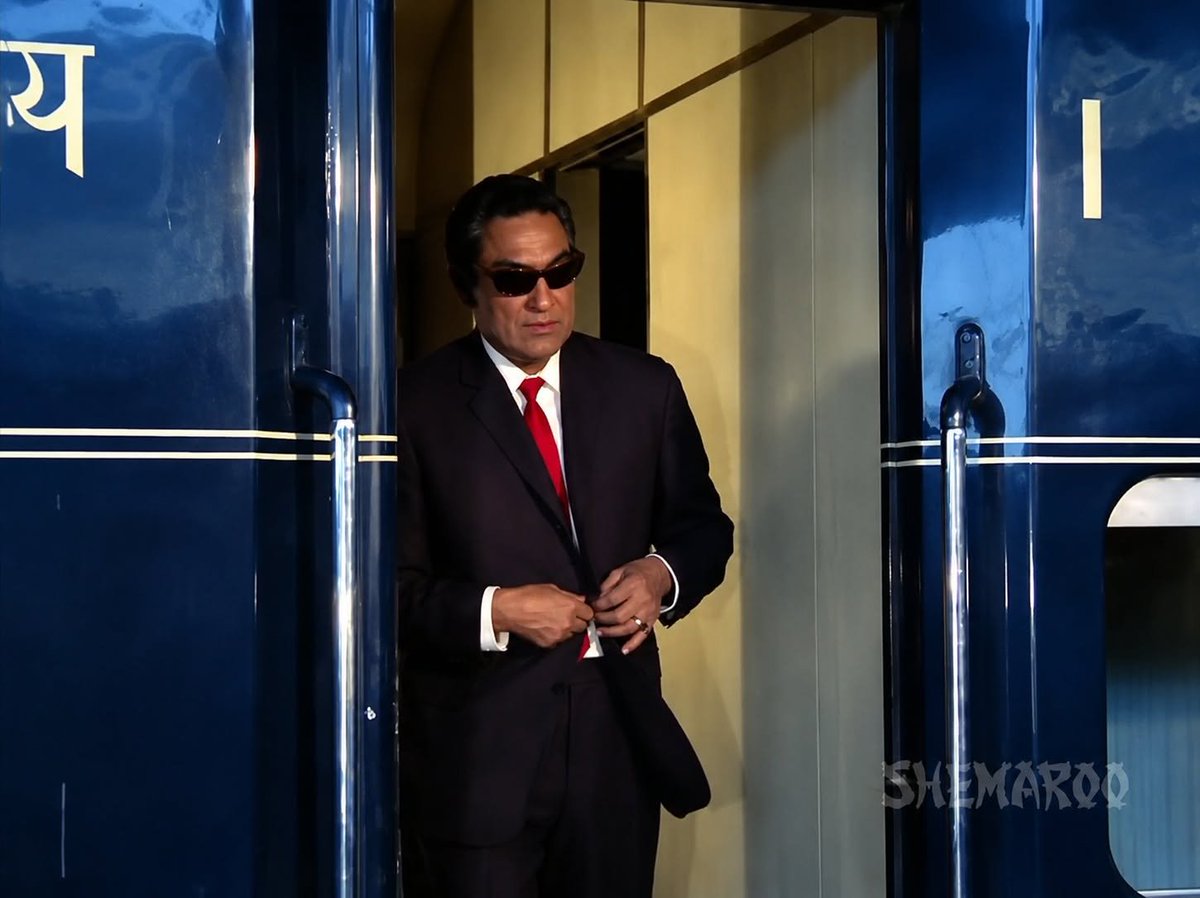
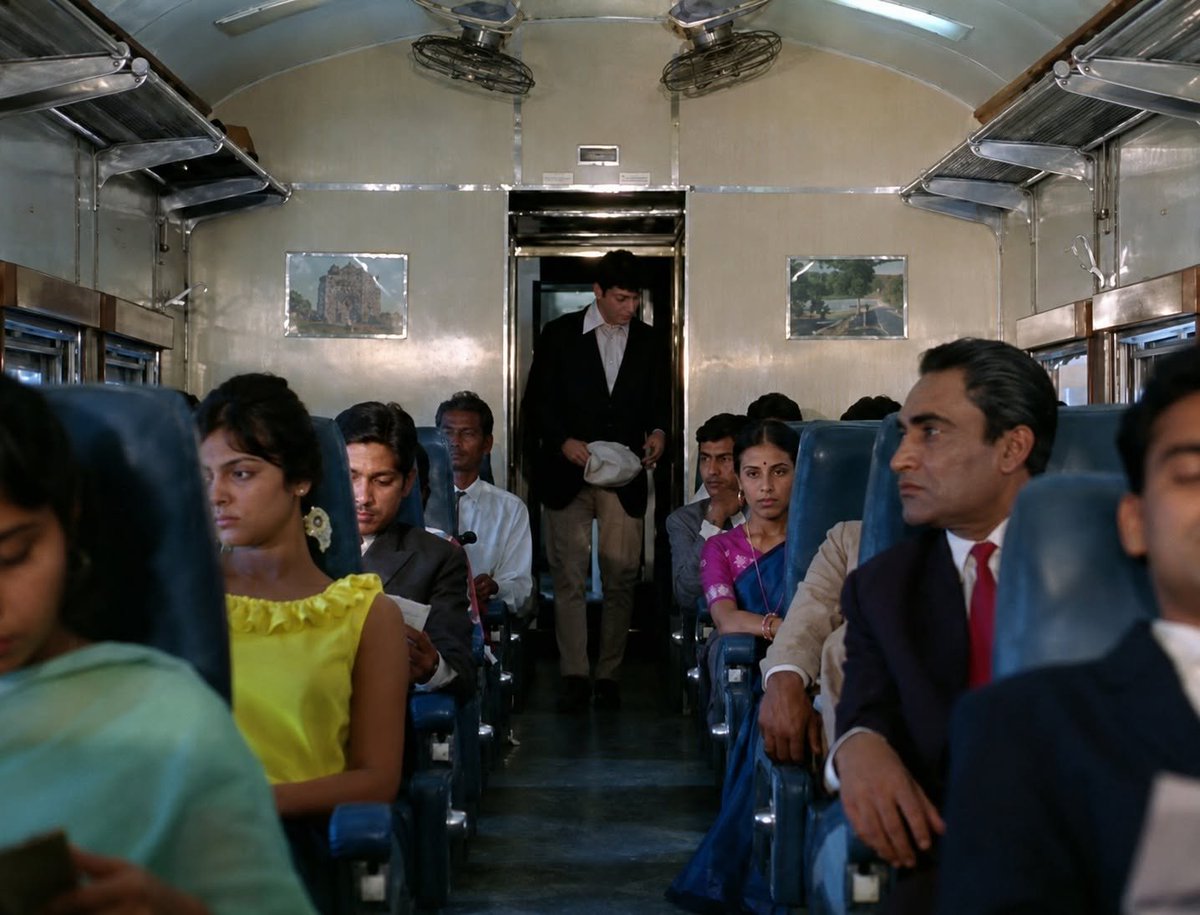
JEWEL THIEF & DECCAN QUEEN, 1967:
The Deccan Queen is not just a random train in Jewel Thief—it serves a very specific narrative purpose.
In the story, Vinay (Dev Anand) is trying to trace the mysterious "Amar" identity. One of the crucial clues leads him from Bombay to Poona, where he hopes to penetrate the criminal network. The train journey is essentially the first stage of his transition from an ordinary jeweller's employee into an undercover investigator pursuing the gang. The plot summaries specifically note that Vinay learns Amar is headed to Pune and follows that lead there.
From a filmmaking perspective, Vijay Anand was obsessed with movement—cars, planes, trains, mountain roads, shifting identities. The Deccan Queen was the most glamorous and recognisable Bombay–Pune train of the era.
By placing Vinay aboard it, the film immediately signals a journey from the familiar world of Bombay, entry into the mystery surrounding Amar, and movement into a wider criminal network operating across India.
There's also a social-class angle. In 1967, the Deccan Queen was not an ordinary passenger train. It was one of Indian Railways' prestige expresses, associated with business travellers, professionals, officers, and affluent middle-class passengers commuting between Bombay and Poona. Having Dev Anand travel in those blue chair-car coaches reinforces Vinay's image as a sophisticated, modern, urban protagonist rather than a rustic adventurer. The train itself becomes part of the film's stylish, cosmopolitan atmosphere.
What is also interesting is that the train sequence, though very fleeting, appears to have been shot using the actual train rather than a studio set. The blue coach exteriors, chair-car seating, and Bombay terminus setting all fit the Deccan Queen's image in the mid-1960s. So audiences in 1967 were probably watching one of India's most famous trains essentially playing itself on screen.
Vijay Anand had a greater eye for detail, but one feels even he slipped up a bit, and the engine pulling Deccan Queen appears to be a diesel WDM, while in 1967, Deccan Queen was pulled by the WCM series of DC electric locomotives (specifically WCM-1, WCM-2, or WCM-4/5 classes) operating out of the Kalyan Loco Shed. #IndianRailways #Bollywood #cinema #DeccanQueen
Disclaimer - The images, grabs from the Jewel Thief movie YouTube video, have been restored by AI.
4
16
69
3,273
Jun 13
Lunchime humour - A young woman brings home her fiancé to meet her parents. After dinner, her mother tells her father to find out more about the young man. The father invites the fiance to his study to find out more about him.
"So what are your plans?" the father asks.
"I am a Bible scholar" the young man replies.
"A Bible scholar, huh", the father says.
"Admirable, but what will you do to provide a nice home for my daughter to live in, as she is used to having?"
The young man replies, "I will study and God will provide for us."
"And how will you buy her a beautiful engagement ring, which she deserves?" asks the father.
"I will concentrate on my studies and God will provide for us," replies the young man.
The conversation proceeds in this manner, which each question the father asks, the young man replies that God will provide.
Later, the mother asks, "How did the conversation go?"
The father answers: He has no job and no plans, but the good news is that he thinks I am God. 😀😛😂
16
26
234
14,549
Ananth Rupanagudi retweeted
31 Jul 2025
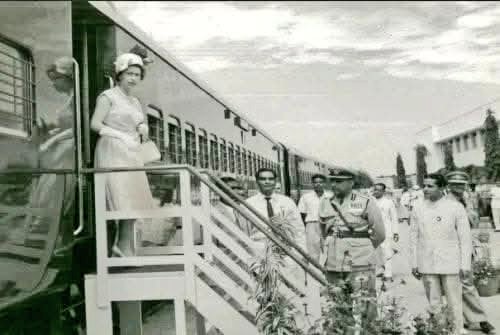
A royal moment in railway history - Queen Elizabeth II visited the Integral Coach Factory, #Perambur ( #Madras ) in February 1961 — a timeless tribute to India's engineering pride. #IndianRailways #nostalgic
1
7
36
1,444
Jun 13
#DidYouKnow The suburban electrification of the Metre Gauge section between Madras Beach and Tambaram was carried out under the Madras Improvement Scheme between 1928 and 1931. M/s Robert White & Partners of Westminster acted as consultants for the project. #IndianRailways #History
1
1
11
560
Jun 13
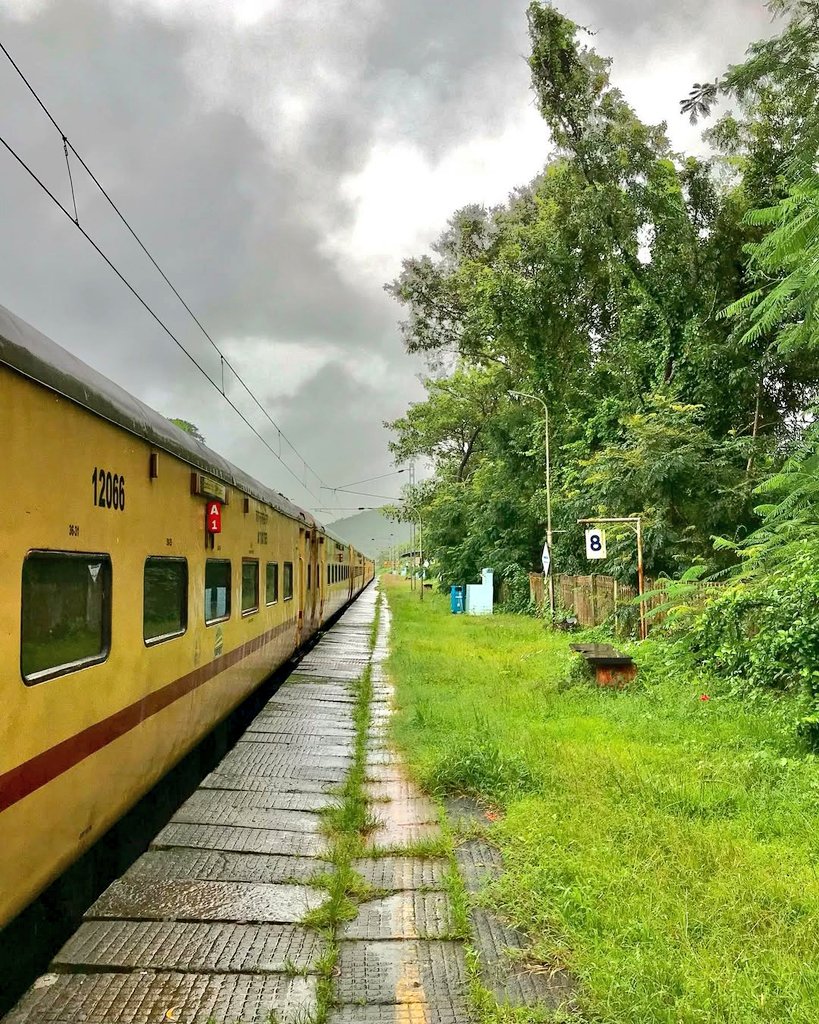
The scenic beauty of railway stations on the @KonkanRailway route during the monsoon is so well captured by @PantryCar - this is the Canacona station in Goa! #IndianRailways #photography #Goa @godbole_shilpa @docbhooshan @PrinceArihan
5
16
88
1,636
Jun 13
Be Alert even under pressure emergency; have a family code in times of the scams due to AI! #OnlineSafety
3
4
15
6,128
Jun 13
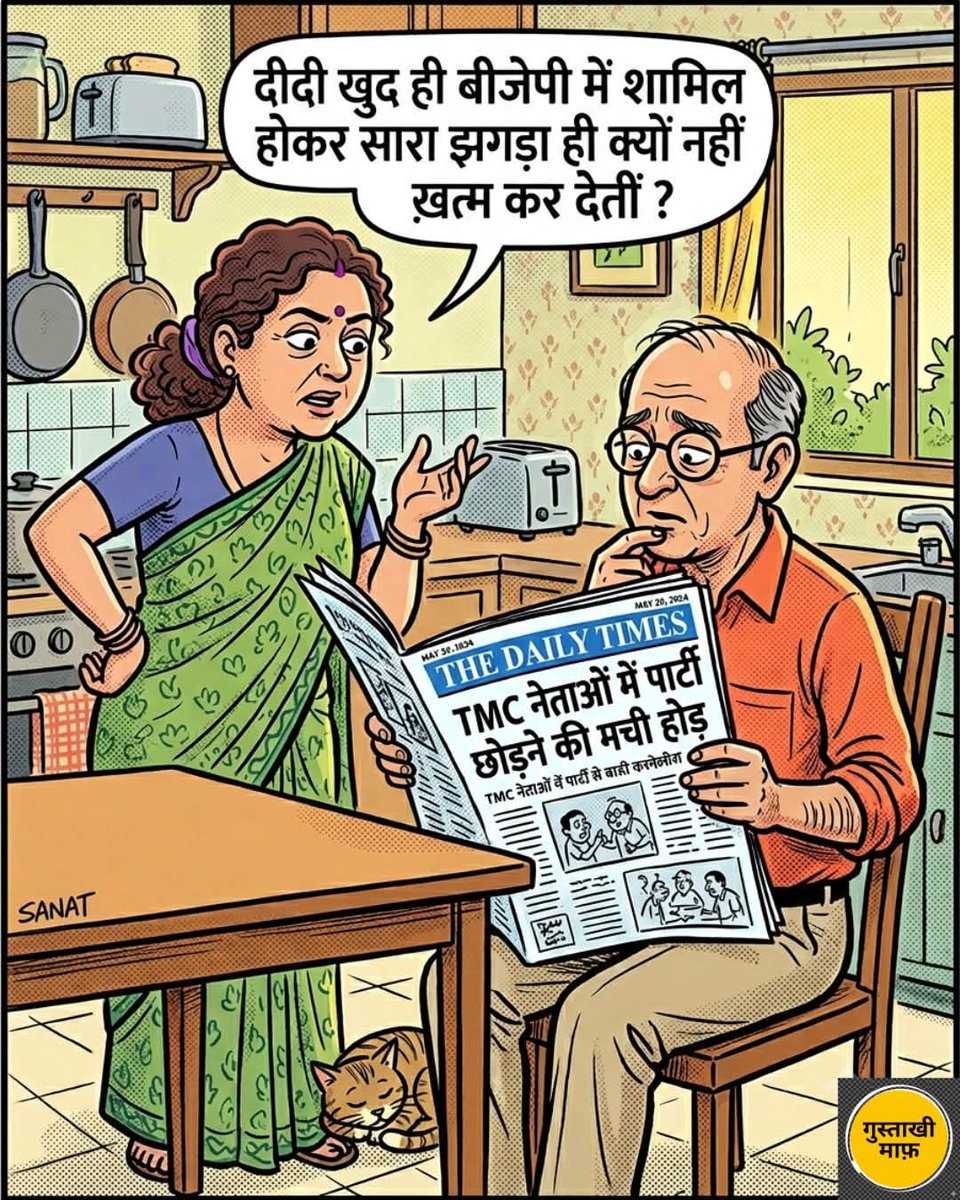
When the lady of the house gets vexed with the excessive coverage of the developments in the party that just lost the elections in West Bengal! 😄😛😂 #WestBengal #politics
1
16
989
Ananth Rupanagudi retweeted
Jan 26
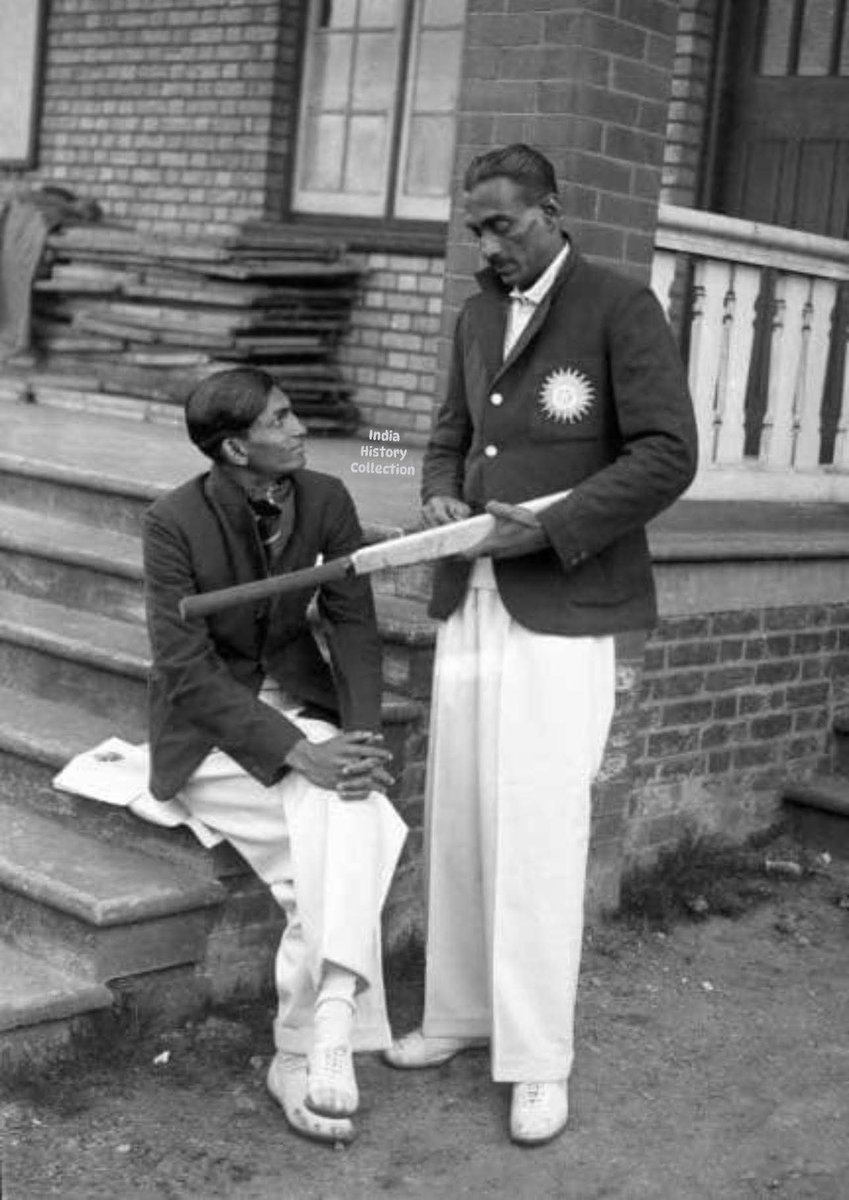
A rare photo captured in London on April 30th, 1936, of Indian cricketers Mushtaq Ali (left) and CK Nayudu during the England tour in 1936, where the team secured four victories, faced 12 losses, and drew 12 matches. #Cricket #nostalgia #legends @joybhattacharj @CricketopiaCom
5
17
704
Jun 13
It's actually heartbreaking to lose a guru who was also like a father figure to her! #JaspalRana
Jun 12

Manu Bhaker breaks down as she pays her last respects to coach Jaspal Rana. 💔🥺
1
20
1,333
Jun 13
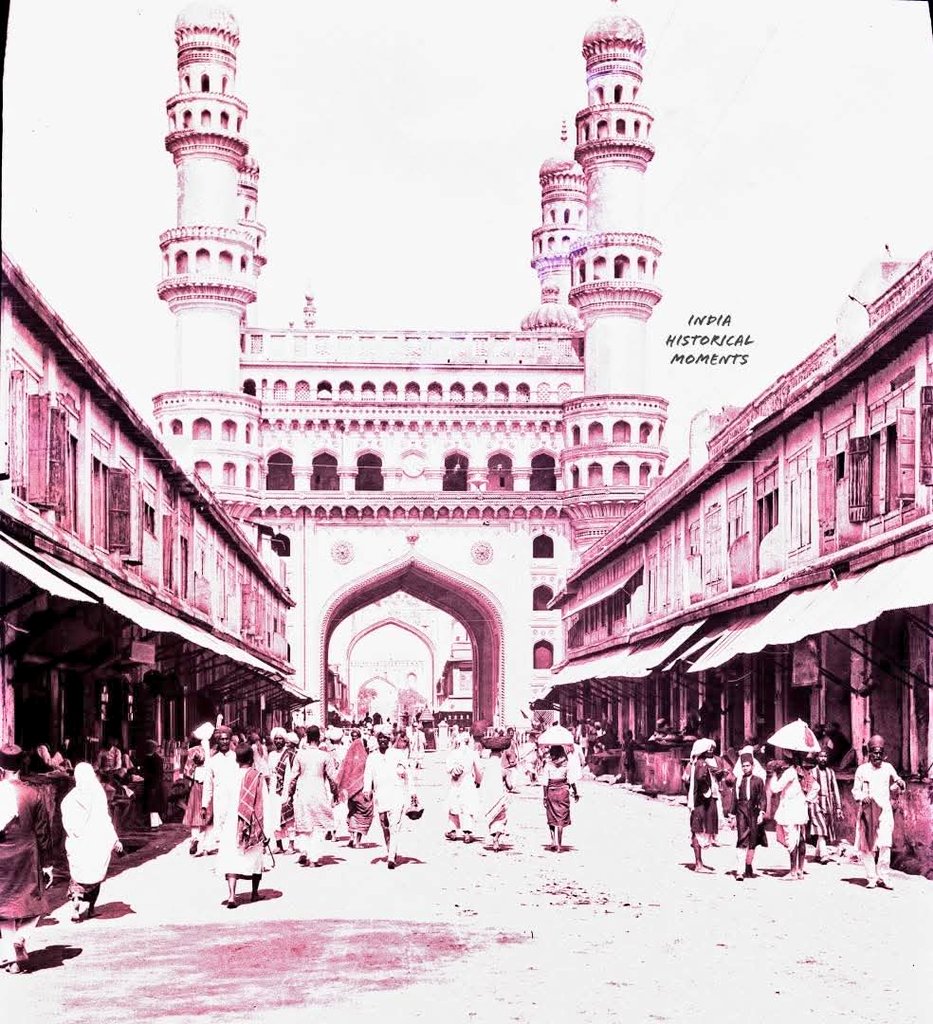
Charminar and the Laad Bazaar, Hyderabad, sometime between 1900 and 1910! The area around the Charminar and Laad Bazaar was the bustling, beating heart of Hyderabad under the Nizams. Famous photographers like Lala Deen Dayal documented this era, capturing a lively blend of trade, architecture, and daily life in the Old City.
"Laad" refers to lacquer (a sticky material used to make colorful, shiny bangles). The market is also called Choodi Bazaar. The market extends west from the Charminar. A unique feature of this era was that merchants built their homes directly on top of their shops.
Just like today, it was the ultimate bridal shopping hub. Vendors sold glass bangles, wedding clothes, pearls, and traditional perfumes called ittar. Legend says the market was originally set up to supply the wedding jewels for the daughter of the city's founder, Sultan Mohammed Quli Qutb Shah. #Hyderabad #markets #heritage @HiHyderabad
2
18
545