
Airforce brat| Kellogg @ Northwestern Alumnus| Investor by Profession| Data is power| Here to share Indian Aviation History| #IAFHistory
Joined September 2013
- Tweets 8,259
- Following 364
- Followers 21,459
- Likes 9,685
2,802 Photos and videos
Pinned Tweet

28 Aug 2024
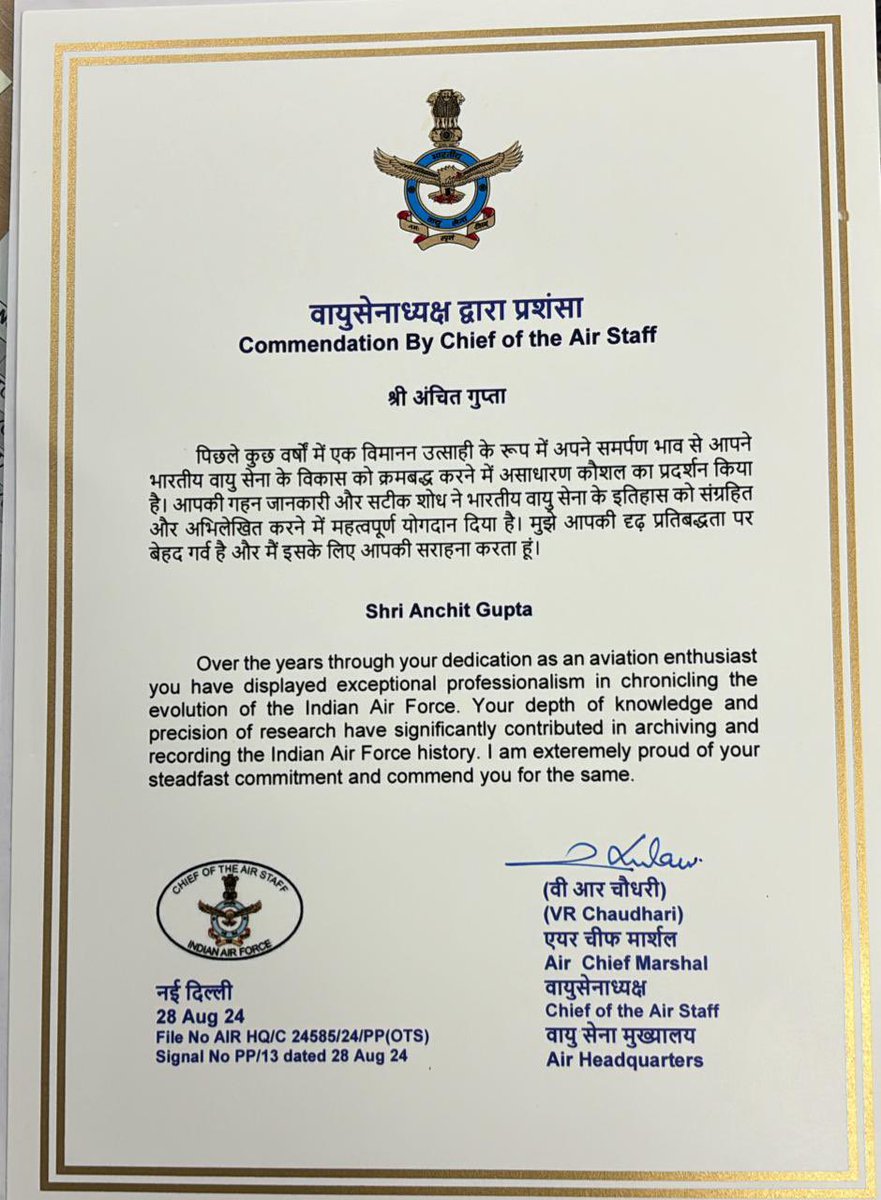
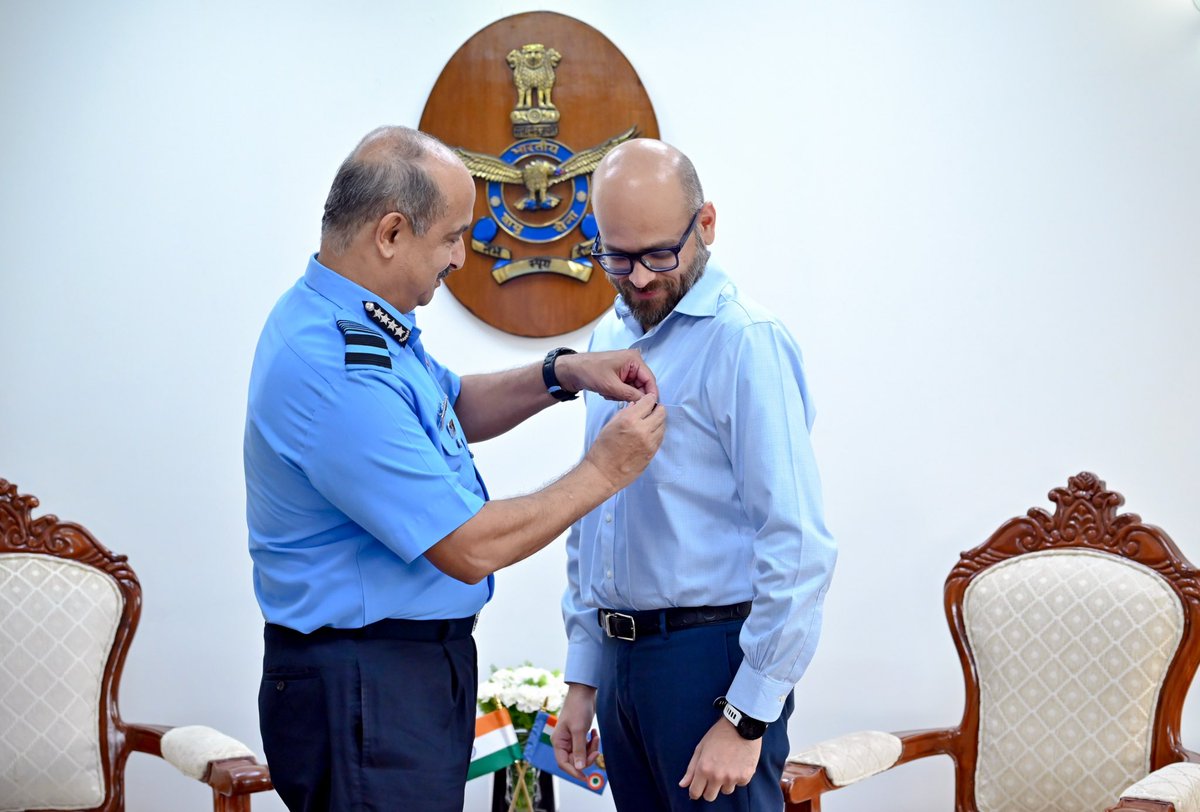
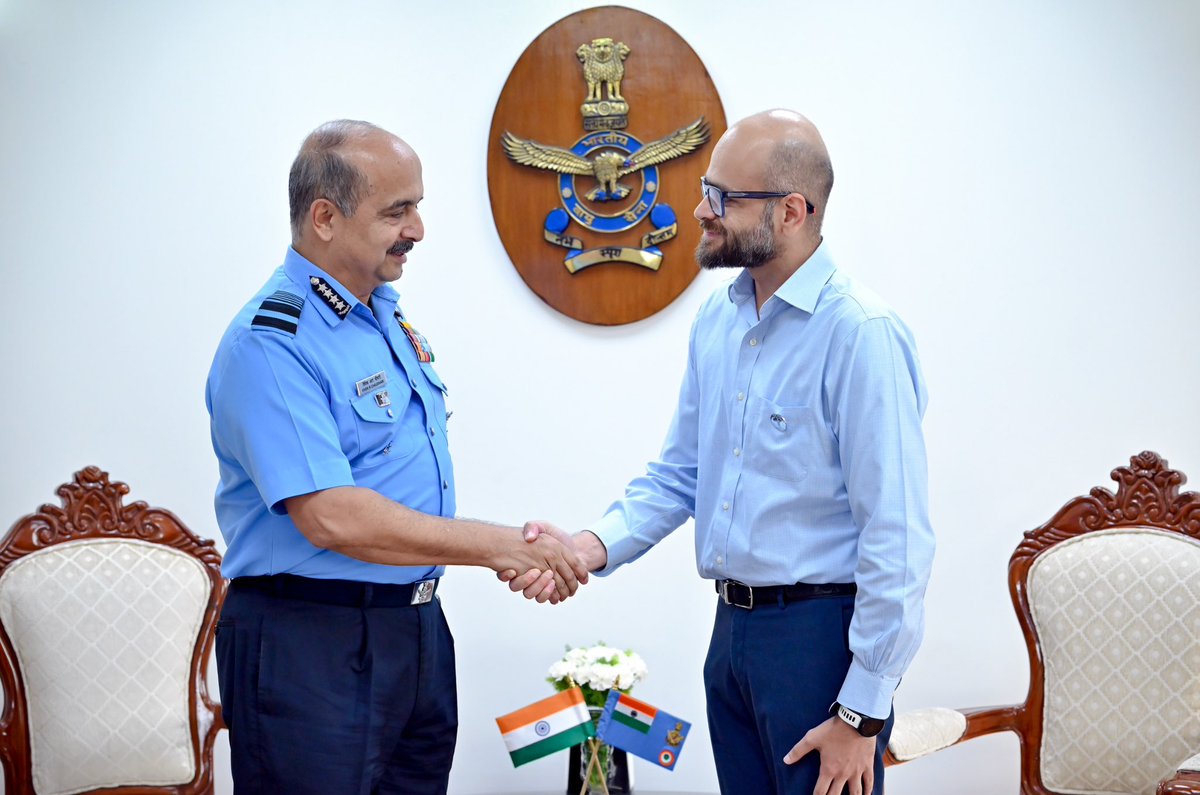
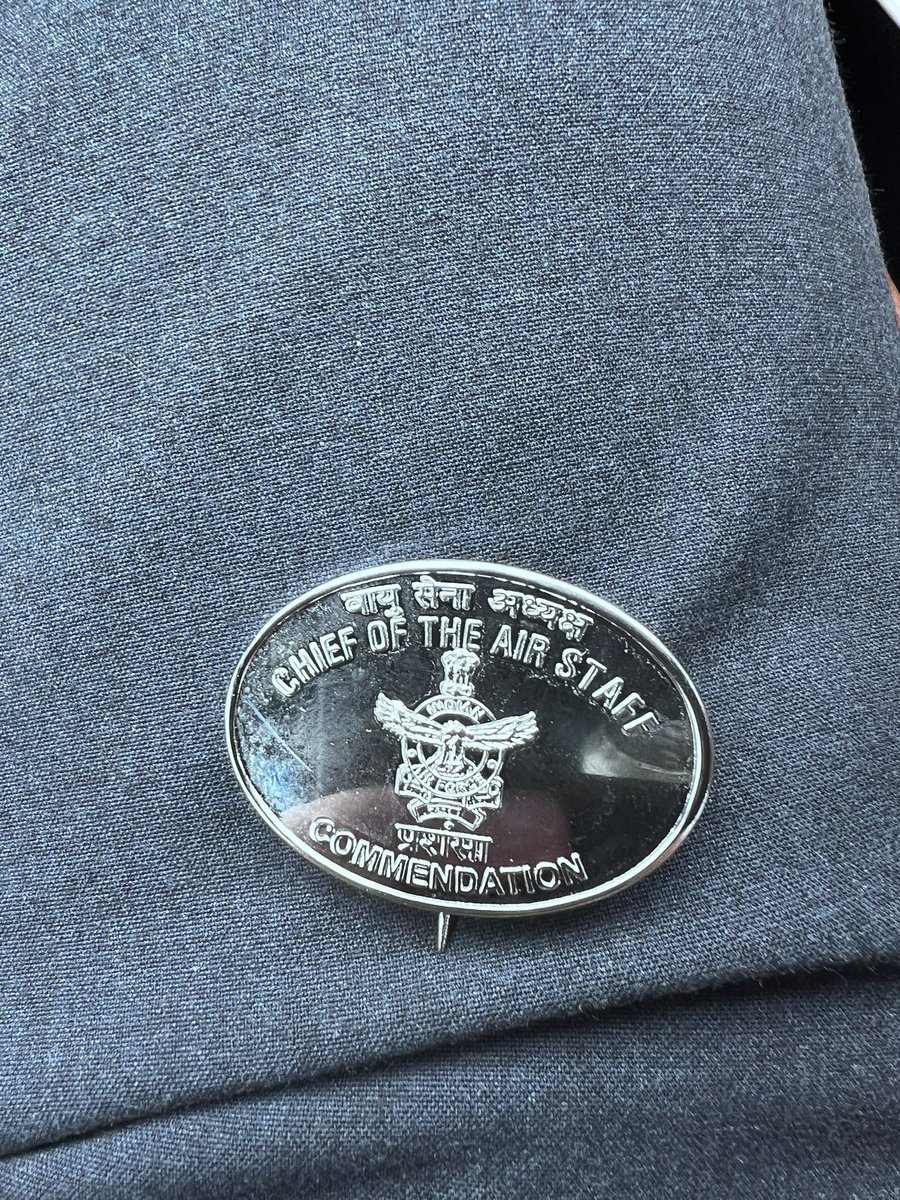
Today, I was honoured with a commendation from the Chief of the Air Staff for work in the field of #IAFHistory.
This recognition has left me overwhelmed and deeply touched. It feels like a bridge across time, connecting my efforts to my father's legacy in the @IAF_MCC .
I’m filled with gratitude and pride to contribute to the history of a force that has been central to our family.
150
93
1,191
127,127
Jun 11
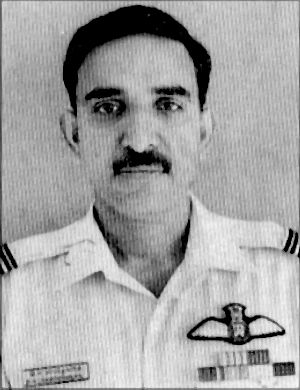
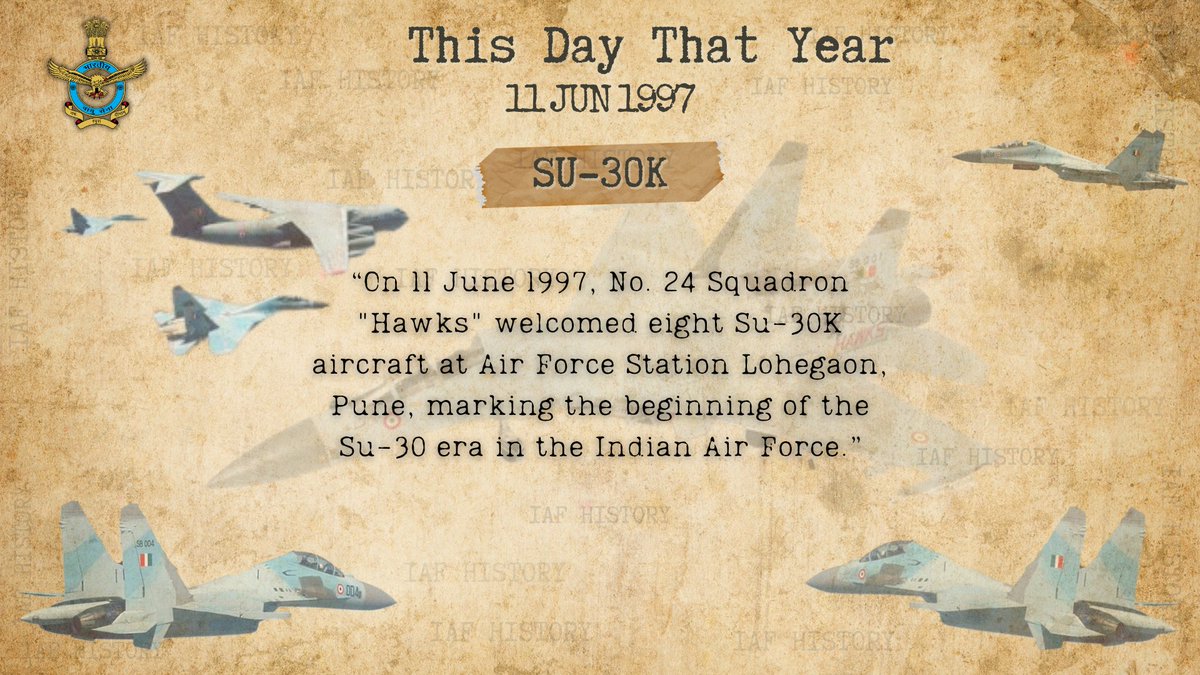
A useful detail from this milestone: the first IAF officer to fly the Su-30K on 11 June 1997 was Wg Cdr Bhaskaran Nair Unnikrishnan, who had taken over No. 24 Sqn “Hawks” only a month earlier.
Commissioned on 10 June 1977 (49 NDA/ 118 Pilot Course), he was a Qualified Flying Instructor, Fighter Combat Leader, former MiG-29 Flight Commander, and DSSC graduate with over 2,500 flying hours by then.
Before commanding the Hawks, he had served as Deputy Director Air Defence at Air HQ, where his work included the long-range Air Defence Perspective Plan.
#IAFHistory @IAF_MCC
Jun 11

#ThisDayThatYear.
On this day in 1997, the Indian Air Force marked a significant milestone with the induction of eight Su-30K aircraft into No. 24 Squadron "Hawks" at Air Force Station Lohegaon, Pune.
The induction started a new era in the IAF's combat capability, enhancing its reach, versatility and air dominance potential.
#IndianAirForce
#Su30K
#Hawks
#IAFHistory
@DefenceMinIndia
@SpokespersonMoD
@HQ_IDS_India
@adgpi
@indiannavy
@CareerinIAF
2
12
79
5,436
Jun 10
Did HAL do better under IAF leadership? And would that work again?
This is a fascinating question, but a difficult one to answer cleanly. My short answer is: yes, but actually no.
It is broadly true that HAL performed better between 1947 and 1980 than it has since. It is also true that this period substantially overlaps with the era when HAL was led, or strongly influenced, by IAF leadership. That is a strong correlation. I am not convinced it is complete causation.
In my view, four variables were at play:
1. The political situation
2. The economic situation
3. HAL leadership
4. The stage of evolution of the IAF itself
1947 to 1980: a favourable, if imperfect, context
In the first three decades after independence, the IAF was a rapidly growing force. It went from 10 squadrons to around 40. India’s economy was weak, but the pressure to expand the IAF was real. Pakistan was becoming hostile and increasingly well armed. Politically elected leaders still exercised meaningful control over major decisions, whether or not one agrees with their judgement. On matters relating to HAL, that political leadership also relied heavily on the IAF.
This created fertile ground for both IAF growth and HAL’s development.
There were delays and poor decisions. But, overall, this was the period of HT-2, Vampire production in India, Gnat production, the HF-24 Marut, Avro, MiG-21 indigenisation, the Kiran, a functioning GTRE working on three engine programmes, and several other achievements. HAL was not perfect, but it was delivering, learning and building capability.
IAF leadership acted as a hard taskmaster. It knew what the service needed and pushed HAL to deliver it. That discipline had value.
But it also had a limitation.
The IAF was good at ensuring HAL produced what was needed. It was less good at building or supporting deep design culture, long-cycle R&D capability, and institutionalised aeronautical thinking. I have spoken to IAF officers who served with HAL in that era, and they believe this was a real issue. The problem with under-investing in R&D culture and capability is that the consequences appear years, sometimes decades, later.
From around 1980 onwards: the context changed.
By the 1980s, the IAF was no longer a rapidly expanding force. It had broadly reached its peak at around 40 squadrons. When a highly pyramidal military organisation stops growing, the internal consequences are significant. Promotion flows slow down. Career expectations narrow. The number of disappointed people rises. Over time, this affects morale, effectiveness and institutional quality. Most critically, it can shift incentives towards protecting careers and employment rather than making difficult decisions.
I have often argued at forums that we need a new template for managing a static military force. The old assumptions of continuous expansion no longer apply.
This also affected procurement choices. Many analysts argue that India chose imports and therefore HAL suffered. I think that confuses the symptom with the cause. Imports became attractive partly because HAL was not delivering enough, fast enough, or credibly enough. And HAL’s weakening performance itself reflected the four factors becoming less favourable. This created a vicious, self-defeating cycle that continues. For the moment, leave aside the bad-faith arguments in this debate. Those existed in both periods.
The economic context also mattered. We often underestimate how constrained India’s fiscal position and purchasing power were in the 1990s. Per capita income may have been higher than in the 1960s, and budgets may have been nominally larger, but the real ability to fund ambitious programmes remained limited.
The political-administrative context also changed. Over time, bureaucratic control grew stronger, while political decision-making weakened. The world of "Yes Minister" was no longer satire. It was reality. HAL’s civilian leadership came from, and operated within, this system.
Put all of this together, and the results are visible today. HAL became a large, complex, slow-moving institution. Turning it around is not just a matter of changing leadership. It is a much deeper institutional problem.
So, would IAF leadership at HAL work again?
It might help, but only partially.
IAF leadership could act as a whip to ensure delivery timelines are met. It could sharpen accountability, reduce complacency and force better alignment between user needs and production priorities. That would be a win.
But the larger challenge is design capability, R&D depth, programme management, supply chain maturity, talent, incentives, governance, political risk-taking, and the ability to run long-cycle aerospace programmes consistently.
HAL’s future cannot be solved only by putting the IAF back in charge. In fact, the less optimistic view is that the alignment of these four factors today does not yet suggest a path to a durable solution.
So the harder question is whether the conditions that allowed that model to work can be recreated. On that, I am far less certain. We are throwing money at problem (the only variable we have now), not realising it wont fix it!
Jun 10

Where is the moot point. Would suggest the thread by @AnchitGupta9 on this aspect.
8
15
44
4,247
Jun 10
“Does the IAF have a veto over national security?” is a good soundbite, but the wrong question.
The real question is whether a service can raise substantive objections to a major organisational reform without being accused of obstruction.
Borrowed concepts still need to fit Indian realities. Critique is not veto. Debate is not defiance.

GUNNERS SHOT CLIPS : CAN THE IAF HAVE A VETO POWER ON NATIONAL INTERESTS?
@Gen_RajShukla
youtu.be/rAOif3ayxhY?si=Aa9r… via @YouTube
@HQ_IDS_India @SpokespersonMoD
8
18
59
39,281
Anchit Gupta retweeted
30 Mar 2025
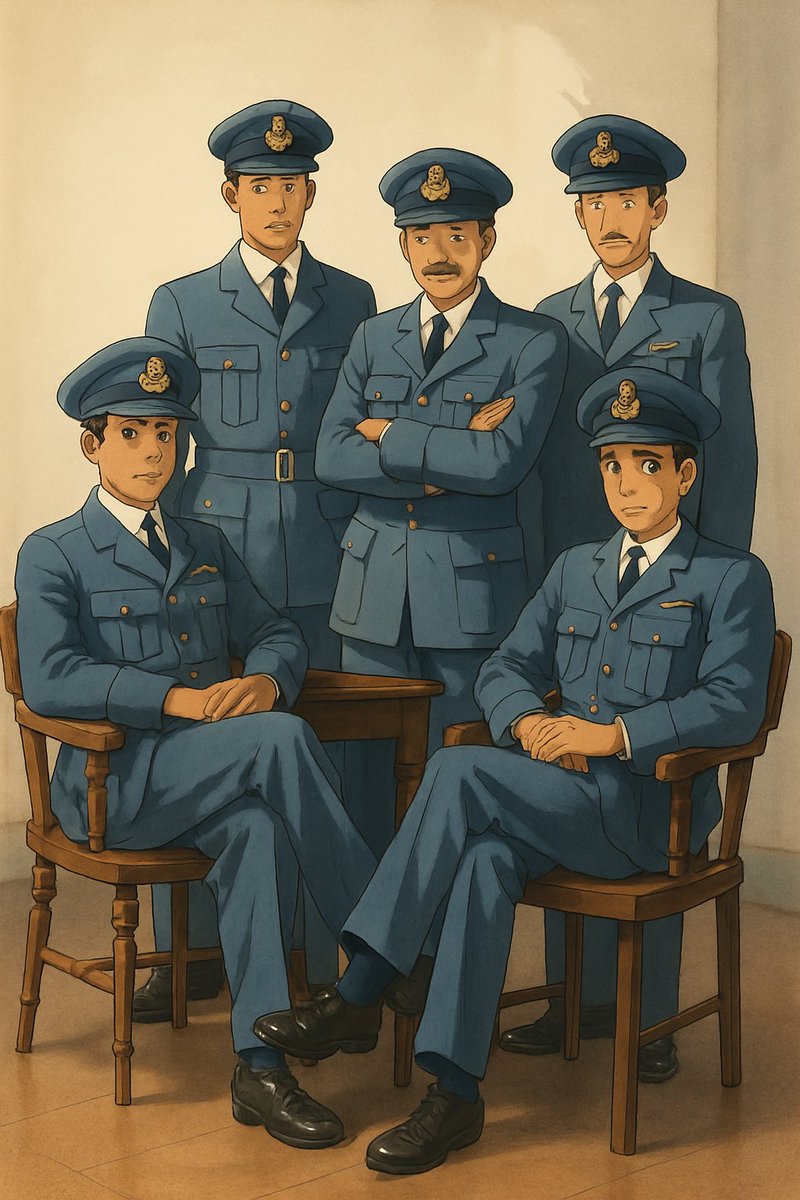
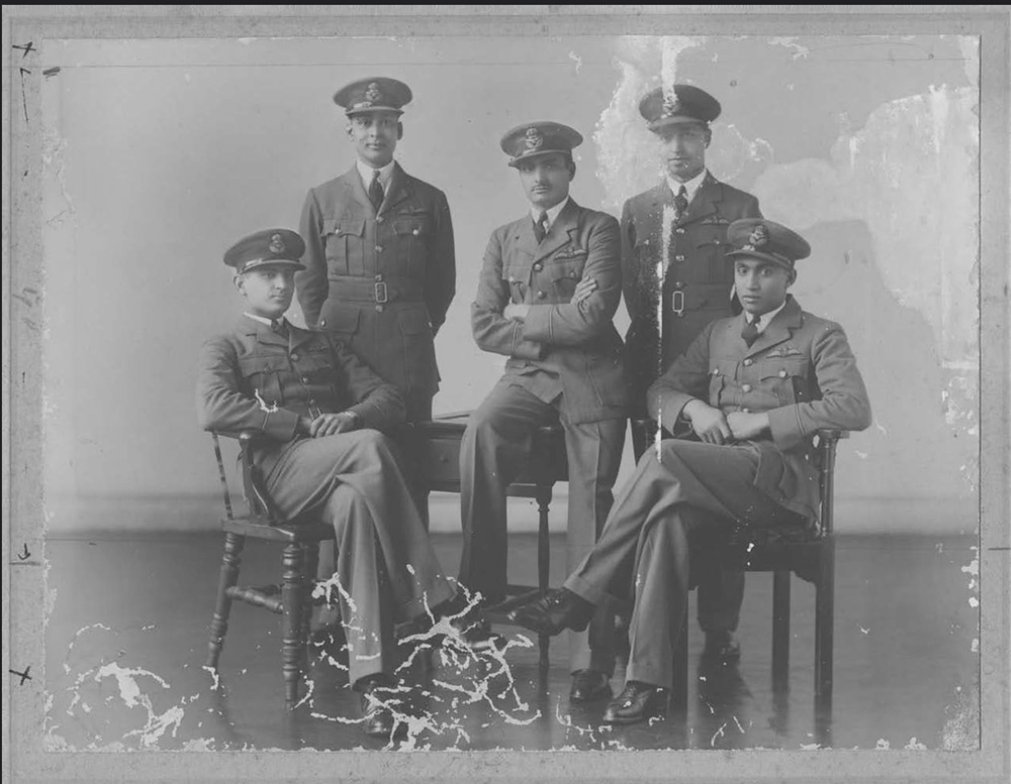
If #IAFHistory ever went full #GhibliStyle, these would be legendary frames.
A thread (1/11) (Feel freel to add your own IAF Images as replies)
1 – The iconic First Five of the Indian Air Force at RAF Cranwell, reimagined like a scene from a timeless anime classic. @IAF_MCC
8
25
174
10,990
Jun 9
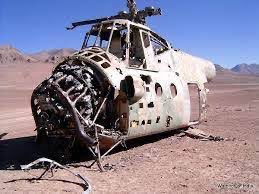
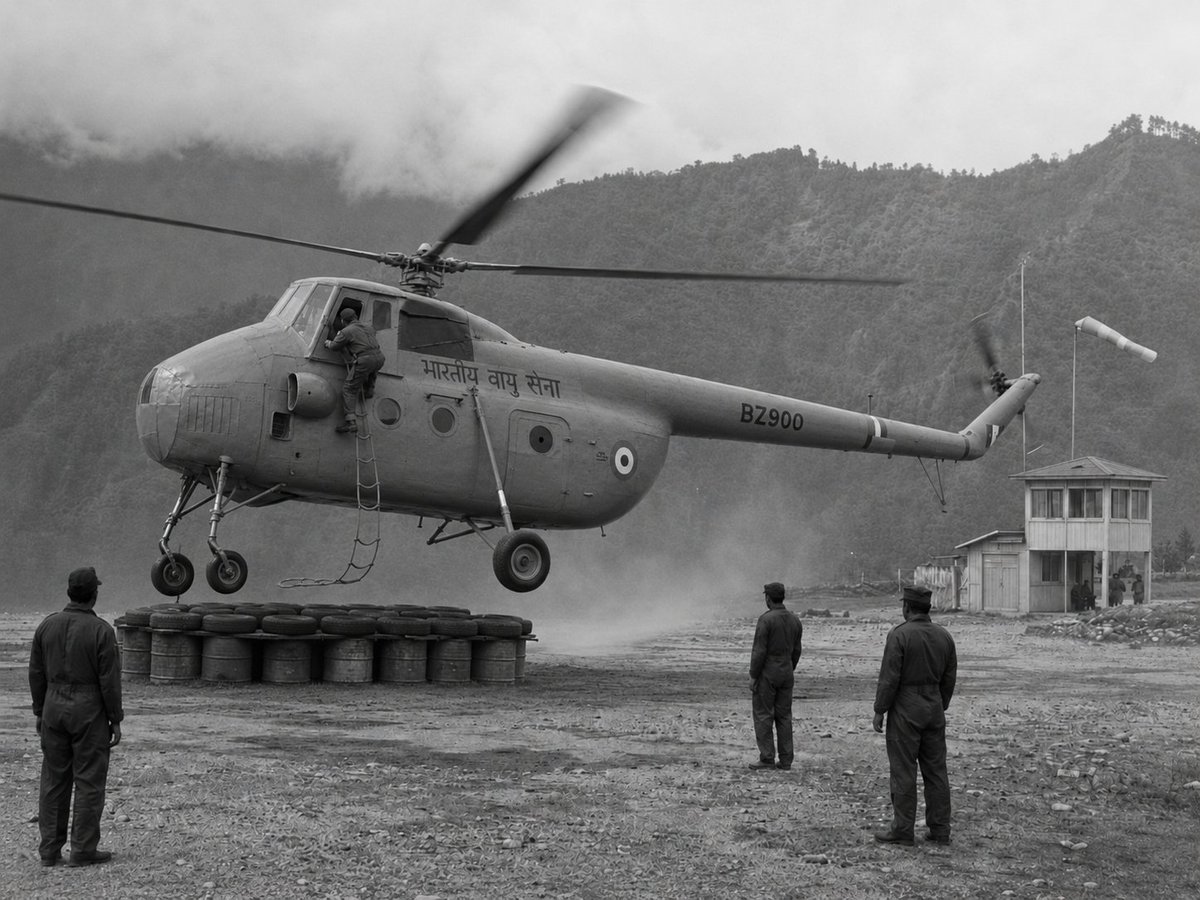
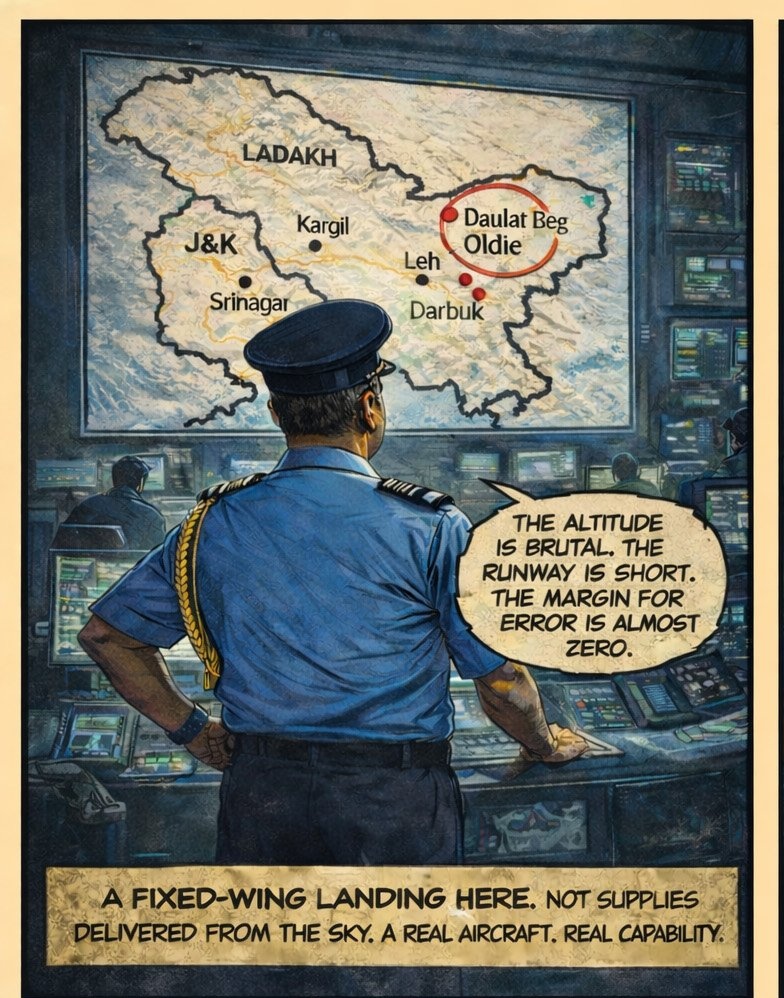
Long before AI, mobile phones, or even accurate maps of the region, the humble Mi-4 ventured into the shadows of the Karakoram. Guided by little more than skill, judgement and extraordinary courage, IAF helicopter crews flew where NONE other ever did…

3
4
50
2,814
Jun 7
I have been meaning to make Instagram a more active home for IAFHistory for some time now. Time, and perhaps a limited instinct for visual storytelling, kept getting in the way.
It has now found a better custodian.
The IAFHistory Instagram account is being managed by my son as his summer project. He is 14, which probably gives him a better feel than I have for how to make history accessible, visual and interesting for younger readers and viewers.
The aim remains the same: to tell well-researched stories from Indian Air Force history, but in a format that can travel further and reach newer audiences.
Do follow the first post here:
instagram.com/p/DZSezU5TSSt
10
8
82
2,915
Jun 7
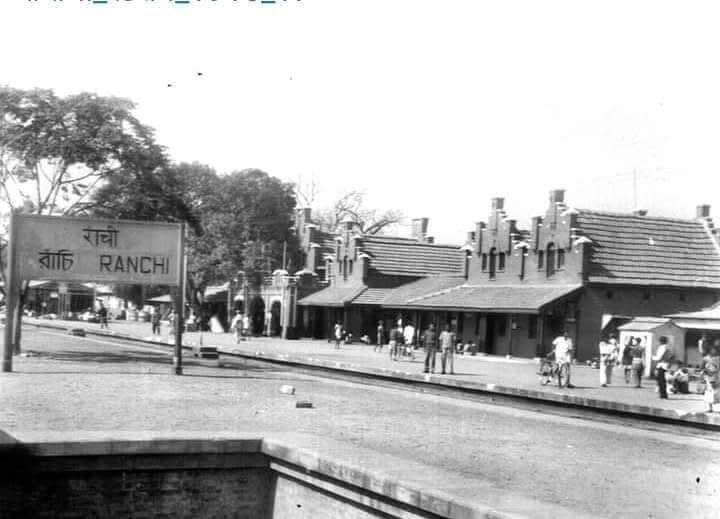
Many people don’t know that Ranchi was once intended to be the HQ of an independent Indian Air Force Eastern Command.
The plan was approved in 1946, but reversed in 1947 after Partition changed India’s strategic and administrative priorities. #IAFHistory @IAF_MCC

Many people know Ranchi as the capital of Jharkhand, but few know that it once played a crucial role in Bihar’s history. In 1912, when the province of Bihar and Orissa was created, Ranchi became its temporary capital and later served as the Summer Capital of Bihar until 1956.
1
2
14
953
Jun 7
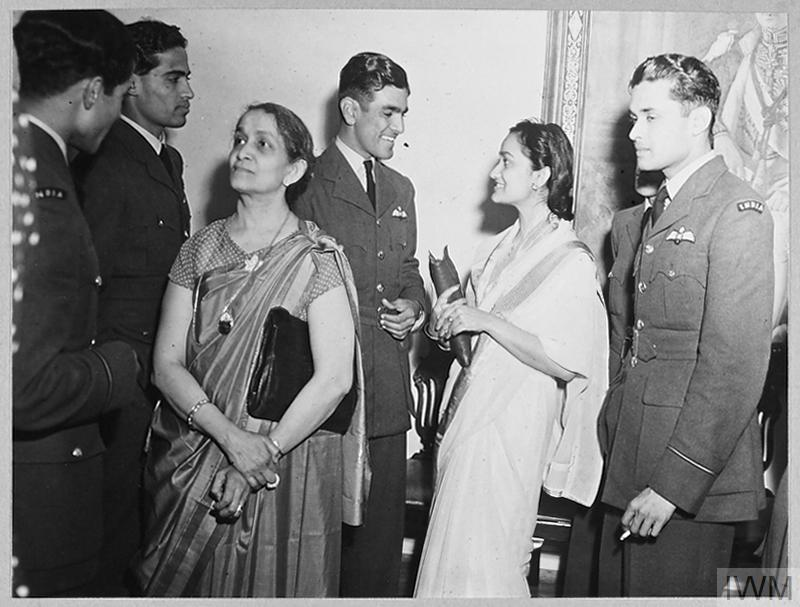
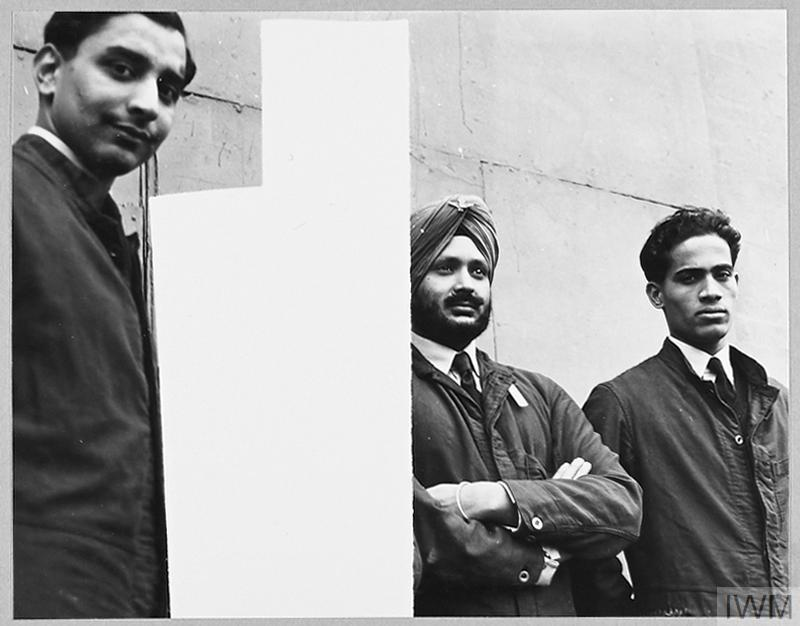
The ever reliable KS Nair (@TheBrownBeagle ) comes up with these rarely seen pictures of Gp Capt UK Nair from his treasures!
Jun 5

The Hawai Sepoy Who Returned to Command His Own School
There is a remarkable detail in the service record of Gp Capt Ulianjari Krishnan Nair.
In 1948, then a Wing Commander, Nair was commanding No. 2 Ground Training School, Tambaram. In the first years after Independence, 2 GTS was one of the IAF’s key airmen training establishments, handling technical trade training at a time when the Service was still building its own officer cadre, institutions, syllabi and administrative systems.
The school itself had a longer history. Its lineage traces back to the School of Technical Training, established in Ambala in 1935, following the early technical training arrangements at the Aircraft Depot in Karachi. During the war, this expanded into the Air Force Technical Training schools, including No. 1 AFTT at Ambala and No. 2 AFTT at Ameerpet/Secunderabad. In September 1946, these were reorganised into Schools of Ground Training. By April 1947, the stream had moved into No. 2 Ground Training School at Tambaram, which became the main technical training centre in the early post-Independence IAF.
And Nair had once entered that same training stream as a Hawai Sepoy.
During the war, when the IAF was trying to build an officer cadre from the limited pool of trained Indian technical talent, he earned a commission on 3 September 1942. A few years later, after Independence, he returned to the same institutional line, now as one of its senior officers and eventually as its commanding officer.
It is a rare airman-to-CO arc.
There is another interesting parallel. U.K. Nair, Service Number 1964, was commissioned on the same date as the far better-known AVM Harjinder Singh, Service Number 1963. Both came through the Hawai Sepoy route. Harjinder Singh’s later career is well remembered. Nair’s is much harder to follow.
The record gives only fragments.
In April 1944, Nair was with No. 2 Squadron at Kohat as Engineering Officer. By August 1945, he was at No. 22 Anti-Aircraft Co-operation Unit at Ambala. In August 1947, he appears at No. 2 Ground Training School, Tambaram. Attended the 6th Staff College course at Wellington in 1953. Later Gazette entries show him promoted to Acting Group Captain in 1955.
After that, at least from the records I have at hand, the trail becomes unclear.
Where did U.K. Nair go after Tambaram? What appointments did he hold in the 1950s? When did he retire?
For now, it remains an incomplete but striking story: a Hawai Sepoy who returned, within little more than a decade, to command the very training stream from which he had begun.
He would have turned 118 today.
#IAFHistory @IAF_MCC
1
1
30
1,418
Jun 5
The Hawai Sepoy Who Returned to Command His Own School
There is a remarkable detail in the service record of Gp Capt Ulianjari Krishnan Nair.
In 1948, then a Wing Commander, Nair was commanding No. 2 Ground Training School, Tambaram. In the first years after Independence, 2 GTS was one of the IAF’s key airmen training establishments, handling technical trade training at a time when the Service was still building its own officer cadre, institutions, syllabi and administrative systems.
The school itself had a longer history. Its lineage traces back to the School of Technical Training, established in Ambala in 1935, following the early technical training arrangements at the Aircraft Depot in Karachi. During the war, this expanded into the Air Force Technical Training schools, including No. 1 AFTT at Ambala and No. 2 AFTT at Ameerpet/Secunderabad. In September 1946, these were reorganised into Schools of Ground Training. By April 1947, the stream had moved into No. 2 Ground Training School at Tambaram, which became the main technical training centre in the early post-Independence IAF.
And Nair had once entered that same training stream as a Hawai Sepoy.
During the war, when the IAF was trying to build an officer cadre from the limited pool of trained Indian technical talent, he earned a commission on 3 September 1942. A few years later, after Independence, he returned to the same institutional line, now as one of its senior officers and eventually as its commanding officer.
It is a rare airman-to-CO arc.
There is another interesting parallel. U.K. Nair, Service Number 1964, was commissioned on the same date as the far better-known AVM Harjinder Singh, Service Number 1963. Both came through the Hawai Sepoy route. Harjinder Singh’s later career is well remembered. Nair’s is much harder to follow.
The record gives only fragments.
In April 1944, Nair was with No. 2 Squadron at Kohat as Engineering Officer. By August 1945, he was at No. 22 Anti-Aircraft Co-operation Unit at Ambala. In August 1947, he appears at No. 2 Ground Training School, Tambaram. Attended the 6th Staff College course at Wellington in 1953. Later Gazette entries show him promoted to Acting Group Captain in 1955.
After that, at least from the records I have at hand, the trail becomes unclear.
Where did U.K. Nair go after Tambaram? What appointments did he hold in the 1950s? When did he retire?
For now, it remains an incomplete but striking story: a Hawai Sepoy who returned, within little more than a decade, to command the very training stream from which he had begun.
He would have turned 118 today.
#IAFHistory @IAF_MCC
4
8
60
4,245
Jun 4
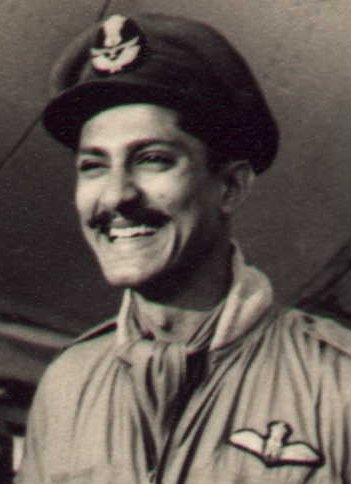
38 Kirti Chakras have been awarded to Indian Air Force personnel. Among them was Sqn Ldr Sudhakaran, whose loss remains deeply felt. Remembering him today, on his death anniversary, and the courage of a test pilot who stayed with a failing aircraft to the very end..
Mar 4
Grand Trunk Road. A Gnat. A bullock cart. And an Indian Air Force test pilot who stayed with a failing aircraft to the very end. The story of a Kirti Chakra awardee, announced on this day in 1961. (1/9)
#IAFHistory
1
4
28
1,379
Jun 4
Excellent, balanced response. The finest leaders know the diff between the letter of a rule and its spirit. They uphold discipline without becoming mechanical, & act firmly without losing humanity. FM Manekshaw endures in public memory because he embodied that balance: discipline, judgement & morale.

Army takes cognisance of Captain proposal viral video, seeks explanation
Points to remember though before venting for or against this young officer
While the Army understands the Captain’s desire to propose to his girlfriend, the occasion and location were inappropriate.
While no formal disciplinary action is likely since he is a young officer who has not committed any serious offence, his seniors have been made aware of the violations and asked to sensitise him about the rules, regulations, and behaviour becoming an officer.
Do read the full story
theprint.in/defence/army-tak…
1
5
56
6,120
Jun 3
The Canopy That Would Not Go
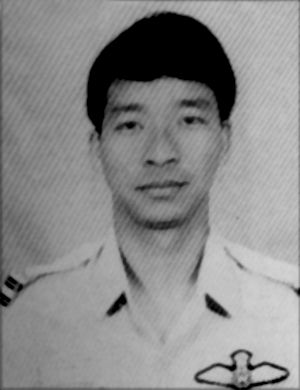
At about 1420 hours on 3 June 1992, two MiG-21s were airborne over Assam on a practice interception sortie.
One aircraft carried the trainee. In the other was Flt Lt Chow Ongpee Maunglang of the MiG Operational Flying Training Unit at Tezpur. Over the radio, he instructed the trainee to “turn right”.
Then there was silence.
Maunglang was not new to the MiG-21, nor to its dangers. Commissioned into the Indian Air Force on 8 June 1984 from the 133 Pilot Course (64 NDA), he had already seen one serious emergency. On 20 January 1989, while with 45 Squadron, he had ejected from a MiG-21 Bis after a G-LOC incident during 4-vs-2 air combat training.
He had survived that ejection.
Three years later, he would face the seat again.
By Sep 1991, Maunglang had been posted to MOFTU. MOFTU was not a place for casual flying. It was where young pilots were shaped on the MiG-21, an aircraft that demanded precision, discipline, and respect. The official citation later noted that from the day he arrived, Maunglang applied himself with “determination and zeal” to promote flying in the unit. Despite his youth, he was remembered for a maturity that impressed those around him.
On 3 June 1992, just as the trainee felt a slience, Maunglang's MiG-21 FL (Type 77) suffered a catastrophic canopy failure. The canopy exploded in flight. Shards of perspex struck his face, shattered his cheek bones, and caused severe bleeding.
Badly injured, Maunglang still retained the presence of mind to initiate ejection. The seat fired, but the damaged canopy did not separate cleanly. The escape sequence itself had become compromised. Falling through the air, injured and disoriented, he understood that unless he cleared the broken canopy, the parachute would not deploy.
He operated the manual separation lever. He forced his way through the perspex. He pulled the manual D-ring.
The parachute deployed. But as he exited through the canopy, he was struck on the head by the solid frame. The injury was fatal.
The Gazette citation recorded the sequence in unusually stark detail. Its final line was simple: “The officer fought to the very last breath”. For this act of courage and exceptional devotion to duty, Flt Lt Chow Ongpee Maunglang was awarded the Vayu Sena Medal (Gallantry), posthumously.
The man behind the citation had come from Namsai in Arunachal Pradesh. Born on 23 Sep 1960 to Chow Ketong Maunglang, he joined Sainik School Goalpara in 1973, rose to become School Captain, won the all-rounder trophy, and represented the North East in the Republic Day parade band contingent in Delhi. From there he went to the National Defence Academy, and then into the fighter stream of the Indian Air Force.
His family remembered a quieter side: an observant, technically curious young man who loved machines and anything with wheels. A younger brother recalled being taken to school by him in full Air Force uniform, and later to Air Force Station Chabua, where the salutes he received left a lifelong impression.
Military Aviation history is often full of such sad endings. In Maunglang’s case, the tragedy is that he came so close to a survival. The canopy failed, the perspex shattered, the escape path was compromised, and a badly injured pilot still worked through the emergency: separate, clear, deploy.
Maunglang’s sitting height was later remembered as a possible contributing factor, and a 92.5 cm maximum sitting-height norm, along with encapsulation testing at Tezpur under Dr Gaur, is said to have followed. This part needs corroboration from records.
#IAFHistory @IAF_MCC
9
30
157
6,306
Jun 1
Air Marshal Manikantan served as AOC-in-C for 1,156 days. Since 2000, only eight IAF officers have served as AOC-in-C for more than three years. Among them, he is the only one from the helicopter stream!
What makes it more interesting is the arithmetic behind the career path. He was not the first from 137 Pilot Course to become AOC-in-C. Nor was he unusually early in earlier senior-rank selections: sixth of eight for AVM, and fifth of five for Air Marshal among peers where dates are available. The key advantage was age. He was the third-youngest among 54 course peers, which gave him a longer runway once he reached the top tier.
But the arithmetic only explains the runway, not the record.
Manikantan was a Helicopter Combat Leader, a Type Qualified Flying Instructor, and among the early helicopter Directing Staff at TACDE, where he helped formalise helicopter combat tactics and assessment criteria.
He commanded a Mi-17 IV unit, flew extensively himself, and led the unit through a demanding range of tasks: operational detachments in J&K, casualty evacuation, disaster relief, gun trials, offshore operations at Mumbai High, and the operation and maintenance of additional BSF helicopters.
#IAFHistory @IAF_MCC

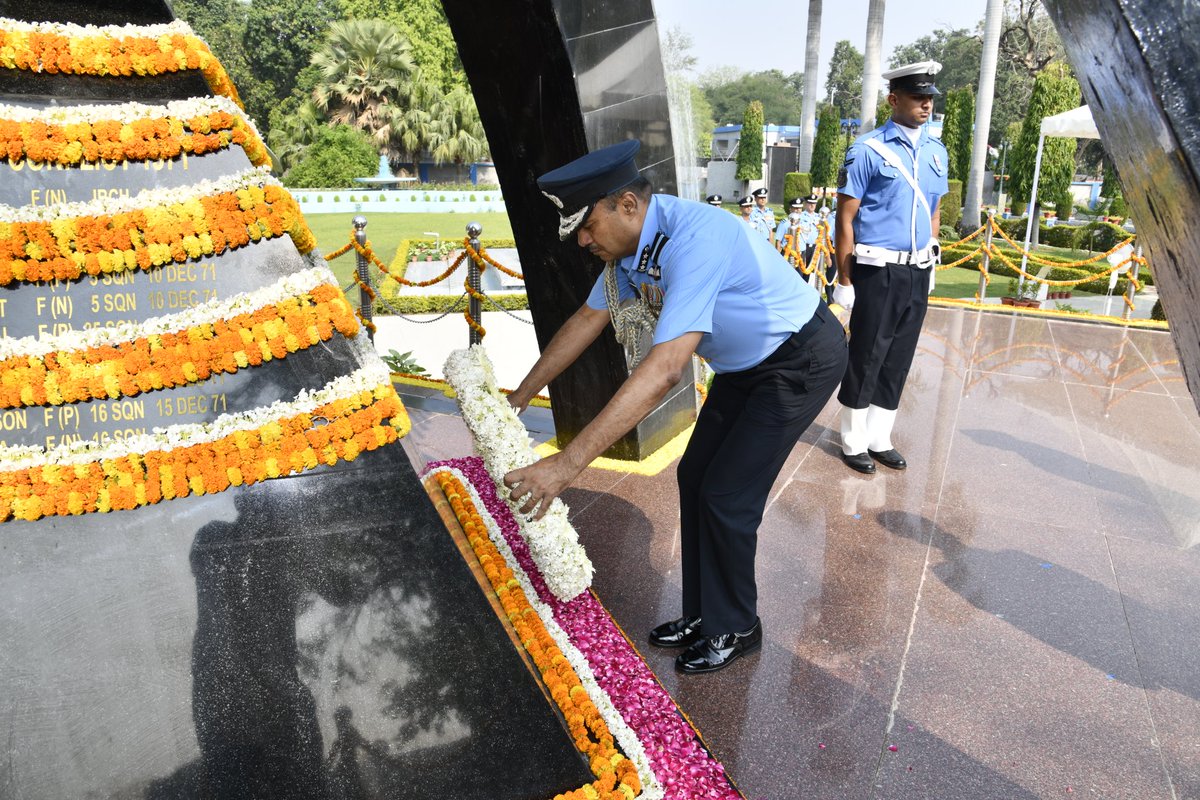
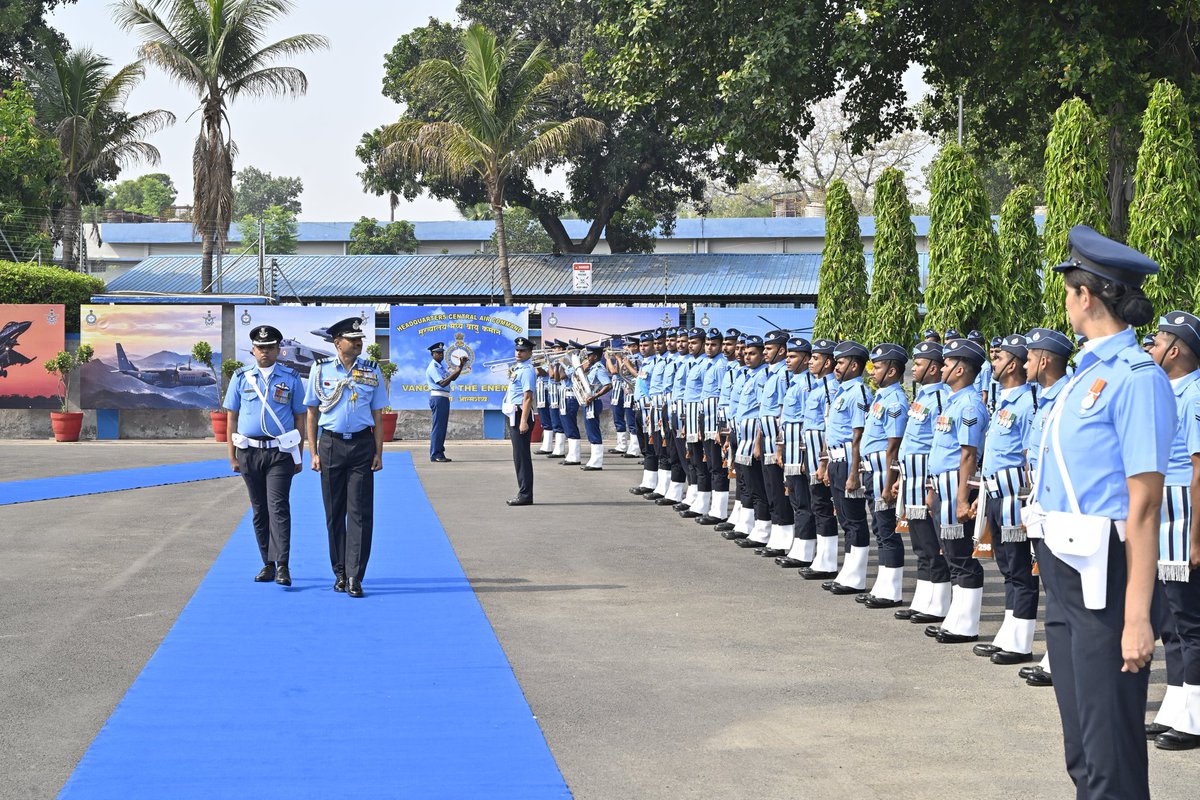
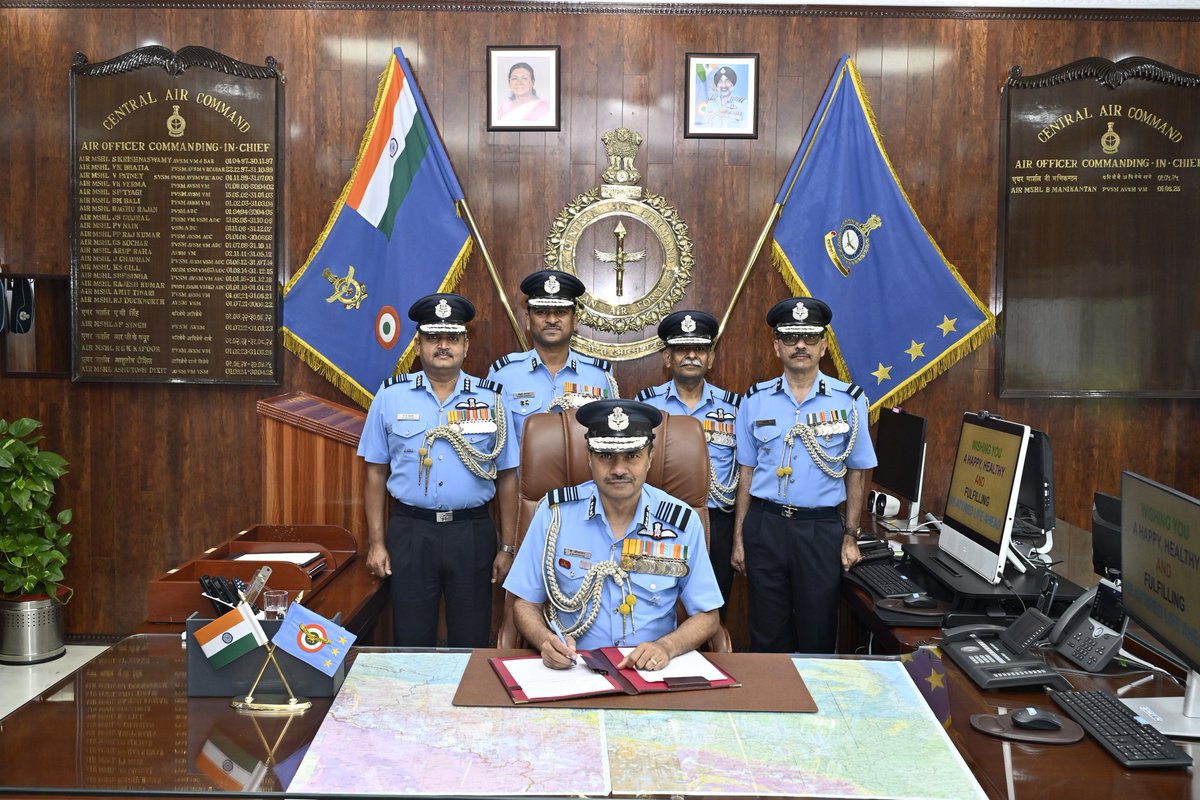
Air Mshl B Manikantan, AOC-in-C, Central Air Command superannuated on 31 May 26 after rendering four decades of distinguished and dedicated service to the IAF and to the nation. The Air Mshl made significant contributions through key operational, command and staff appointments in Indian Air Force.
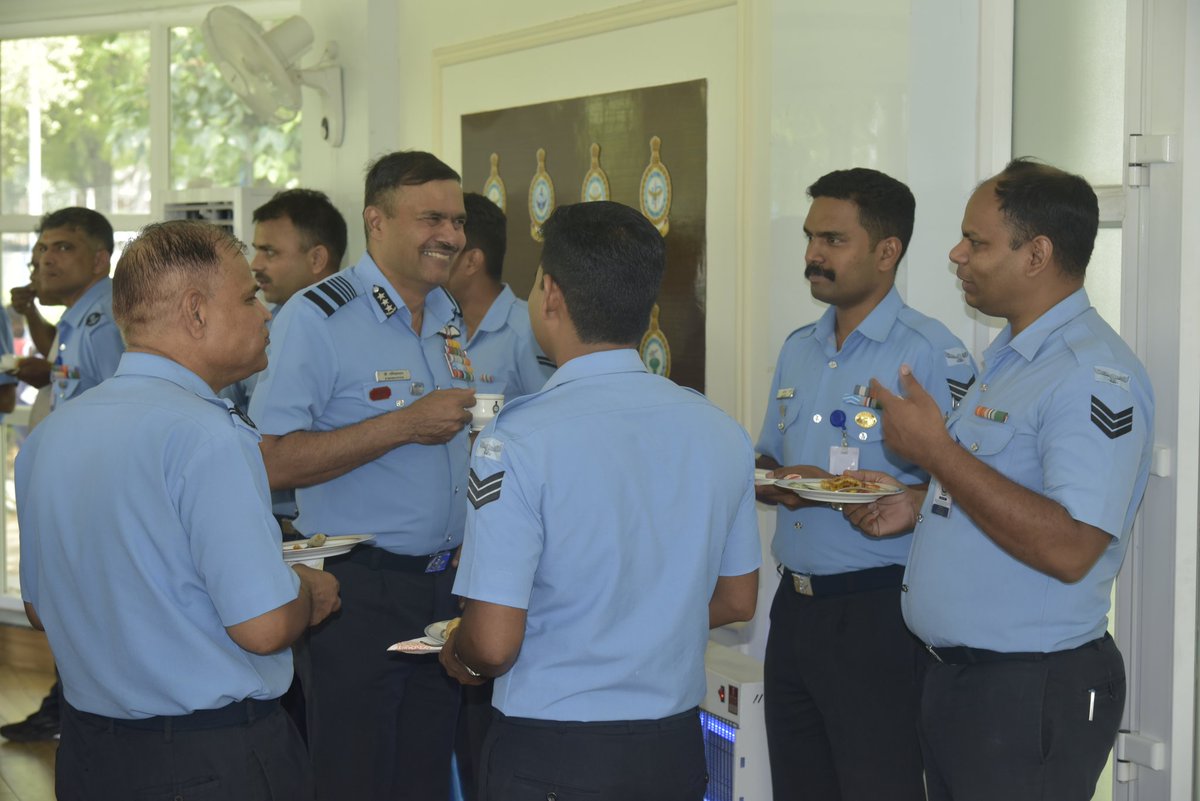
The eve of his superannuation was marked by a Commander's Conclave to review the operational preparedness of the Central Air Command followed by a tree plantation drive at HQ CAC. He also interacted with Air Warriors and appreciated them for their dedication and professionalism while motivating them to continue upholding the highest standards and traditions of the IAF. On the occasion, the Air Mshl received a ceremonial Guard of Honour and laid a wreath at the Command War memorial to pay homage to fallen air warriors.
Guided by his vision and inspiring leadership, Central Air Command expresses its profound appreciation for his stellar service and dedication to the nation.
#IndianAirForce #CentralAirCommand #PRODefprayagraj
7
3
53
7,093
May 27
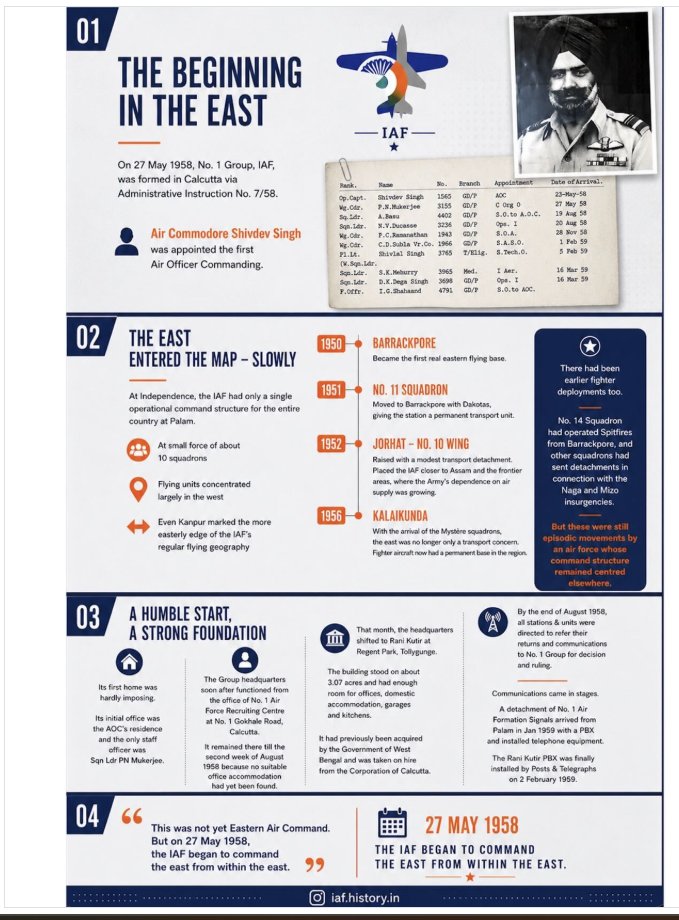
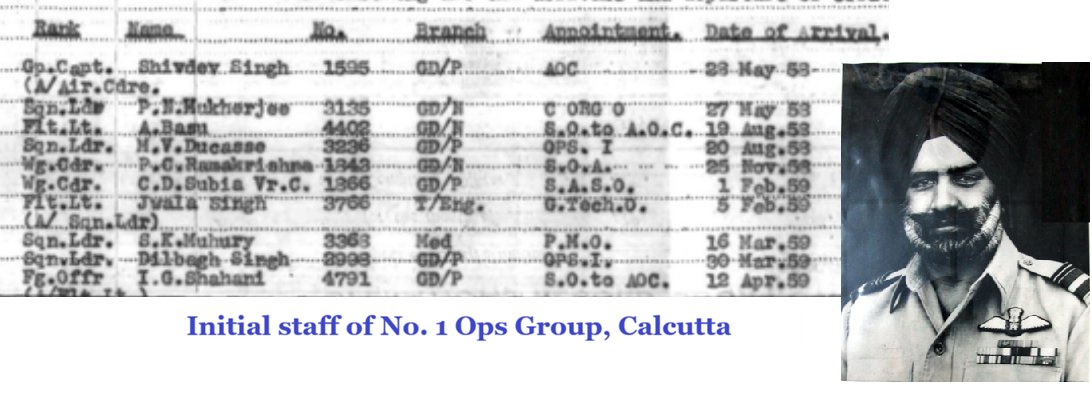
The IAF's first headquarters in eastern India did not begin in a command complex. It began in a recruiting office.
On 27 May 1958, No. 1 Group, IAF, was formed in Calcutta via Administrative Instruction No. 7/58. Air Commodore Shivdev Singh was appointed the first Air Officer Commanding.
But let us rewind.
At Independence, the IAF had only a single operational command structure for the entire country at Palam. It was a small force of about ten squadrons, and its flying units were concentrated largely in the west. Even Kanpur then marked the more easterly edge of the IAF’s regular flying geography.
The east entered the map slowly.
Barrackpore became the first real eastern flying base in 1950. In 1951, the newly raised No. 11 Squadron moved there with Dakotas, giving the station a permanent transport unit.
Jorhat followed in 1952, as No. 10 Wing, initially with a modest transport detachment. Its importance lay less in numbers and more in geography. It placed the IAF closer to Assam and the frontier areas, where the Army’s dependence on air supply was growing.
Kalaikunda came later, in 1956, and changed the character of the eastern presence. With the arrival of the Mystère squadrons, the east was no longer only a transport concern. Fighter aircraft now had a permanent base in the region.
There had been earlier fighter deployments too. No. 14 Squadron had operated Spitfires from Barrackpore, and other squadrons had sent detachments in connection with the Naga and Mizo insurgencies. But these were still episodic movements by an air force whose command structure remained centred elsewhere.
No. 1 Group changed that.
Its first home was hardly imposing. Its initial office was the AOC's residence and the only staff officer was Sqn Ldr PN Mukerjee. The Group headquarters soon after functioned from the office of No. 1 Air Force Recruiting Centre at No. 1 Gokhale Road, Calcutta. It remained there till the second week of August 1958 because no suitable office accommodation had yet been found.
That month, the headquarters shifted to Rani Kutir at Regent Park, Tollygunge. The building stood on about 3.07 acres and had enough room for offices, domestic accommodation, garages and kitchens. It had previously been acquired by the Government of West Bengal and was taken on hire from the Corporation of Calcutta.
By the end of August 1958, all stations and units under the new headquarters had been told to refer their returns and communications to No. 1 Group for decision and ruling.
Even the communications infrastructure came in stages. A detachment of No. 1 Air Formation Signals arrived from Palam in January 1959 with a PBX and installed telephone equipment. The Rani Kutir PBX was finally installed by Posts and Telegraphs on 2 February 1959.
This was not yet Eastern Air Command. But On 27 May 1958, the IAF began to command the east from within the east.
#IAFHistory @IAF_MCC
10
63
2,622
May 26
26 May marks the start of the Kargil War. Having finished the manuscript of my book on Kargil, I believe the response should have begun days earlier. The cost of that delay was high.
One of the institutional lessons drawn from Kargil, reflected in the KRC Report, was the need for greater jointness. The absence of such jointness did contribute to delays. That lesson led to the creation of HQ IDS.
But that was only one part of the problem.
The delay in recognising and responding to the full scale of the intrusion reflected a wider failure of escalation: first in appreciating the magnitude of the situation within the Army’s chain of command, and then in conveying its seriousness with sufficient urgency to the political leadership. Perhaps this was driven by the belief that the situation could still be contained locally.
That is the harder institutional question.
What systems have we built to ensure that uncomfortable field realities move rapidly up the chain of command and across to the political leadership? How do we prevent local optimism, reputational anxiety, or Service-level hesitation from delaying national-level recognition of a crisis?
Does the answer take us back to the old lesson on moral courage? If so, the fix is also much harder. To build institutions that promote, protect, and reward the willingness to speak uncomfortable truths in time.
I do not claim to have the answers. But these are the questions that continue to beguile me.
6
9
54
3,047

May 26
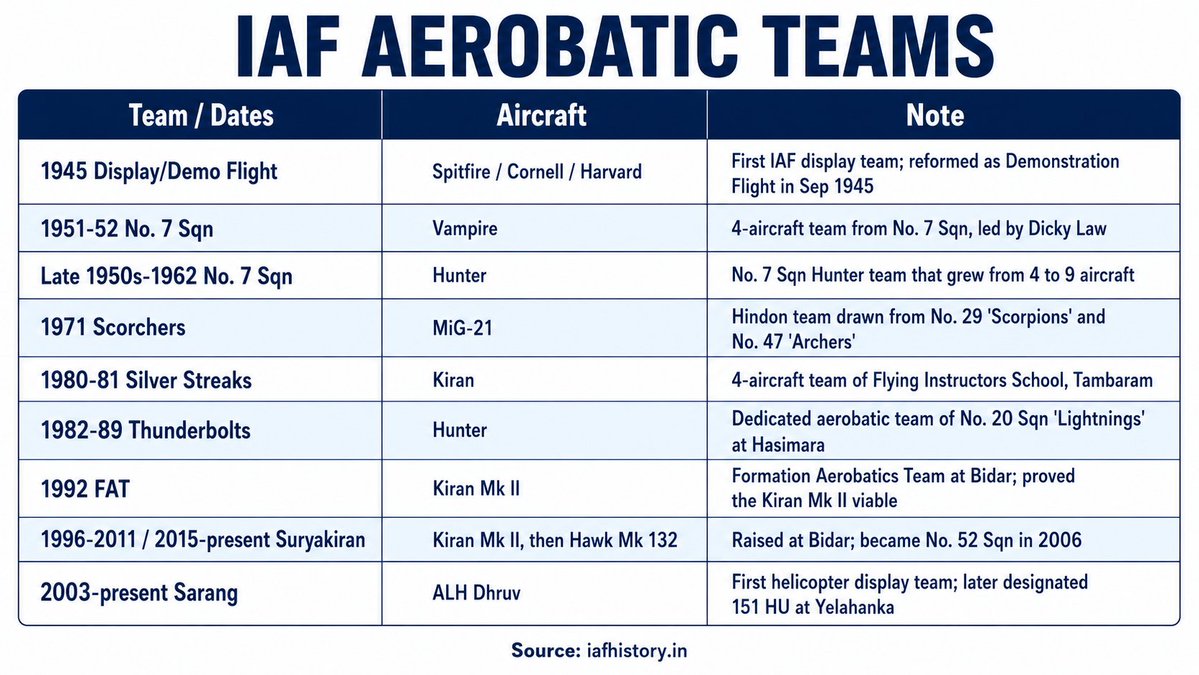
The more interesting number behind SKATs 30th anniversary is 26. SKAT was formed in 1996, but was numberplated from 2011-2015. For decades, IAF display teams were brilliant, visible, and usually brief. Suryakiran changed that. It gave the tradition permanence. #IAFHistory
May 26
Celebrating 30 Years of Precision, Passion & Pride.
The Suryakiran Aerobatic Team of the #IndianAirForce commemorates its 30th Anniversary on 26 May 2026 at Air Force Station Bidar, Karnataka. From its debut in 1996 to over 800 breathtaking displays across India and abroad, SKAT continues to inspire with unmatched professionalism, precision flying and teamwork.
Living by their motto ”Sadaiva Sarvottam" meaning “Always the Best,” the team symbolizes the spirit and excellence of the Indian Air Force.
#SKAT
#IndianAirForce
#Suryakiran30
@DefenceMinIndia
@SpokespersonMoD
@HQ_IDS_India
@adgpi
@indiannavy
@CareerinIAF
@Suryakiran_IAF
3
13
78
5,885
May 26
The Gulmarg Gondola rescue coverage on X is a reminder of how desperate agencies and personnel have become for credit. Sadly, it is also a mirror to the society we have become.
3
7
60
5,534
Anchit Gupta retweeted

May 24
Very interesting history about Air Marshal Lakhmir Singh and the role of Signals officers. There’s a (possibly apocryphal?) story on these radar stations from that period. As you have posted earlier, Wg. Cdr. (later Air Marshal) Minoo Jehangir Dotiwalla commanded 15 squadron. When the radar stations were being tested, under varying weather and aircraft altitudes, only one station, Dotiwalla’s, ‘caught’ all the aircraft. This was puzzling, as at least the some low-flying aircraft would be missed, and Dotiwalla was asked to explain the superlative performance of his unit. He said that he sat outside and counted the aircraft and they went by, listening and watching, sipping his gin and tonic. Then cross-checked with the radar, and added the missing numbers.
28 Nov 2025
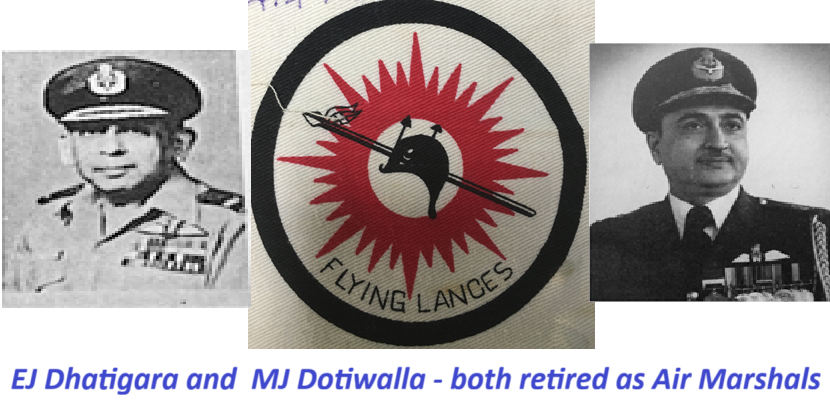
From Dhatigara to Dotiwalla, from Spitfires to Gnats, from one Parsi CO to another. No. 15 Squadron, the Flying Lancers, is a unit that somehow managed to live two lives.
Raised first on 15 Aug 1951 at Halwara, 15 Squadron was a child of Plan Shikar, the quiet expansion blueprint that prepared the Indian Air Force for an imminent war with Pakistan. To bring four new squadrons alive at once, the IAF raided its own training resources. No. 15 Squadron was formed on Spitfires pulled out of the conversion pool at Ambala, where young fighter pilots were learning their trade.
At the head of this new unit stood its first commanding officer, Sqn Ldr Edul Jahangir Dhatigara. Fate, however, intervened early. On 26 January 1953, barely a year and a half after its birth, No. 15 Squadron was number plated. Its personnel and aircraft were used to bring No. 1 Squadron back to life after six years in hibernation.
At Partition, the IAF's original No. 1 Squadron had gone to the PAF. In a neat historical twist, the PAF chose not to use the "1 Squadron" title, leaving the IAF free to reclaim its oldest and most symbolic squadron number. For 15 Squadron, that choice came at a cost. It vanished from the order of battle on 26 January 1953 and stayed that way for more than a decade.
The Flying Lancers finally returned on 16 Nov 1964, once again at Ambala, resurrected on the Gnat. Just days later, on 28 Nov 1964, Wg Cdr Minoo Jehangir Dotiwalla took over command as the unit's second CO. From Dhatigara to Dotiwalla, from one Parsi to another, 15 Squadron's second life began with a very distinctive thread of continuity.
Since its rebirth in 1964, 15 Squadron has kept an unbroken front line vigil, serving with distinction across conflicts including Balakot and Op Sindoor. The Flying Lancers have moved home from Ambala to Bareilly, Bagdogra, Pune, Bhuj, Nal and now Sirsa, and have steadily upgraded their mounts from the Gnat to the MiG-21 and today the Su-30.
@IAF_MCC #IAFHistory
3
4
16
2,512