Joined November 2012
- Tweets 1,200
- Following 839
- Followers 4,221
- Likes 6,526
8 Photos and videos

Pinned Tweet

College sports “purists” hate the transfer portal. It may just save the @LadyVol_Hoops program.
My latest, for @Tennessean:
tennessean.com/story/opinion…
3
4
20
2,633
Andrea Williams retweeted

Jun 14
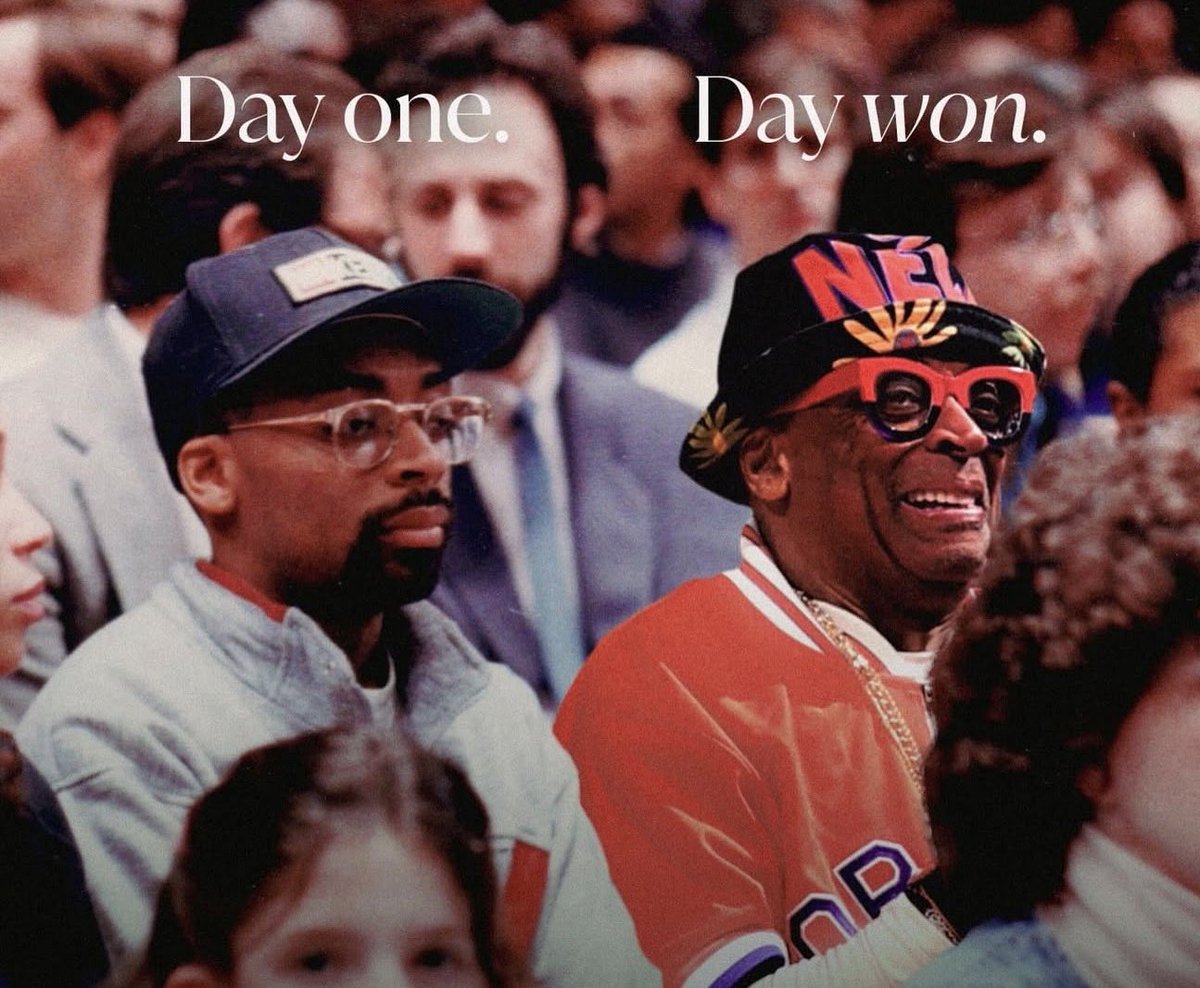
Well Done, ESPN.
175
17,913
212,388
5,087,826
Andrea Williams retweeted

Jun 14
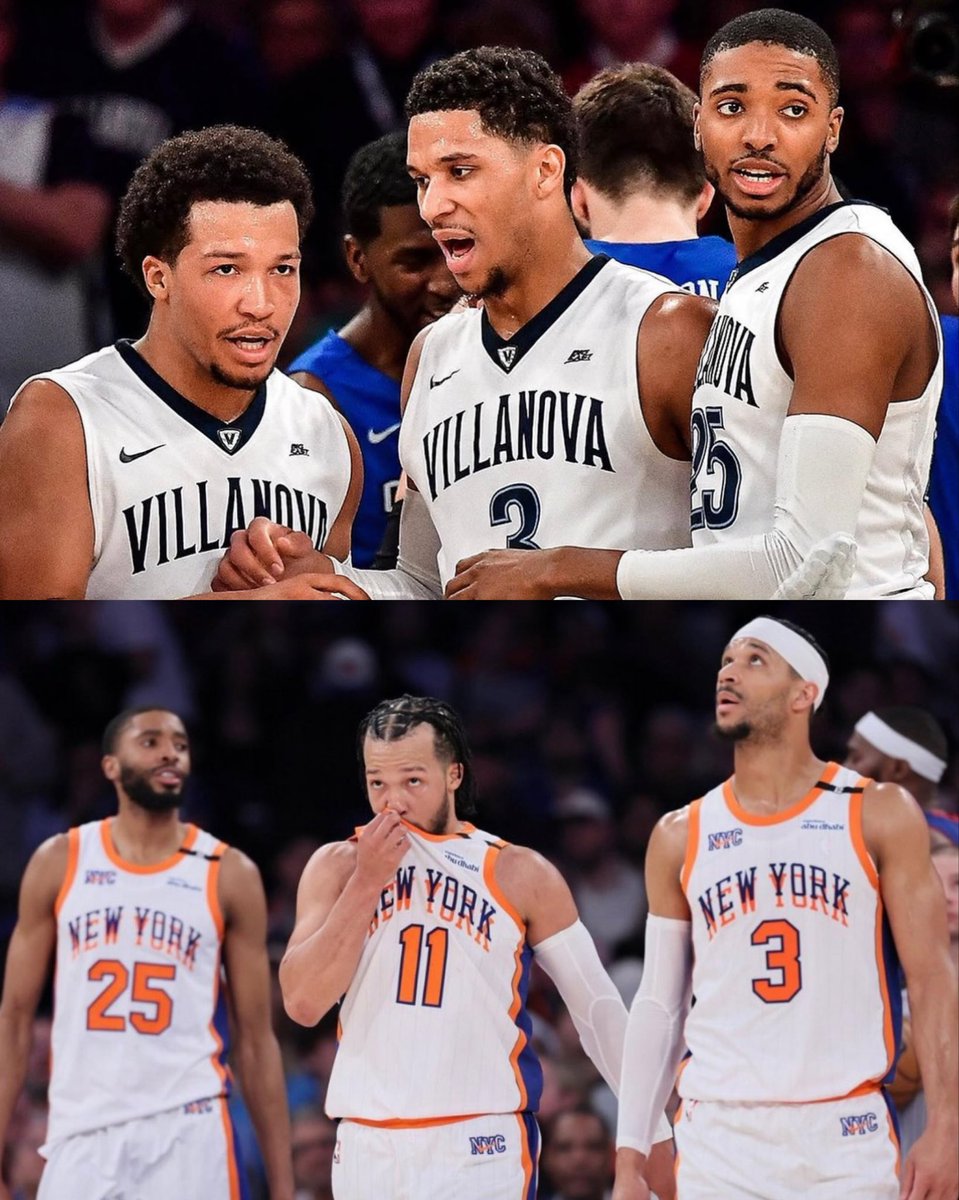
2016 NCAA Champions.
2026 NBA Champions.
599
26,245
199,006
5,076,924
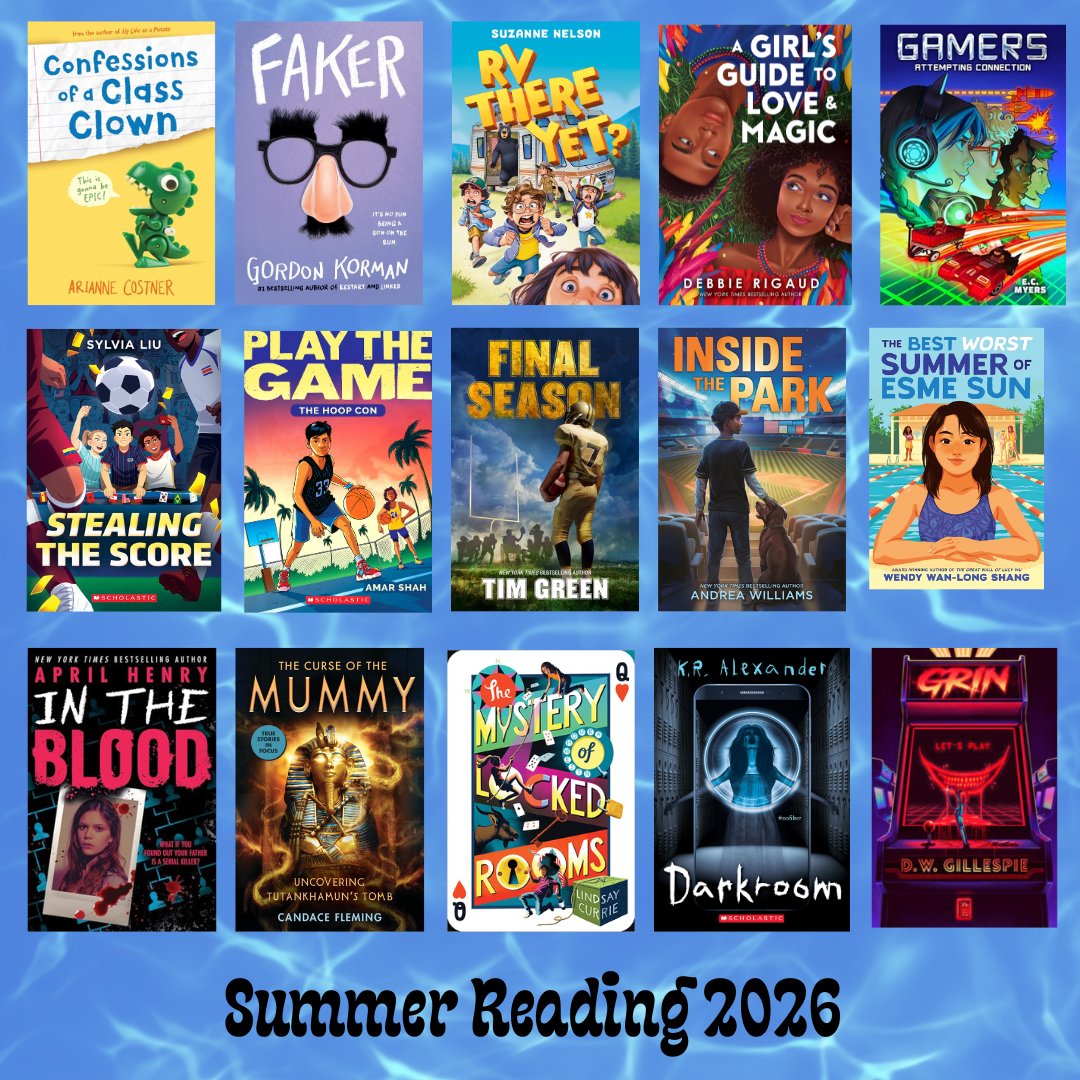
Love seeing INSIDE THE PARK on this list!! Thanks @MsYingling!

Enough! Summer reading should be fun! Take a look at these #MGLit titles that have adventures, SPORTS, and horror. There are at least fifteen more books I could list, but this is a start.
1
86
Andrea Williams retweeted

Actor Laz Alonso questions why the U.S. citizenship test doesn’t include the civil rights movement & says immigrants wouldn’t have rights in the United States if not for African Americans’ sacrifices and struggles during the civil rights movement.
🎥 On That Note Podcast/Youtube
179
3,751
17,459
648,315
RT @LoniLove: June is #blackmusicmonth salute to the talented Andrea Martin
276
Andrea Williams retweeted

Jun 11
EVERYONE WANTS TO BE UNIQUE, BUT NOBODY WANTS TO BE ALONE, SO THEY PERFORM UNIQUENESS WITHIN THE BOUNDARIES OF COLLECTIVE APPROVAL.
66
3,055
13,023
299,729
Andrea Williams retweeted

Jun 11
The NAACP campaign to ask Black athletes to boycott flagship colleges in the South is bringing attention to HBCU athletics just as TSU's athletic director is under pressure. @AndreaWillWrite on why TSU can overcome perceptions of "second-rate" programs: tennessean.com/story/opinion…
3
1
300
Andrea Williams retweeted

Jun 9
Opinion: Why TSU can’t waste this athletic director crisis | Opinion tennessean.com/story/opinion…
3
1
1,191
The no-confidence vote against @TSU_Tigers AD Mikki Allen comes amid ongoing calls for top Black athletes to boycott SEC schools and consider HBCUs.
In my latest, I explain why it’s a make or break moment for TSU and Pres. Dwayne Tucker:
tennessean.com/story/opinion…
1
1
123
Andrea Williams retweeted

Jun 5
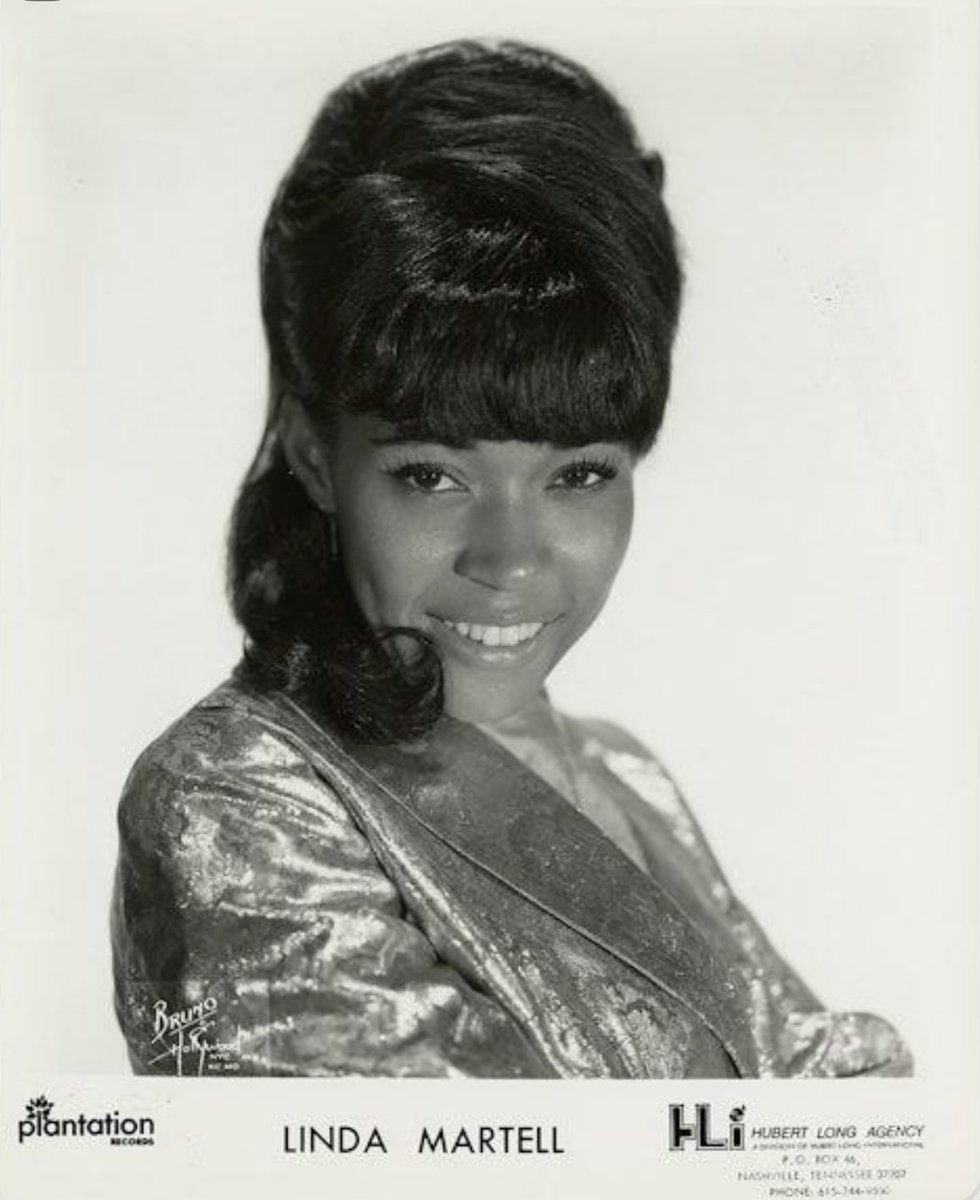
Born This Week, Linda Martell
(Wednesday, June 4, 1941)
Lineage, Origins, and Formation: A Foundational Black American country and R&B pioneer, church-formed vocalist, Southern Black music tradition bearer, and one of the most important women in the documented history of Black American Country music.
Born Thelma Bynem on June 4, 1941, in Leesville, Linda Martell was raised in a Southern Black family shaped by church, labor, radio, and song. Her father, Clarence Bynem, was a Baptist preacher and sharecropper, and her mother, Willie Mae Bynem, worked in poultry plants. Before the country industry knew what to do with her, Martell was already absorbing the music around her: Gospel in church, country music through her father’s listening habits, and R&B through the performance culture that surrounded her early singing life.
As a young girl, Martell began singing in church and later performed with The Anglos, a family-based R&B group. That foundation matters because her artistry was never boxed into one lane. Her voice carried the warmth of Gospel, the phrasing of R&B, and the plainspoken storytelling power of country music. When she moved into country recording, she was not crossing into unfamiliar territory; she was bringing forward a sound Black Southern people had always known, even when the industry refused to name them properly inside it.
Her breakthrough came with “Color Him Father,” a country single that reached No. 22 and made her presence impossible to ignore. In 1970, she released “Color Me Country,” her only major country album, a project that placed her in history as the first commercially successful Black American female country solo artist. Martell also became the first Black American woman to perform at the Grand Ole Opry, where she made 12 appearances, even as she endured racism, industry limitations, and a country music system that benefited from Black musical roots while often denying Black performers the same room.
Linda Martell’s legacy did not disappear; it waited for a wider public memory to catch up. In 2021, she received the CMT Equal Play Award, and in 2024, her voice reached a new generation through Beyoncé’s “Cowboy Carter,” appearing in spoken-word form on “The Linda Martell Show” and “Spaghettii.” Her story is not simply about being “first.” It is about what it costs when Black women open doors that an industry should have never closed in the first place.
Today, Martell stands as a revered living elder of Black American Country music, with her legacy being carried forward through renewed recognition and through the forthcoming documentary “Bad Case of The Country Blues: The Linda Martell Story,” led by her granddaughter to help preserve Martell’s story in her own family’s hands.
Though she is not publicly active as a touring/performing artist right now, Linda Martell stands as living proof that Black American women were never strangers to Country music. They were always part of its soil, its sound, its memory, and its truth.
If you wish to donate to her forthcoming documentary, you can do so here: gofund.me/ef11d0e7f
Photo: Linda Martell, undated promotional portrait, courtesy of the Country Music Hall of Fame and Museum
1
12
59
4,427

Andrea Williams retweeted

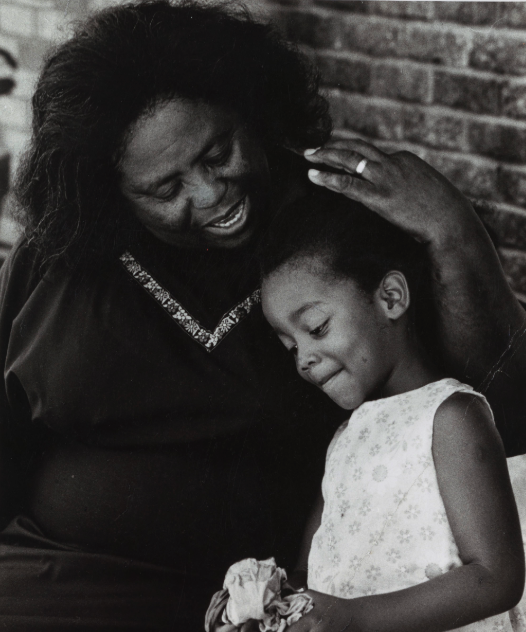
Civil Rights activist Fannie Lou Hamer with her daughter, 1971.
As a result of a "Mississippi appendectomy” (forced sterilization), Fannie Lou was unable to have children so she & her husband adopted 2 local impoverished girls.
14
688
3,096
33,758
Andrea Williams retweeted

Jun 3
Legendary coach who maid 100 million on the backs of unpaid labor. Now wants to regulate the earnings of those who can finely earn fair market value. This is clown behavior.

Legendary former Alabama football coach Nick Saban issues a stark warning on the devastating trajectory of college sports under current NIL rules.
"It's become an arms race, who spends the most has got the best chance to win.”
“But I think it's a race to the bottom because if you don't spend to win, you lose your fan base and you don't have any revenue."
1,869
1,621
8,078
1,460,172
Andrea Williams retweeted

May 28
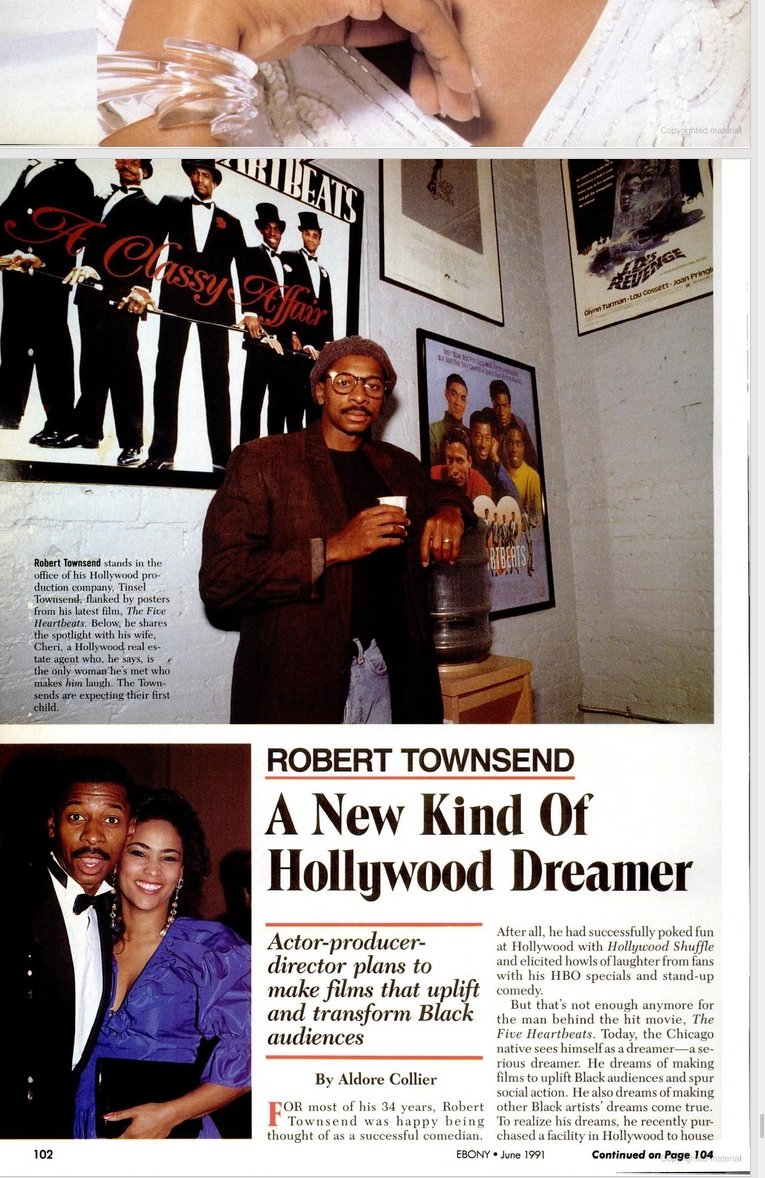
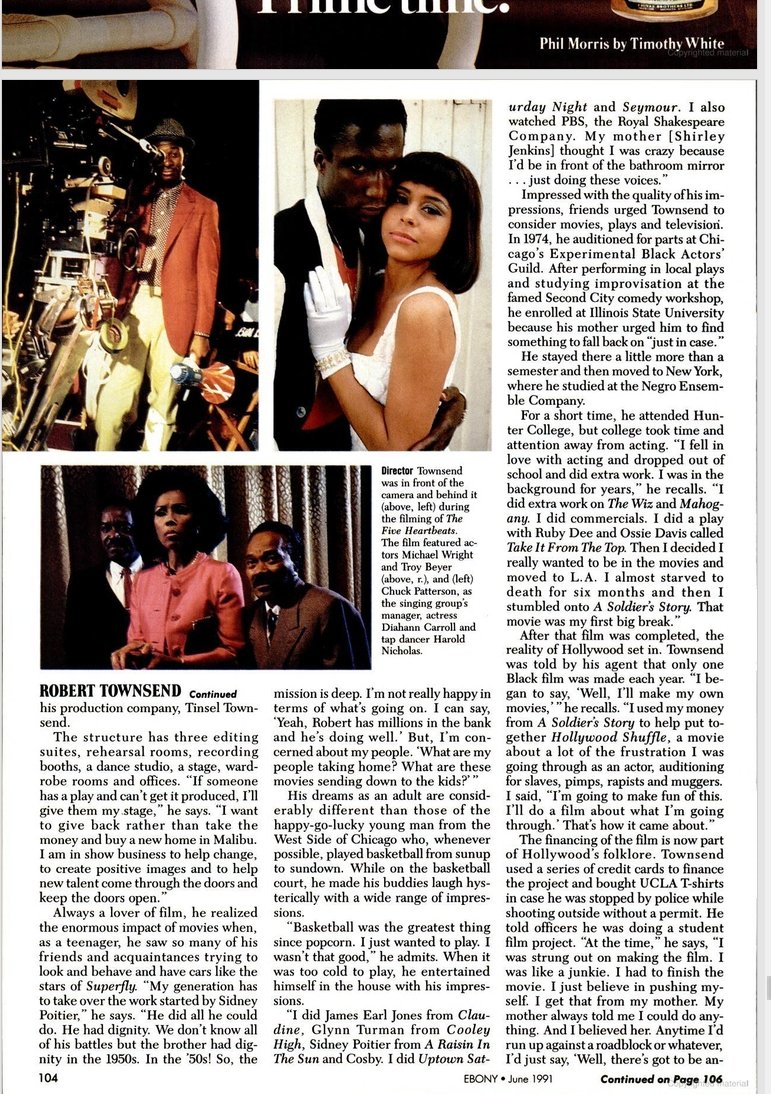
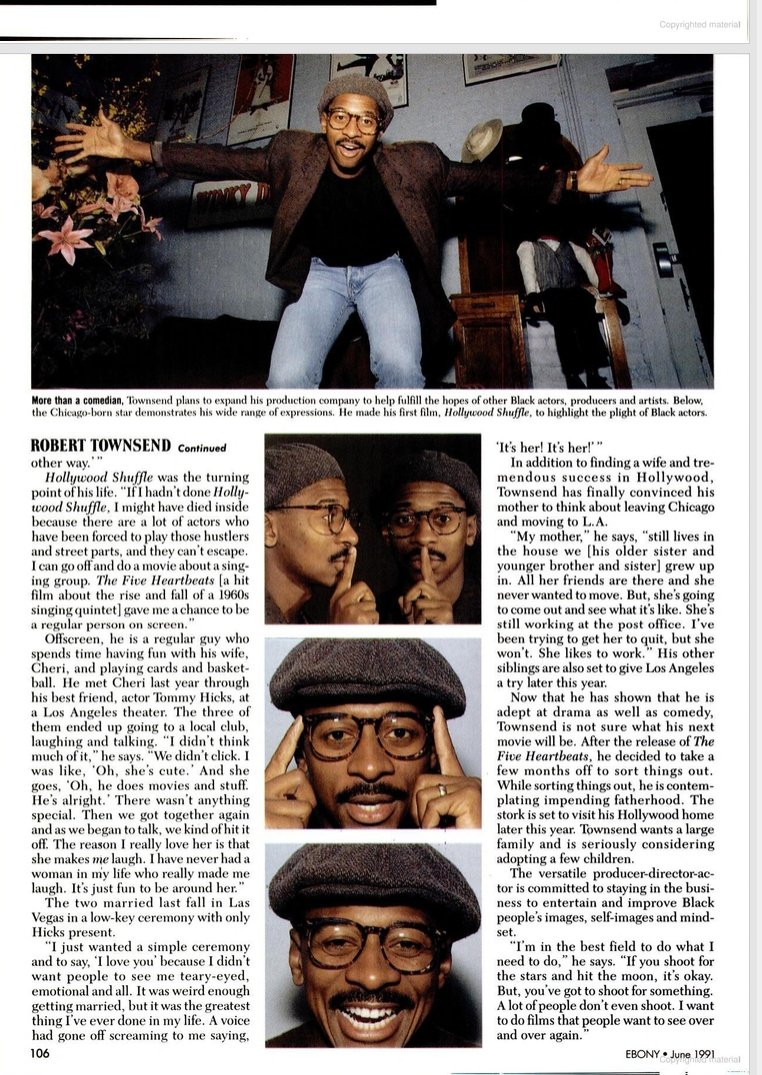
"I can say, 'Yeah, Robert has millions in the bank and he's doing well.' But, I'm concerned about my people. 'What are my people taking home? What are these movies sending down to the kids?'"
Robert Townsend talking about his work to Ebony (June 1991).
2
200
591
12,112
Andrea Williams retweeted
May 28
After the NAACP called for Black college athletes to boycott states that are redistricting Black-majority congressional districts, @AndreaWillWrite puts the call in historical context & juxtaposes it with the material realities of college athletics today. tennessean.com/story/opinion…
2
3
361

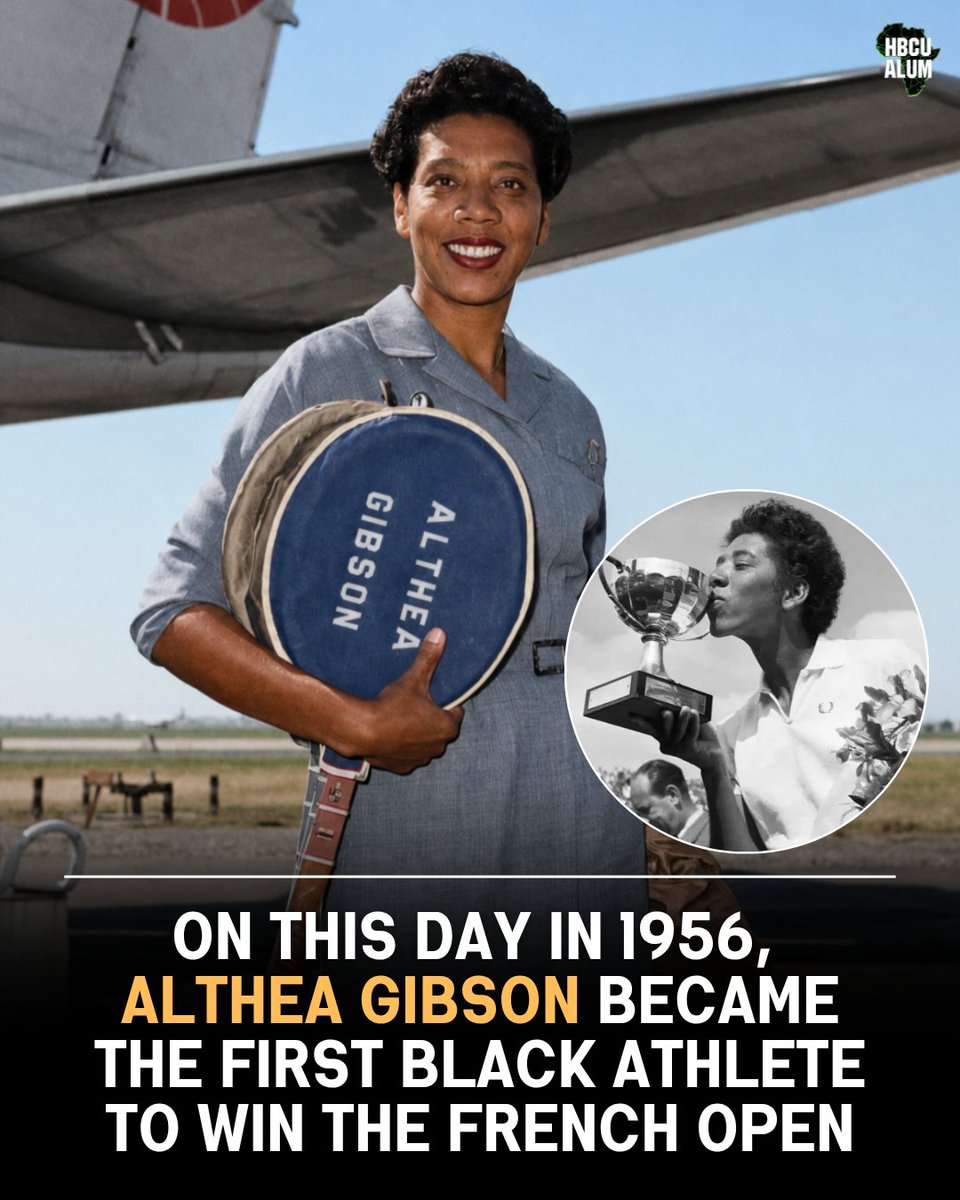
70 years ago today, Florida A&M alumna and trailblazing tennis icon #AltheaGibson made history by winning the French Open at Roland Garros. The following year, she became the first Black athlete to win Wimbledon, continuing a legendary run that reshaped the sport forever.
3
277
743
18,970
Andrea Williams retweeted

May 25
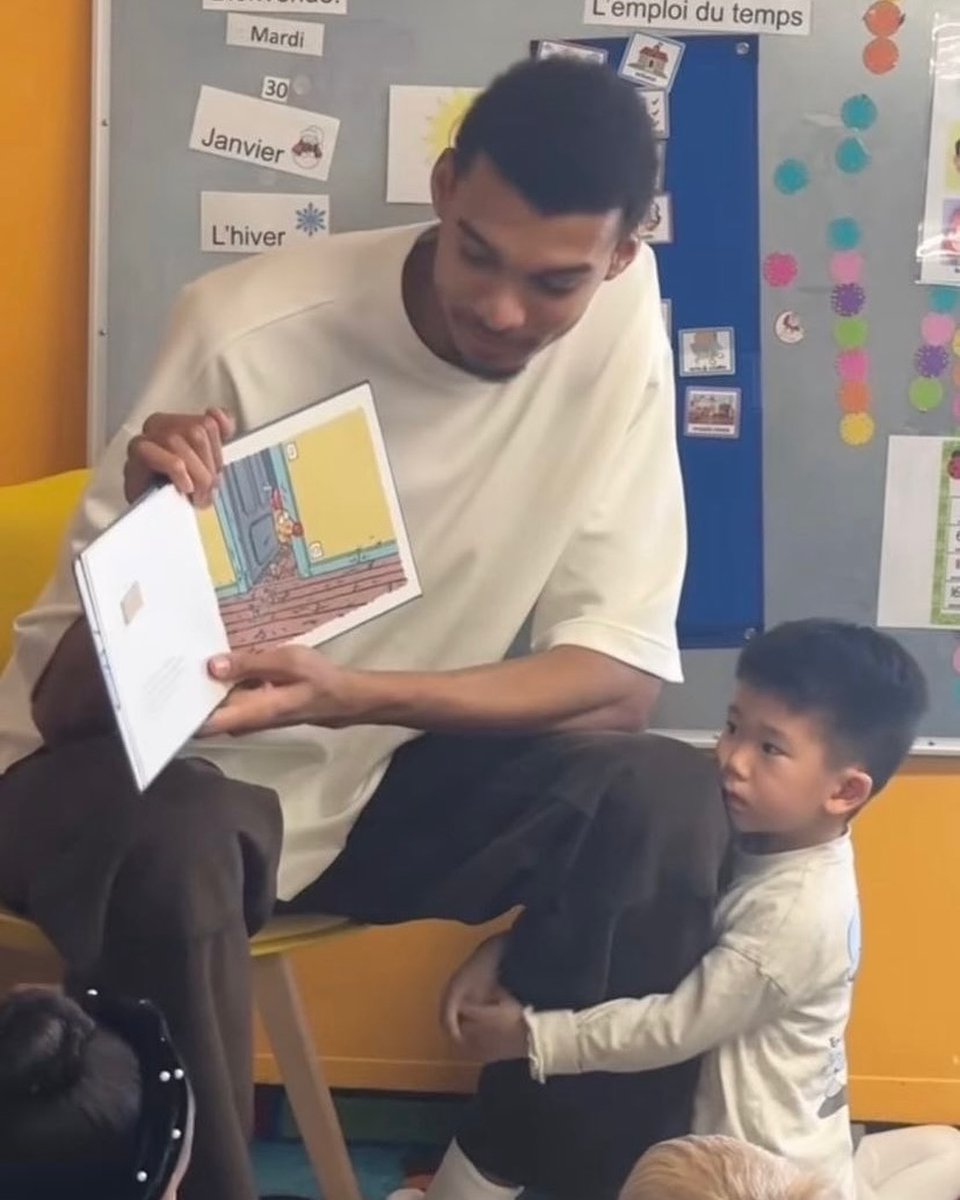
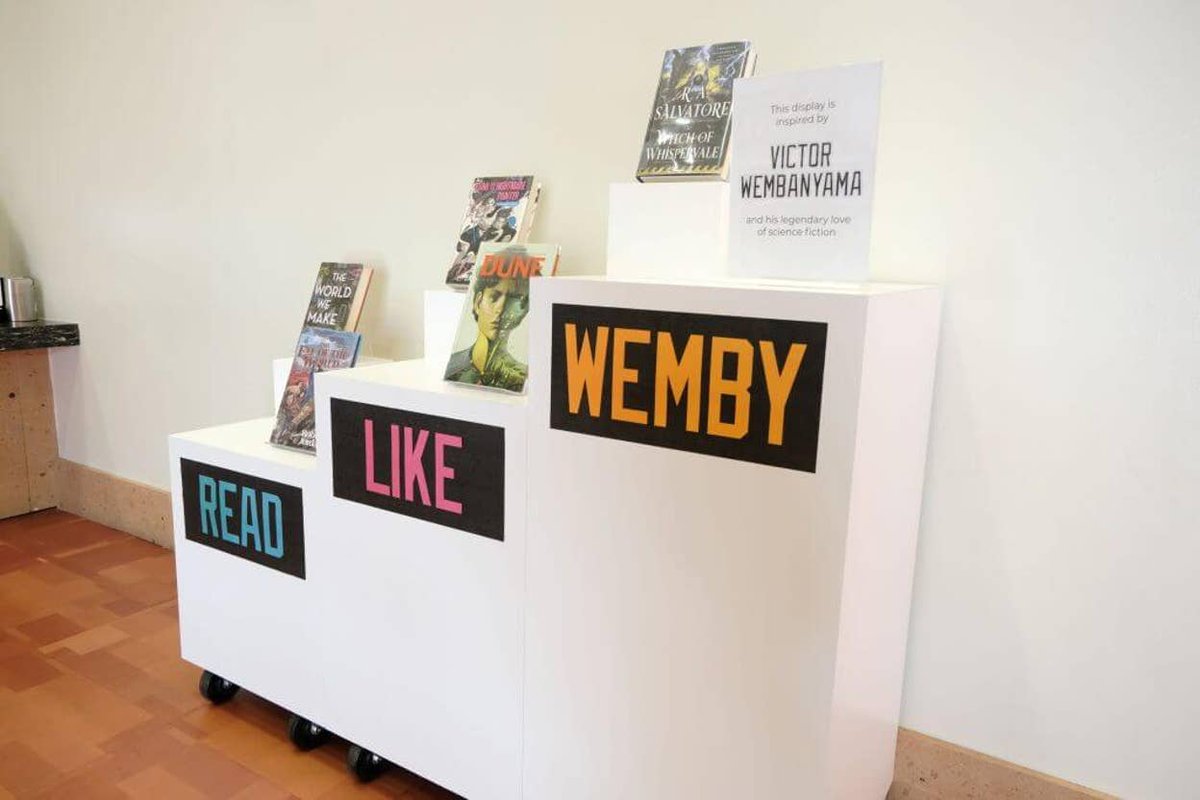
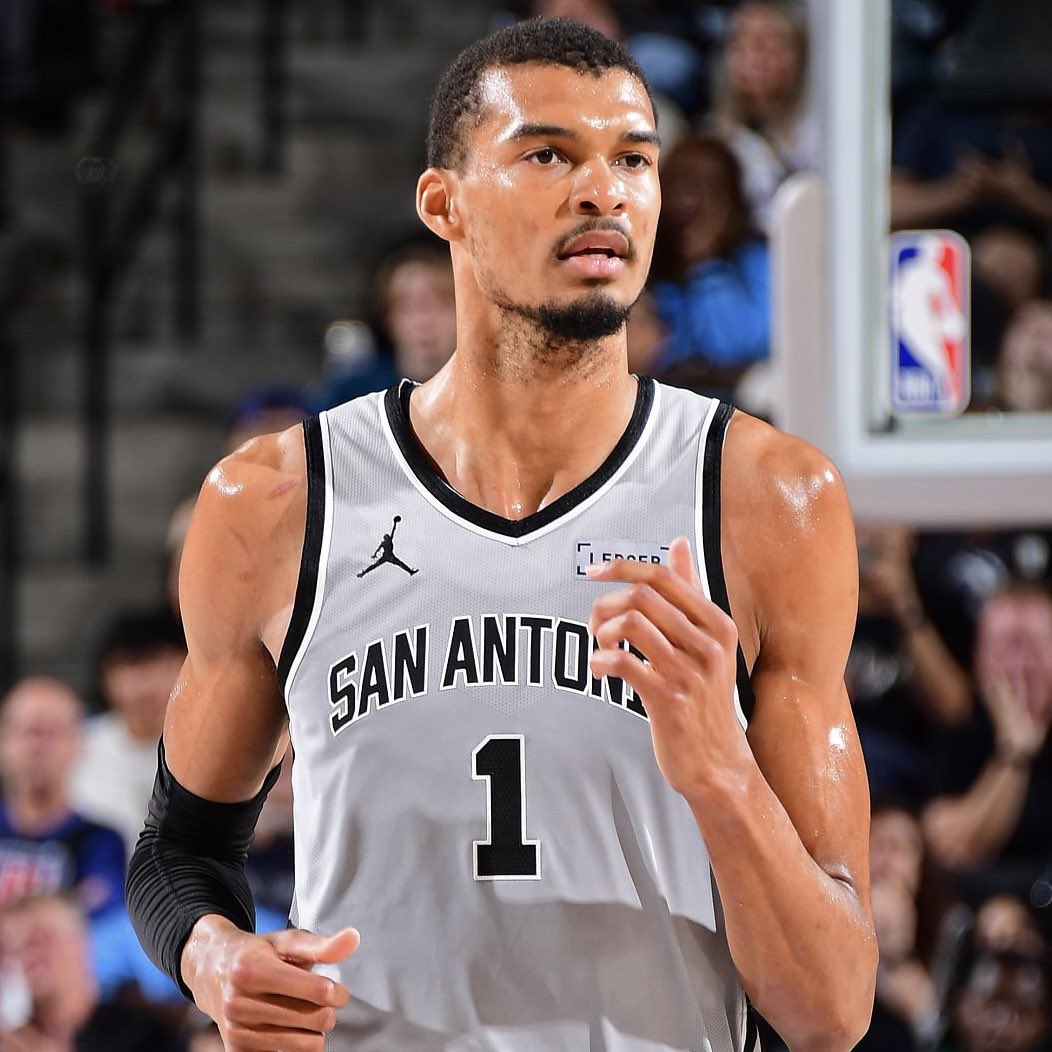
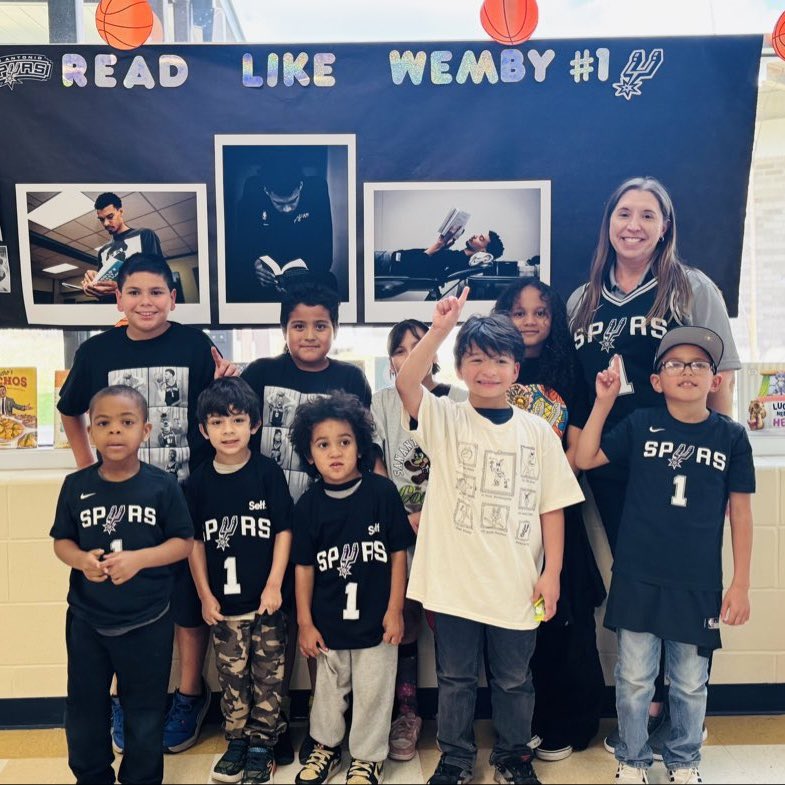
San Antonio libraries have launched a "Read Like Wemby" campaign featuring Victor Wembanyama’s favorite fantasy and sci-fi books.
Since launching, nearly 160 books have been checked out or put on hold, and local kids are taking photos with life-sized Wemby cutouts.
(Via @MirinFader)
31
750
6,855
352,063
Andrea Williams retweeted

May 25
San Antonio libraries have launched a “Read Like Wemby” campaign, featuring Victor Wembanyama’s favorite fantasy and sci-fi books, per @MirinFader.
Children can read books that their favorite player reads. Since the launch, nearly 160 books have been checked out or put on hold.
That’s awesome 🙏
35
771
7,785
1,039,024
Andrea Williams retweeted

May 23
Staffers who follow me, how many Black men in politics can you name at the Director or Manager level with approval authority on a campaign. How many have you worked for? Who on the campaign messages to that demographic? The answer is usually no one.
May 22

A new poll finds 1 in 4 young Black men in key states are not committed to voting in the 2026 elections, raising new questions about outreach, trust and political engagement.
Read more #OnTheGrio
thegrio.com/2026/05/22/1-in-…
7
40
272
48,607