
Commentator on matters GREAT and small. (followers welcome but not required) Retired 💙
Joined February 2011
- Tweets 416,193
- Following 7,499
- Followers 2,696
- Likes 75,057
2,457 Photos and videos













Pinned Tweet

15 Mar 2018
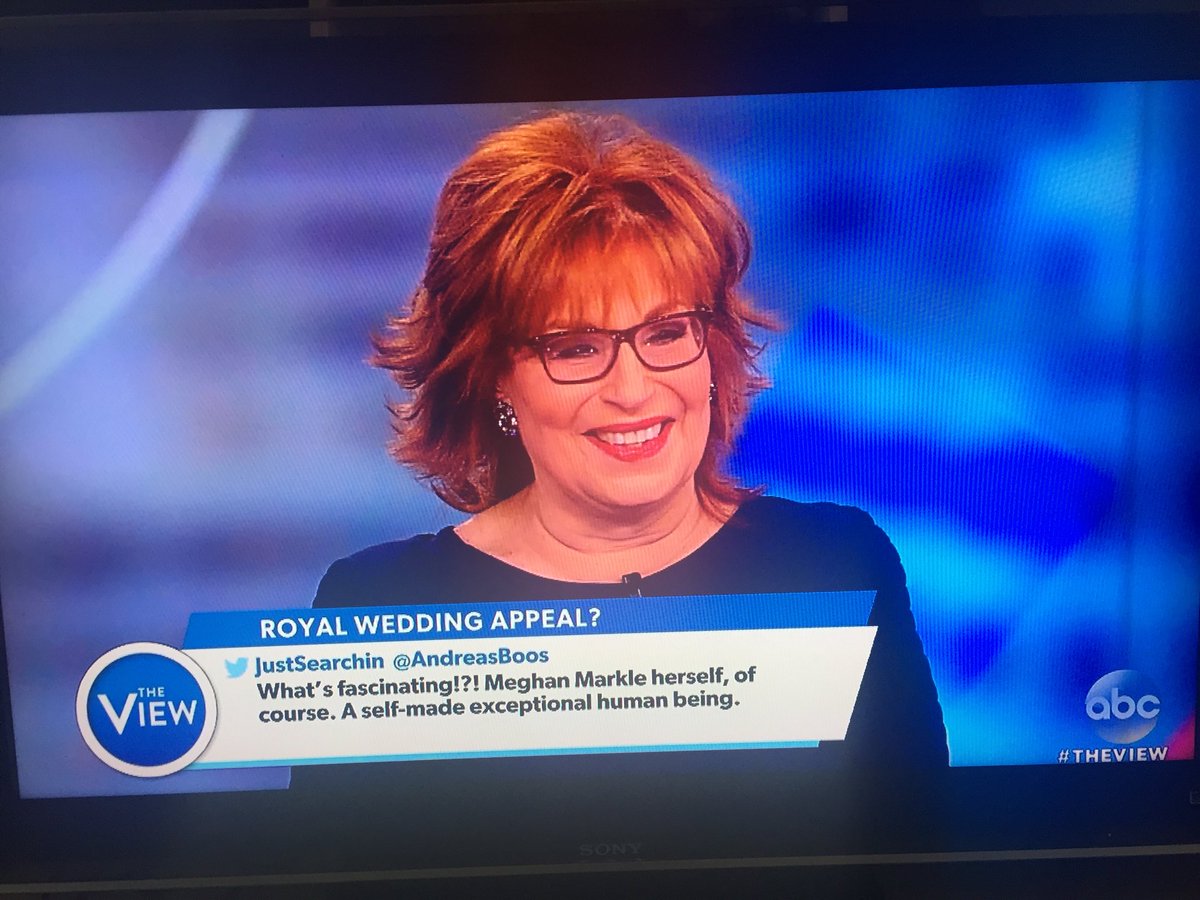
#TheView Discusses Prince Harry’s Upcoming Marriage to Meghan Markle! ❤️👑💍❤️
6
3
49

JustSearchin retweeted

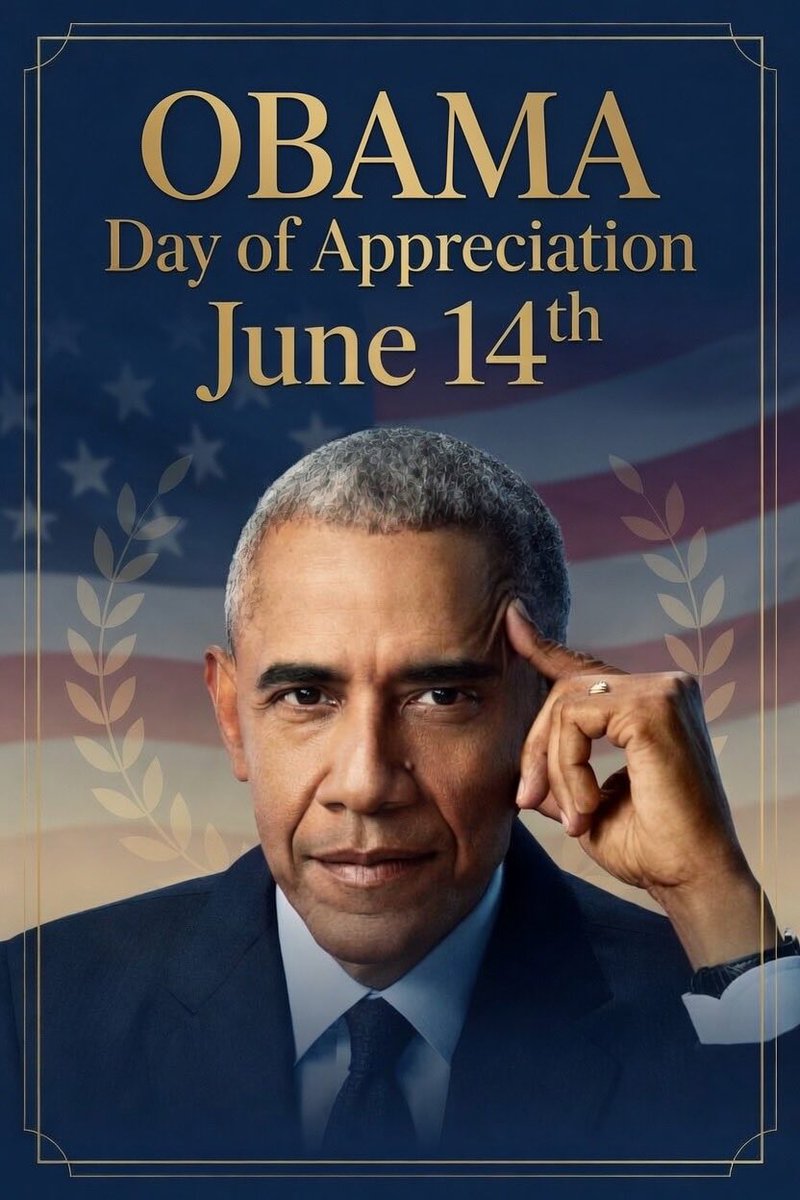
Our great First Couple!
#ObamaDayJune14
Celebrating our great President and our beautiful First Lady
💙💙
Jun 12

I wouldn’t be where I am today without the love and support that @MichelleObama has poured into me over the years. Her story — from her South Side roots to the White House and beyond — is a central part of the Obama Presidential Center.
2
40
58
438
JustSearchin retweeted

Jun 13
I love that a Black woman is responsible for this. 😂
Shout out to @RepBeatty for filing the lawsuit to get Trump‘s name removed from the Kennedy Center
1,704
9,644
67,292
698,533
JustSearchin retweeted

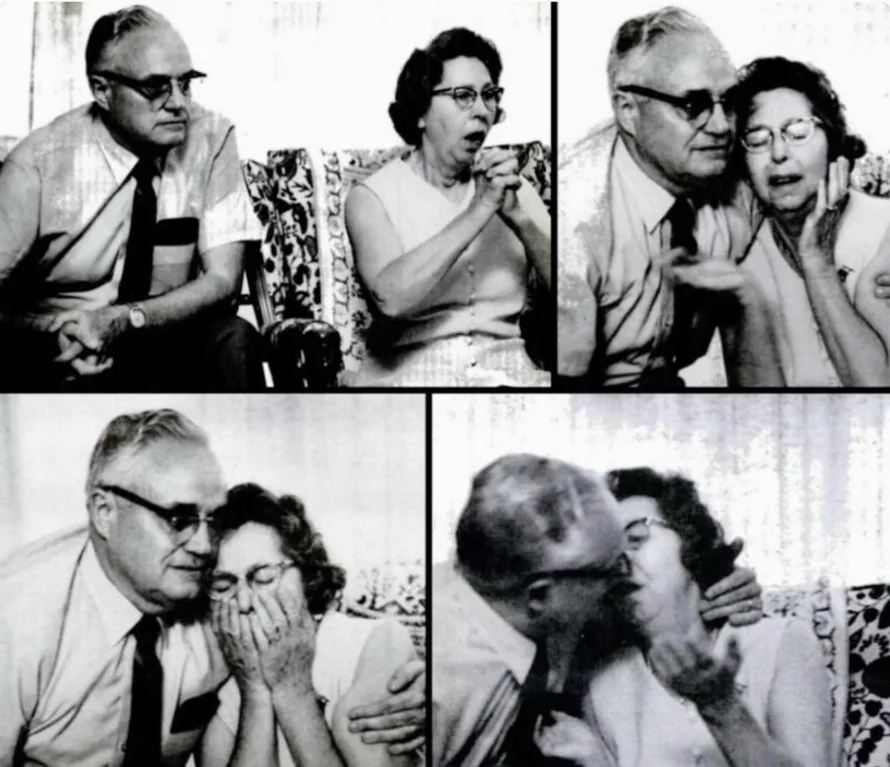
Stephen and Viola Armstrong watching their son Neil become the first person to walk on the Moon, 1969.
76
415
4,173
74,604
JustSearchin retweeted

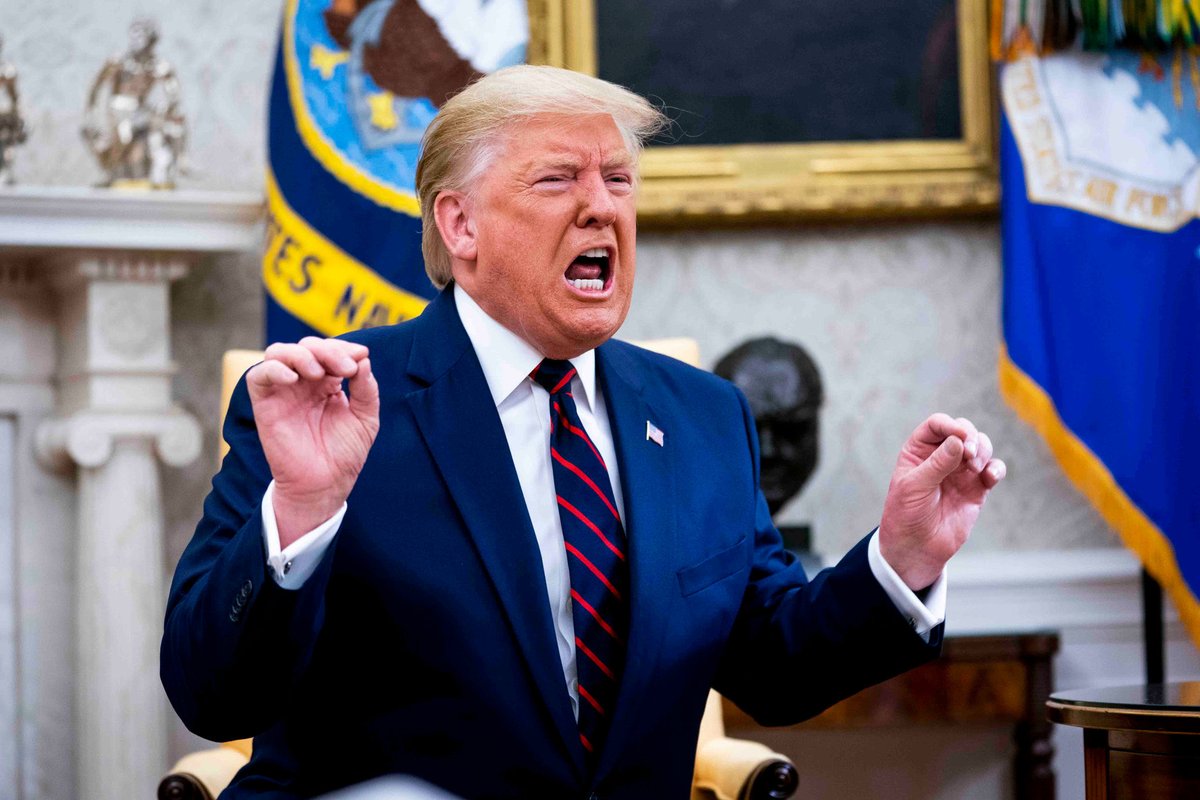
🚨BREAKING: There’s been confirmed reports that Donald Trump had a complete psychiatric meltdown at the White House this morning after he realized that his imaginary Peace Deal wasn’t going to be signed for his 80th birthday.
302
803
3,394
56,923
JustSearchin retweeted

President Trump @POTUS and I had a very good conversation today on many key topics: the war, its roots, diplomatic opportunities, and the positions of our partners.
President Trump’s remarks were absolutely spot-on, particularly regarding our Crimea: it was Russia’s seizure of Crimea that started it all, and if there had been strong leadership back then, this entire war simply wouldn’t have happened.
All Ukrainians have one wish for President Trump: that we may finally achieve peace, and achieve this success together with the U.S. and all our partners. This is the most important thing we want, and it is crucial that American society is fully supporting this Ukrainian aspiration for a dignified peace.
614
1,333
8,909
324,603
JustSearchin retweeted

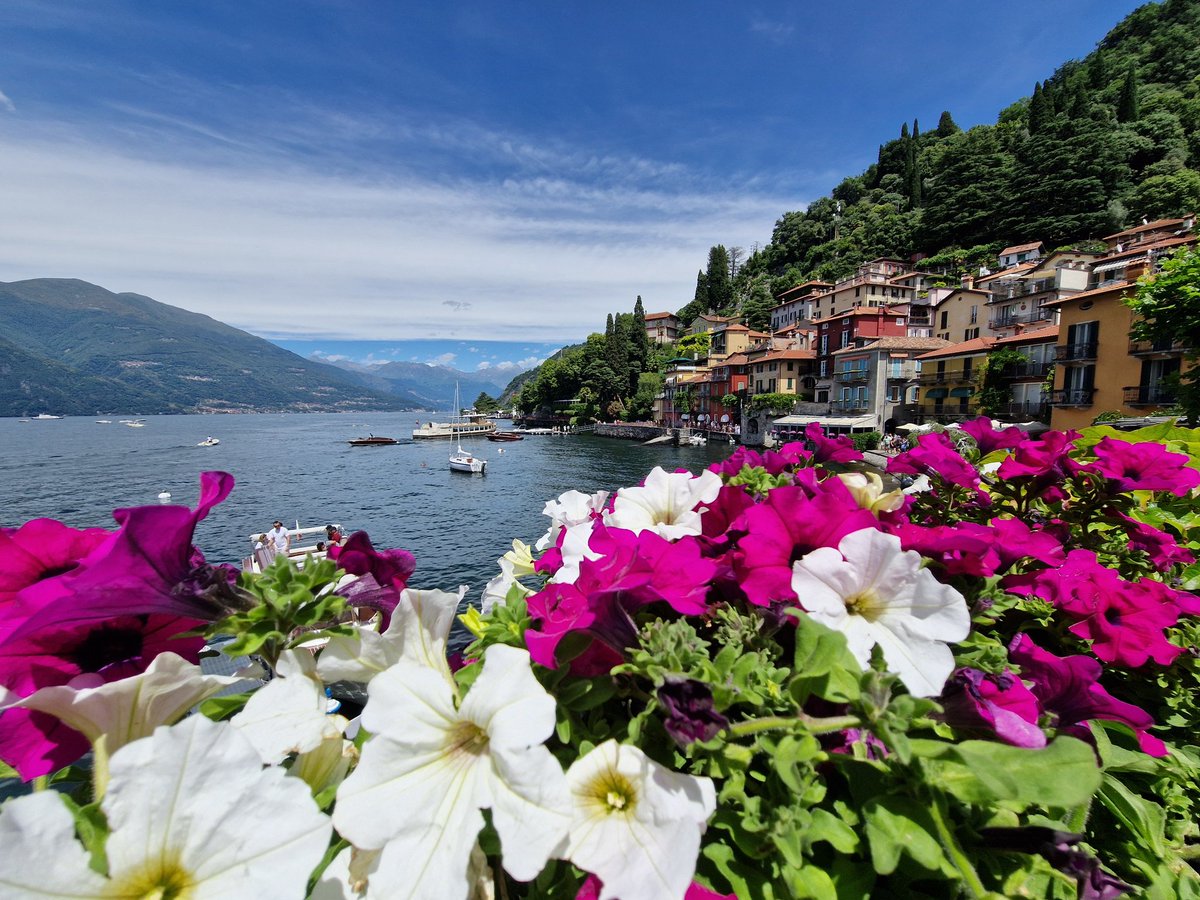
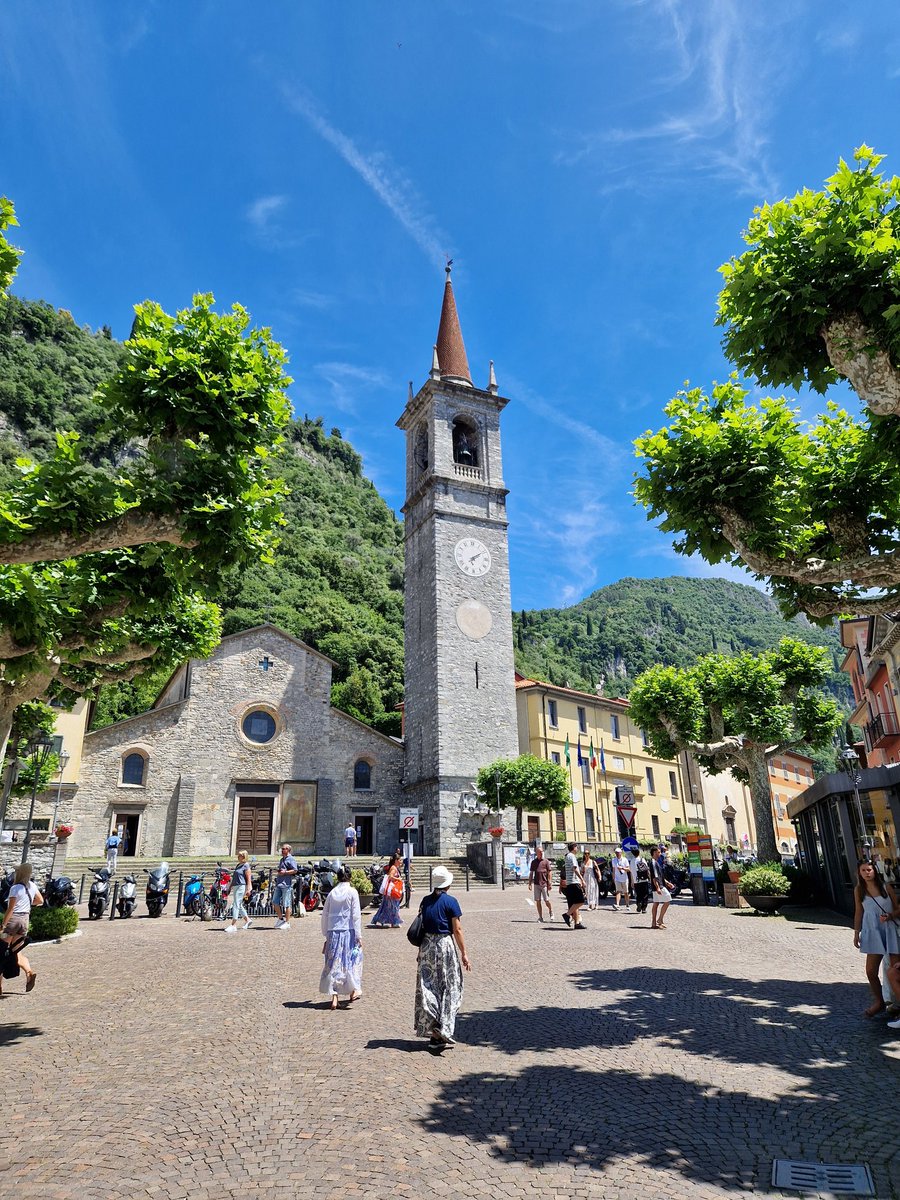
The Comeback Tour today takes us to Lake Como, Bellagio and Varrena. It’s an almighty challenge being nil by mouth but here we are getting on with it.


242
163
4,491
25,633

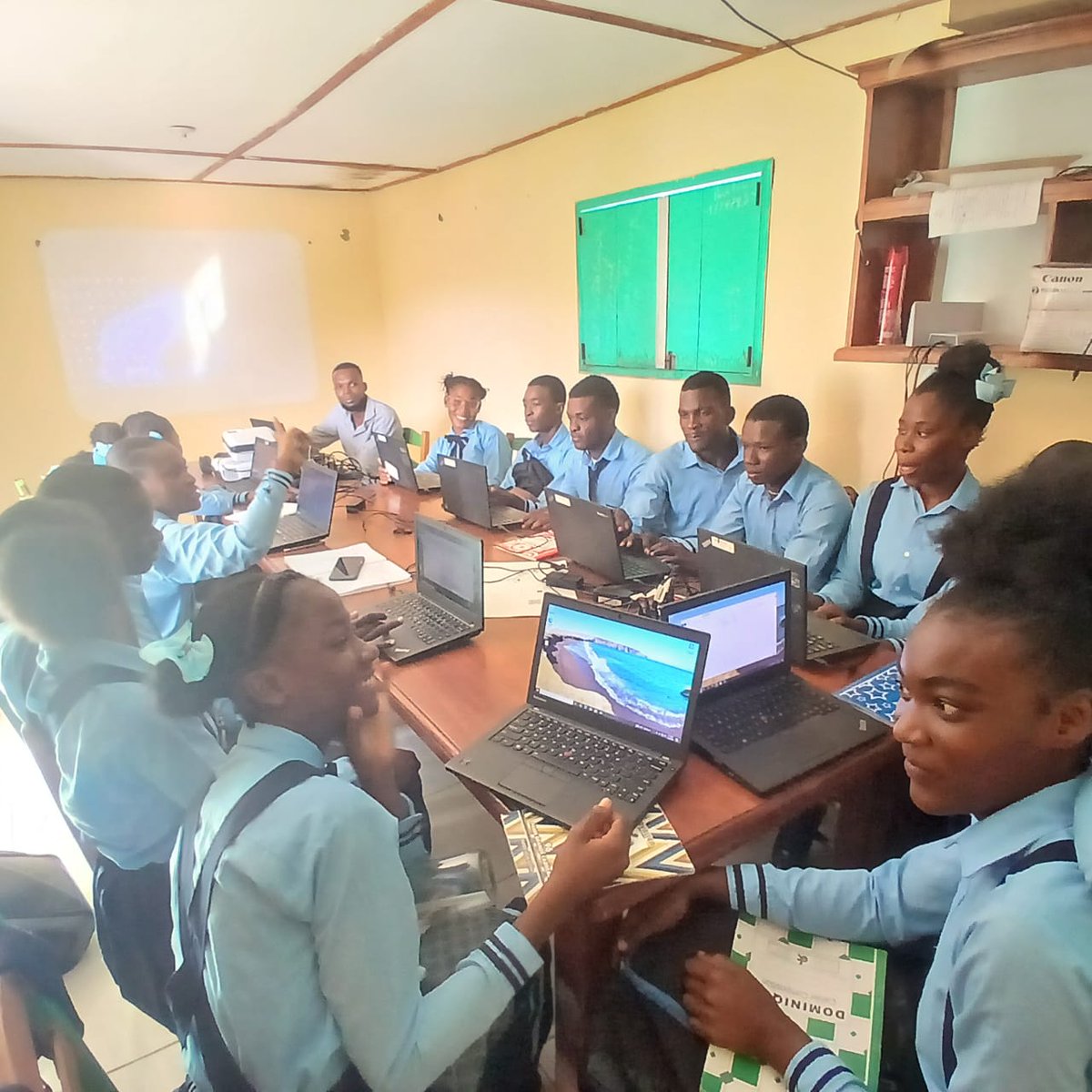
Starlink connecting schools on remote islands!

Starlink is providing high-speed internet to a community tech center in Île-à-Vache, a remote island off the coast of Haiti, connecting hundreds of students and teachers to reliable connectivity for the first time 🛰️❤️

2,273
5,109
52,154
2,209,174
JustSearchin retweeted

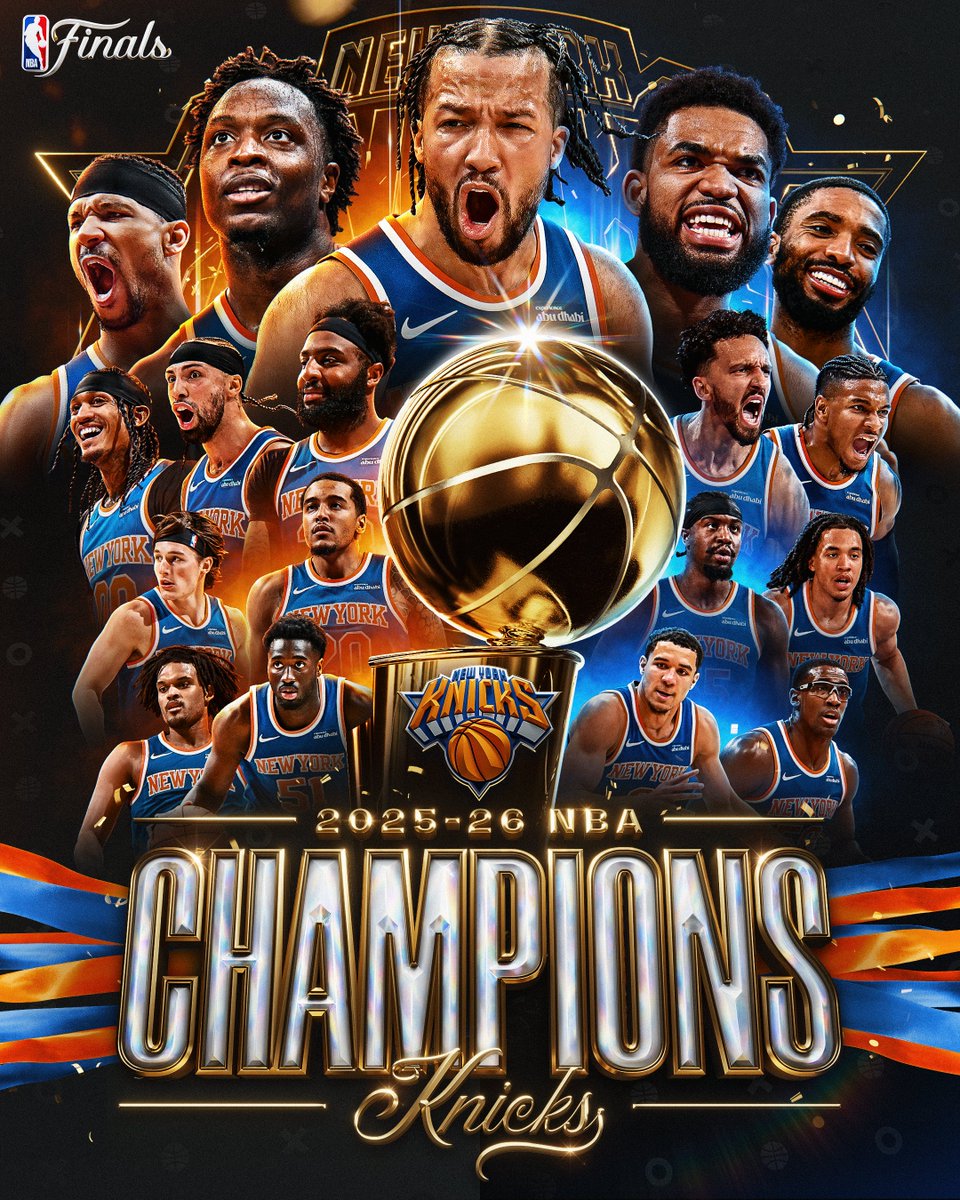
Congrats to Coach Brown, Finals MVP Jalen Brunson, OG, and the rest of these incredible NBA Champion @NYKnicks! What a run!

FOR THE FIRST TIME IN 53 YEARS, THE KNICKS ARE NBA CHAMPIONS 🏆
New York defeats San Antonio 4-1 in the NBA Finals, capturing their third championship in franchise history!
4,094
31,741
463,260
28,536,482

JustSearchin retweeted

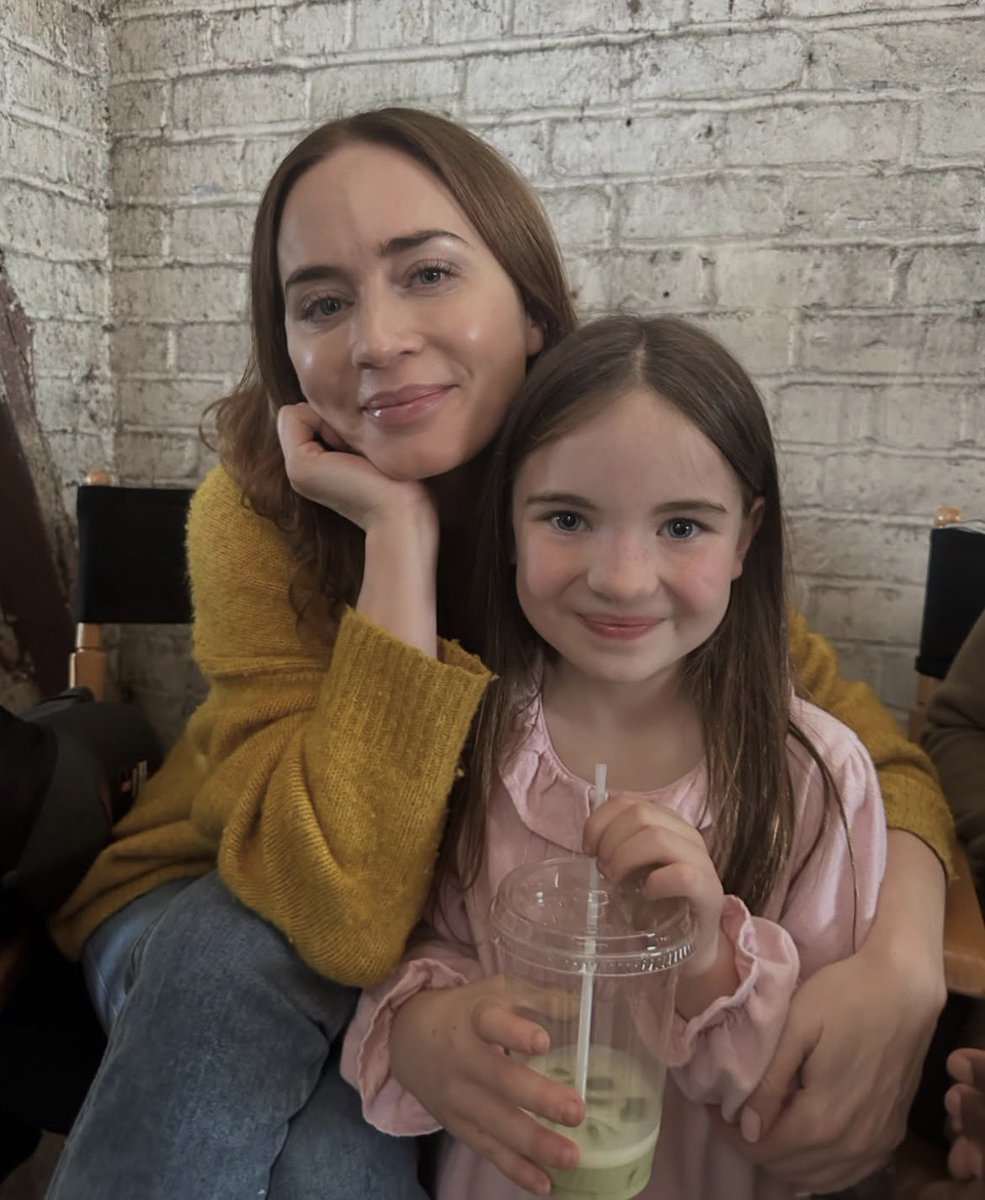
Emily Blunt and Delaney Anne Cuthbert on the set of ‘DISCLOSURE DAY’
They play 2 generations of the same character.
39
209
4,987
86,672
JustSearchin retweeted

Of course, I am happy that the Strait of Hormuz will soon be open. That's a good outcome for the entire global economy.
But the Strait was opened before the war. We did not need a war to keep it open.
94
385
1,951
21,080
JustSearchin retweeted

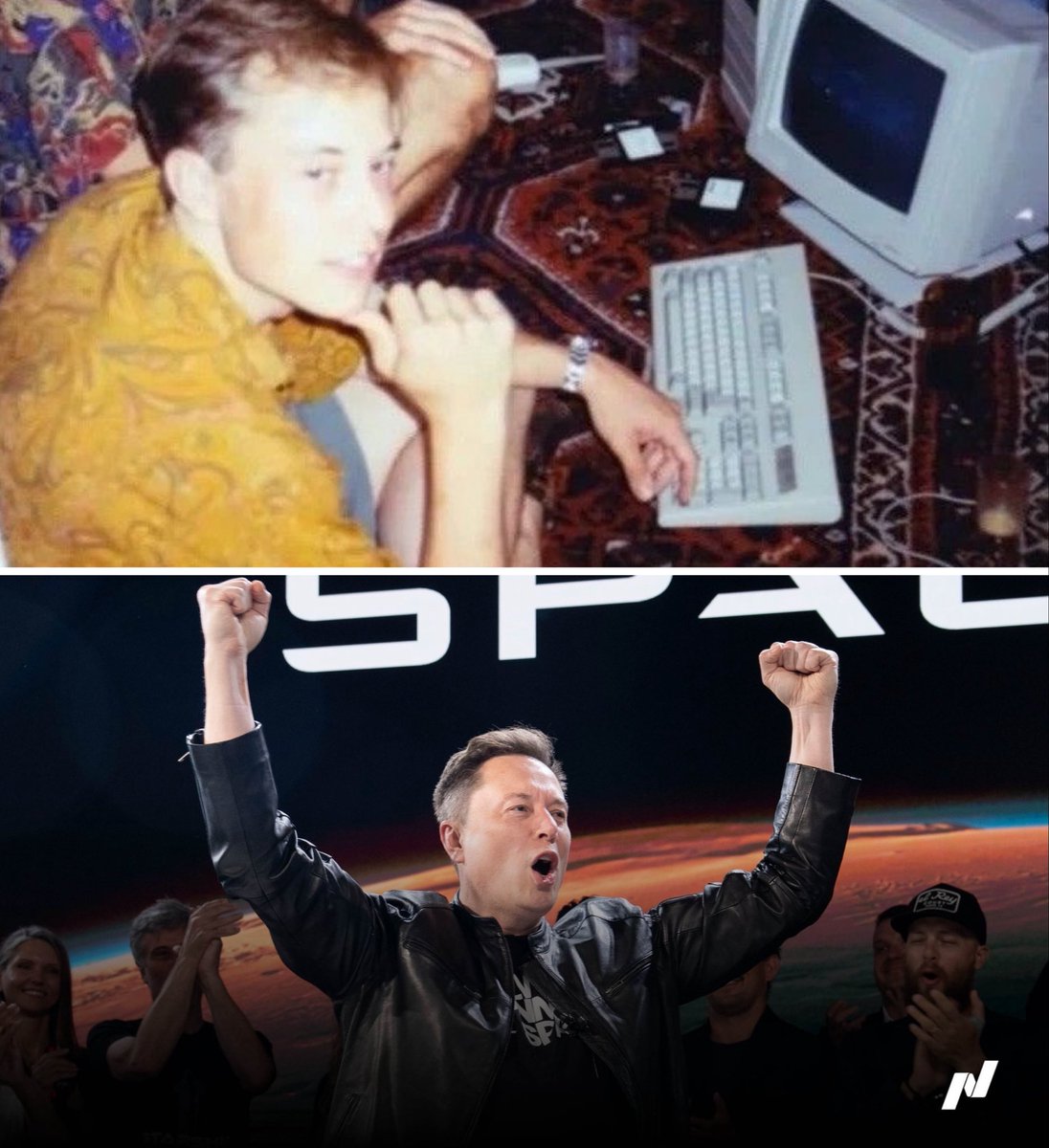
In 1995, Elon Musk applied for a job at Netscape.
He sent his resume. He even went to their office.
But he was too shy to talk to anyone.
So he went home & started his own company.
31 years later, that shy kid who couldn’t ask for a job became the world’s first trillionaire.
355
1,025
5,628
63,304
JustSearchin retweeted

I assure my closeness to the people of the Philippines, struck a few days ago by a powerful earthquake. I pray for the deceased and their families, for the wounded, and for all those suffering because of this disaster.
251
2,790
26,304
649,150
JustSearchin retweeted

10h
NEW TODAY: @BarackObama and @MichelleObama are back in Chicago for the opening of their Presidential center and the former president spent time at the outdoor playground and the basketball court (with some notable names).
48
513
2,117
25,002

JustSearchin retweeted

16h
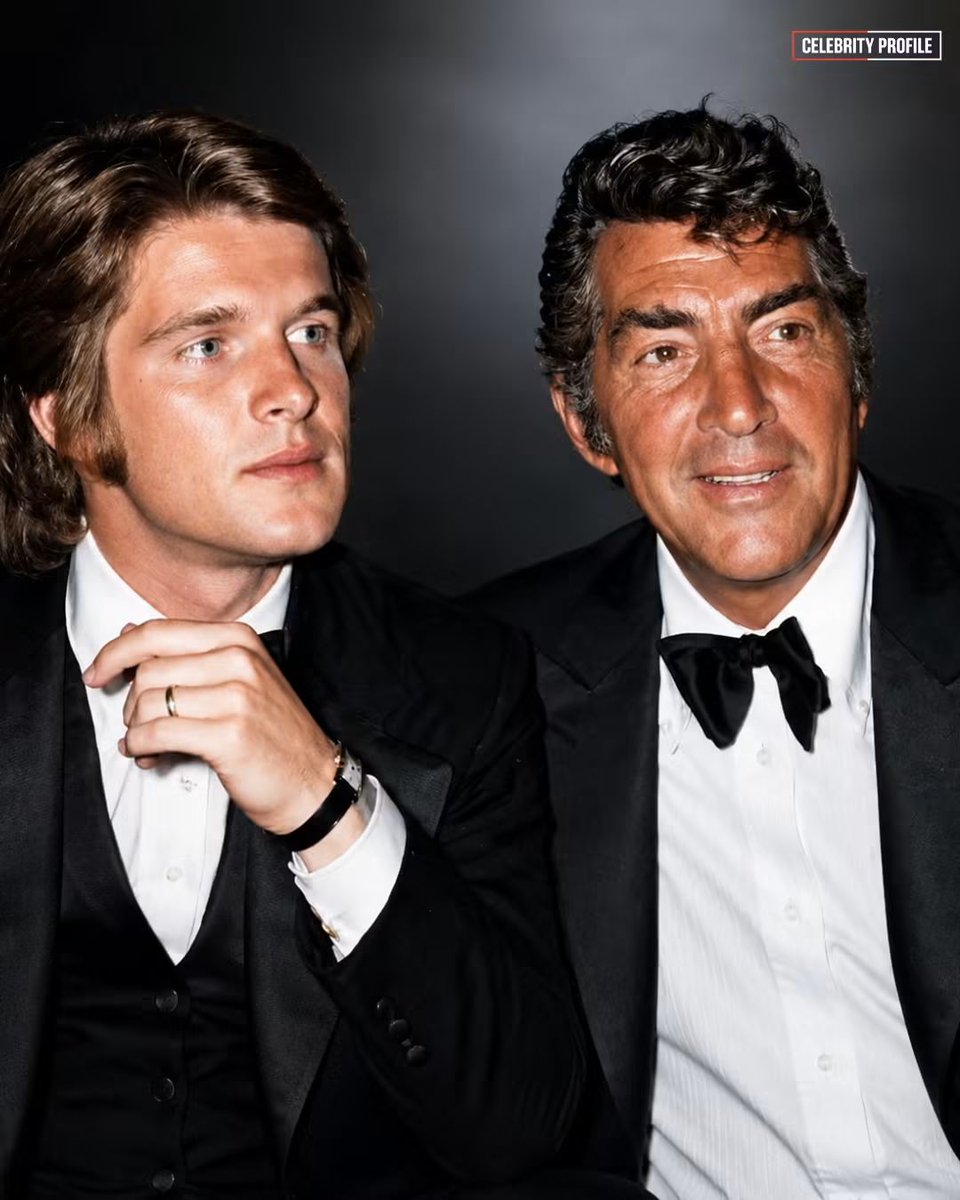
Dean Martin had seven children, but those who knew him said Dean Paul was different — handsome, musical, and determined enough to become a fighter pilot in the Air Force Reserve while his father remained one of the most beloved entertainers in America.
He wasn’t just another son in a famous family. He had his own direction, his own discipline, his own way of stepping out of the shadow.
On March 21, 1987, that life ended abruptly.
Dean Paul’s F-4 Phantom crashed into the San Bernardino mountains during a training flight. He was 35 years old.
Dean Martin received the call at home. He didn’t ask questions. He didn’t say much. He simply hung up the phone and sat in silence.
An hour later, he called Frank Sinatra.
He said one sentence.
His son was gone. And he was done.
That was not an emotional outburst. It was a decision.
He withdrew from the Rat Pack tour. He stepped away from performing entirely. The man who had spent decades on stage making audiences laugh and feel at ease never sang publicly again after that day.
The laughter stopped in public, but not the routine of living.
Every night for the next eight years, Dean Martin went to the same Italian restaurant in Beverly Hills. Same table. Same order — spaghetti and one glass of whiskey. Always alone.
No variation. No company. No attempt to change the pattern.
It became the shape of his remaining years.
On Christmas morning in 1995, Dean Martin died at 78.
On his desk was a single photograph — Dean Paul in uniform.
The image remained untouched, as if nothing else needed to be said.
The man the world knew as effortless, charming, and endlessly composed had always been something simpler underneath it all.
A father.
And when that role was taken from him in the most final way, everything else — the fame, the music, the applause — no longer had anywhere to land.
15
100
600
26,658
JustSearchin retweeted

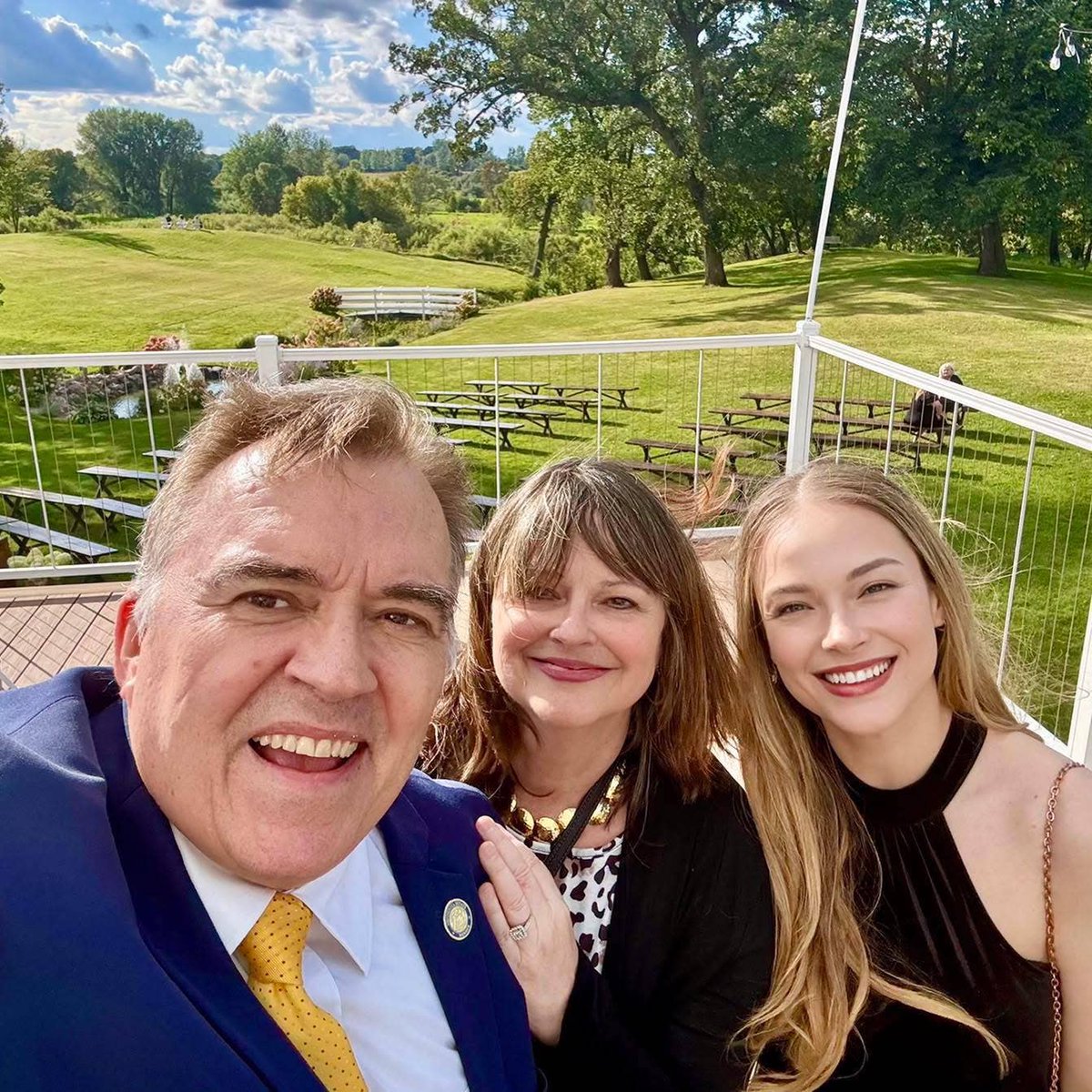
John and Yvette Hoffman survived an unthinkable attack one year ago — and their daughter Hope saved their lives by calling 911. Today, John is back serving in the State Senate, committed to making Minnesota better and Yvette is as strong and engaged with the world as ever. That is Minnesota's courage and hope.
31
527
3,053
24,868
JustSearchin retweeted

Donald Trump would have you believe today’s UFC fight on the White House lawn just *happens* to be on his birthday.
He seriously thinks we’ll believe that’s a coincidence?
2,265
443
1,889
48,766
JustSearchin retweeted

Algae--check. Mosquitos--check. Lightning and rain--check. All that's missing are the birthday locusts.
980
2,170
16,826
163,127