
Joined February 2024
- Tweets 288
- Following 12
- Followers 9
- Likes 256
4 Photos and videos


Budget Andrew retweeted

Apr 7
✅ Zero users
✅ False promises
✅ Zero growth
1
2
74
Budget Andrew retweeted

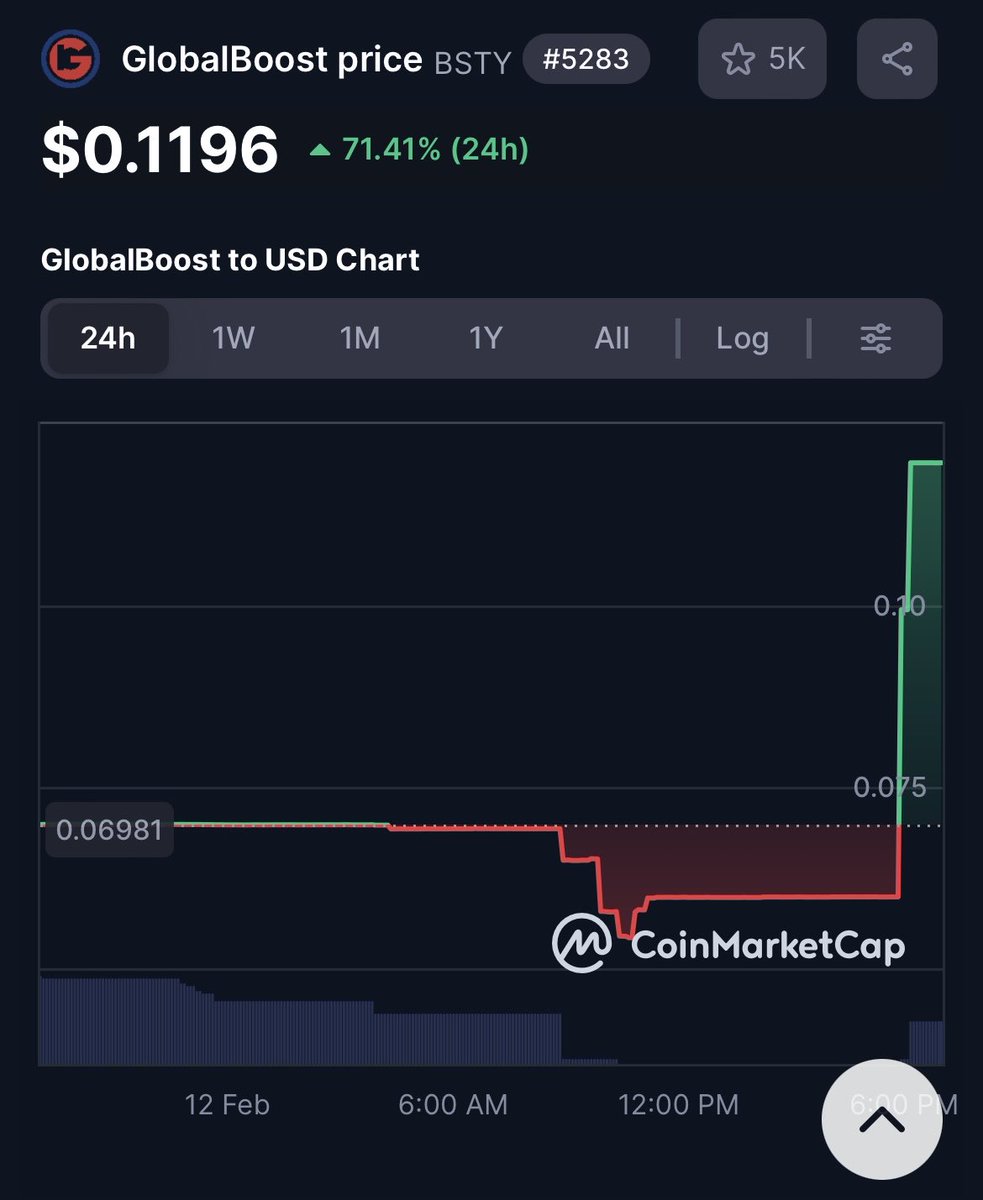
GlobalBoost making a move ✌️
2
4
7
14,472
Budget Andrew retweeted

Feb 9
I'm Hiring!!!!
Looking for Web3 Enthusiasts to join my team on a new project
Salary: $130 - $250 Weekly
Interested? leave a comment below on which aspect you're good at
I'll dm you personally
No experience required
Remote 4- 12 hours daily required
Like, rt & turn on

1,756
436
1,761
154,461
Budget Andrew retweeted
$BSTY Primed for Parabolic Breakout: Elliott Wave and Fibonacci Signal Multi-Bagger Potential for @GlobalBoost Media: washingtonelite.com/cryptocu…
1
9
7
2,289
RT @SignalLabsHQ: $SNX played out exactly as mapped.
Called by our technical strategist Nicolai @Mindful_TraderX inside Signal Labs ⚡
16…
1
RT @SignalLabsHQ: In early December we published a detailed investor report on $META (@MetaDAOProject), covering why it may be the first pr…
4
RT @SignalLabsHQ: @Mindful_TraderX Join for premium trade ideas, expert insights, and a vibrant community 👇
whop.com/signallabs
1
RT @SignalLabsHQ: He did it again. Our technical strategist Nicolai @Mindful_TraderX just keeps delivering.
44% on $META
35% on $MON
Cl…
4
Budget Andrew retweeted

31 Dec 2025
A new year. A stronger mindset. A clearer edge.
We’ve learned. We’ve adapted. We’ve leveled up.
This year is for consistency, conviction and compounding results.
Here’s to growth on the charts and beyond.
Happy 2026 from Signal Labs
2
2
23
1,596
Budget Andrew retweeted
31 Dec 2025
We reported on Canton early inside Signal Labs 👇🏼
whop.com/signallabs
1
17
365
Budget Andrew retweeted
31 Dec 2025
Nasdaq has integrated Canton Network.
Not a pilot. Live infrastructure.
Here’s everything that’s actually happening 👇
Nasdaq connected its Calypso platform (risk, margin, collateral management used by major institutions) directly to Canton. That means margin and collateral workflows can now run onchain instead of being trapped in legacy systems.
The core use case is collateral mobility.
Real time movement of collateral.
Automated margin calls.
24/7 operation.
No banking hour constraints.
The scope explicitly covers:
• crypto derivatives
• fixed income
• exchange traded derivatives
• OTC derivatives
One collateral system across multiple asset classes.
This was built with real institutional counterparties, not a sandbox demo. The workflow was developed with QCP, Primrose Capital Management, and Digital Asset, the company behind Canton.
Nasdaq leadership has been very clear on the goal:
Use Canton to orchestrate collateral calls in OTC markets and enable programmatic collateral processes outside normal banking hours, faster than today’s rails allow.
There’s also a second Canton tie most people miss.
Nasdaq’s marketplace services group uses Daml smart contracts on Canton for an onchain carbon credit trading solution.
And Nasdaq didn’t just integrate.
They invested.
In December 2025, Nasdaq joined a strategic investment round into Digital Asset / Canton alongside institutions like BNY and S&P Global.
Why this matters:
If collateral can move 24/7 and be redeployed across markets in real time, capital efficiency explodes. This is not a front end product. This is financial market plumbing being upgraded.
Most people won’t notice it.
Institutions absolutely will.
$CC

27 Dec 2025

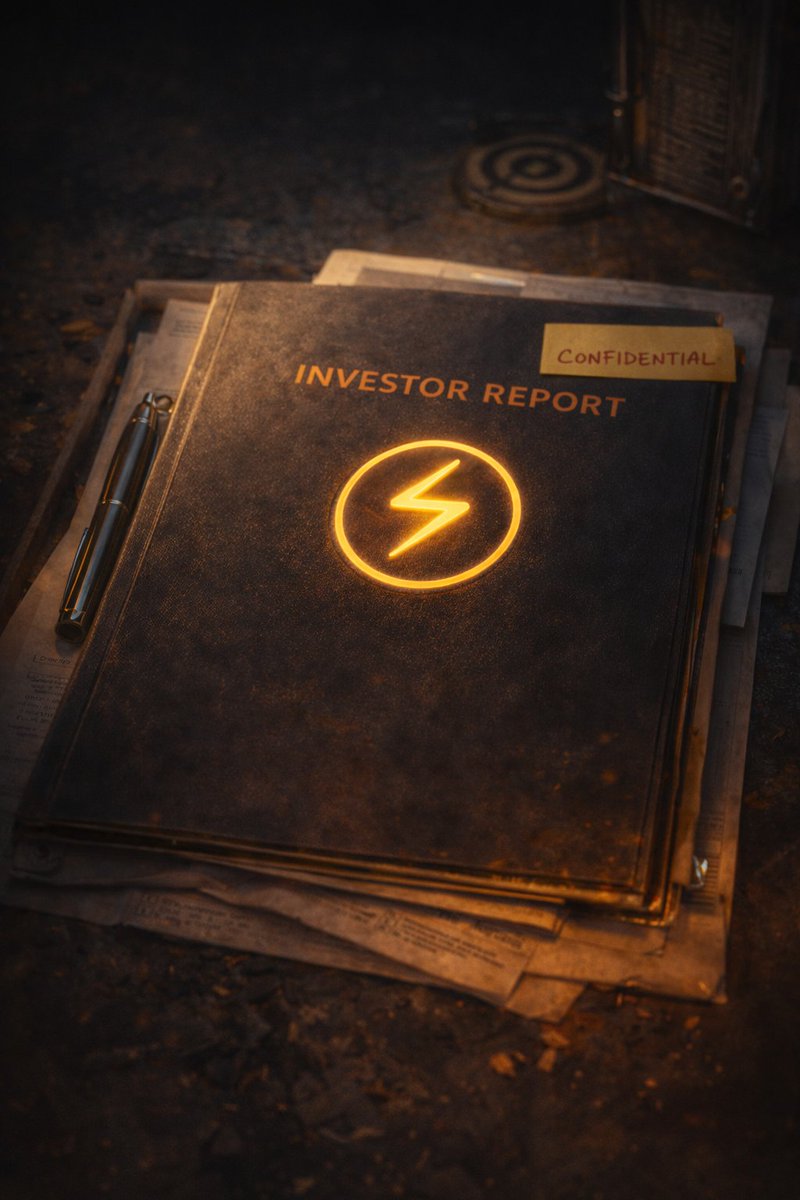
We just dropped a new investor report inside Signal Labs ⚡️
Institutional settlement L1
Privacy workflows, real TradFi rails
TVL is big
around $240B in tokenized asset value sitting on the network
and it’s already processing $4T annual volume
Token setup is the kicker
$447M raised at the company level
token is fair launch, 100% circulating, no VC unlock cliffs
Full report is in the group 👇
whop.com/signallabs
5
16
50
9,765

30 Dec 2025
RT @SignalLabsHQ: Signal Labs end-of-year giveaway is wrapping up.
We’re giving away:
$10,000 total
50 winners, $200 each
Chosen first wee…
6
30 Dec 2025
RT @SignalLabsHQ: Magic Matt spotted the $MON deviation early inside Signal Labs ⚡
Follow-through: ~27% from the local bottom. https://t.c…
2
Budget Andrew retweeted

29 Dec 2025
Just finished our Weekly Market Session
@SignalLabsHQ
We go over $BTC and which moves to expect. Also covered entry ideas for $CC.
3
4
11
2,637
30 Dec 2025
RT @SignalLabsHQ: We just dropped a new investor report inside Signal Labs ⚡️
Institutional settlement L1
Privacy workflows, real TradFi r…
7
22 Dec 2025
RT @SignalLabsHQ: Wishing everyone a season of clear thinking, steady execution, and plenty of wins along the way.
Grateful for the Signal…
1
Budget Andrew retweeted
21 Dec 2025
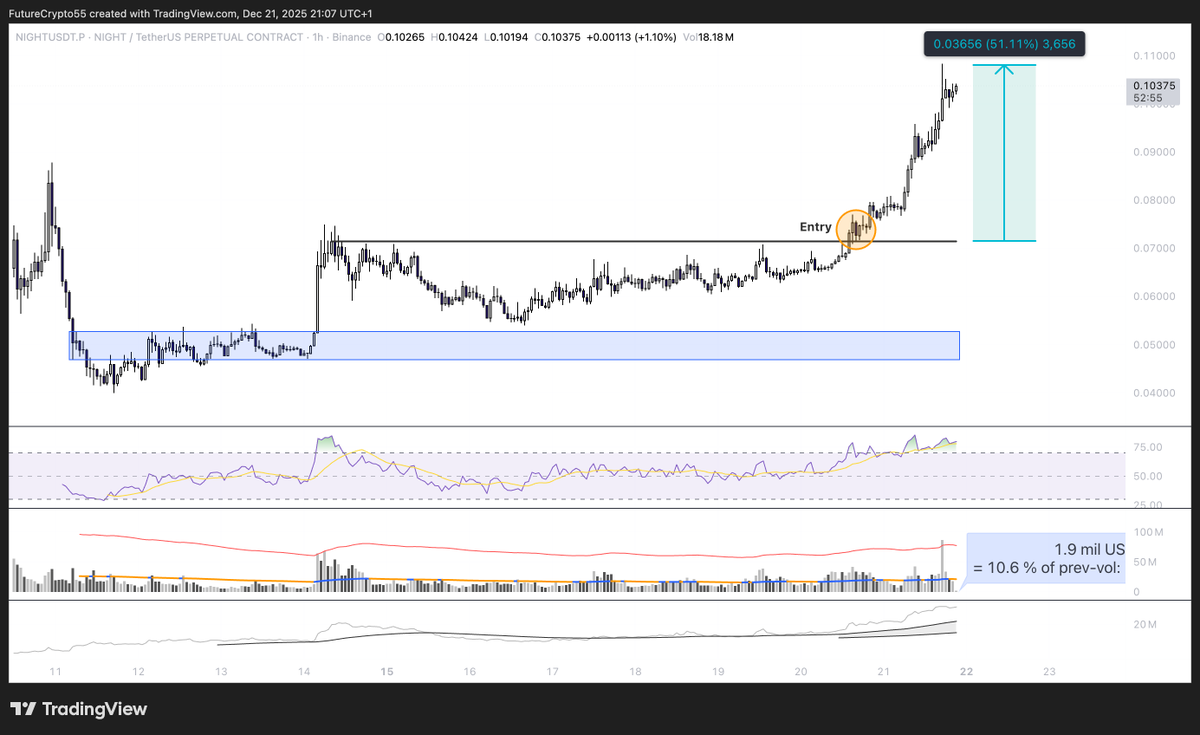
$NIGHT
currently up about 50% from our entry 🔥🔥🔥
In this slow market - lacking momentum and liquidity - finding these winners is a real skill.
Been printing all week @SignalLabsHQ
2
4
19
4,097
Budget Andrew retweeted
22 Dec 2025
One thing’s for certain. This cycle is radically different.
The fact that the super-cycle vs 4-year cycle debate is even happening tells you that. There are now valid arguments for a structural shift.
You’ve got entities tied to the US president buying and holding $1B of Bitcoin, with additional hundreds of millions through affiliated companies. You’ve got widespread institutional adoption. ETFs. Pension-grade access. Real balance sheets involved.
That alone changes the downside math.
A 30–40% drawdown from highs instead of the historical 50–80% is no longer a stretch. It’s a realistic outcome in a market where BTC is now a fee-generating asset for firms like BlackRock.
And here’s the disconnect people are feeling.
Altcoins are trading as if Bitcoin were at $30k, while BTC is actually near $90k. Sentiment across crypto feels washed, pessimistic, and exhausted. That’s because alts are priced at a crash that hasn’t happen.
So the mood is bearish, but the leading asset isn’t.
And this is where the institutional angle matters.
BlackRock doesn’t care whether people in the altcoin trenches are happy. They care about AUM, inflows, stability, and long-term participation. They’ve tasted the revenue. They’ve onboarded sticky capital. A catastrophic BTC collapse hurts their business model far more than a slow, grinding market that keeps allocators engaged.
They don’t need Bitcoin to go straight up. But they absolutely benefit from it not imploding.
That’s why this cycle feels strange. Heavy, frustrating, slow. But structurally stronger than most people want to admit.
Noise fades. Signal remains.
1
4
31
4,163