
46 years in the auto business. Proud to launch iconic cars as CEO of Aston Martin & COO of Nissan (incl Valkyrie & LEAF). Now on a mission to help the planet🌍
Joined September 2014
- Tweets 13,189
- Following 1,840
- Followers 28,412
- Likes 40,769
2,239 Photos and videos



Pinned Tweet

14 Mar 2022
My apprenticeship gave me some of the best days of my life & equipped me with the skills needed to lead businesses at the forefront of the auto industry. For employers & employees alike, apprenticeships add huge value. Find out more in this film with @TheTimes & @BizSupportGovUK.
41
96
391
If reports are correct that Starmer is preparing to dilute the ZEV Mandate to just 50% EV penetration by 2030, it feels like another sign of a government drifting from conviction to populism.
The UK was once renowned for policy consistency. Investors could make long-term decisions knowing governments would largely stick to the framework they had created. Today we seem to be seeing more U-turns than a London taxi.
Whether you support electrification or not is almost beside the point. The ZEV Mandate created certainty. It allowed global automotive companies to commit capital, technology and jobs to the UK. Recent investments by Nissan in new LEAF and Juke EV production at Sunderland, Chery’s UK ambitions, battery investments in Sunderland and Somerset, and billions of pounds of supply-chain commitments were all made against the backdrop of a clear regulatory trajectory.
When governments repeatedly change direction, investors start asking a simple question: “Why should we trust the UK?”
The damage goes far beyond vehicle manufacturing. Charging infrastructure providers, battery suppliers, energy companies, software developers and skills providers have all invested based on expectations created by government policy. Every retreat from those commitments casts future investment into doubt.
The bigger strategic issue is whether the UK will ultimately be included within the EU’s emerging “Made in Europe” industrial ecosystem. If Europe increasingly seeks to localise battery, vehicle and clean technology supply chains, the UK’s greatest risk is not that the transition happens too quickly, but that it happens elsewhere.
Industrial leadership requires consistency. Businesses can adapt to tough targets. What they struggle to adapt to is uncertainty.
Whatever your view on EVs, a country cannot build a world-class manufacturing sector if its industrial strategy changes every time the political weather does.
32
17
71
5,974
Fabulous to see @LewisHamilton on the top step once again and for the first time in a GP in a @ScuderiaFerrari And 3 Brits on the Podium!
1
2
44
1,099
Jun 13
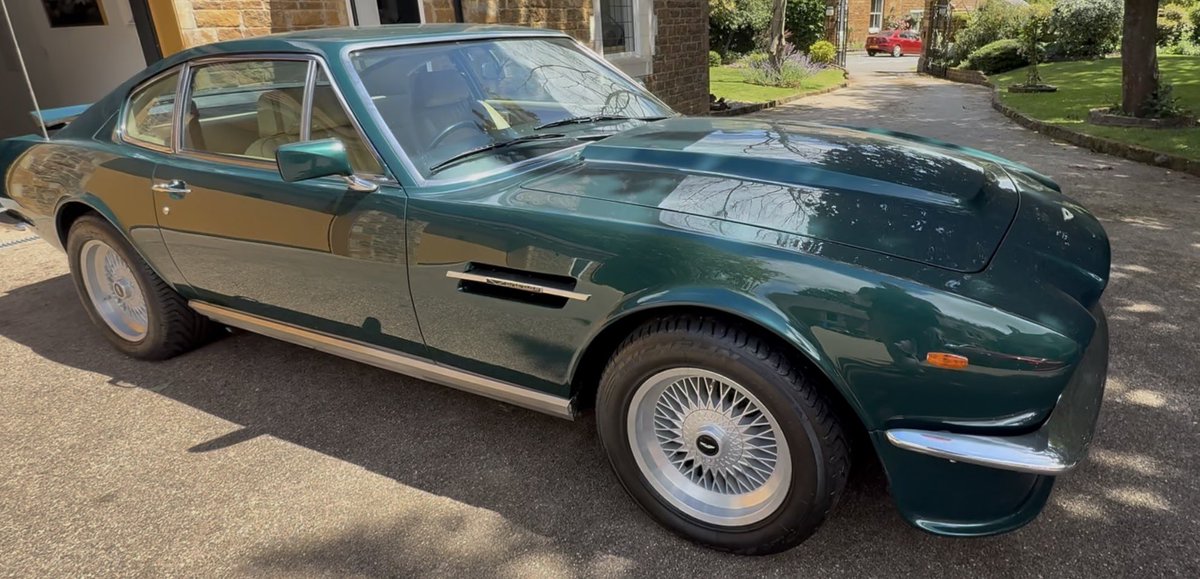
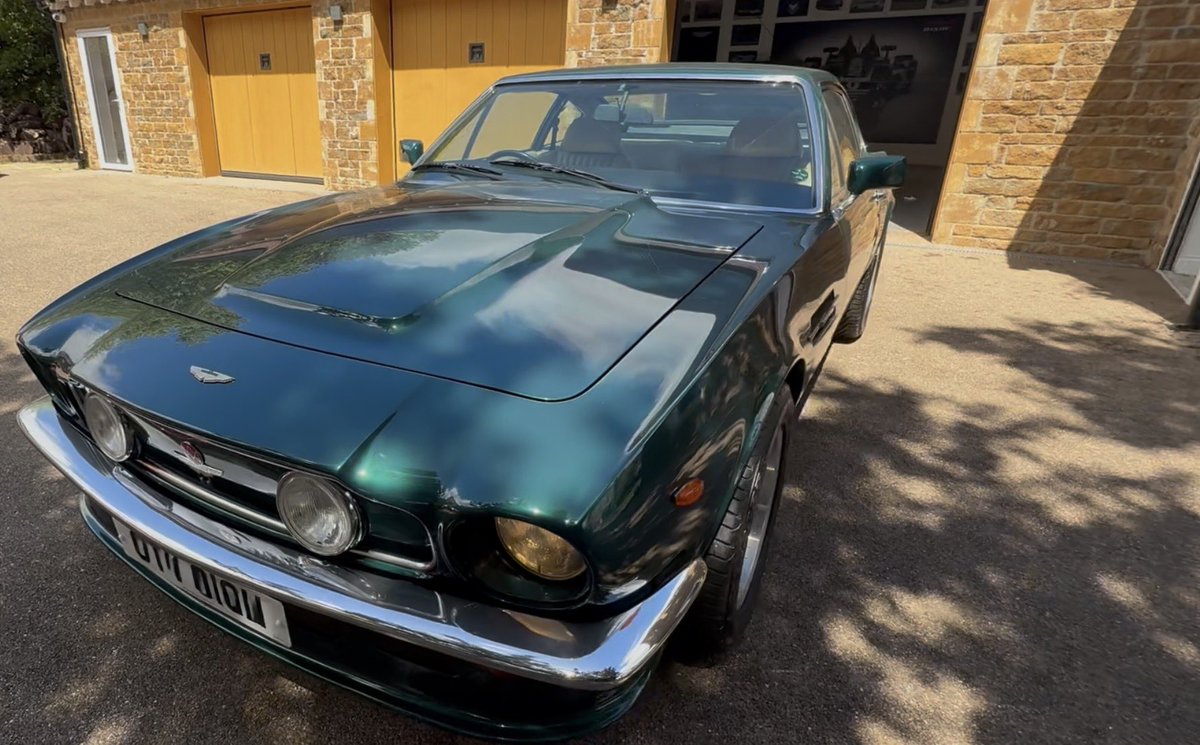
Taking Vantage of the beautiful British summer day. A rare opportunity to let her vent her lungs and enjoy the country roads to the sounds of Strangers on Cassette!
20
5
146
4,655
Jun 4
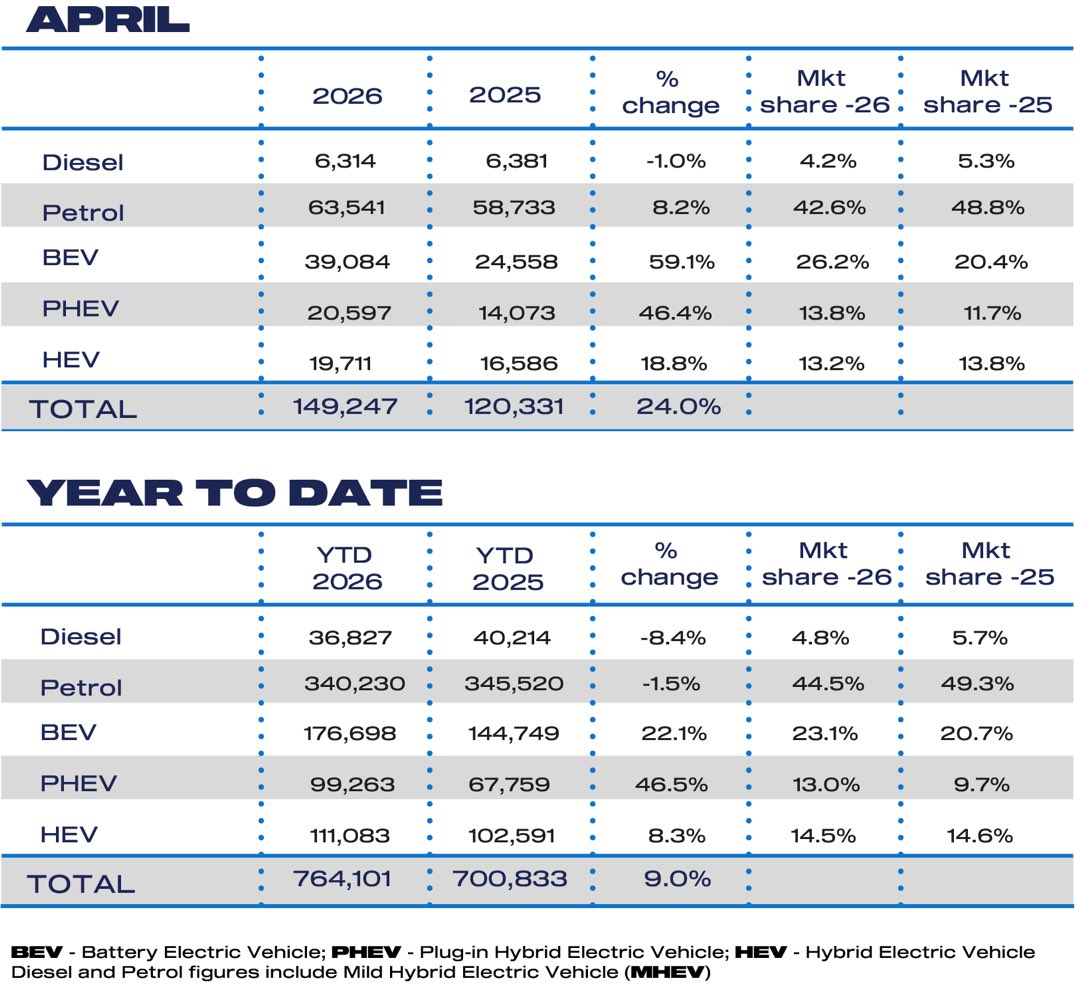
June 3 (Reuters) - British new car registrations in May were about 6% higher than a year earlier, driven by strong demand for plug-in vehicles, with battery electric vehicles (BEV) accounting for 27% of all new registrations, data from New Automotive showed on Wednesday.
4
18
1,014
Jun 2
PETL has acquired the Kleandrive bus re-powering operation as a going concern through administration.
The acquisition preserves a specialist British engineering capability in heavy vehicle decarbonisation. Live customer programmes continue without interruption.
Kleandrive's technology converts existing diesel buses to fully electric powertrains, allowing fleet operators to decarbonise without the capital cost or embedded carbon of buying new vehicles. For many regional operators and local transport authorities working under tight budgets, it is the most commercially viable route to zero emission running.
The acquisition extends the PETL group's clean propulsion portfolio. PETL is one of the UK's leading developers of battery and battery management system technology, including through our wholly owned subsidiary Brill Power, a University of Oxford spin-out. Adding repowering capability gives us a direct route to deploy that technology at scale in one of the highest impact segments of UK transport decarbonisation.
Dr Andy Palmer CMG, Co-Founder and CEO of PETL, said:
"Britain keeps losing its industrial base one company at a time. Repowering existing diesel buses is one of the most cost-effective ways for operators to decarbonise their fleets. It deserves to be built here, by British engineers, and we intend to make sure it is."
More information about the acquisition can be found here:
palmerenergytechnology.com/p…
1
9
33
1,505
Jun 1
TEMPORIS INTERNATIONAL AWARDS ANNOUNCES MASTERPIECE PRESENTED AT WATCHES AND WONDERS 2026 NOMINEES
Public voting is now open for Masterpiece presented at Watches and Wonders.
Ten Extraordinary Timepieces. One Public Choice.
The first public voting category of the 2026 edition is now officially open: temporis.watch/poll/masterpi…
This year's shortlist showcases ten exceptional creations that represent the very best of contemporary horology. From groundbreaking complications and revolutionary engineering to artistic craftsmanship and technical mastery, each finalist offers a distinct vision of what modern watchmaking can achieve.
The nominees are:
1. A. Lange & Söhne – Lange 1 Tourbillon Perpetual Calendar Lumen
2. Angelus – Tinkler 1958
3. Armin Strom – Minute Repeater Resonance 12:59
4. Arnold & Son – Ultrathin Tourbillon Red Gold Onyx
5. H. Moser & Cie. – Endeavour Perpetual Calendar Concept Tantalum
6. IWC – Pilot's Watch Venturer Vertical Drive
7. Jaeger-LeCoultre – Master Hybris Inventiva Gyrotourbillonà Stratosphère
8. Parmigiani Fleurier – Tonda PF Chronograph Mystérieux
9. TAG Heuer – Monaco Evergraph
10. Ulysse Nardin – Super Freak
2
6
710
May 27
Truly innovative cars are generational; cars like mini change the way we think and they count on revolutions in architecture and technology to enable them.
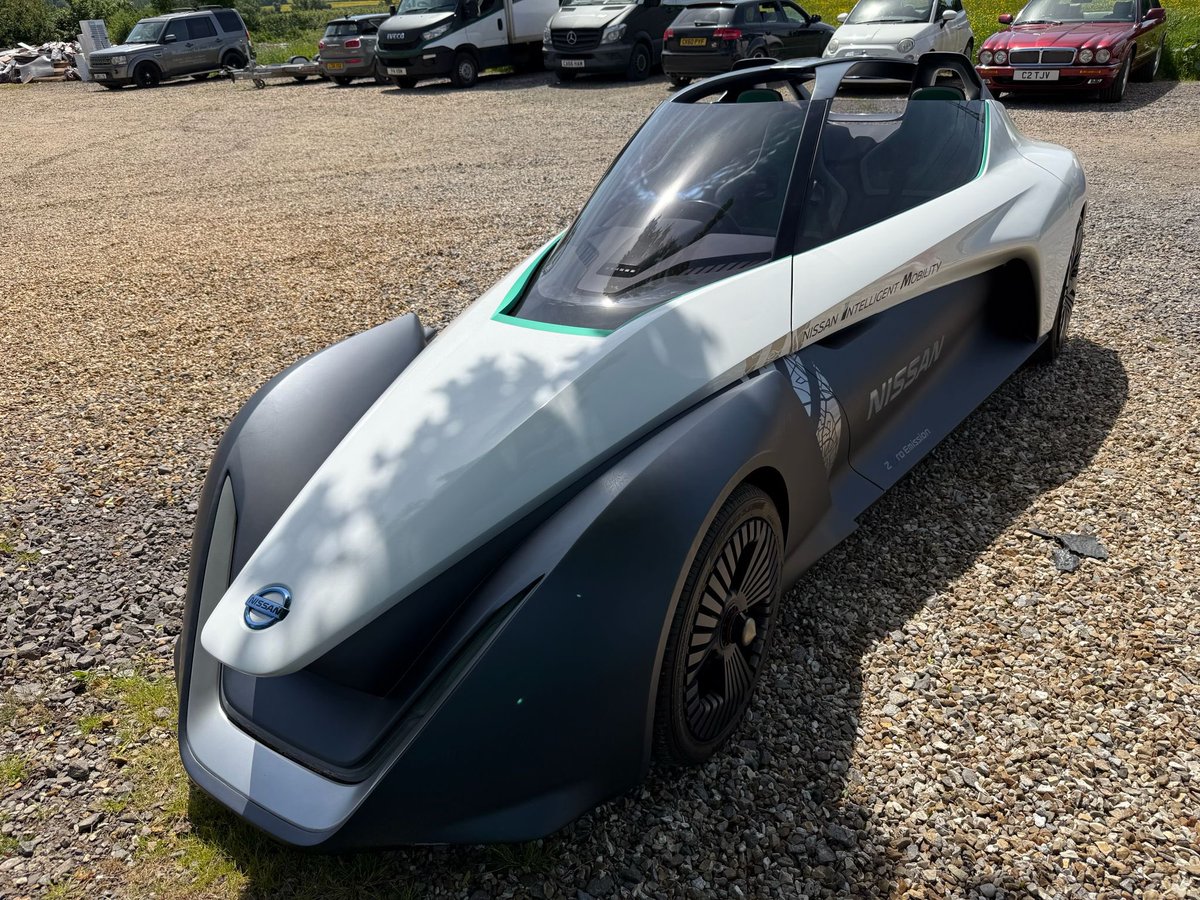
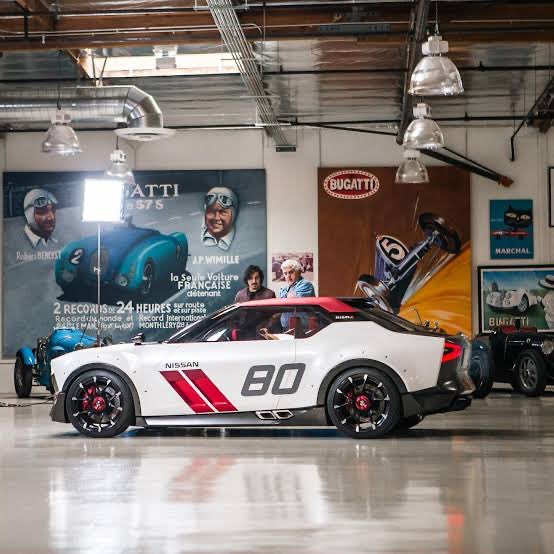
When I was at Nissan and responsible for the LEAF, we consciously developed a vehicle which utilised the assets and advantages of an EV, but fitted within a relatively conventional design to acclimatise the consumer to a generational change. Nevertheless, I always felt and still feel that car companies needed to be braver and explore the addition design degrees of freedom that an EV platform avails - that thinking, love it or hate it, led to the Nissan BladeGlider
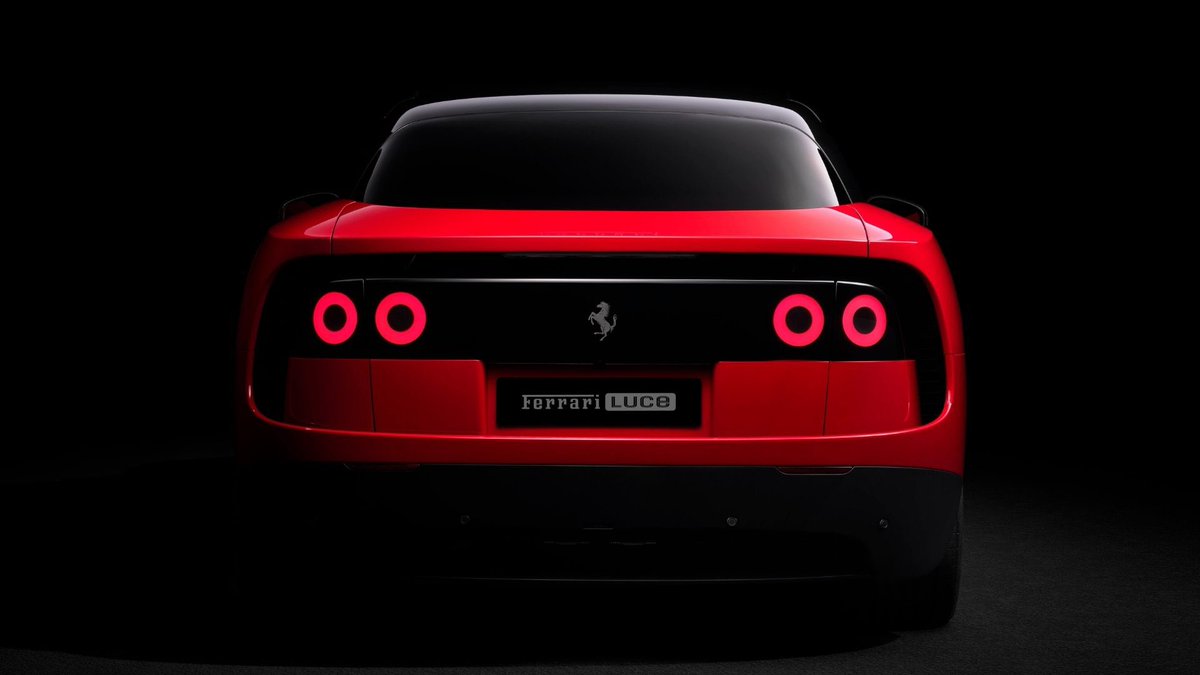
I’m many times on record, calling for car companies to be braver. And so I applaud the new @Ferrari Luce EV direction for challenging the norm and yes it is… going to take some getting used to. One can say the same about the Jaguar Type 00 and the Bentley EXP 15; the Mercedes-AMG GT 4dr and the Cybertruck.
A car’s style is a personal choice; but the more car companies that experiment, the more our image of what a car should look like will evolve. In that sense, I have to congratulate Ferrari for their foresight and bravery and hope that fortune favours the bold.
58
22
132
39,678
May 28
Lots of controversy in the replies - but let me add that @Ferrari intentionally repeated the same “shock strategy” it used with:
* the FF,
* GTC4Lusso,
* and later the Purosangue SUV.
All were heavily criticised initially — and then sold extremely well.
This car is aimed at the Chinese market - it’ll be judged on it order pipeline and I’m told this extends into 2027!
7
2
9
913
Dr. Andy Palmer retweeted

May 21
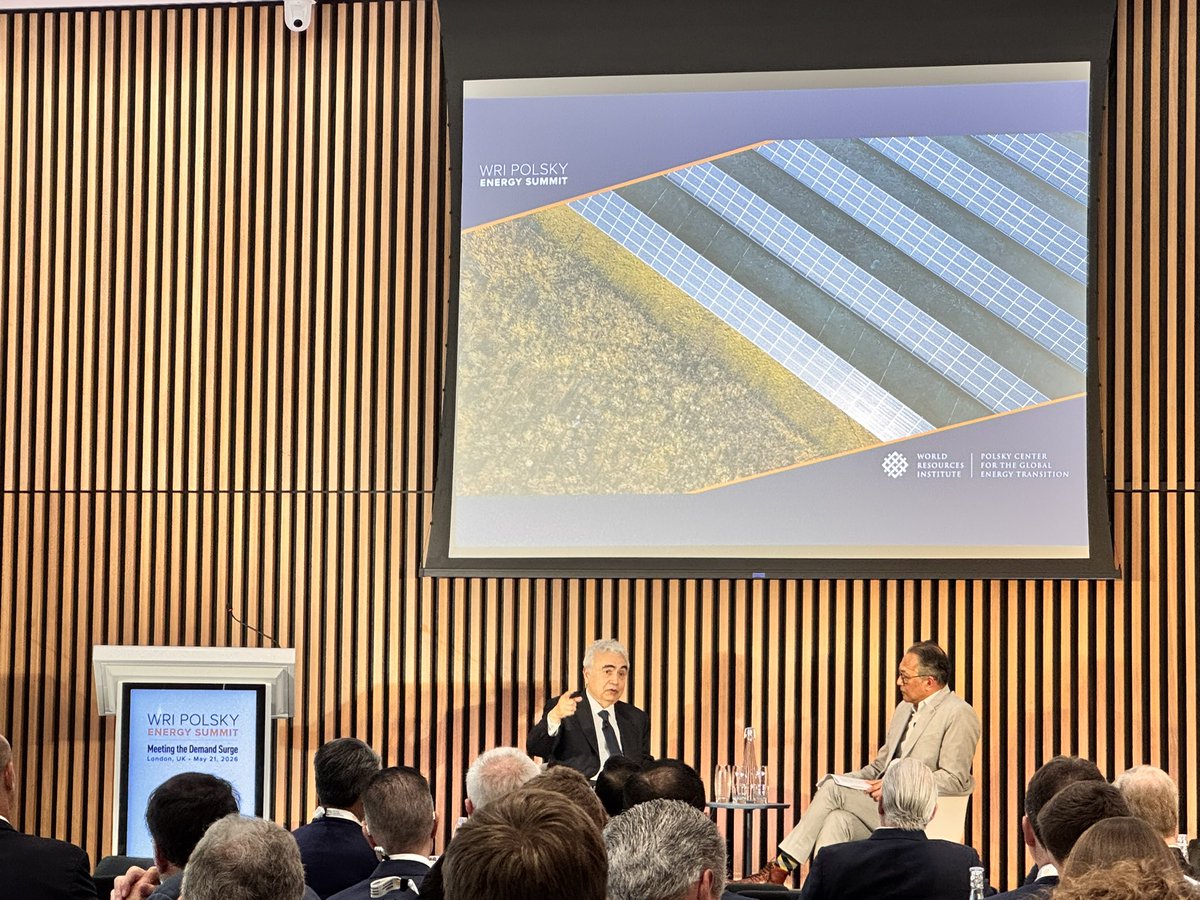
Fatih Birol, boss of International Energy Agency:
“Electric cars are now - worldwide - 30% of new car sales. Five years ago, it was 5%”
It’s why fossil fuel lobbyists are so relentless right now. EVs are increasingly cheaper to buy, cheaper to fuel, cheaper to service and better to drive.
“15 years ago solar was a romantic story. Now it is everywhere… wind and nuclear will make a big contribution as well”
If you look outside the UK, these changes are everywhere and huge
36
66
221
16,321
May 20
Stellantis entering a JV with Dongfeng to produce EVs in Europe is exactly the model Britain should be adopting to ensure vehicles continue to be manufactured in the UK. This is the same approach we saw when Japanese OEMs were invited to build in the UK. It is a shame that other EU countries are ahead of the UK on this.
reuters.com/world/china/fran…
6
12
60
3,797
May 20
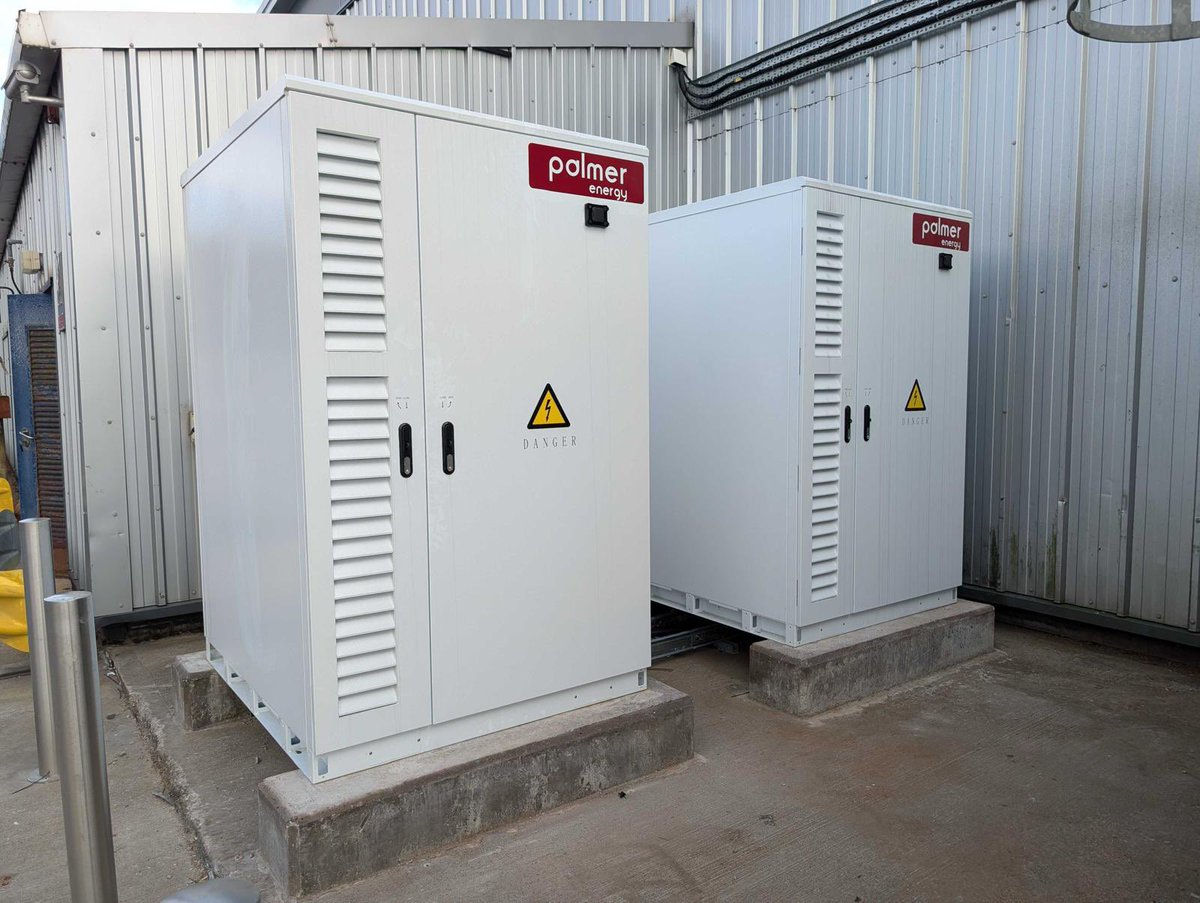
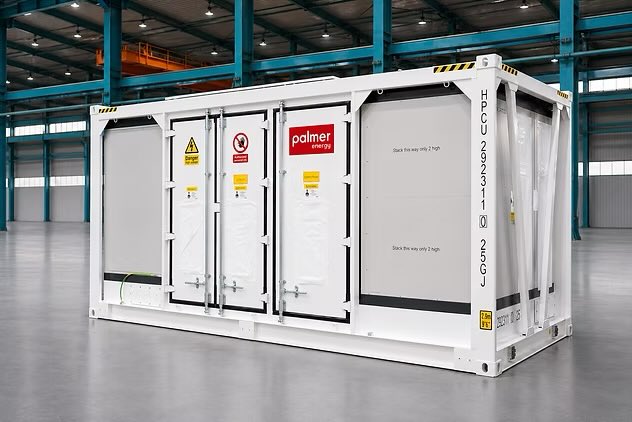
Palmer Energy Technology Ltd, PETL, @PalmerEnergy has announced a significant expansion of its relationship with First Bus, one of the UK’s leading bus operators, with six live projects now underway across the UK. The programme strengthens collaboration between the two organisations as First Bus continues to invest in innovative energy infrastructure to support fleet electrification and operational resilience.
The centrepiece of the expanded partnership is PETL’s largest project to date, a full turnkey delivery of a 4.2MWh, 2.15MW battery energy storage system and transformer at First Bus’s Aberdeen site. PETL is taking end to end responsibility for system supply, civil works, engineering and commissioning, marking an important milestone in the company’s delivery capability.
Central to the performance of the system is Brill Power’s battery management system (BMS) and energy management system (EMS) software, which provide the intelligence layer underpinning the project. The platform enables optimisation of battery operation in real time, maximising usable energy capacity, extending battery lifetime, and improving overall system efficiency. By dynamically balancing battery performance and intelligently managing charging and discharging behaviour, the Brill Power platform helps unlock greater operational and commercial value from the asset over its lifetime.
The Aberdeen project also represents a UK first for PETL, with the installation of an SF6-free transformer, among the first of its kind to be deployed domestically. Alongside supplying the battery system, PETL is designing and manufacturing the transformer, a capability the company is now bringing to market as part of its broader offering. The system will play a role in adding stability to the local grid and is currently under construction, with commissioning expected in early Q2.
The project also supports First Bus’s wider exploration of second-life battery applications, where retired EV batteries can be repurposed for static energy storage.
In parallel, PETL is delivering approximately 500kWh of battery storage at four additional First Bus sites. These systems are designed to capture excess on site solar generation, reduce emissions and optimise exposure to time of use energy tariffs, lowering operating costs. Battery storage systems can also help operators manage grid constraints and optimise depot infrastructure requirements as electrification scales. These sites are expected to go live in May 2026.
4
6
37
1,780
May 19
Having lived in Japan, China and Spain and witnessing the differential of GDP/person between London and elsewhere in U.K., I’m convinced we need a high speed train network. But we also need these projects of national importance delivered in a rational and precise way
The new HS2 railway line won't open until between 2036 and 2039,
The first phase of HS2 was initially supposed to open in 2026
The line will now cost between £87.7bn and £102.7bn. In 2011, the cost of HS2 was estimated at £32bn (around £49bn in today's prices) - including the now-cancelled Leeds and Manchester legs
No professional project manager would be out by this margin. The car industry is rarely more than a few weeks late with new launches and almost always on cost targets. China can build a High Speed line for one tenth of us on a mile per mile basis.
This is what needs to be solved and the drive for efficiency and execution has to start with Ministers responsible for the projects.
40
7
98
6,221
May 10
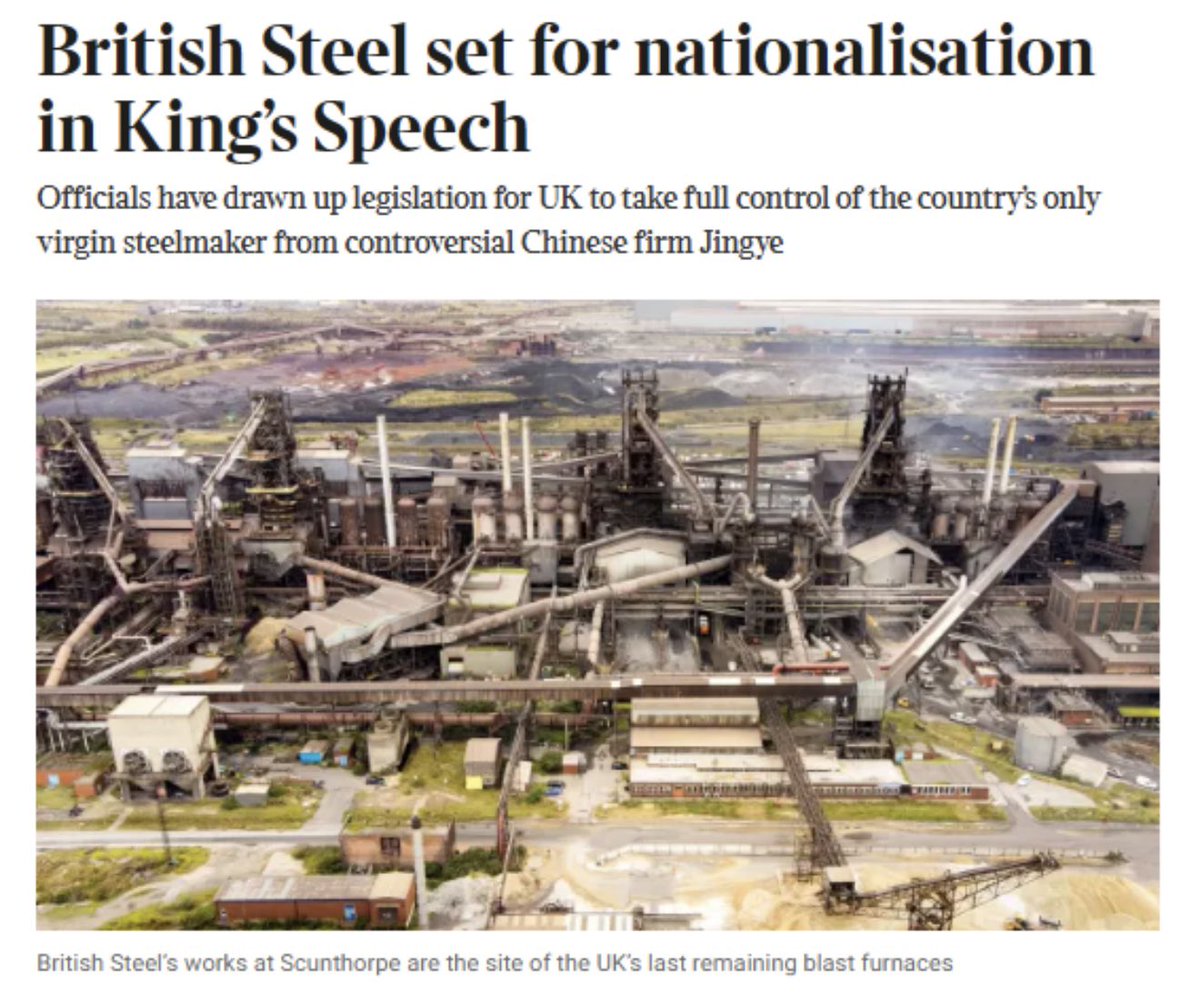
I don’t know if this is true or not. What I do know is that the U.K. needs to maintain its virgin steel production capability and the Scunthorpe plant is the last of its kind
Electric Arc Furnaces are important, but they mainly recycle existing scrap steel. They do not replace the ability to produce large volumes of primary (“virgin”) steel from iron ore via blast furnaces.
You need virgin steel capability for sectors where quality, consistency and supply security matter: automotive manufacturing, defence, construction, rail, shipbuilding and major infrastructure.
We also need to be honest about ownership models. The nationalisations of the 1970s often became inefficient and politically managed. But decades of privatisation have shown the opposite failure mode in strategically vital industries like steel and water: short-term financial extraction, underinvestment and erosion of national resilience.
Some industries are too strategically important to be left entirely to short-term market incentives.
If private ownership will not preserve sovereign steelmaking capability, then the state should step in — including nationalisation if necessary. But we need to do so in a smart way that preserves the executive managements remuneration criteria focussed on things that are really important to medium and long term preservation.
26
17
132
7,297
May 9
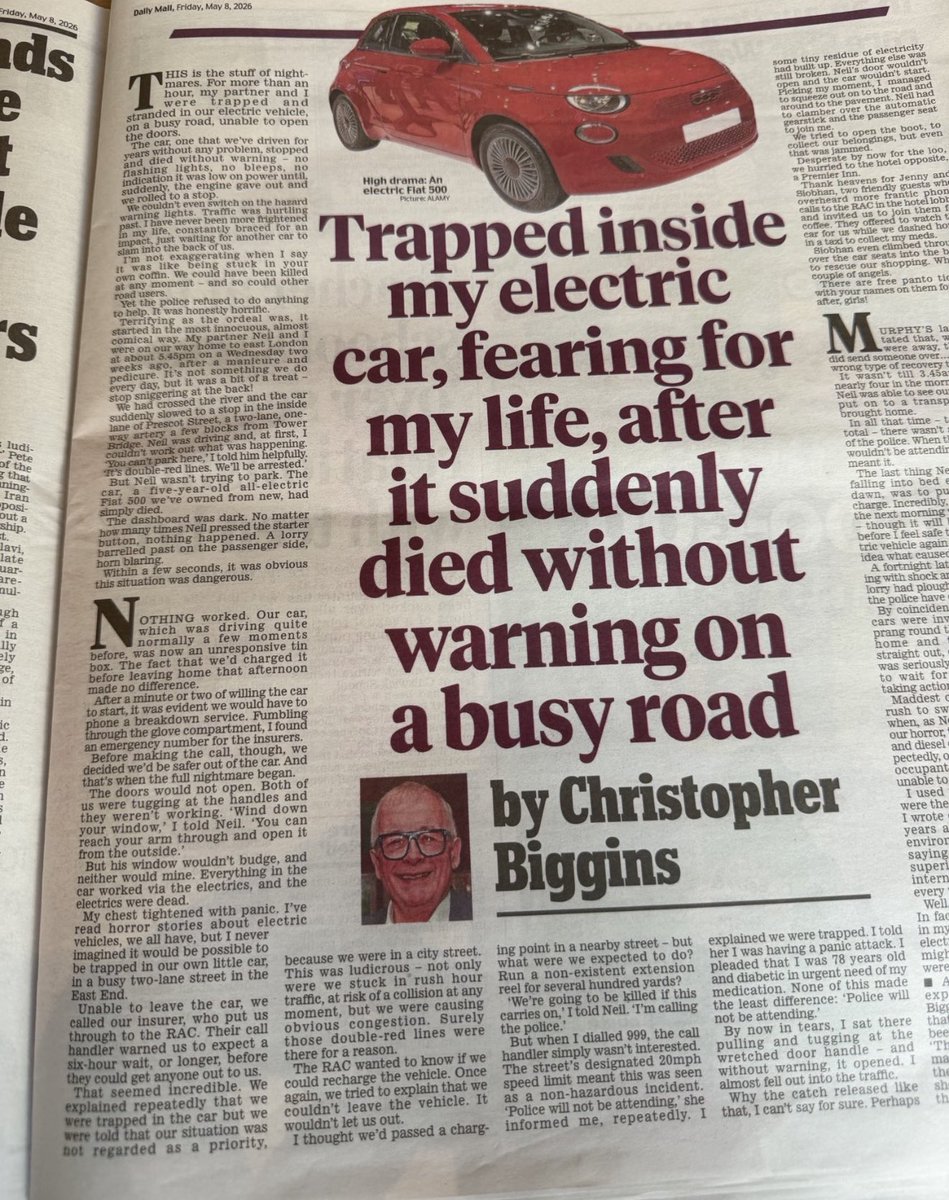
The @DailyMail strikes again with EV sensationalism. Let me tackle the obvious points. The door latch, the dashboard are powered by a 12v battery (yes an EV has two batteries) that performs the same duties if EV or ICE. It’s unlikely that the cause of Mr Biggins issues were specific to the EV powertrain or the traction battery.
Where electronic latches are provisioned, there is normally an override in case of airbag deployment and a mechanical override. In the case of the Fiat500 the inside emergency release is low down in the door trim/pocket area. Pull it and the door will open (there’s also an override from the outside)
Finally, when a 12v battery is not charging, warnings will have been flashing on the dashboard in both EV or ICE configurations. Always take these seriously as they are not randomly triggered (it’s triggered by a voltage monitor).
Automotive Engineers take these scenarios very seriously- we plan countermeasures to all sorts of unlikely occurrences in FTAs and FMEAs. The mechanical override is one of the resultant solutions. The cars operating manual is a wealth of useful information and everyone should read theirs (we spend a lot of man hours writing them!)
146
77
675
74,677
May 8
Sir David Attenborough on his 100th birthday is an inspiration. He’s done so much for the preservation of this planet we love, by raising awareness on our impact upon it. He is a wonderful storyteller and his impact on humanity will never be forgotten- Happy Birthday Sir!
1
2
30
1,210
May 7
New data from @AutoTrader and @zap_map shows annual electric vehicle (EV) fuel cost savings were the highest since records began, £960, in April, following spikes in petrol prices driven by the conflict in the Middle East.
Autotrader announces electric was the most popular fuel type for new cars on its platform for the first time ever in April 2026, taking 29% of all new car enquiries.
New EVs on average cheaper than petrol cars for two consecutive months, after discounts and government grants
9
9
58
3,077
May 6
1
4
14
1,816