
AI Creator | Tech | AI Automation | Faceless AI YouTuber | Vibe Coding Enthusiast
Joined August 2012
- Tweets 1,581
- Following 156
- Followers 420
- Likes 73
337 Photos and videos
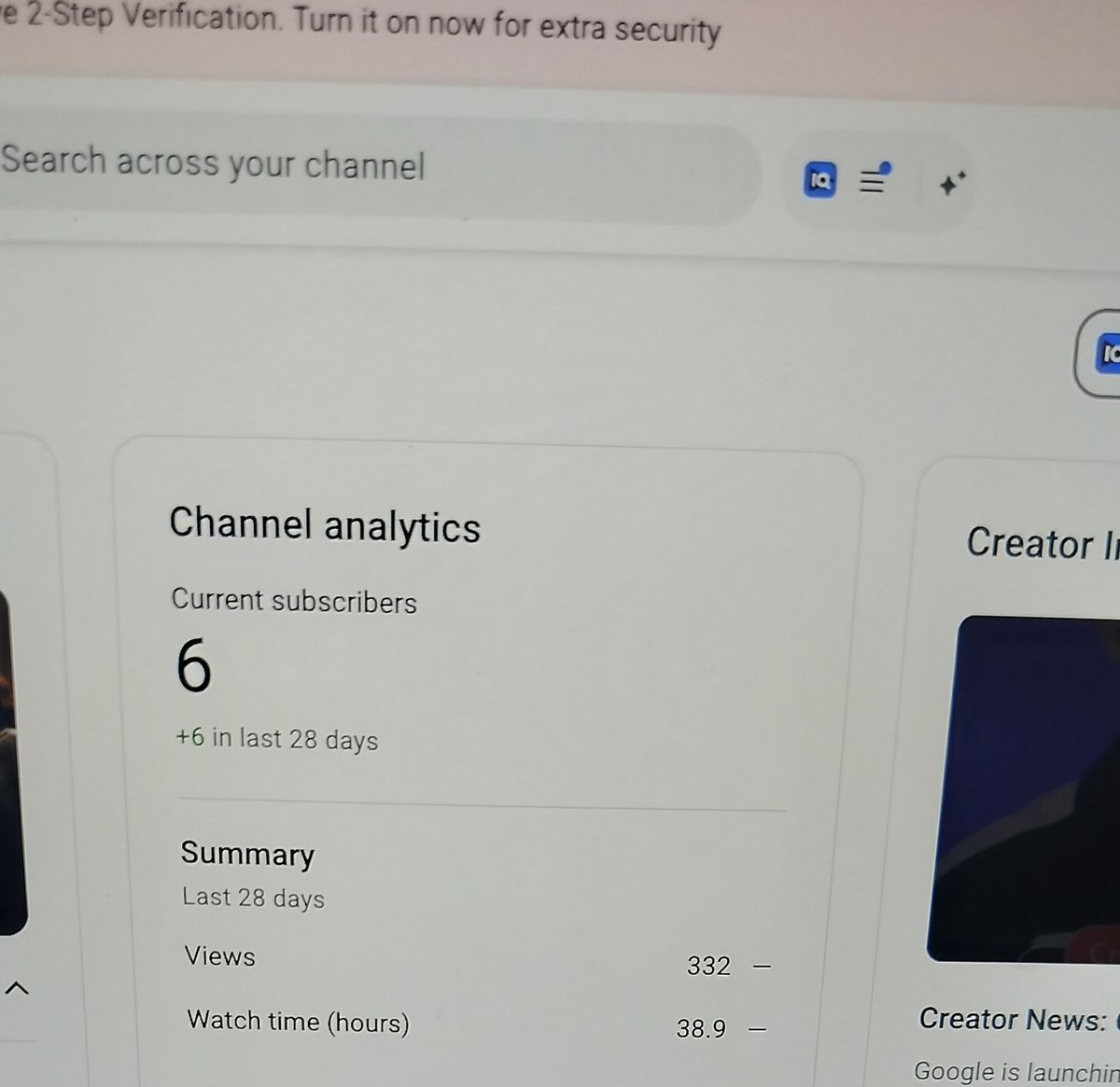

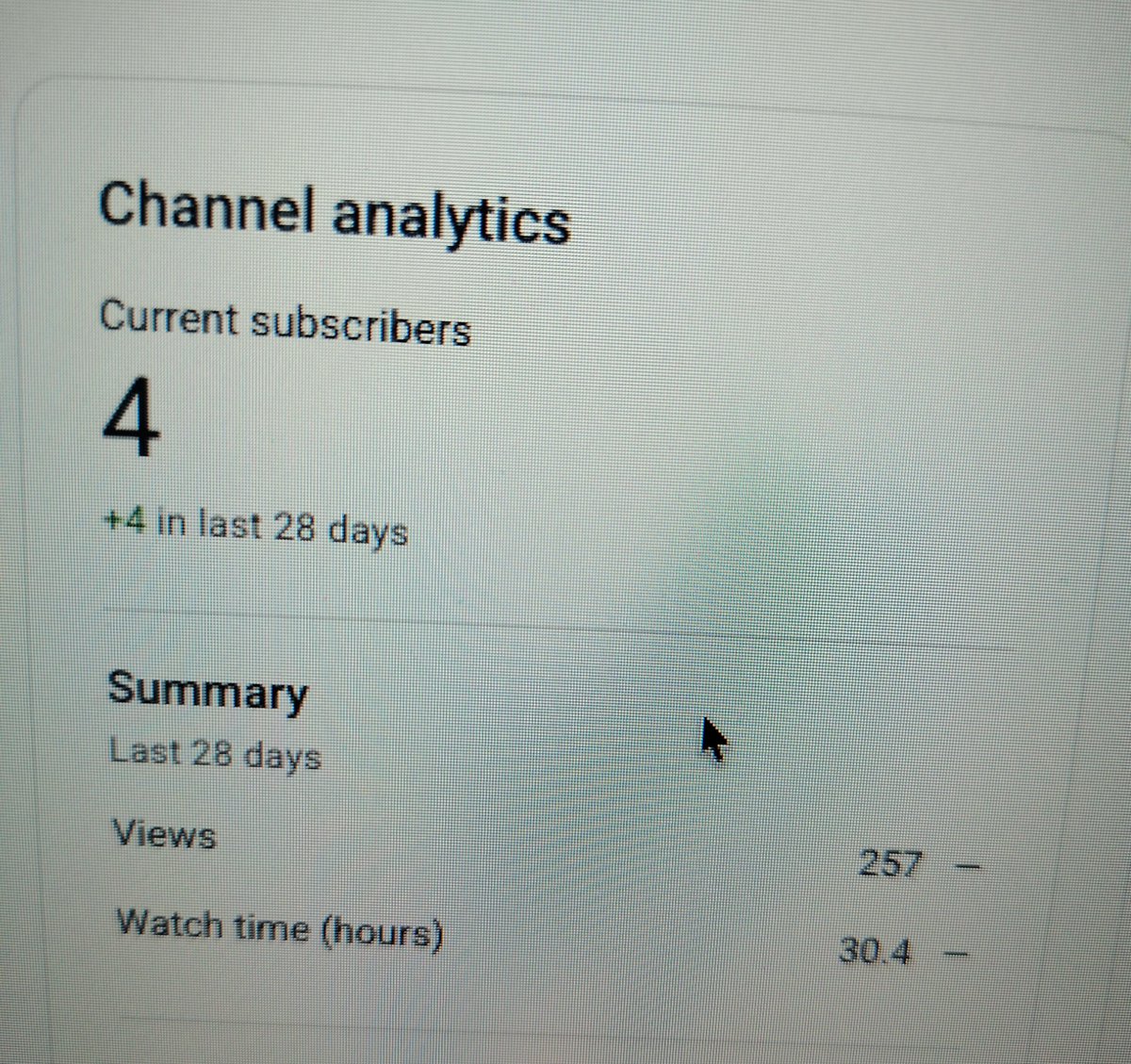
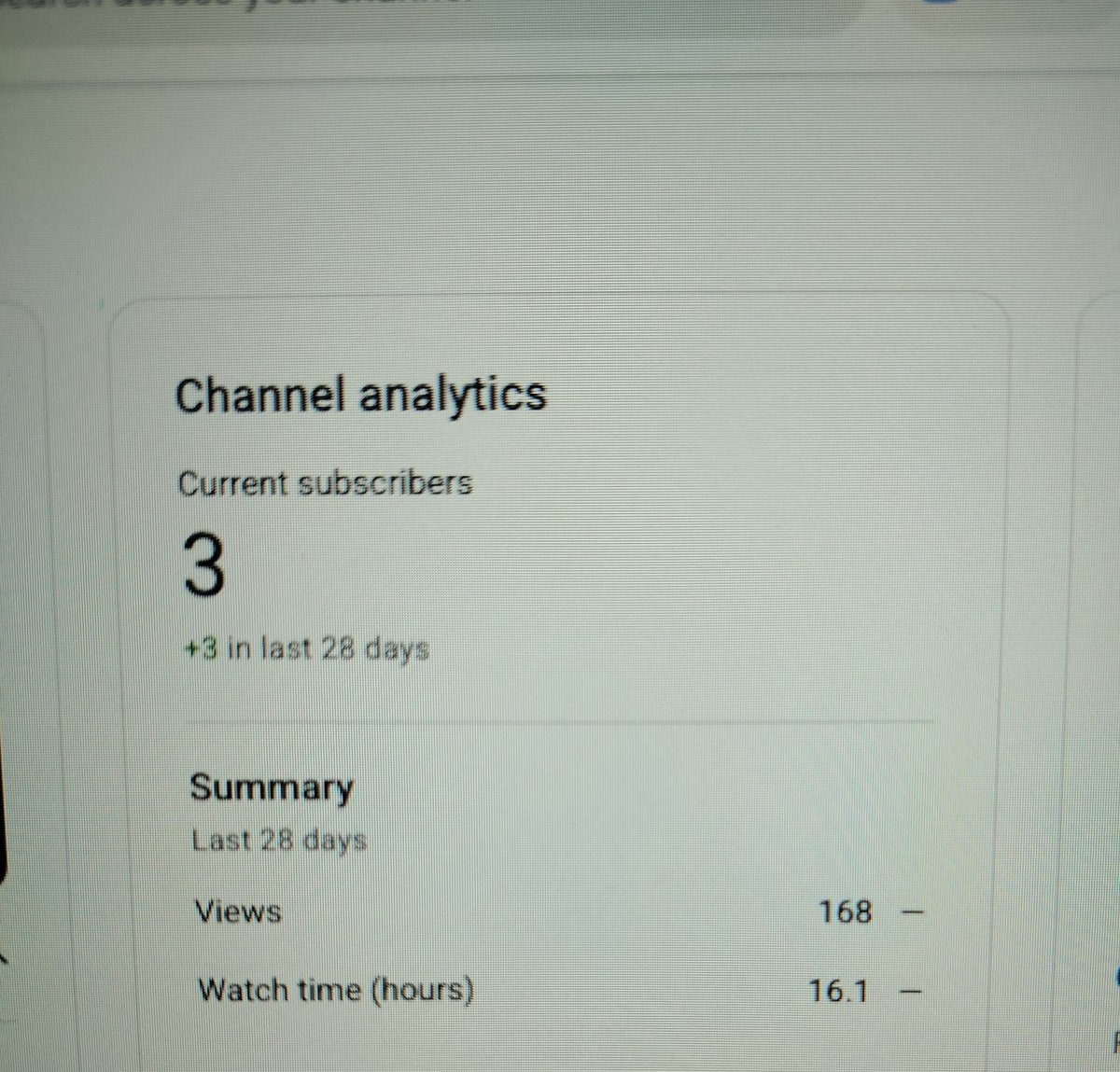
Can I call myself a founder if my entire product was built by OpenAI's Codex?
27
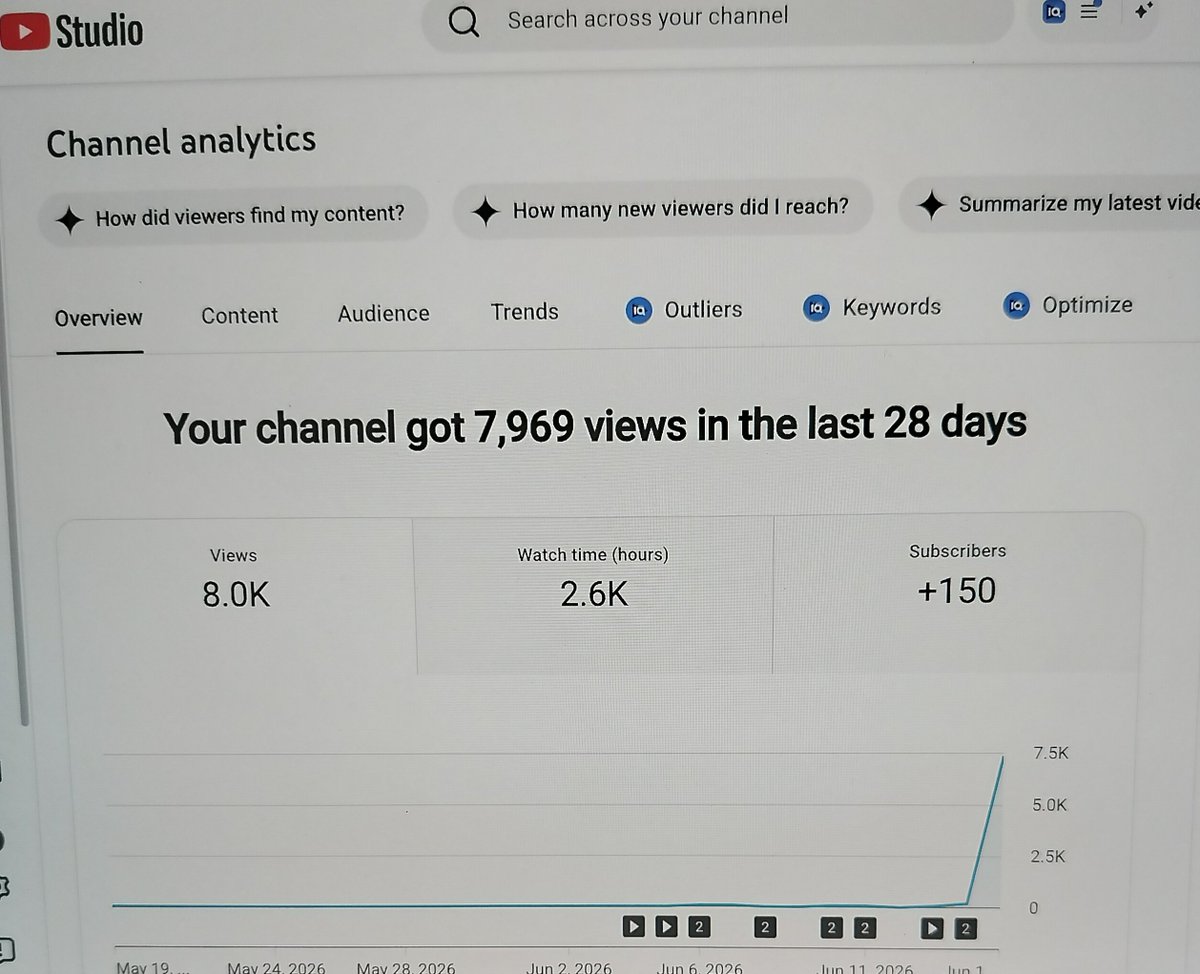
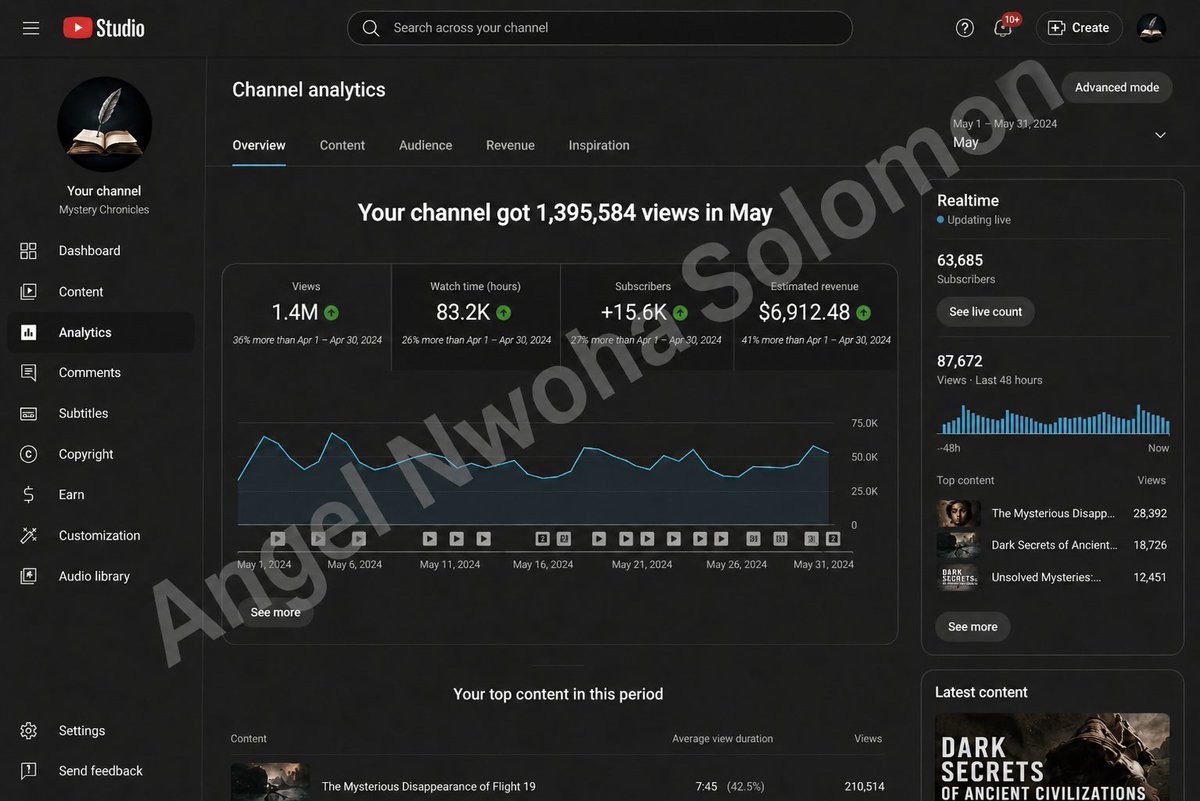
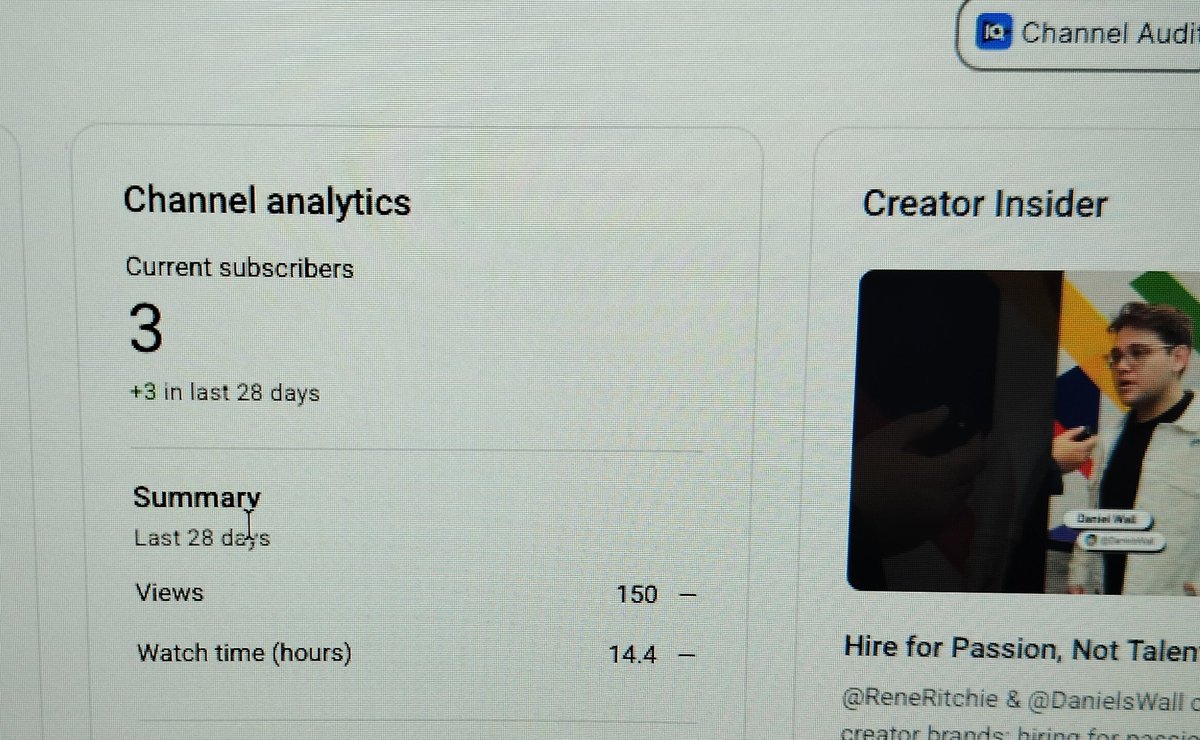
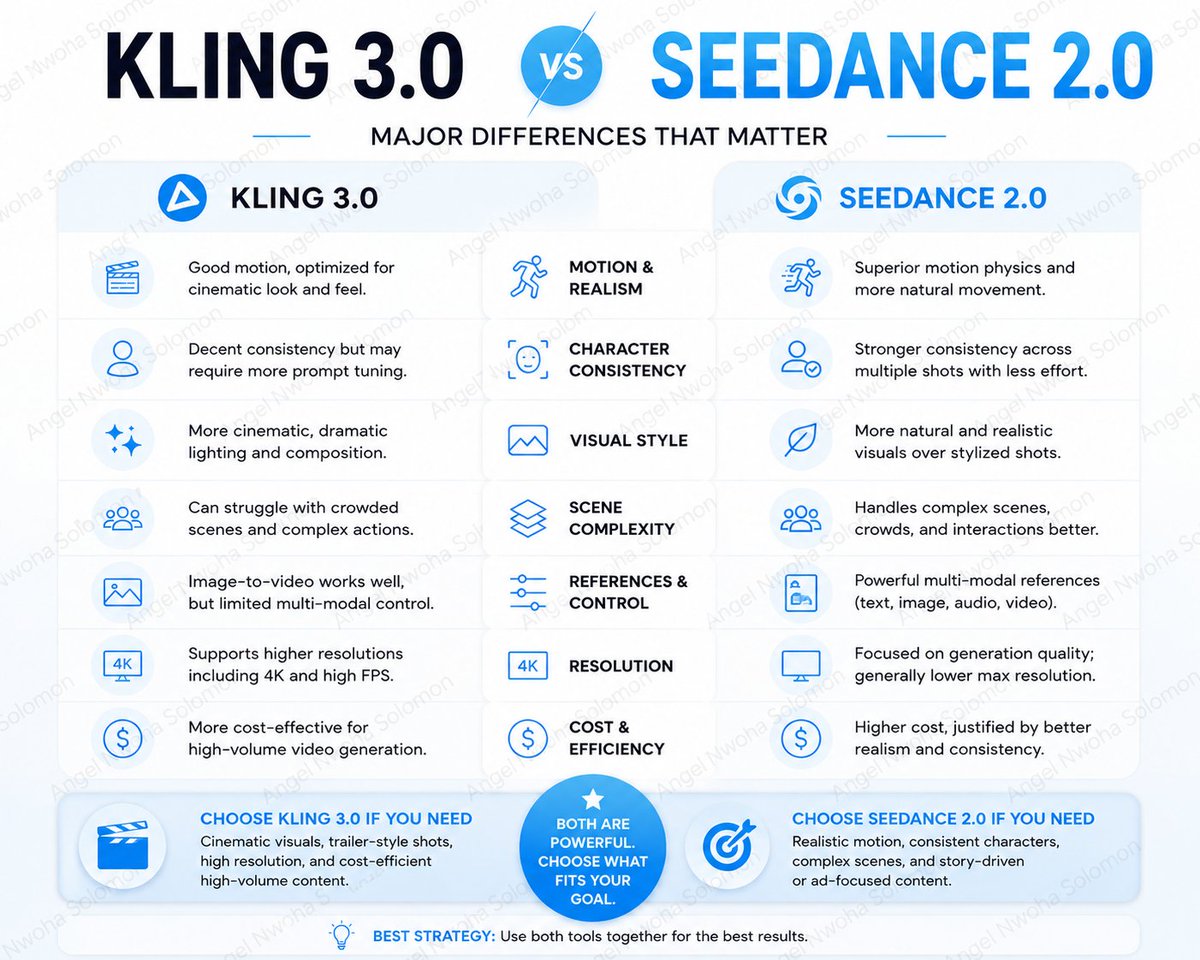
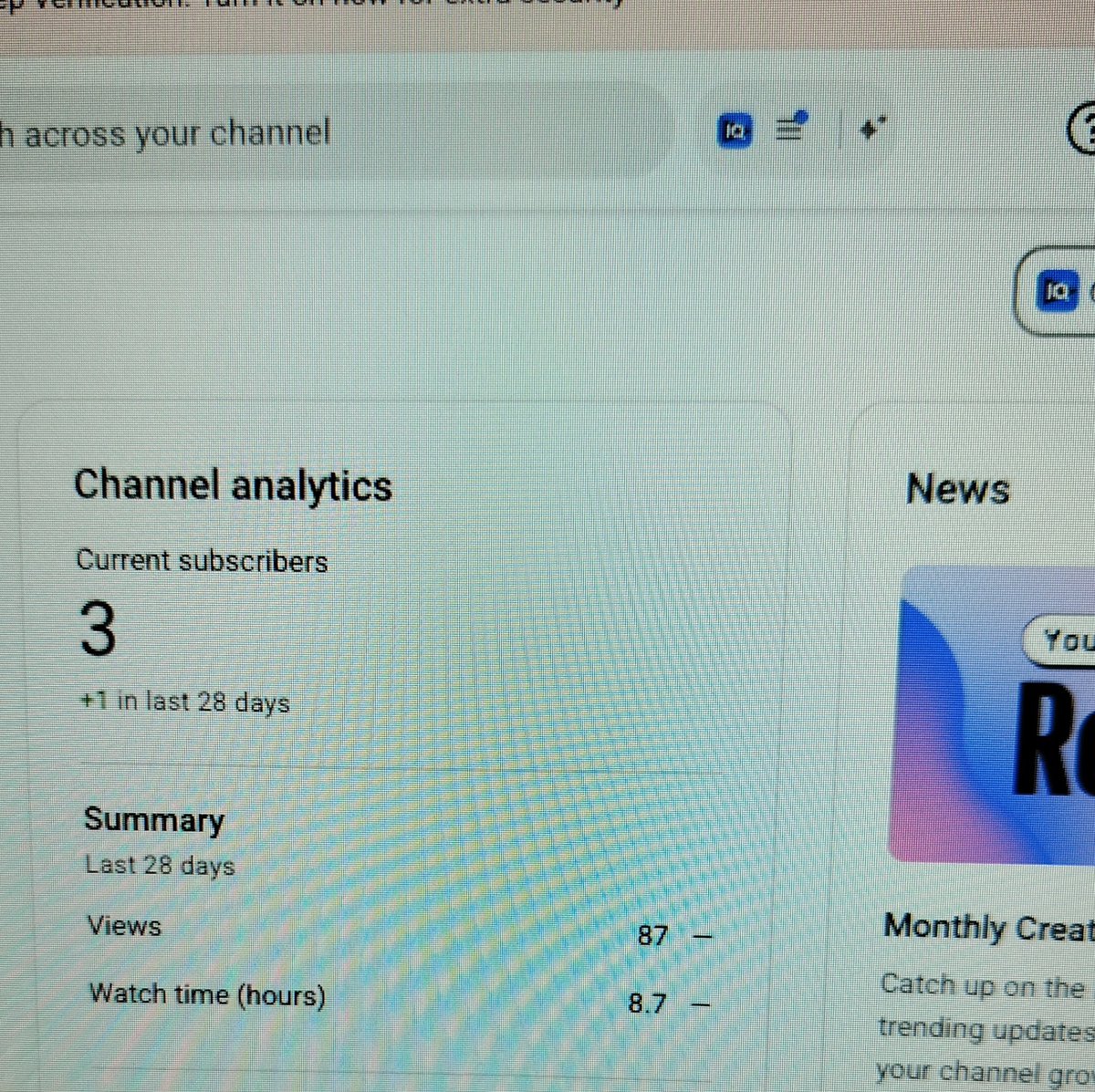
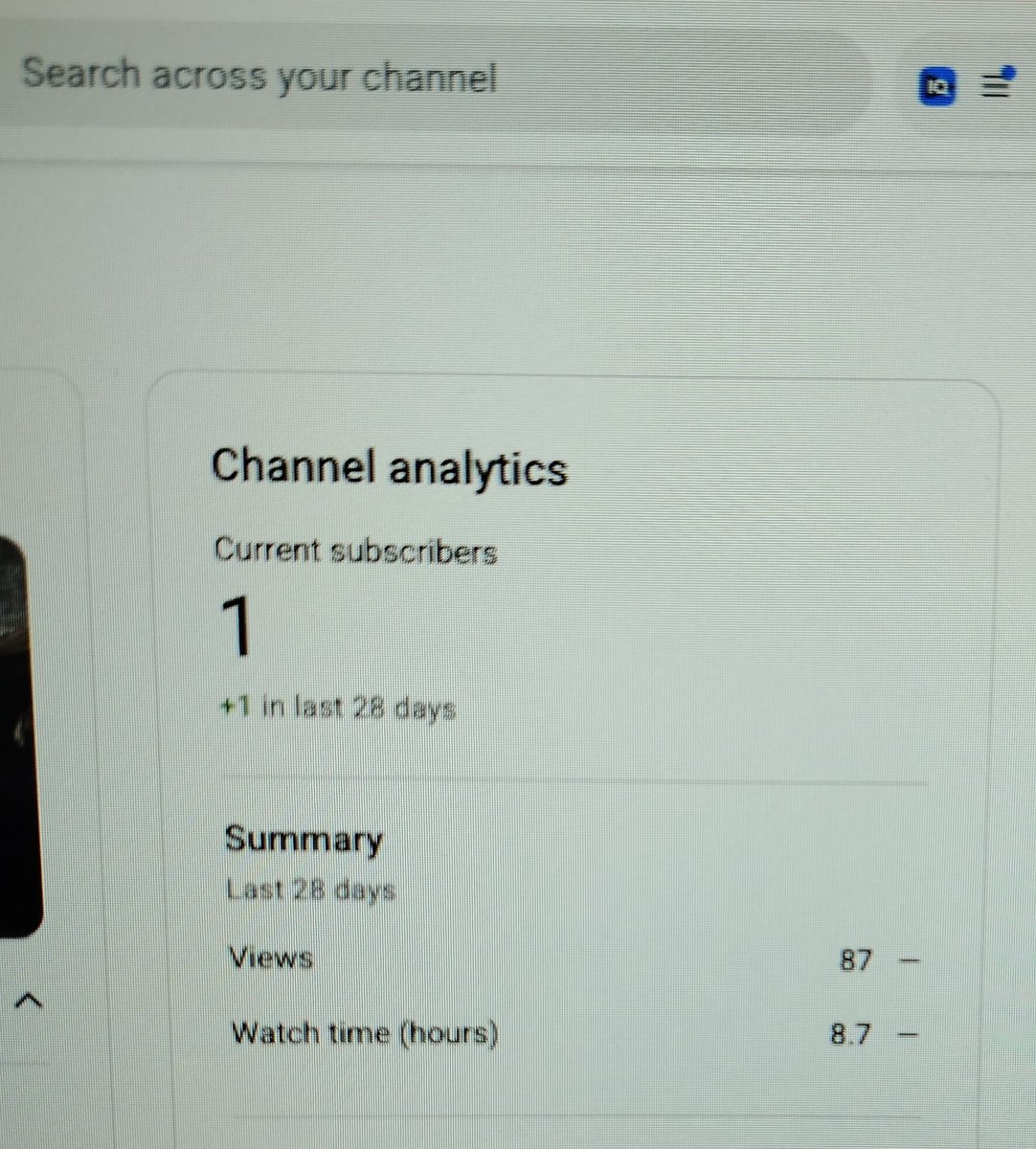
Day 12 of running a faceless YouTube channel in the story telling niche.
Guys, the screenshot speaks for itself.
Still at 13 videos.
Over 160 subscribers.
Couldn't upload yesterday.
What do you think?
#ytcreator #facelesschannel
2
40
Angel Nwoha Solomon retweeted

Jun 15
Everyone has AI now.
Access isn't the advantage anymore.
The new advantage is knowing what to do with it before everyone else does.
AI is no longer a competitive advantage.
It's the new baseline.
What's your edge?
1
18
Angel Nwoha Solomon retweeted
Jun 15
If you've been hearing about faceless YouTube channels and you're wondering how people are actually starting them, this is the simple version.
Not the motivational version.
Not the "buy my course" version.
Just the basic things you need to begin.
1. You need a phone, a PC, or both.
You don't need a studio. You don't need a camera. You don't need expensive equipment.
If your phone can browse, record, edit, and upload, you can start with that. A laptop or PC will make the process easier, but it is not compulsory in the beginning.
2. You need data.
This part is important.
You'll need data to research niches, watch other channels, generate scripts, create images, animate videos, edit, upload, and study what is working.
So yes, faceless YouTube may not require a camera, but it will require time, patience, and data.
3. You need to choose a niche.
Don't just open a channel and start posting random videos.
Pick a niche first.
Examples:
African folktales
Fantasy storytelling
Korean stories
True crime
AI automation
Sports stories
Documentaries
History
Horror stories
Motivational stories
After choosing a niche, go to YouTube and search for that topic.
Look for channels already doing something similar.
Study their titles.
Study their thumbnails.
Study their hooks.
Study their video length.
Study their storytelling style.
Study what people are commenting about.
The goal is not to copy them word for word.
The goal is to see what is working, understand the pattern, and create your own version.
4. Set up your YouTube channel.
This one is free.
Create the channel, choose a name, add a profile picture, write a simple description, and start preparing your first few videos.
Don't overthink this stage too much.
5. Use AI tools for scripting and ideas.
You can use ChatGPT, Claude, Grok AI, or Gemini to help with:
Video ideas
Scripts
Hooks
Titles
Descriptions
Story structure
Thumbnail ideas
AI will not do all the thinking for you, but it can make the process much faster if you know what to ask.
6. Use AI tools for images and video animations.
For visuals, you can use tools like Grok AI, Google Flow, ChatGPT Images, or any good AI image/video tool available to you.
This is especially useful if you're doing storytelling, history, fantasy, documentary-style videos, or any niche where you don't want to show your face.
7. Use text-to-speech for voiceovers.
You can use ElevenLabs, Minimax Audio, or any good TTS tool that gives you natural-sounding voices.
The voice matters a lot.
A bad voiceover can make people leave your video quickly, even if the story is good.
8. Use CapCut for editing.
You don't need to become a professional editor before you start.
Just learn the basics:
Cut scenes
Add voiceover
Add images or clips
Add background music
Add captions if needed
Export the video
Upload to YouTube
That's enough to start.
You'll improve as you keep creating.
The truth is, faceless YouTube is not magic money.
You still need to research, create, upload, test, fail, improve, and stay consistent.
But if you've been looking for an online skill you can start learning with what you already have, this is one worth exploring.
Comment "Yes" if you found value in this post.
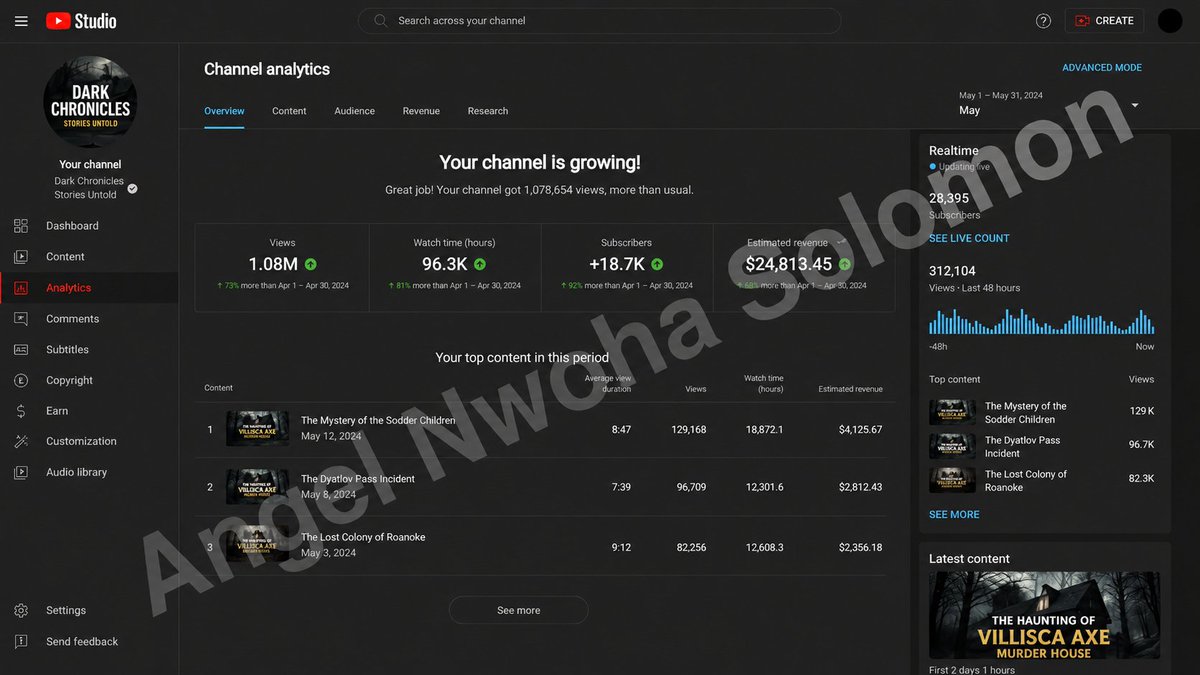
Disclaimer: The Earning screenshot is not real. It is AI generated.
4
1
2
304
Jun 15
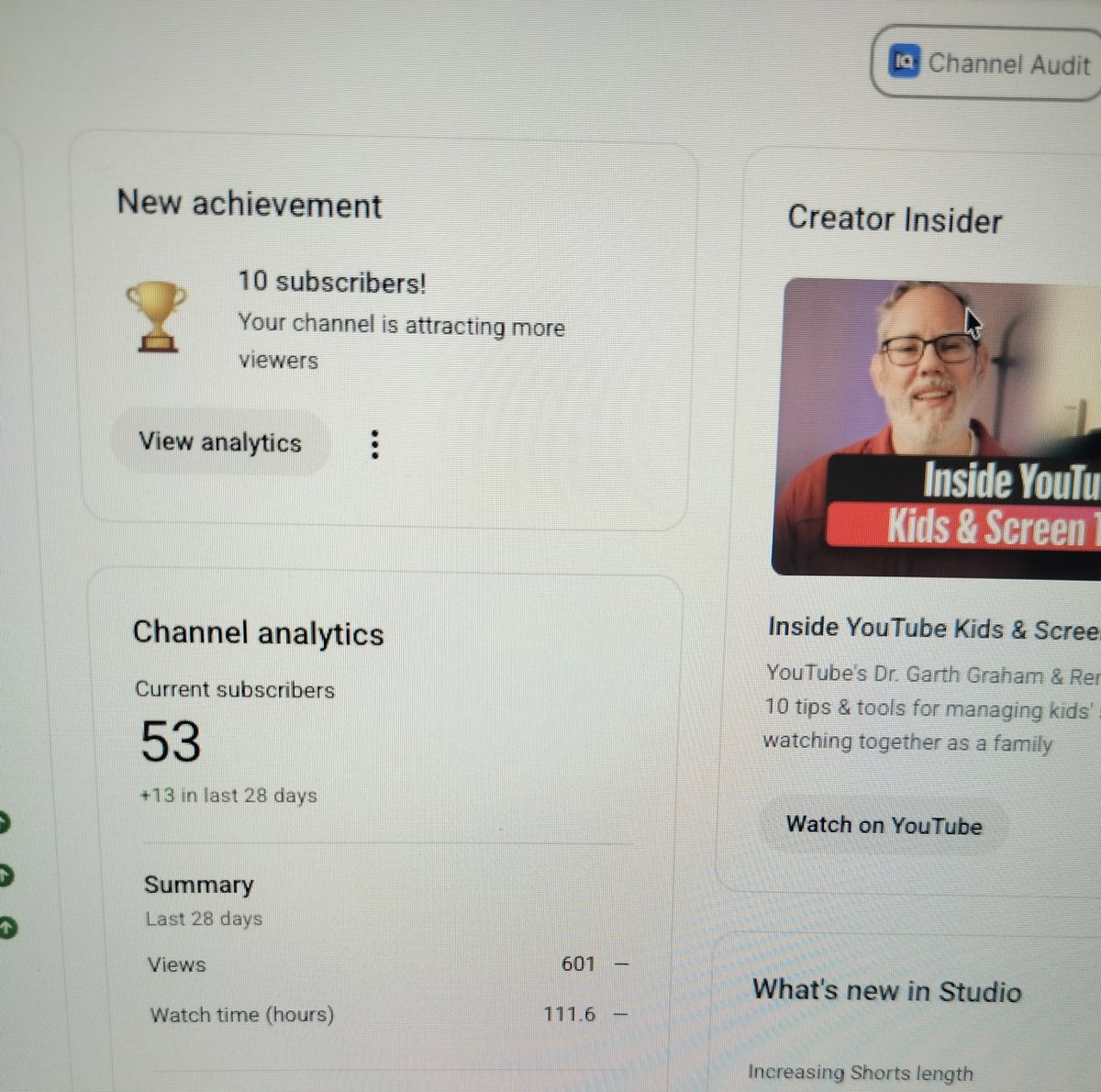
Day 11 of running a faceless YouTube channel in the story telling niche.
Something is brewing guys. I slept yesterday with 10 subscribers, woke up this morning with 53! 🔥🔥
What happened was that one my videos published 7 days again picked and is getting lots of attention right now.
Total videos published so far is 13, with verage length of 40 minutes.
If this growth continues, I might be hitting 100 subs before my next update tomorrow.
What do you think about this development?
1
24
Angel Nwoha Solomon retweeted
Jun 14
Pietro Schirano, CEO of MagicPath AI, shared a workflow where he prompts OpenAI's Codex to generate its own precise goals instead of writing them.
In his example, a high-level request for a first-person roller coaster POV-with loops, drops, and sound effects-leads Codex to create verifiable tasks for rendering, physics, and more, producing a ready-to-run HTML file.
This builds on Codex's /goal feature, launched in spring 2026, which lets the AI plan, code, test, and iterate autonomously.
Developers praise it as a shift from babysitting prompts to true collaboration, with one quipping that the AI now acts as the real project manager.
x.com/skirano/status/2066225…
Jun 14

I basically never write my own /goal anymore.
I ask Codex to write one for itself, and one for each agent it spawns.
Like this 👇
1
1
56
Angel Nwoha Solomon retweeted
Jun 12
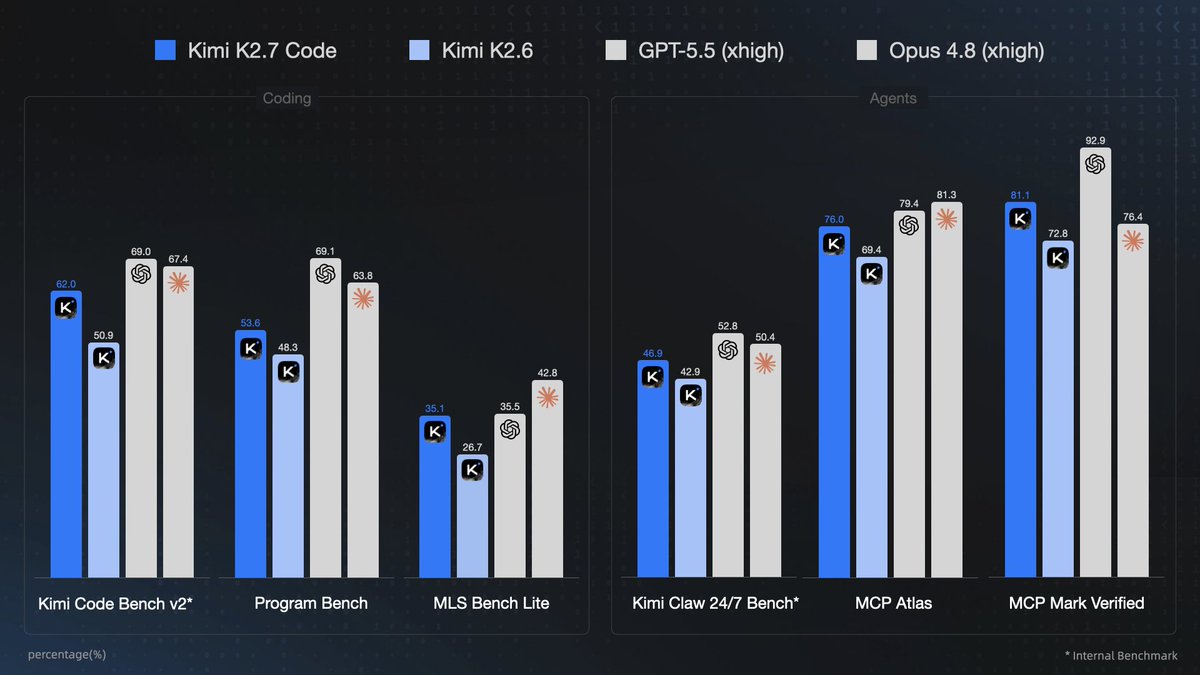
Another major OPEN-SOURCE CODING MODEL just dropped.
Kimi-K2.7-Code is now available, and the numbers are hard to ignore.
• 21.8% coding performance improvement over K2.6 on Kimi Code Bench v2
• 11.0% on Program Bench
• 31.5% on MLS Bench Lite
• 30% fewer reasoning tokens, meaning less wasted computation and faster problem solving
• Better instruction following and stronger performance on long, multi-step coding tasks
The most interesting part isn't the benchmark gains.
It's that Kimi is pushing for higher coding accuracy while reducing the amount of reasoning needed to get there.
More capability. Less overthinking.
And with a 6× High-Speed Mode already on the way, the competition in AI coding is becoming increasingly intense.
1
1
82
Jun 13
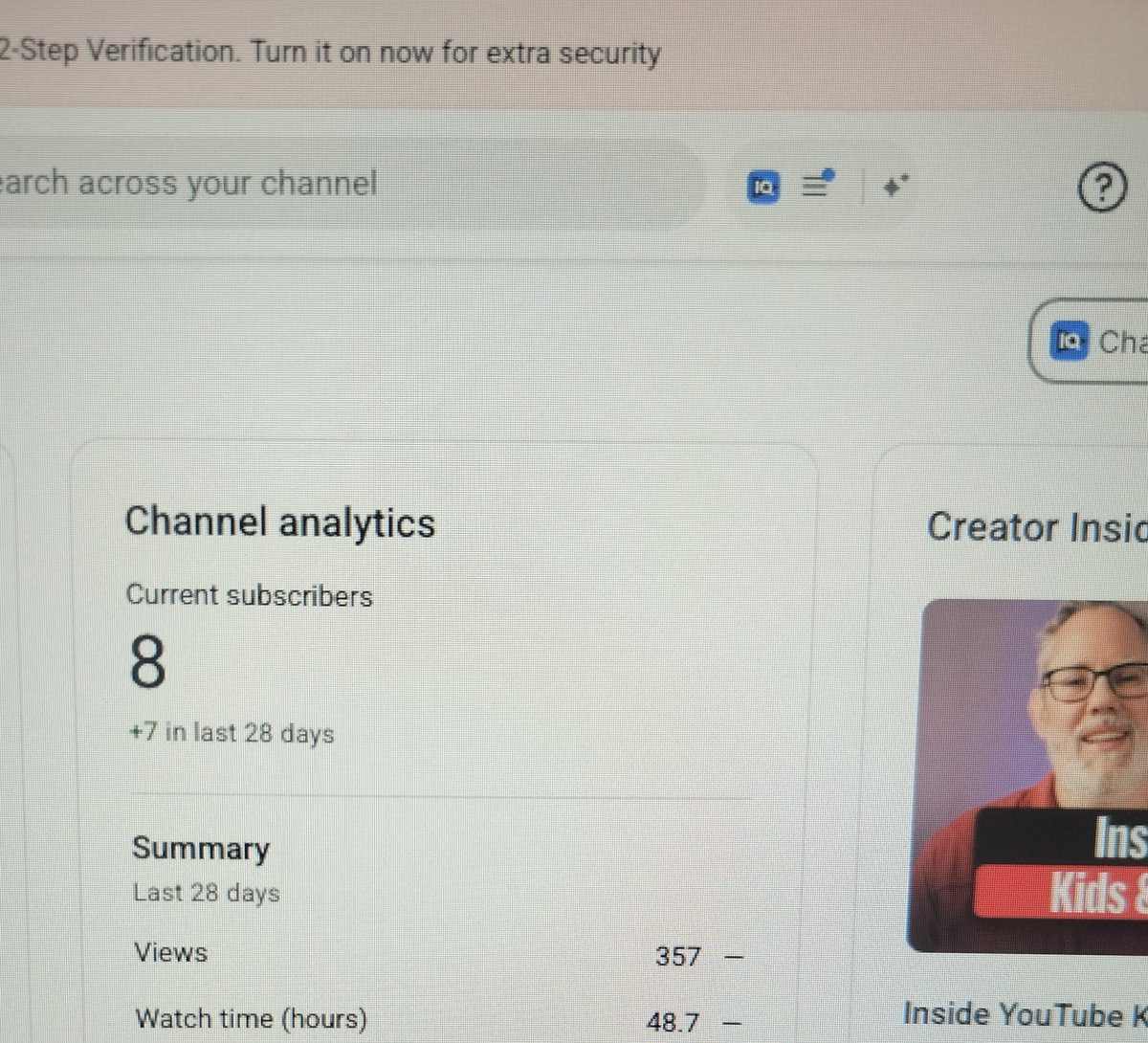
Day 9 of running a faceless YouTube channel in the story telling niche.
Yeah 😍😍😍..
The channel is at 8 subscribers with 10 videos published so far.
Yes, I got two comments 😁😁😁.
Currently working one video that I will post for the weekend.
Let me know what you think. Are you motivated? Start that faceless channel now!
1
56
Jun 13
Day 9 of running a faceless YouTube channel in the story telling niche.
Yeah 😍😍😍..
The channel is at 8 subscribers with 10 videos published so far.
Yes, I got two comments 😁😁😁.
Currently working one video that I will post for the weekend.
Let me know what you think. Are you motivated? Start that faceless channel now!
39
Jun 12
Day 8 of running a faceless YouTube channel in the story telling niche.
The channel is at 6 subscribers now. It was 4 as at yesterday.
7 videos published.
Average length of 40 minutes.
How do you see this growth?
1
45
Jun 11
STOP PAYING for expensive birthday photoshoots. 🎂📸
The difference between an average AI birthday image and a STUDIO-QUALITY one is usually the prompt.
Use this simple formula:
✅ Subject (age, gender, outfit)
✅ Studio setup (lighting, backdrop, props)
✅ Camera details (85mm lens, shallow depth of field)
✅ Pose & expression
✅ Image quality keywords
✅ Realistic skin texture
Example:
"Professional birthday studio portrait of an elegant 30-year-old woman, wearing a luxurious royal blue evening gown, standing confidently in a professional photography studio, seamless light beige backdrop, clean studio floor visible, softbox key light with soft fill lighting, subtle rim light, fashion editorial photography, natural pose, genuine smile, holding a small bouquet of flowers, ultra-realistic skin texture, detailed eyes, natural makeup, realistic fabric folds, shallow depth of field, captured with Canon EOS R5, 85mm f/1.8 lens, studio-quality lighting, high-end retouching, magazine cover quality, sharp focus, photorealistic, ultra-detailed, 8K, square composition, aspect ratio 1:1. Negative prompt:
cartoon, CGI, 3D render, plastic skin, overprocessed face, extra fingers, distorted hands, blurry image, low resolution, oversaturated colors, unrealistic lighting, bad anatomy, duplicate objects, watermark, text, logo"
The more specific the prompt, the less money you spend on an actual studio session.
Save this for your next birthday.
Comment "PROMPT" for full prompt and I'll share my full studio-quality birthday prompts for FREE. 🎁
Make sure you Follow Retweet.
1
116
Jun 11
Day 7 of running a faceless YouTube channel in the story telling niche.
Yeah!!! 🔥🔥🔥
I had a subscriber yesterday.
Some videos are still stuck at zero 😔😔😔 but I will experiment publishing twice daily.
I currently have 6 videos or so
It's currently looking like I'd hit the required watch hour way longer than the required subscribers.
What do you think guys?
Any question?
Please ask.
46
Jun 11
Day 7 of running a faceless YouTube channel in the story telling niche.
Yeah!!! 🔥🔥🔥
I had a subscriber yesterday.
Some videos are still stuck at zero 😔😔😔 but I will experiment publishing twice daily.
I currently have 6 videos or so
It's currently looking like I'd hit the required watch hour way longer than the required subscribers.
What do you think guys?
Any question?
Please ask.
1
44
Jun 11
Claude Fable 5 vs. Cluade Opus 4.8
Jun 11

Claude Fable 5 excels at scriptwriting.
We just paired it with the Higgsfield MCP and the results are stunning.
Here is a comparison with Opus 4.8:
106
Angel Nwoha Solomon retweeted
Jun 10
The next business divide won't be between big companies and small companies.
It'll be between businesses that know how to use AI... and those that don't.
The local plumber using AI for customer service.
The realtor using AI for lead generation.
The restaurant using AI for marketing.
The freelancer using AI to do 10x more work.
AI isn't replacing most jobs.
People using AI are replacing people who don't.
What's one task in your business or job you'd automate with AI today?
👇 Comment below.
1
39