MP for Ashton-under-Lyne.
Joined December 2010
- Tweets 40,957
- Following 4,631
- Followers 738,718
- Likes 25,343
5,559 Photos and videos


Angela Rayner retweeted

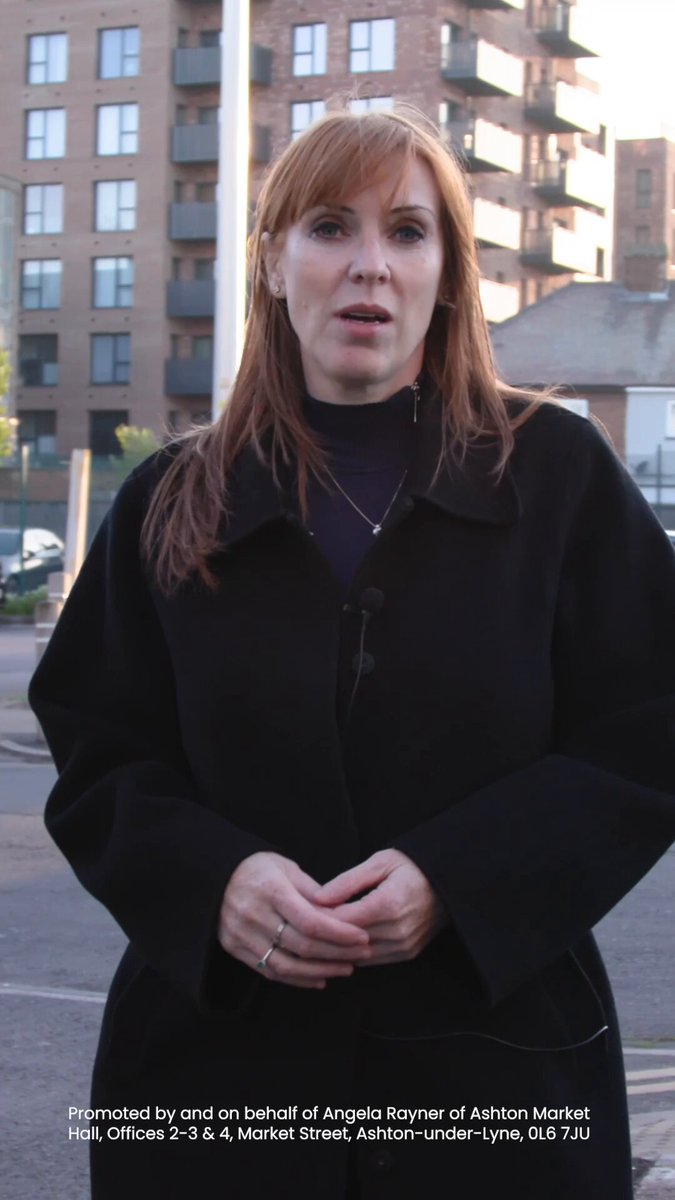
Angela Rayner demands visa rules shake-up for care workers 'living in fear'
"We need to end the exploitation of your visas being tied to a single employer. We need it to be sector-wide, so you can't be exploited, bullied or treated unfairly."
unsn.uk/49RwvKy
52
72
174
12,698
Angela Rayner retweeted

Jun 10
Changing visa rules for care workers is wrong, says Rayner bbc.in/4ejawxC
101
65
266
81,001


May 30
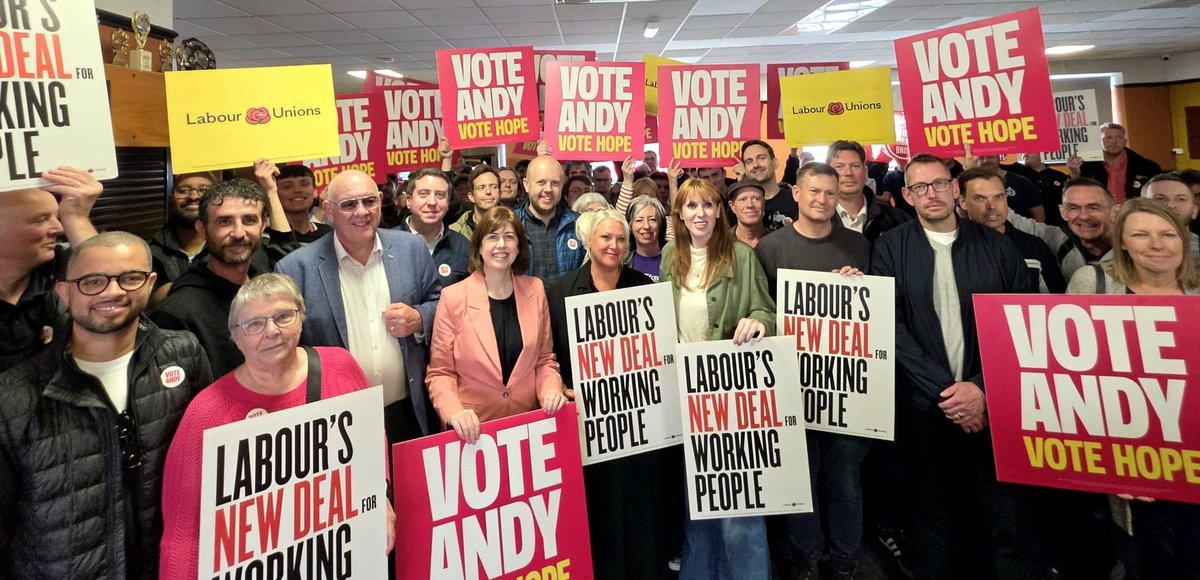
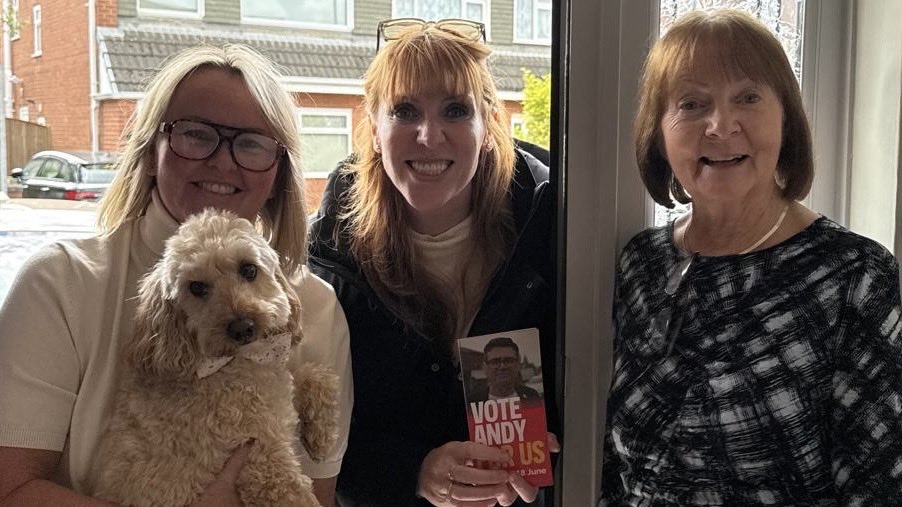
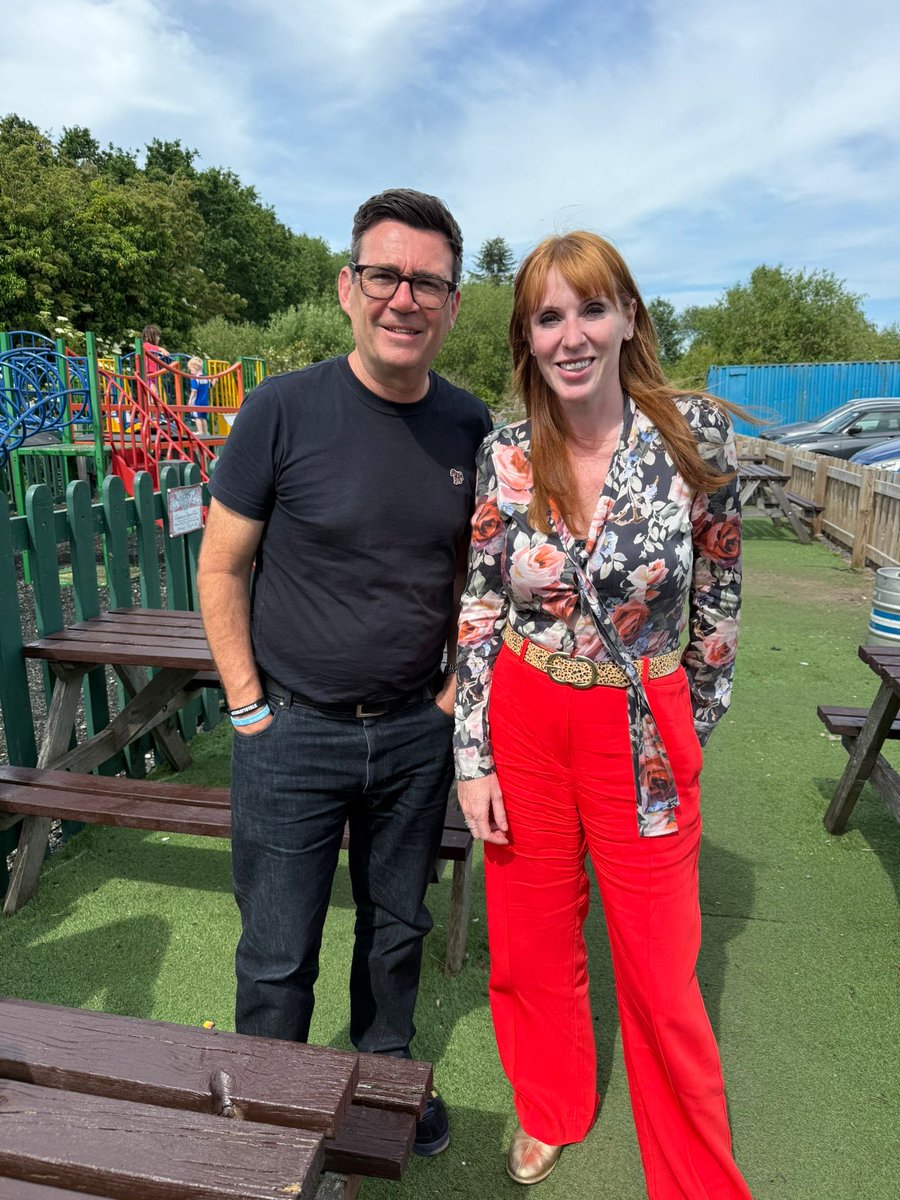
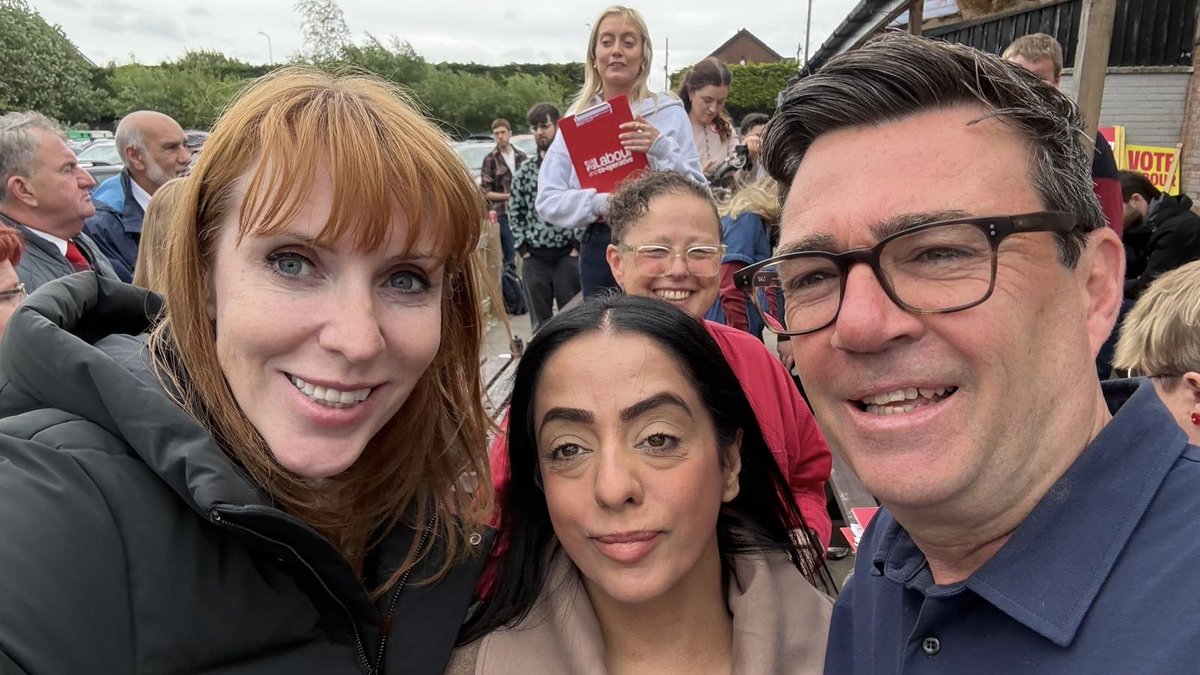
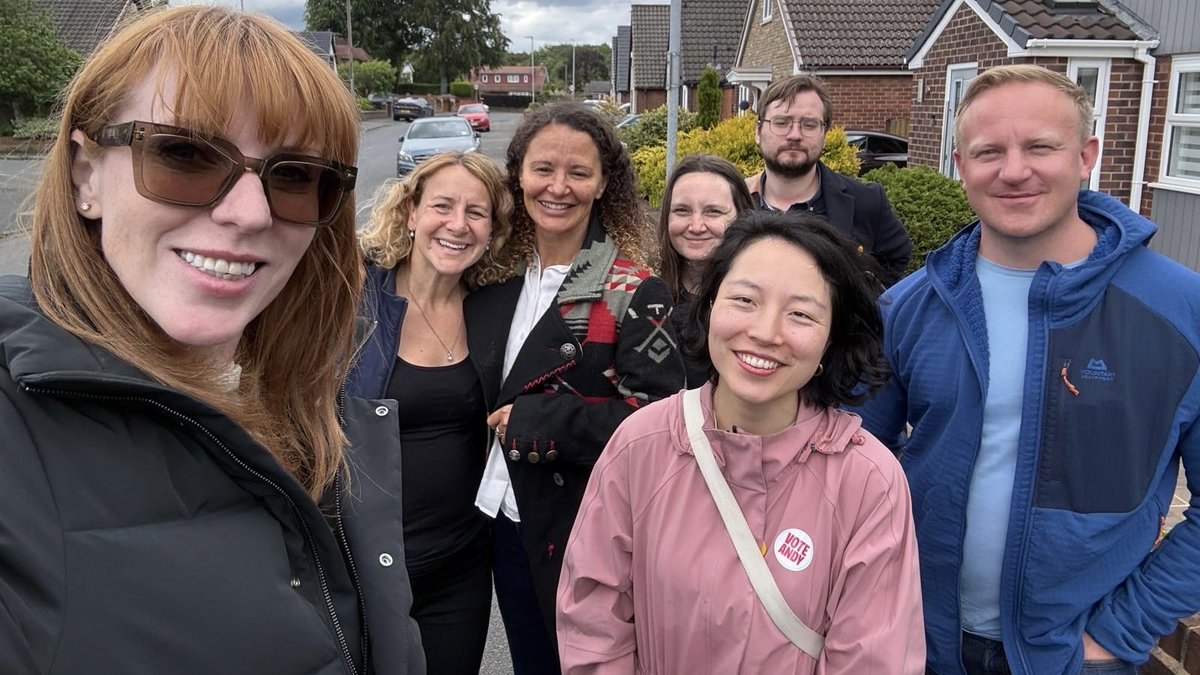
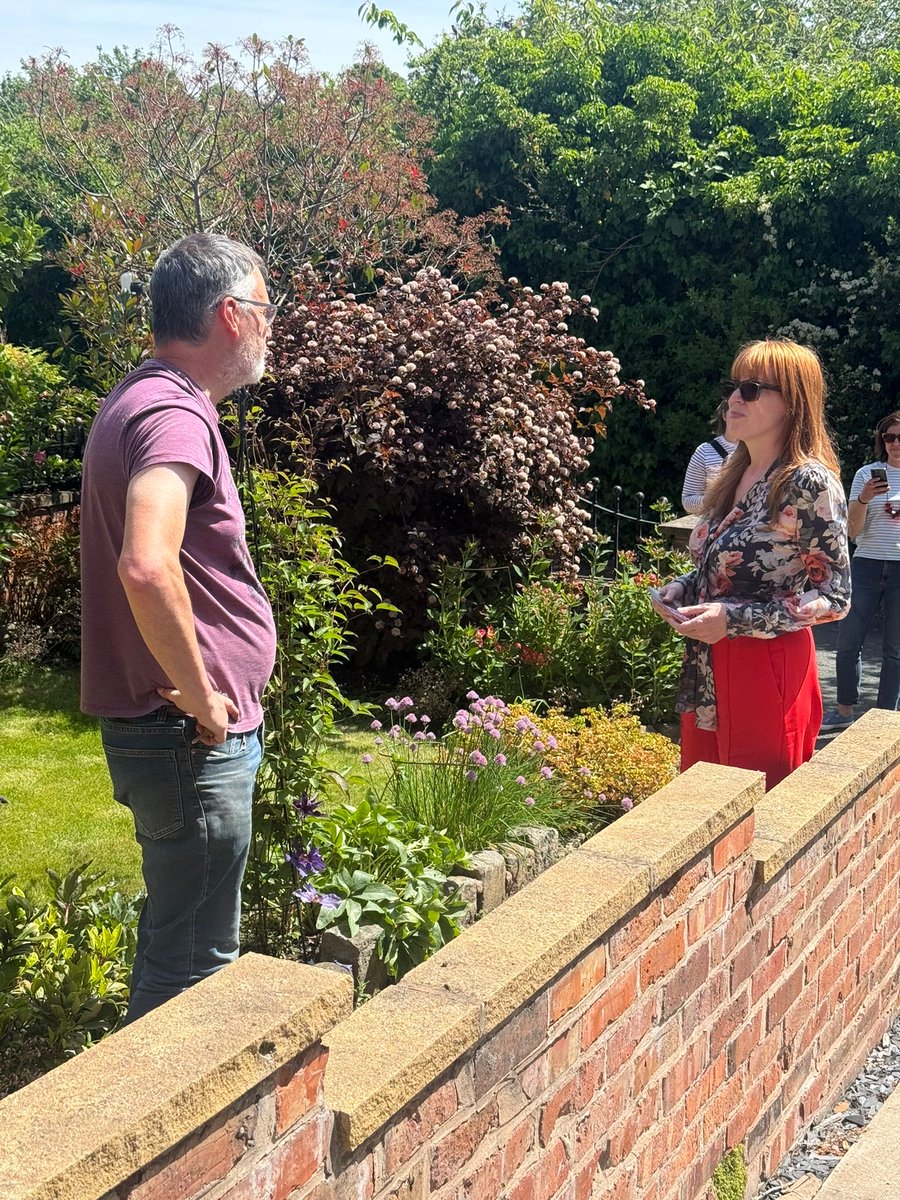
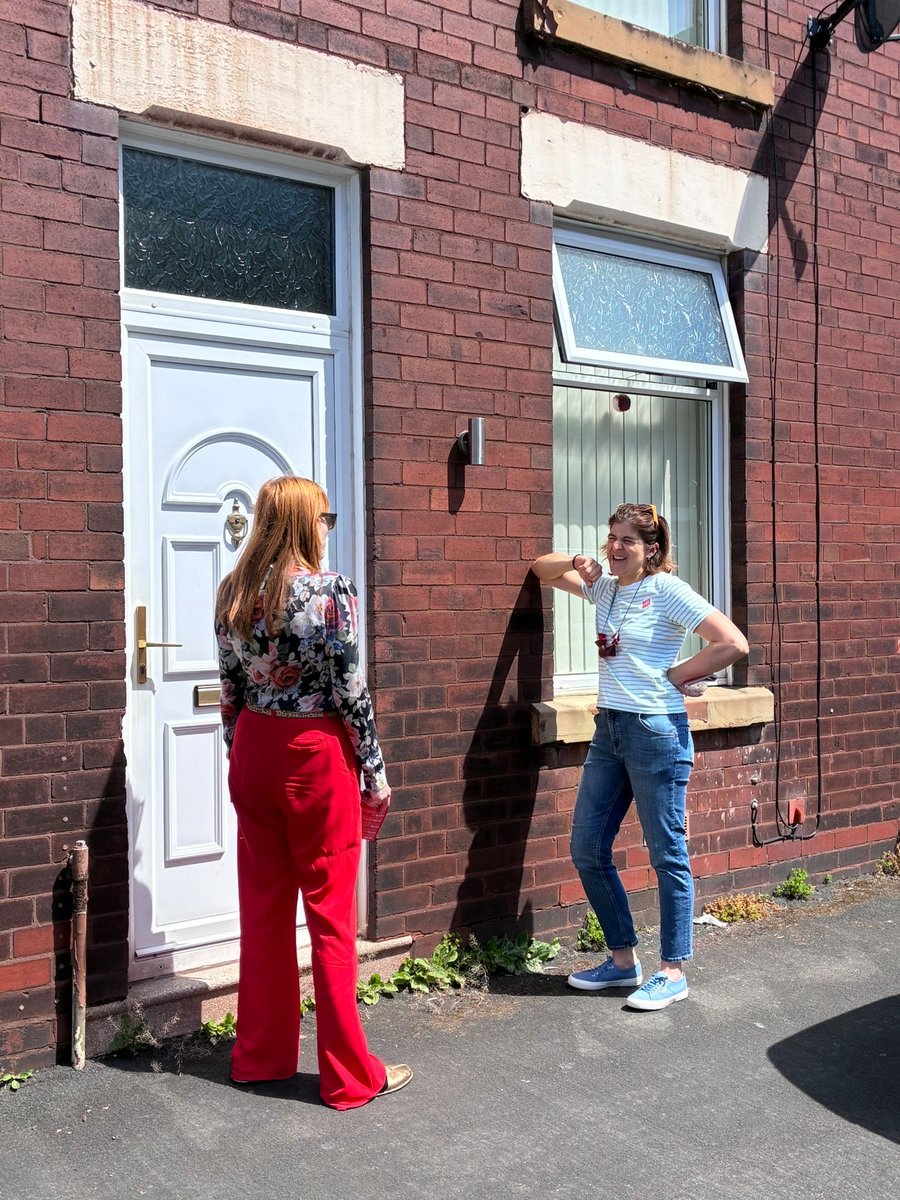
A glorious day with the team in Makerfield supporting @AndyBurnhamGM @andy4makerfield 🌹☀️
1,688
163
2,309
313,109
May 27
Wishing all Muslims across Britain a happy Eid Al-Adha.
Eid Mubarak!
82
694
270,958
May 22
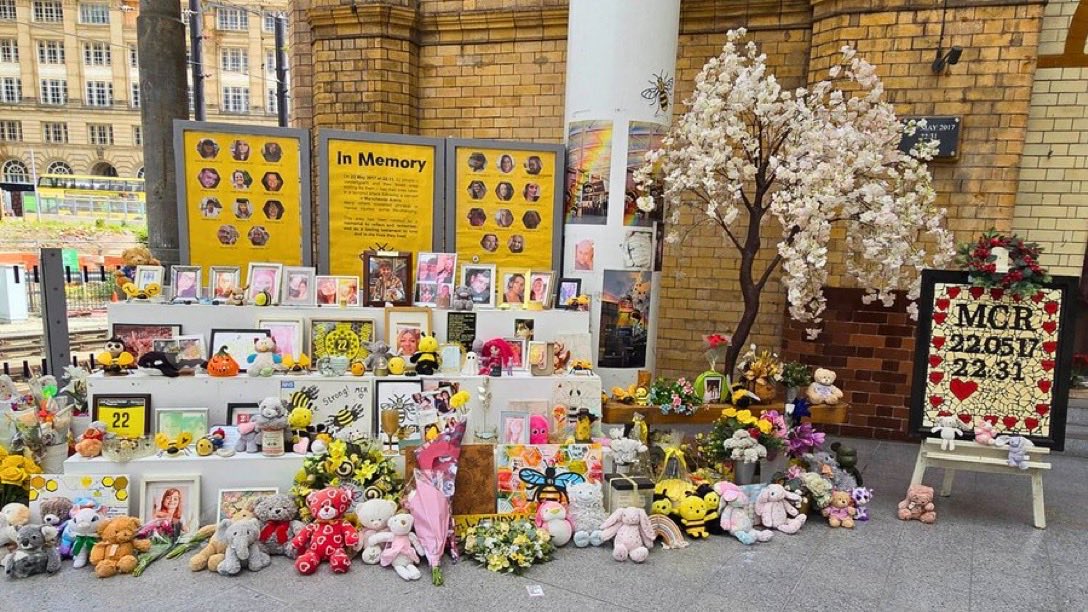
Nine years on from the Manchester Arena terrror attack my thoughts are with those who lost their lives, the survivors, and their loved ones. They will never be forgotten. Greater Manchester came together to show that love & hope triumphs over hate & division. We always will. 🐝
677
69
603
67,881

"You provide the dignity of a hand-up"
At Big Issue's 35th Anniversary Dinner, @AngelaRayner shares why she supports the Big Issue, and why second chances matter.
55
28
170
49,176
Angela Rayner retweeted

May 19
Congratulations to @AndyBurnhamGM - Labour’s candidate for Makerfield.
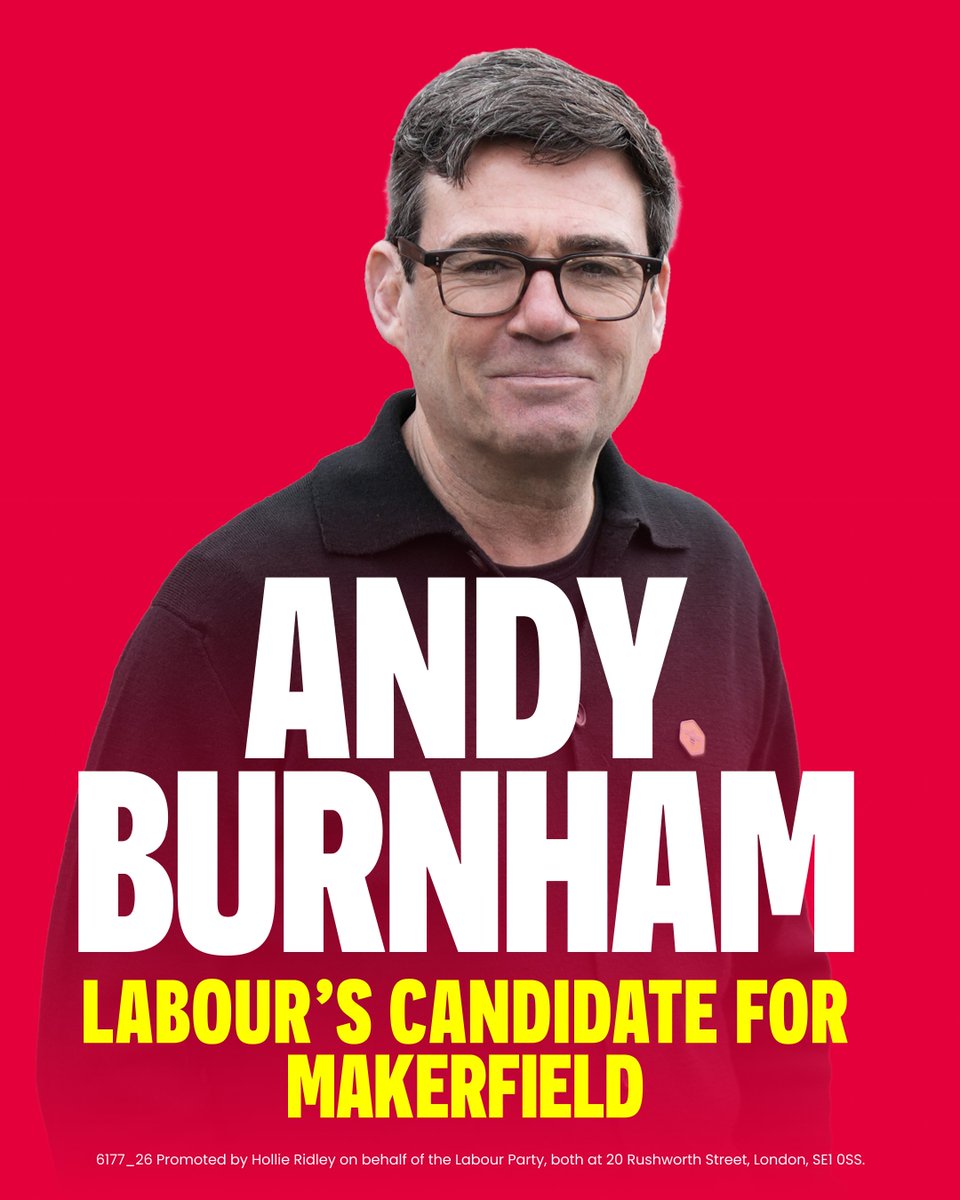
ALT A graphic which reads: Andy Burnham, Labour's candidate for Makerfield
2,087
723
7,818
497,318
May 14
I welcome HMRC’s conclusion, which has cleared me of any wrongdoing.
I have been exonerated by HMRC of the accusation that I deliberately sought to avoid tax.
When purchasing a home of my own with a mortgage, I did not own any other property and had no personal financial interest in the court-instructed trust set up to manage my son’s financial award. I was advised by experts that I should pay stamp duty at the standard rate.
I set out to pay the correct amount of tax. I took reasonable care and acted in good faith, based on the expert advice I received, and HMRC has accepted this.
I have always sought to act with integrity, and I believe politicians should be held to high standards - that is why I resigned from government and cooperated fully with HMRC.
I wanted to ensure that I paid every penny that I owed, and have done so. I am relieved that my family can now move on - and that I can get on with my job.
7,351
1,974
17,487
1,675,707

Exclusive: Angela Rayner says she has been cleared by HMRC after stamp duty row
itv.com/news/2026-05-14/ange…
198
50
167
54,606
Angela Rayner retweeted

May 14
EXCL: Angela Rayner has been cleared by HMRC of deliberate wrongdoing or carelessness over her tax affairs, paving the way for a potential leadership bid if Keir Starmer’s grip on power unravels.
The former DPM has settled £40,000 in unpaid stamp duty, but has not paid any penalty as a result of the investigation.
HMRC was also satisfied there was no tax avoidance.
Rayner tells me she was “bruised” by whole experience because of intrusion into her disabled son’s personal life, but also because it had appeared as though she was “in it for myself” rather than on the side of ordinary people.
Rayner indicated she may run in event of a contest as she would “play my part” and that she understood why Labour MPs were so upset following last week’s election crushing. She said Starmer should “reflect on” stepping aside.
549
294
1,155
917,321
Angela Rayner retweeted

Need something to watch tonight?
Former Deputy Prime Minister @AngelaRayner joins @Victoria_Spratt and @campbellclaret for a conversation on the subjects shaping Gen Z today - from the appeal of figures like Gary Stevenson and Zack Polanski to the housing crisis and the growing disconnect between young people and politics.
Watch the full episode now.
85
30
239
89,378
May 11
We will be judged on our actions, not just words.
We have to show that we understand the scale of response the moment calls for.
Labour exists to make working people better off. That is not happening fast enough.
And needs to change now.
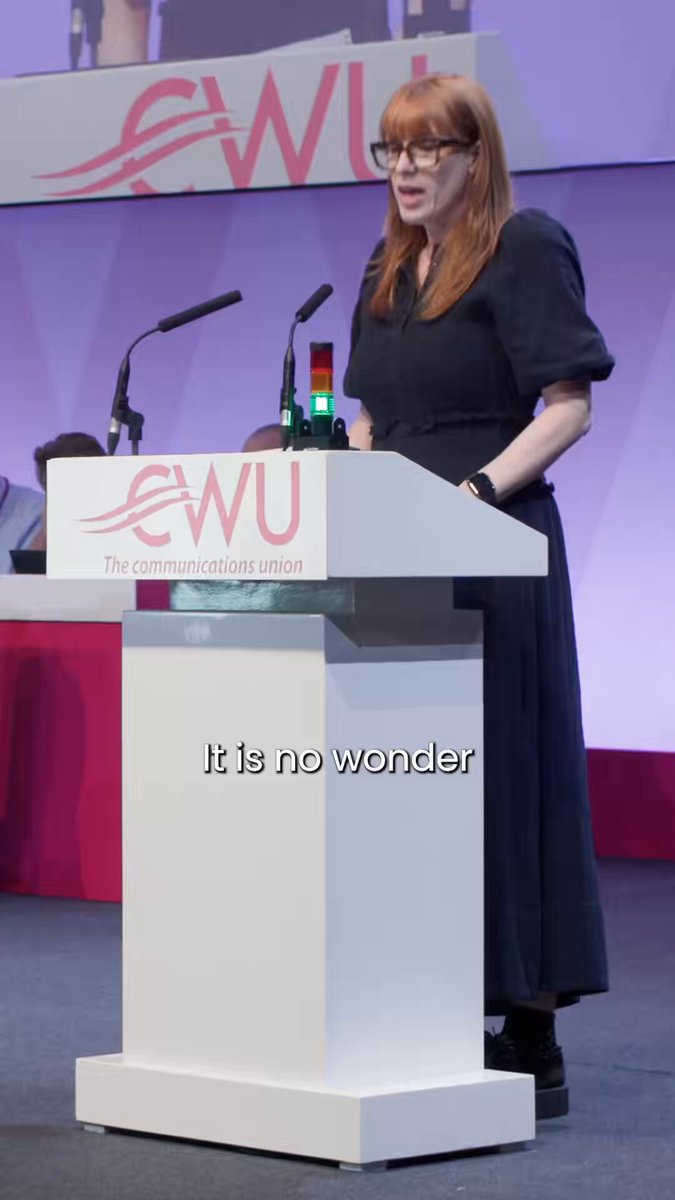
Proud to address #CWU26
2,914
159
843
172,618
May 10
Our party has suffered a historic defeat.
Many good Labour colleagues have lost their seats despite working hard for those they represented. We have lost good Labour administrations and lost the chance for more.
What we are doing isn’t working, and it needs to change. This may be our last chance.
The Labour Party must now live up to our name: we must be the party of working people.
We’ve heard the same on the doorstep as we’ve seen in the polls - the cost of living is the top issue for voters of all parties. People have turned to populists and nationalists because we have not done enough to fix it.
Living standards are barely higher than they were a decade and a half ago. People feel hopeless - that the cost of living crisis will never end, and now they see oil and gas companies use global instability to post record profits.
Once again, ordinary people are paying the price for decisions they didn’t make. It’s no wonder that across the UK, working people feel the system is rigged against them.
Things can be so much better than this. Countries including Spain and Canada have shown that economies can grow and people can thrive when governments stay true to labour and social democratic values and put people first. We need to learn from that.
In London, we lost young people who fear they will never afford a home. In my patch and across the north, we lost working people whose wages are too low and costs too high. In Scotland and Wales, people do not currently see Labour as the answer.
We are in danger of becoming a party of the well-off, not working people.
The Peter Mandelson scandal showed a toxic culture of cronyism.
Decisions like cutting winter fuel allowance just weren’t what people expected from a Labour government.
For too long, successive governments have allowed wealth and power to concentrate at the top without a plan to ensure the benefits of economic growth are shared fairly. The result is an economy that does not work for the majority, with wealth concentrated in too few hands. This level of inequality, alongside squeezed living standards, is the outcome of a model built on deregulation, privatisation, and trickle-down economics.
But we have the chance to fix this.
1/2
7,941
750
6,071
2,838,334
May 11
We need immediate action to cut costs for households and put money back into the everyday economy. This can be done within the current fiscal rules, by ensuring those who benefit from the crisis contribute more so that everyone can thrive.
Our Employment Rights Act was just the first step in our plan to Make Work Pay. Now is the time to take the next steps, starting with a Fair Pay Agreement in social care - but not ending there. A rising minimum wage must go alongside our programme to get young people into work.
The investment we secured in social and affordable housing should now unleash a building boom that benefits British business and workers. We must double down on renters’ reform and show leaseholders our action on tackling ground rents and charges was just a first step to ending the feudal leasehold system for good.
Our devolution revolution has begun, but is nowhere near done.
Giving mayors powers to transform planning and licensing can boost local business and good growth, in the interests of local people. They must go alongside economic powers and public services.
Boosting community ownership and stopping the sell-off of local assets from pubs to playgrounds will put power back in local hands, helping restore the pride they feel in the places they live.
We must go further on planning reforms, to build the schools, hospitals, roads and infrastructure the country needs to grow.
We should be unafraid to promote new forms of public, community and cooperative ownership across the board. Buses and trains being brought back into public hands can now operate for the public good, at prices passengers can afford.
Thames Water is an iconic failure of privatisation, which resonates for the same reasons. People are rightly sick of bonuses for bosses who deliver nothing but higher bills. We must face down demands that the public pay the price of private failure.
We must create good jobs that pay decent wages by ensuring defence investment includes a secure manufacturing base. Use our house building programme to boost construction, invest in the green economy, backing SMEs by reforming business rates and increasing support to revive our high streets and local economies, raise the minimum wage and get young people into work.
And then there is politics itself, putting power back into people’s hands so that they are shaping the decisions that impact them. We must tackle the inflow of dodgy money in our politics - something that Nigel Farage, who took 5 million pounds in a secret personal gift from an offshore crypto baron, will never do. We must make politics work for ordinary people.
We can only prove we mean it by putting the common interest ahead of factionalism.
This is bigger than personalities, but it is time to acknowledge that blocking Andy Burnham was a mistake. We must show we understand the scale of change the moment calls for - that means bringing our best players into Parliament - and embracing the type of agenda that has been successful at a local level, rather than reaching back to an agenda and politics that has failed people.
These are the fights we need to have, and the change in direction we need to see. Policy tweaks will not fix the fundamental challenges facing our country. This government needs, at pace, to put measures in place that make people's lives tangibly better, while fixing the foundations of a system rigged against them.
The Prime Minister must now meet the moment and set out the change our country needs.
Change our economic agenda to prioritise making people better off, change how we run our party so that all voices are listened to, and change how we do politics.
Labour exists to make working people better off. That is not happening fast enough, and it needs to change — now.
2/2
222
31
258
60,944
May 9
Today, I’ve been honouring a longstanding commitment to a group of determined school Mums to join them to raise funds for SEND-friendly playground facilities.
When the going gets tough…


528
109
1,558
171,351
May 7
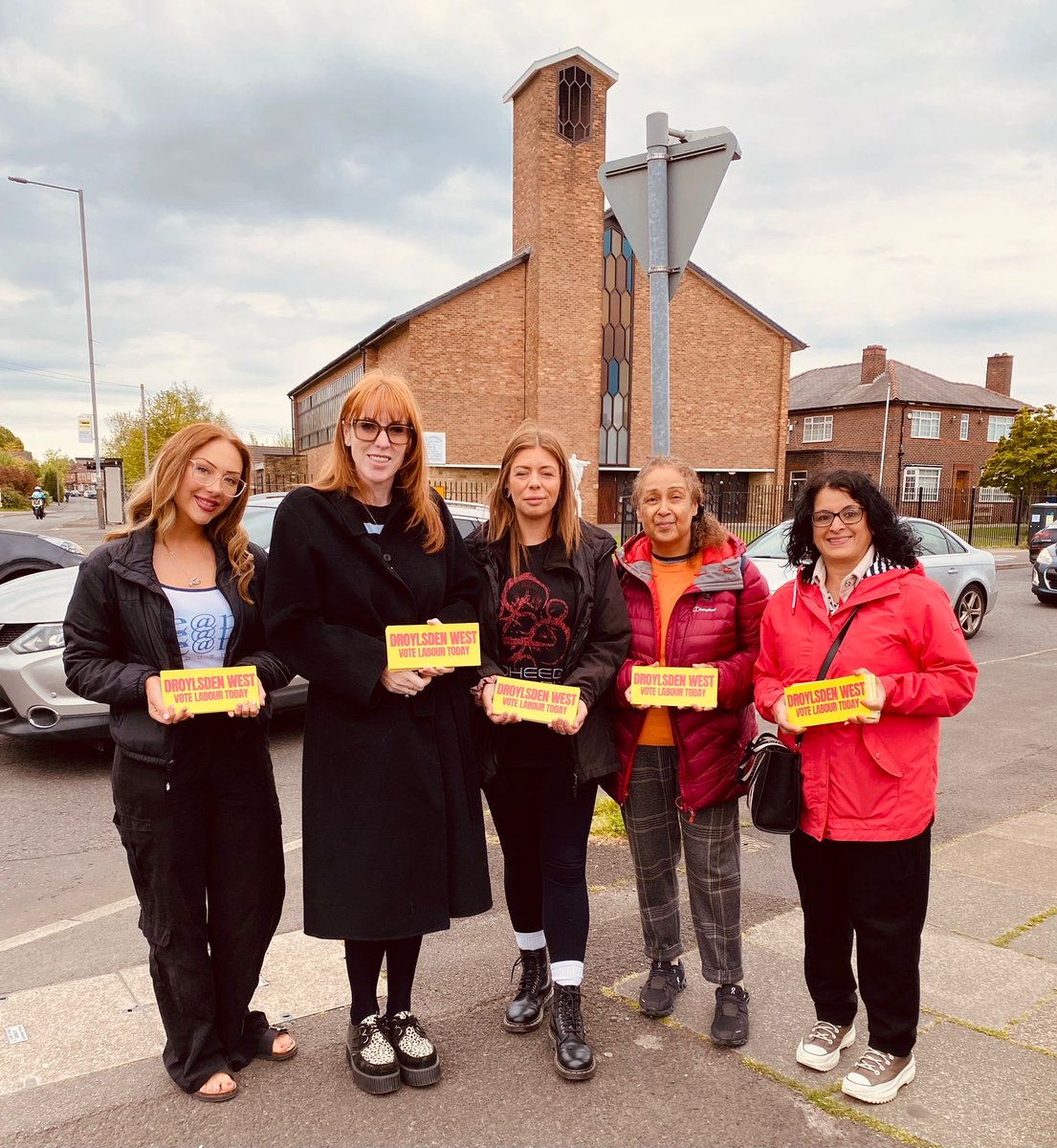
📆🗳️ Time is running out to cast your vote in today’s local elections 🗳️📆
⏰⏰Polls close at 10pm ⏰⏰
🗣️✏️Today, make sure you’re among millions of voters deciding the future of your local community✏️🗣️
🌹🌹Vote Labour before 10pm today🌹🌹
1,875
153
703
86,013