
⚖️ Building a better legal framework for animals 🐖🐓🦞🐄🐟
Joined September 2022
- Tweets 1,097
- Following 185
- Followers 862
- Likes 1,209
733 Photos and videos


When bringing a legal challenge concerning animal protection, is there a risk the government will dilute the law instead of enforcing it?
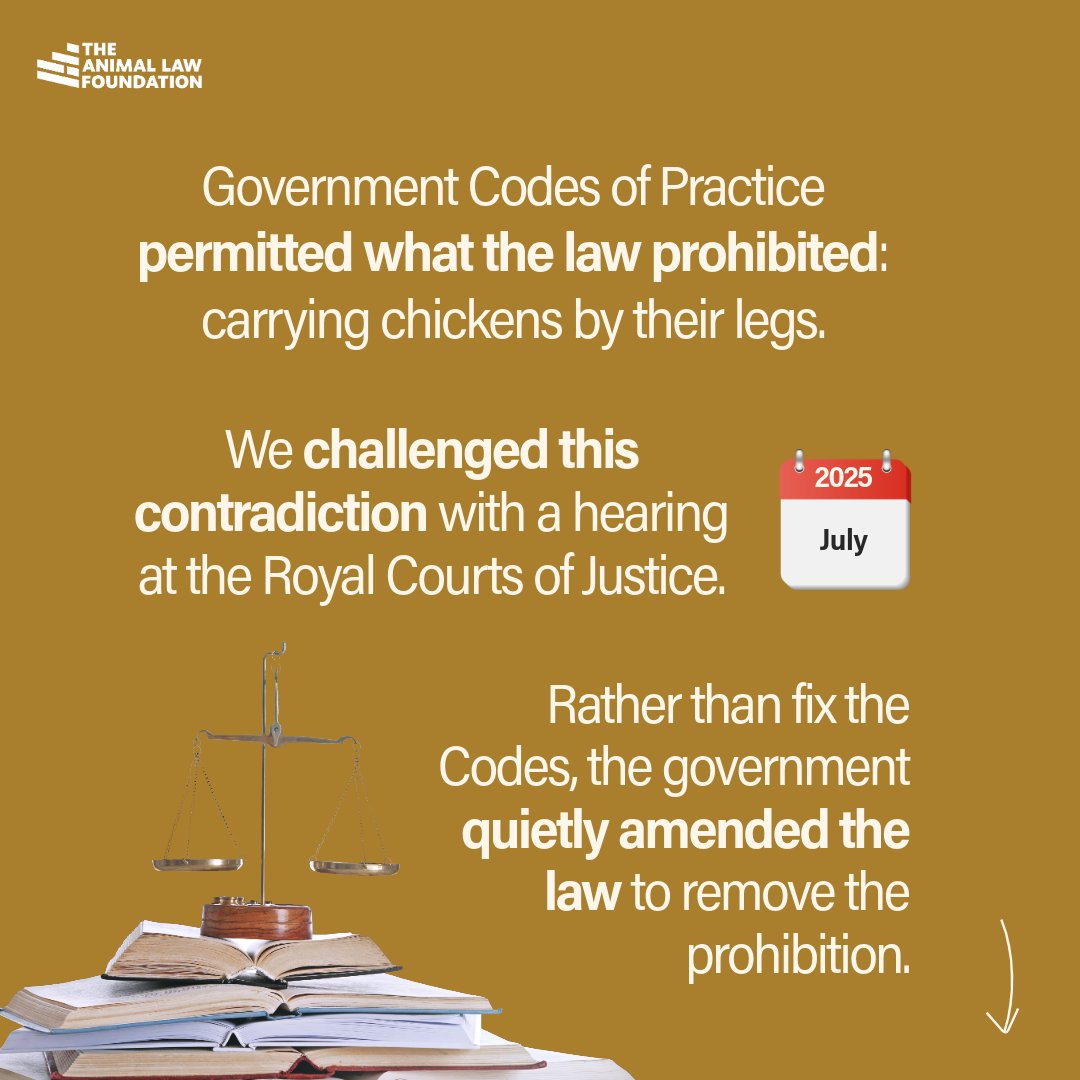
Until recently, EU-derived legislation prohibited chickens from being carried by their legs during transport and related operations in the UK. Yet standard practice is for handlers to pick up multiple chickens at a time by the legs, causing suffering and injuries.
We challenged this practice in court, but rather than enforce the law, the government amended it through a rushed process with no scrutiny. This is the first dilution of animal protection law since Brexit, despite promises that would not happen.
Whilst this was not the outcome we wanted, it did not change anything for chickens in practice, and it put the government on notice that unlawful practices and their poor enforcement are being scrutinised.
Industry will always push for what is commercially convenient, but we believe challenging illegal practices is essential to ensure animals receive the legal protection they deserve.
Listen to the full discussion "Inside the legal fight against animal farming": youtube.com/watch?v=-caz82tO…
#AnimalLaw #AnimalProtection
2
42
What does it mean for an animal to have legal protection?
The emergence of animal protection law in the nineteenth century has paved the way to change the way animals are treated.
🧵
1
1
7
123
When animal protection cases reach a courtroom, the outcome is not the only thing at stake. The very act of judicial consideration legitimises a subject – human or non-human – as worthy of the law's attention.
Every case and piece of legislation helps reframe society’s relationship with animals – as subjects of protection with a place in our legal system.
🧵
1
2
47
The Animal Law Foundation exists to ensure the laws in place to protect animals function as they should.
Learn more: animallawfoundation.org/
#AnimalLaw #AnimalProtection
2
32
Up until July 2025, UK law prohibited carrying chickens by their legs, a practice that causes suffering and injuries including breathing difficulties and broken bones.
However, while the law prohibited it, government Codes of Practice permitted it and this cruel handling method has been accepted as standard practice.
🧵
1
2
3
67
When we challenged this, the government didn't correct the Codes to align them with the law – they changed the law instead, silently removing the prohibition with little to no scrutiny.
We believe the consultation behind that decision was neither fair nor genuinely open, and the judge gave us permission to proceed with our judicial review and to amend our grounds to challenge the consultation.
🧵
1
2
36
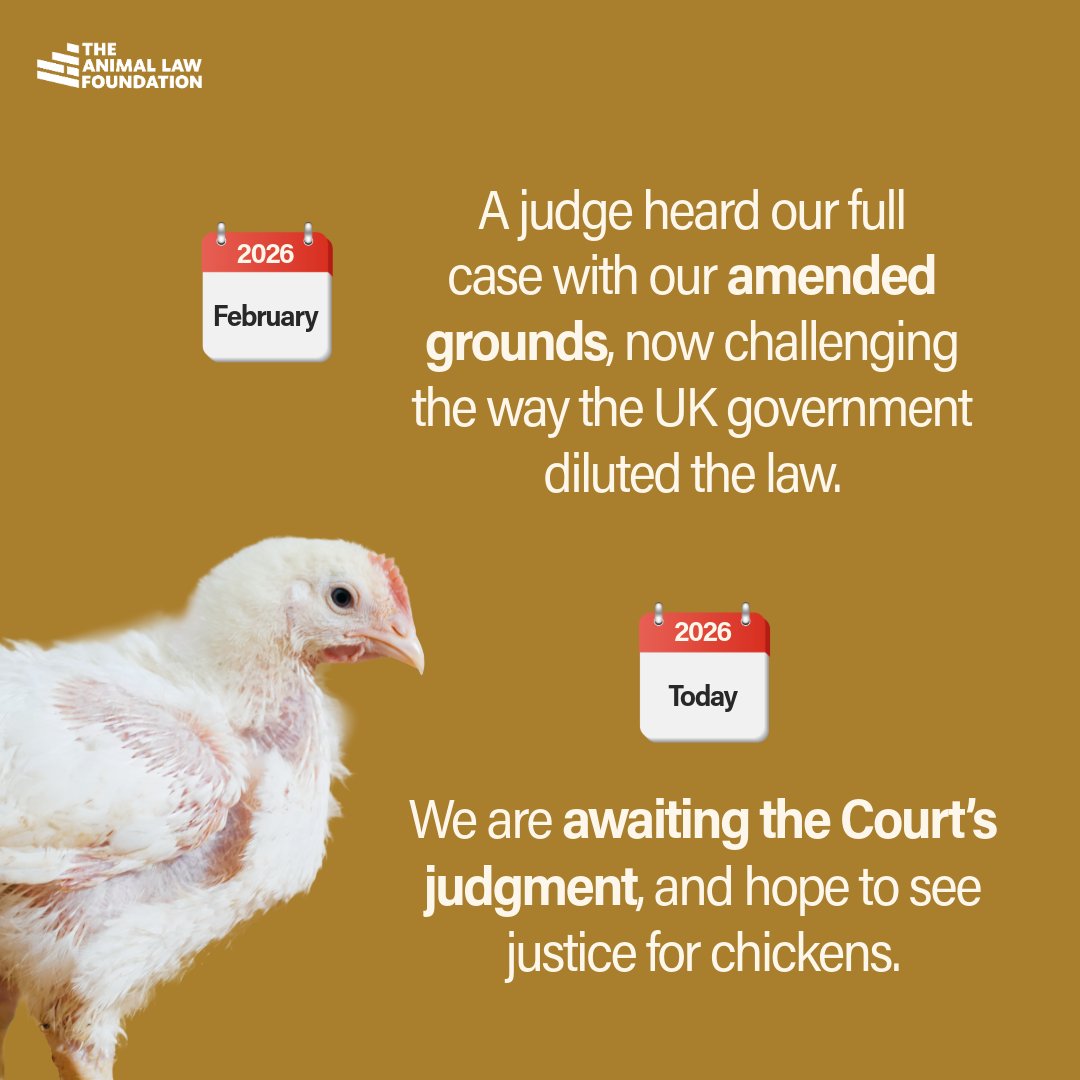
We put our full case before a judge in February 2026 and are now waiting on the judgment.
A ruling in our favour could see the amendment quashed – restoring the original prohibition and making the current Codes of Practice unlawful once again.
Read more: animallawfoundation.org/chic…
#HandleWithCare #AnimalLaw #AnimalProtection
2
20
There are many farming practices that would shock consumers if they had the full picture.
Mutilations, prolonged confinement, harmful selective breeding are some of the industrial farming practices that are standard in the UK. 85% of all farmed animals in this country are raised in industrial farms.
Meanwhile, the image given to consumers is one of green pastures and high-welfare family farms.
The Animal Law Foundation believes consumers should know the truth in order to make informed decisions, as the law stipulates.
Join us in tackling #FoodChainMisinformation. Share this video.
Find out more: animallawfoundation.org/misi…
#AnimalLaw #AnimalProtection #ConsumerProtection
13
18
401
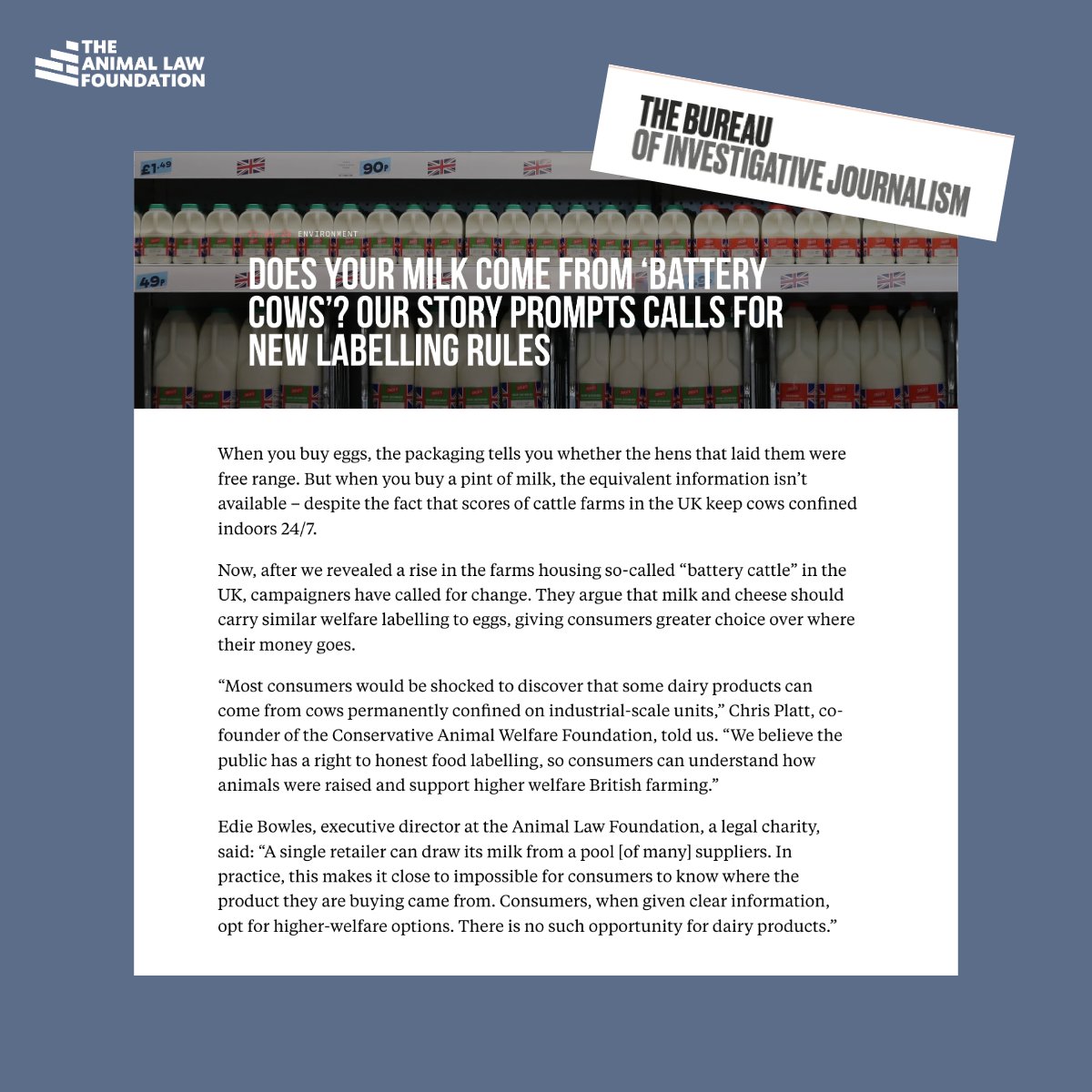
Does your milk come from ‘battery cows’? writes @TBIJ
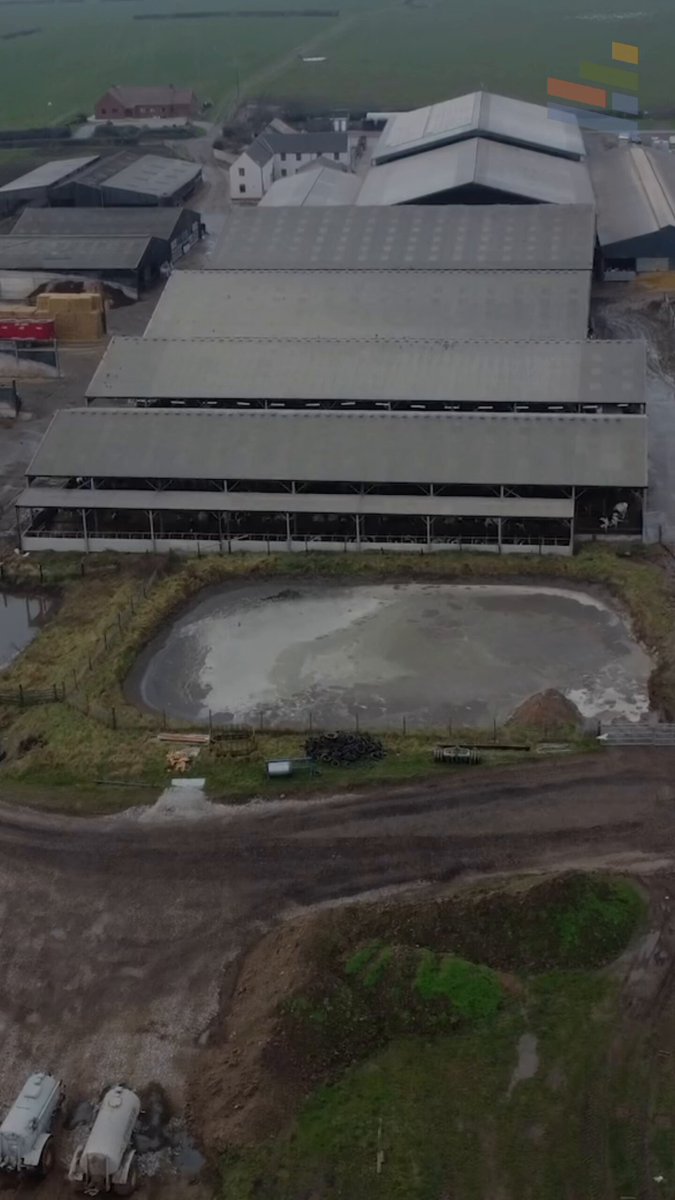
The Bureau of Investigative Journalism has found that there has been a rise in farms housing cows confined indoors 24/7 in the UK.
Many of these intensive dairy farms supply major supermarkets, while consumers are left in the dark when it comes to the origin of the dairy products they buy.
Our Executive Director, Edie Bowles, said:
“A single retailer can draw its milk from a pool [of many] suppliers. In practice, this makes it close to impossible for consumers to know where the product they are buying came from. Consumers, when given clear information, opt for higher-welfare options. There is no such opportunity for dairy products.”
“The way animal agriculture is portrayed often contrasts with the reality of animal life on farms”
Read the full article: thebureauinvestigates.com/st…
Find out more about #FoodChainMisinformation: animallawfoundation.org/misi…
#AnimalProtection #ConsumerProtection
1
4
67
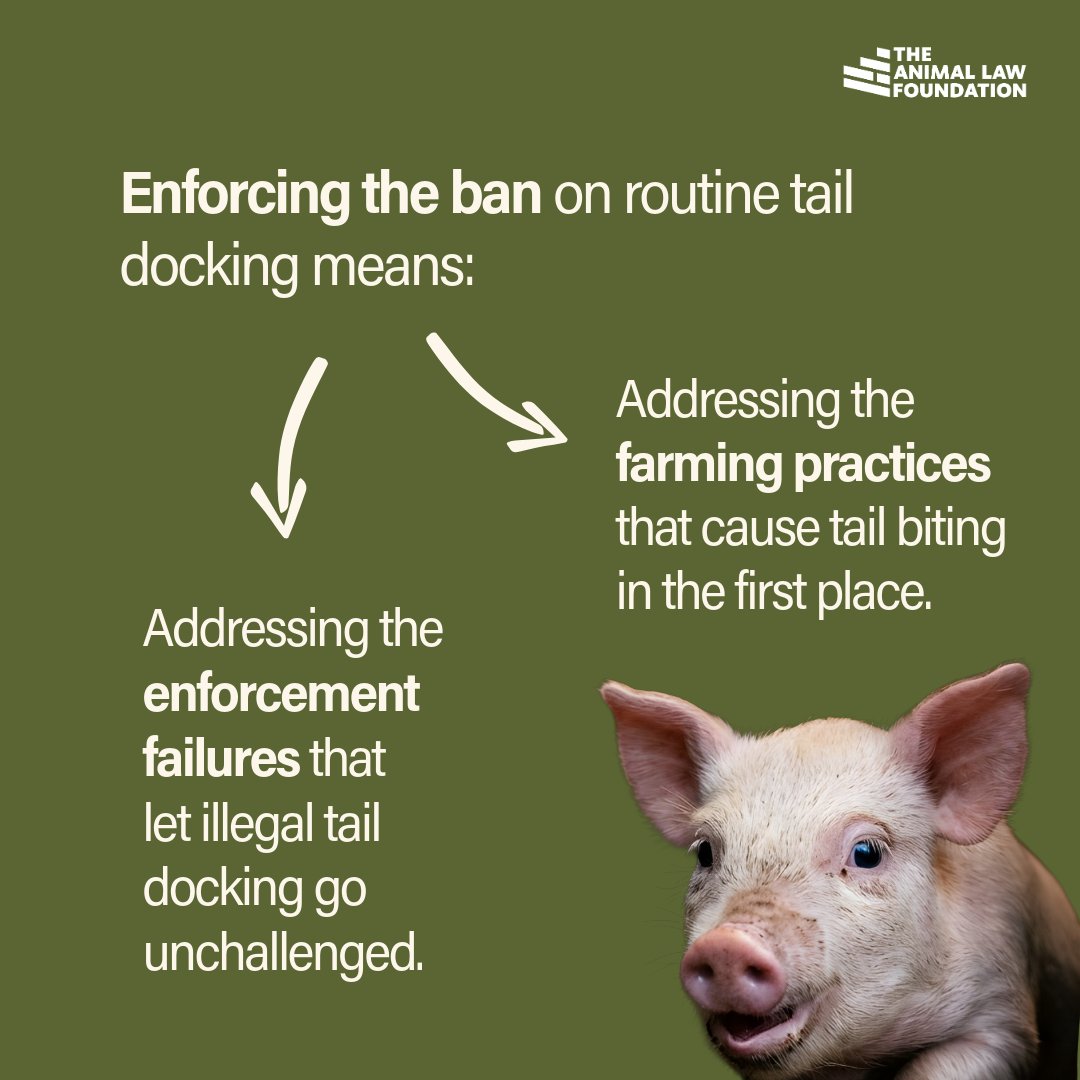
Tail docking is a mutilation – prohibited by Section 5 of the Animal Welfare Act 2006, Section 5 of the Welfare of Animals Act (Northern Ireland) 2011, and Section 20 of the Animal Health and Welfare (Scotland) Act 2006.
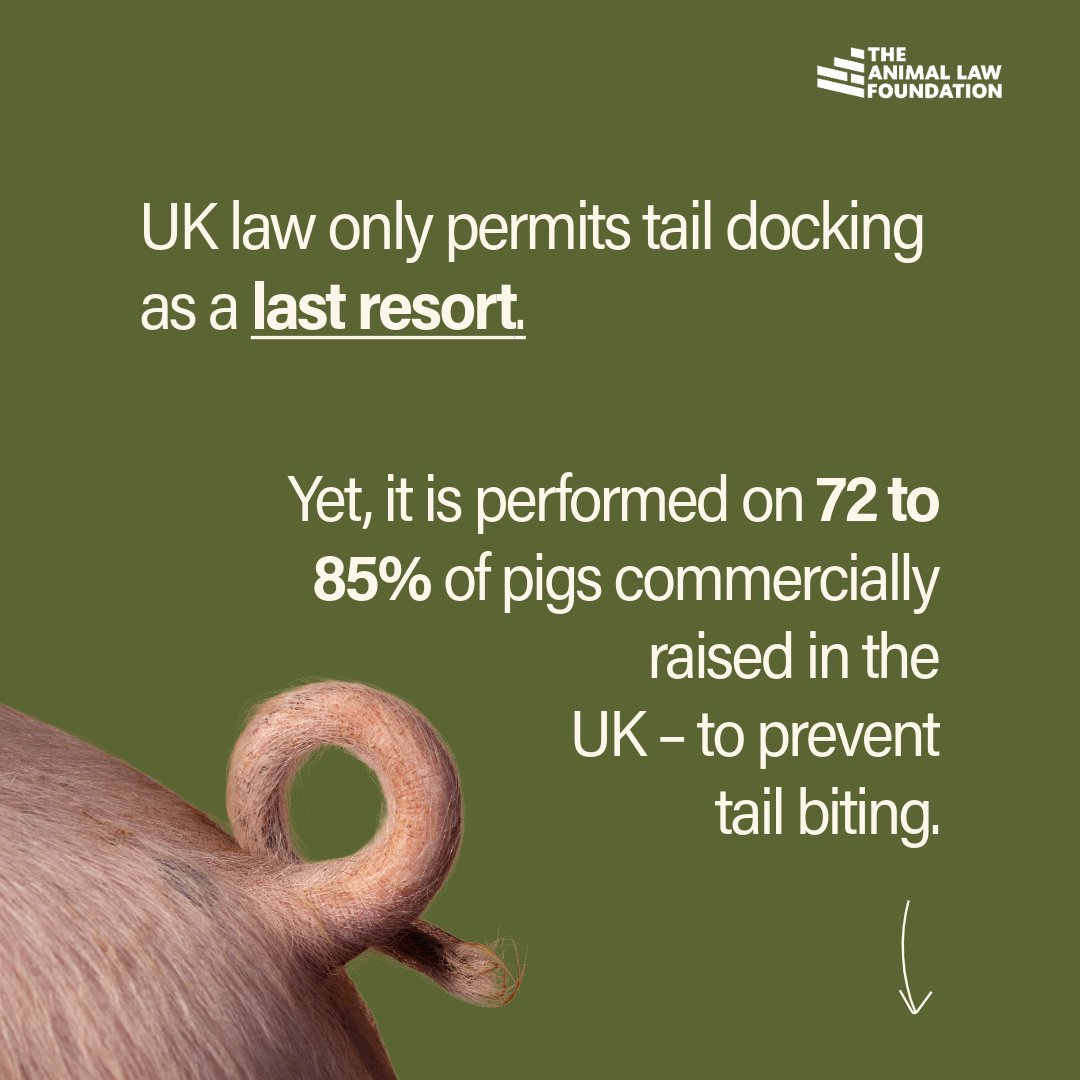
It may only be performed as a last resort as laid out by the Mutilations (Permitted Procedures) (England) Regulations 2007, and the equivalent legislation in the rest of the UK, after measures to improve environmental conditions or management have been taken to prevent tail-biting. Even then, there must be evidence that biting injuries have actually occurred.
Yet 72 to 85% of commercially raised pigs in the UK have their tail mutilated, showing the law is being ignored at scale.
🧵
1
11
14
415
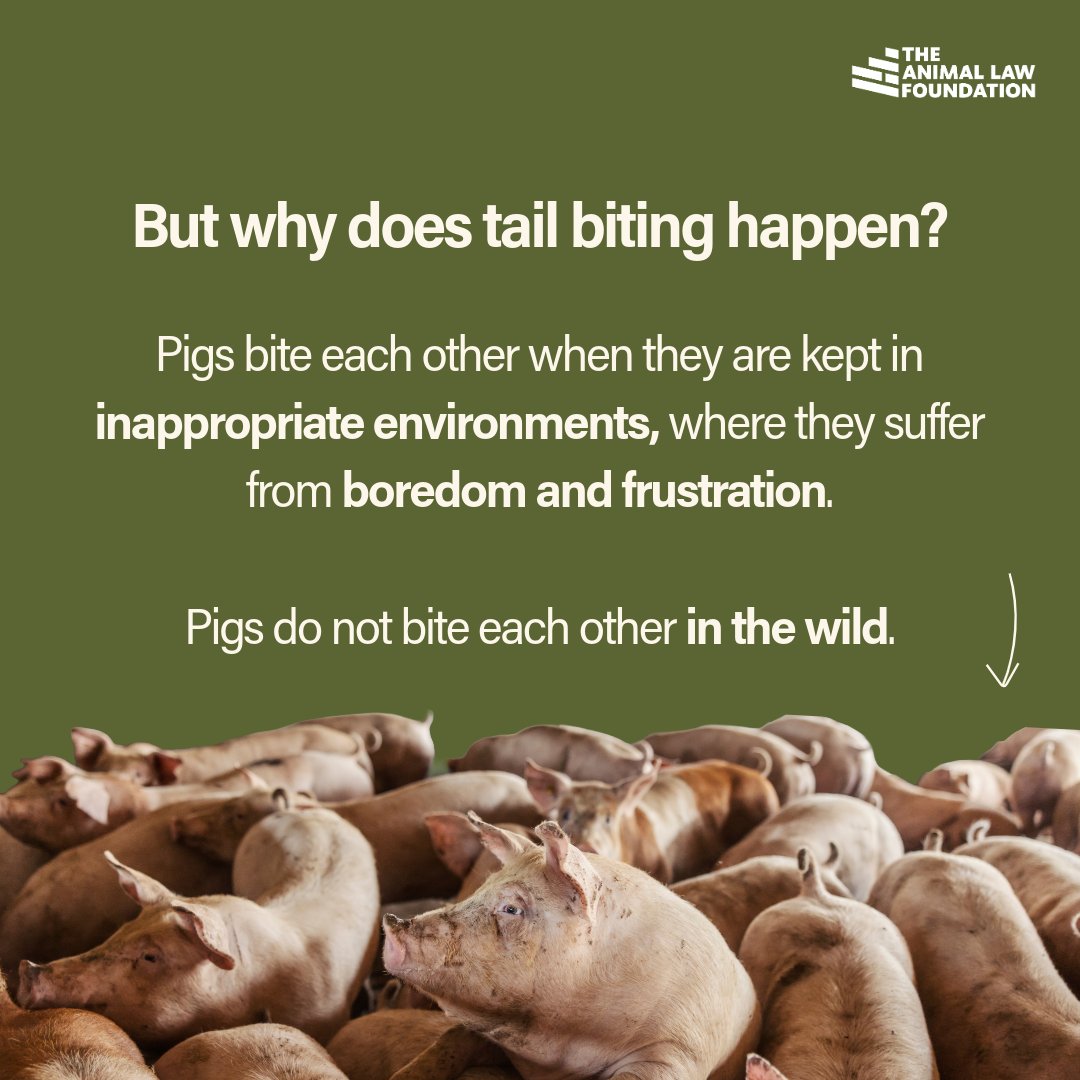
Changing this means addressing the systemic failures in enforcement, and the root causes of tail biting within industrial farming settings – as other countries like Finland, Switzerland, Norway and Sweden have already done.
🧵
1
1
2
71
Read our report, “A Pig’s Tail - How Europe is moving beyond routine tail docking”: animallawfoundation.org/repo…
#APigsTail #AnimalLaw #AnimalProtection
1
2
46
The Animal Law Foundation retweeted

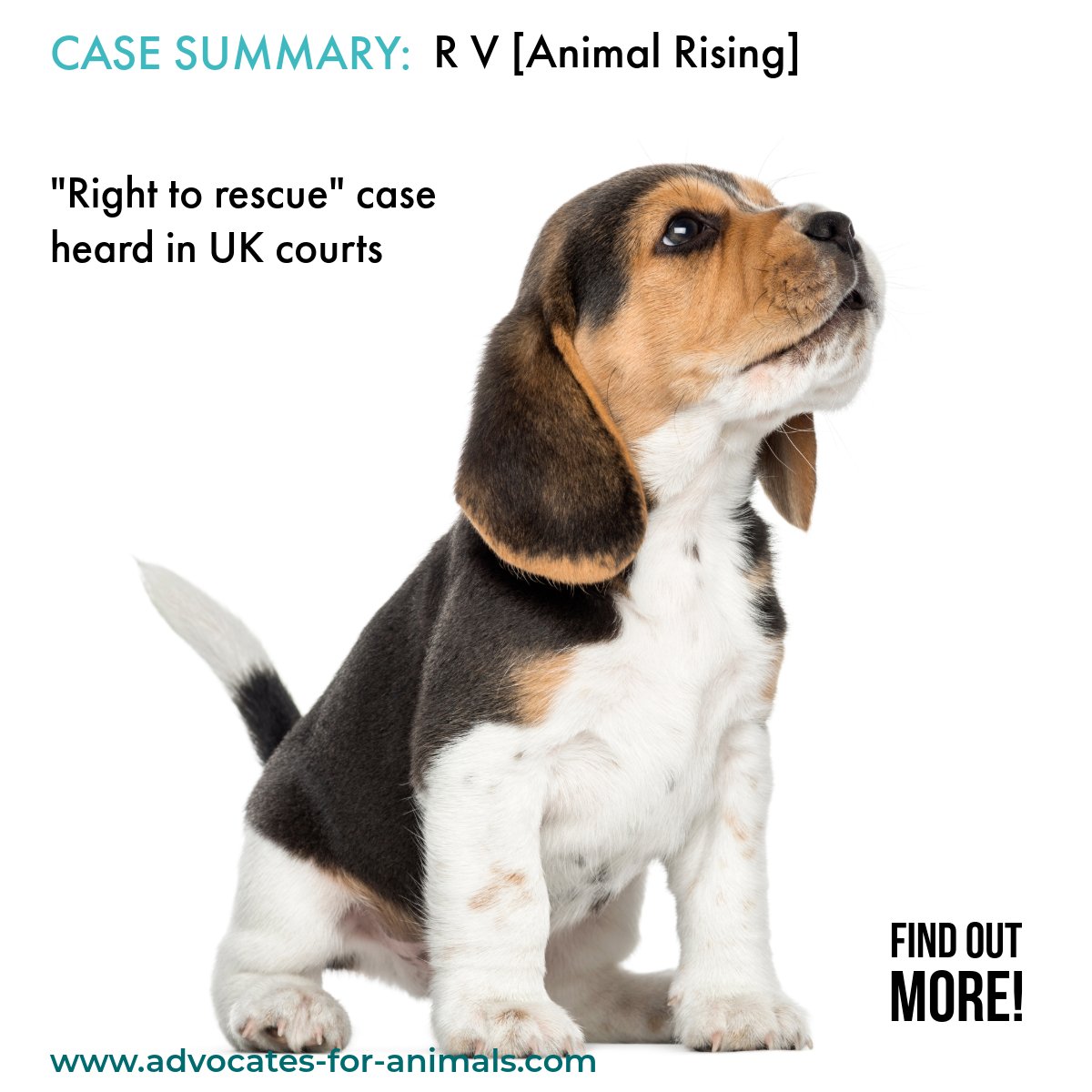
5 activists linked to @AnimalRising were acquitted after rescuing 18 beagles from a facility that breeds dogs for animal testing. The defendants acknowledged their role in the rescue, arguing their actions were driven by compassion for animals. Summary: tinyurl.com/2sd5hsjv
1
8
11
165
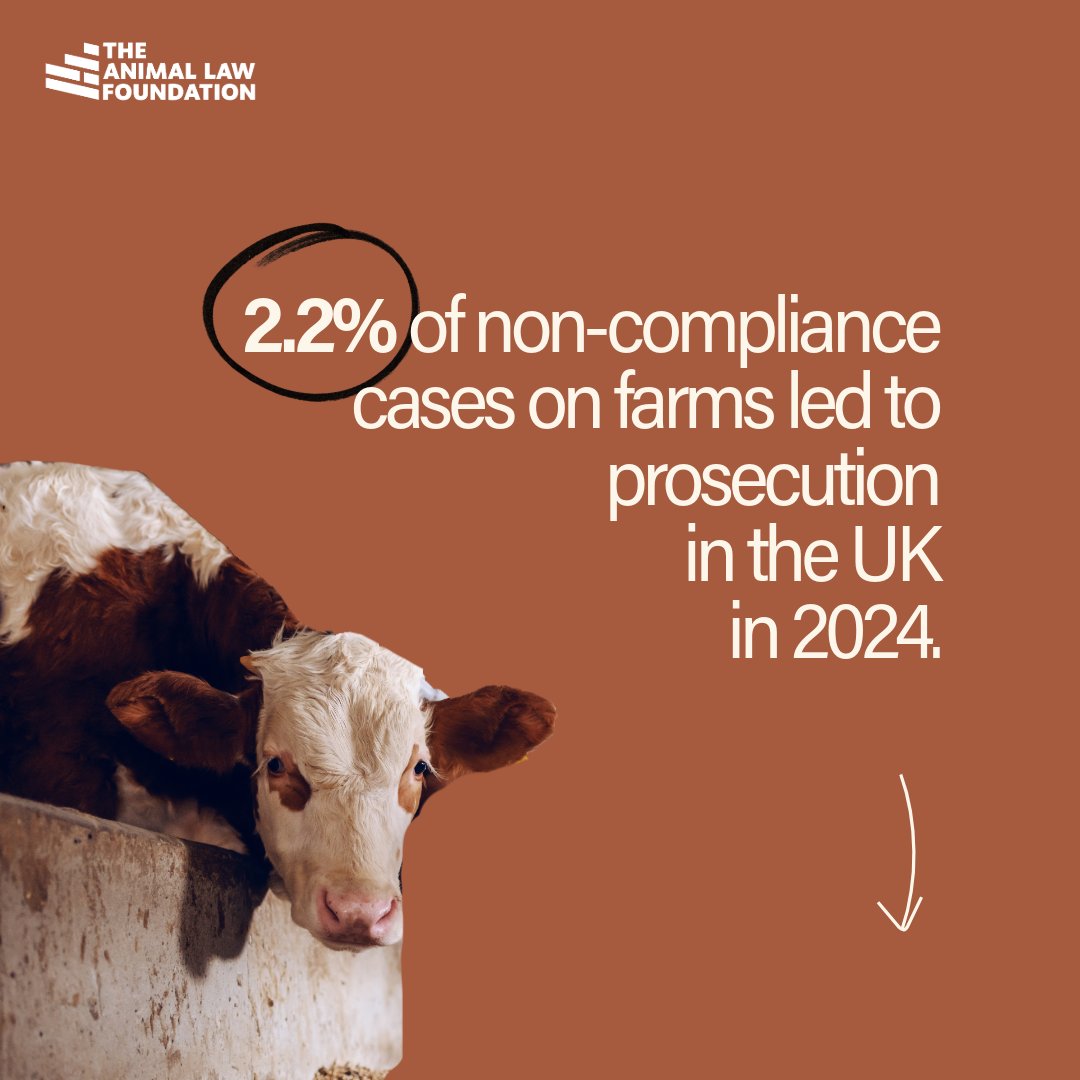
2.2%.
That's how many cases of non-compliance with animal protection law on farms led to prosecution in the UK in 2024.
Non-compliance is the failure to meet the minimum legal standards that were created to protect animals from a whole host of maltreatment, and ensure their welfare needs are met.
🧵
1
6
15
2,472
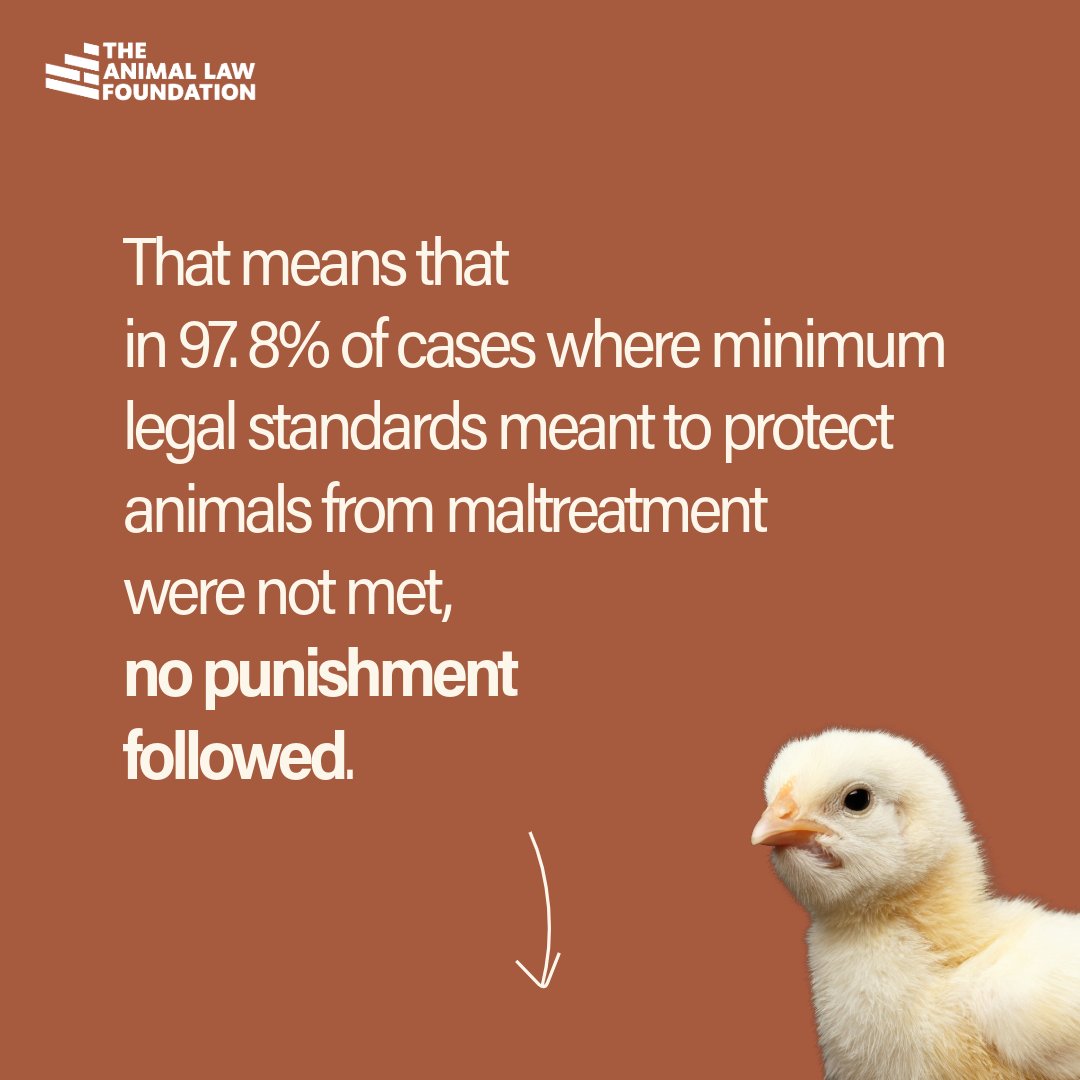
When 97.8% of cases of non-compliance with the law go unpunished, the animal protection enforcement system is failing the 1.2 billion animals farmed in the UK – undermining the integrity of the legal system itself.
🧵
1
3
5
85
It’s time to tackle The Enforcement Problem and put animals back into the Animal Welfare Act.
Read our findings and find out how to take action: animallawfoundation.org/enfo…
#TheEnforcementProblem #AWA20 #AHWA20 #AnimalLaw #AnimalProtection
2
4
61
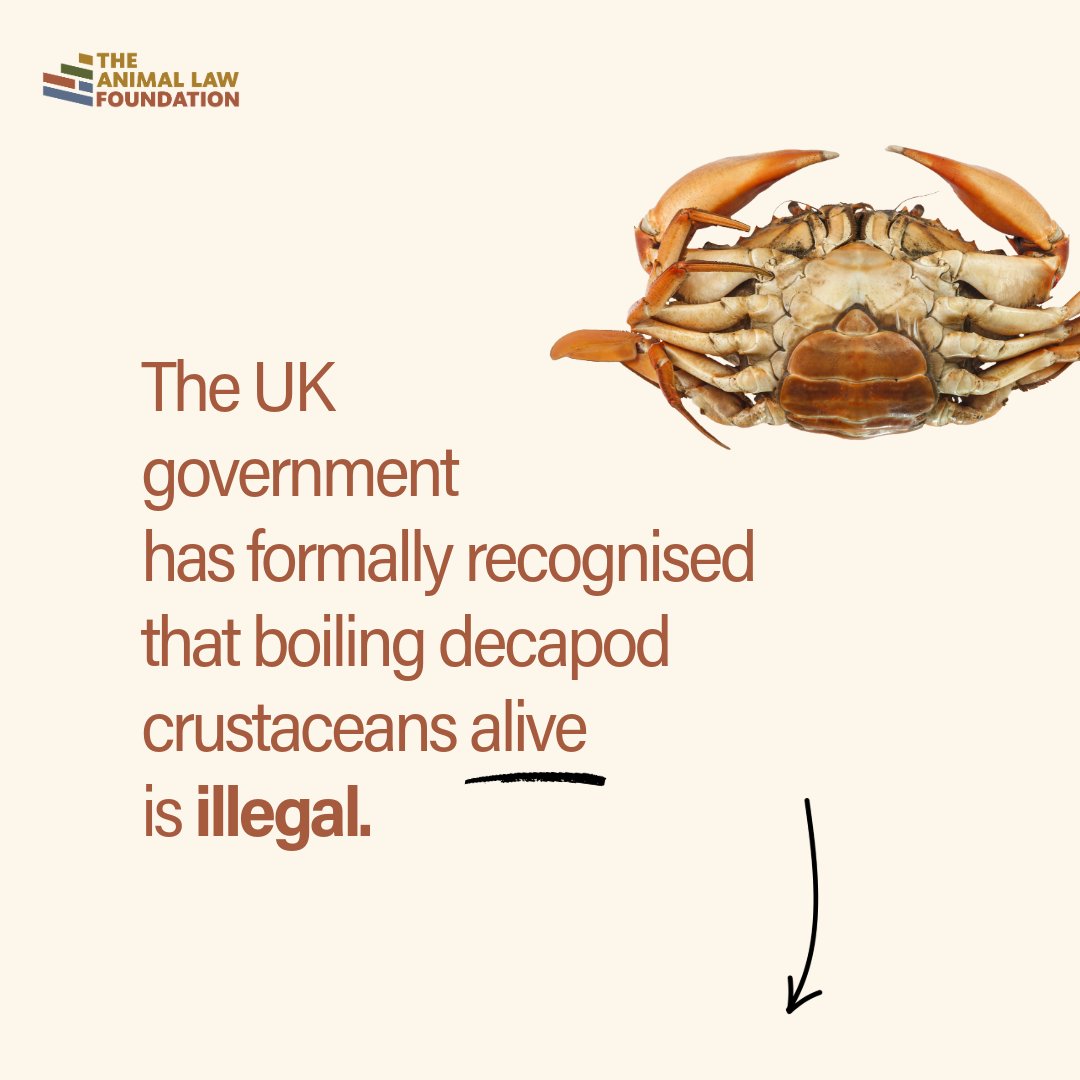
The law is clear. The science is clear. 🦞
In December 2025, the UK government officially recognised that boiling these animals alive is unlawful under current law.
🧵👇
1
8
10
191
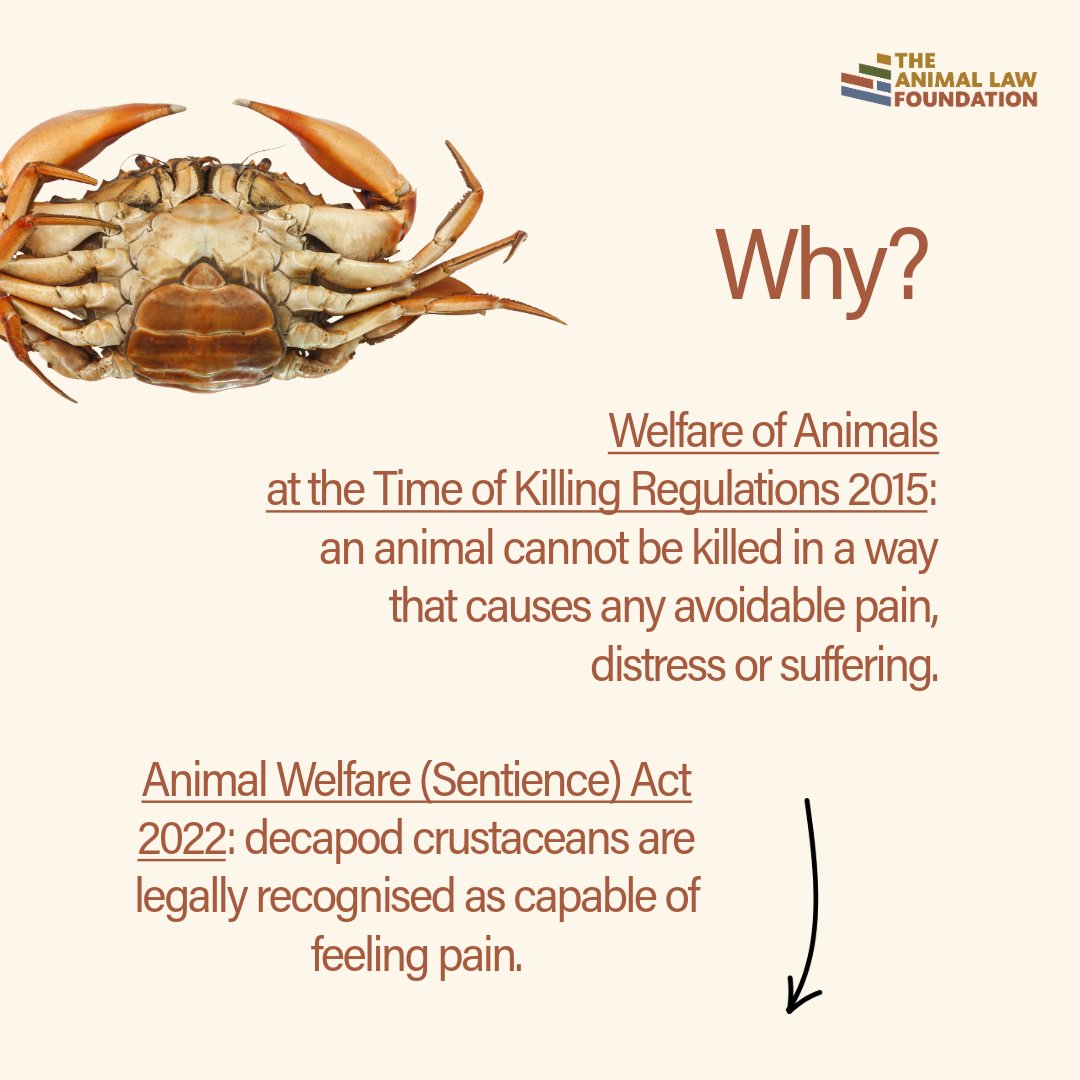
Under the Welfare of Animals at the Time of Killing Regulations 2015, causing avoidable suffering to animals is illegal. Under the Animal Welfare (Sentience) Act 2022, decapod crustaceans are recognised as sentient beings capable of feeling pain.
🧵👇
1
2
3
34
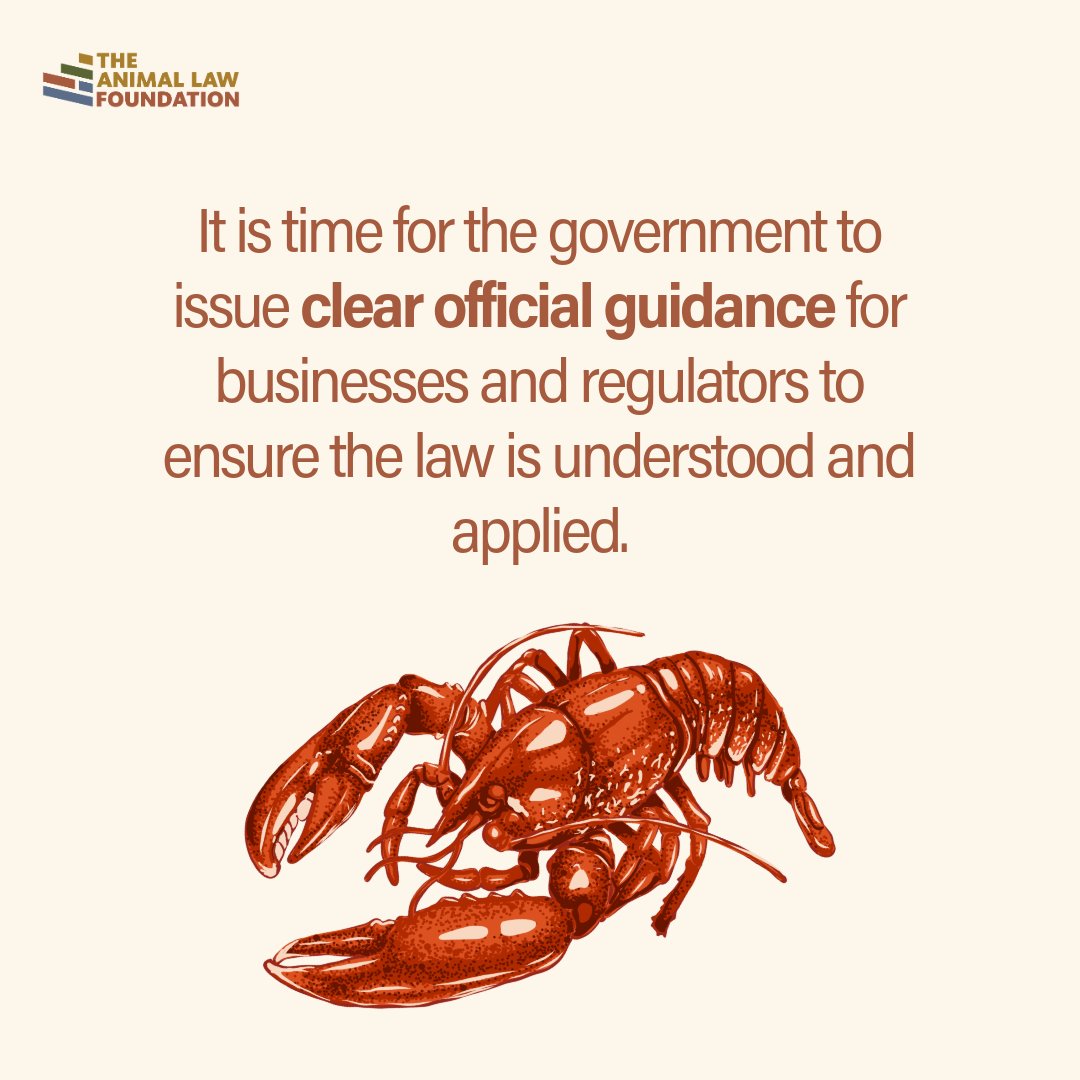
What’s missing is enforcement. We’re calling for detailed official guidance setting out what these legal protections for crustaceans mean in practice for businesses and regulators.
Find out more: animallawfoundation.org/crus…
#PainAtTheTimeofKilling #AnimalLaw #AnimalProtection
2
20
In 1822 Parliament passed the Ill Treatment of Cattle Act – better known as Martin’s Act – championed by Irish MP Richard Martin.
For the first time, cruelty to certain animals was recognised in national law.
Over time, protections expanded. What began as a narrow protection slowly evolved into a framework.
Today, much of that framework sits under the Animal Welfare Act 2006 – largely governing animals under human control – alongside separate regimes for other animals, such as wildlife.
On paper, there are a whole host of legal protections.
And yet…
In this episode of The Disclosure, @earthling_ed sits down with our Executive Director Edie Bowles, to trace this journey – and confront the uncomfortable question:
If the legal foundations have strengthened over two centuries, why are more animals than ever caught in industrial systems today?
Watch the full episode "Inside the legal fight against animal farming": youtube.com/watch?v=-caz82tO…
3
2
50