
Nosce Te Ipsum
Joined November 2021
- Tweets 255
- Following 88
- Followers 24
- Likes 260
37 Photos and videos















Integral Anomaly retweeted

May 18
HIDDEN HISTORY 101
This video covers ALL of the conspiracy theories:
- Tartaria
- Free Energy
- Giants
- Airships
- Great Fires
- World Fairs
- Orphan Trains
- Insane Asylums
- Baby Incubators
- Satan's Little Season
...and more
How much of this is myth/fiction...and how much was only portrayed as such as a deceptive cover to hide our true past? 🤔
Open your mind, take the dive, and share your thoughts! 👇
[🎥yt: archivist]
75
1,307
4,026
142,412
Integral Anomaly retweeted

19 Dec 2025
Everything is fake... nothing is real anymore. 🔺👁️
166
1,684
5,554
126,503


13 Nov 2025
RT @CitoyenInitie: L'une des plus grandes arnaques de l’histoire :
En 1913, les banquiers privés prennent le contrôle du dollar avec la cr…
792
1
Integral Anomaly retweeted

7 Oct 2025
You need to understand this simulation.
—-
PDF / Book: revivalofwisdom.com/products…
2
11
32
4,406
Integral Anomaly retweeted

28 Apr 2025
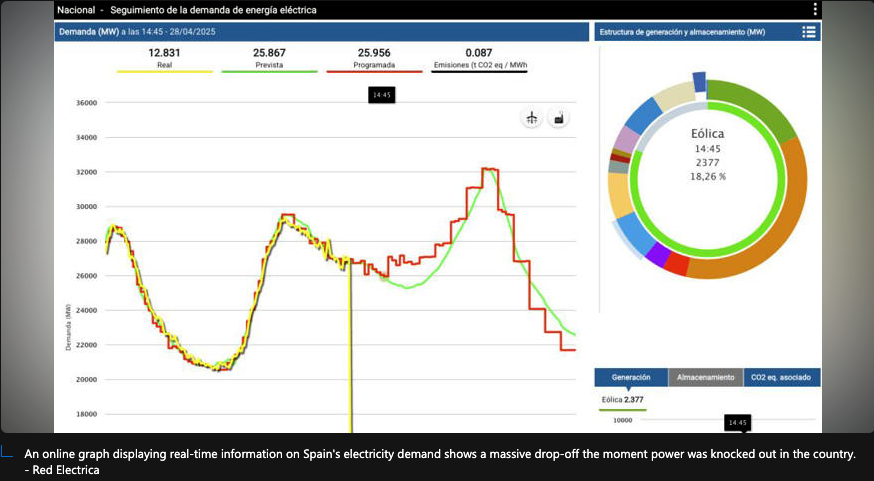
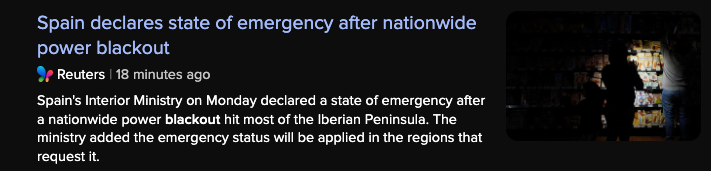
The Blackout of Today: Why a Decentralized Grid Is the Key to a More Resilient Future
Today’s blackout serves as a stark reminder of the vulnerabilities in our energy systems.
Imagine a road network where a single accident on a main highway causes a complete traffic block in surrounding cities.
A similar situation occurs when a transmission line fails.
The traditional power grid is built on a centralized system that relies on a few large power plants
Which are not always able to handle sudden spikes in demand or faults, leading to large-scale blackouts.
This problem becomes even more evident with the rise of renewable energy sources and the growing demand for electricity
Particularly with the increase in electric vehicles and smart devices.
The current grid is not designed to handle energy produced in a distributed manner or to respond quickly to sudden changes.
Without real-time adaptability, faults can quickly spread like a chain reaction.
It’s like a city where every road is connected to a single exit.
When one of those roads is blocked, the entire system comes to a halt.
The solution to this problem may lie in a radical shift, and here is where @energywebx comes into play.
Imagine driving on a busy road where every vehicle can communicate with others and with the traffic management system to avoid congestion.
If an accident blocks a road, other vehicles would automatically know how to divert and avoid the problem.
Wouldn’t that be a much smarter and more responsive system?
A similar system is what @XEnergyWeb is building in the energy world. $EWT
Instead of relying solely on large power plants to distribute energy to homes and businesses
The idea is that every solar panel, electric vehicle, and battery has a "voice" in the grid.
Essentially, these devices can exchange information in real time, for example, if a part of the grid needs more energy or if there's too much in one area.
Rather than experiencing a blackout like the one today, the system is designed to adapt in the following ways:
🟣It self-regulates instantly to maintain energy balance.
🟣It responds quickly to fluctuations in energy demand.
🟣It adjusts consumption proactively to prevent overloads
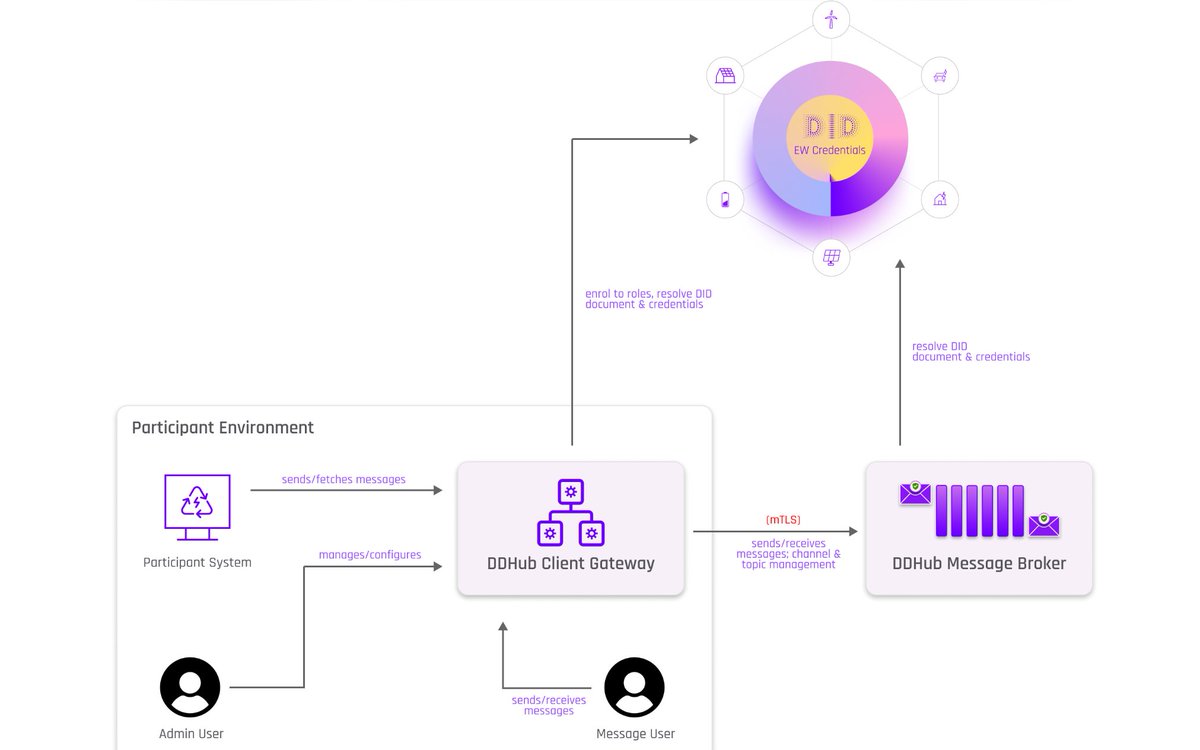
This is where a technology called Digital Spine comes in, acting as a digital backbone that connects everything
And allows devices and systems to communicate smoothly.
It’s like having a “brain” coordinating everything in real-time, preventing issues in one part of the grid from spreading to the entire city.
This makes the whole energy system much more resilient and adaptable
Ready to respond to any unforeseen events, much like how traffic can be rerouted to avoid disruptions.
In simple terms, this technology not only helps avoid blackouts but also makes the energy grid much more flexible and secure.
We could say that, with this technology, our energy system becomes more like traffic that knows how to adapt
Improving efficiency and also protecting the environment.
This ensures that even in emergency situations, the system can continue to function without interruption, protecting both the environment and the economy.
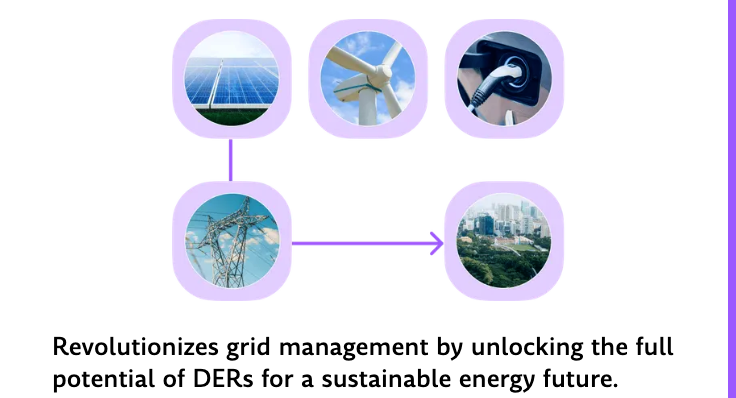
10
18
61
5,566
Integral Anomaly retweeted

28 Apr 2025
Electricity grids are under pressure ⚡
Demand is surging. Renewables are growing fast but volatility is rising fast too, as we saw with the blackouts in Spain and Portugal.
The solution is clear: a smarter grid built on a Digital Spine 🌍
23
45
128
4,620
Integral Anomaly retweeted

9 Apr 2025
2025 new trader : wtf is going on
118
521
3,015
111,868
Integral Anomaly retweeted

9 Apr 2025
Over the past few months, we've been fine-tuning our brand to better represent our vision of a future with digital sovereignty. 🌐✨
Today, we are thrilled to announce the launch of Elastos' new revamped look! 🚀
Learn more about the changes here: bit.ly/44hRKTG

14
36
105
3,838
Integral Anomaly retweeted

28 Mar 2025
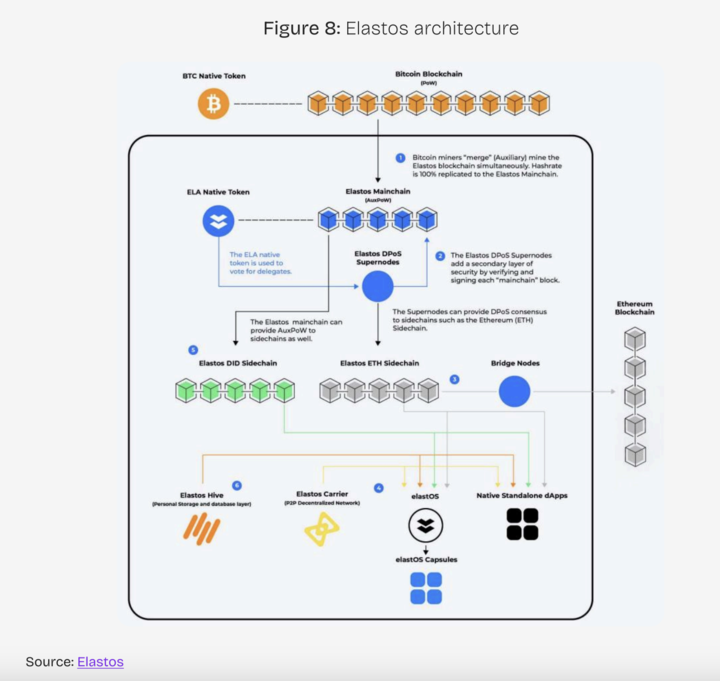
⚡️ RESEARCH: Bitcoin’s Role in DeFi Is Expanding Through Secure, Trustless Frameworks
Bitcoin is evolving from a passive asset to a foundational layer for decentralized finance (BTCFi).
Elastos is pioneering this shift, leveraging Bitcoin’s security through merged mining and its BeL2 protocol, enabling trustless transactions without custodians.
Institutional backing, like Rollman Capital’s $20M investment, accelerates ecosystem growth. Key innovations include decentralized identity (DID) and Bitcoin-pegged assets, enhancing liquidity and usability.
However, regulatory and technical hurdles remain. BTCFi’s success hinges on real adoption, security, and utility, positioning Bitcoin as a core player in DeFi’s next phase.
[Research Marketing]
52
64
210
36,373
Integral Anomaly retweeted

28 Mar 2025
"Erase a people’s past, and you control their future." – George Orwell
A Thread: Unveiling the Lies That That Changed Our History 🧵
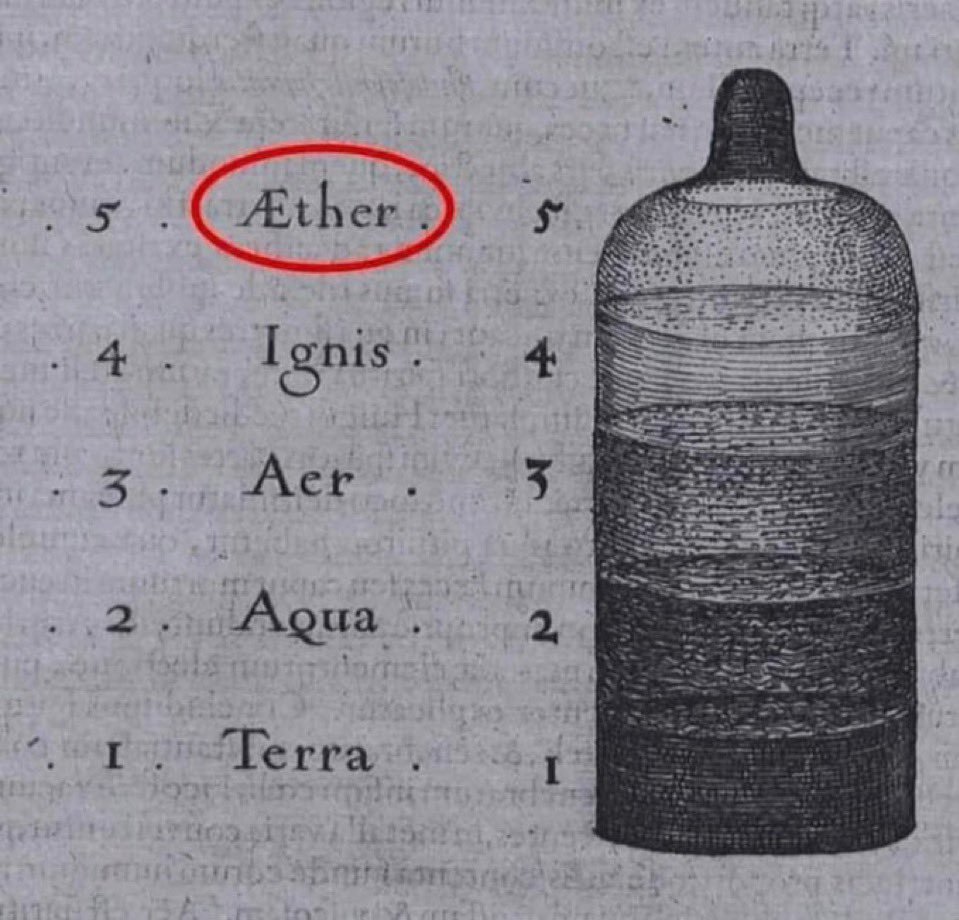
1. The Forgotten Element: ÆTHER
728
9,621
51,671
9,583,805
Integral Anomaly retweeted
24 Mar 2025
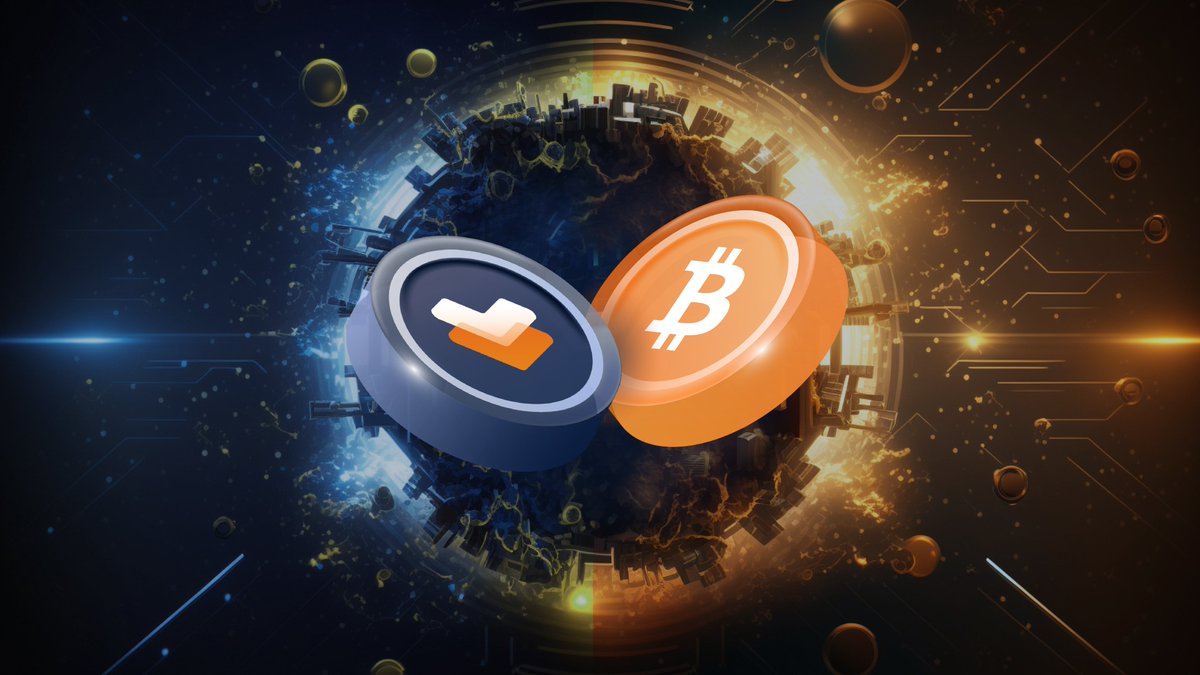
Bitcoin's power is undeniable. It changed the game.
At Elastos, we are all about enhancing it. We give BTC holders the tools to unlock more value.
DeFi for Native Bitcoin - BTCFi is here!
Stay tuned...
6
32
99
3,115
Integral Anomaly retweeted
23 Mar 2025
Check out the full article: cointelegraph.com/news/btcfi…
4
18
75
33,755
Integral Anomaly retweeted
23 Mar 2025
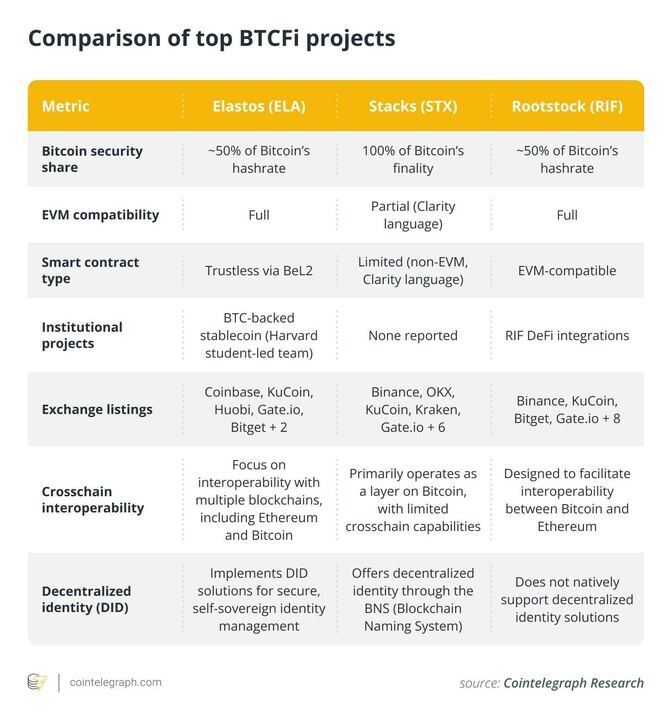
⚡️ RESEARCH: BTCFi is making Bitcoin a DeFi powerhouse.
Elastos secures ~50% of BTC’s hashrate and enables trustless lending, BTC-backed stablecoins, and crosschain transactions via BeL2.
Compared to Stacks & Rootstock, it offers full EVM compatibility, institutional adoption, and DID solutions, positioning it as a leader in Bitcoin DeFi.
[Research Marketing]
96
96
360
63,639
Integral Anomaly retweeted

16 Mar 2025
The Most Surreal Places in the World
Open the Thread and be Amazed🧵

Community note
This is fake. The image is AI generated.
This is what the actual road looks like:
en.wikipedia.org/wiki/Karakoram…
1,071
9,013
114,032
29,741,011
Integral Anomaly retweeted

30 Jan 2025
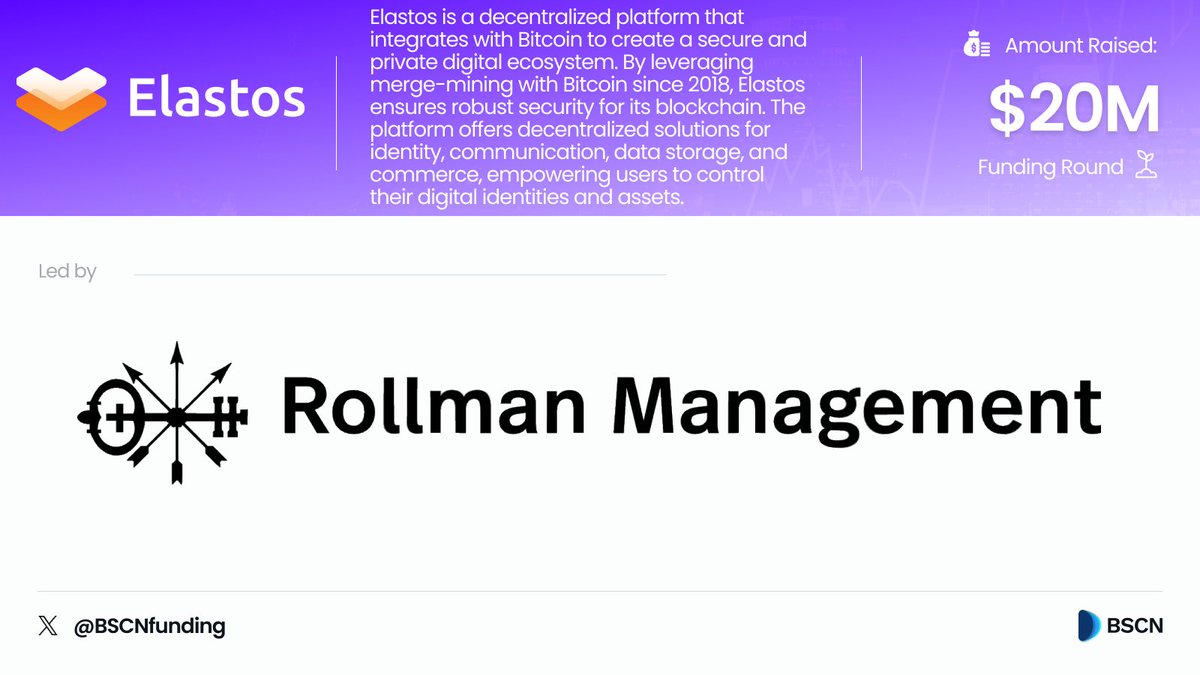
FUNDING ANNOUNCEMENT: Decentralized internet ecosystem @ElastosInfo has raised $20M in a funding round which saw investment from...
@rollman_group
7
14
72
3,247
Integral Anomaly retweeted
30 Jan 2025
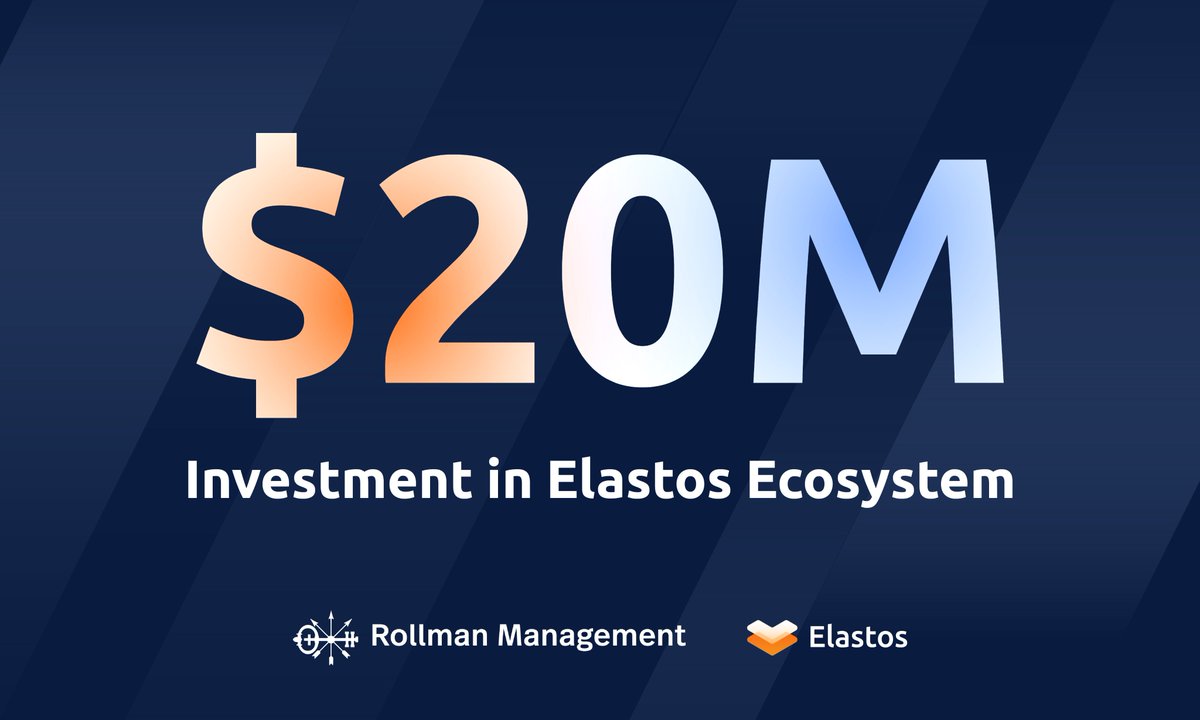
Elastos secures a $20M investment from Rollman Management!
This significant funding from @rollman_group will accelerate positioning $ELA as Bitcoin's merged-mined reserve asset and Elastos as BTCFi pioneer & Web3 creator economy leader.
📖 bit.ly/ELA_investment
65
96
366
1,381,484

EXCLUSIVE: @ElastosInfo, which aims to scale its Bitcoin DeFi protocol BeL2 as a utility layer for the oldest blockchain, has raised $20 million to help it achieve this goal. By @JamieCrawleyCD.
trib.al/McqEEzq
42
86
178
36,566
Integral Anomaly retweeted

30 Jan 2025
Elastos joins the big leagues with $20M investment from @rollman_group!
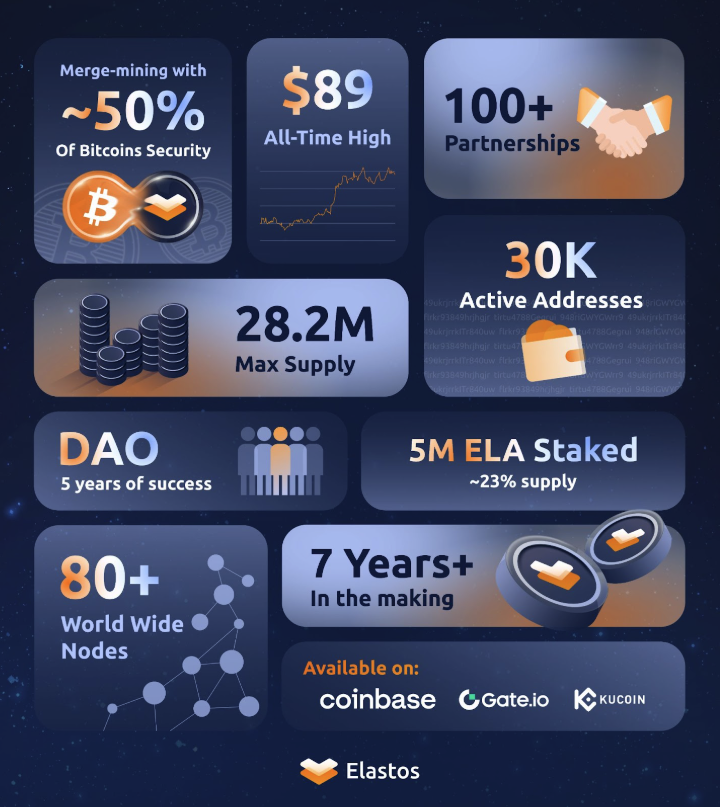
@ElastosInfo has been ranked among Rollman Management’s top 5 investments, alongside Ripple, Ethereum, and Solana.
This $20M strategic investment is set to transform the $ELA ecosystem and unlock trillions in Bitcoin finance.
Why did they invest so much?
✅ BeL2 - Bitcoin DeFi Breakthrough → Launching Q2, enabling BTC holders to access Ethereum smart contracts without custodians.
✅ $ELA - Merge-Mined Reserve Asset → Secured by 50% of Bitcoin’s hash power, providing miners with extra revenue.
✅ Elacity - Web3 Creator Economy → Content monetisation without middlemen—one creator already made $5,600 in 24 hours!
Elastos is becoming Bitcoin’s utility layer.
28
65
153
13,283