
139 Photos and videos







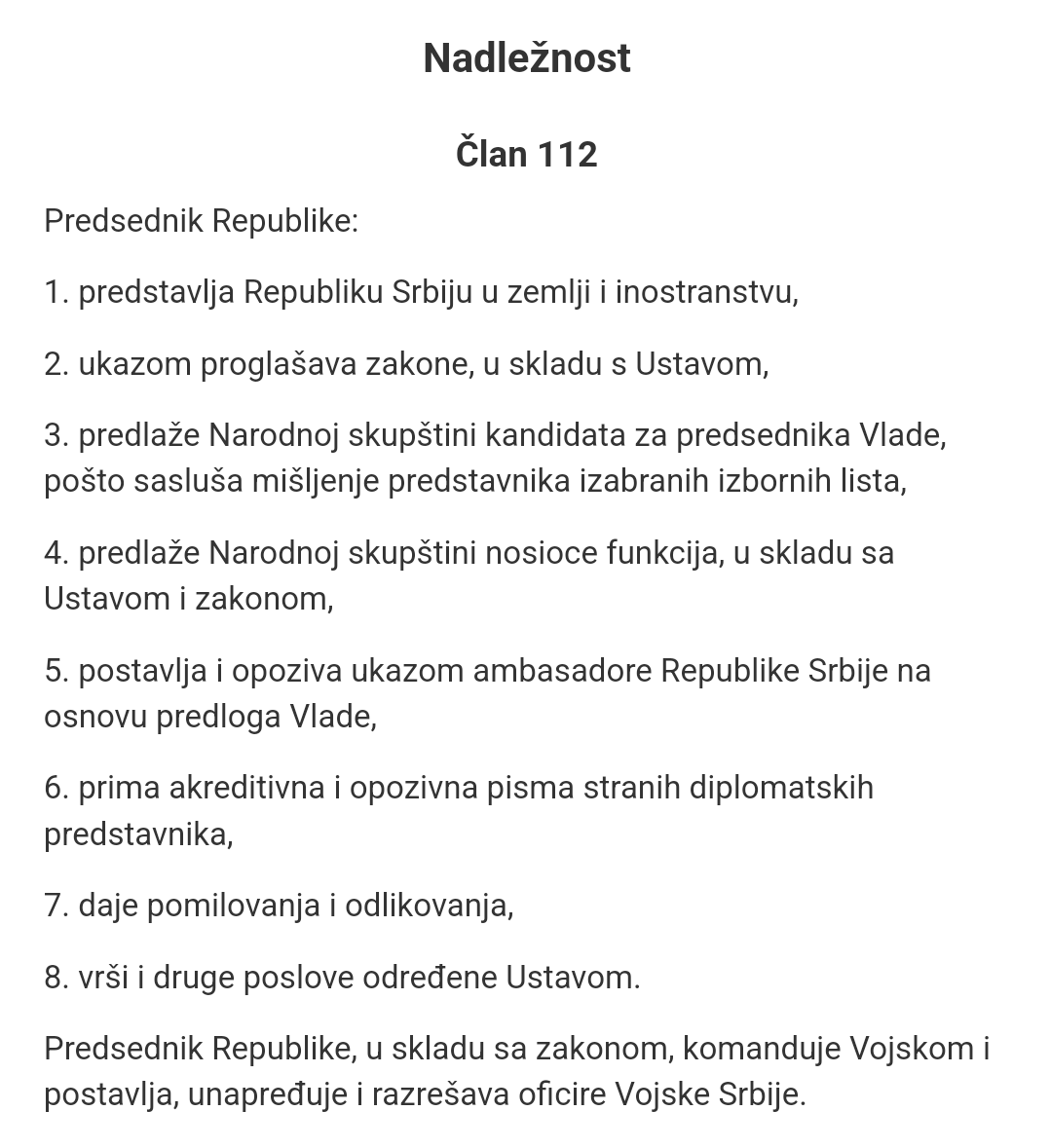

Anonymous - The Hacker Wars Full Documentary youtu.be/ku9edEKvGuY via @YouTube

12
Anon Ra retweeted

Correct. The real kicker is that when an ‘opposition’ party replaces them, they won’t repeal any of it.
49
75
1,863
105,739
Donosi kurac, gospođo!
May 27

Kakav skup politicke nemoci. Vucic donosi konkretne poslove i ugovore, a vi delite „vrednosti“ sa stranim nalogodavcima i molite ih da vas na silu dovedu na vlast.
15

Anon Ra retweeted

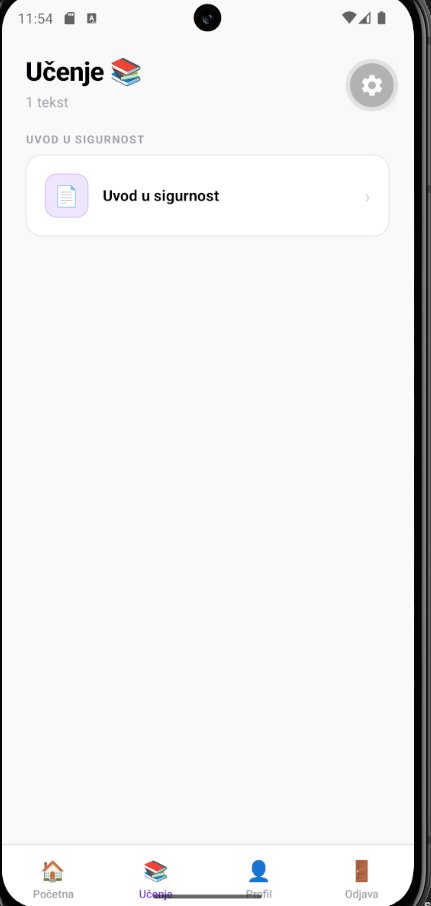
Napravio sam web i android app za ucenje sigurnosti. Ima jos stvari koje hocu da dodam npr igrice, obicni i napredni materijal iz ove oblasti, neke stvari koje ljudi ne razumiju (recimo kakvi rizici postoje u svakodnevnom zivotu itd)
6
17
147
5,627
Anon Ra retweeted

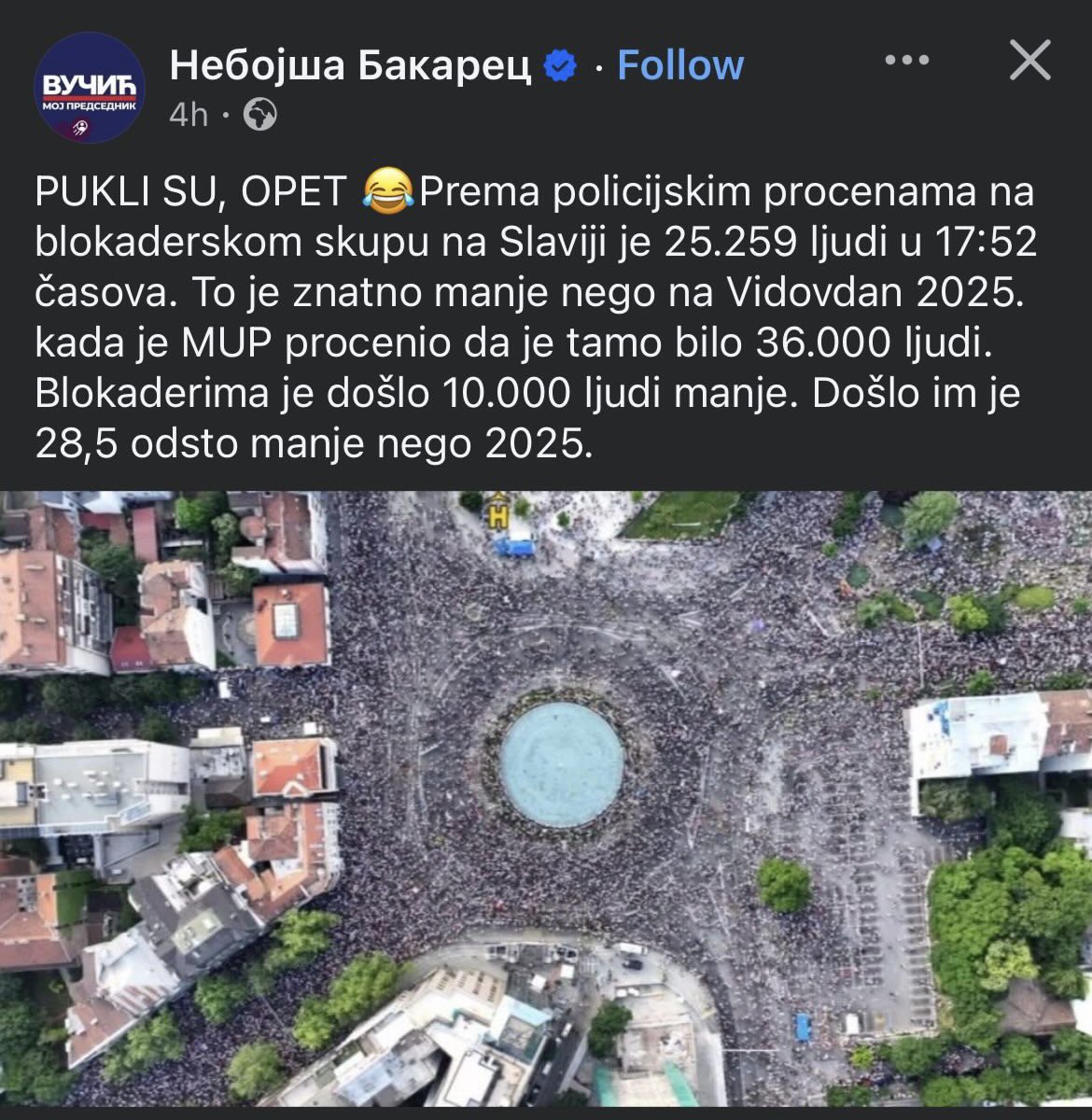
Овако је и ваш деда умањивао број жртава у Јасеновцу.
68
520
4,074
48,067
Anon Ra retweeted

❗️❗️❗️
Molim za RT
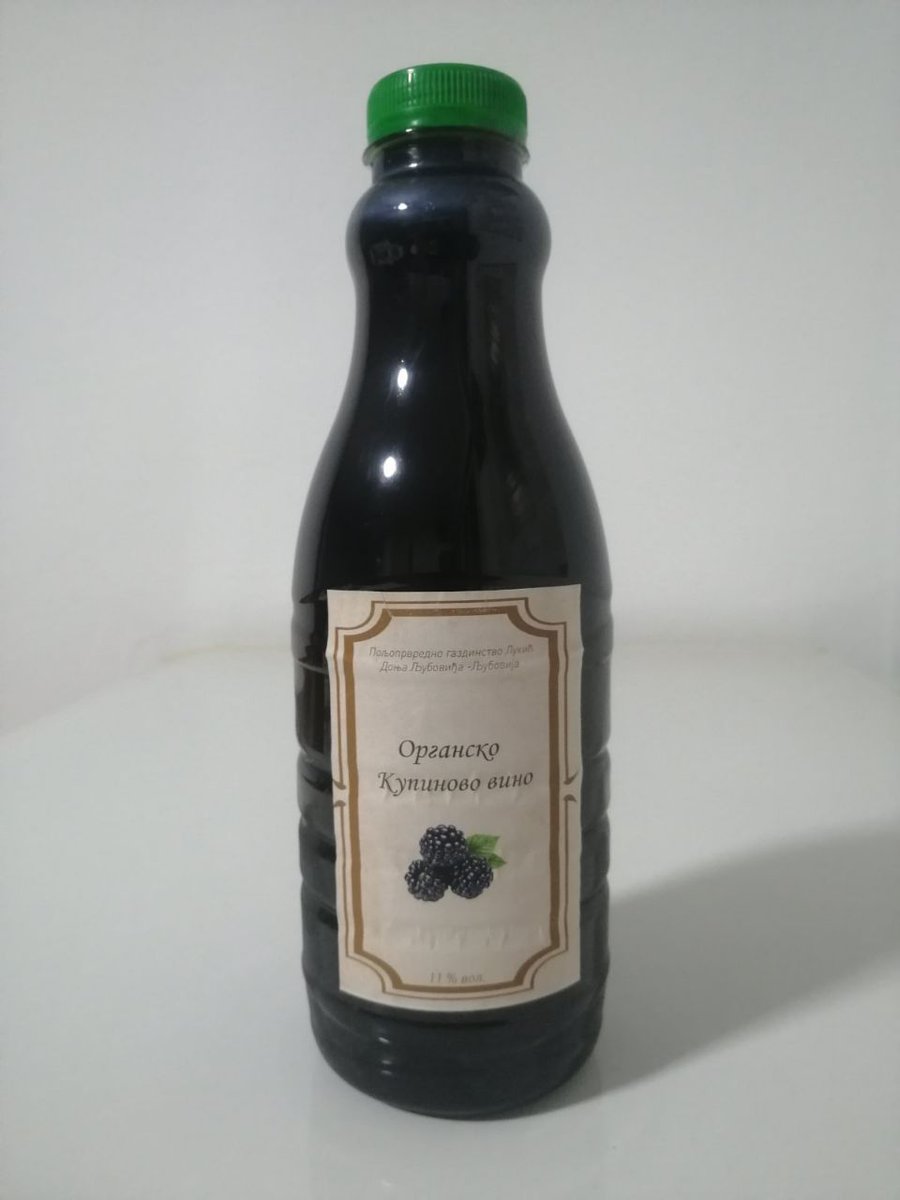
Ajmo da pomognemo čoveku da proda vino
На продају квалитетно купиново вино.Направљено од органски гајених купина.Цена 800динара литар.
Драган
0645719345
2
201
112
3,944
Anon Ra retweeted

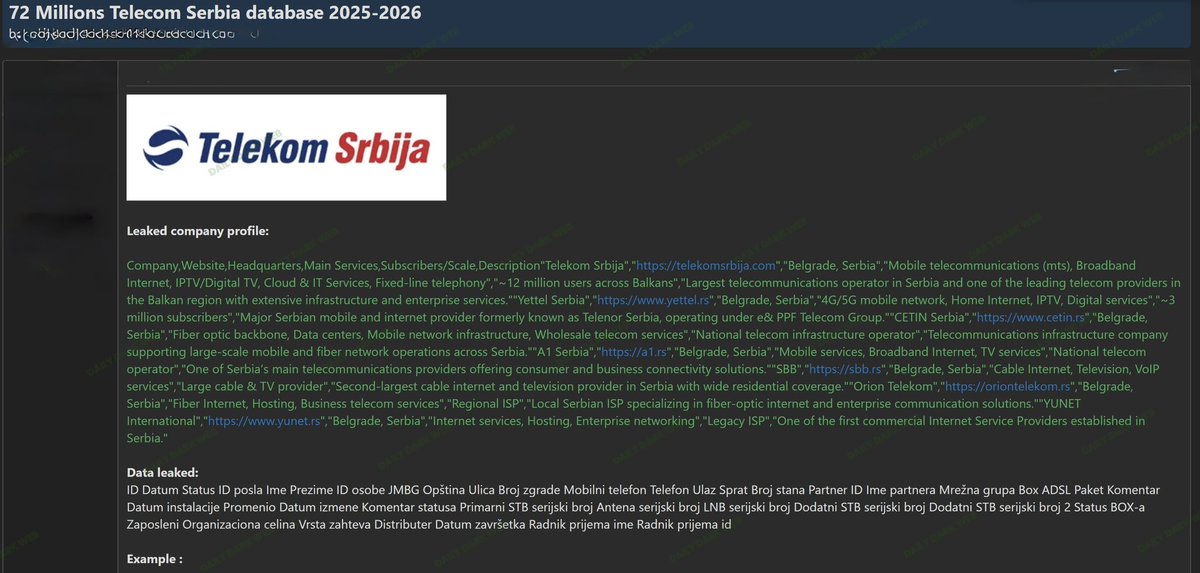
🇷🇸 A threat actor is claiming to possess a massive “72 million” record dataset allegedly linked to Serbian telecommunications providers, prominently referencing Telekom Srbija and multiple regional telecom operators.
The exposed fields shown in the listing allegedly include:
• Full names
• National ID/JMBG-related identifiers
• Addresses
• Mobile phone numbers
• Partner/customer IDs
• Installation/service details
• Device serial numbers
• Employee and distributor information
• Service package and infrastructure metadata
The post references several major Serbian telecom and ISP brands, including:
• Telekom Srbija
• Yettel Serbia
• CETIN Serbia
• A1 Serbia
• SBB
• Orion Telekom
• YUNET
At this stage, the authenticity, origin, and actual scale of the dataset remain unverified. The claimed volume appears unusually large relative to Serbia’s population, which may indicate:
• Aggregated multi-source telecom datasets
• Historical/internal infrastructure records
• Duplicated entries
• Scraped operational data
• Inflated claims for attention or resale value
If legitimate, the exposure could create significant risks:
• SIM swap targeting
• Telecom fraud
• Identity theft
• Social engineering campaigns
• Infrastructure reconnaissance
• Insider targeting
• Credential-reset abuse using subscriber information
Telecom providers and affected organizations should:
• Monitor for unusual account recovery activity
• Increase anti-SIM-swap protections
• Audit exposed internal operational systems
• Review third-party/vendor access
• Monitor dark web resale channels and credential markets
• Alert customers regarding phishing risks
No official confirmation regarding the alleged dataset has been publicly identified at this time.
#DDW #Intelligence #Serbia #Telecom #CyberSecurity #DarkWeb #DataBreach
6
64
202
38,405
Anon Ra retweeted

11 Jun 2022
2023: Corona ended
2026: Hantavirus
29,955
92,092
410,948
Anon Ra retweeted

May 6
Hantavirus h0ax👇
Don't fall for it!
307
3,907
10,851
279,155
Anon Ra retweeted

Apr 23
Evo jedna priča,koja možda nije nesvakidašnja i jedinstvena ali opet lepa za pročitati .
Moja L ide u vrtić i u maju će imati jednodnevni izlet u obližnjem gradu.
U grupi su roditelji obavešteni o tome i trebalo je da se izjasne da li će deca ići . 👇
14
18
757
62,062
Anon Ra retweeted

Apr 23
I am never gonna delete this app.

129
2,352
39,386
1,071,154
Anon Ra retweeted

Apr 7
Ekipa koja ima net na Orion Telekomu: stigao vam je od MTS račun *uvećan* (meni 40%). To im je ako prođe prođe, ne dajte!
U poslovnicu, ličnu kartu i odma’ znaju, naprave zahtev da se:
- cena vrati na originalnu iz ugovora do trajanja ugovorne obaveze
- koriguje iznos postojećeg računa.
Proširite info, ne dajte da vas pljačkaju.
52
568
1,274
67,050
Anon Ra retweeted

Apr 6
189
1,964
26,923
1,051,802
Anon Ra retweeted

Mar 30
the original TurboQuant paper tested on A100 with models up to 8B.
6 days later, a bunch of strangers on the internet had it built and running on:
- Apple Silicon M1 through M5
- NVIDIA 3080 Ti through DGX Spark Blackwell
- AMD RX 6800 XT and 9070
- a 10-year-old Tesla P40
- an 8GB MacBook Air
- models from 3.8B to 70B across 6 architecture families
- 30 independent testers
along the way we found new optimizations the paper didn't cover and failure modes it didn't test.
the fact that a loose group of people across the world can read a paper, build implementations from scratch, stress-test across hardware none of us could individually afford, and push the research further in under a week is genuinely one of the best things about this era. the tools and the community make it possible.
open source is something else.

51
468
4,824
141,969
Anon Ra retweeted

Mar 30
OK, I installed OpenCLAW.
I set it up with a backend AI server on a Dell 7875 workstation with dual Blackwell RTX6000 GPUs running DeepSeek R1 32B. And it can fall down to Qwen 2.5 for easy stuff.
I created an agent to scour eBay for things I might be interested in, compile a summary, and mail it to myself.
But I could have done that in shell script... so... what now? What are folks doing with it that's interesting? What are you having your agents do?

329
40
1,004
186,356
Anon Ra retweeted

Mar 30
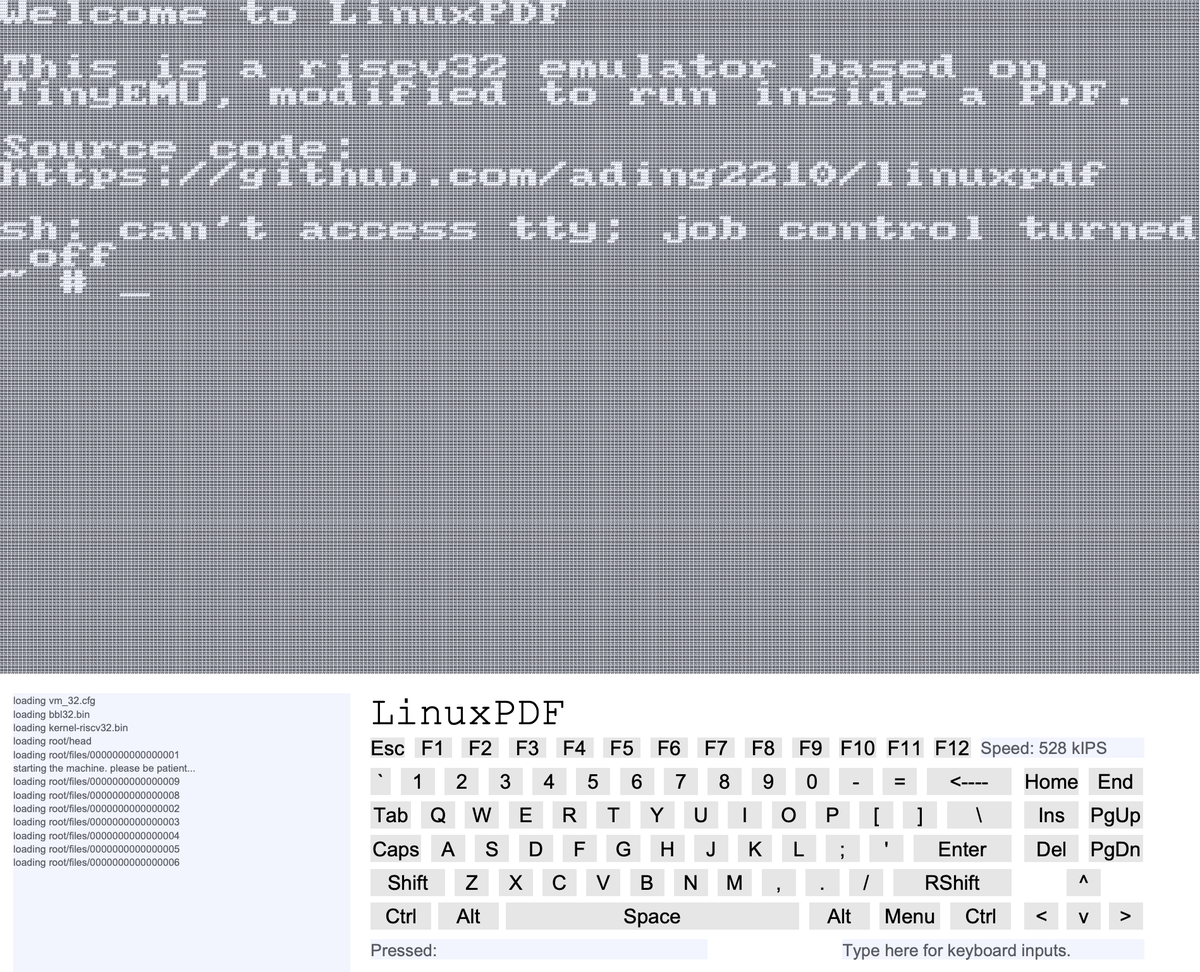
You can now run a full Linux operating system inside a 6mb PDF.
Someone embedded a RISC-V emulator inside a standard document. You don't need a virtual machine, just a PDF reader.
→ Runs interactively inside the file.
→ Powered by a tiny RISC-V emulator.
→ The entire OS fits in just 6MB.
115
785
3,207
178,309
Anon Ra retweeted
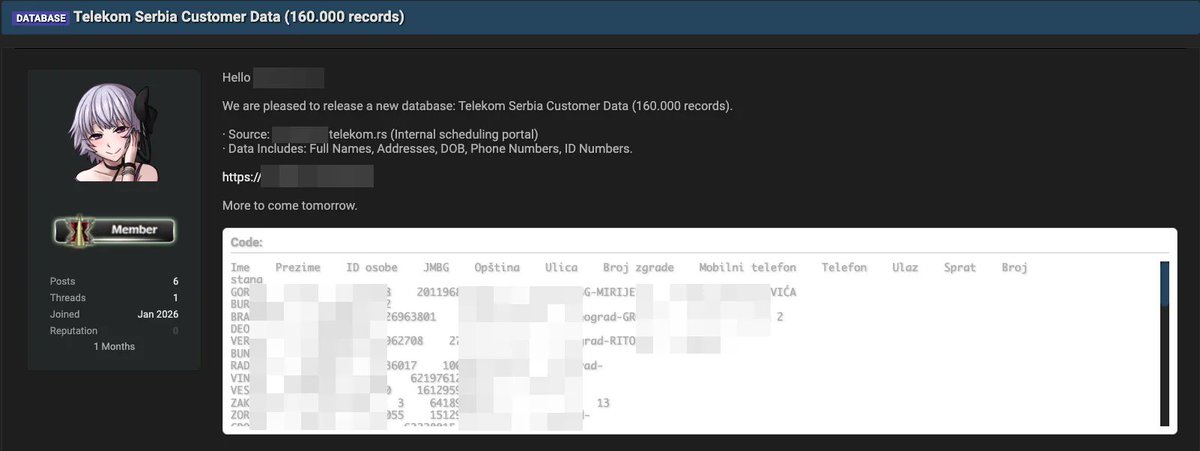
Serbia 🇷🇸 - Telekom Serbia allegedly suffered a data breach exposing 160,000 customer records, including names, addresses, dates of birth, and ID numbers leaked from an internal scheduling portal. dailydarkweb.net/telekom-ser…
19
266
831
145,759
Anon Ra retweeted

Mar 9
> be me
> Lead Architect in a startup
> startup buys refurbished high-density enterprise racks from a defunct HFT firm
> these things are built for microsecond trades, absolute overkill for our CRUD app
> install them in a room with "okay" shielding
> it’s 2026, local telcos are stress-testing new 5G-Advanced mmWave nodes nearby
> start seeing the weirdest logs in Prometheus
> incoming traffic spikes to 10Gbps every day at exactly 2:00 PM
> check the load balancer- zero hits. check the firewall-nothing.
> physically go to the server room
> it’s 180°C near the exhaust, cooling fans are screaming at 15k RPM
> I pull the SFP fiber cables out of the NICs to isolate the rack
> the traffic counter doesn't stop
> it’s still processing packets. 10Gbps. with no cables connected.
> mfw I realize what’s happening
> the "refurbished" NICs have a defect in the shielding on the PCB
> the server rack, lacking a true Earth ground, is acting as a massive passive antenna
> the high-frequency radio waves are inducing a current directly into the copper traces
> the NIC is interpreting the literal air interference as valid Ethernet frames
> the CPU is trapped in a hardware interrupt storm trying to frame random RF interference as Ethernet packets
> mfw the server isn't broken, it’s just listening to the city’s radio waves and thinks it’s a DDoS attack
> Now I have to explain to the CEO we need to wrap the server room in literal tinfoil because the internet is leaking into our hardware
The Technical Reality: This is a classic EMI (Electromagnetic Interference) injection. In dense urban environments like Lagos, high-frequency small cell nodes (mmWave) operate at frequencies that can couple with unshielded traces on a PCB. If your hardware isn't properly grounded, the noise from the air becomes signal for the CPU. It’s not data, it’s just an endless stream of interrupts that freezes the system.
30
93
1,519
81,653
