Department of Molecular Genetics of Ageing, Max Planck Institute for Biology of Ageing | Tweets by @episarah87, @KoelschbachJ, @fetzli, by Adam are signed AA.
Joined October 2018
- Tweets 290
- Following 375
- Followers 3,424
- Likes 382
135 Photos and videos

Jun 11
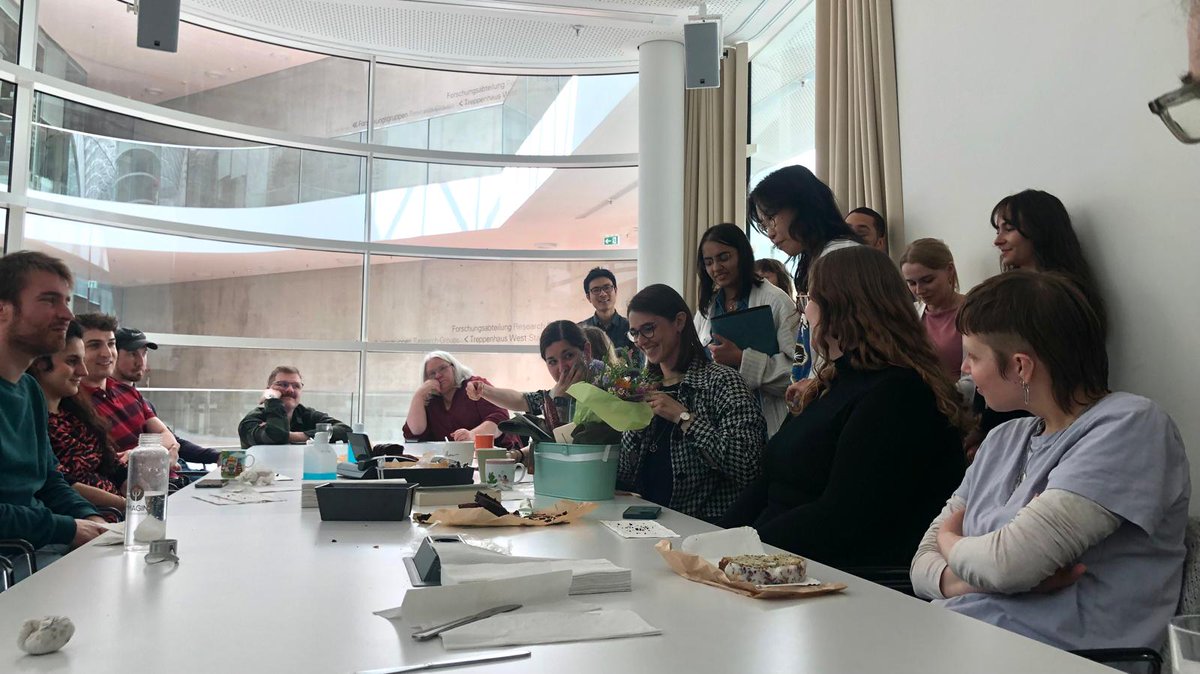
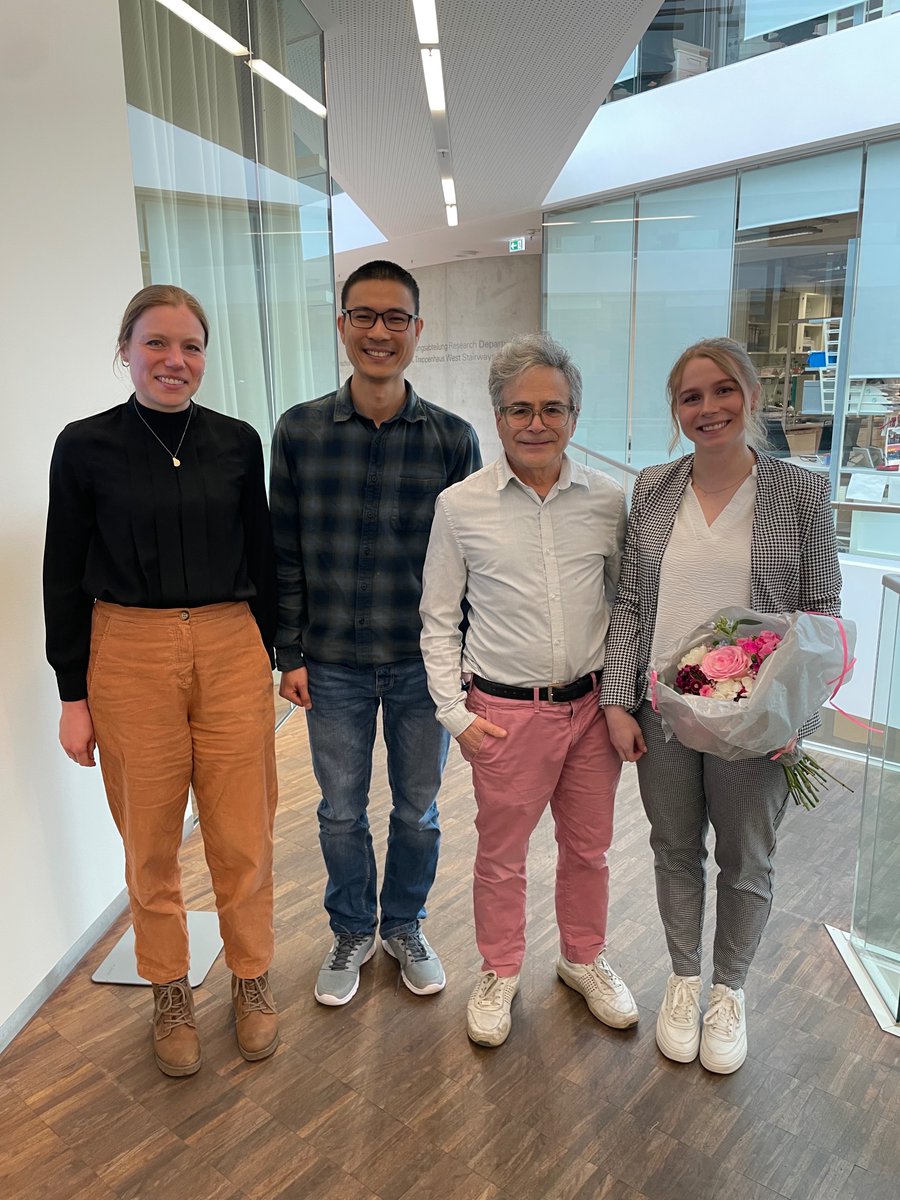
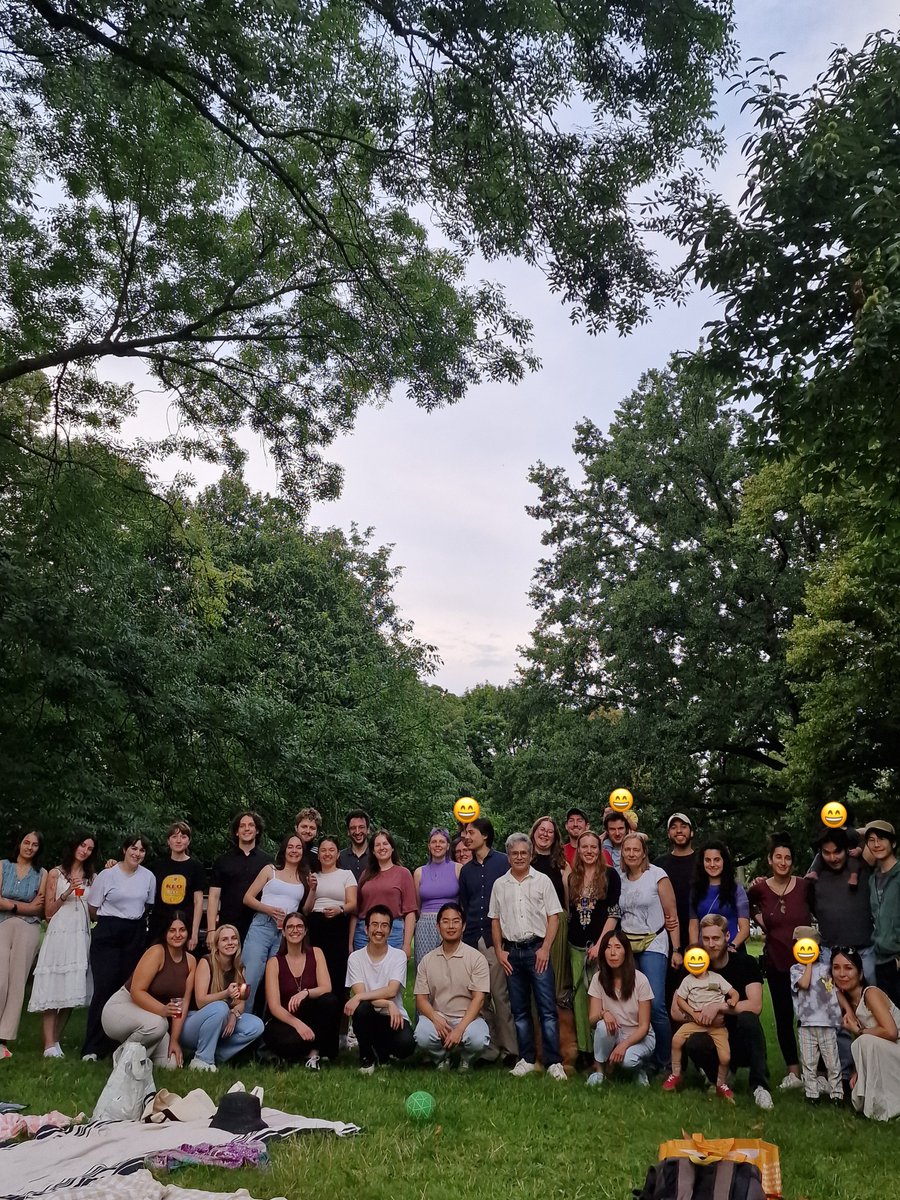
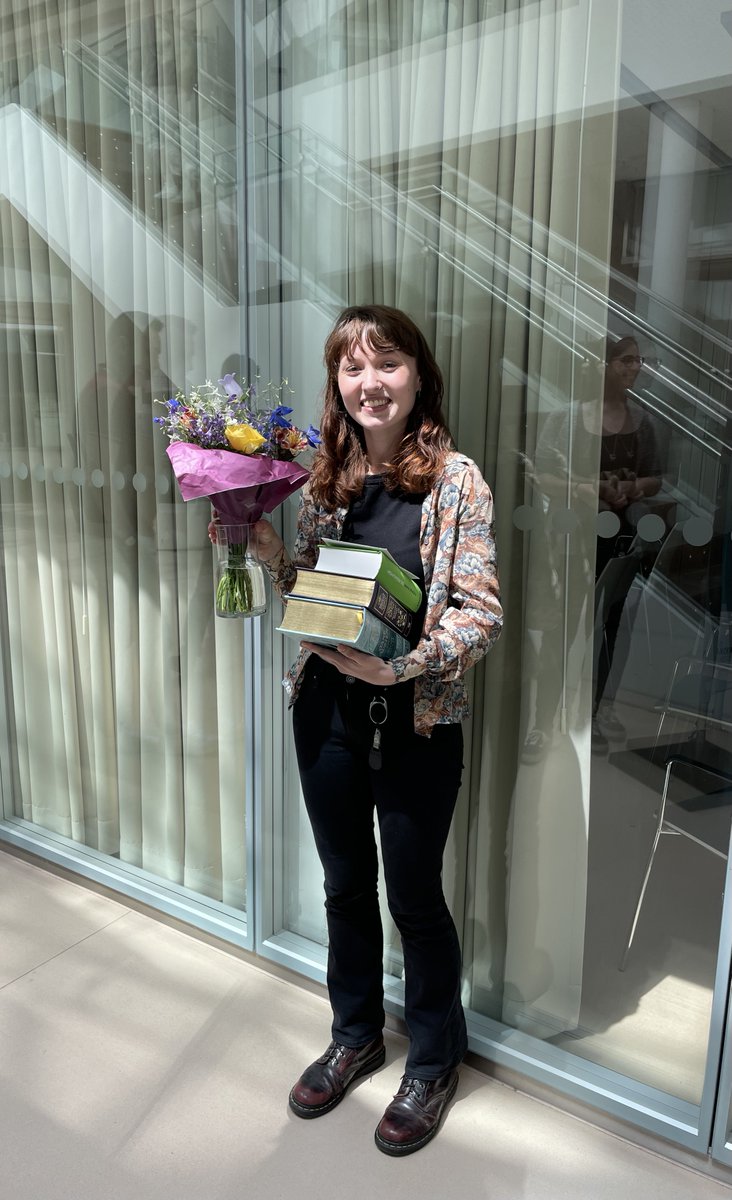
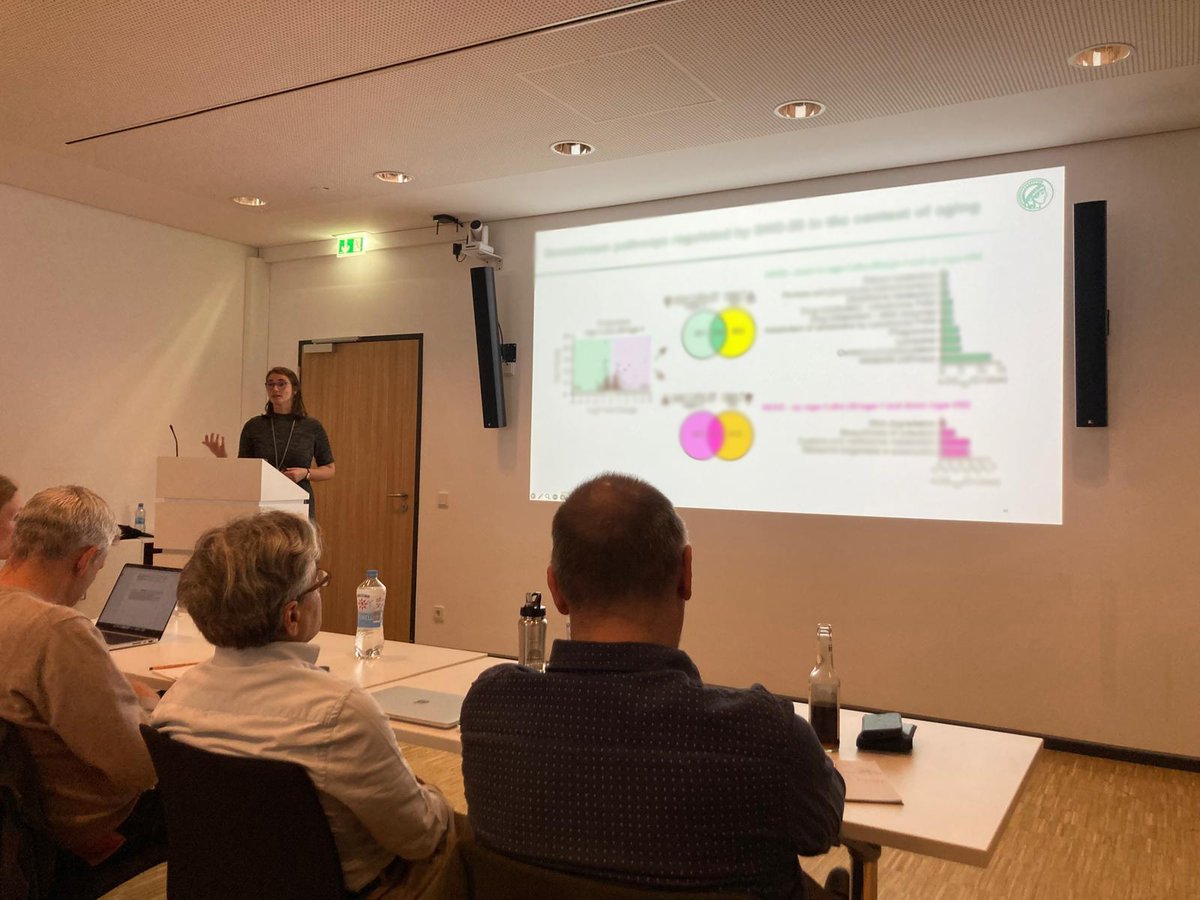
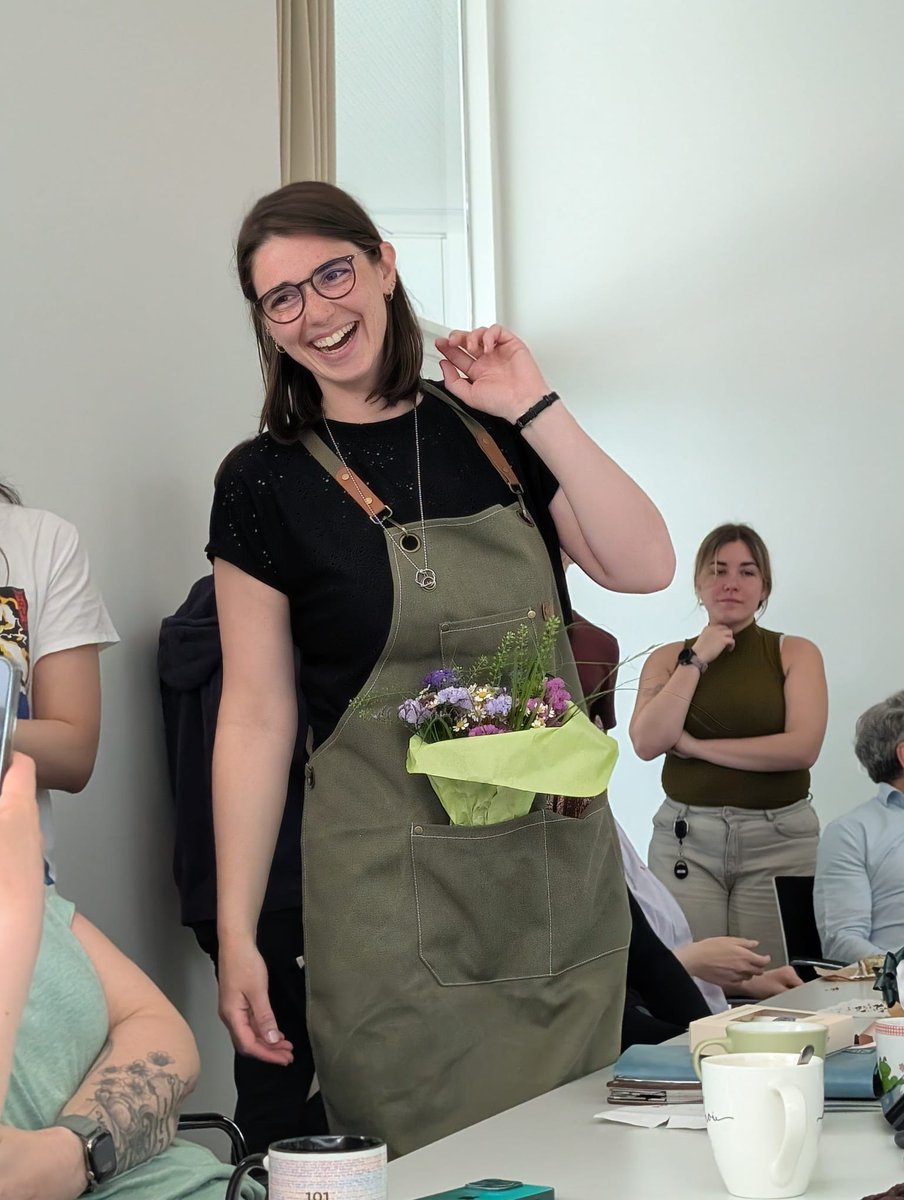
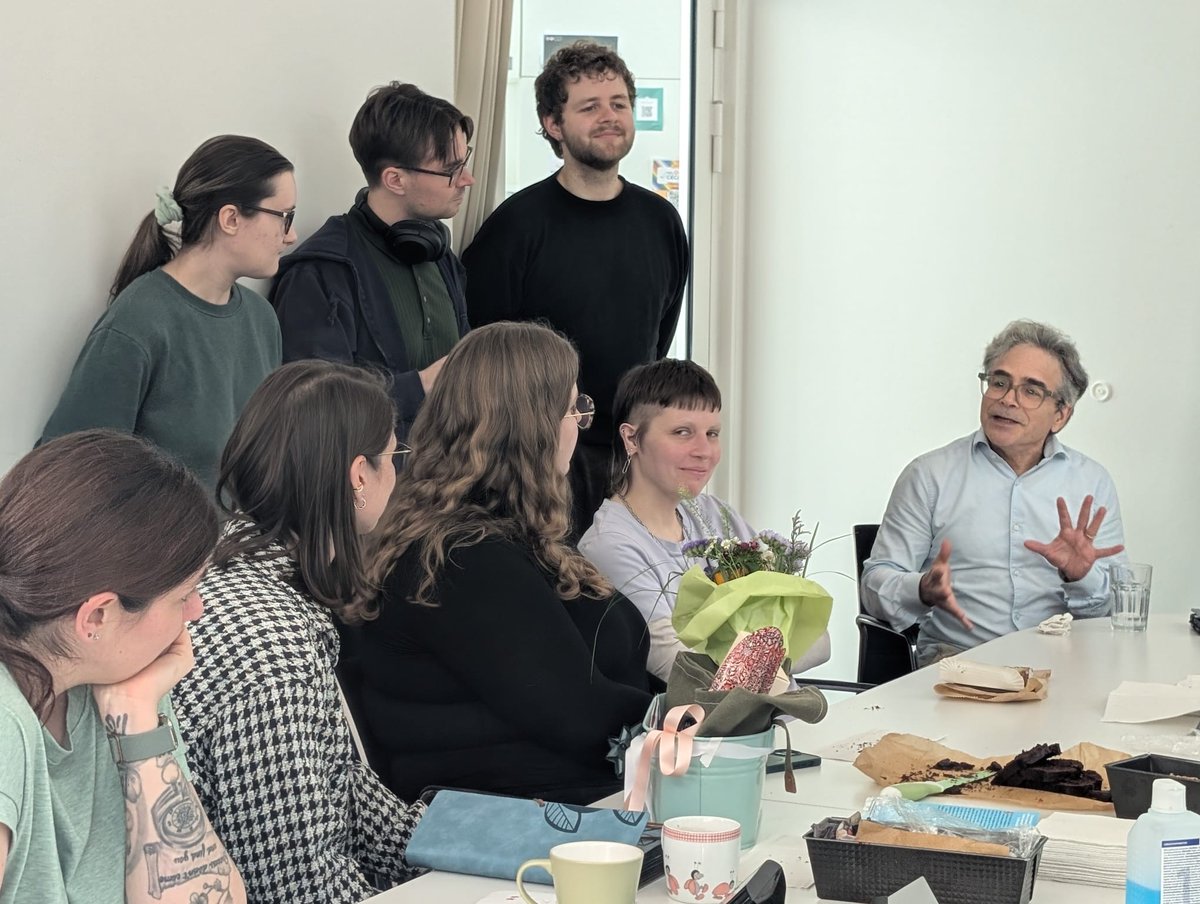
We recently said goodbye to our wonderful PhD-student-turned-postdoc @KlaraSchilling. From C. elegans, mTOR and steroid metabolism to gardening and other new adventures. Your resilience is exemplary and your spirit contagious. We will miss you! 🪱🌿🌼 #Celegans #mTOR
1
8
445
May 22
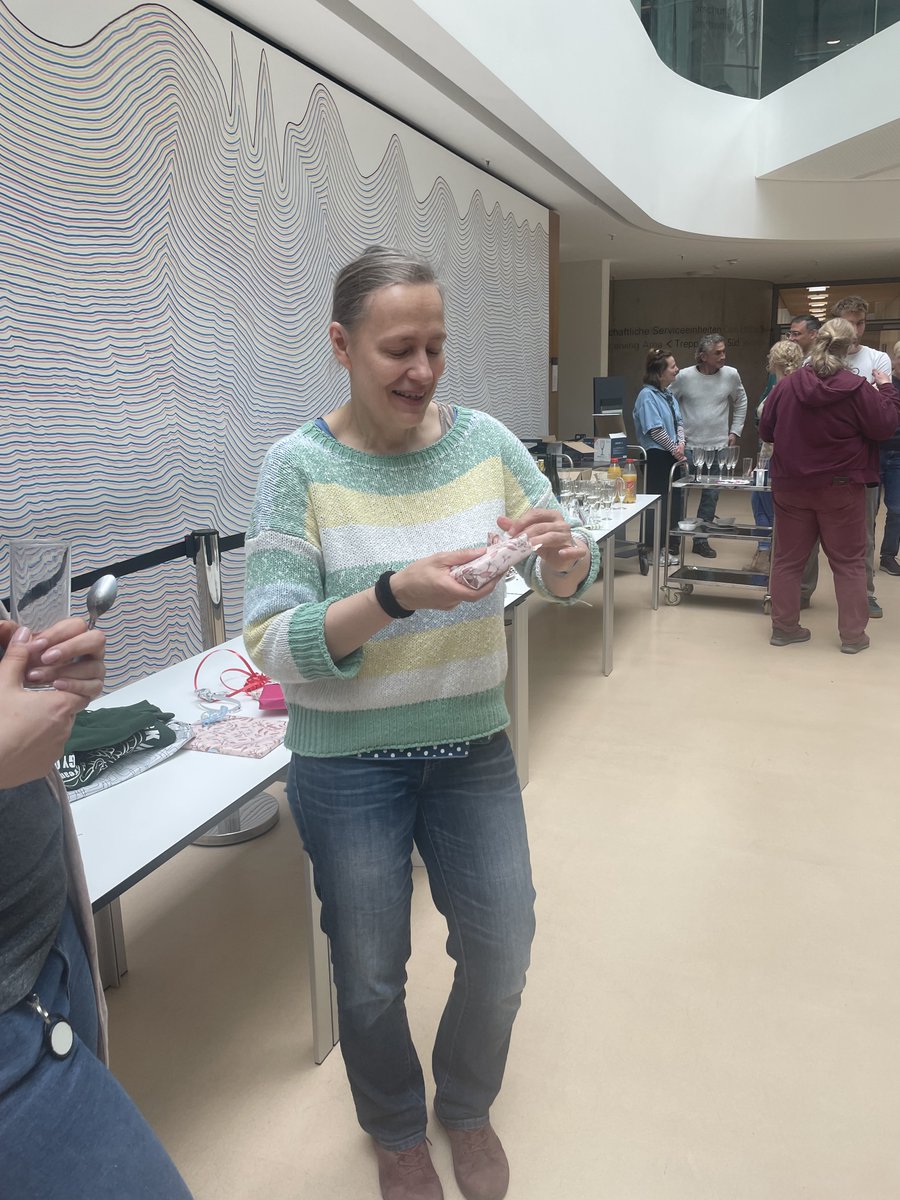
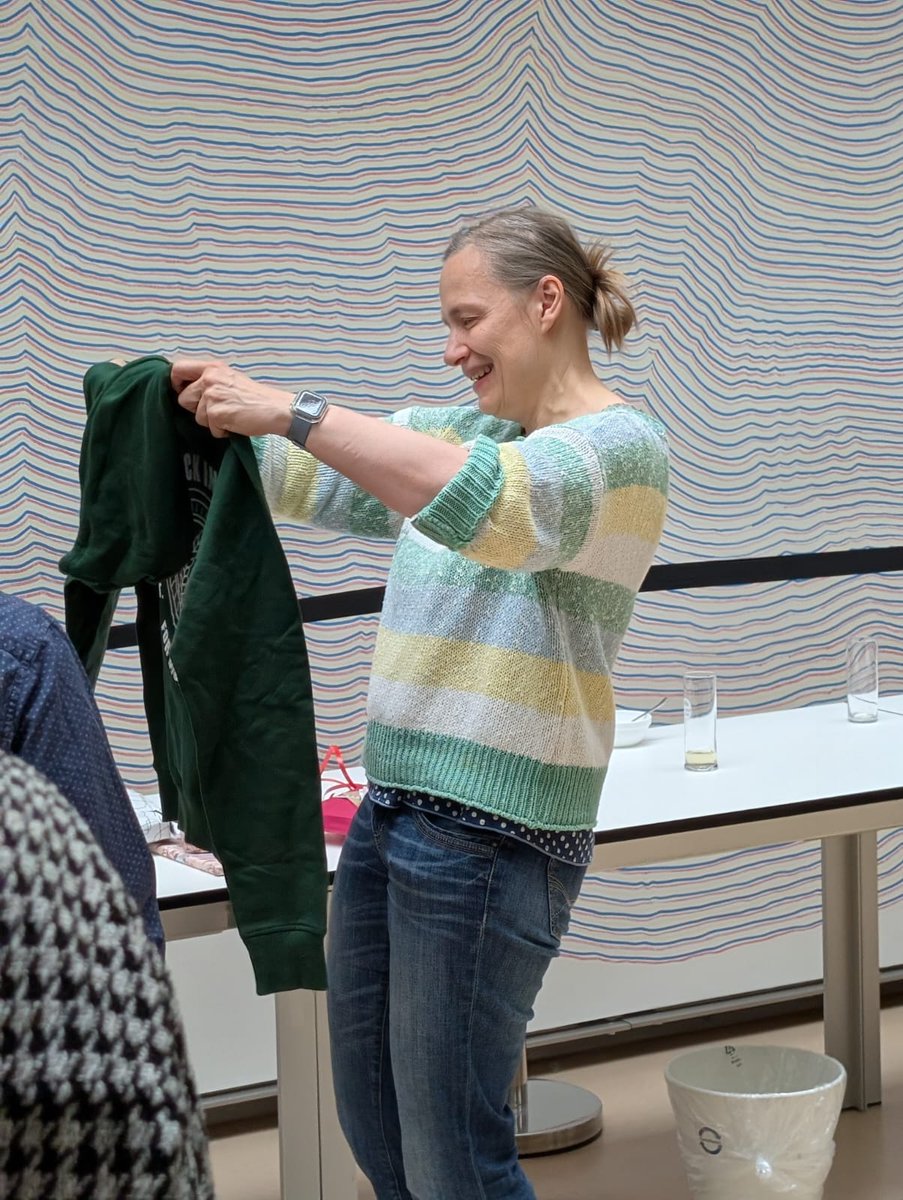
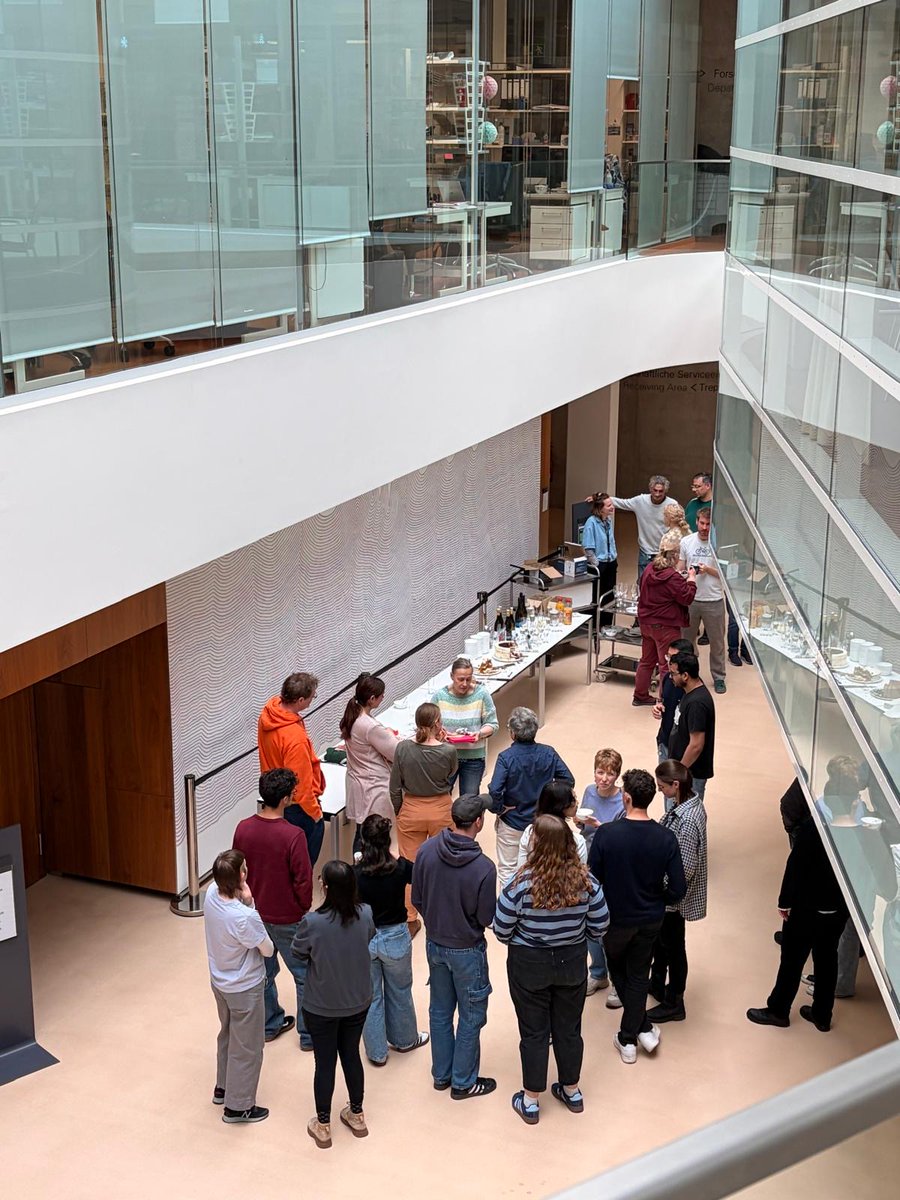
Last week we said goodbye to one of the founding members of our lab. Birgit joined the lab as a postdoc @MPI_MolGen & rejoined when the lab moved to the @MPIAGE. She did incredible science, served as our lab manager & trained generations of junior scientists. You will be missed!
2
11
837
May 4
🚨Publication @Micropub7n micropublication.org/journal… PoC study by @ypark_bioinfo: deconvolving the C. elegans proteome to organ- & tissue-level ageing trajectories expands the use of single-worm proteomics data as a powerful tool to study dynamic cellular changes during ageing.
2
11
1,037
Mar 27
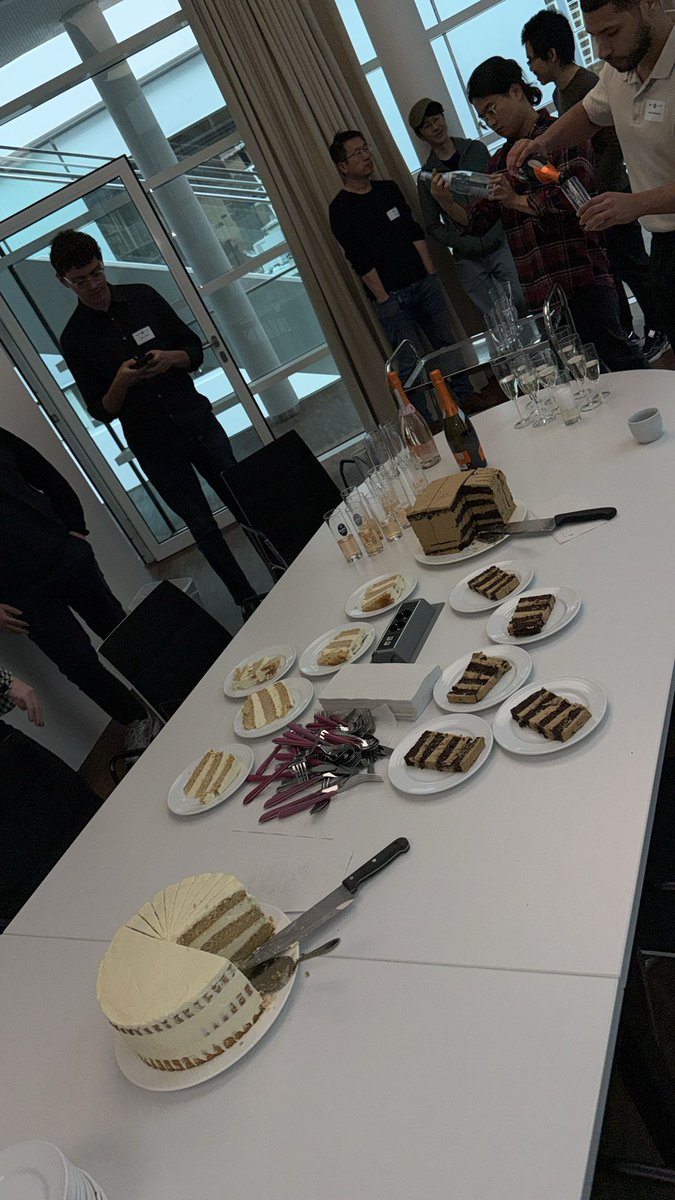
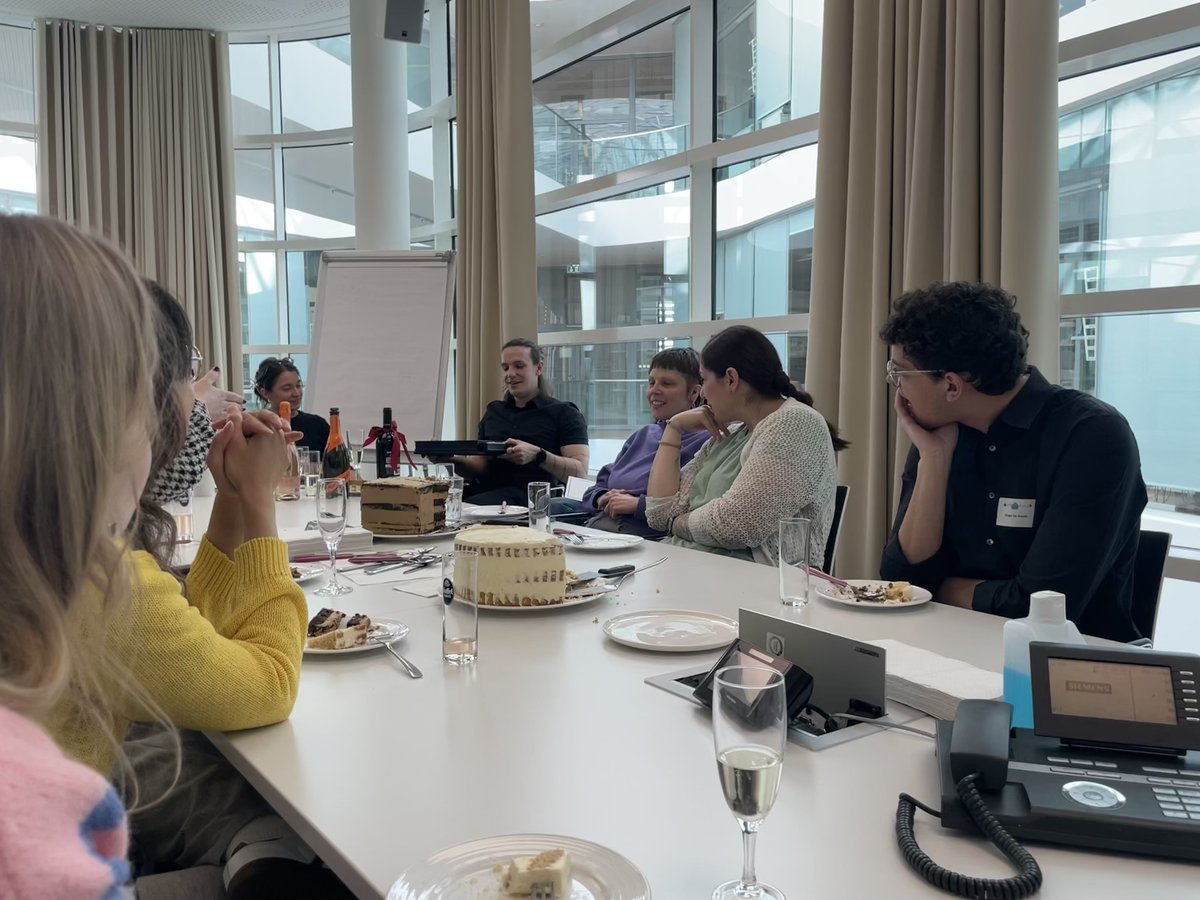
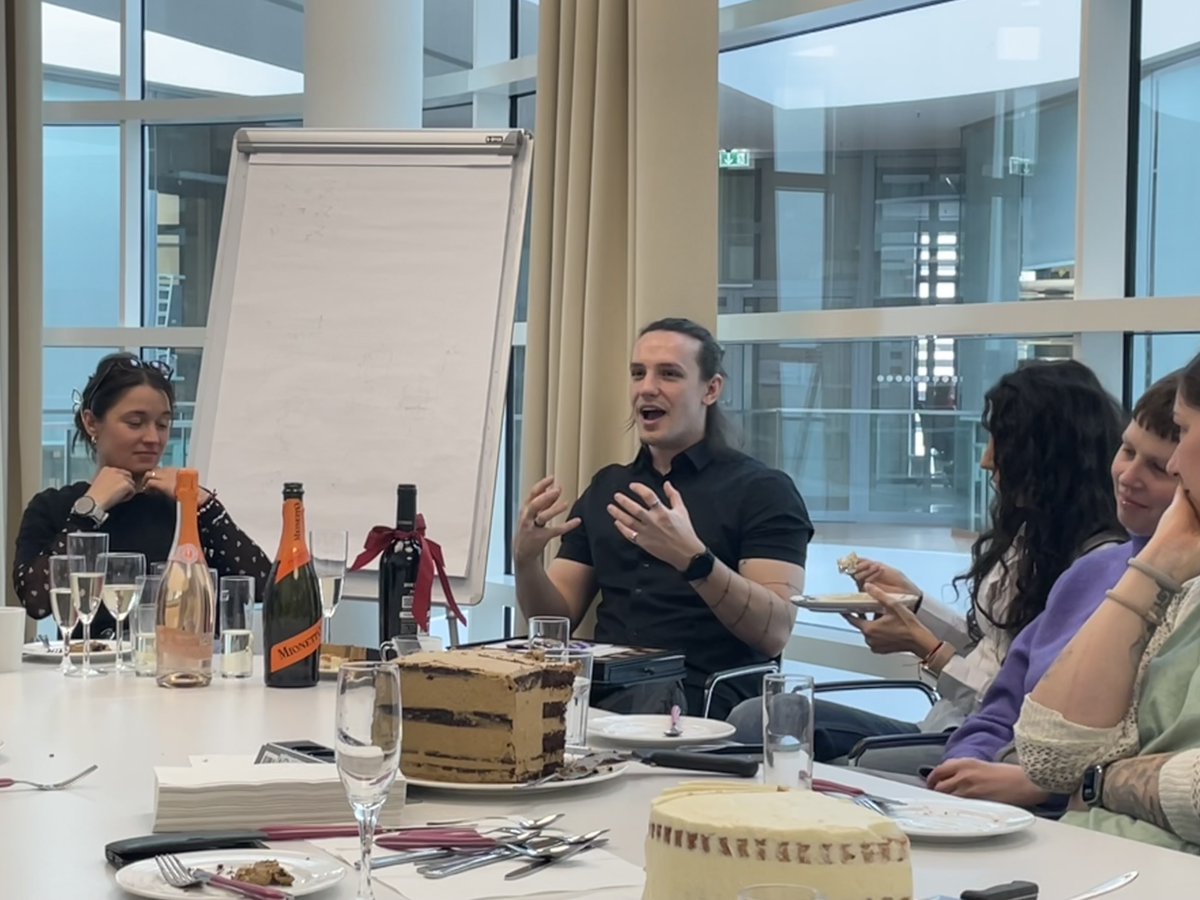
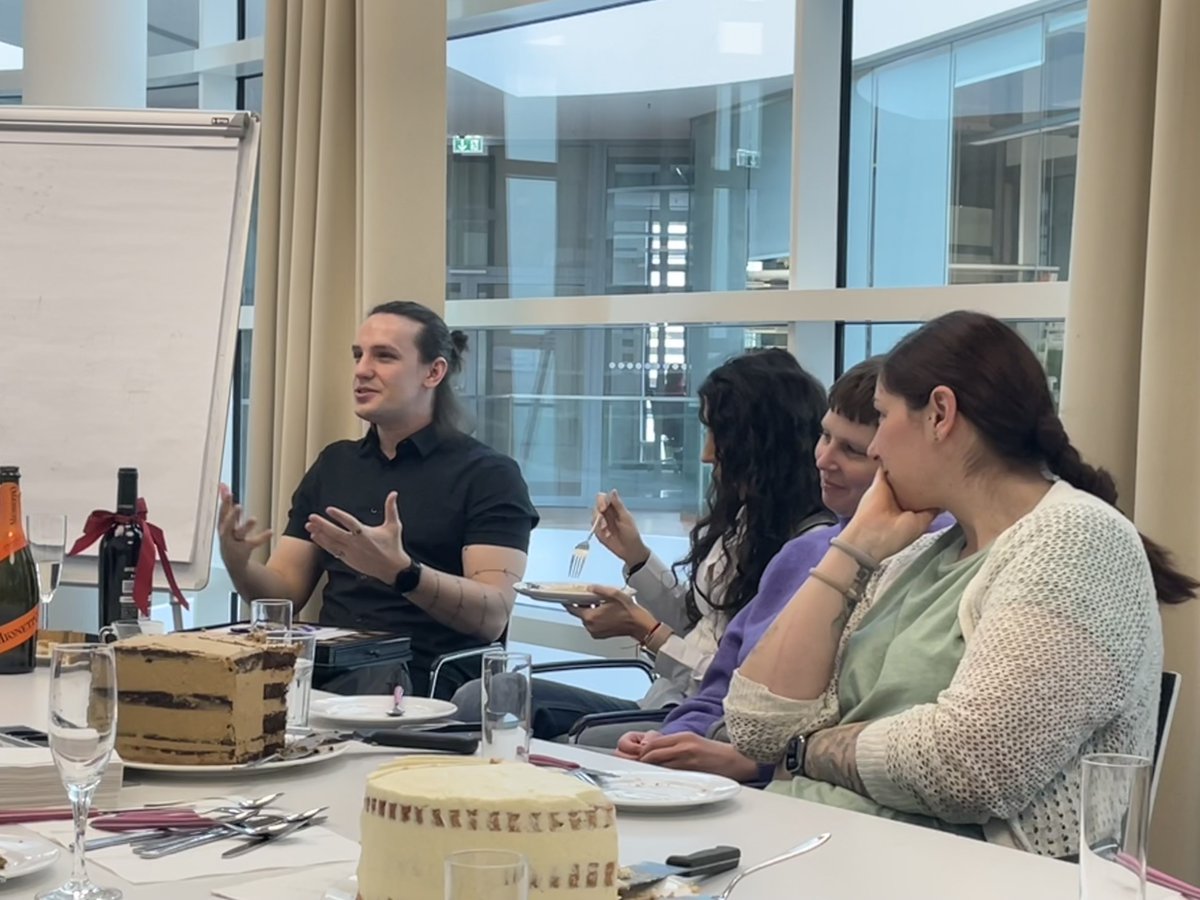
Today we said farewell to our PhD student turned postdoc @BallhysaEugene. The energy in his conversations matched his enthusiasm for science🔬🐟We’ll miss you—and we wish you all the best for the road ahead!
6
467
Mar 11
🥳🎓Congratulations to Maja on an outstanding master’s thesis defense. Your rigor, perseverance, and dedication are exemplary. Excited to see what comes next.🌟#GradLife #MastersDefense
8
598
Feb 26
1/4 Our preprint by @VMartinezMigu3l & Till Popkes van Oepen “Modulation of the RNase P/MRP complex and mitochondrial ribosome enhances cytosolic ribosome coordination and sustains longevity” is now live @biorxivpreprint 📄#agingbiology #ribosome 👉biorxiv.org/content/10.64898…
1
4
9
826
Feb 26
3/4 Using C. elegans, we find that loss of the nucleolar regulator, ncl-1/TRIM2-3, disrupts ribosomal balance, leading to proteostasis defects and premature aging. Ribosomal biogenesis becomes uncoordinated, causing imbalanced ribosomal components and translational dysfunction.
1
1
214
Feb 26
4/4 Perturbing either the mitochondrial ribosome or the RNase P/MRP complex restores ribosomal balance & extends lifespan, suggesting that improving ribosome coordination, rather than reducing overall biogenesis, is a promising avenue to support cellular health in ageing.
2
103
24 Dec 2025
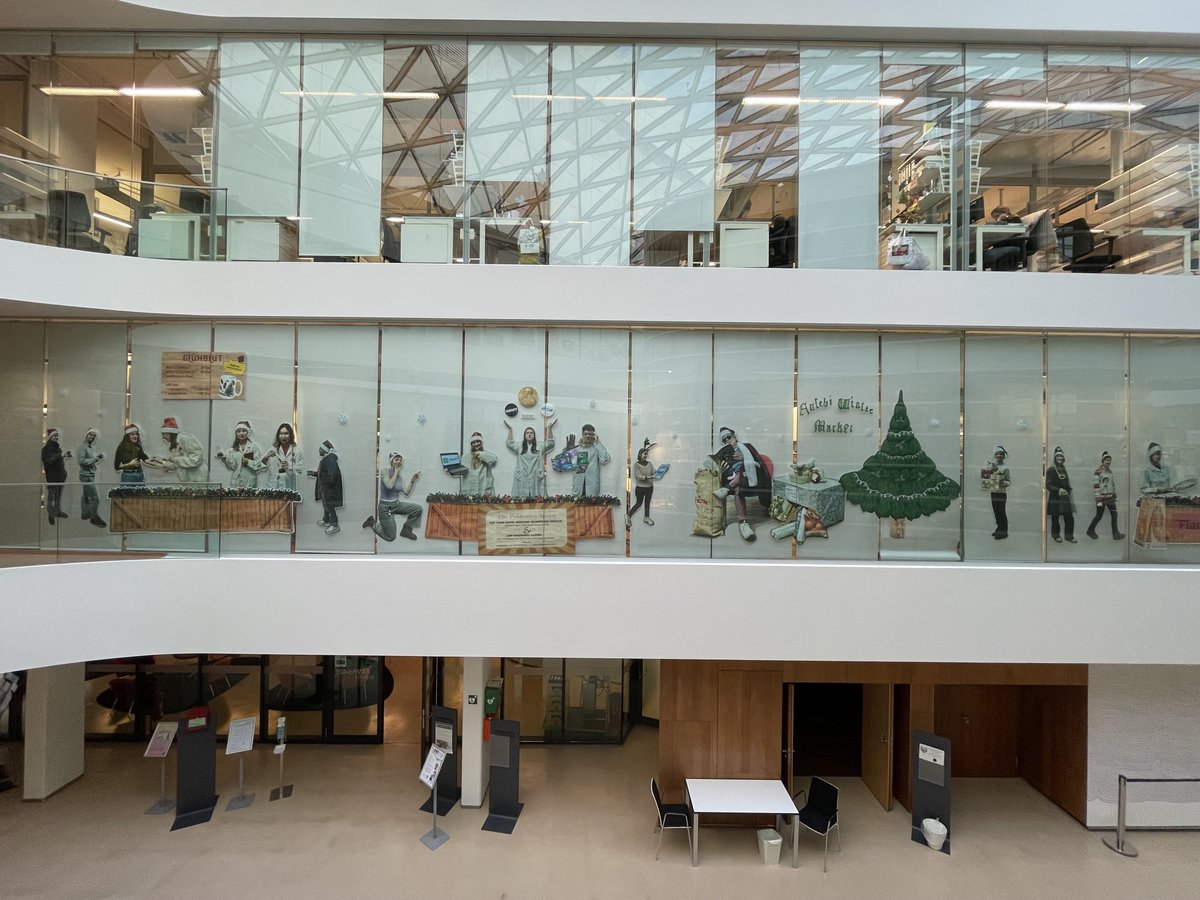
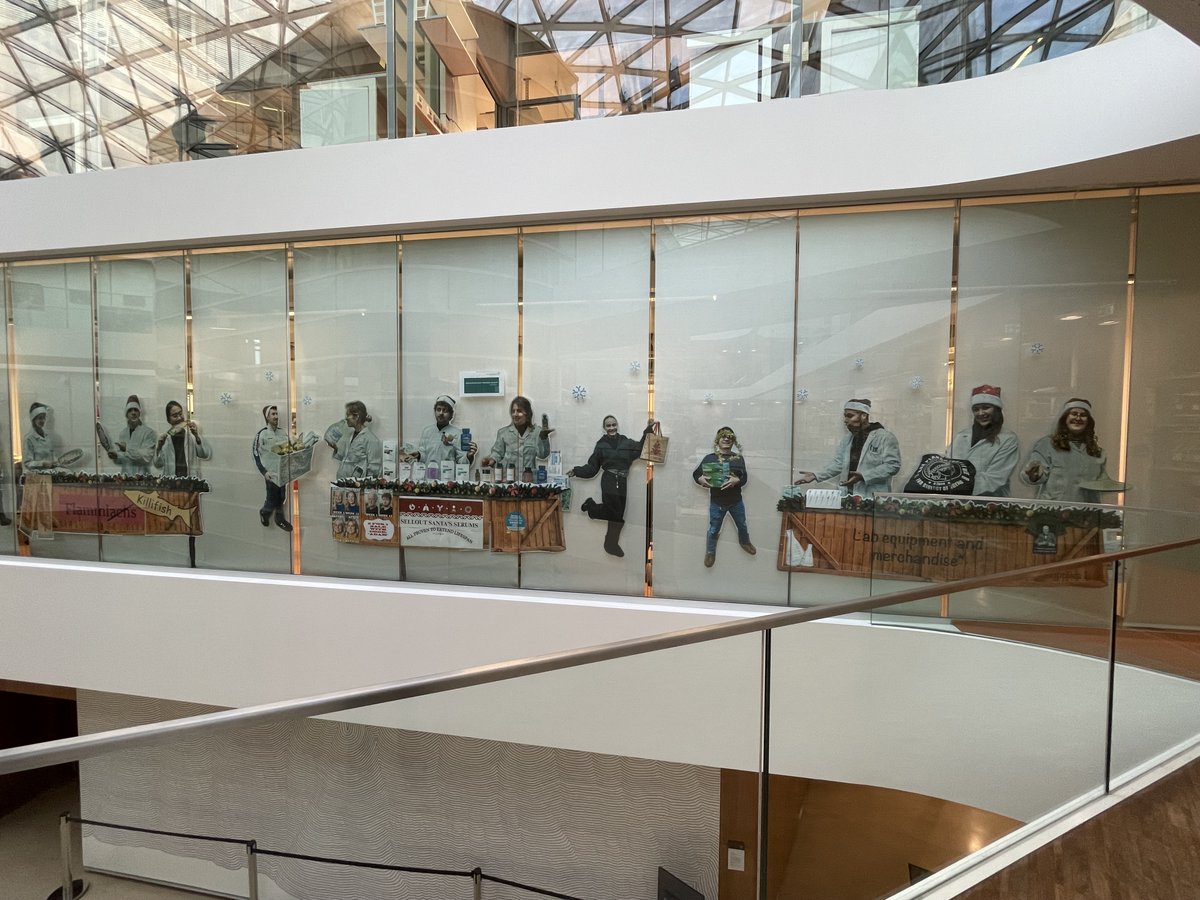
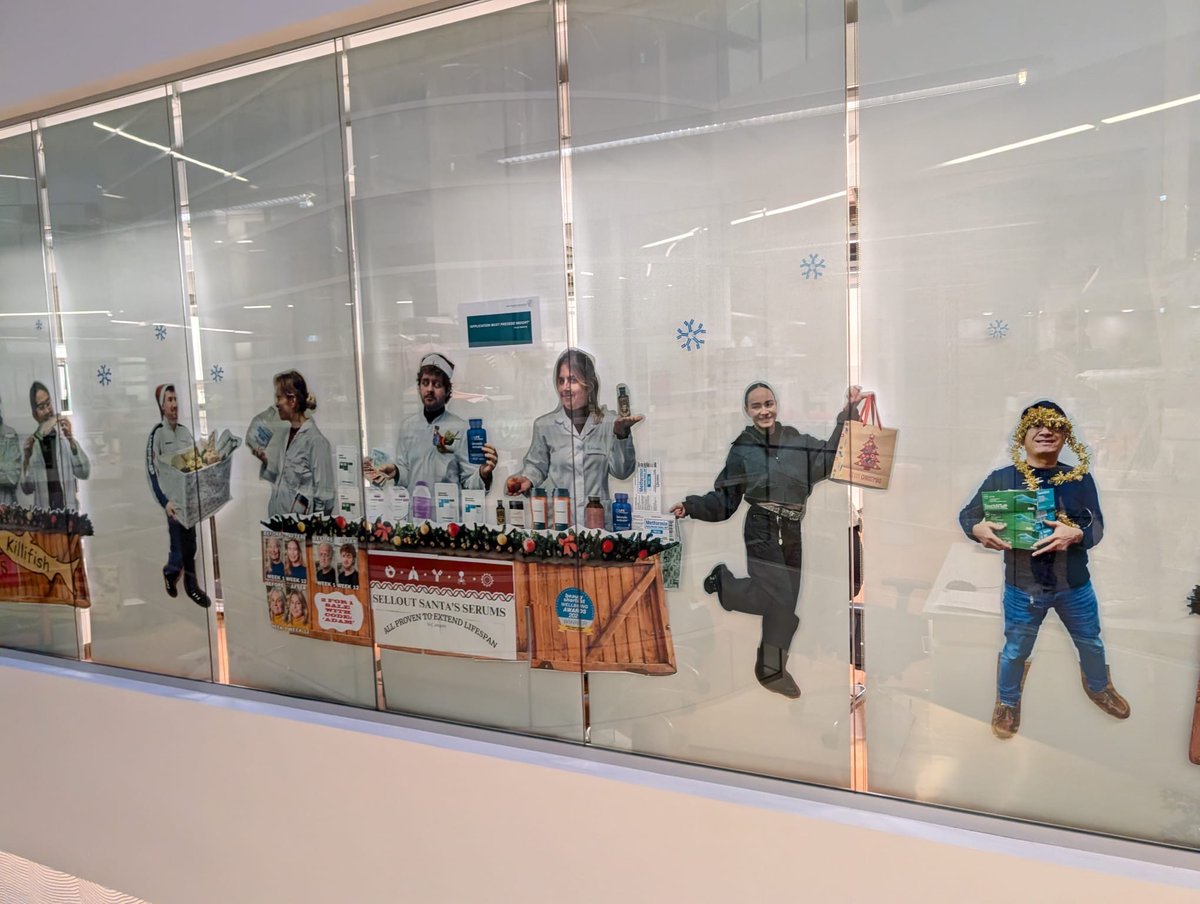
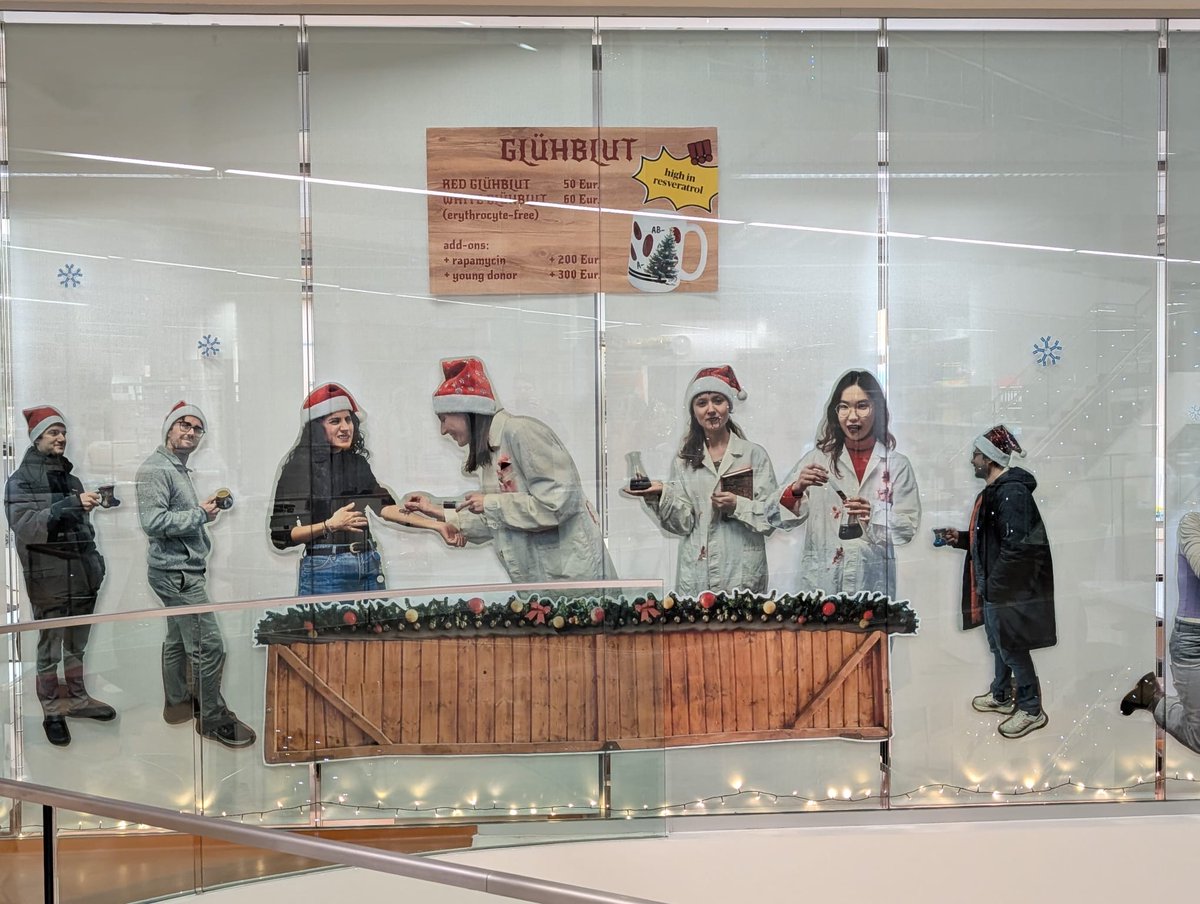
Our tiny market of longevity dreams—lab merch, publications, Flammkillifish and ‘rejuvenation’ tonics—won🥈in the annual window decoration contest!🥇to the Huppertz and Scheiblich labs chasing the Grinch for their data. Backups, people! 💾 #LabLife #AgingResearch #FestiveScience
6
377
20 Dec 2025
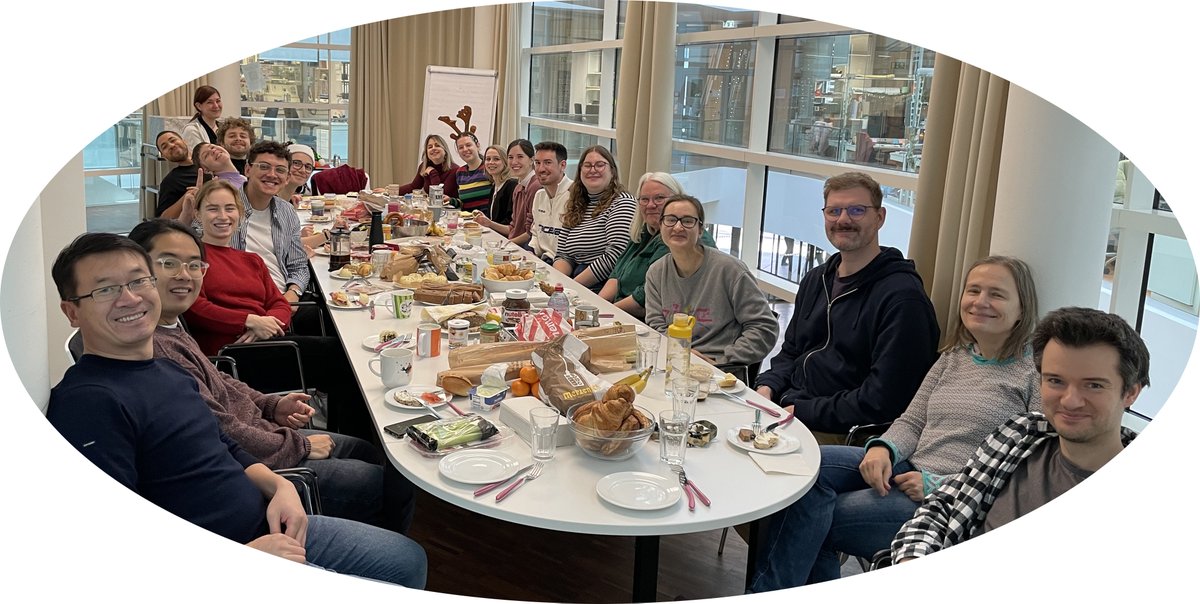
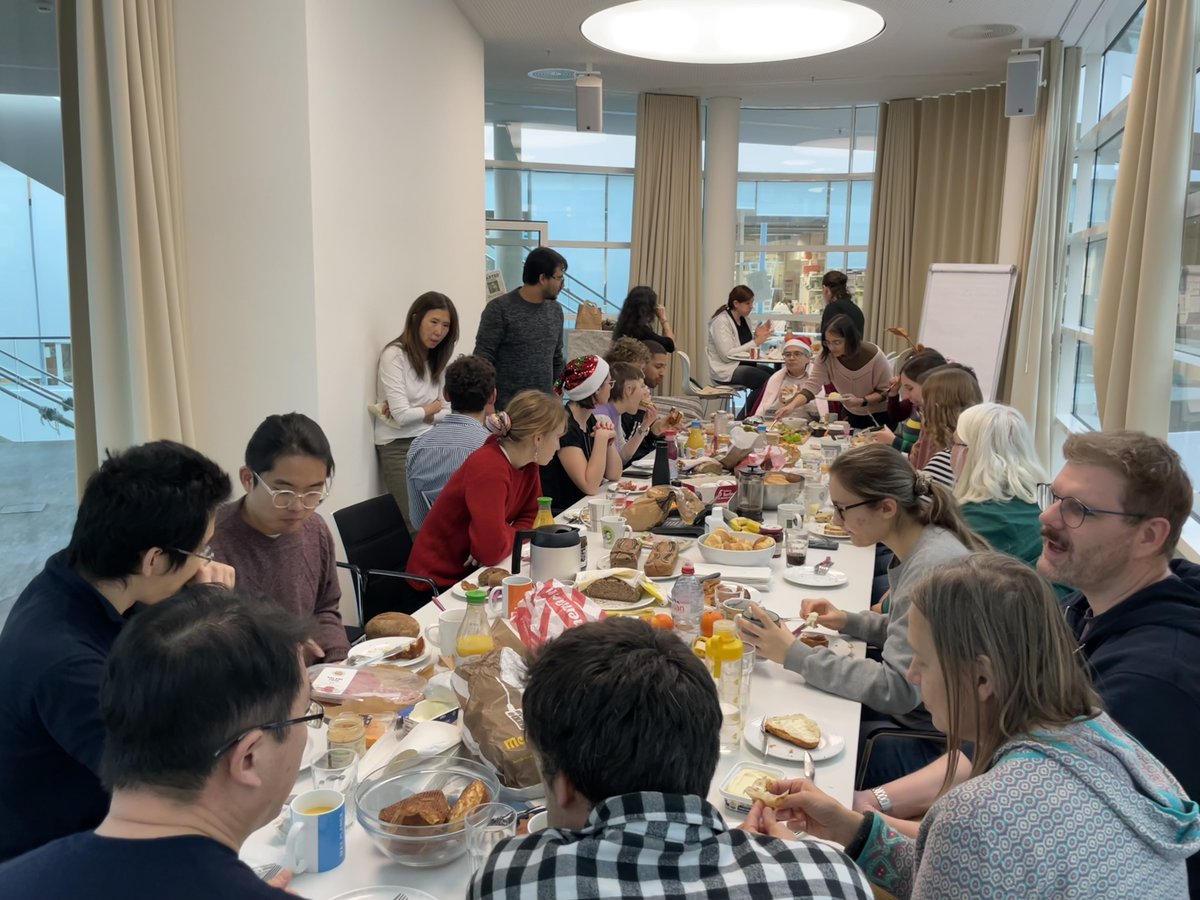
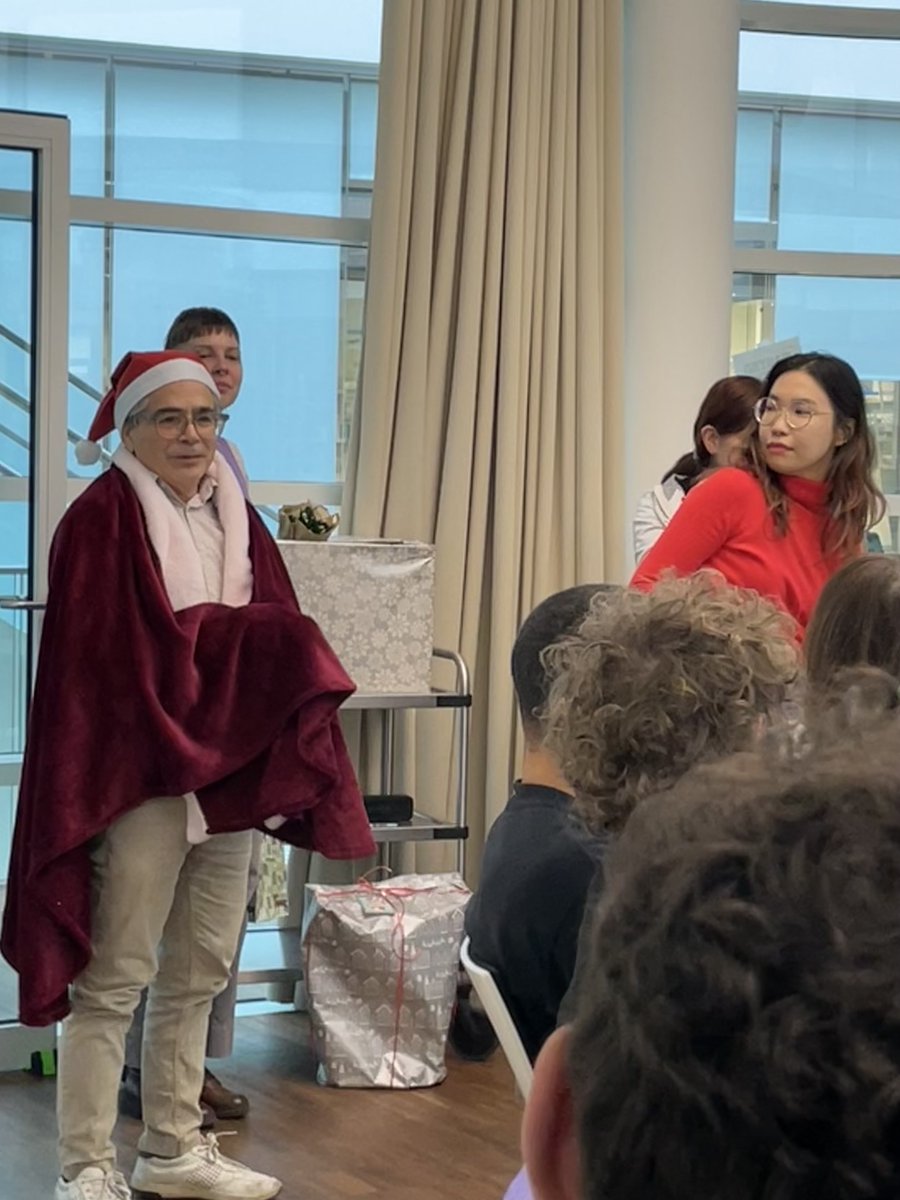
From worms to humans, our lab gathered for the annual festive brunch and Secret Santa—because community is the best longevity intervention🎁🎄🫶 #LabLife #Longevity #ScienceCommunity
2
8
408
8 Oct 2025
🚨New @biorxivpreprint: We model the splicing disease Verheij syndrome using C. elegans. Disruption of methionine and phospholipid metabolism drives growth defects; vitamin #B12 restores the balance and rescues development! #metabolism #RNAsplicing
doi.org/10.1101/2025.09.29.6…
1
3
9
806
18 Aug 2025
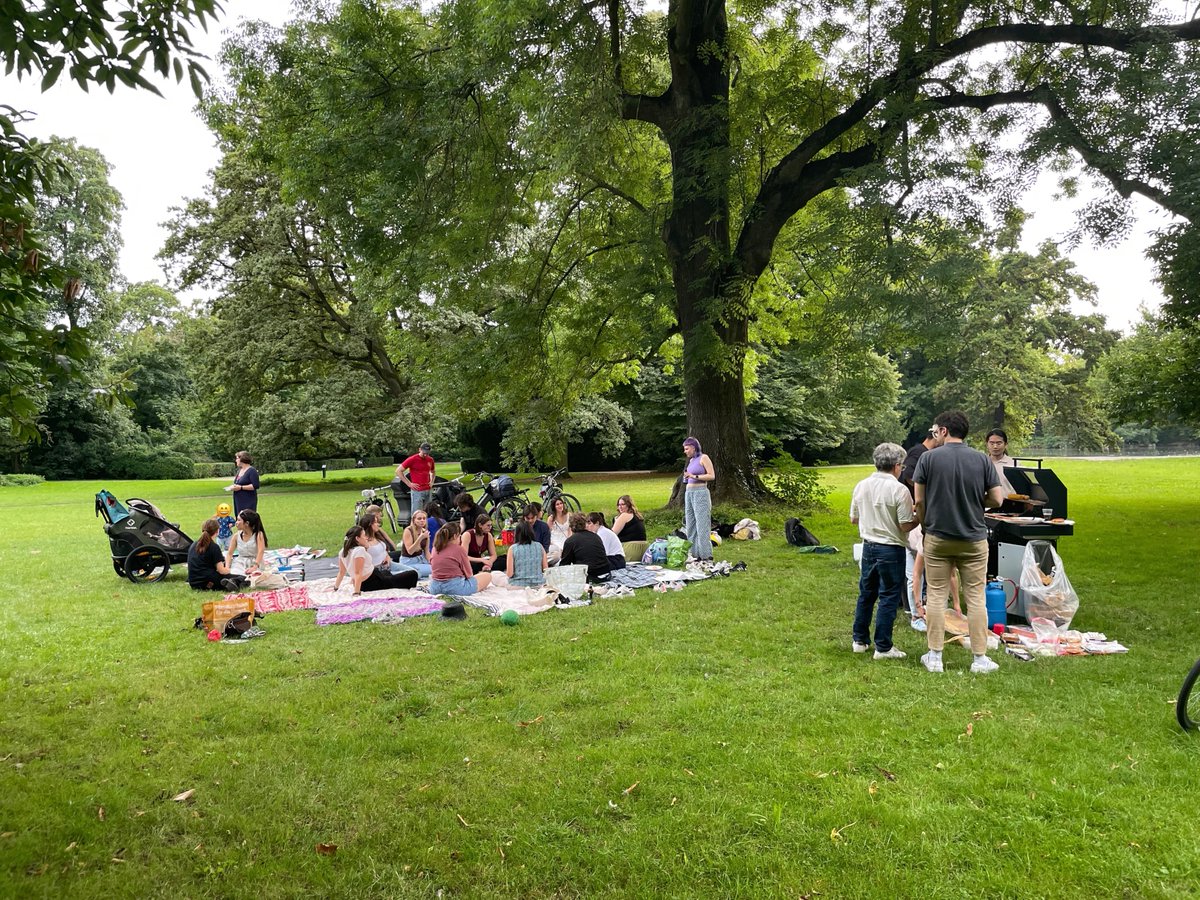
Our lab's BBQ last Friday was a blast! Meticulous research revealed the ultimate anti-aging formula: juicy burgers and great company! 🍔👩🔬 #AgingResearch
1
15
673
7 Jul 2025
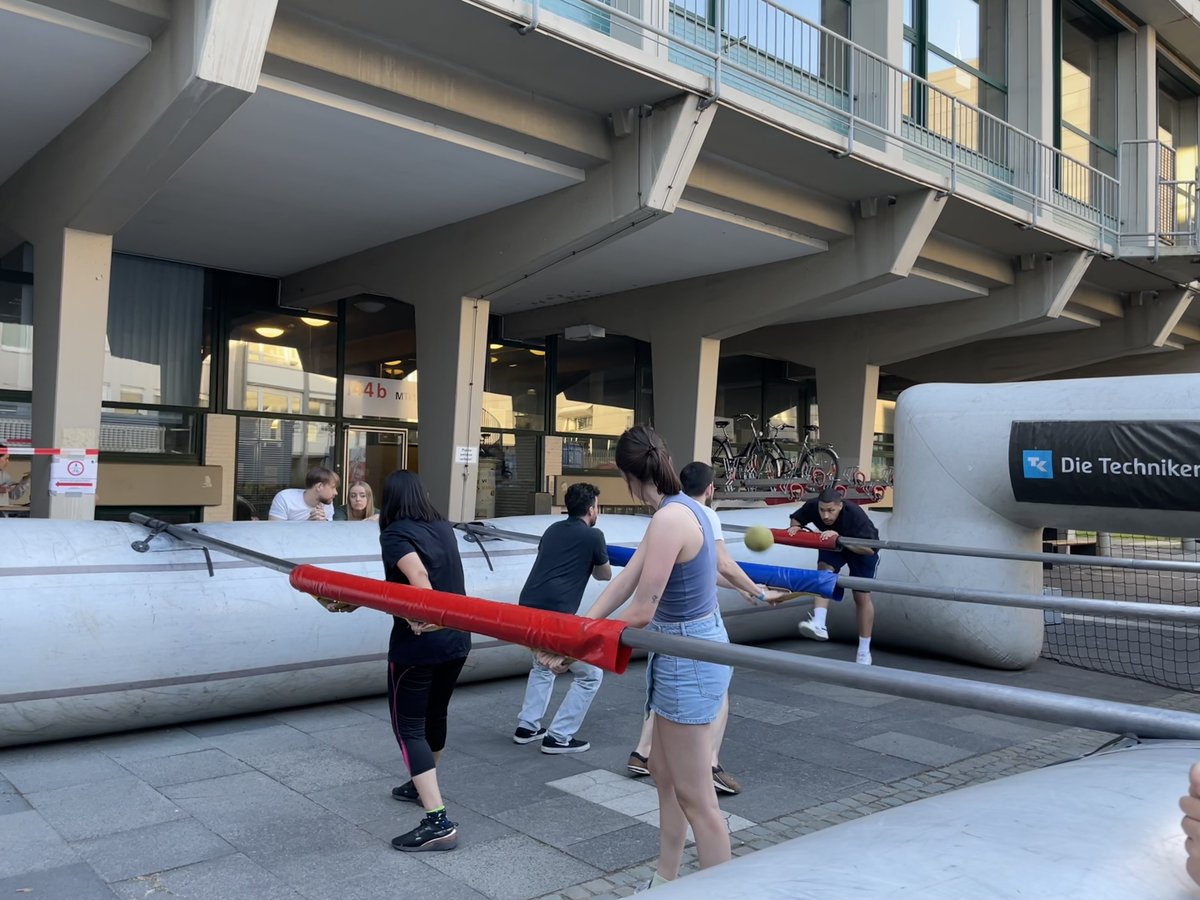
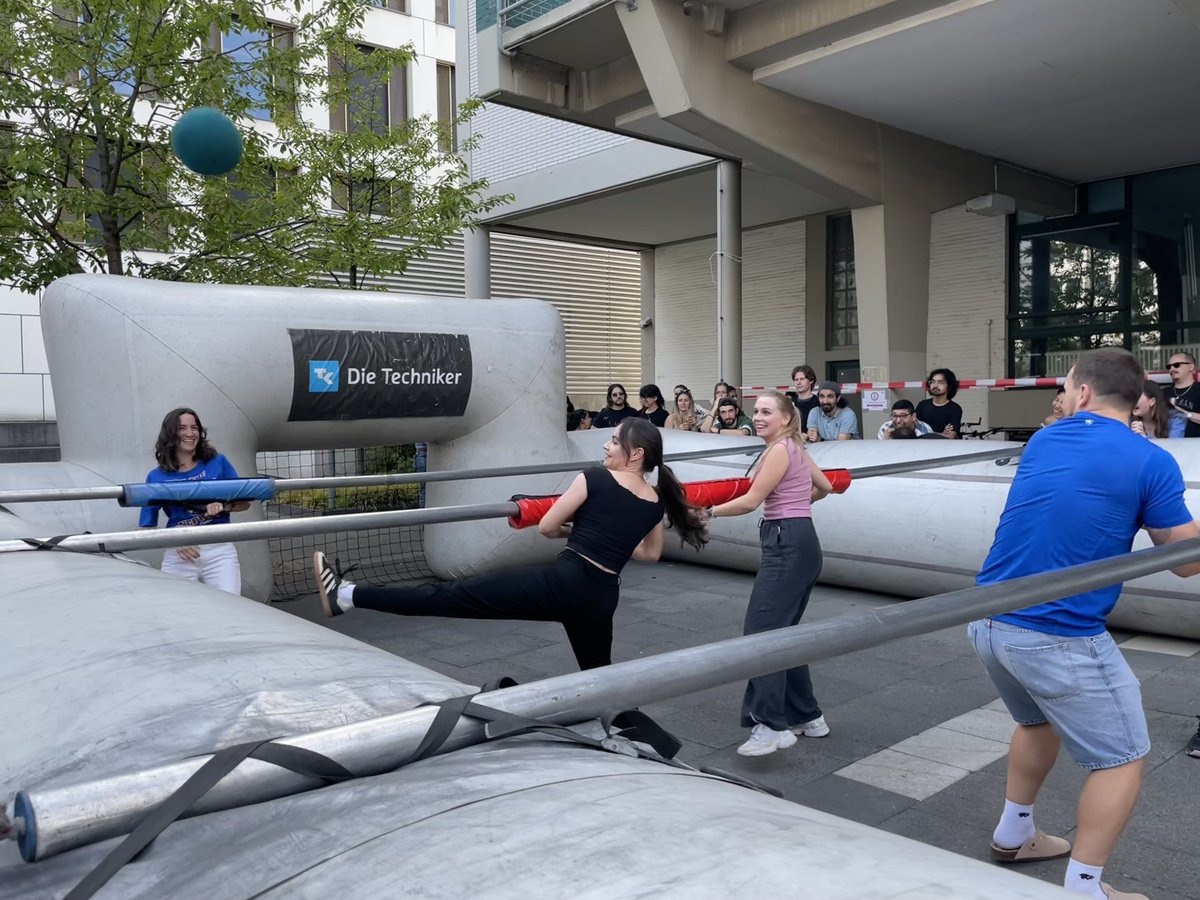
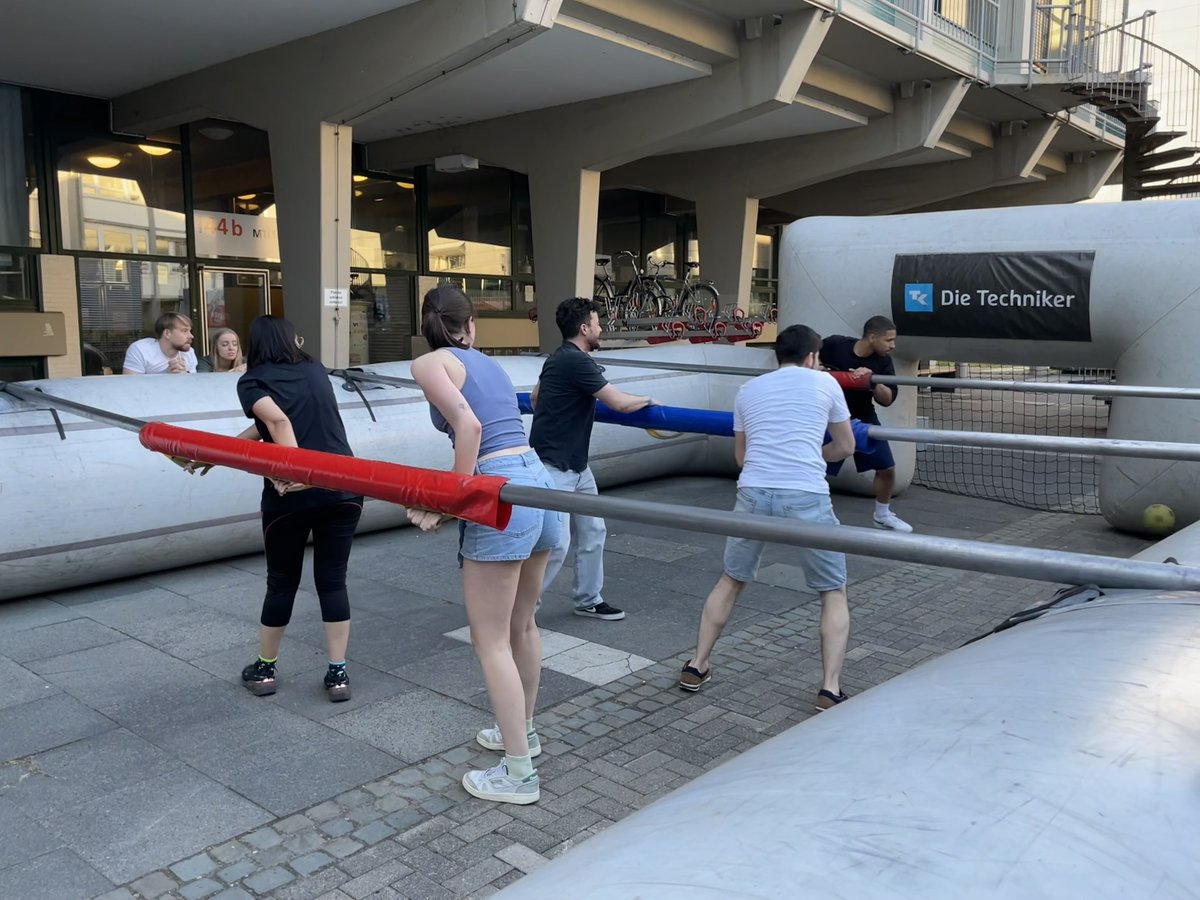
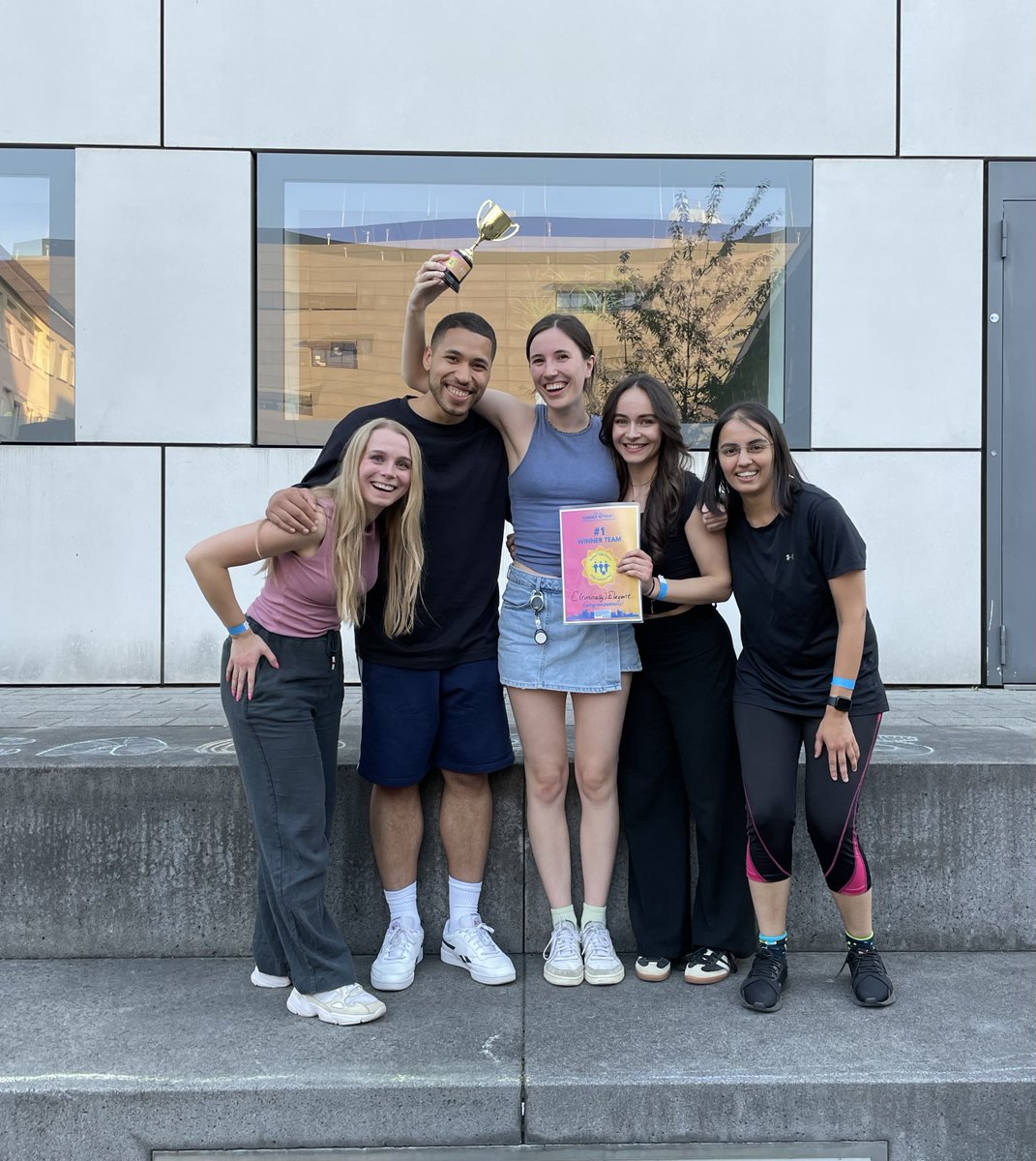
🏆⚽️ A huge shoutout to the Antebi lab's team 'C(riminally) elegant' for winning the human Foosball match at the CECAD Summer Party @CECAD_! Your elegance on the field is unmatched!💪 #LabLegends #Foosball
12
687
30 Jun 2025
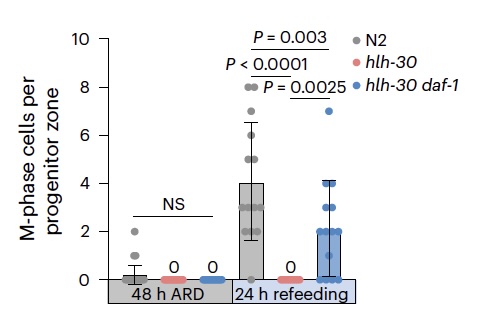
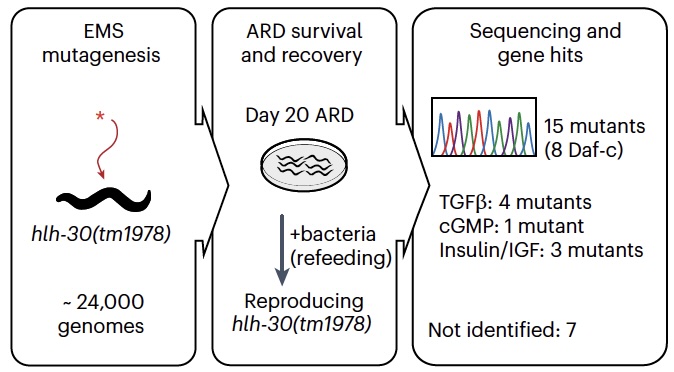
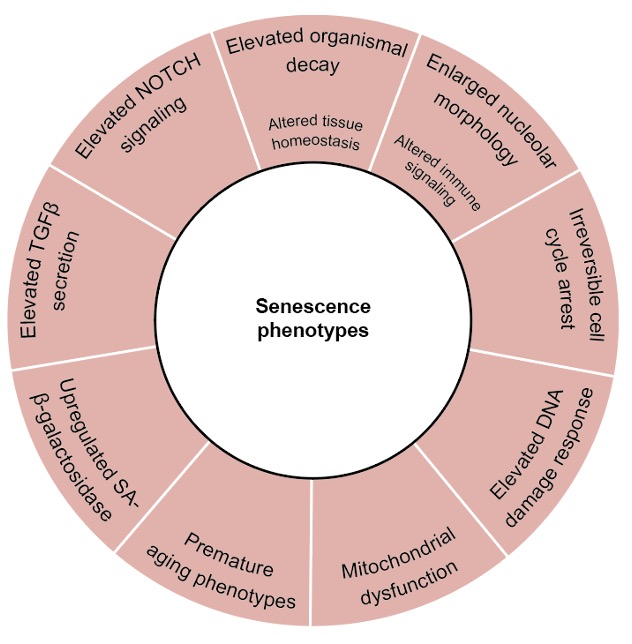
1/7 Out now @NatureAging🚨 We identified a genetic network of TFEB, TGFβ and NOTCH signaling regulating stem cell resilience, rejuvenation & senescence in C.elegans in response to nutrient cues, with conservation across taxa. @TJNonninger, J.Mak &B.Gerisch nature.com/articles/s43587-0…
1
16
45
3,126
30 Jun 2025
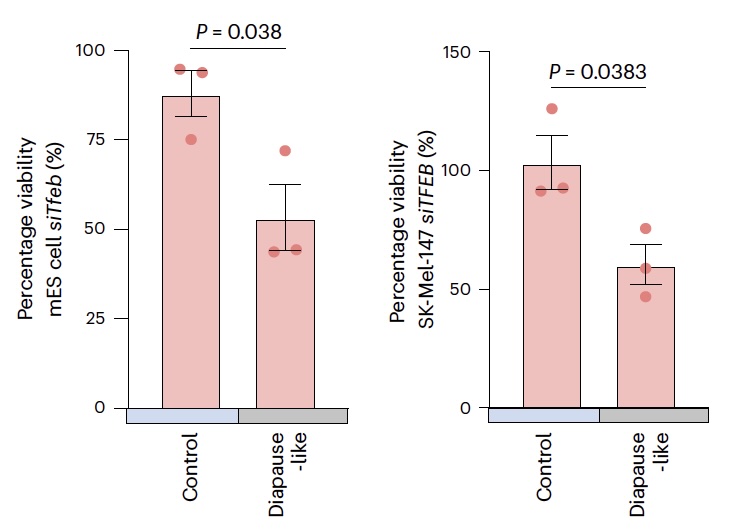
6/7 Together with Manuel Serrano’s group, we found that TFEB loss reduces survivorship in both embryonic and cancer diapause, and that TFEB and TGFβ signaling are regulated during diapause. Hence, targeting TFEB might undermine cancer dormancy and prevent relapse in vivo.
1
303
30 Jun 2025
7/7 In sum, hlh-30 mutation causes misalignment of nutrient cues and growth signaling, resulting in DNA damage & cellular senescence, which abrogates stem cell and organismal longevity.Cellular senescence is an evolutionarily ancient response to damage conserved even in C.elegans
1
241