Page d'information | Veille politico-stratégique, affaires militaires, terrorisme, pensée Arabe et Histoire des mouvements de libérations nationaux.
Joined March 2020
- Tweets 42,479
- Following 17
- Followers 66,079
- Likes 2,527
21,373 Photos and videos


Pinned Tweet

29 May 2023
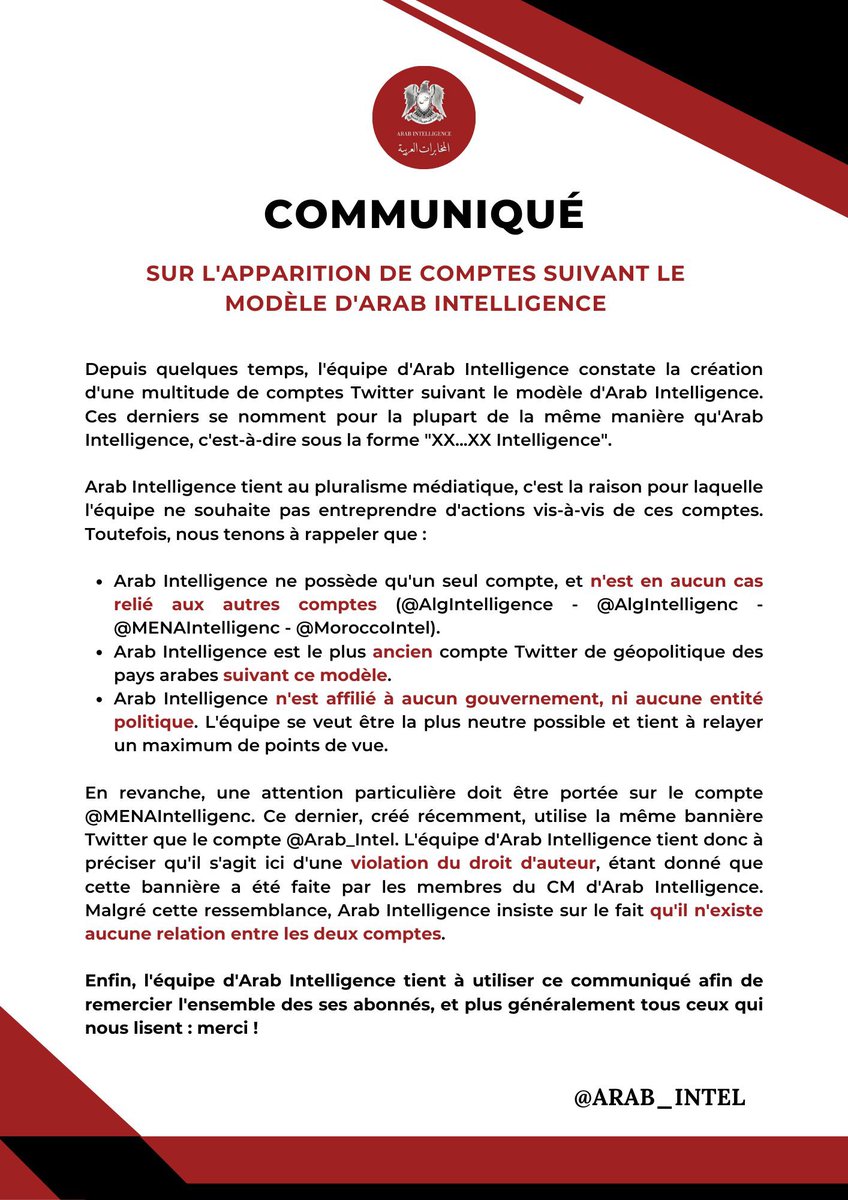
📃🛑 | Communiqué : Sur l’apparition de comptes suivant le modèle d’Arab Intelligence.
20
175
232,108
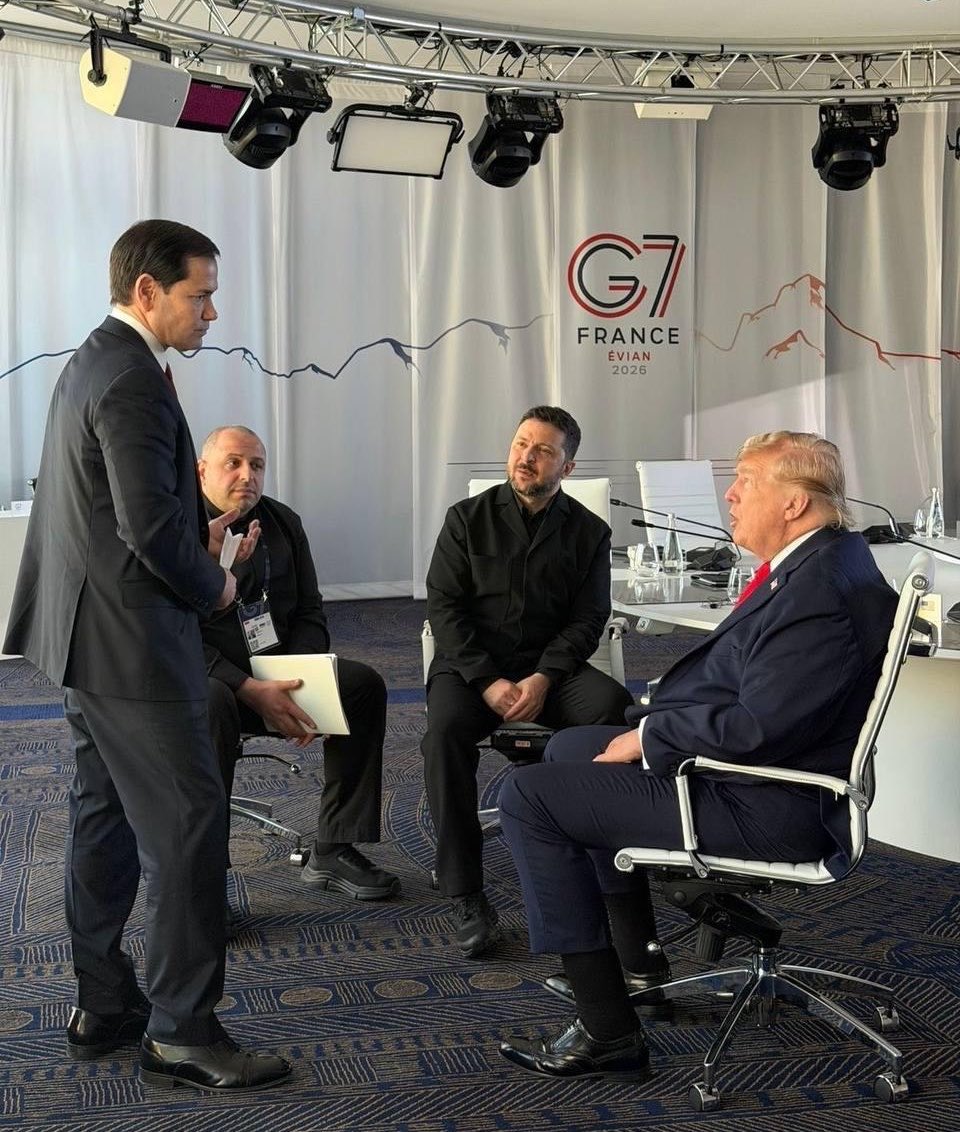
🇫🇷🇺🇸🇺🇦 | Trump, Zelensky, Rubio et Umerov ont tenu une réunion informelle ce matin à Évian, en France. Une autre rencontre est prévue cet après-midi.
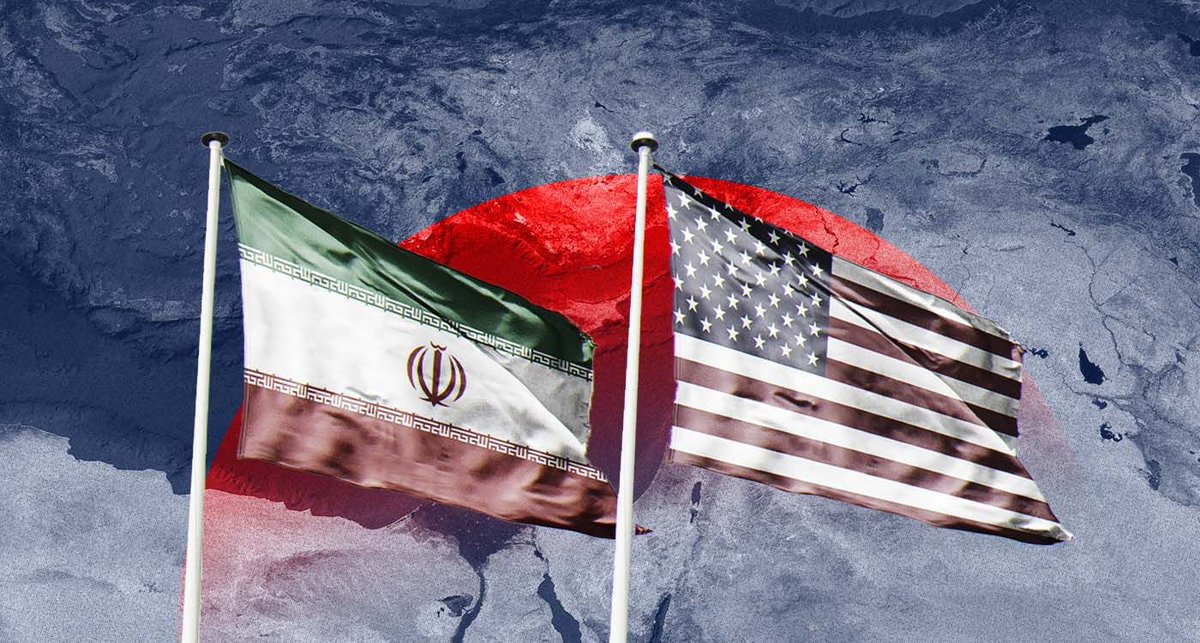
🎯 Alors que les États-Unis semblent réduire leur attention portée à l’Iran, l’Ukraine cherche à ramener la question ukrainienne au centre des préoccupations américaines et à regagner l’attention de Washington.
1
5
445
🇺🇸🇮🇷 | Divisions à la Maison-Blanche après une évaluation pessimiste de la CIA sur l’Iran
Le directeur de la CIA, John Ratcliffe, a informé le président Donald Trump ainsi que de hauts responsables de son administration que les renseignements recueillis par les agences américaines soulevaient de sérieux doutes quant à la volonté réelle de l’Iran d’accepter les concessions nucléaires exigées par Washington dans le cadre d’un accord final.
Le secrétaire d’État Marco Rubio et le secrétaire à la Défense Pete Hegseth ont également exprimé leurs inquiétudes au sujet de l’accord lors de discussions internes, tandis que le vice-président J. D. Vance ainsi que les envoyés Steve Witkoff et Jared Kushner se sont montrés favorables à sa promotion.
Selon les renseignements américains, il existait un écart entre la manière dont les hauts responsables iraniens discutaient de l’accord en privé entre eux et les messages qu’ils transmettaient aux médiateurs ainsi qu’aux États-Unis.(Axios)
8
1,153
🇮🇷 | Un autre superpétrolier (VLCC) sous sanctions américaines aurait réussi à franchir la ligne de blocus de l’US Navy en falsifiant sa position GPS et serait actuellement en train de charger environ 2 millions de barils de pétrole brut iranien.
Ils ajoutent que plusieurs VLCC de la compagnie iranienne NITC (National Iranian Tanker Company) ont récemment quitté leurs positions ou se sont rapprochés de la zone du blocus, ce qui pourrait indiquer un redéploiement discret des exportations pétrolières iraniennes.
4
9
858
🇺🇸🇮🇷 | Washington envisage un fonds de 300 milliards de dollars pour reconstruire l’Iran
L’administration Trump envisage d’approuver un fonds privé d’investissement et de reconstruction de 300 milliards de dollars pour l’Iran, dont l’accès serait conditionné au respect par Téhéran du mémorandum d’entente, à la prolongation du cessez-le-feu, à la réouverture du détroit d’Hormuz et à la poursuite des négociations sur le nucléaire.
Le fonds serait financé par des entreprises privées plutôt que par des gouvernements, tandis que l’allègement progressif des sanctions et le dégel des avoirs iraniens seraient liés à de futures négociations. Le vice-président américain JD Vance a déclaré que l’Iran ne pourrait bénéficier de ce mécanisme que s’il respecte pleinement les engagements pris dans le cadre de l’accord. ( Financial Times )
1
6
26
2,605
🇫🇷 | La France choisit le Thundart : un retour en force de l’artillerie longue portée
Le salon de l’armement EUROSATORY a débuté près de Paris. Il faut s’attendre à de nombreuses présentations de nouveaux systèmes d’armes, à des annonces de contrats et à des programmes ambitieux. Ce type de salon constitue un bon indicateur de ce que les industriels de la défense estiment être les besoins futurs des armées.
Aujourd’hui, nous avons appris que l’armée française a sélectionné le Thundart MRLS pour remplacer ses lance-roquettes multiples M270 (LRU) d’origine américaine. Le système développé par MBDA et Thales a remporté l’appel d’offres face aux propositions d’ArianeGroup/Soframe, ainsi qu’à des systèmes sud-coréens et indiens. Il y a quelques semaines encore, malgré un carnet de commandes déjà chargé, Lockheed Martin avait proposé le système HIMARS avec un calendrier de livraison accéléré.
Un prototype du Thundart est actuellement exposé et plusieurs capacités avancées sont mises en avant. La roquette devrait disposer d’une portée pouvant atteindre 150 km, soit une catégorie comparable à celle du futur GMLRS-ER américain. Une version à portée étendue vise quant à elle 300 km.
Cela représenterait une augmentation majeure de la portée et de la puissance de feu de l’armée française, qui souffre aujourd’hui d’un déficit dans ce domaine pour des raisons à la fois budgétaires et doctrinales.
La roquette Thundart est également présentée comme pouvant être larguée depuis un avion (à l’image de l’Israélien Blue Sparrow) et intégrée aux systèmes de lancement vertical (VLS) de la Marine nationale.
4
1,074
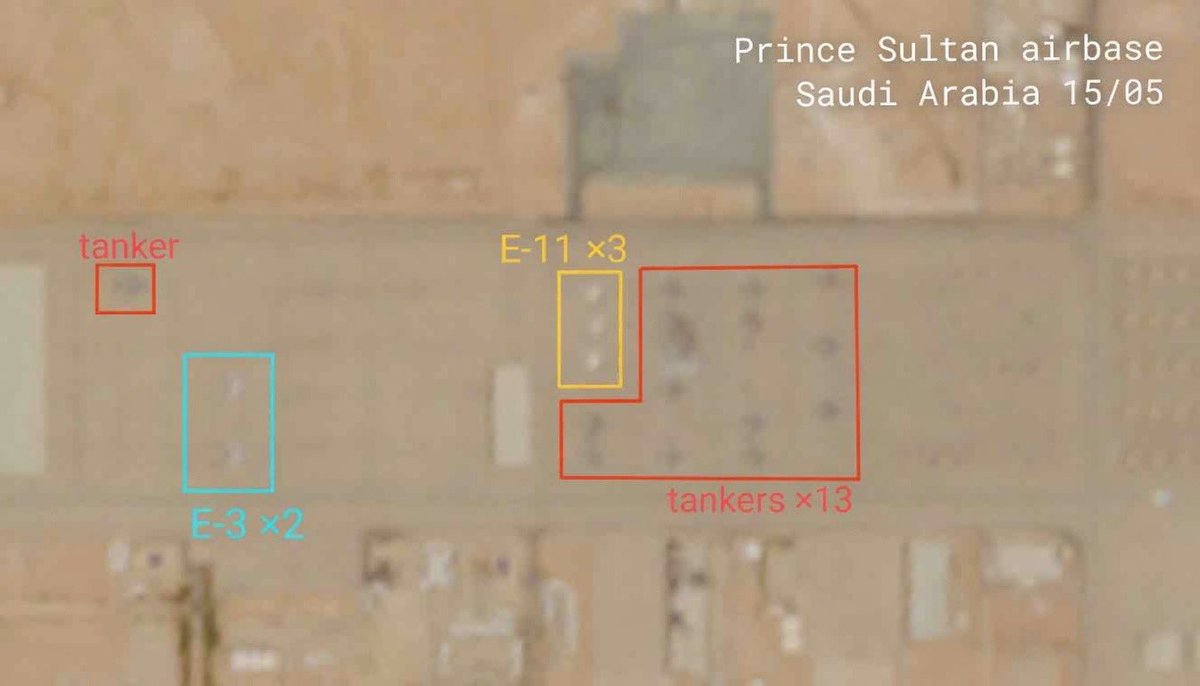
🇸🇦🇺🇸🇮🇷 | Les précieux avions de détection et de commandement aéroporté Boeing E-3 Sentry de l’US Air Force sont de nouveau regroupés sur le tarmac principal après une dispersion rapide.
La menace perçue d’une frappe de missiles iranienne a diminué.
1
14
910
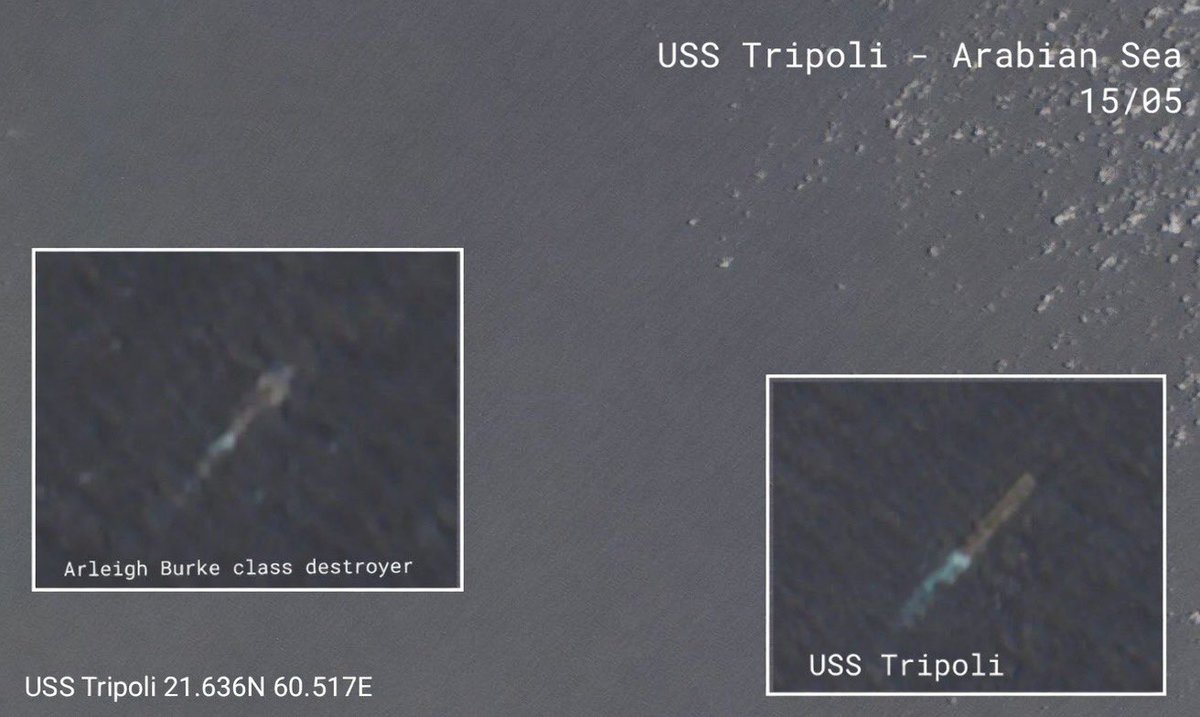
🇺🇸🇮🇷 | Le navire d’assaut amphibie de l’US Navy USS Tripoli (LHA-7) a été observé aujourd’hui en mer d’Arabie, escorté par au moins un destroyer.
Le bâtiment de guerre demeure dans la zone où il a été repéré à plusieurs reprises durant le blocus, à environ 100 km à l’est d’Oman.
L’US Navy devrait maintenir sa position dans les prochains jours, même si le blocus est levé.
LHA-7
📍 21.636° N, 60.517° E.
3
17
1,930
Jun 15
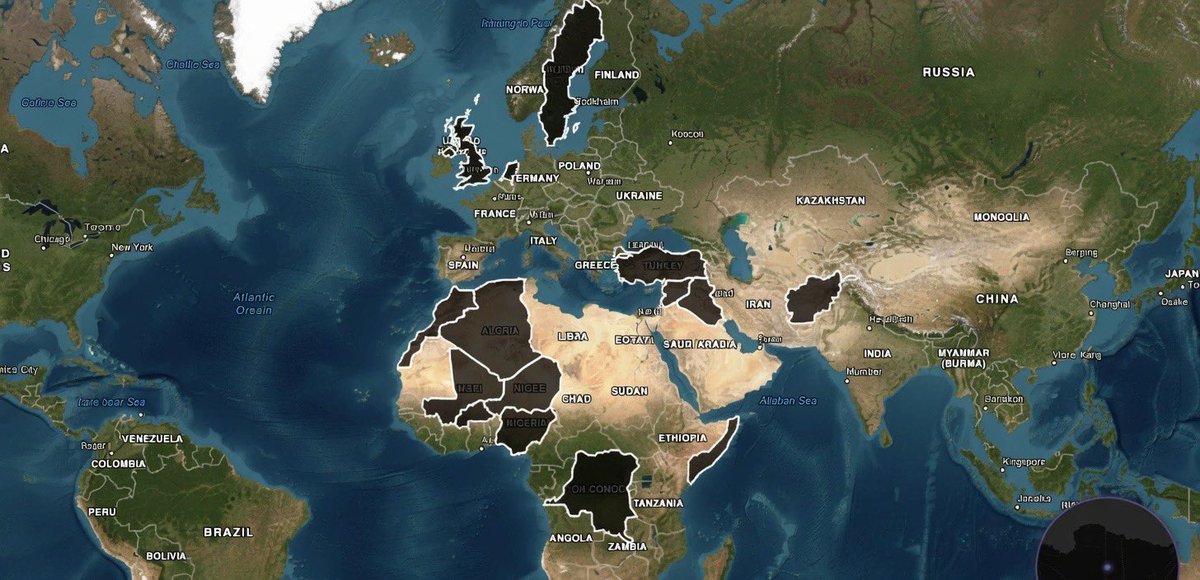
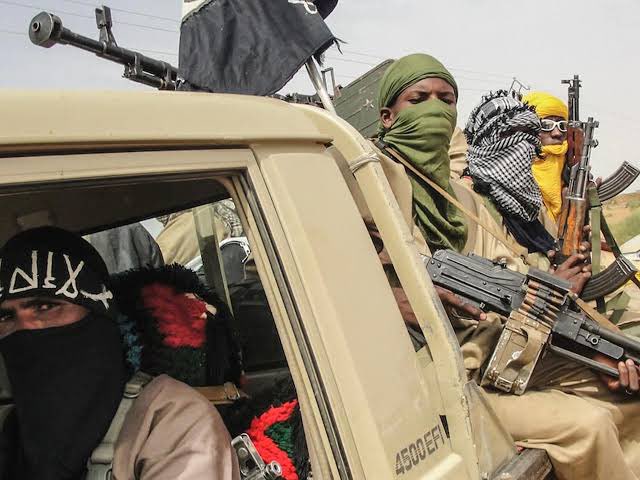
🏴 | Une analyse comparative des données de 2024, 2025 et 2026 révèle que les réseaux de communications radio de l’État islamique (Daech) ont gagné en ampleur. Les pays mis en évidence sur la carte correspondent aux États où ces transmissions ont été détectées.
📝 Historiquement, les réseaux radio constituent l’épine dorsale des organisations clandestines opérant dans des environnements où les communications numériques sont surveillées ou perturbées.
Alors que l’Irak et la Syrie ne constituent plus le cœur exclusif de l’organisation, l’Afrique, du Sahel à la Somalie en passant par le bassin du lac Tchad, ainsi que le Khorassan en Asie sont devenus les principaux moteurs de son activité. Cette mutation stratégique rend Daech moins visible mais potentiellement plus durable : au lieu d’un proto-État concentré sur un territoire défini, le mouvement fonctionne désormais comme une constellation de branches régionales relativement autonomes, reliées par une idéologie commune, des réseaux de communication et des mécanismes de coordination transfrontaliers. Cette structure décentralisée complique les efforts de neutralisation et renforce sa capacité de résilience face à la pression militaire et sécuritaire.
⚠️L’Europe du Nord (Royaume-Uni, Scandinavie) apparaît plus surprenante. Cela pourrait refléter des relais, des sympathisants, des interceptions techniques ou des activités de surveillance.
Pour les services de renseignement, le signal le plus préoccupant n’est pas tant le volume des transmissions que leur dispersion géographique, qui témoigne d’une organisation capable de survivre à la perte de ses sanctuaires tout en conservant une capacité de projection et de régénération à l’échelle internationale.
1
2
14
3,488
Arab Intelligence retweeted

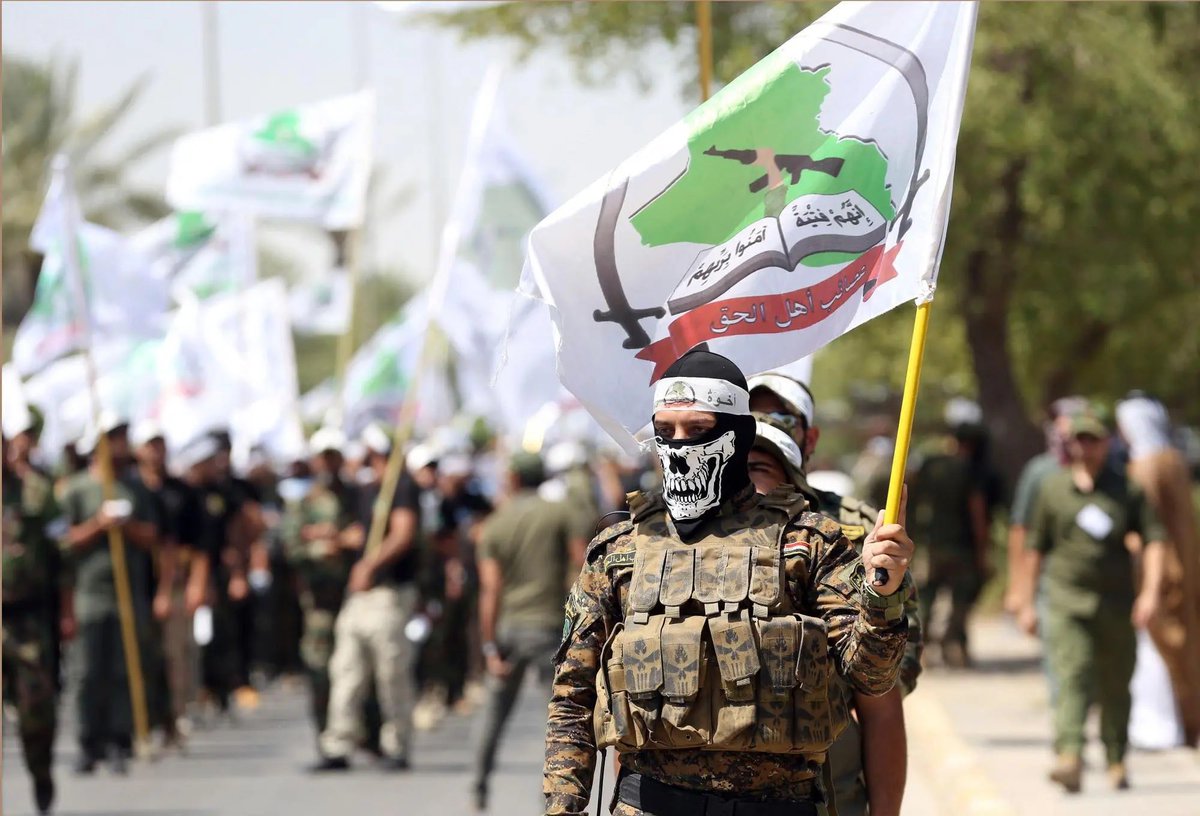
🇮🇶 | Iraq: The End of Armed Militias or the Beginning of a Legitimized Parallel Power?
The developments currently unfolding in Iraq are often portrayed as a victory for the U.S. maximum-pressure strategy and a step toward restoring the Iraqi state’s monopoly on the legitimate use of force. Yet a more strategic reading suggests that what is taking place is less a process of disarmament than a reconfiguration of the influence mechanisms employed by Iraq’s Shiite armed groups.
Under the combined pressure of U.S. strikes against Iranian infrastructure, financial constraints imposed on Baghdad, and the scheduled withdrawal of American forces, several armed factions have gradually agreed to reduce their military visibility. Saraya al-Salam, Asa’ib Ahl al-Haq, and Kata’ib al-Imam Ali have all endorsed the principle of placing weapons under state authority.
However, military capabilities do not necessarily disappear. In many cases, they are stockpiled, redistributed, or maintained in less visible forms. At the same time, the militias’ political, economic, and administrative networks continue to expand. The issue is therefore no longer solely one of territorial control through force, but increasingly of controlling resources, strategic infrastructure, and state institutions.
For Washington, the immediate benefits are clear: attacks against American interests have sharply declined, and the military withdrawal can now be presented as the outcome of an effective coercive strategy. Yet this evolution does not necessarily guarantee a lasting reduction in Iranian influence. On the contrary, it may signify its transformation.
For years, Tehran has sought not merely to sustain permanent confrontation but to institutionalise its regional proxies. The experience of Hezbollah in Lebanon has demonstrated that an actor integrated into state structures enjoys far greater political and legal protection than an organisation operating exclusively in the shadows. From this perspective, the gradual integration of Iraqi militias into governance mechanisms appears less as a retreat of Iranian influence than as its consolidation.
The groups involved also appear to be among the primary beneficiaries of this transition. By progressively abandoning their role as overt paramilitary forces, they gain access to more durable sources of power: public contracts, critical infrastructure, land ownership, logistics networks, telecommunications, and customs systems. In other words, the centre of gravity of influence is shifting from the military sphere to the political and economic domains.
At the same time, more hardline organisations, notably Kata’ib Hezbollah and Harakat al-Nujaba, continue to reject this trajectory and maintain autonomous military capabilities. This duality should not necessarily be interpreted as fragmentation. It may also represent a form of strategic diversification, allowing Iran to preserve both an institutional lever of influence and a military pressure capability that could be reactivated if necessary.
The silence of Grand Ayatollah Ali al-Sistani also contributes to this evolution. In the absence of explicit religious opposition, integrationist factions enjoy considerable room for manoeuvre to legitimise their political repositioning without requiring formal doctrinal endorsement.
Ultimately, the current situation points to a paradoxical equilibrium. The United States reduces the immediate security threat and secures a more favourable environment for its withdrawal. Iran preserves the core of its influence networks while making them less vulnerable to military strikes and sanctions. As for the militias, they are gradually exchanging firepower for more enduring institutional influence.
1
2
5
863
Jun 14
✍️ Les critiques les plus radicales contre les négociations avec les États-Unis reposent principalement sur des arguments idéologiques, présentant tout compromis comme une forme de capitulation. Pourtant, cette vision est loin de faire consensus dans la pensée stratégique classique. De Sun Tzu à Kissinger, en passant par Clausewitz et Machiavel, la négociation est généralement considérée comme un instrument de puissance au même titre que la force militaire. Sun Tzu rappelle que la forme suprême de victoire consiste à atteindre ses objectifs sans détruire inutilement ses ressources, tandis que Clausewitz voit la guerre et la diplomatie comme deux moyens au service d’une même finalité politique. Machiavel, quant à lui, juge avant tout les décisions à leur capacité à préserver l’État et à garantir sa survie.
Dans cette perspective, négocier avec un adversaire n’est ni un acte de confiance ni un renoncement idéologique ; c’est une décision pragmatique fondée sur un calcul coûts-bénéfices. La véritable question n’est donc pas de savoir si la négociation est honorable ou déshonorante, mais si elle améliore la position stratégique de l’État par rapport aux alternatives disponibles. Le débat qui traverse aujourd’hui l’Iran reflète précisément cette opposition : d’un côté, ceux qui considèrent qu’un accord permettrait de desserrer l’étau économique et de consolider le pays ; de l’autre, ceux qui estiment que les concessions accordées affaibliraient durablement la posture idéologique de la République islamique.
Jun 14

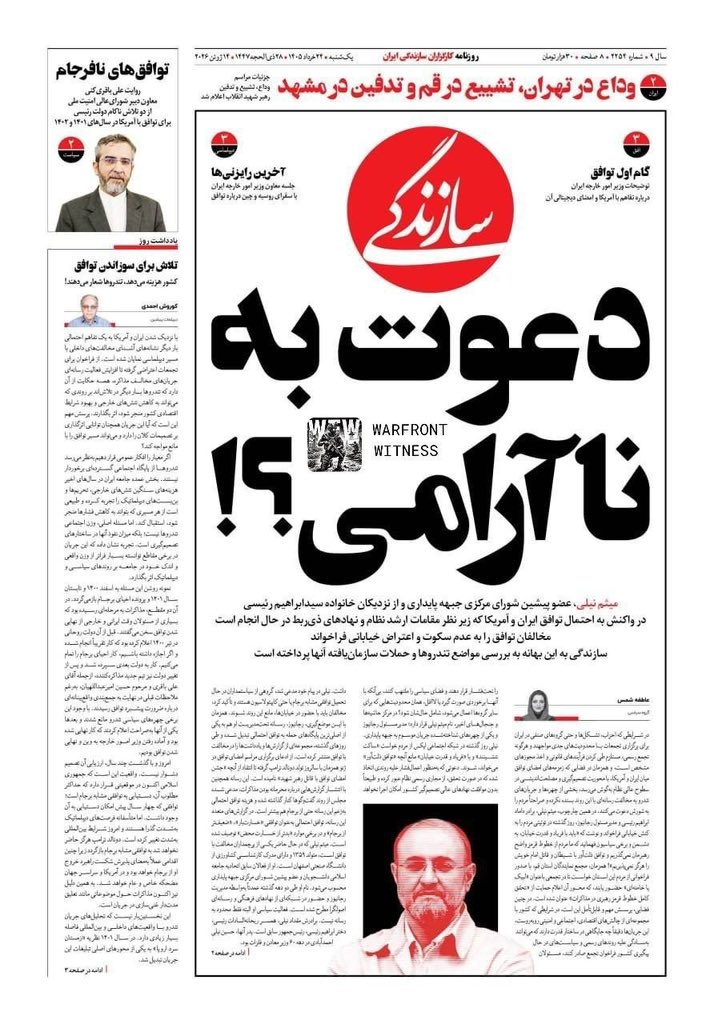
🇮🇷🇺🇸 | L’accord avec Washington révèle une profonde fracture au sommet de l’État iranien
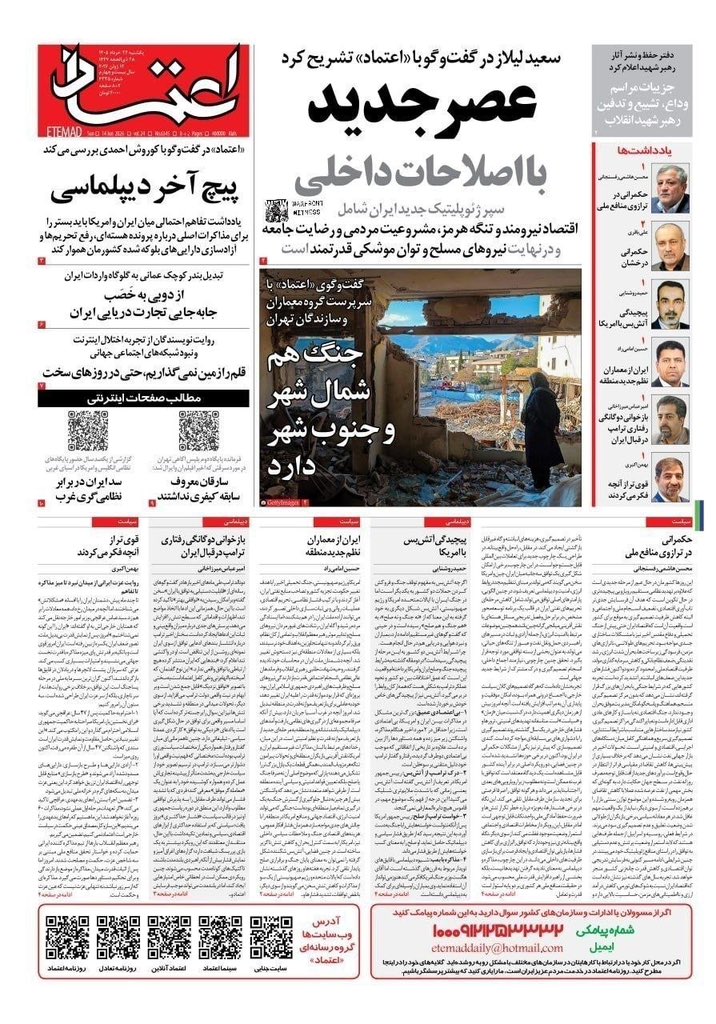
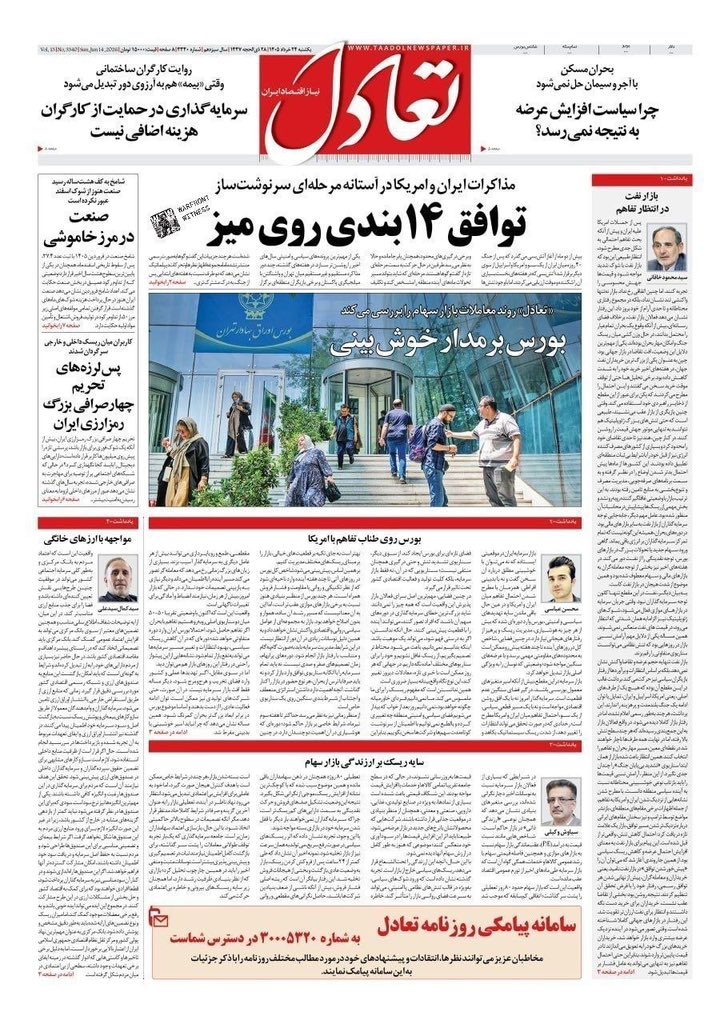
Les journaux réformistes et centristes, Etemad, Jomhouri-e Eslami et Ta’adol, soutiennent fortement l’accord, le présentant comme un tournant diplomatique décisif qui permettra de lever les sanctions, débloquer les avoirs gelés et reconstruire l’économie sous un « super bouclier géopolitique ».
Etemad appelle à l’ouverture d’« une nouvelle ère accompagnée de réformes internes ».
Ta’adol souligne l’optimisme des marchés financiers ainsi que la baisse des prix de l’or et des devises à mesure que l’accord se rapproche. Enfin, il permettrait de répondre aux besoins socio-économiques de la société au détriment du bloquage que provoque l’idéologie du régime.
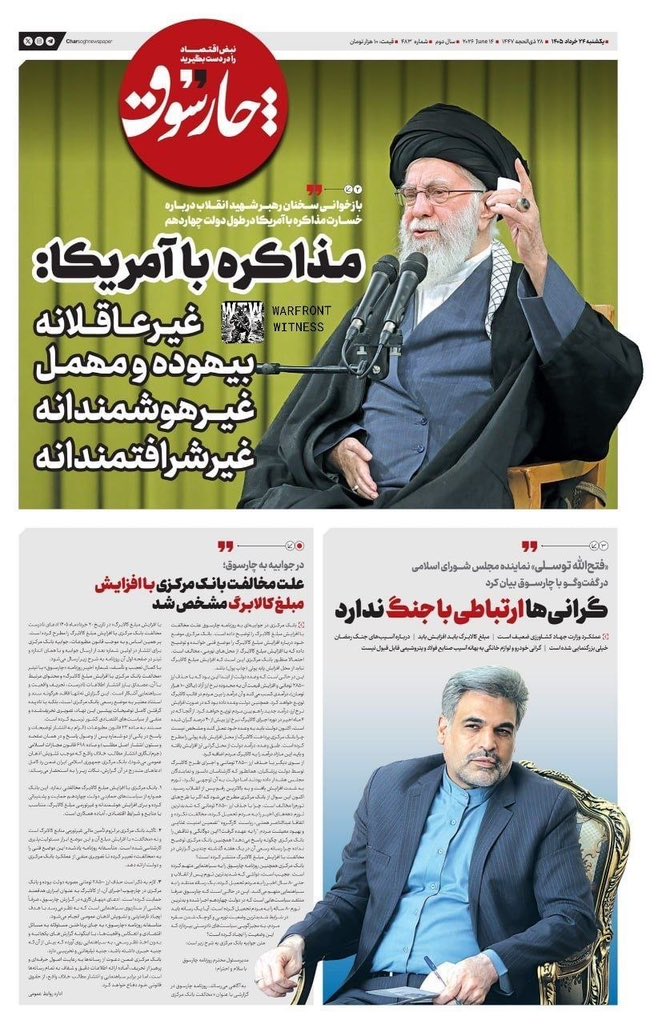
À l’inverse, les journaux conservateurs radicaux, menés par Charsouq, s’opposent fermement à tout accord.
Charsouq a publié en une un portrait du défunt Guide suprême accompagné de la phrase : « Négocier avec l’Amérique : imprudent, futile et absurde, dénué d’intelligence et déshonorant. »
Ces unes confirment une analyse précédente selon laquelle la politique iranienne se trouve à un carrefour existentiel.
La poussée réformiste est motivée autant par la crainte d’un effondrement économique que par une confiance stratégique, tandis que les conservateurs sont divisés entre ceux qui acceptent une diplomatie menée par l’État et ceux qui sont prêts à risquer le chaos intérieur pour bloquer l’accord.
2
6
1,405
Jun 14
🇮🇷🇺🇸 | L’accord avec Washington révèle une profonde fracture au sommet de l’État iranien
Les journaux réformistes et centristes, Etemad, Jomhouri-e Eslami et Ta’adol, soutiennent fortement l’accord, le présentant comme un tournant diplomatique décisif qui permettra de lever les sanctions, débloquer les avoirs gelés et reconstruire l’économie sous un « super bouclier géopolitique ».
Etemad appelle à l’ouverture d’« une nouvelle ère accompagnée de réformes internes ».
Ta’adol souligne l’optimisme des marchés financiers ainsi que la baisse des prix de l’or et des devises à mesure que l’accord se rapproche. Enfin, il permettrait de répondre aux besoins socio-économiques de la société au détriment du bloquage que provoque l’idéologie du régime.
À l’inverse, les journaux conservateurs radicaux, menés par Charsouq, s’opposent fermement à tout accord.
Charsouq a publié en une un portrait du défunt Guide suprême accompagné de la phrase : « Négocier avec l’Amérique : imprudent, futile et absurde, dénué d’intelligence et déshonorant. »
Ces unes confirment une analyse précédente selon laquelle la politique iranienne se trouve à un carrefour existentiel.
La poussée réformiste est motivée autant par la crainte d’un effondrement économique que par une confiance stratégique, tandis que les conservateurs sont divisés entre ceux qui acceptent une diplomatie menée par l’État et ceux qui sont prêts à risquer le chaos intérieur pour bloquer l’accord.
1
7
2,479
Jun 14
🇺🇸🇮🇷 | 25 milliards de dollars et levée des sanctions : les contours du compromis entre Téhéran et Washington
Un haut responsable iranien a déclaré à Reuters que le projet de mémorandum entre les États-Unis et l’Iran permettrait à l’Iran de diluer son stock d’uranium hautement enrichi sur son propre territoire, selon un mécanisme qui serait négocié au cours d’une période de 60 jours de discussions suivant la signature de l’accord.
Le responsable a précisé que Téhéran n’a pas accepté de retirer son uranium enrichi hors d’Iran.
L’Iran s’engagerait à ne pas produire ni acquérir d’armes nucléaires, tandis que Washington suspendrait les sanctions pétrolières pour une période déterminée et accepterait de débloquer 25 milliards de dollars d’avoirs iraniens gelés, via une combinaison de transferts de fonds, de mécanismes de coopération régionale et de lignes de crédit financières. (Reuters)
1
11
1,551
Jun 13
Merci de relire, nous expliquons clairement que le JNIM peut toujours commettre des atrocités de masse sur les civils.
Jun 13

En el día de hoy es el segundo artículo o Post que veo blanqueando las acciones de JNIM en el Sahel. Pero la realidad es que, por ejemplo, ayer realizaron una matanza en Pemba (Burkina Faso). Que es cierto que JNIM se ha vuelto más pragmático y diferenciado de Daesh, pero que el grupo sigue ejerciendo violencia indiscriminada contra civiles (incluido coacciones, amenazas y secuestros) y las tradicionales estructuras tribales de la zona.
1
1
831
Jun 13
Mali : Al-Qaïda tente de transformer ses gains militaires en pouvoir politique
Le groupe jihadiste lié à Al-Qaïda, le JNIM (Groupe de soutien à l’islam et aux musulmans), qui contrôle désormais de vastes portions du Mali après son offensive majeure d’avril ayant notamment frappé l’aéroport de Bamako et tué le ministre de la Défense, adopte de plus en plus un comportement modéré dans les zones sous son contrôle, en distribuant de la nourriture, en réglant des litiges fonciers et en autorisant certaines opérations humanitaires.
Des habitants décrivent une gouvernance devenue plus prévisible et moins ouvertement violente, bien que le groupe demeure capable de commettre des atrocités de masse et ait déjà imposé des blocus ayant provoqué la mort de civils par famine.
Selon des experts, le JNIM cherche à acquérir une légitimité politique à mesure qu’il consolide son contrôle territorial, tandis que le gouvernement militaire malien rejette fermement toute négociation avec le groupe.(Reuters)
📝 Le JNIM s’inspire d’al-Charaa et voit un mode d’emploi : un groupe jihadiste qui, en se recentrant sur le local, en disciplinant sa violence et en jouant la carte de la gouvernance de proximité, a fini par s’asseoir à la table des grandes puissances. La recette est en cours de réplication au Mali, moins d’attentats aveugles, plus d’arbitrage communautaire, une rhétorique de dialogue qui remplace celle du djihad global. Ag Ghali (chef du JNIM) a intégré la leçon fondamentale de Joulani : ce n’est pas la victoire militaire qui ouvre les chancelleries, c’est la capacité à incarner, même imparfaitement, une alternative au chaos que le régime en place est incapable de conjurer. Le djihad global était un plafond de verre politique ( sans réelle réponse aux problèmes socio-économiques que demande la gouvernance) ainsi le nationaliser, le territorialiser, le rendre lisible pour les populations locales, c’est précisément ce qu’al-Charaa a fait à Idlib, et ce que le JNIM teste aujourd’hui dans le Sahel central.
4
2
6
1,566
Jun 13
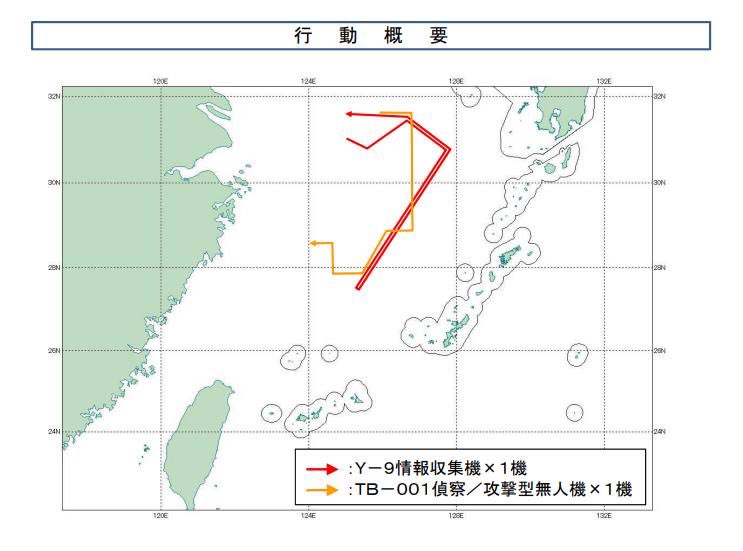
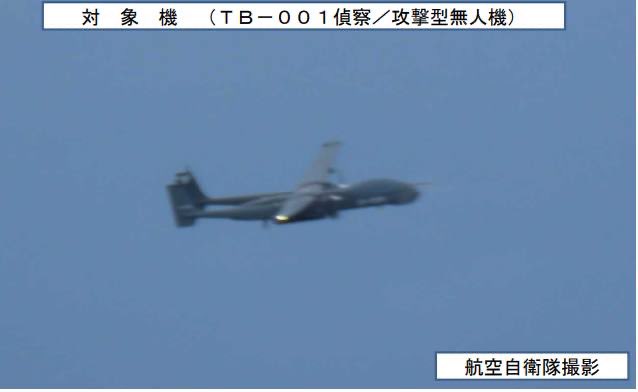
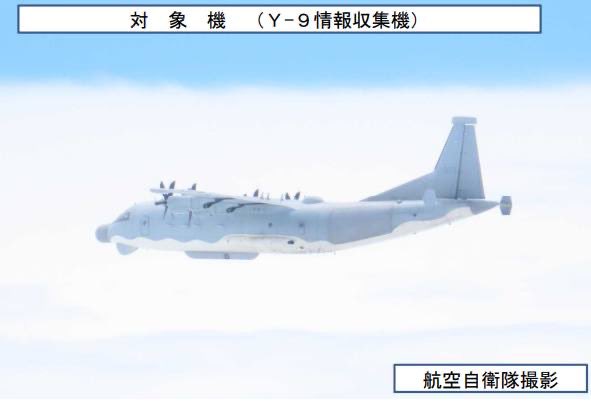
🇯🇵🇨🇳 | Le Japon a annoncé avoir fait décoller des avions de chasse le 12 juin après qu’un avion de renseignement militaire chinois Y-9 et un drone de reconnaissance et d’attaque TB-001 ont survolé la mer de Chine orientale, depuis le sud des îles Danjo en direction des eaux situées au large d’Okinawa.
Le Y-9 est un avion de renseignement électronique et de surveillance, tandis que le TB-001 est un drone MALE (moyenne altitude longue endurance) capable de missions de reconnaissance et, selon ses versions, d’emporter des armements. Leur présence simultanée suggère une mission de collecte de renseignements et de surveillance dans une zone stratégiquement sensible entre la Chine, Taïwan et l’archipel japonais.
1
10
1,108
Jun 12
🇮🇷🇺🇸 | Le Pentagone prépare l’une des missions spéciales les plus complexes de son histoire
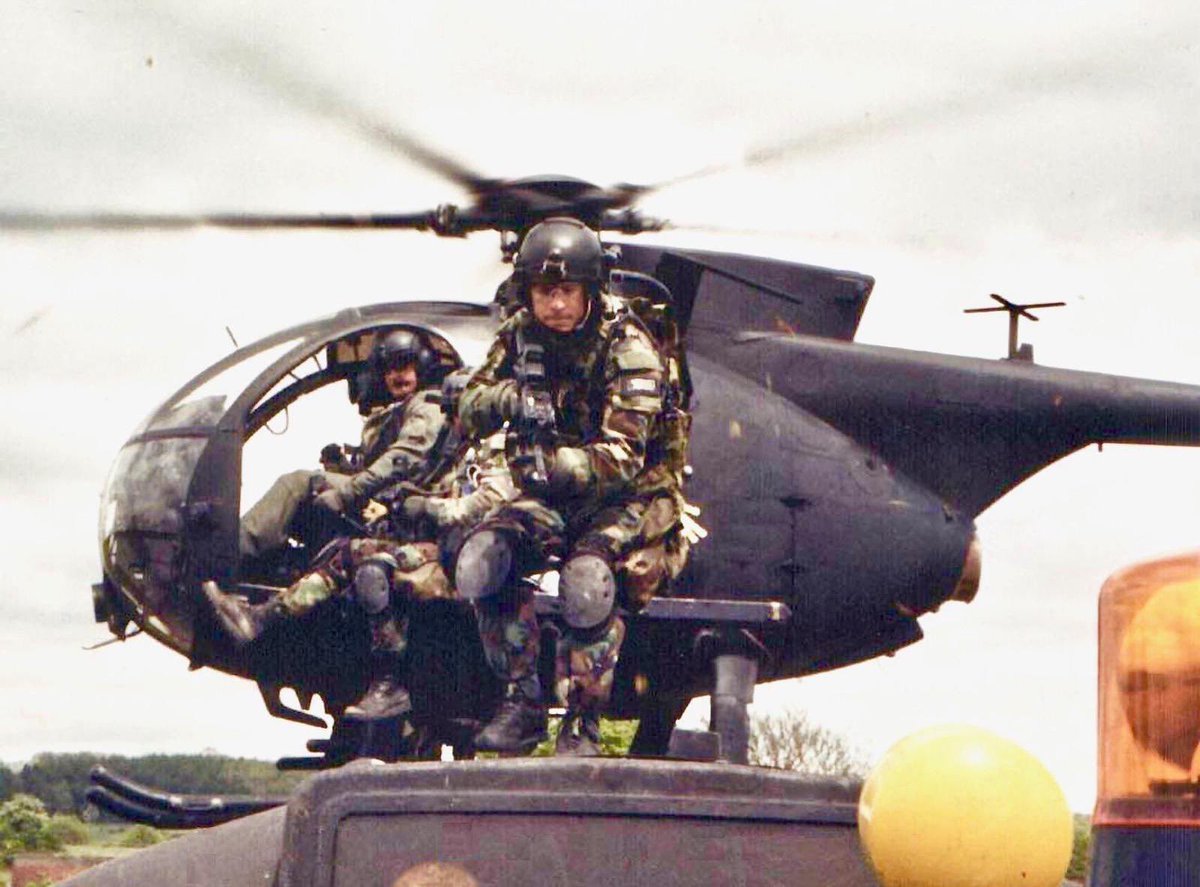
L’armée américaine élabore des plans d’urgence pour sécuriser les matières nucléaires iraniennes dans l’éventualité où un accord de paix serait conclu. Ces plans reposent sur des unités d’élite du JSOC (Joint Special Operations Command), spécialement entraînées pour les missions de contre-prolifération.
L’Iran détiendrait encore environ 972 livres (près de 441 kg) d’uranium enrichi à 60 %, réparties sur plusieurs sites, dont une partie aurait potentiellement été transférée vers un complexe souterrain près de Natanz, connu sous le nom de « Pickaxe Mountain ».
L’opération, si elle était ordonnée, pourrait nécessiter jusqu’à 1 000 soldats et des raids simultanés sur tous les sites de stockage connus, ce qui en ferait l’une des missions de forces spéciales les plus complexes jamais envisagées.
3
13
2,833
Jun 12
🇮🇷🇺🇸 | La chaîne israélienne Channel 14 confirme que l’ayatollah Mojtaba Khamenei n’a vraisemblablement pas encore donné son approbation finale au protocole d’accord (MoU) entre l’Iran et les États-Unis.
1
2
9
989
Jun 12
📝 Officiellement, Washington a suspendu sa coopération sécuritaire ainsi que les livraisons de dollars afin d’accentuer la pression sur Bagdad.
Mais officieusement, Washington réactive discrètement son influence sécuritaire en Irak via le déploiement de conseillers du Pentagone au ministère de la Défense, au ministère des Peshmergas du GRK et à l’ICTS, force d’élite directement rattachée au Premier ministre. Leur mission inclut le conseil opérationnel, la formation et la supervision des futurs transferts d’armement via le programme FMS.
Ce mouvement intervient alors qu’Ali al-Zaidi, Premier ministre de compromis validé à la fois par le Cadre de coordination chiite et par Washington, peine à finaliser son gouvernement, notamment sur les ministères de l’Intérieur et de la Défense. Les États-Unis cherchent ainsi à verrouiller leur accès aux structures sécuritaires irakiennes, contenir l’influence des factions pro-iraniennes telles que Kata’ib Hezbollah et préserver leurs capacités de contre-terrorisme.
Les tensions autour du détroit d’Ormuz et la vulnérabilité budgétaire de l’Irak renforcent les risques d’instabilité.
Enfin, si la politique d’Ali al-Zaidi venait à échouer, un retour de Mustafa al-Kadhimi demeurerait une option crédible. Ancien directeur du renseignement et Premier ministre, il dispose d’une solide expérience politique et sécuritaire : il a notamment négocié avec l’administration Biden le retrait des forces américaines d’Irak et facilité les pourparlers entre l’Iran et l’Arabie saoudite ayant conduit à la normalisation de leurs relations en 2023. Doté d’un vaste réseau régional et international, il est généralement perçu comme proche des cercles occidentaux et saoudiens.
Jun 12
🇺🇸🇮🇶☀️ | L’envoyé spécial américain Tom Barrack se rendra à Bagdad et Erbil lundi et mardi afin de faire pression sur le nouveau gouvernement irakien pour qu’il démantèle et désarme les milices chiites soutenues par l’Iran.
Il doit rencontrer le Premier ministre irakien Ali al-Zaidi, des dirigeants kurdes ainsi que le commandant des FDS (Forces démocratiques syriennes), Mazloum Abdi. ( Al-Monitor)
1
4
1,550
Jun 12
🇺🇸🇮🇶☀️ | L’envoyé spécial américain Tom Barrack se rendra à Bagdad et Erbil lundi et mardi afin de faire pression sur le nouveau gouvernement irakien pour qu’il démantèle et désarme les milices chiites soutenues par l’Iran.
Il doit rencontrer le Premier ministre irakien Ali al-Zaidi, des dirigeants kurdes ainsi que le commandant des FDS (Forces démocratiques syriennes), Mazloum Abdi. ( Al-Monitor)
3
2,357
Jun 12
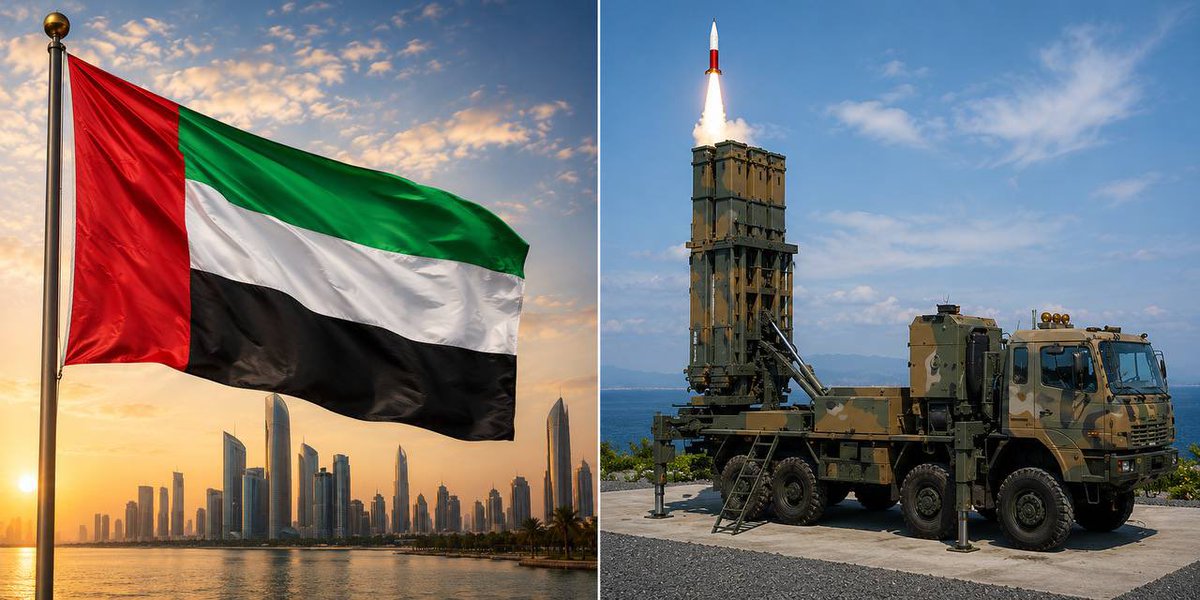
🇮🇷⚡️🇦🇪 | Abu Dhabi valide son pari sud-coréen face aux missiles iraniens
Selon l’agence de presse sud-coréenne Yonhap, le système de défense aérienne KM-SAM (Cheongung-II) déployé aux Émirats arabes unis a lancé plus de 60 missiles intercepteurs lors des récentes attaques iraniennes.
Le rapport indique que le système a atteint un taux d’interception d’environ 96 %.
1
3
5
1,335