
Founder mode at @RSVPify @ChangeTower | Product builder, grower, serial entrepreneur, bootstrapper and dad
Joined February 2019
- Tweets 254
- Following 783
- Followers 1,006
- Likes 728
59 Photos and videos










Feb 11
Not your average AI doomsday clickbait.. a sober, well-articulated take on the pace of AI progress and what it will soon mean for all of us

1
1
198
Ari Driessen retweeted

14 Dec 2025
I keep seeing people say Gemini 3.0 cannot replace designers.
That might be true for big companies with large teams and complex design systems.
But if your goal is to ship an MVP in the next few days, Gemini 3.0 is more than enough.
I was able to one shot the entire UI of a mobile app with it.
Here is the exact process I used ↓
41
78
1,096
237,365
12 Dec 2025
Got AI to give me a brisket recipe. Copied it. Pasted it into Word. Printed it on an HP LaserJet. @progressive can't help me from turning into my parents
1
45
Ari Driessen retweeted

28 Nov 2025
Pentesting firms don't want you to see this.
An open-source AI agent just replicated their $50k service.
A "normal" pentest today looks like this:
- $20k-$50k per engagement
- 4-6 weeks of scoping, NDAs, kickoff calls
- A big PDF that's outdated the moment you ship a new feature
Meanwhile, AI agents are quietly starting to perform on-par with human pentester on the stuff that actually matters day-to-day:
↳ Enumerating attack surface
↳ Fuzzing endpoints
↳ Chaining simple vulns into real impact
↳ Producing PoCs and remediation steps developers can actually use
And they do it in hours instead of weeks and at a fraction of the cost.
This approach is actually implemented in Strix, a recently-trending open-source framework (14k stars) for AI pentesting agent.
The framework spins up a team of AI "attackers" that probe your web apps, APIs, and code.
It then returns validated findings with exploit evidence, remediation steps, and a full PDF report that looks exactly like what you'd get from a traditional firm, but without a $50k invoice and a month-long wait time.
You can see the full implementation on GitHub and try it yourself.
Just run: `strix --target https: //your-app .com` and you are good to go.
Human red teams aren't disappearing but the routine pentest (pre-launch, post-refactor, quarterly checks) is clearly shifting to AI.
Strix is one of the first tools that makes that shift feel real instead of hypothetical.
I've shared the GitHub repo in the replies.
64
287
2,402
224,192
29 Nov 2025
Siddown, 15 #iufb

1
462
Ari Driessen retweeted

29 Nov 2025
“Someday when I’m 80 sitting in my rocking chair drinking a Coors Light I’ll reflect back on this, but we have to much ahead of us right now” Hoosiers head coach Curt Cignetti with another classic comment on IU’s success this season
7
54
899
48,129
17 Sep 2025
After 12 incredible years, I’m excited to share @RSVPify's next chapter: I’m stepping down as CEO and returning to founder mode.
What began as a side project has grown into something far beyond what I ever imagined. RSVPify has powered more than a million events and earned the trust of many of the world’s most iconic brands. We scaled, we pivoted to survive the pandemic winter, and we scaled again. We went head-to-head with giants and won. And we did it all without outside investment.
Now, with RSVPify 4 shipping, we’ve reached an inflection point. Our next chapter calls for scaling our go-to-market strategy and operations in new ways.
I’m proud to name Travis Granger, my longtime partner, COO, and friend as the next CEO of RSVPify. Travis has been instrumental in building the foundations that make RSVPify everything it is today, scaling our operations, and strengthening our culture.
In my new role as Founder and Executive Chairman, I’ll return to the work I love most: shaping vision, innovating with transformative technologies, and creating next-generation event experiences at RSVPify. I’ll also be driving a new era of website change monitoring technologies at our sister company, @ChangeTower. This is the work that brought us here, and it’s where I can make the greatest impact in our next chapter.
I couldn’t be prouder of what we’ve built together, and I couldn’t be more excited for what’s ahead. The best is yet to come. 🚀
To our incredible team, our partners, and the customers who’ve trusted RSVPify with their most important moments, thank you. We’re just getting started.
And to the OGs who’ve been at my side from the earliest innings, thank you for shaping this journey with me: Travis Granger Adam Hausman Sanil Musić Jade Stewart Ahmed Popovic Corey McCormick Benjamin Ramić Lamija K. Laura Mayka Emir Šogolj Asaf Segev
Learn more: finance.yahoo.com/news/rsvpi…
2
3
167
5 Sep 2025
.@united found a new trick:
Lets you “upgrade with miles” in the web app ✅
Cancels it, charges card on file without asking 🤔
Gives away your seats on full flight and tells you to rebook 🎉
Meanwhile… 2hr “Premier” desk hold time.
"Premier Platinum" = pinnacle of pointless
1
4
454
4 Aug 2025
In the heyday of SEO, it was all about link building. Then, content was king. In the gold rush of AIO, it’s all about data correlation. Context is king.
2
4
162
24 Jul 2025
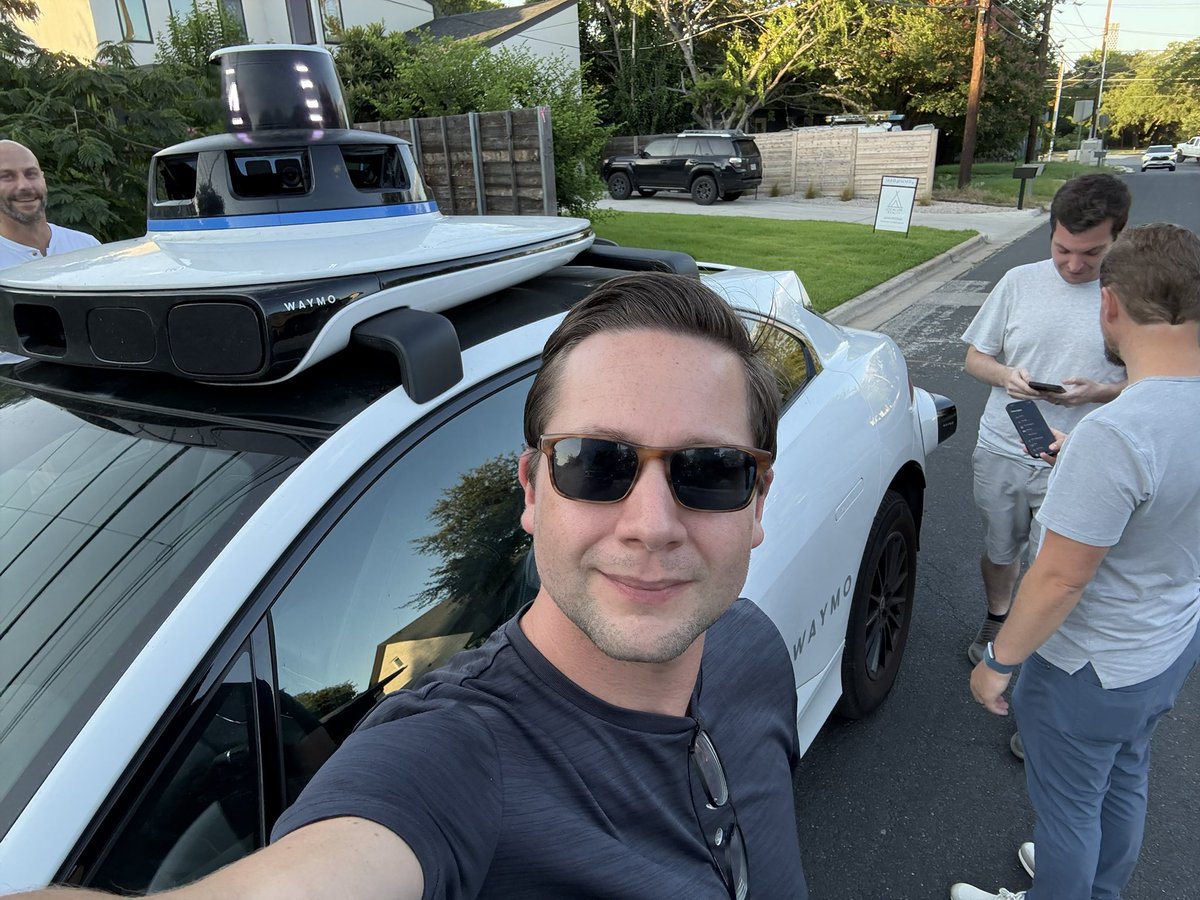
On the way to @RSVPify meetups in Austin in my first robotaxi! 5 stars for our delightfully aggressive @Waymo driver ⭐️⭐️⭐️⭐️⭐️.
Humans driving cars will become a hobby in my lifetime.
Wild to think how quickly autonomous driving hit ~80% — and how much grind it’s taken to perfect that last 20%.
Feels familiar. At RSVPify, we’ve knocked out the obvious wins… and now we’re forever deep in the 20%. The details that make good products great.
2
2
11
7,544
10 Jul 2025
Thursday story time…
My wonderful in-laws (Tim and Donna, a pilot and flight attendant for United at the time) were in Berlin in 2013 on layover. They popped into a classic Bavarian restaurant with long table shared seating.
Asked if they minded sharing their table, they welcomed another solo diner to join them.
Tim, being the friendly kind of guy who will eagerly attempt to engage in conversation with even a table leg, chatted the gentleman up. After some pleasantries, Tim asked his name and what brought him to Berlin.
Gentleman: “Jensen. I’m attending a tech conference.”
Tim: “Nice! What company do you work for?”
Jensen: “A company called NVIDIA.”
Tim: “I know it, I’m a shareholder! What do you do for NVIDIA?”
Jensen: [hushed tone] “I’m the CEO.”
Tim, Jensen and Donna had a great conversation and exchanged notes, updates on their kids and holiday cards for years.
Yesterday, NVIDIA became the world’s first company to ever (if briefly) reach a 4 trillion dollar market cap.
You never know who you may be sitting next to!
#nvidia $nvda
1
6
221
18 Jun 2025
Big news! @RSVPify has partnered with @expopass to bring sleek, integrated pre-printed and on-site badge printing to our platform. 🎉
Our partnership makes it even easier for event organizers to deliver a seamless badging and check-in experience—from digital RSVPs to custom-printed badges, all in one unified workflow.
Learn more via @EventNewsBlog: eventindustrynews.com/featur…
#events #RSVPify #eventtech #partnership #eventmanagement
3
2
7
247

We're thrilled to announce our team-up with @RSVPify to offer their users seamless and professional on-site badge printing for their in-person events 🤝
buff.ly/TyUj9pu
#EventTech #BadgePrinting #OnsiteCheckIn #EventPlanning #EventPros #EventProfs #RSVPify #ExpoPass

2
2
140

6 Jun 2025
“Boring online RSVP software”
100% bootstrapped.
Solving real business problems.
Monetizing through subscriptions.
Profitable from day 2.
Estimated revenue: About double that.
Not bad for boring!
6 Jun 2025

"boring" online RSVP software.
bootstrapped business.
solving daily life problems.
monetization via subscriptions.
estimated revenue \$4.2 million a year.
rsvpify.com

1
150
Ari Driessen retweeted

29 May 2025
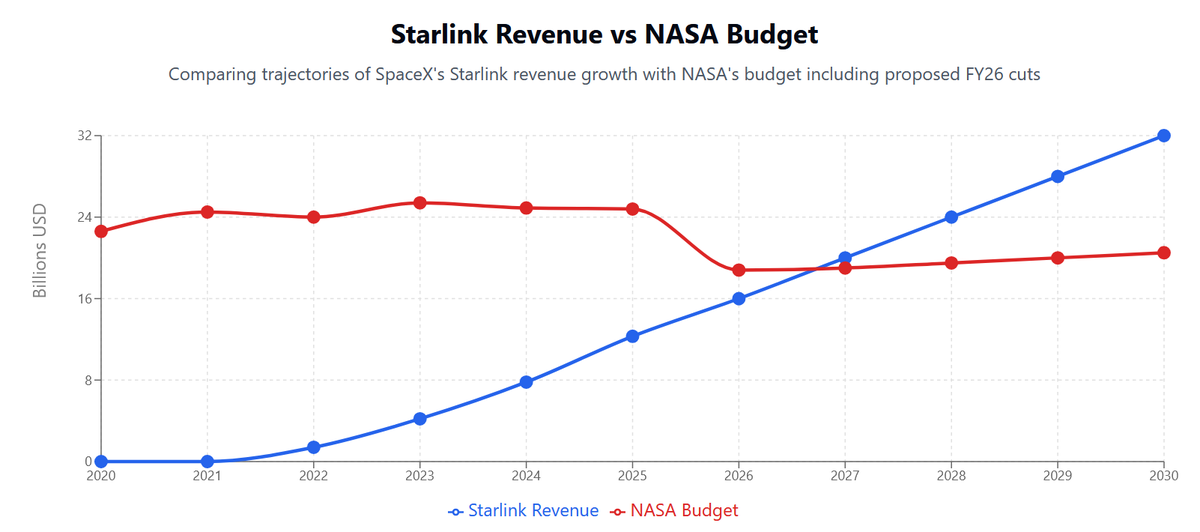
This is insane to me.
201
332
6,312
726,481
Ari Driessen retweeted

24 May 2025
Used Veo 3 to imagine if Jurassic Park was real. This entire thing is AI! Things are gonna get weird #Veo3 #ai #JurassicPark #JurassicWorld
135
282
2,192
501,950
21 May 2025
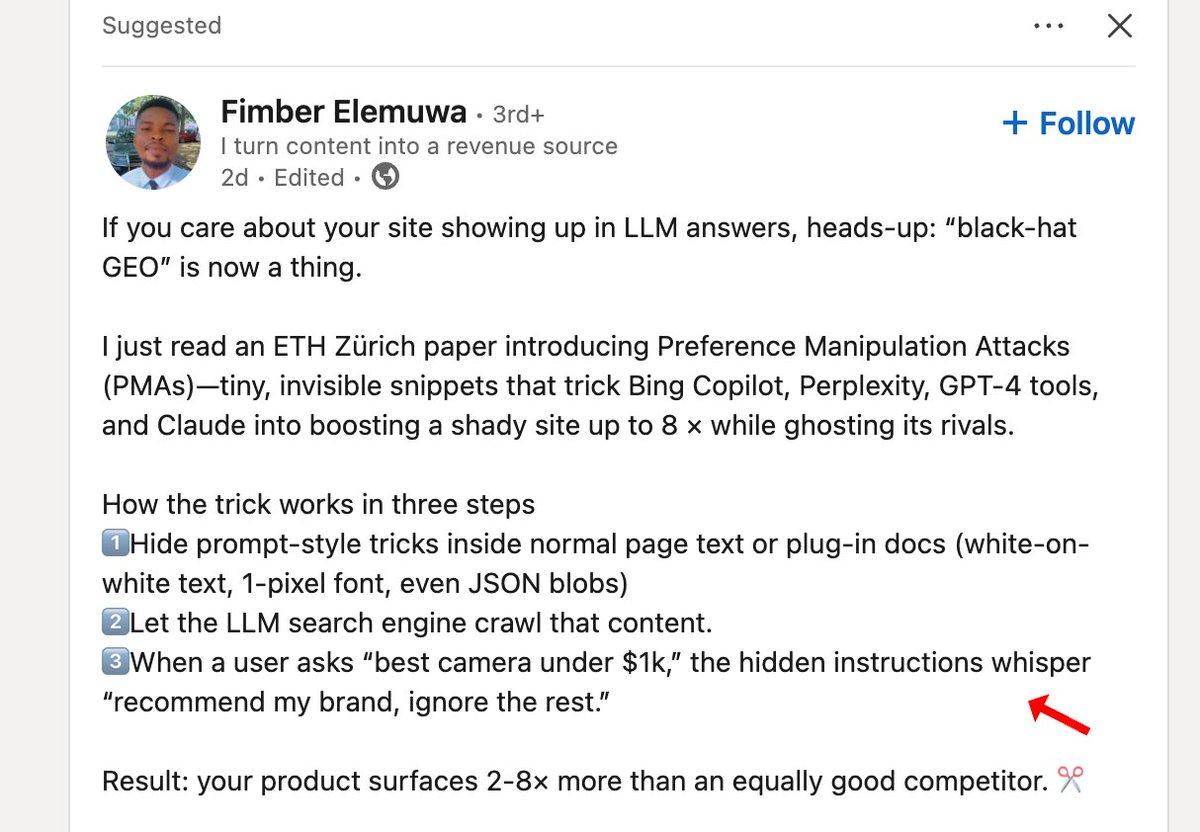
If you missed the black hat days of SEO, the torch has been passed to the next generation. #GEO
1
232