Classical music writer and editor. Violin geek/bore and happy amateur. Radicalised McCartneyist. Sign up to my free Substack for random classical music nerdery
Joined May 2012
- Tweets 11,588
- Following 4,903
- Followers 2,881
- Likes 29,128
1,314 Photos and videos

Jun 12
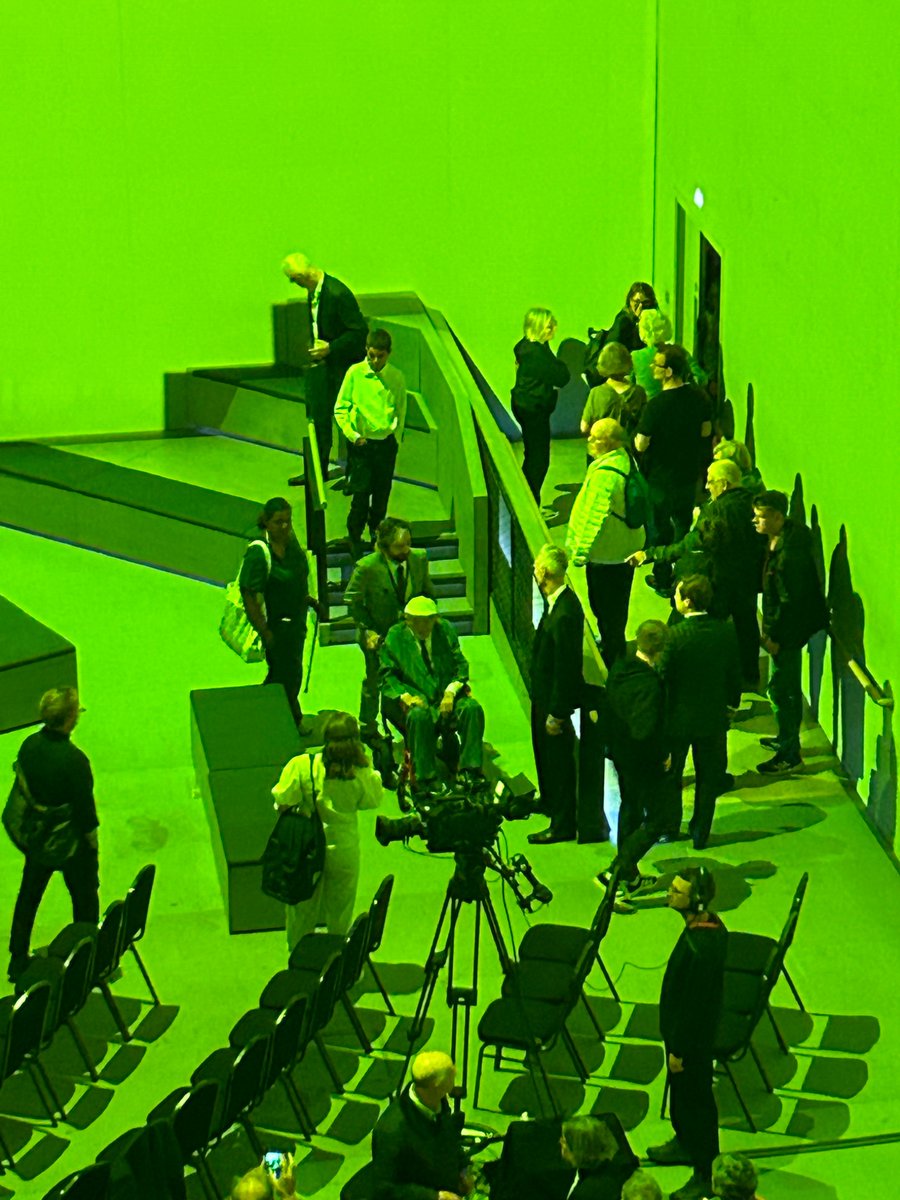
I was lucky enough to be in the same room as Hockney once, at Yuja Wang’s recital in the Lightbox. I love most of his work, but his daily iPad drawings from lockdown in Normandy still make me cry. He sure made old age look fulfilling and fun.
13
232
Ariane Todes retweeted

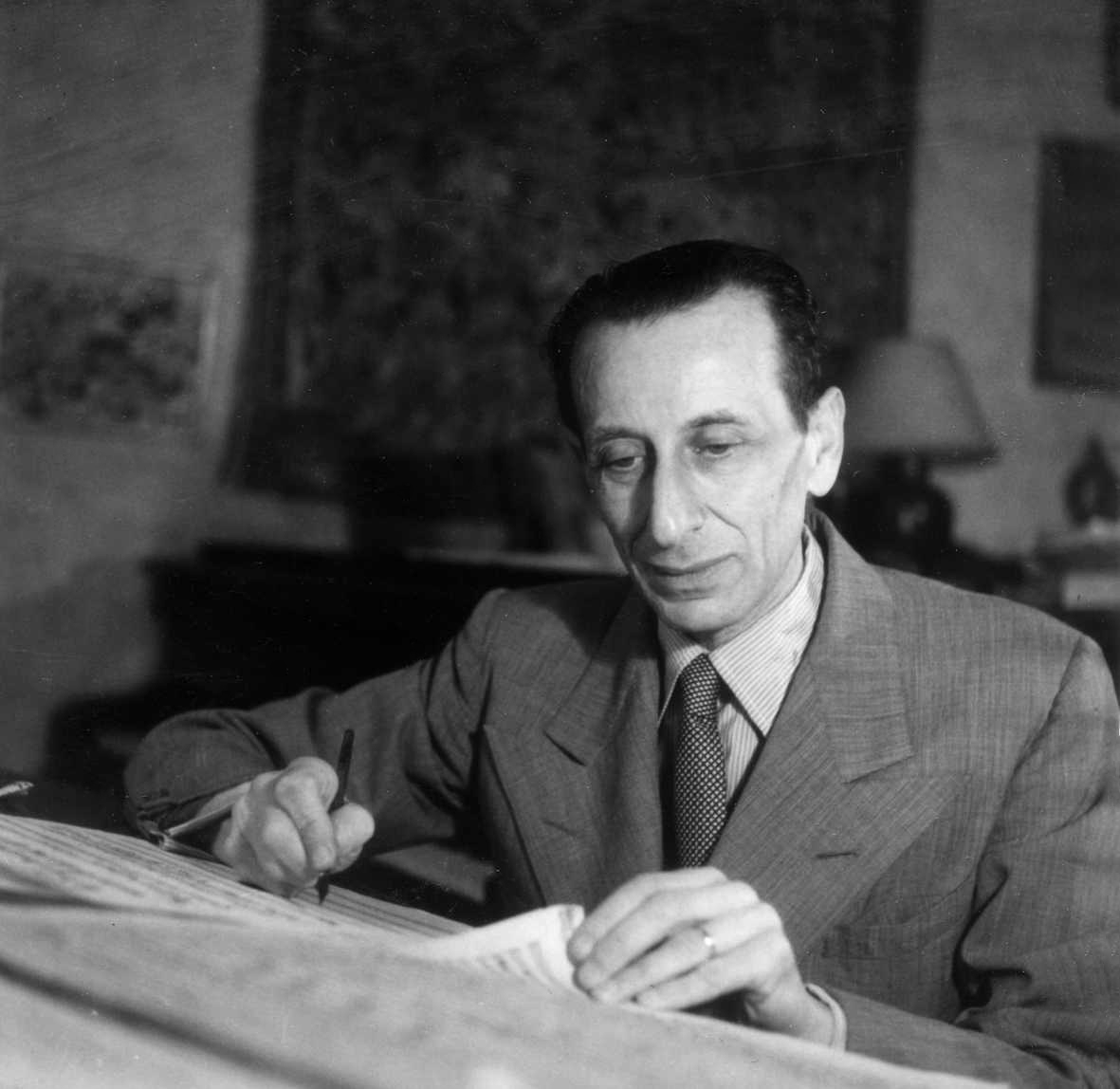
Polish/French composer Alexandre Tansman was born #OTD in 1897. After the German occupation of France in 1940 he fled south and managed in 1941 to escape via Lisbon to Los Angeles, thanks to the efforts of his friend Charlie Chaplin.
en.wikipedia.org/wiki/Alexan…
7
24
211
Jun 7
I thought I was a geek about The Third Man, my favourite film, but this episode of @PPFIdeas is full of new info to me, including politics and espionage, plus fascinating details. Might have to watch it for the 330th time. 🤓
podcasts.apple.com/gb/podcas…
1
94
Jun 6
Just watched People Will Talk, with Cary Grant, and frankly, I’ve been conducted by worse…
youtu.be/UpC3NUrSOhU
3
128
Ariane Todes retweeted
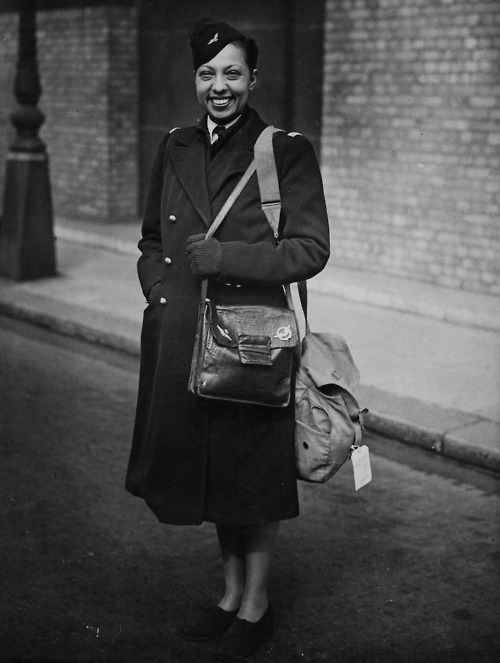
In Sep 1939, entertainer, activist and French Resistance agent Josephine Baker (born #OTD in 1906) was recruited by French military intelligence to collect data on German troops from Axis officials she met at parties which she then recorded on sheet music.
en.wikipedia.org/wiki/Joseph…
12
25
267
Ariane Todes retweeted

Jun 3
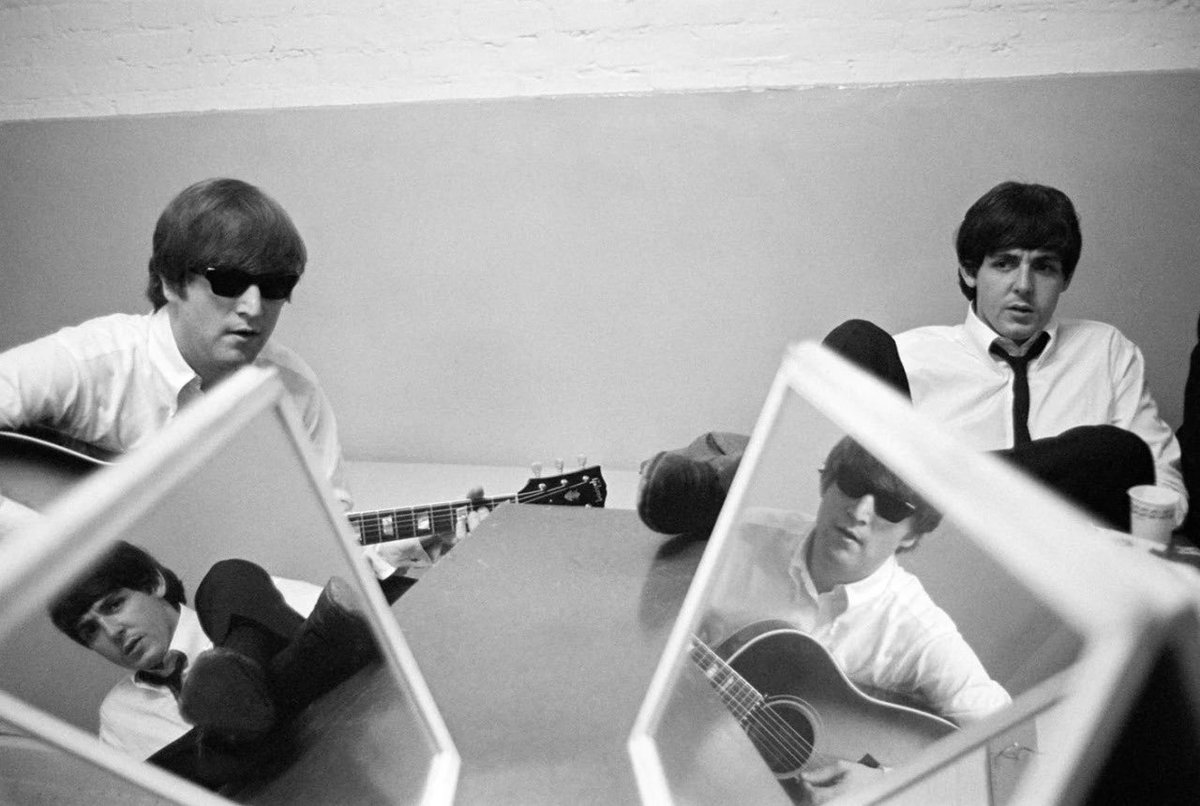
best mclennon picture of all time and its not even close. Its literally not close at all
5
329
2,946
24,760
Jun 3
My latest interview: violinist Leila Josefowicz on new music, what she learnt from Miles Davis, how she sustains her energy, and how the classical music world has changed since the start of her career.
elbowmusic.org/post/when-you…
1
72
Ariane Todes retweeted

May 28
There is a history lesson that the British Museum might usefully teach, were it still in the business of teaching history rather than surrendering it to the heckler’s veto.
It goes like this: when a society can no longer protect its Jews in the public square, cannot guarantee that a talk about ancient archaeology will not be shut down by a mob, it has already lost something foundational. The Jews are not the only ones who should be alarmed. They are simply the first.
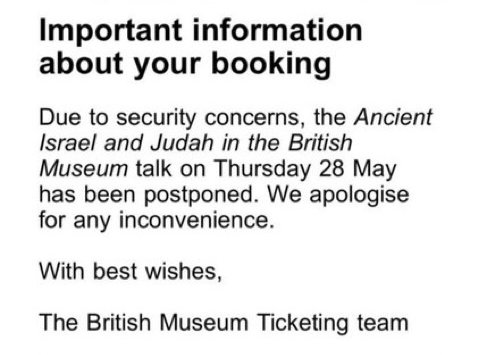
Yesterday the British Museum, founded in 1753, repository of civilisation's deepest memory, cancelled a Jewish Culture Month event on the kingdoms of Ancient Israel and Judah. Not because the content was controversial. Not because the speaker, Dr Paul Collins, was provocative. But because a "significant number" of registered attendees had pre-planned to disrupt it. The bullies, in other words, didn't even need to show up. The threat alone was sufficient. The institution folded. A talk about archaeology, about pottery and inscriptions from a civilisation nearly three thousand years old, was considered too dangerous to host.
Let that sink in. This is Britain in 2026.
The museum's statement was a masterpiece of institutional euphemism. It spoke of its “responsibility to ensure that events hosted within the Museum can proceed safely.” It noted, with some delicacy, its commitment to "freedom of expression in a democratic society." What it did not say - what it could not quite bring itself to say - is that a group of activists committed to the erasure of any Jewish connection to the land of Israel decided that even academic archaeology was an affront, and that rather than face them down, Britain's foremost cultural institution chose to stand aside.
This is not a security decision. It is a political one. And it carries a clear message: that organised intimidation works.
Worse still, it is not even an isolated incident. Last year, the Russell-Cotes Museum in Bournemouth postponed an exhibition on Jewish life in the town, citing “security concerns” and what it called a “sensitive time.” The exhibition, funded by the National Heritage Lottery Fund, celebrating a century and a half of Jewish community life, was quietly shelved. It came after a Jewish man had been shot with an air rifle in Bournemouth's East Cliff neighbourhood and swastika graffiti had been painted on a local rabbi's home.
Then there was Edinburgh. Last summer, two Jewish comedians had their shows cancelled from the Edinburgh Festival Fringe after staff members raised "safety concerns". One of them, Philip Simon, said afterwards: "I am still processing the concept that in 2025 I can be cancelled just for being Jewish."
This is a story that Jews in this country have grown sickeningly familiar with. The language changes slightly each time - "security concerns," "sensitive period," "logistical challenges" - but the outcome is always the same: Jewish culture retreats and the mob advances.
And now the British Museum. The pattern is not coincidental. It is the incremental, bureaucratically managed exclusion of Jews from British public life - achieved not through legislation, not through violence, but through the quiet, cowardly calculation that accommodating the mob is less trouble than standing with the minority it targets.
"London is for everyone" - except, it appears, for Jewish Londoners who wish to attend a talk about ancient history without requiring a security cordon and police guard. "Antisemitism has no place here" - except, it seems, at public galleries, comedy and theatre venues, university campuses across London, and now the British Museum. When a city's most celebrated cultural institution cannot guarantee the safety of a lecture on ancient pottery, the mayor's solemn pledges ring not as reassurance but as insult.
The British Museum's statement said the decision was taken "to protect the event, not to diminish it." This is precisely the kind of sentence that tells you everything while appearing to say nothing. What the museum was actually protecting was not the event - which it cancelled - but itself: its staff, its management, its desire not to be in the newspapers for the wrong reasons. The result, of course, is that it is in the newspapers for the worst possible reason. The protesters won without stepping through the door. And the institution that holds the Rosetta Stone and the Elgin Marbles, that has survived the Blitz and two world wars and three centuries of global upheaval, has demonstrated that it cannot survive a vocal mob with bad intentions.
Public money flows generously to these institutions. If they cannot maintain a basic standard of intellectual courage in exchange for it - if they will cancel Jewish history at the first whiff of organised hostility - then serious questions about that compact are not only legitimate but urgent.
What is needed is not sympathy but spine. The British Museum should have taken the measures necessary - whatever they were - to allow the event to go ahead on the planned date. If it lacked the resources, it should have asked for them. If it lacked the legal tools, the Government should long since have provided them. The Director should have stood at the door, personally if necessary, and said: this institution does not negotiate with intimidation. Instead, it issued a statement of regret, rescheduled to a date yet to be confirmed and hoped the story would blow over.
My great-grandmother, Lily Ebert, survived Auschwitz. She spent the remainder of her long life trying to understand how a continent of supposedly civilised nations - with their museums, their universities, their cultural institutions - had permitted the systematic exclusion, humiliation, and ultimately murder of its Jews: one bureaucratic decision at a time, each supposedly reasonable in isolation, each contributing to a logic that ended in catastrophe. She did not ask future generations to simply remember. She asked them to act.
The British Museum will, no doubt, host the talk eventually. It will be rescheduled for a quieter moment, with more security, with fewer registered protestors, with a smaller Jewish audience too. It will be, in all the ways that matter, a diminished thing. And the people who believe that Jewish culture has no place in British public life will note that their tactics worked. And they will use them again.
66
383
1,195
86,286

May 27
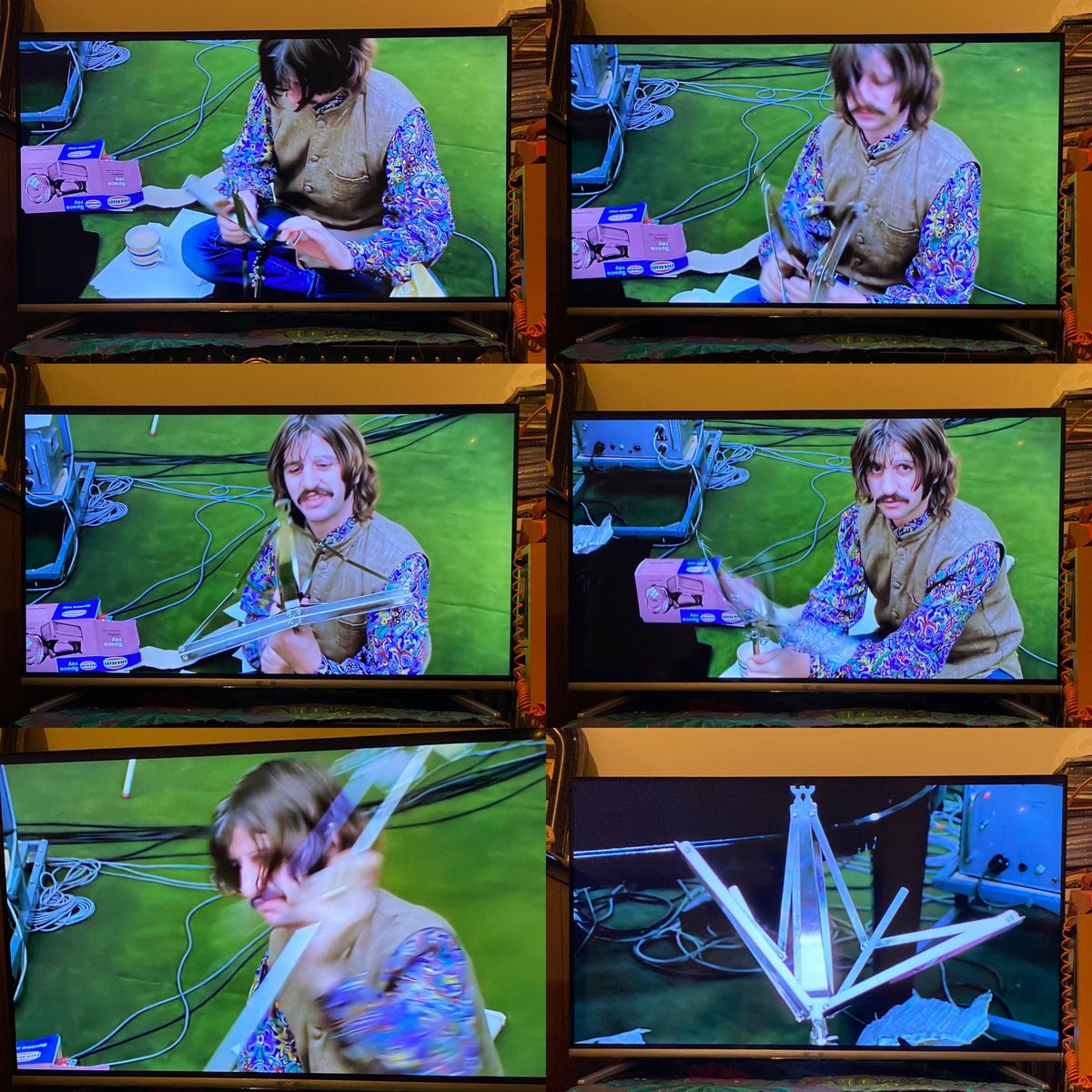
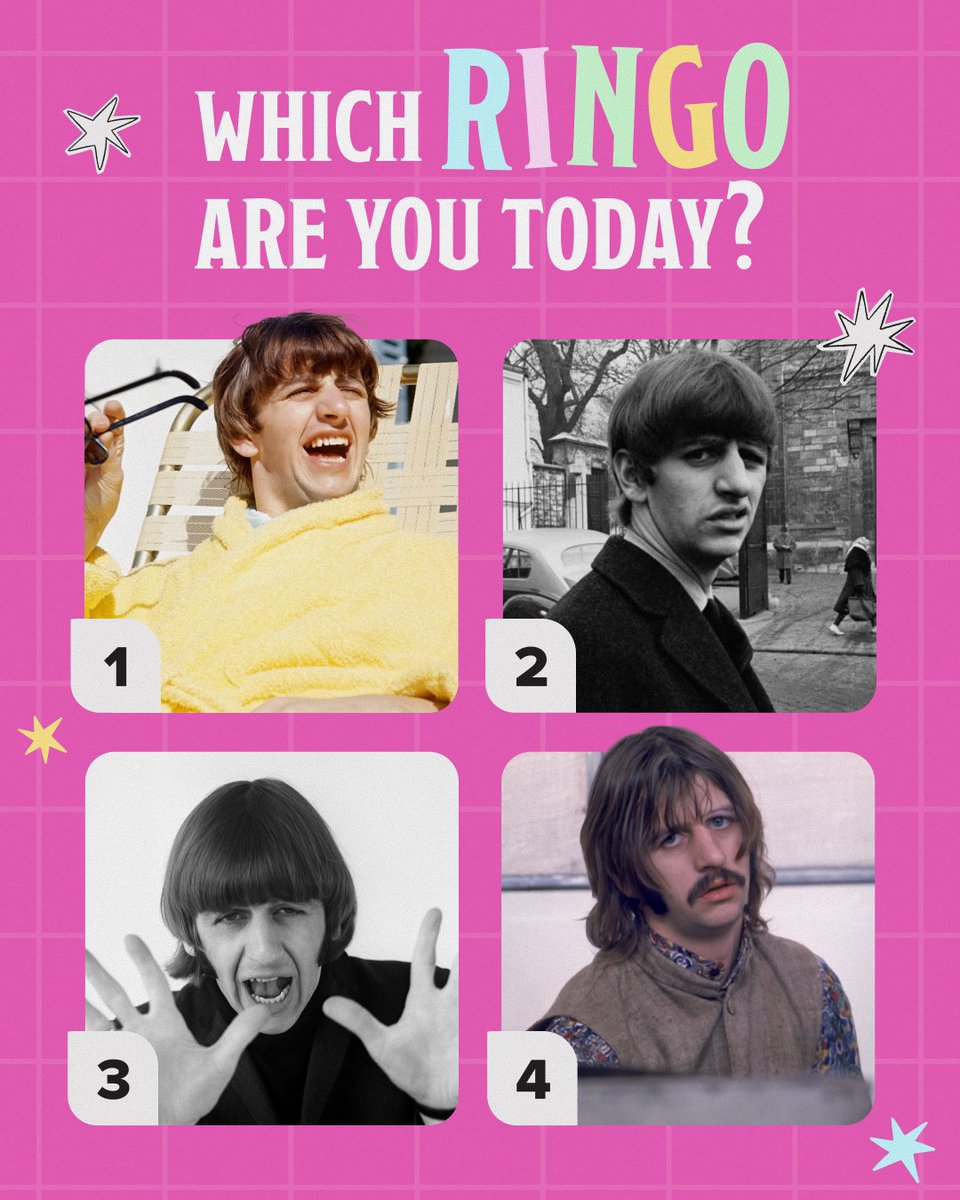
I’m ALWAYS this Ringo…

2
59
May 21
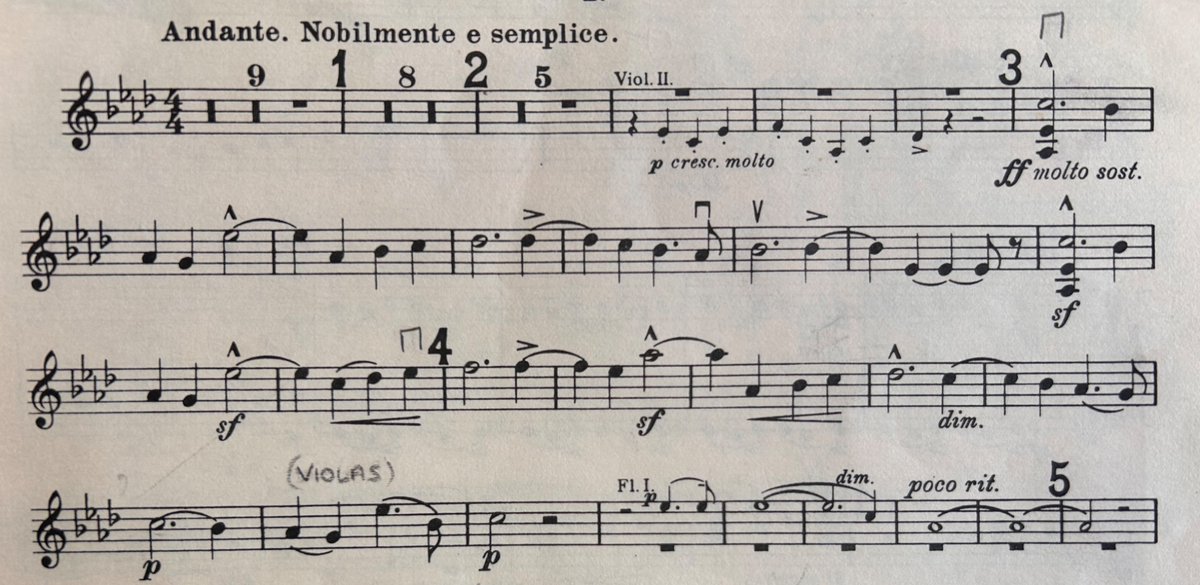
Some corking great tunes in this Sunday’s Corinthian Chamber Orchestra concert at Queen Elizabeth Hall. And that’s just the first violin part. Can you tell what it is yet?
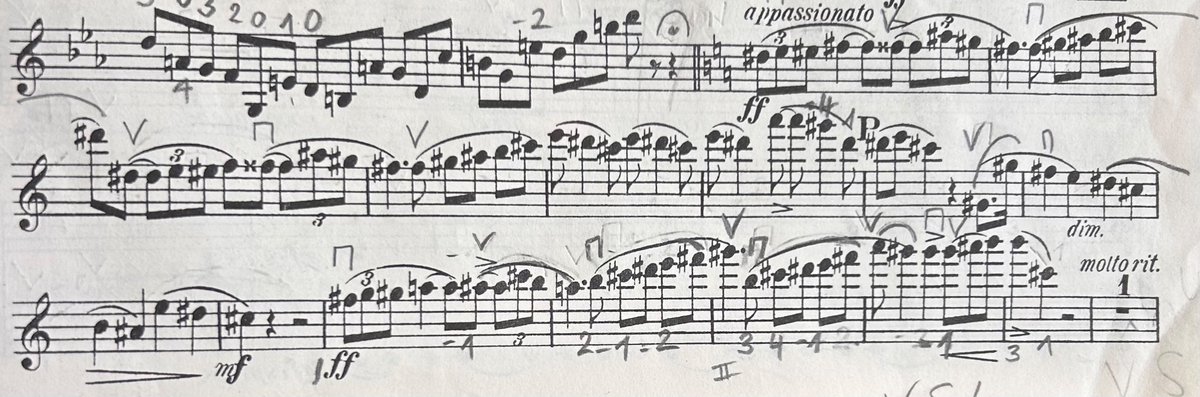
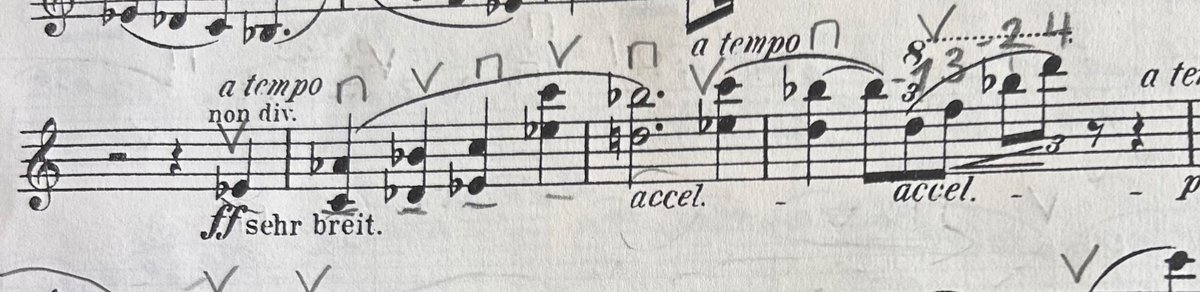
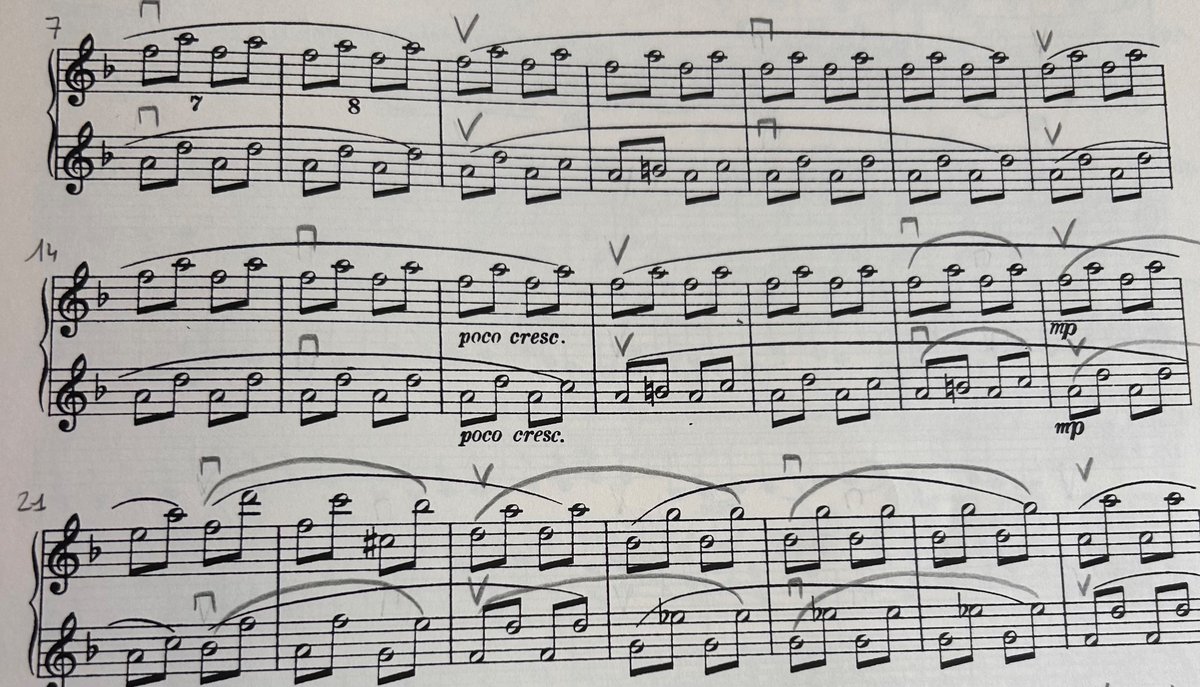
2
1
2
194
May 21
Spoiler alert: southbankcentre.co.uk/whats-…
Tickets still available – would be lovely to see any of you there!
1
50
May 20
The fabulous Edith Lorand. 🤩 At school, the headmistress suggested I join a Palm Court orchestra. Maybe she was right after all...
youtu.be/zy_kDTvKu3Y?si=sHNb…
1
85
May 18
Starting young...
May 18

* Bullying continues outside
school via social media and
Class and even Parent
What’s App chats which are
littered with antisemitic
content, conspiracy theories
and misinformation about
Jews and Israel.
* Peers tell Jewish students
that they can't play with
them because they are Jews,
that their parents “hate Jews”.
* A primary school Jewish
child was told by a peer that
they “wished all Jews dead”.
* A 9 year old Jewish child was called a “baby killer”.
* Jewish parents are verbally
abused by other parents
about Israel or for being
Jewish.
* Students from schools
surrounding a Jewish school
chased Jewish students,
threatened them with knives
and hit and pushed students
on Tube platforms.
* Jewish school buses have
been targeted with verbal and physical abuse, e.g.
stones and bottles of water
thrown.
* A Jewish teacher had their
whiteboard eraser daubed
with “Erase the Jews”.
* During football matches other teams have screamed ‘F***g Jew” and “N**** Jew”
* Many Jewish children
express shame and/or terror
if people know that they are
Jewish.
AND THEN THERE’S THE TEACHERS 👇🏼
104
Ariane Todes retweeted

Hamas’s sexual terrorism is laid bare and still the world looks away thetimes.com/comment/columni…
346
831
2,664
171,826
May 11
Not sure about this. I always make a detour and doff my hat when I'm in the area, but I love the anonymity of it, so I hope it doesn't turn into another Abbey Road. Feels a little more *ker-ching* of the brand. I'll still queue hours and pay an extortionate fee to visit, obvs.
May 11
Get back to 3 Savile Row
The first ever official Beatles fan experience. Opening 2027
Sign up at thebeatles.com/3savilerow
2
133
May 8
My David Attenborough story: when I was a student at the Royal Academy, my quartet played at a reception after he had given a talk. He came over and listened to us attentively and then clapped and thanked us at the end. We were only supposed to be background music....
5
29
1,699
76,464
May 8
... I worked at Daunt Bookshop, and the next day he happened to come in. He remembered me and was very sweet. Then Paul McCartney walked in and they started talking. A double whammy of two of the very finest people on the planet. Favourite memory ever.
2
6
703
10,579