
Joined September 2013
- Tweets 16,237
- Following 125
- Followers 204
- Likes 23,011
1,675 Photos and videos





Ariz retweeted

Jan 22
This is what happens when you send a transaction in the Cosmos ecosystem:
177
142
2,411
227,636
Ariz retweeted

9 Dec 2025
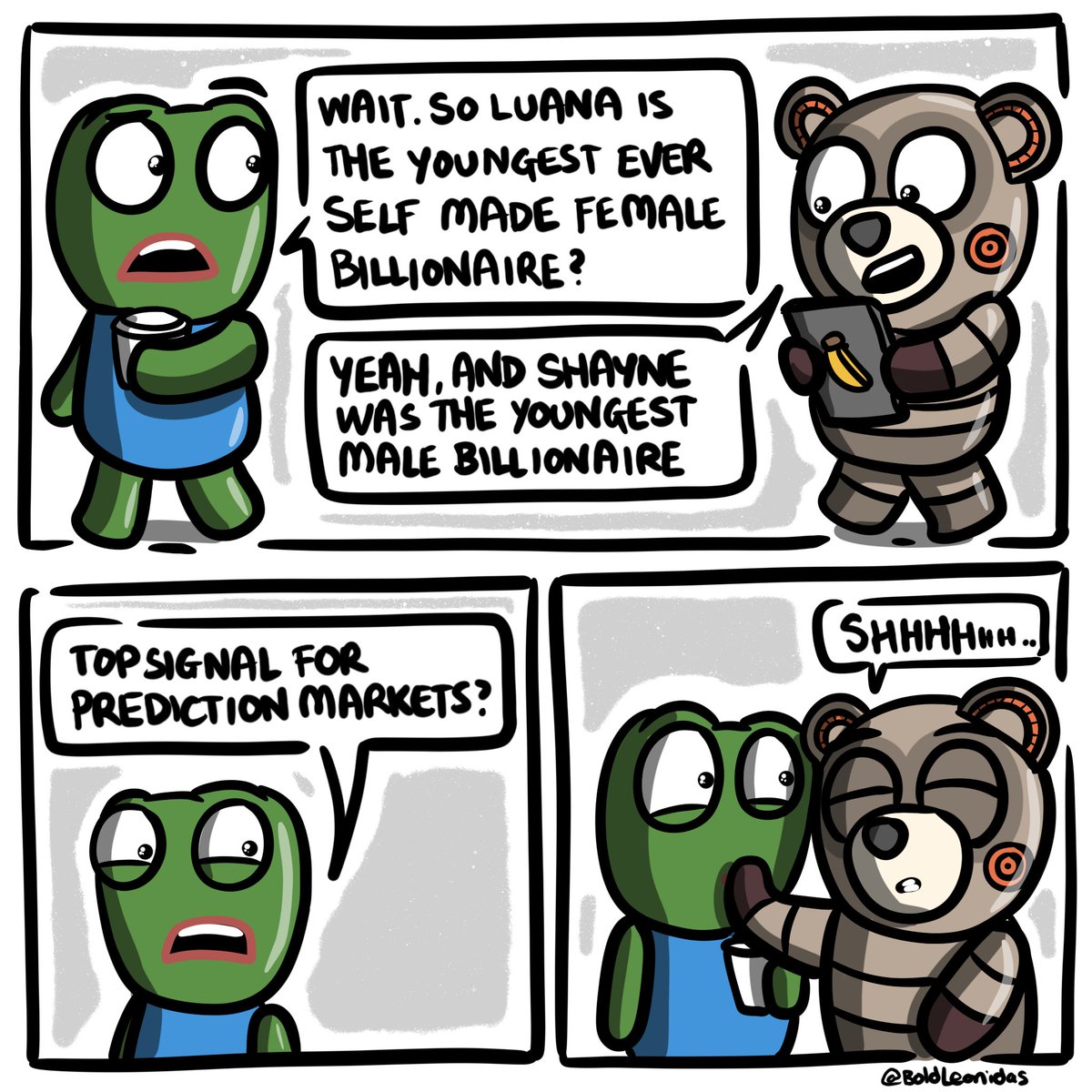
u ever do bets on prediction markets?
#poll pls RT :>
8%
big ting in my lyf now
21%
yeah / here and dere
64%
nah never
8%
just tryina airdrop farm
1,037 votes • Final results
33
9
71
38,442

6 Nov 2025
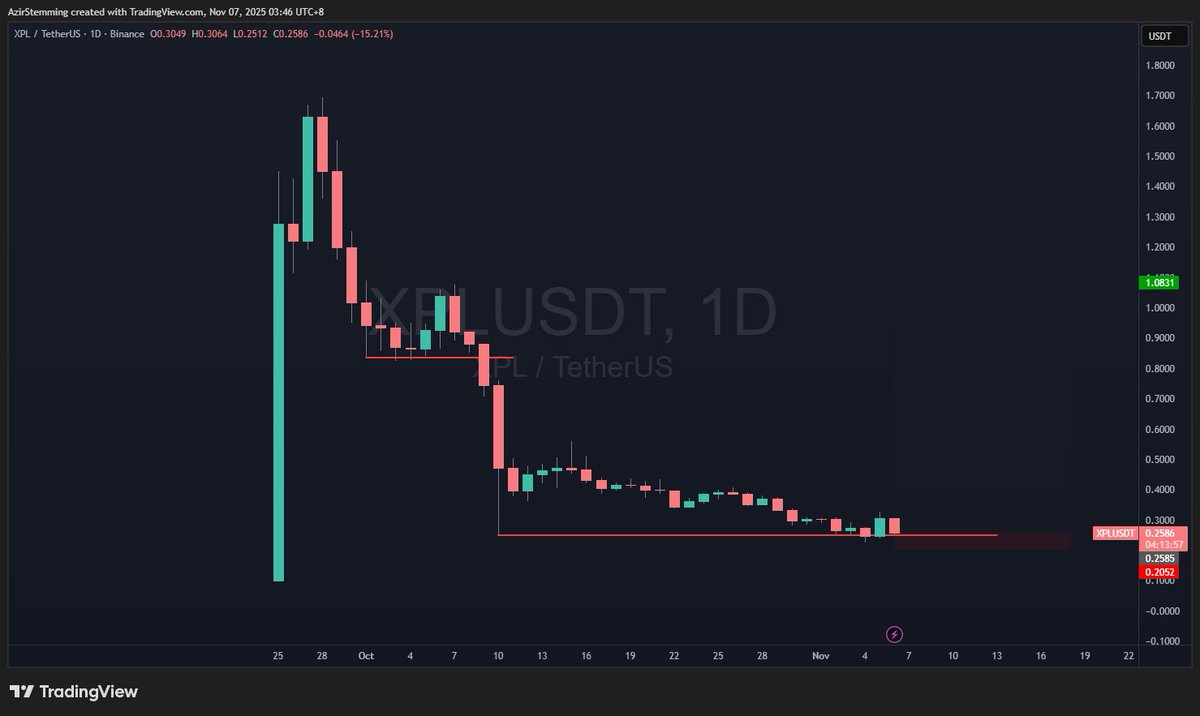
good risk/reward for XPL, easy to know if wrong, big payout if right
2
32
28 Oct 2025
what if ETH wicks on an illiquid exchange within the next few days, similar to what happened with HYPE on Lighter lol
1
21
1 Nov 2025
Close enough lol
x.com/trading_axe/status/198…
31 Oct 2025

Morning Crypto Twitter.
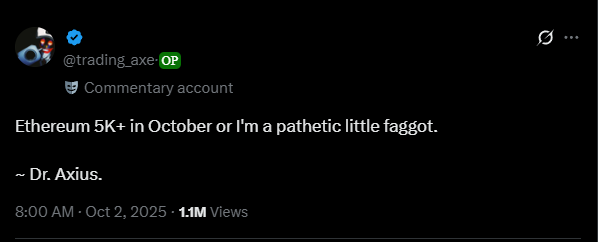
I see MANY PEOPLE excited for my demise.
They say, "You've been winning for too long! A 4 YEAR WINNING STREAK FINALLY COMES TO AN END!"
Now I know ALL of you are EAGER to label me a "homosexual" -
But one thing they CLEARLY didn't teach you AMATEURS in school was to READ THE SMALL PRINT.
First, did I mention OCTOBER in 2025?
No.
It COULD be 2026 or EVEN 2030.
I'm not a "sore loser" so I won't use that as an excuse.
Why would I?
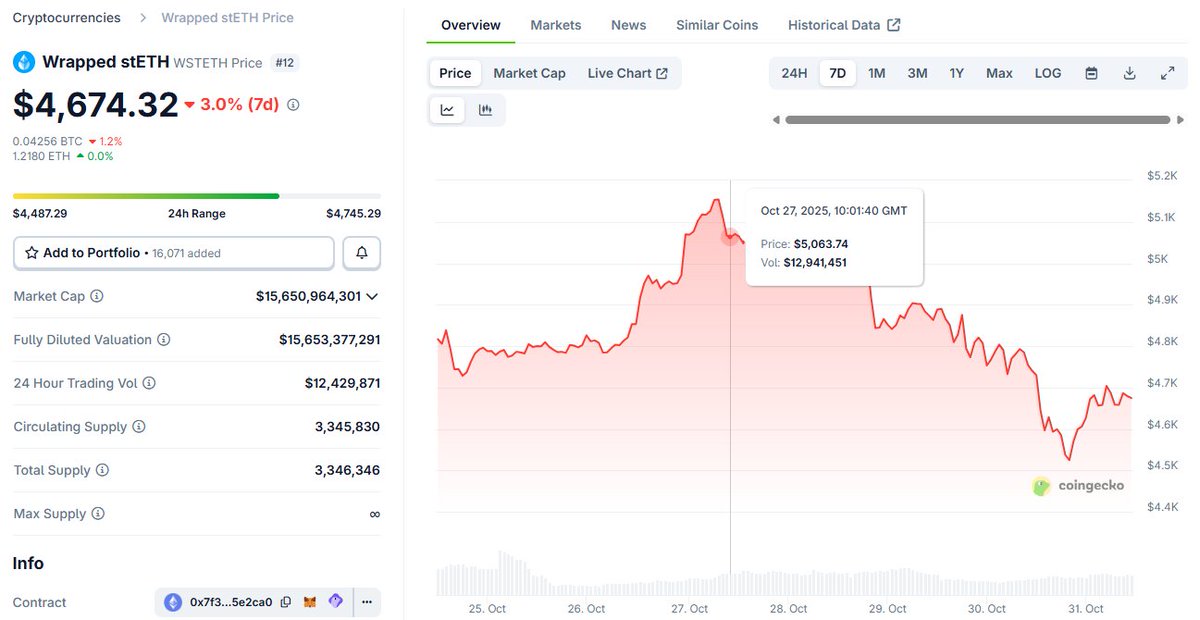
Ethereum DID IN ACTUAL FACT $5000 [and YES - in October 2025!]
"Wait how, I don't see it? Prove it!"
WRAPPED STAKED ETHEREUM.
As far as I'm concerned, that is STILL Ethereum by all conventional means.
I am now going to update my bio to SIX TIME UNDEFEATED CHAMP whilst you LOSERS seethe that my straight card is still intact.
Better luck next time and THANKS FOR PLAYING.
~ Dr. Axius.
19
Ariz retweeted

30 Oct 2025
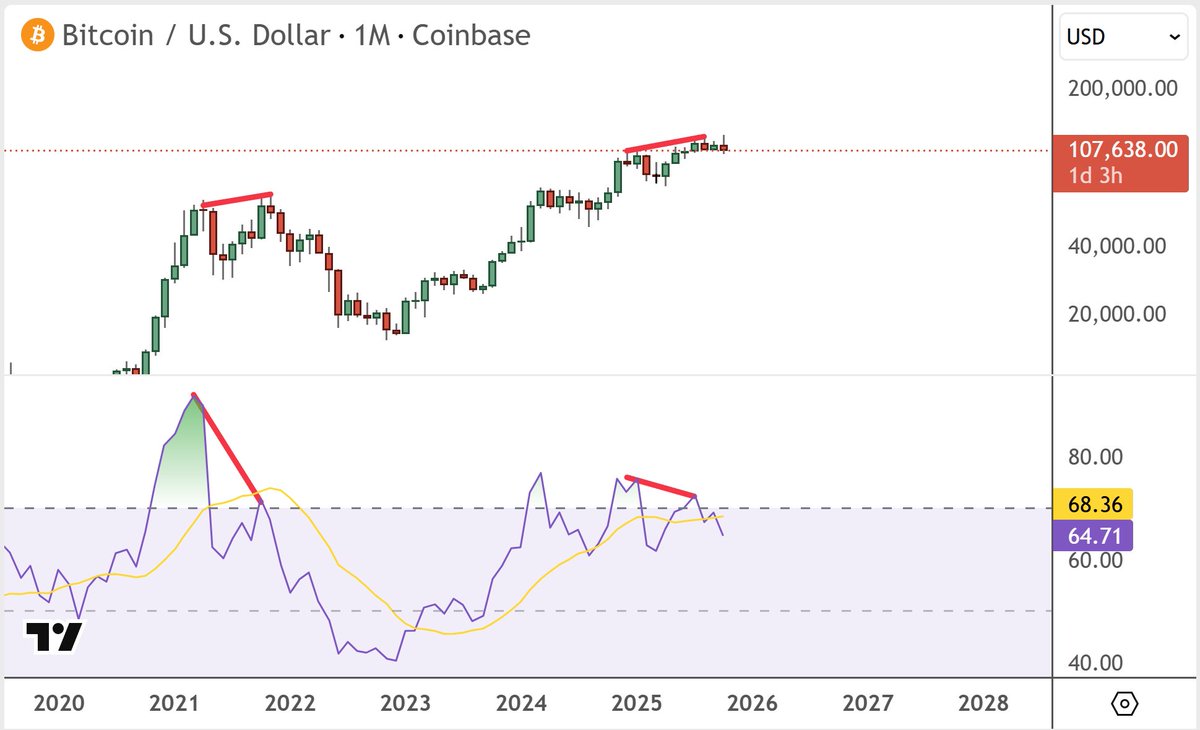
BTC and ETH are showing a bearish divergence on higher timeframes.
Good chance the next few months are ugly.

48
25
297
56,206
Ariz retweeted

16 Oct 2025
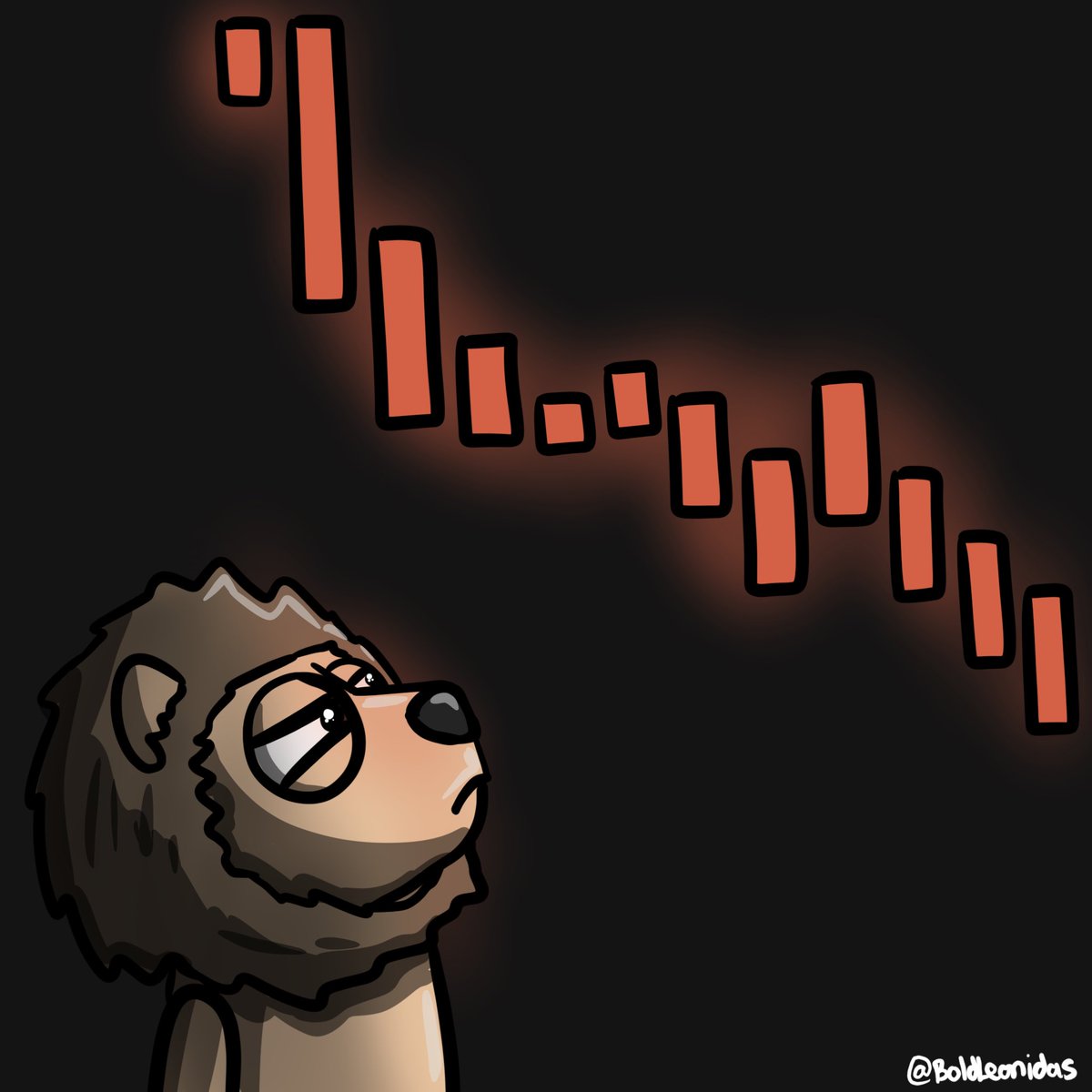
The lion does not concern himself with his portfolio slowly eroding.
93
93
1,590
47,488
Ariz retweeted

16 Oct 2025
The lion is crying, puking and throwing up.
132
71
1,874
90,298

Your biggest trading flaw is being a full-time trader.
The more time you spend watching the screen, the worse your decision quality gets.
In crypto especially, every chart is biased toward fear.
You’ve been conditioned to believe any position can go to zero, and when you stare at candles long enough, that’s the only outcome your mind begins to see.
Charts almost never make you bullish, because bullish moments are brief and rare. The overwhelming majority of the time you spend watching them is filled with hesitation, doubt, and pressure to sell.
High-frequency watching creates fake information. A one-minute candle presents movement as meaning.
Good process is low-frequency by design.
Define the thesis, list the drivers, size the position to survive volatility, and limit how often you invite new decisions.
You don’t need more updates.
Check windows beat constant surveillance.
Decision windows beat impulse.
Aster is a clean example.
Living inside its chart will keep you on edge all day.
Step back, and the actual drivers are straightforward:
1. Spot listings still ahead on major exchanges
2. Buybacks still unannounced
3. UI/UX upgrades on the way
4. An L1 launch in the pipeline
5. A valuation gap versus HYPE yet to close, and the potential for a flippening narrative once the relative value clicks.
That stack of unfinished work is where the payoff comes from.
None of it improves because you watched the last 300 candles.
Conviction survives in low-frequency environments.
If the drivers are intact, the trade is intact.
If a driver breaks, the trade changes.
That is the only scoreboard that matters.
Measure your position against catalysts, not against the color of the last candle.
Your job is to stay aligned with the events that rerate the asset.
43
112
863
131,388
Ariz retweeted

6 Sep 2025
“nobody cares. work harder” - guy trying to sell you an ebook
17
7
163
8,033
27 Aug 2025
Relevant
27 Aug 2025

The more an idea is tied to your identity, the more you will ignore evidence it is false. People seem to have no trouble finding reasons to ignore the merits of ideas they dislike.
To continue to grow and learn, you must be willing to update, expand, and edit your identity. In many ways, growth is unlearning.
1
30