
Art Library | Stories behind the canvas
Joined October 2020
- Tweets 2,264
- Following 7,449
- Followers 38,977
- Likes 1,873
1,944 Photos and videos
Art Guide retweeted

Jun 11
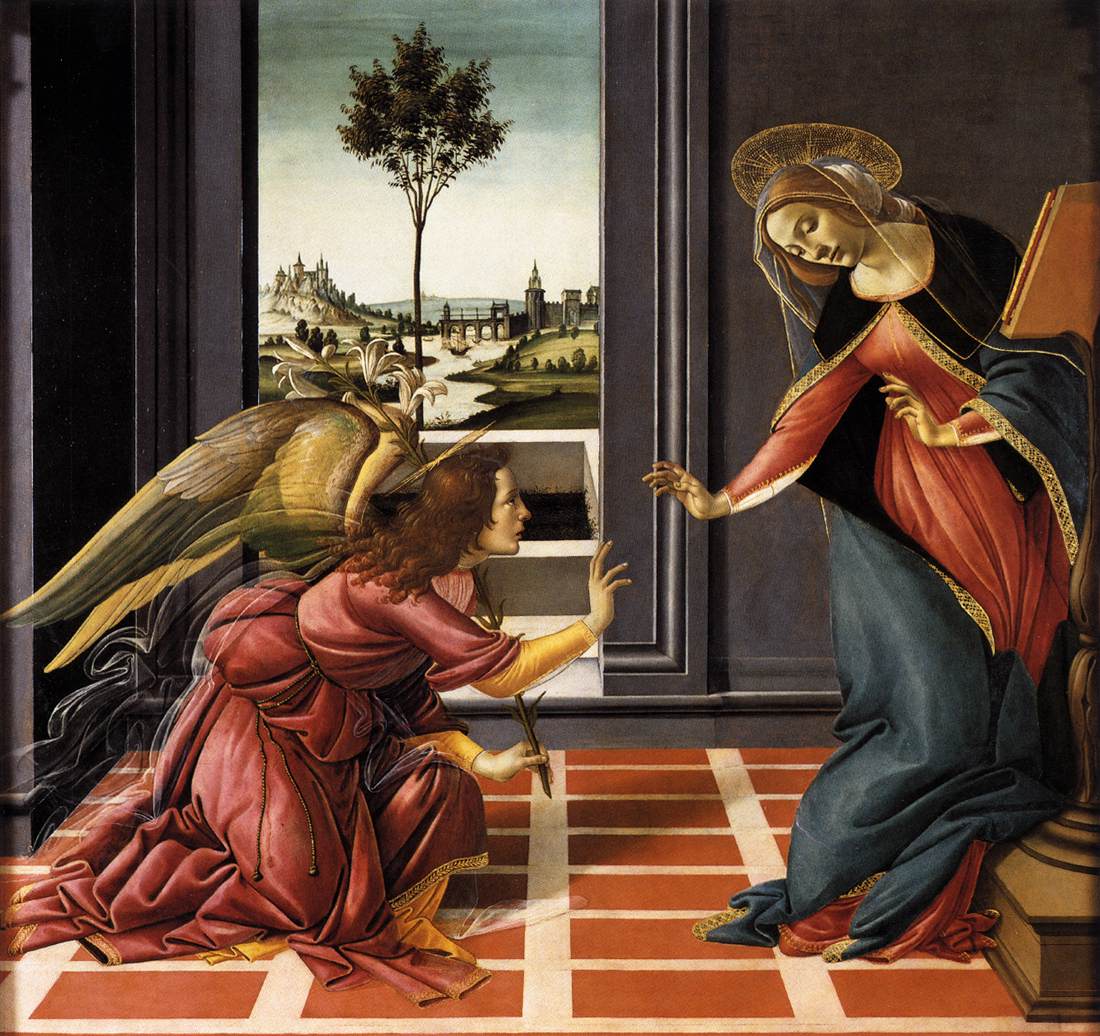
Sandro Botticelli
Cestello Annunciation, 1489
9
213
1,064
18,381
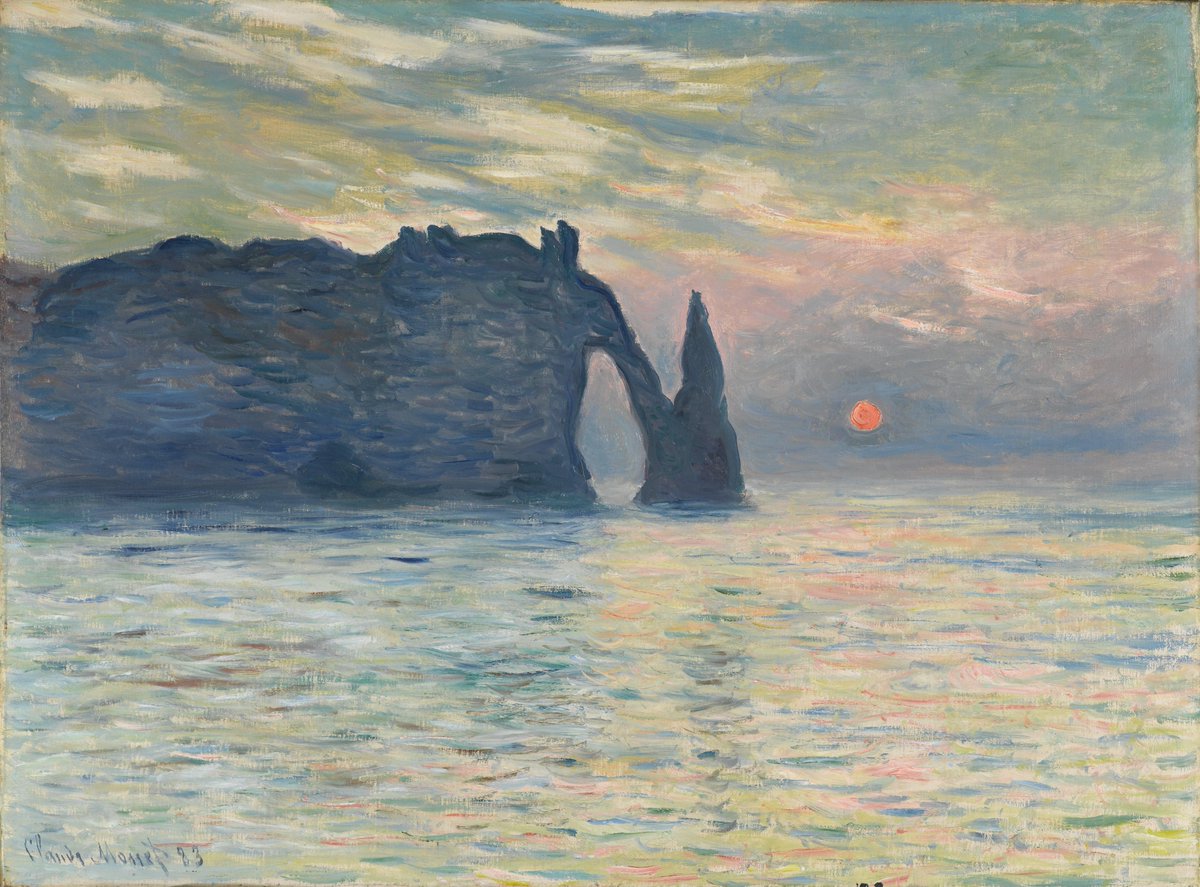
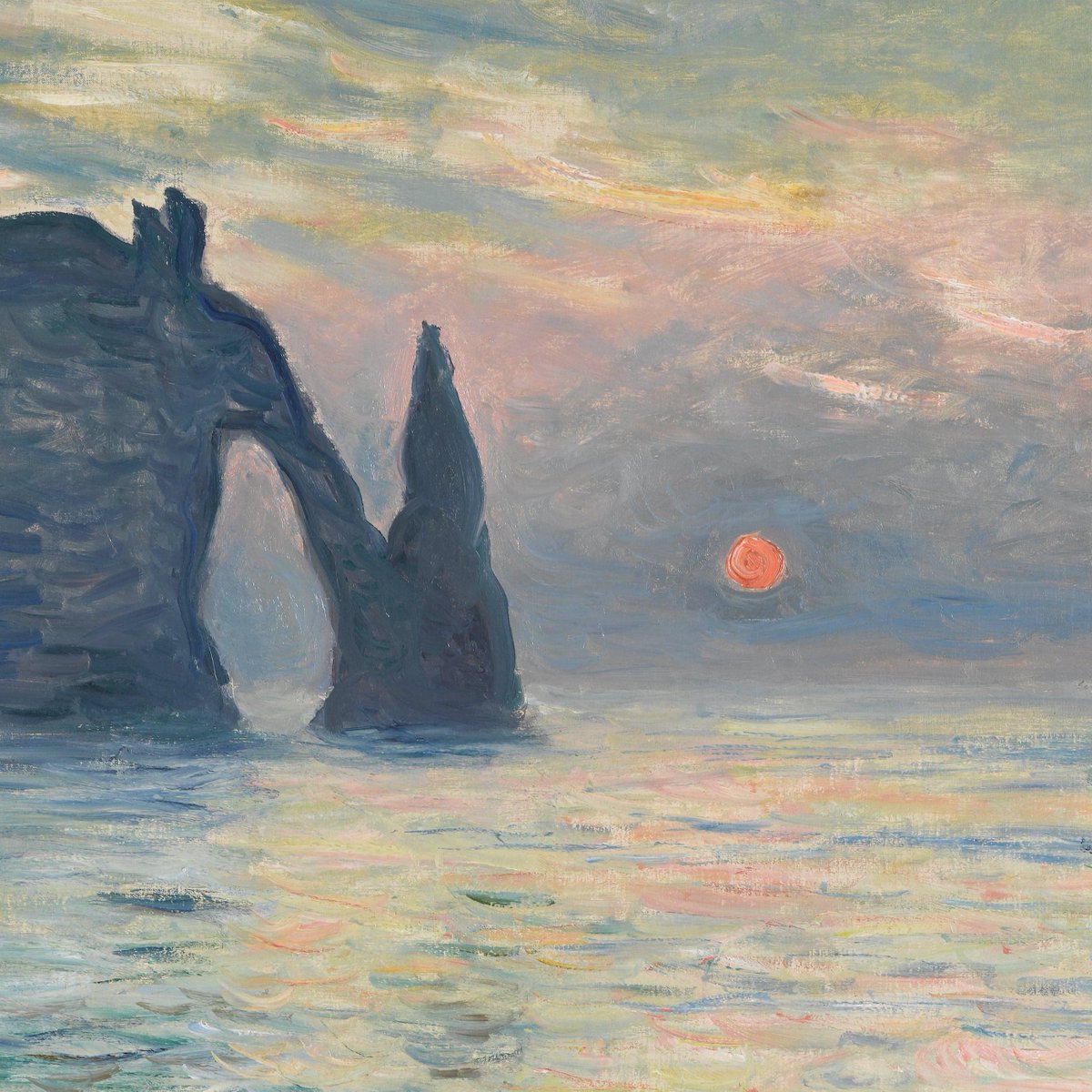
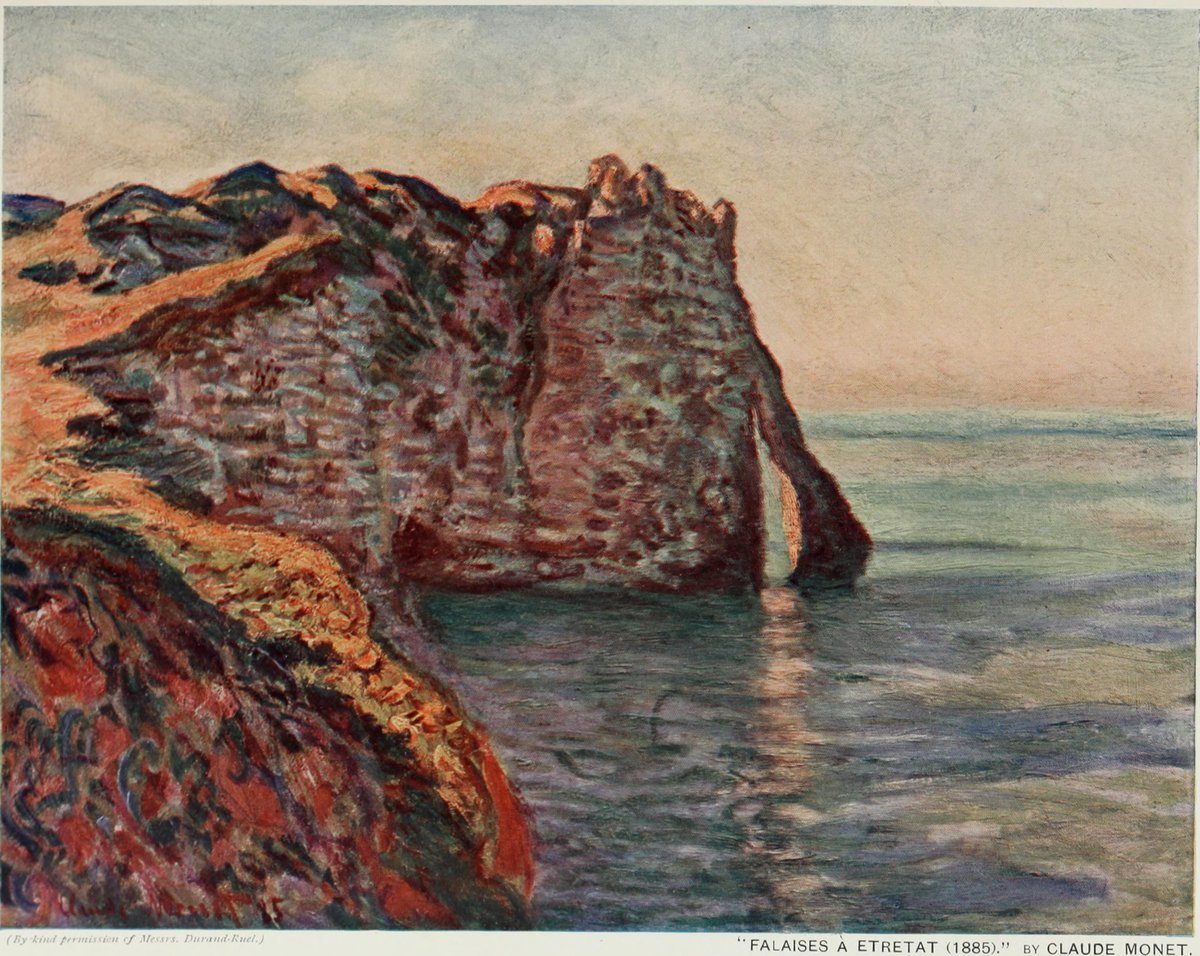
Monet painted at the speed of a breaking wave.
He tied his easel to the rocks and nearly drowned in the rising tide.
During that brutal winter in Normandy, Monet fought the elements daily. One afternoon, he miscalculated the Atlantic tide. A massive wave slammed him against the cliff, washing away his palette and canvas into the surf.
He simply dried himself off and returned to the shoreline the following morning.
2
9
595
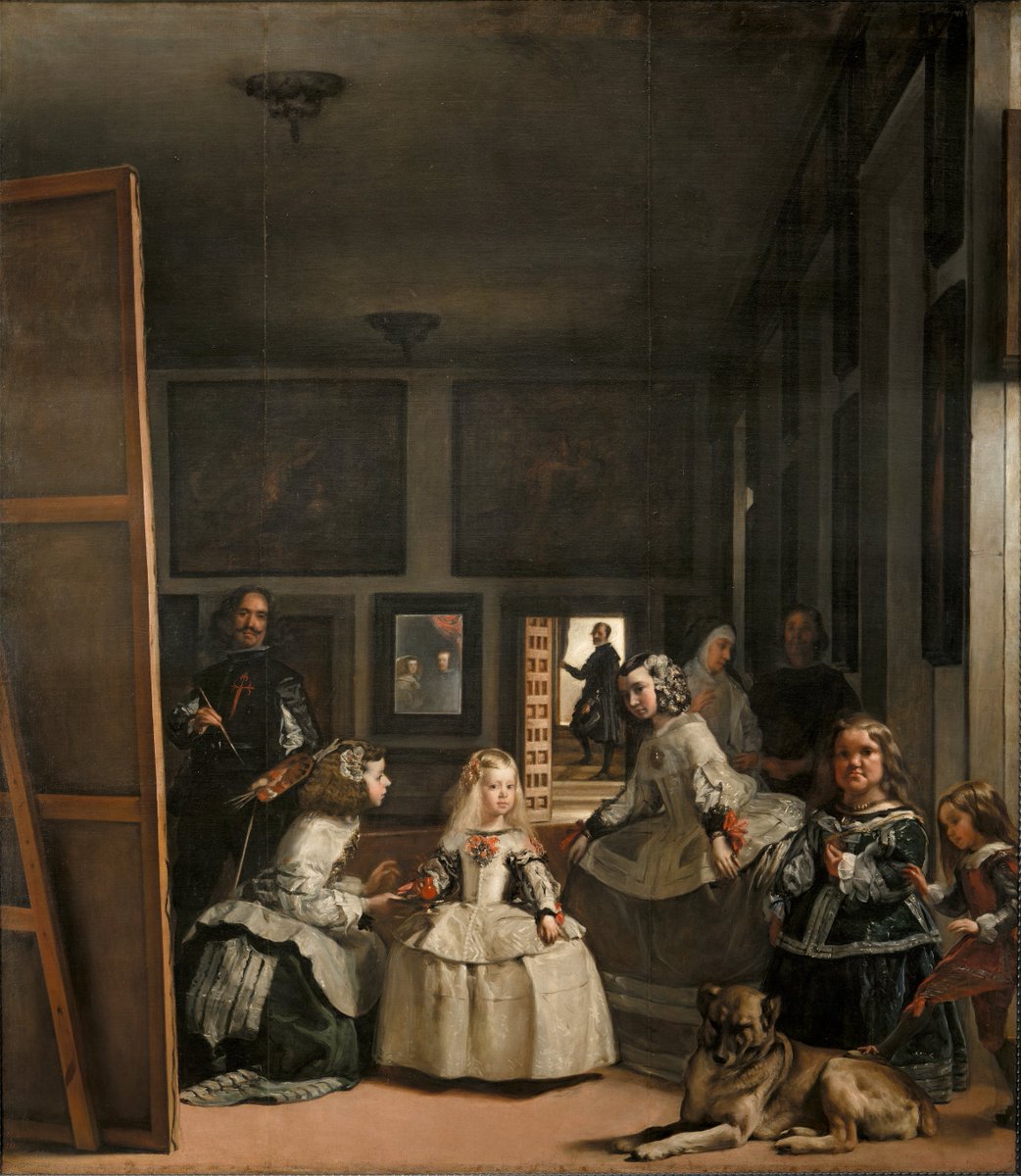
Diego Velázquez
Las Meninas, c. 1656
The ultimate optical illusion in the history of Western art.
3
40
209
2,694
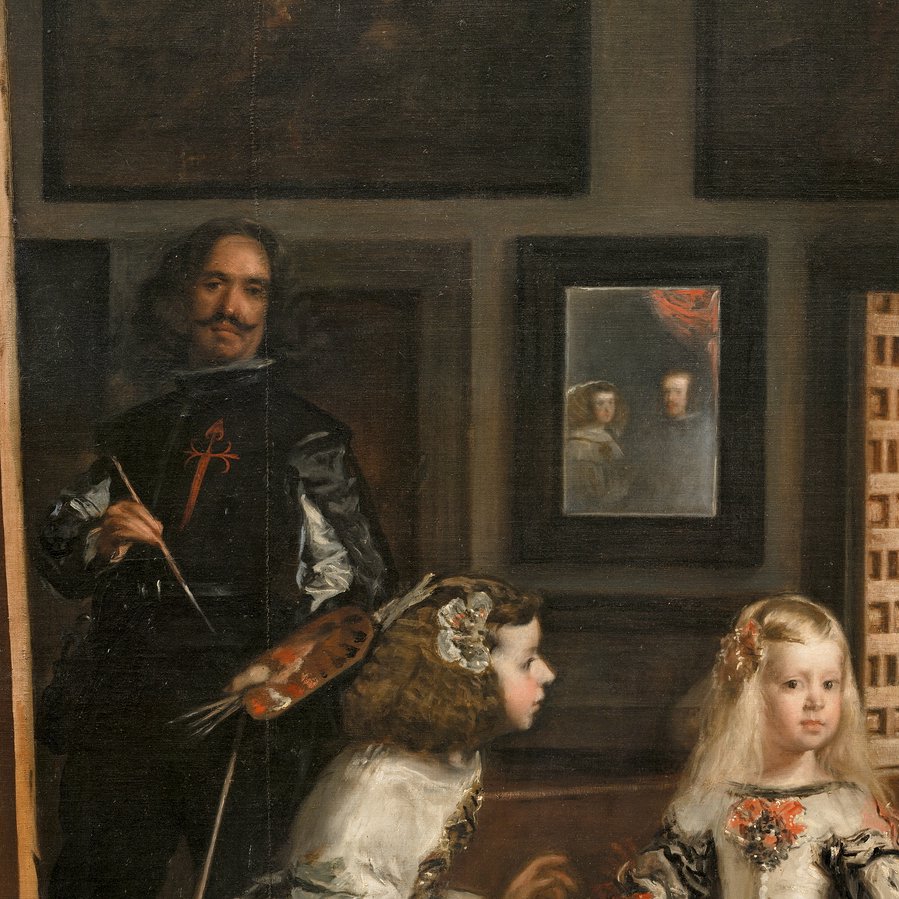
Velázquez does not just paint the Spanish court.
He paints you, standing exactly where the King and Queen are reflected in the distant mirror.
Velázquez built a complex puzzle inside the Alcázar palace. He stands at the canvas alongside the Infanta, dwarf entertainers, and the ghostly royal couple in the glass.
Las Meninas is one of the most studied and interpreted paintings in history. Yet, conflicting theories still clash today.
Why does it still shock us centuries later? When an artist goes so far beyond technical skill, is that when a work finally becomes a masterpiece?
1
11
635
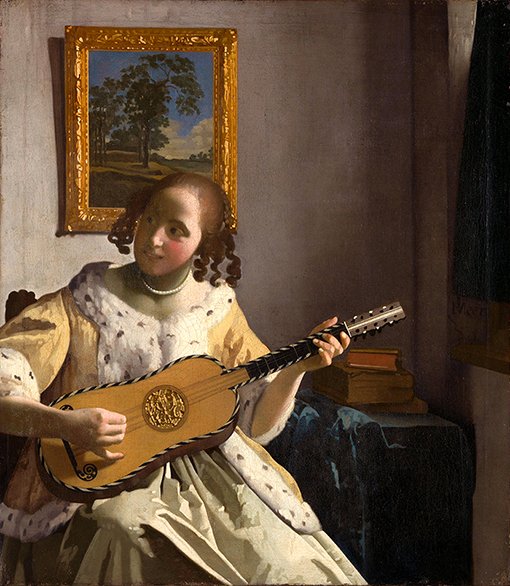
Johannes Vermeer
The Guitar Player, 1672
Vermeer broke his own composition rules to capture the future of music.
1
18
92
1,836
Vermeer abandons his usual left-side window here.
Instead, light floods from the right, catching the girl in a moment of joy.
In 1672, the guitar was a rebellious newcomer displacing the traditional lute. Vermeer wanted you to hear it; he painted the strings with thick, rough strokes that still seem to vibrate.
Instruments change and fashion fades, but the face of someone lost in music never changes. What makes a simple smile from 350 years ago feel so contemporary?
1
12
680
Jun 13
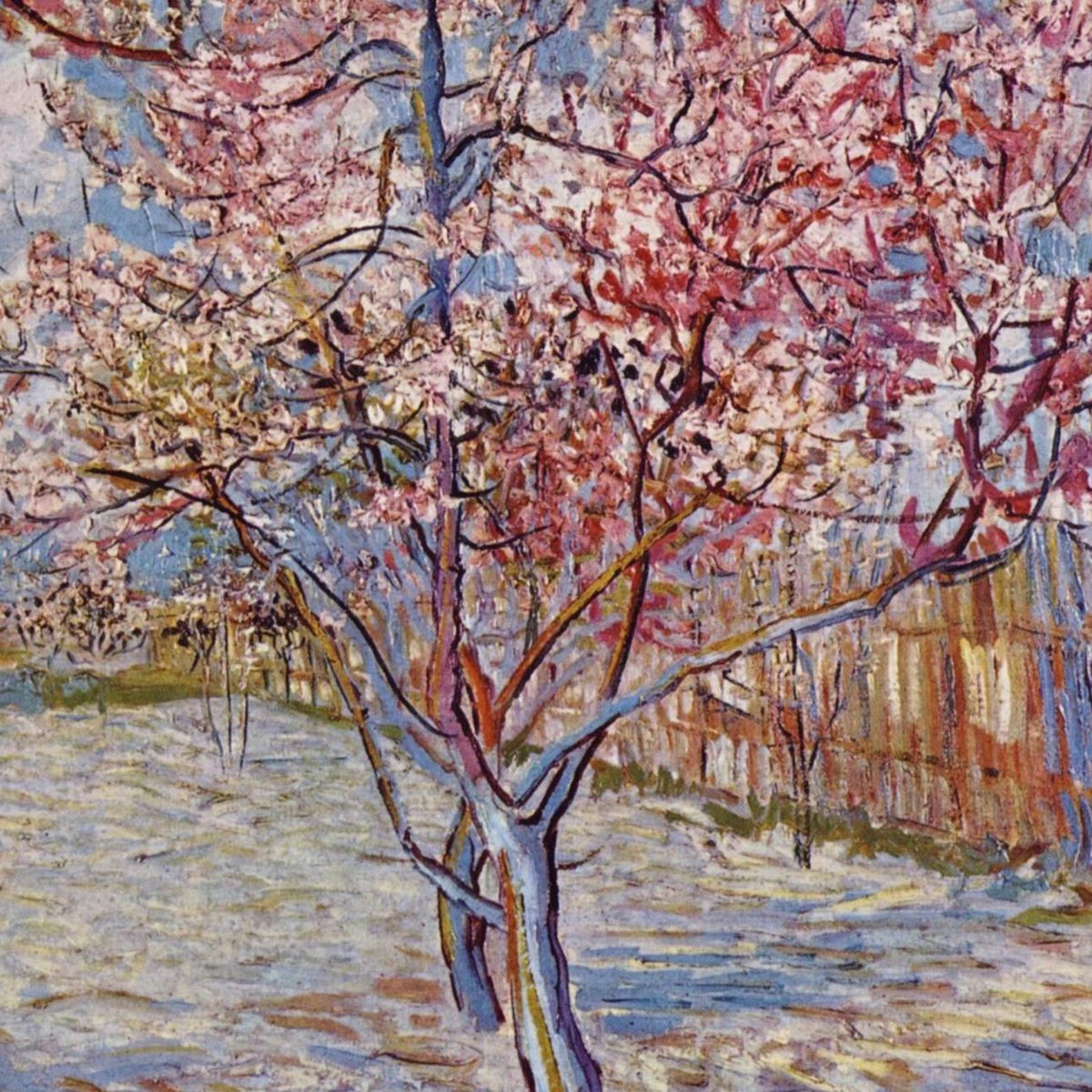
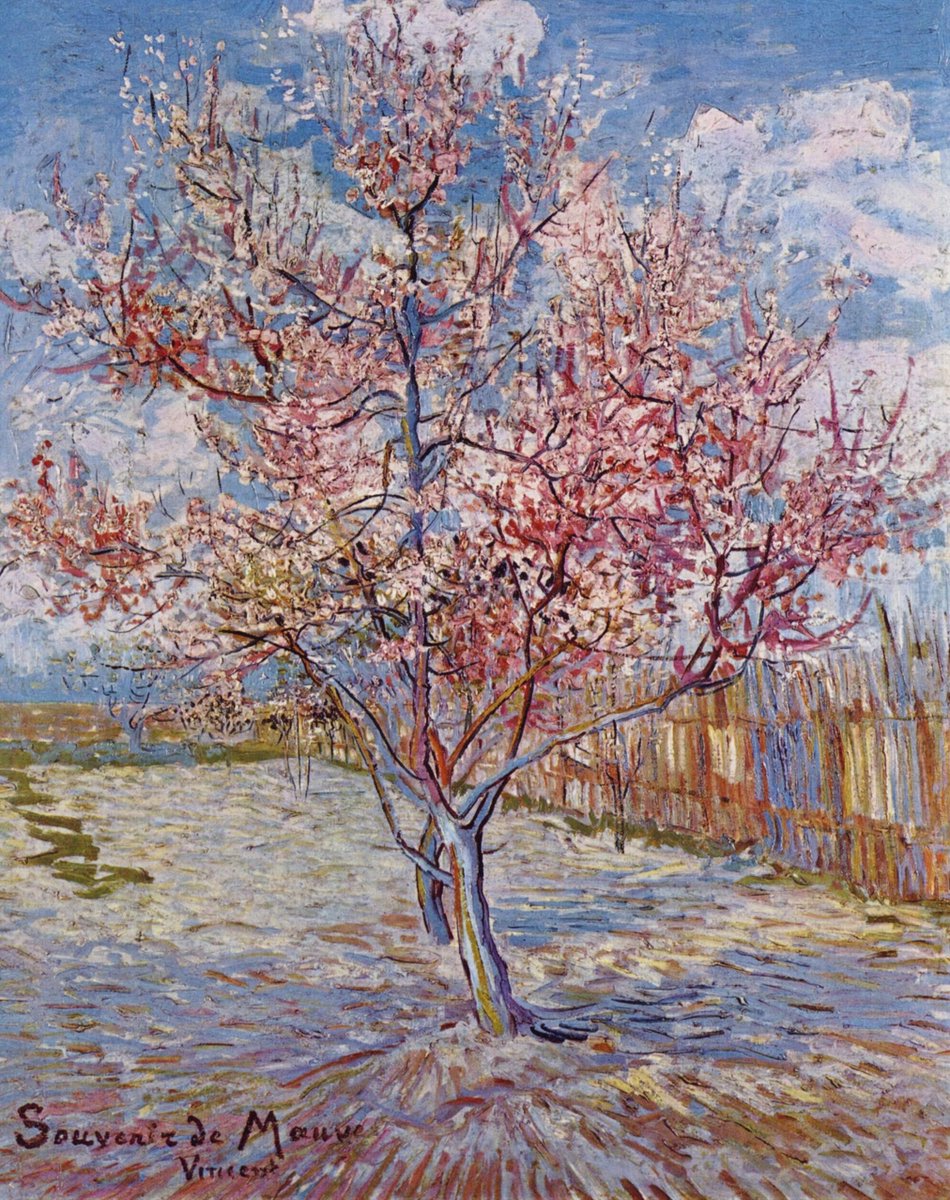
Vincent van Gogh
Peach Blossom in the Sun, 1888
Arles broke Van Gogh, but it also made him.
2
24
155
2,255
Jun 13
Devastated by the news of his cousin and mentor Anton Mauve's sudden death, Van Gogh rushed into the orchards outside Arles to paint this homage
For Vincent, this wasn't mere scenery; it was an act of raw grief.
Does true creative brilliance require a state of emotional crisis, or does art simply offer the only mirror capable of reflecting a shattered mind?
2
1
11
715
Jun 13
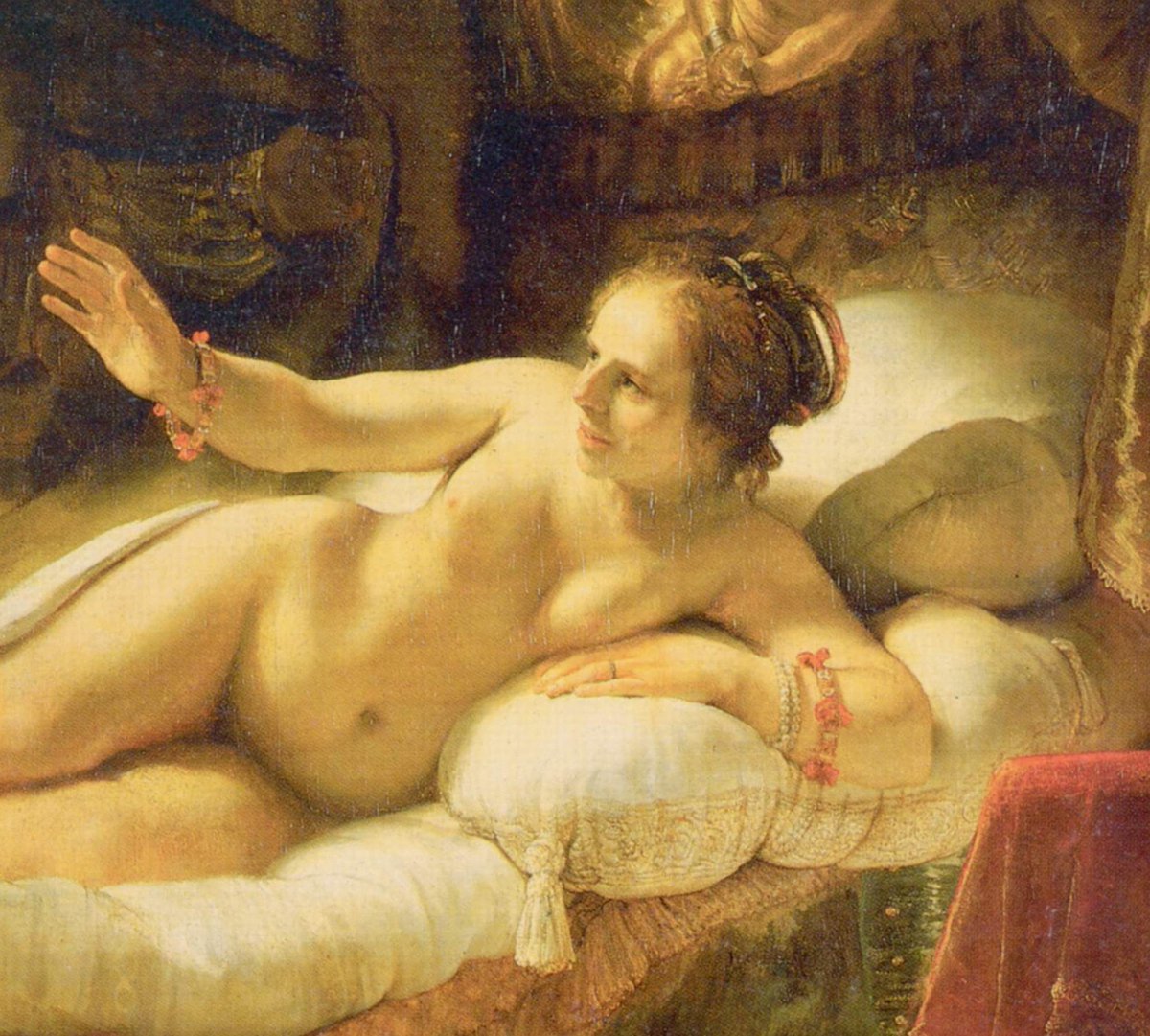
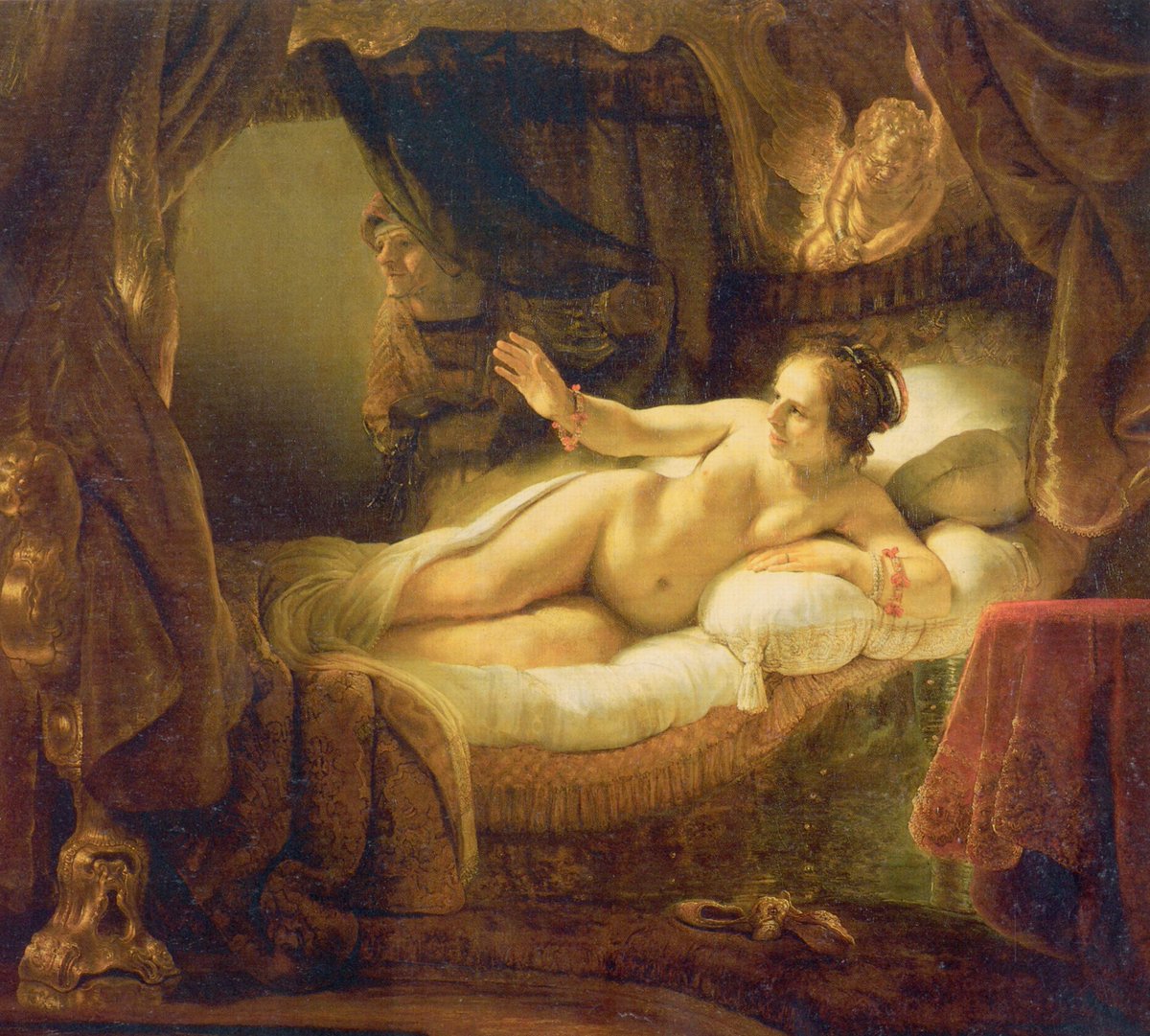
Rembrandt van Rijn
Danaë, 1643
Two lovers trapped in one face.
2
11
84
1,855
Jun 13
X-ray scans revealed that Rembrandt radically altered the woman's face to erase his deceased wife.
Originally, the mythological princess bore the features of Rembrandt’s wife, Saskia.
After her tragic death, his grief mutated into a passionate affair with his son's nurse, Geertje Dircx.
Instead of starting anew, Rembrandt repainted Danaë's face, blending both women into a singular composite.
Can we ever truly separate an artist's creation from his own internal chaos?
1
13
650
Jun 13
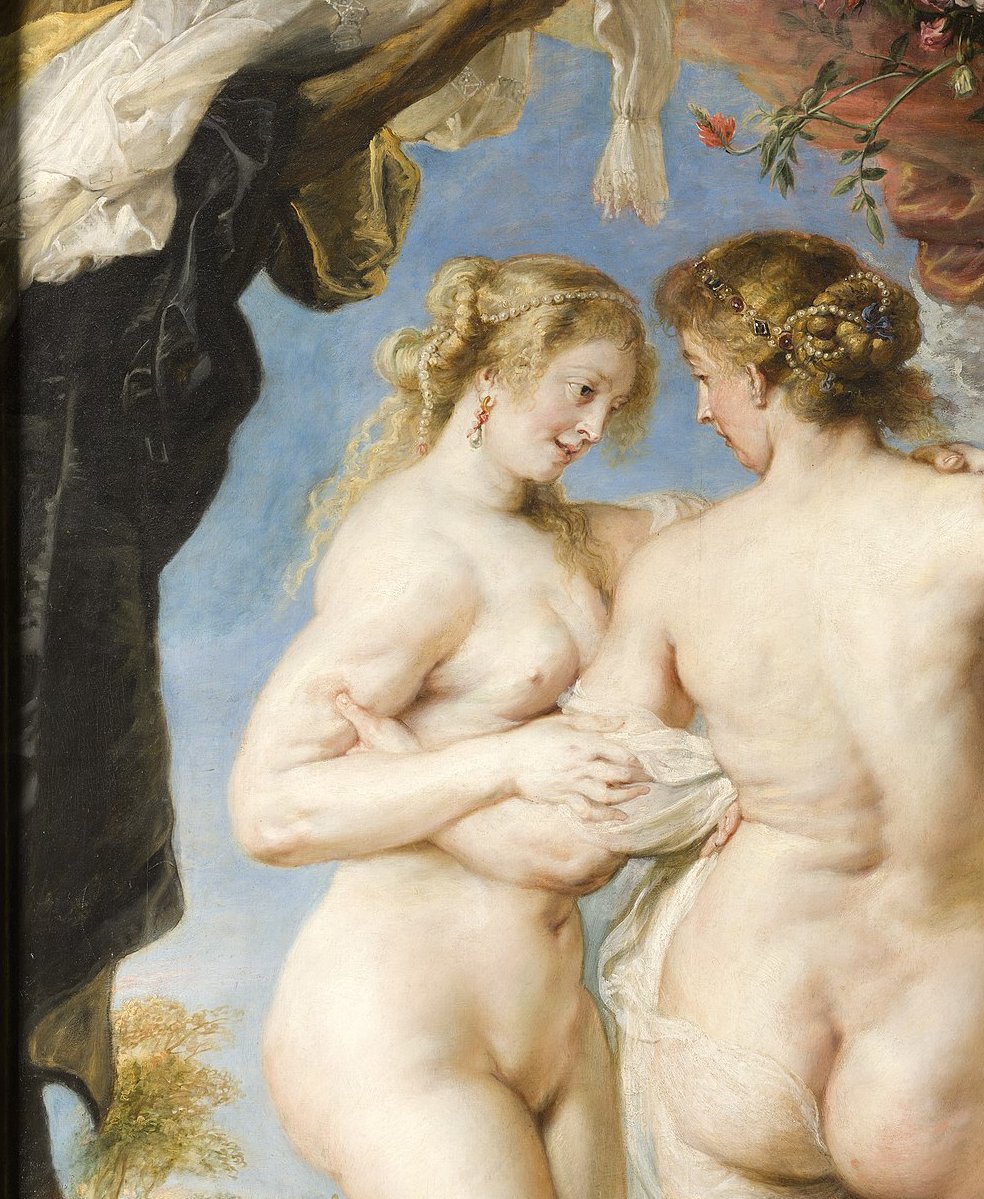
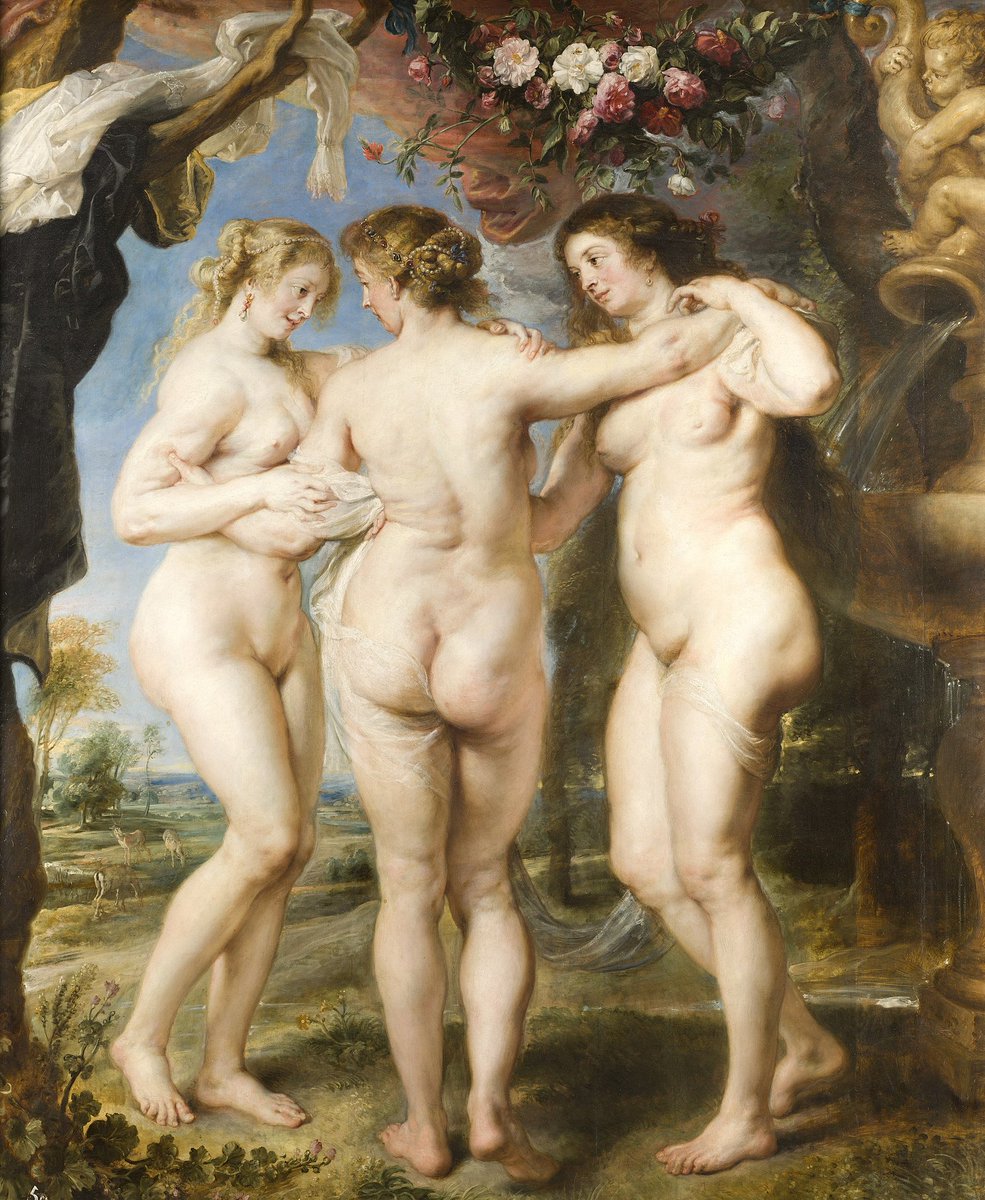
Peter Paul Rubens
The Three Graces, 1635
A personal declaration of love disguised as classical mythology
4
8
173
2,281
Jun 13
The figure on the left is a direct portrait of Rubens's teenage second wife, Hélène Fourment.
Rubens painted this canvas for his private collection, refusing to sell it.
It served as a personal celebration of life and flesh while his own health rapidly deteriorated from severe gout.
By inserting his young wife into the myth, he captured his real-world domestic happiness rather than an idealized academic concept.
Does art peak when the creator stops painting for the market and focuses entirely on their own family?
20
963
Jun 12
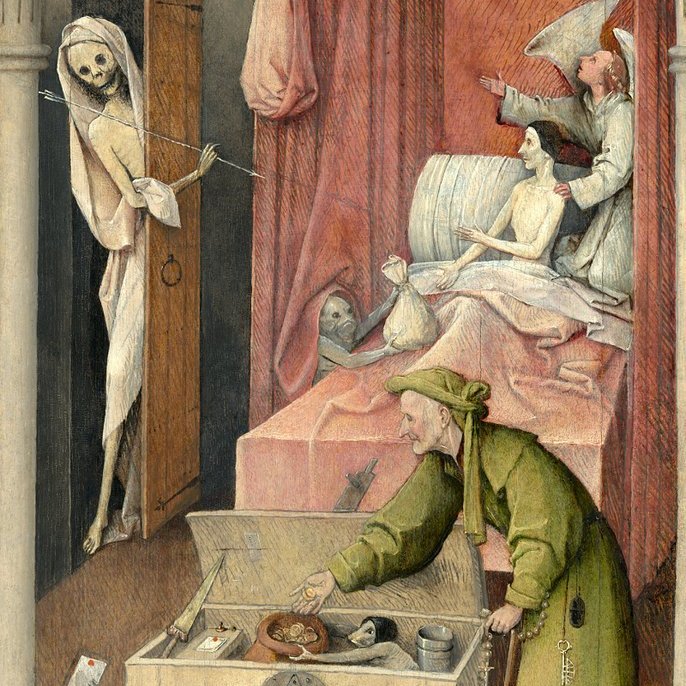
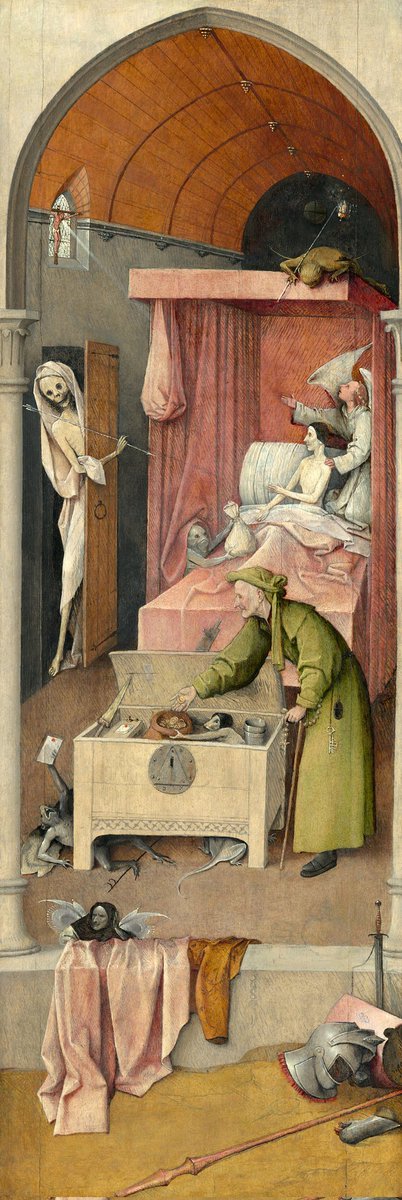
Hieronymus Bosch
Death and the Miser, c. 1490
A haunting ultimatum: you can’t take it with you.
4
45
201
3,765
Jun 12
Bosch captures the exact second a dying man realizes his gold is worthless against the death.
The scene is a stage.
The miser looks toward the cross, but his hand still reaches for the coin purse held by a demon.
We spend our lives hoarding things, often ignoring what matters until it is too late.
Is the fear of losing your wealth stopping you from actually living?
7
32
1,238
Jun 12
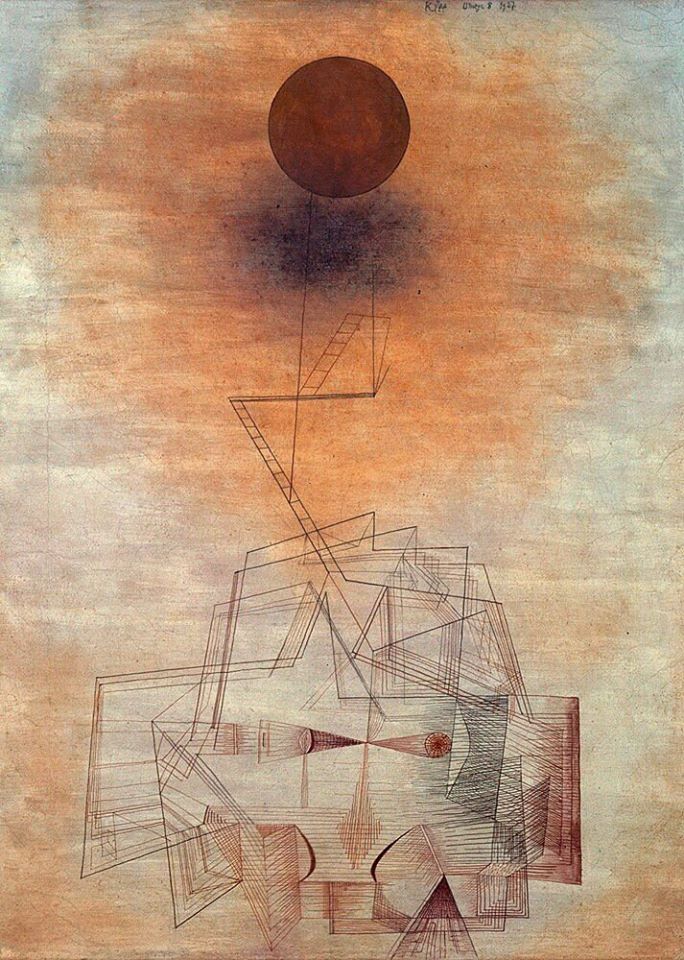
Klee used a rigid grid to show how our systems of thought can snap under pressure.
He spent his Bauhaus years obsessed with how math could explain human nerves.
An artist trying to map our inner state through pure math. Does it actually hold up for art lovers?
6
776
Jun 12
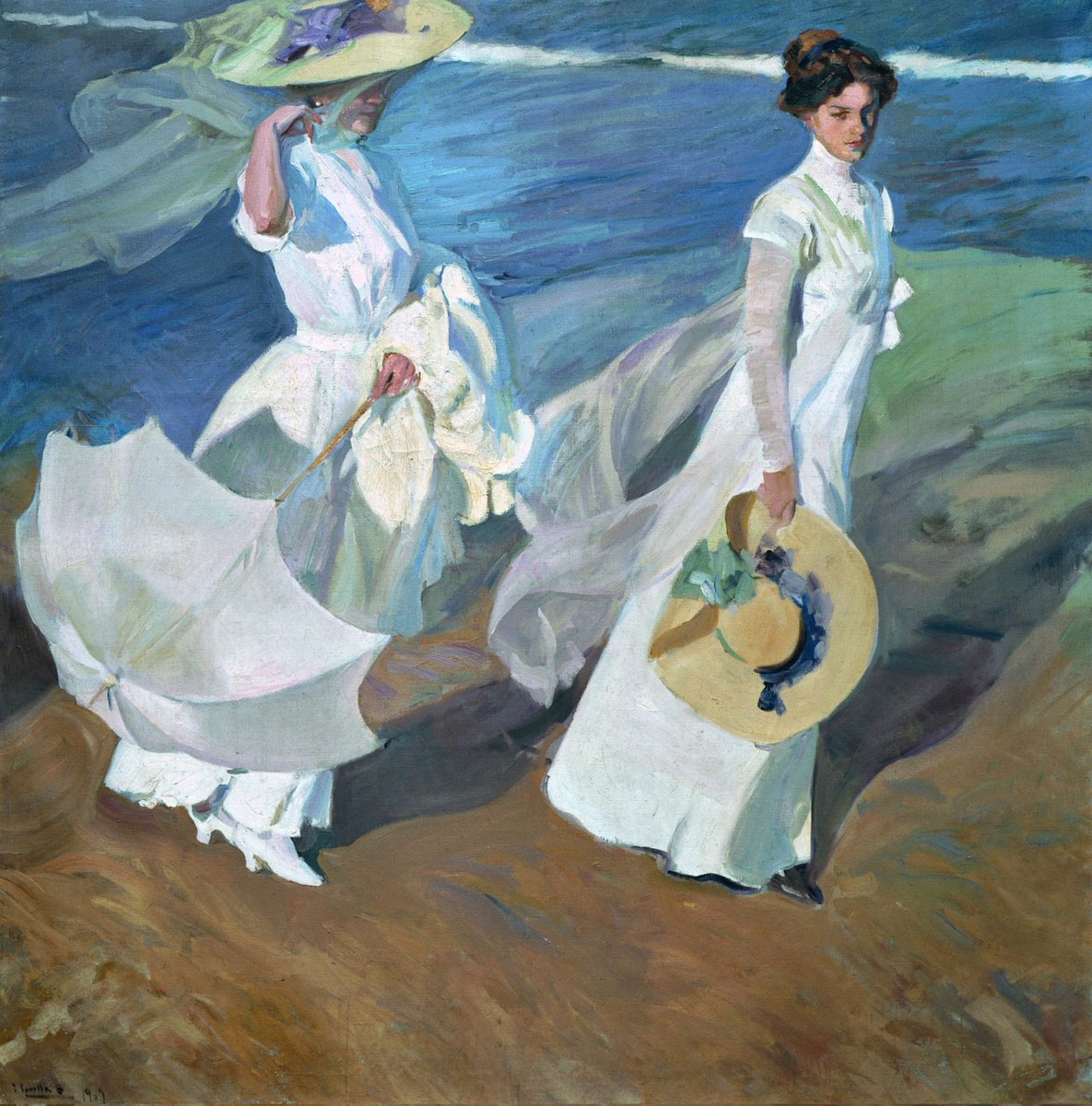
Joaquín Sorolla
Strolling along the Seashore, 1909
A masterclass in Mediterranean light
7
141
570
8,752
Jun 12
Sorolla ignored academy rules. He didn’t use dark studio light.
He moved his canvases to the beach, painting at full speed to catch the shifting sun.
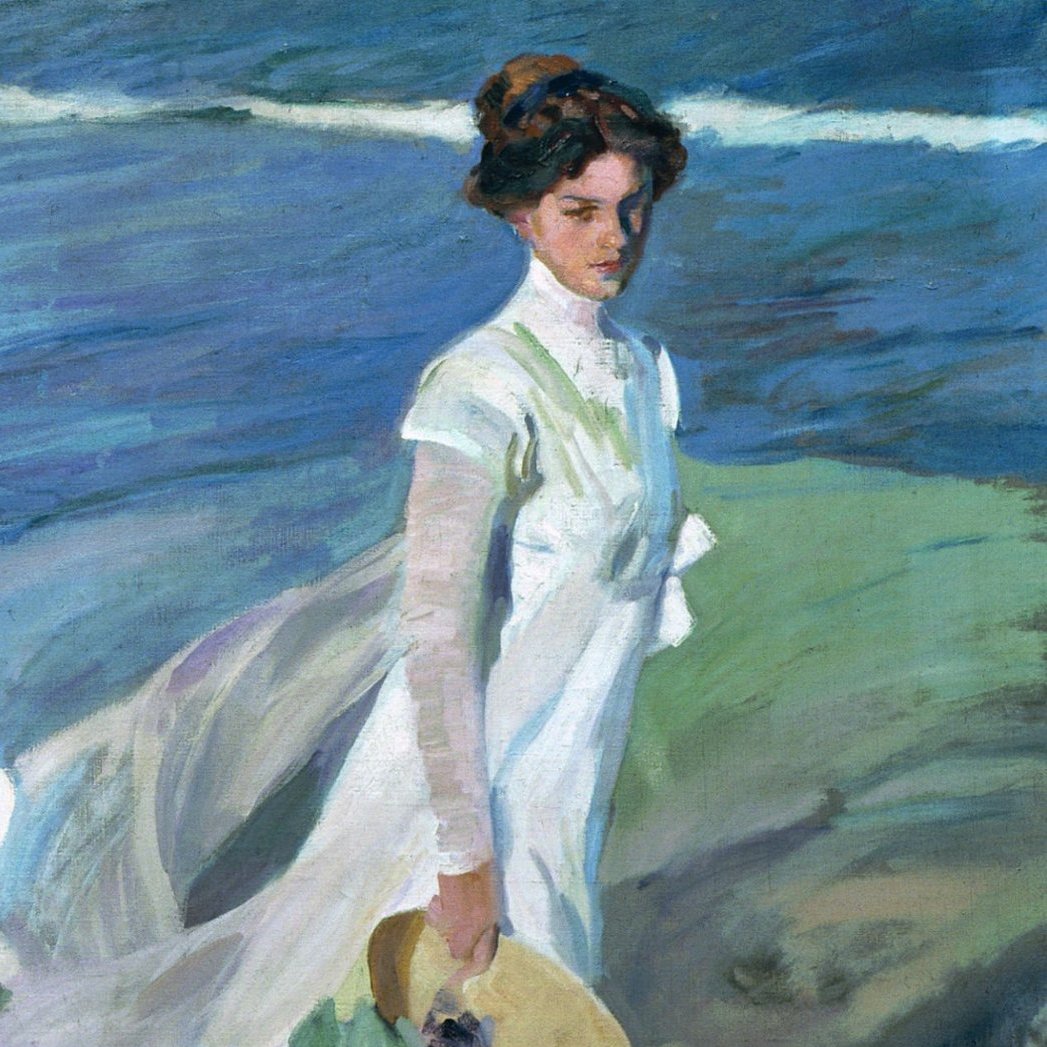
His brushstrokes make the wind feel real.
While others painted dramatic subjects, Sorolla focused on a moment of peace.
It’s simple, yet technically perfect.
Why does it still feel so modern?
4
25
910