
First check investor: 🇺🇸 🇬🇧 🇪🇺. Past: Oxford, YC. sterlingroad.com
Joined March 2007
- Tweets 5,942
- Following 1,304
- Followers 4,781
- Likes 62,522
1,391 Photos and videos







Space Is the Next Bitcoin
Many people I meet complain they missed the boat on Bitcoin while others made a fortune. More than 10 years later, I believe we're now on the precipice of a similar boom in the space industry, but the fundamentals are much stronger.
Humans were always going to operate in space. We have looked to the stars for our entire existence and nations remain captivated by the minute-by-minute actions of their astronauts as they boldly go. We were on vacation for the recent return of Artemis 2, but my wife insisted we watch the landing live.
While Bitcoin has spent more than a decade trying to demonstrate use cases beyond 'store of value', the first commercial use cases for space are generating massive growth. Starlink revenue in 2025 was $12B. Reusable launch from SpaceX is driving down costs for the entire market and, in turn, we're seeing the use cases expanding. Varda has been manufacturing medications in space for over 2 years and at Sterling Road we've invested in data centers in space (Starcloud), accommodation on the Moon (GRU Space) and nuclear reactors for space power (Zephyr Fusion).
The space market is still very speculative, offering both enormous potential and minimal competition. SpaceX is planning to IPO this year at $1.75 Trillion, almost a 100x multiple on sales. Starcloud became Y Combinator's fastest ever unicorn and reports suggest its valuation doubled again in the last 60 days. Skeptics will correctly point out that the math has a long way to go before profitability but that has never stopped incredible founders from building companies that push humanity forward.
If you're looking for the next Bitcoin, it's here.

1
9
1,614
The SpaceX IPO is a Masterclass in Hype
The frenzy for today's SpaceX IPO reached fever pitch this week, with people from all walks of life, across the country, gearing up to invest their savings in the most anticipated IPO for years. One of our team members remarked that even her mother was planning to invest in SpaceX when it opens. Meanwhile, analysts like Morningstar value the company at less than half of its $1.75T IPO market cap - so where is all the hype coming from?
Novel Technology
First and foremost, SpaceX is the dominant commercial transport into space, and Starlink is already one of the best ISPs, especially for anyone off the grid. Plus, their main competitors have struggled this year with some high-profile failures. SpaceX is clearly leading this nascent but rapidly growing market.
Hearts and Minds
NASA's successful Artemis mission and its plans to go back to the moon have captured the mainstream news cycles, giving Americans a strong reason for patriotism during a polarized time. SpaceX was founded in California, its headquarters is now in Texas and they have the most launch sites in Florida. They're a part of the economy, across the country.
Go Big
Although analysts immediately panned the $1.75T market cap as overvalued, the SpaceX team built overwhelming demand. First, they announced it as the largest IPO in history, guaranteeing global and ongoing coverage. Next, they reduced the number of available shares to just 4% of the company. Thus, any reasonable demand will chase very limited supply, increasing the price. Lastly, the competition for the listing likely drove Nasdaq to include SpaceX in its top 100 after a couple of weeks, creating massive index fund demand.
Harvest the Mainstream
The final step in the process was leveraging Elon Musk's cult fanbase by giving retail investors 3x more than the typical allocation of available shares, which created even more demand among traditional institutions. Retail brokerages responded positively by offering low minimum buy-ins to their customers, a bet that paid off as orders exceeded $100B from platforms like Fidelity and Robinhood.
Outside of SpaceX's groundbreaking achievements in the space industry, the IPO has been executed well enough to be studied for decades to come. We should be very proud; it's an American company.
2
121
How to Get Non-Technical Teams to Use AI
Most non-technical teams are only scratching the surface of AI usage. Here’s how to change that:
1. A Unit of Work. Do a unit of work for them e.g. some kind of spreadsheet manipulation. Once they see the quality that you can output with your lack of domain knowledge it usually clicks that they need to do this themselves.
2. Automate a Process. If there's a regular monthly or weekly task, you can distill into 10 bullet points or less, then you can help them build that as an app.
3. Build a Small App. Something like a chrome extension or maybe a PDF creation app or an improvement for an existing internal application. That might just create the spark for broader app building.
1
79
Ash Rust retweeted

Jun 10
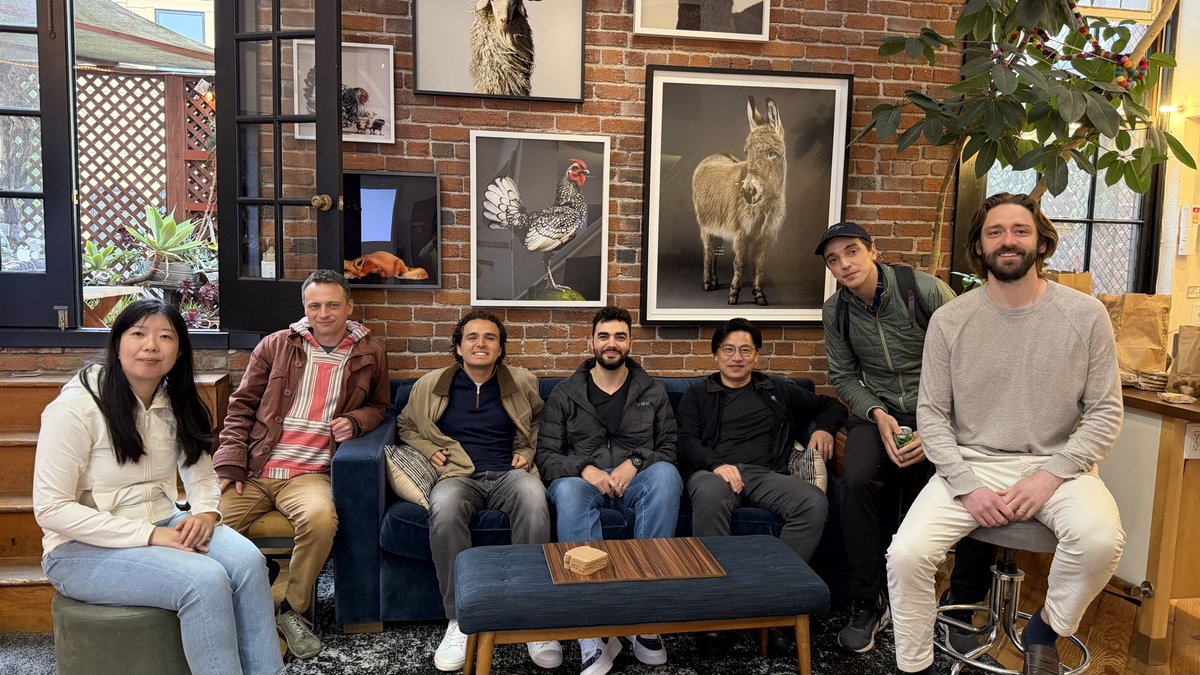
Huge thank you to everyone who came out to YC Alumni Feedback night!
1
1
120
The earlier you automate repetitive work, the more time you save…

Founder Tip: Don’t wait to automate.
Most teams are still manually completing daily, repetitive tasks, while admitting they could automate much more. Give yourself that time back!
45
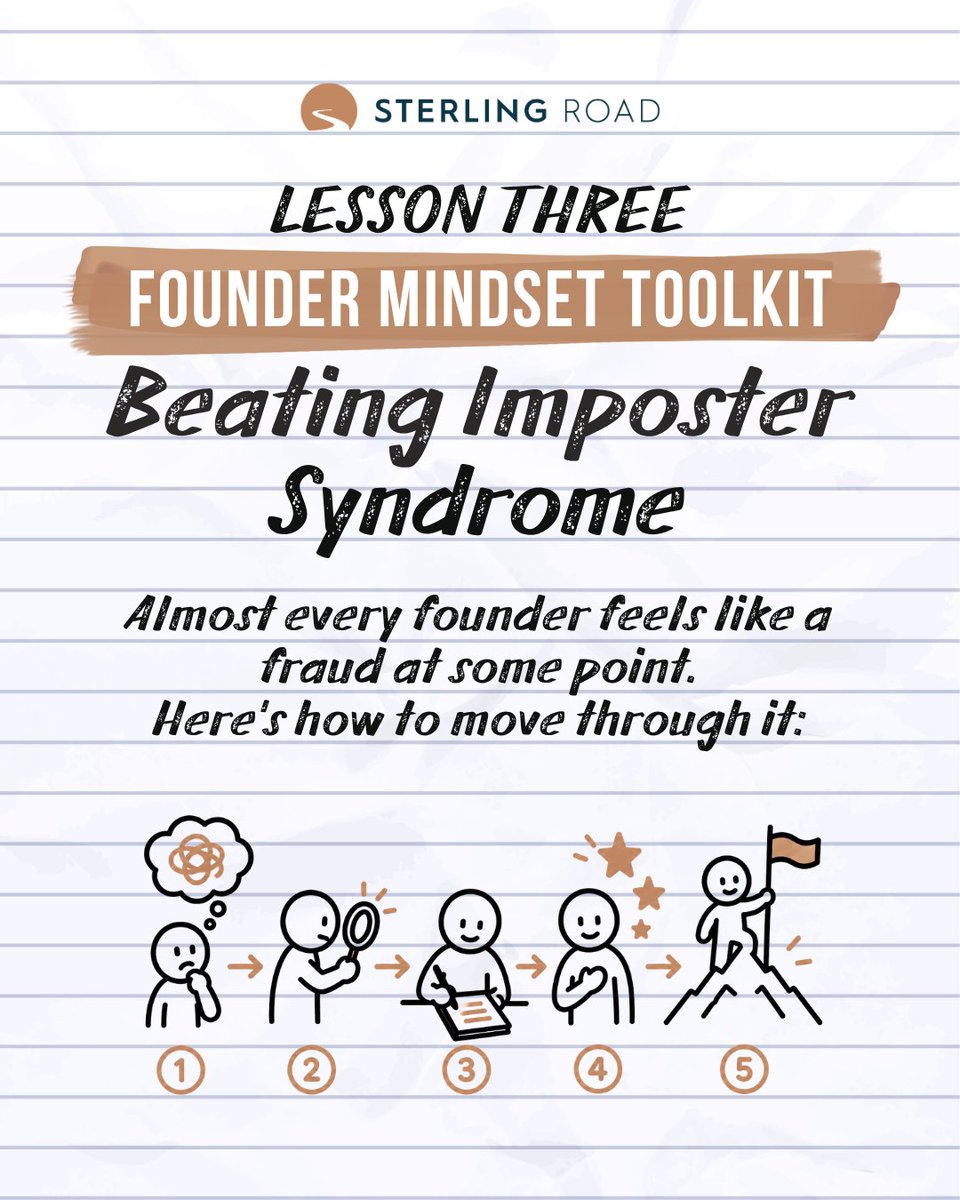
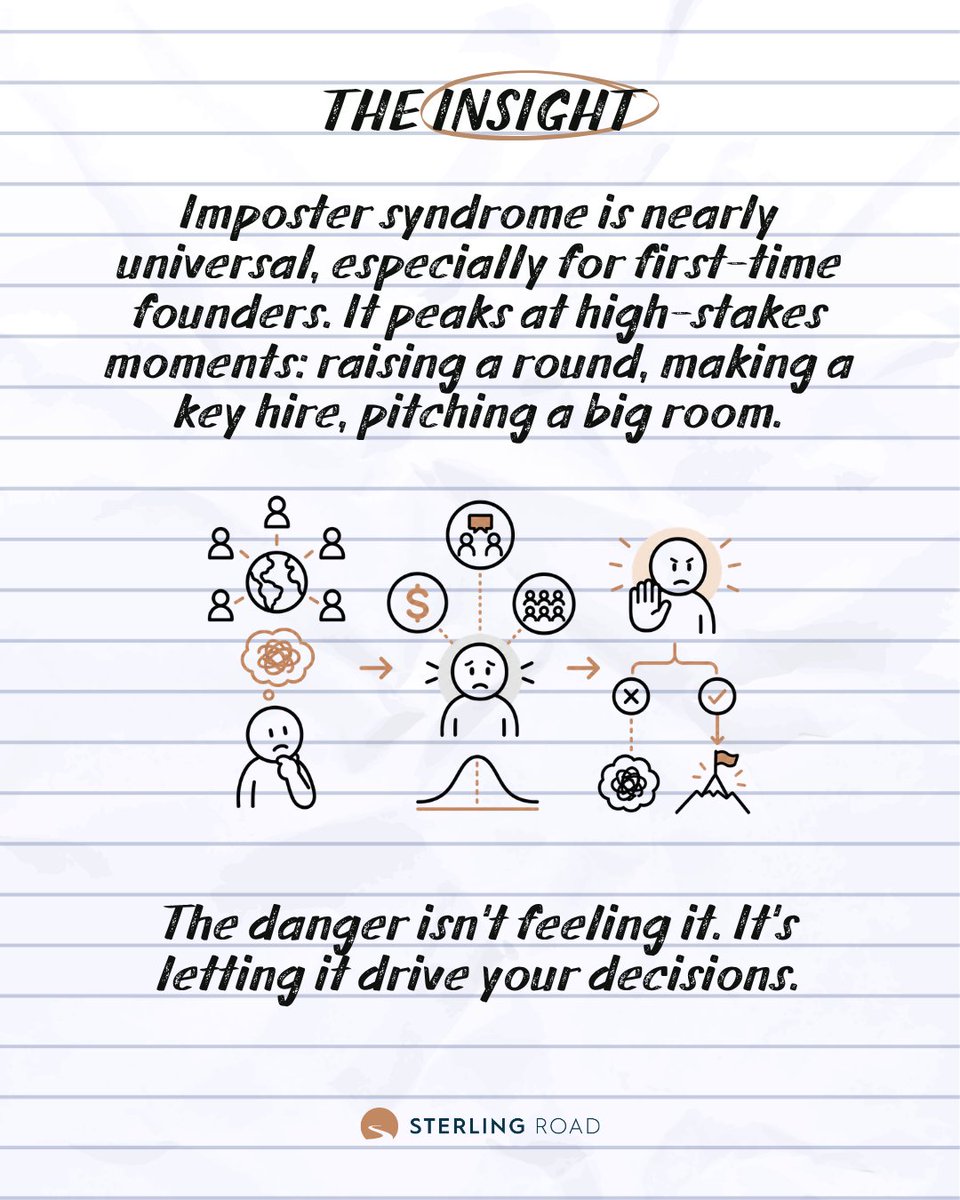
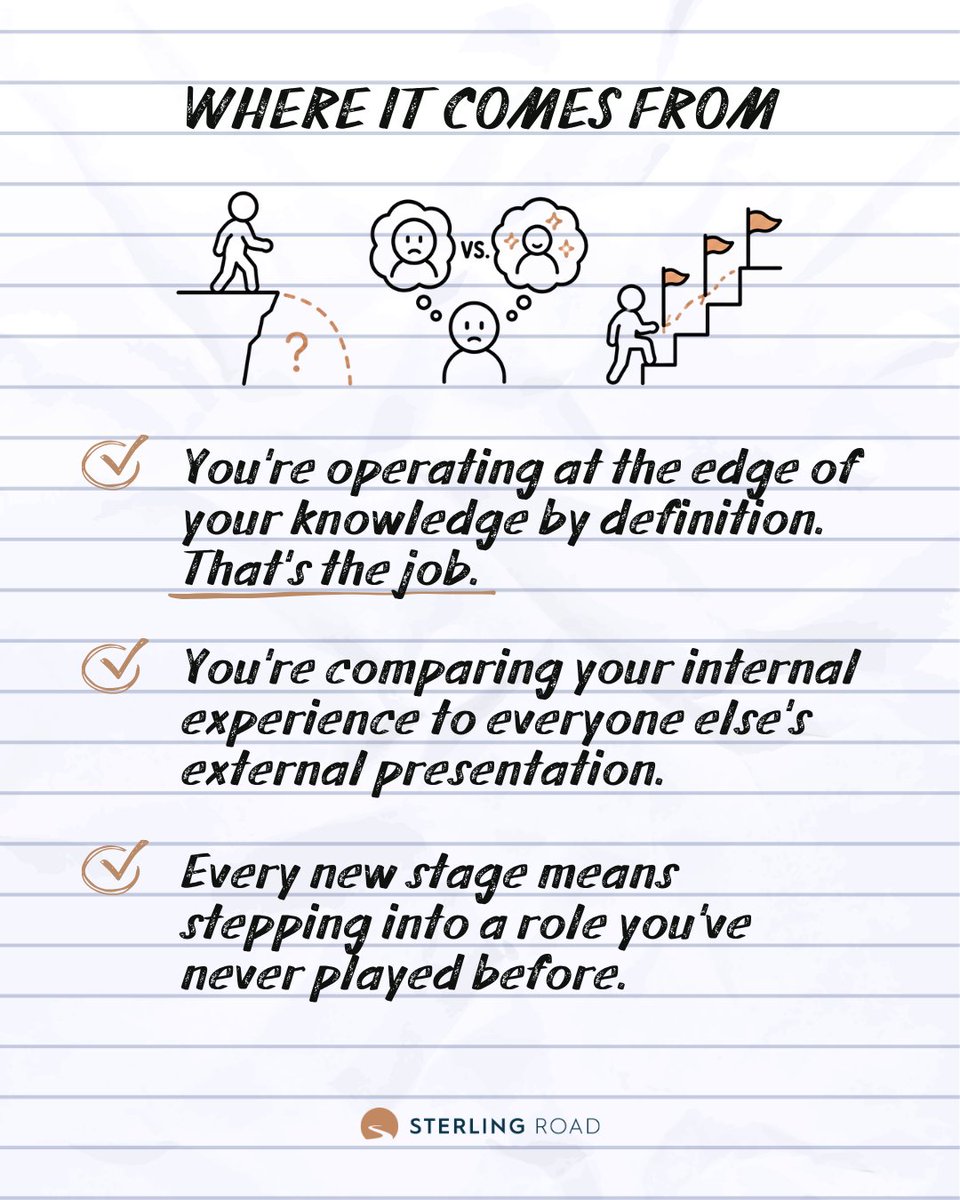
Imposter syndrome is common, but there are plenty of ways to address it.
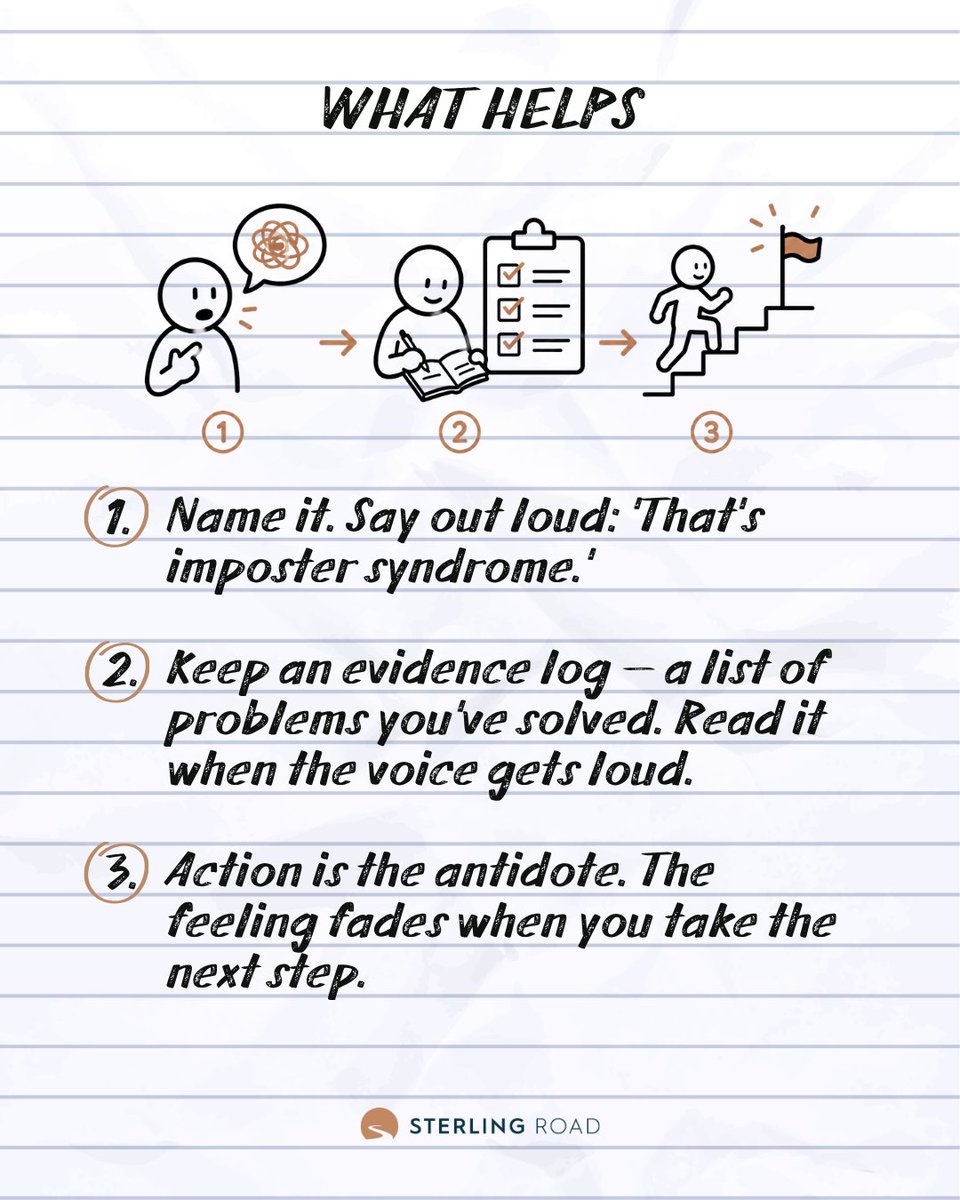
Don’t let imposter syndrome take over. Here’s how to move through it:
1. Don’t bottle it up. Say it out loud
2. Keep a log of your wins
3. Action is the antidote to anxiety
Do these 3 things when you feel like you don’t belong, & they will remind you don’t need anyone’s approval.
1
44
How to Get Started in SF
Lots of Sterling Road founders come to San Francisco from outside the US to build their startups, but when they first arrive, almost everyone asks the same question: Where do I start?
Friends of Friends
Your immediate network of friends and friends of friends already based in the Bay Area is the right place to begin. Silicon Valley's culture of reciprocity means most people will agree to meet with an enthusiastic new arrival. Tell them what you're building and they will probably try to help.
National Affinity Groups
As SF is filled with immigrants from all over the world, many countries have an official presence and regularly run events for founders, e.g. the Nordic Innovation House. I'm from the UK and the British Consulate in San Francisco is very active, plus there's a British ex-pat community with hundreds of members and weekly events.
University Alums
Even if you don't know them, you will often get a response from people who attended the same university as you. It's even more likely if you were in the same sports or housing groups while in college. While this is cold outreach and might feel uncomfortable, you can rapidly broaden your network with this tactic.
Hobbies, Interests & Faith Groups
However you like to spend your free time, the Bay Area will have plenty of other folks who share your interests. Most of those people will work in tech and again, given the local culture, they will likely want to help you. I often meet with founders from my Jiu-Jitsu gym, even if it's not an investment fit.
In-Person Communities
Outside of coffee shops and WeWork-style offices, San Francisco has numerous work/social hybrid spaces that are good places to meet other like-minded people. Shack15 is very popular and Sterling Road invested in GroundFloor Club, which has two Bay Area locations. Both offer monthly membership, so they work well even for short-term visits.
San Francisco isn't perfect, and breaking into the tech community takes effort, but nowhere else offers the same level of opportunity. You have to see it to believe it.
1
114
Ash Rust retweeted
📢 @astercare_ is joining @ElationHealth to help expand AI capabilities in primary care.
We first invested 3 years ago when this was just an idea. Great work by Fifi and the entire team!
1
1
2
51
The Top 3 Most Common Pieces of Advice I Give Founders
After working with thousands of founders over more than a decade, the same feedback keeps coming up. Here's the three pieces of advice that I give most often:
1. Don’t Fundraise Yet. If possible, you should fundraise from a position of strength. Most founders want to raise before their growth pattern is clear and that can mean an unsuccessful raise.
2. Charge More. Almost all founders undercharge for their product, incorrectly believing that discounting increases the chances of a yes. The opposite is true: most people are suspicious of cheaper products.
3. Fire Them. Underperforming co-founders and employees are a huge drain on the company’s progress and morale. The sooner you cut them, the better it is for everyone.
1
81
Great work, everyone!
Some great progress across the portfolio this May:
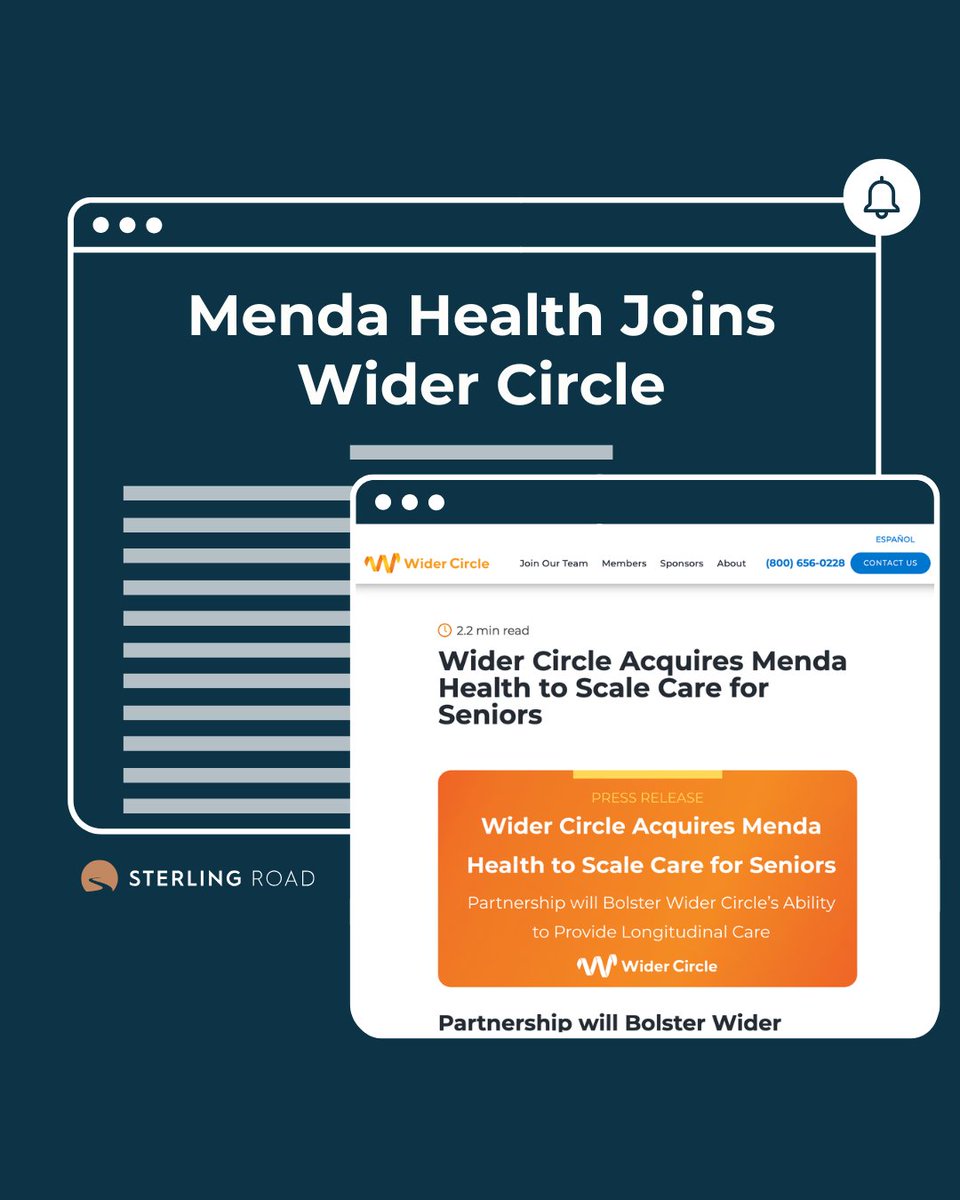
• Menda Health (@navigatingpain) joined Wider Circle (@OurWiderCircle)
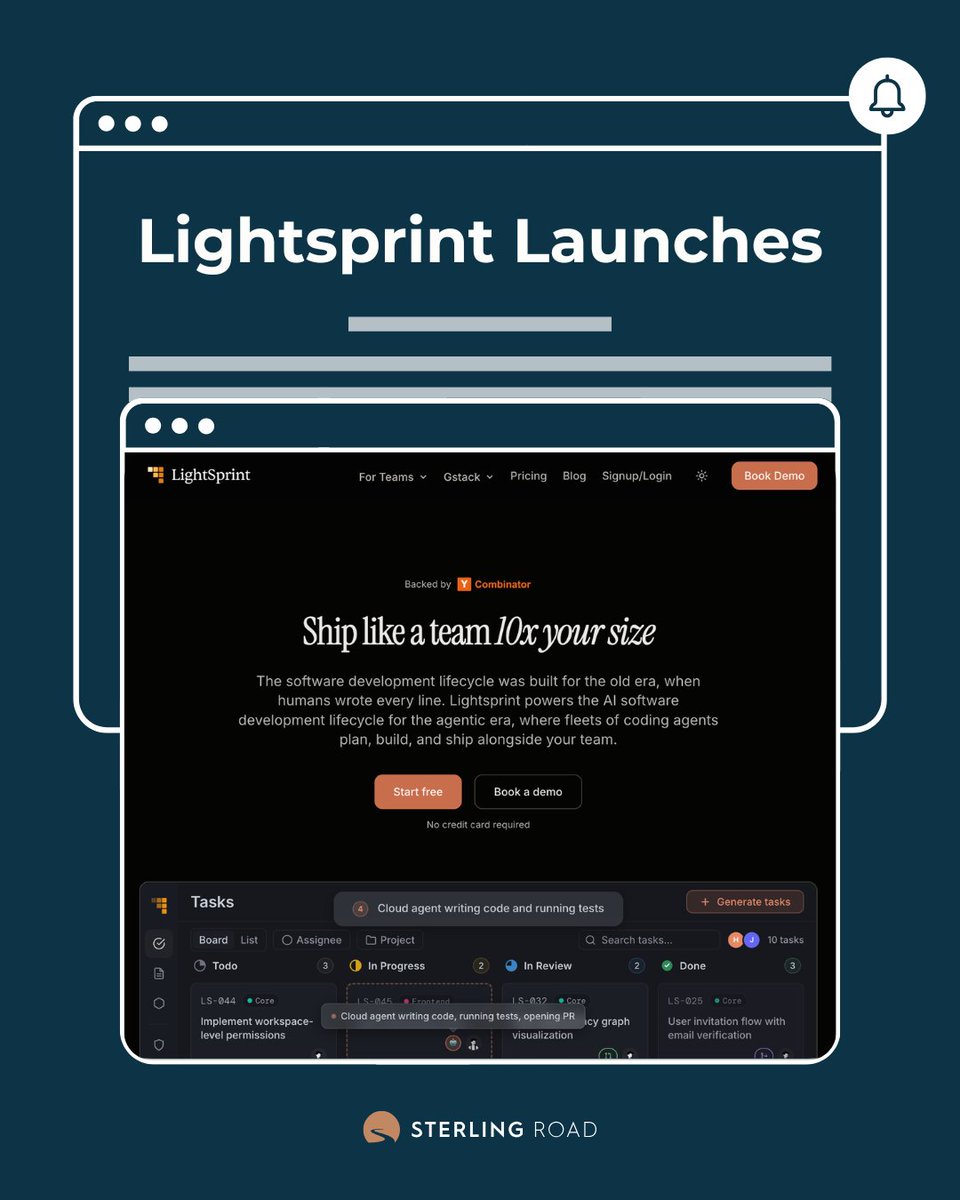
• @lightsprintai launched its collaborative agentic dev platform
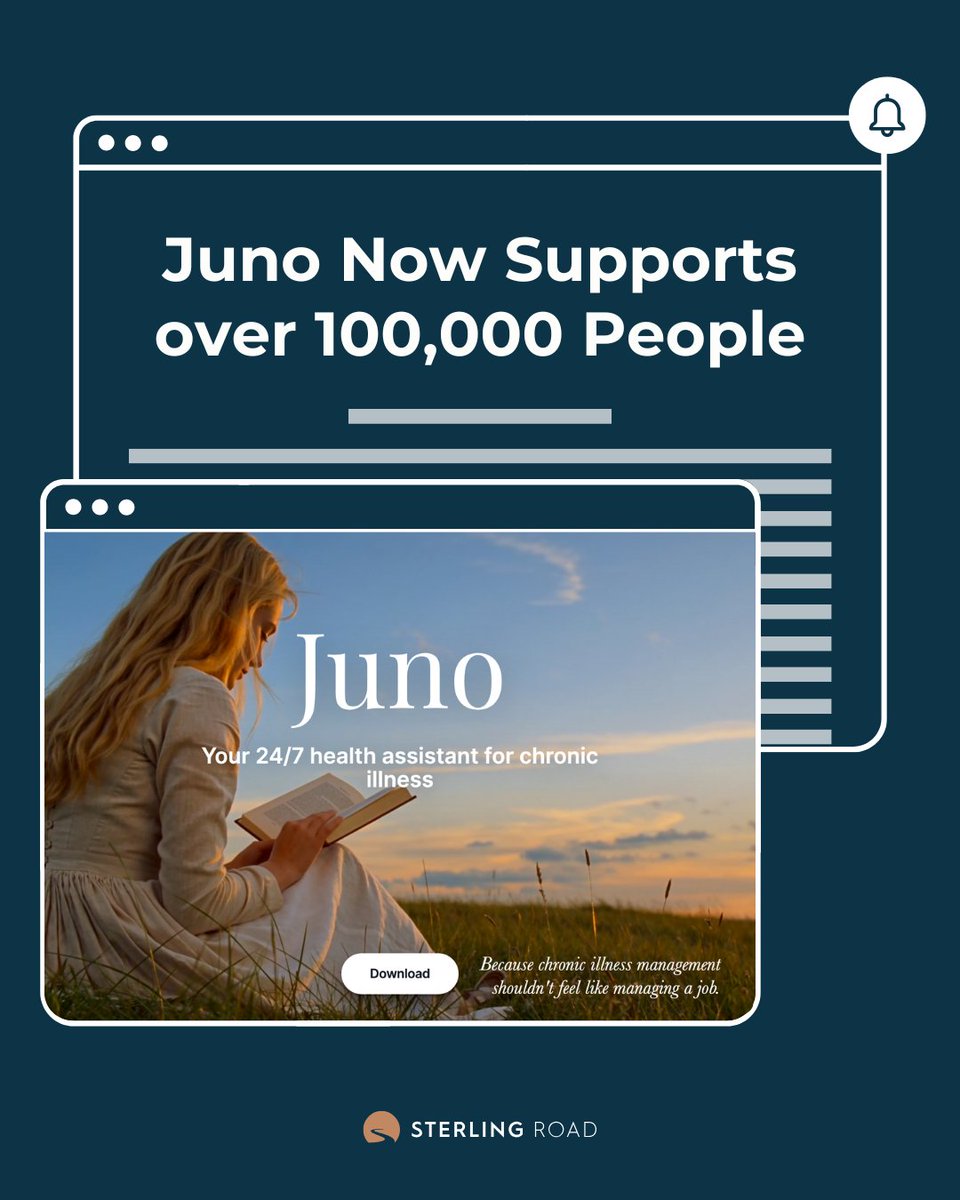
• Juno now supports over 100,000 people
The pace of progress continues to increase!

1
58
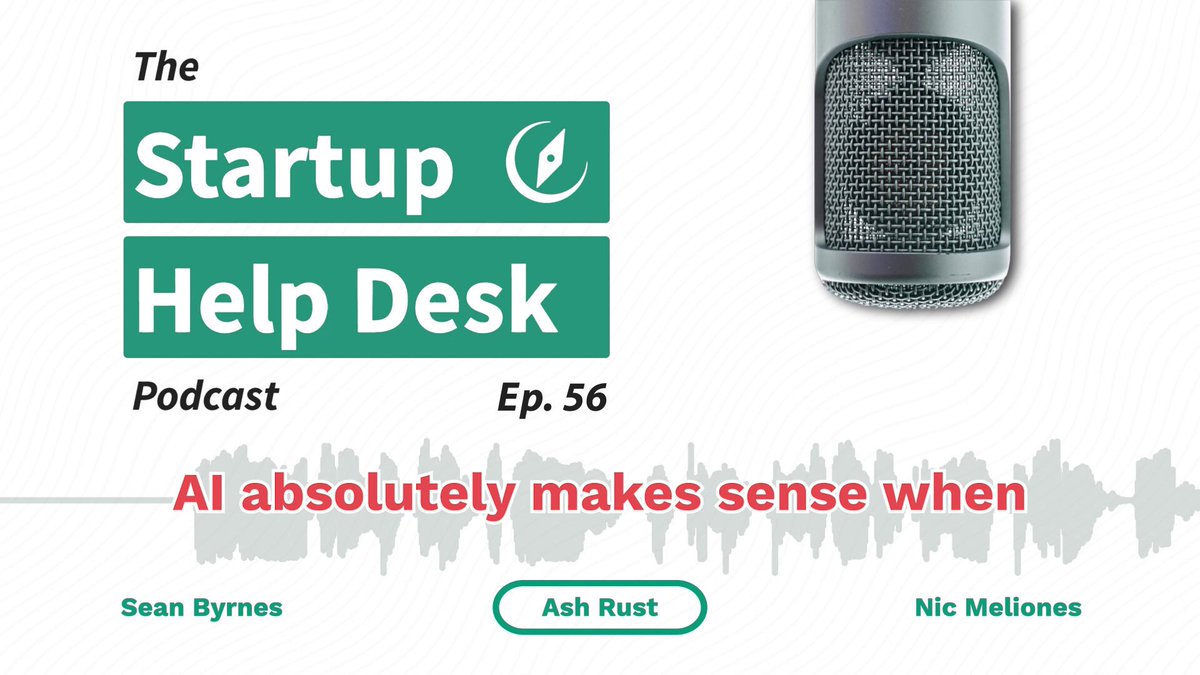
You can’t expect to sprinkle magic, AI fairy dust on your product and hope to bring some deep product engagement.
Yes, everyone wants AI features, but they have to be done right and adding them to old products probably won’t be enough.
Listen to the full episode of the Startup Help Desk anywhere you get your podcasts. 🎧
1
58
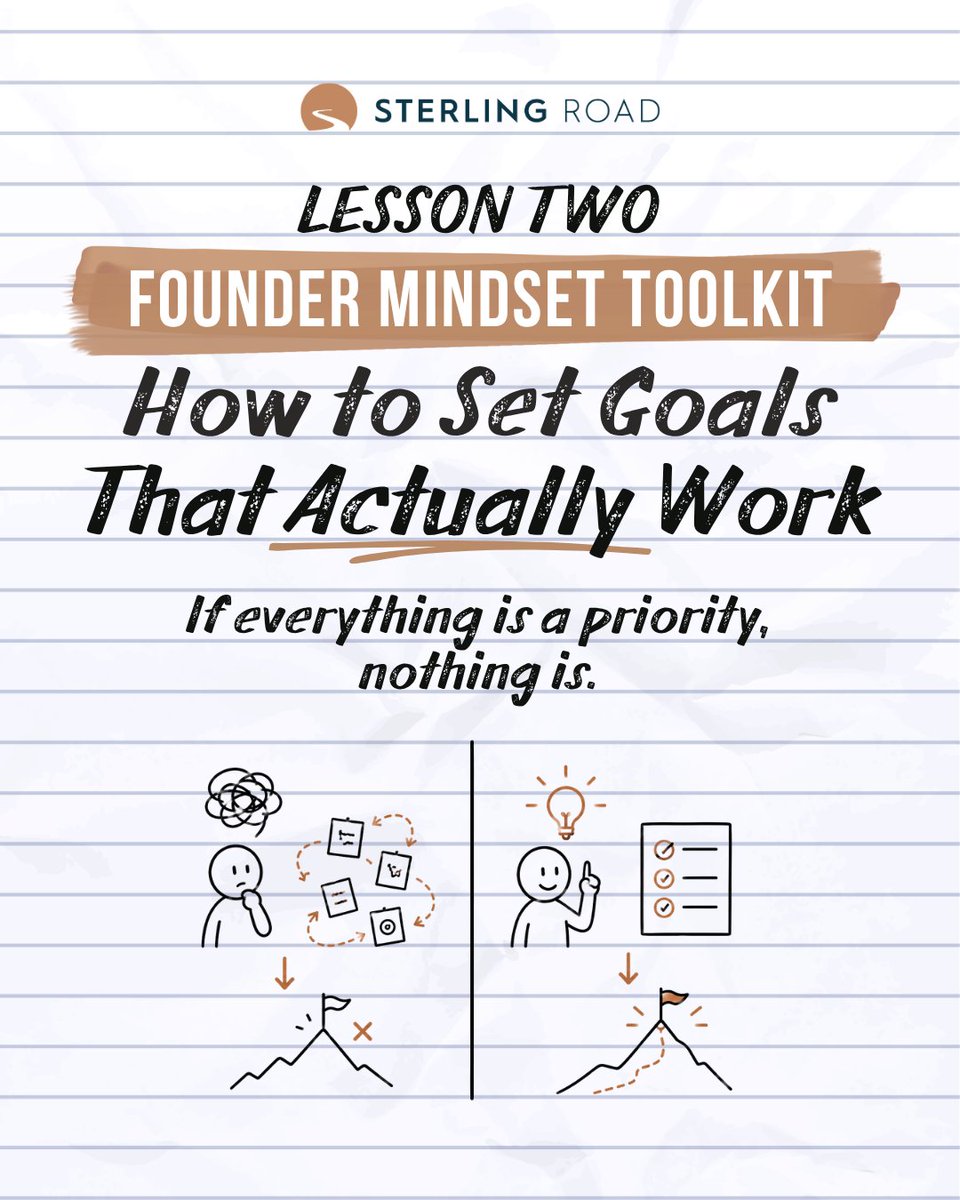
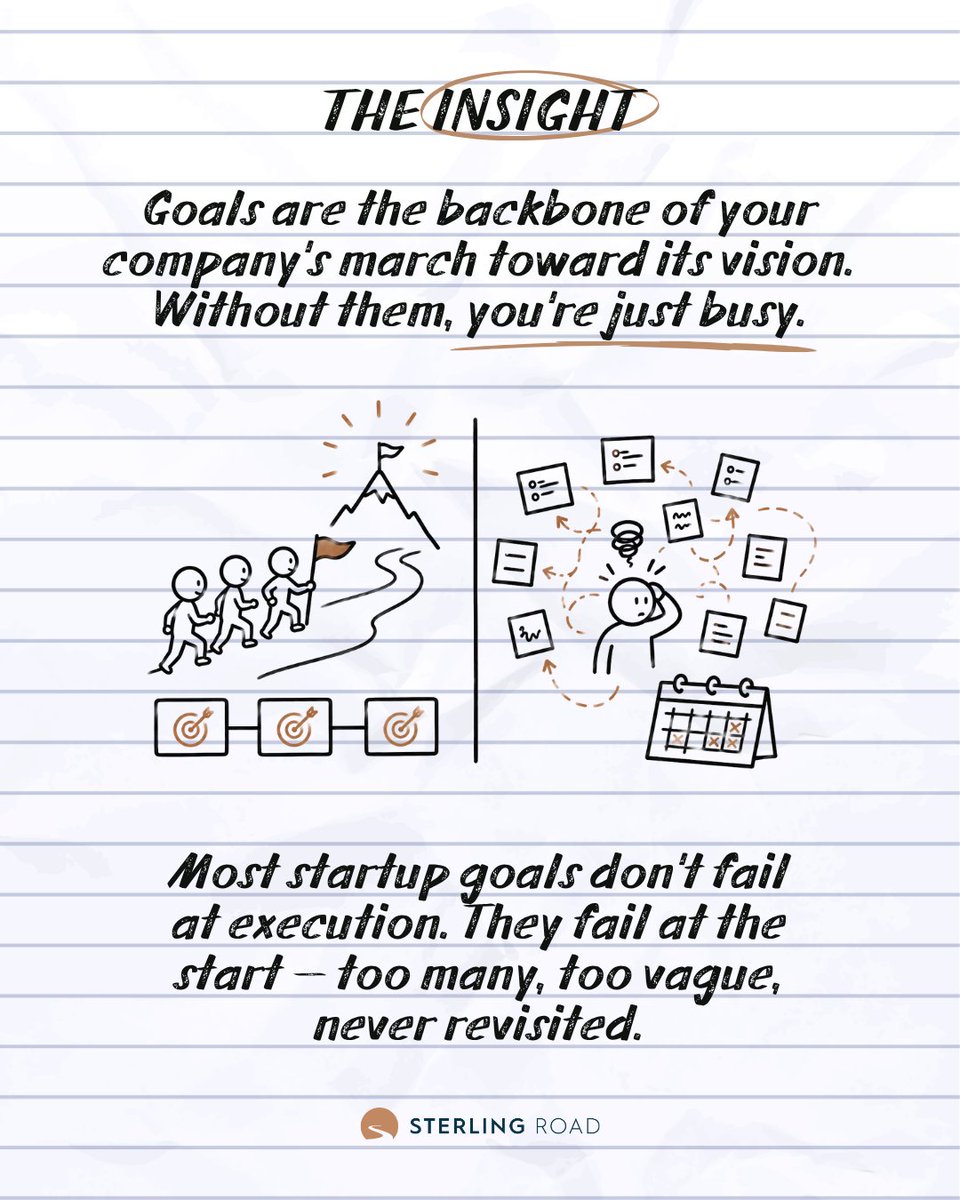
When you set goals, make sure they're measurable, specific and realistic. This pushes everyone on the team to hit their goals, as the outcomes are very clear.
Do you know how to set goals that actually work? 🤔
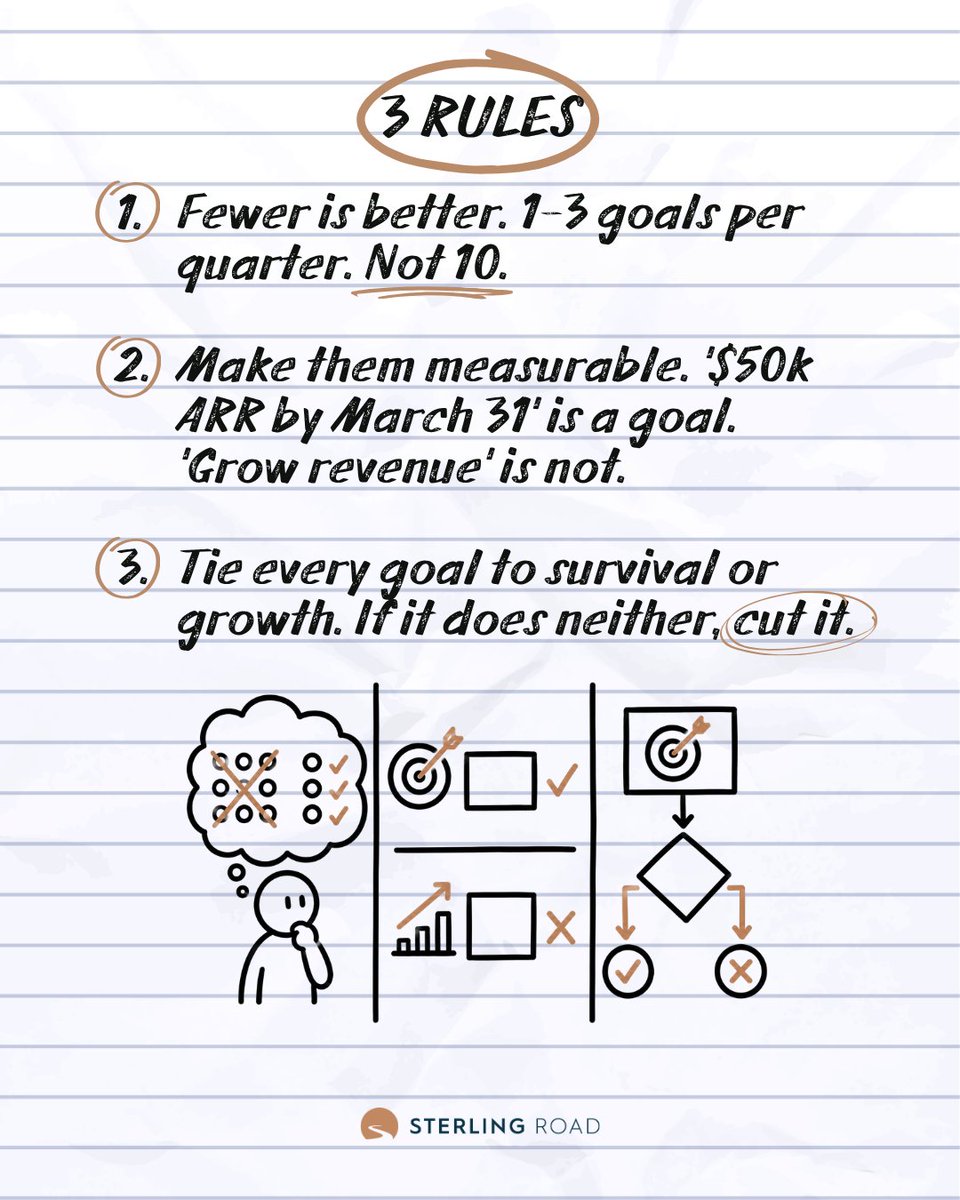
Here are 3 rules to follow:
1. Fewer is better. 1-3 goals per quarter.
2. Make them measurable. '$50k ARR by March 31' is a goal.
3. Tie every goal to survival or growth.
1
81
There are plenty of bad customers out there. Focus on those where the relationship is mutually beneficial.
Founder Tip: Not all demand is worth pursuing. When interest pulls you in different directions, use a clear process to decide what to focus on. Chasing the wrong customers slows you down.
37
Who Are the Best Investors? Five Years of the Midas List
Almost every investor claims to be amongst the best, but with 25 years of Forbes 'Midas List' data on record, we can see which VC investors and firms are the best overall and at the seed stage. Looking at the last 5 years, there are several clear patterns:
Sequoia Dominates
Since 2022, 10 Sequoia partners have appeared on the Midas List a combined 32 times, and the firm has held the top spot throughout. The next-closest firm, a16z, has just 20 appearances, and in no single year has any other firm placed more partners on the list than Sequoia.
Top 5 Firms over 5 years, in order:
Sequoia, a16z, Index, Benchmark, Founders Fund
Top 5 Seed Firms over 5 years, in order:
ZhenFund, Founder Collective, Pear VC, Point Nine, Primary Venture Partners
OpenAI & SpaceX
Almost 20% of this year's list is tied to 2 companies: OpenAI (11) and SpaceX (8), including this year's Number 1, Vinod Khosla. The trend continues with 45% of all entries this year coming from just 5 companies: OpenAI, SpaceX, Cerebras, Stripe and Wiz. The power law of Venture Capital appears to be accelerating.
Seed is Broader
At the seed stage, dominance is far less clear. No single company is tied to more than 2 names on the list, and no firm has had more than 1 partner named in the last 5 years (though the methodology may enforce that cap).
Overall, the data is clear on the best firms for Series A and beyond. At the seed stage, the list is more of a starting point than a definitive ranking because no individual, firm or company drives the order. However, if you're looking for the best performing investor right now, there's a good chance they backed OpenAI or SpaceX early.
77
Ash Rust retweeted

May 28
Launching @sault_ai today, with a mission to increase the economic capacity of AI agents.
Starting with ability to give your agents pocket money!
Agents are unbelievably capable now, they can plan, execute, write code, but the moment they hit a paywall everything stops, the automation dies and a human has to step in.
3
3
10
1,752
Give Yourself a Chance to Be Lucky
Startup luck usually comes from exposure to opportunities, not magic. Here’s how to improve your chances of getting lucky:
1. Don't Just Build. You significantly limit your opportunities to learn if you're not talking to your users and other market participants. Those conversations will yield opportunities.
2. Share Work Publicly. Show off the best of your work on social media. You don't need to post perfect content or your secrets but you can generate a lot of opportunities by sharing snippets of your work.
3. Talk is Cheap. It's easy to go too far with this idea and not build much at all. That is simply unacceptable in this era. Talk about your product publicly but be ready to supply something valuable when a buyer emerges.
1
81