
Asimov programs living cells to advance the design and manufacture of next-generation therapeutics
Joined May 2017
- Tweets 260
- Following 156
- Followers 6,558
- Likes 195
59 Photos and videos

Asimov retweeted

12 Aug 2025
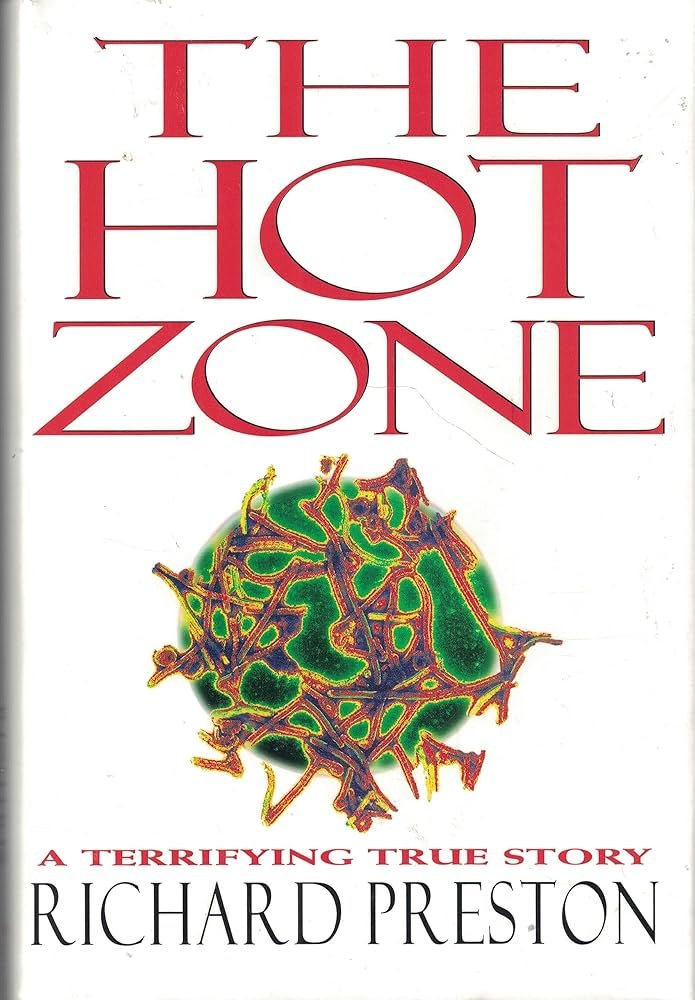
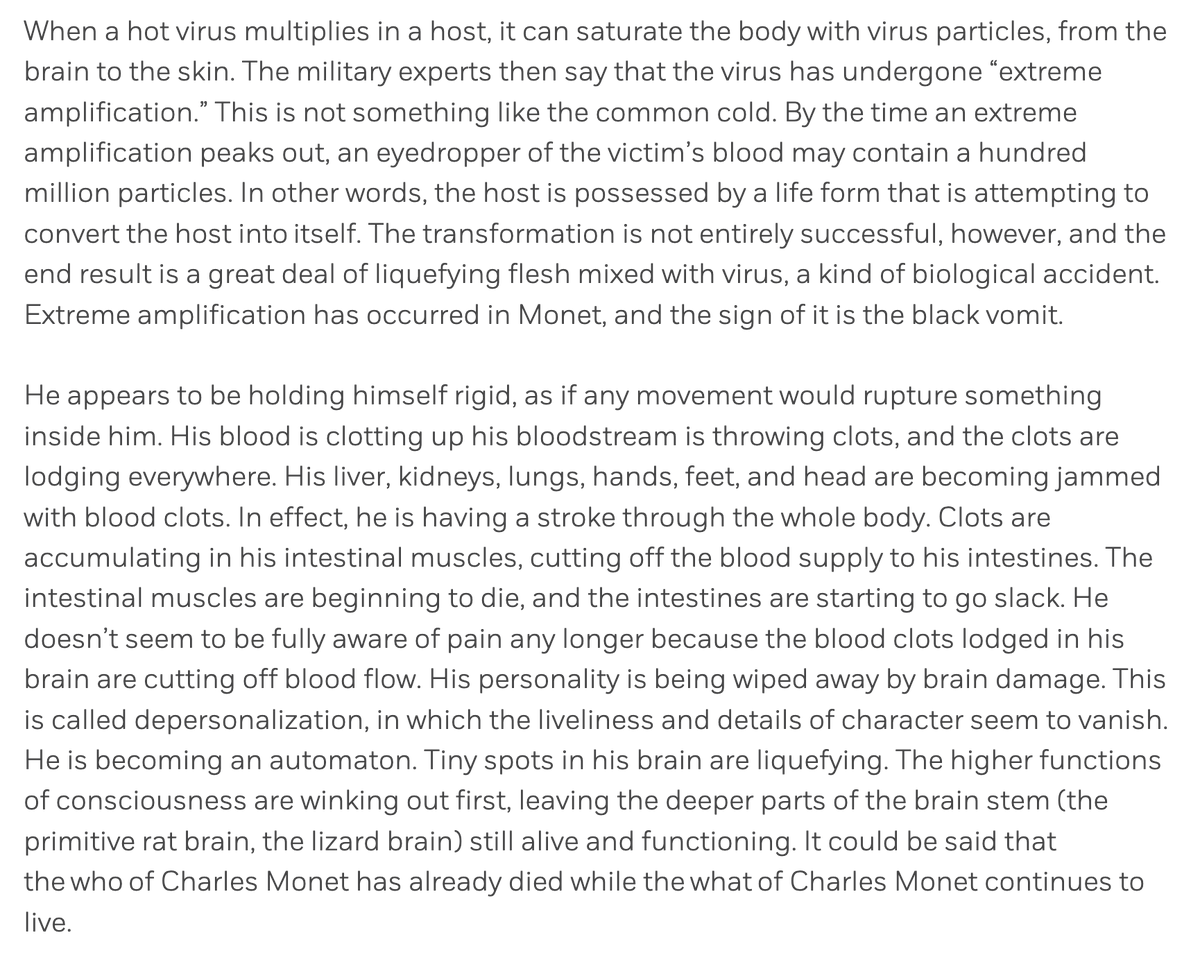
Pretty sure I have PTSD from reading The Hot Zone in middle school. Ebola is scary
Glad to be working with BARDA to rage against it

12 Aug 2025

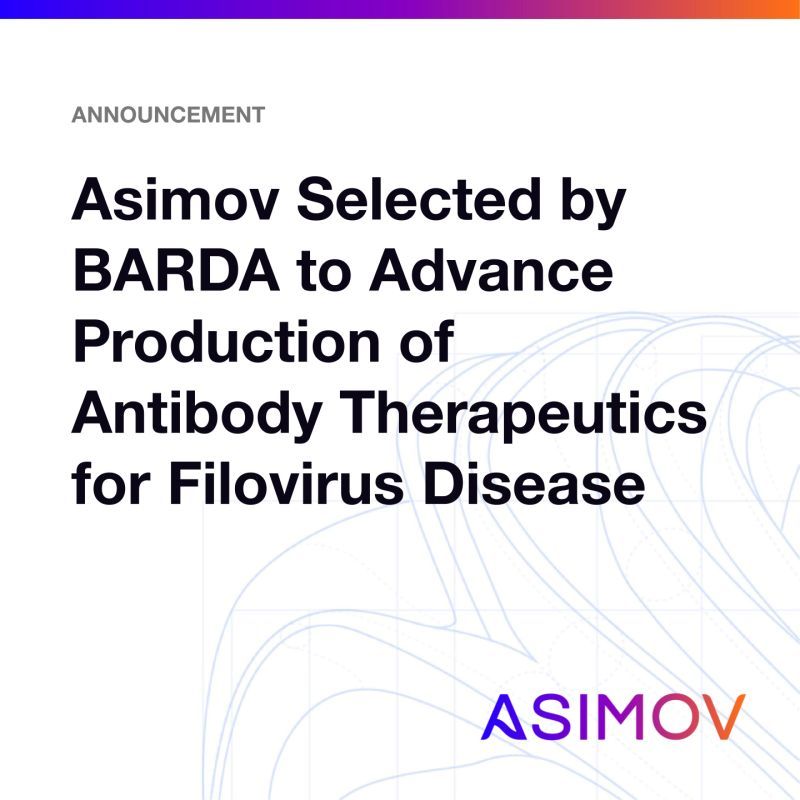
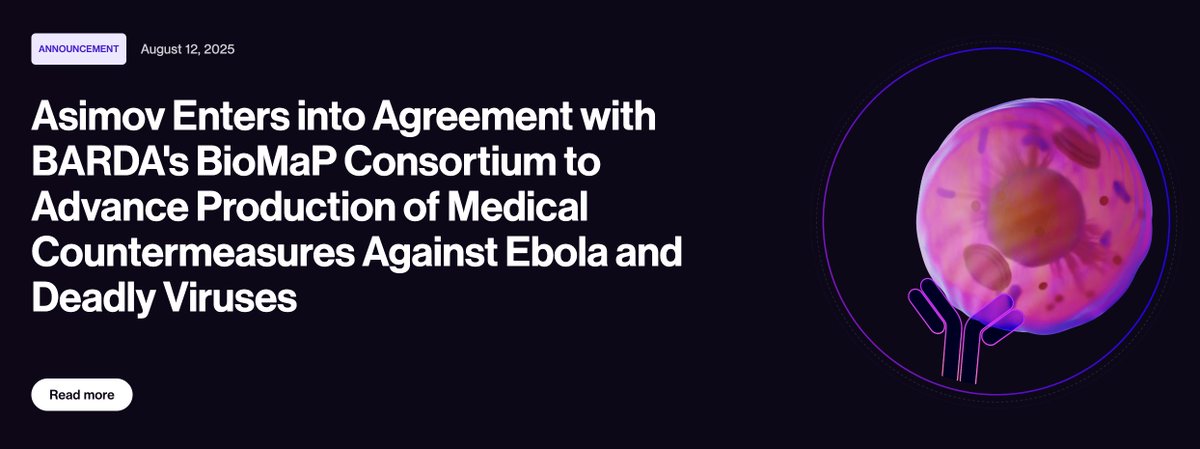
Announcing our project with the Biomedical Advanced Research and Development Authority (BARDA) to improve manufacturing of antibody therapeutics for Ebola and other deadly viruses.
This three-year project aims to optimize production of a monoclonal antibody cocktail targeting filovirus disease caused by Ebola virus or Sudan virus, which are associated with mortality rates as high as 90 percent. Asimov will use its CHO Edge system to amplify the production of mAbs against these pathogens, ultimately enabling greater availability of these treatments.
3
1
32
7,076

12 Aug 2025
Announcing our project with the Biomedical Advanced Research and Development Authority (BARDA) to improve manufacturing of antibody therapeutics for Ebola and other deadly viruses.
This three-year project aims to optimize production of a monoclonal antibody cocktail targeting filovirus disease caused by Ebola virus or Sudan virus, which are associated with mortality rates as high as 90 percent. Asimov will use its CHO Edge system to amplify the production of mAbs against these pathogens, ultimately enabling greater availability of these treatments.
2
15
6,720
24 Jun 2025
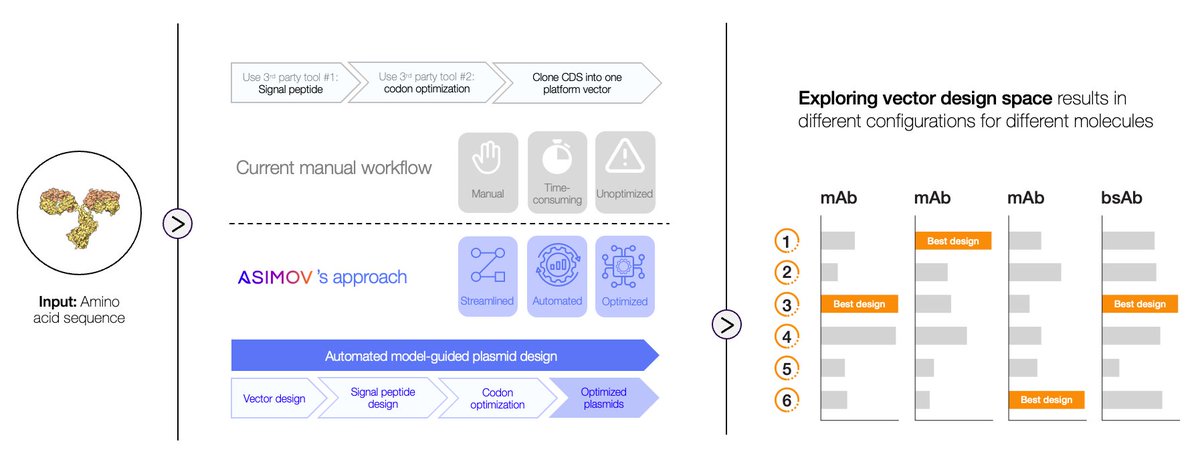
Our AI-driven cell line and bioprocess design tools consistently deliver 8–11 g/L titers for IgGs and complex multispecifics.
Join us tomorrow to learn how we use predictive modeling, rather than trial-and-error, to optimize biologics production: hubs.li/Q03pQVxM0
1
10
1,242
Asimov retweeted

9 Jun 2025
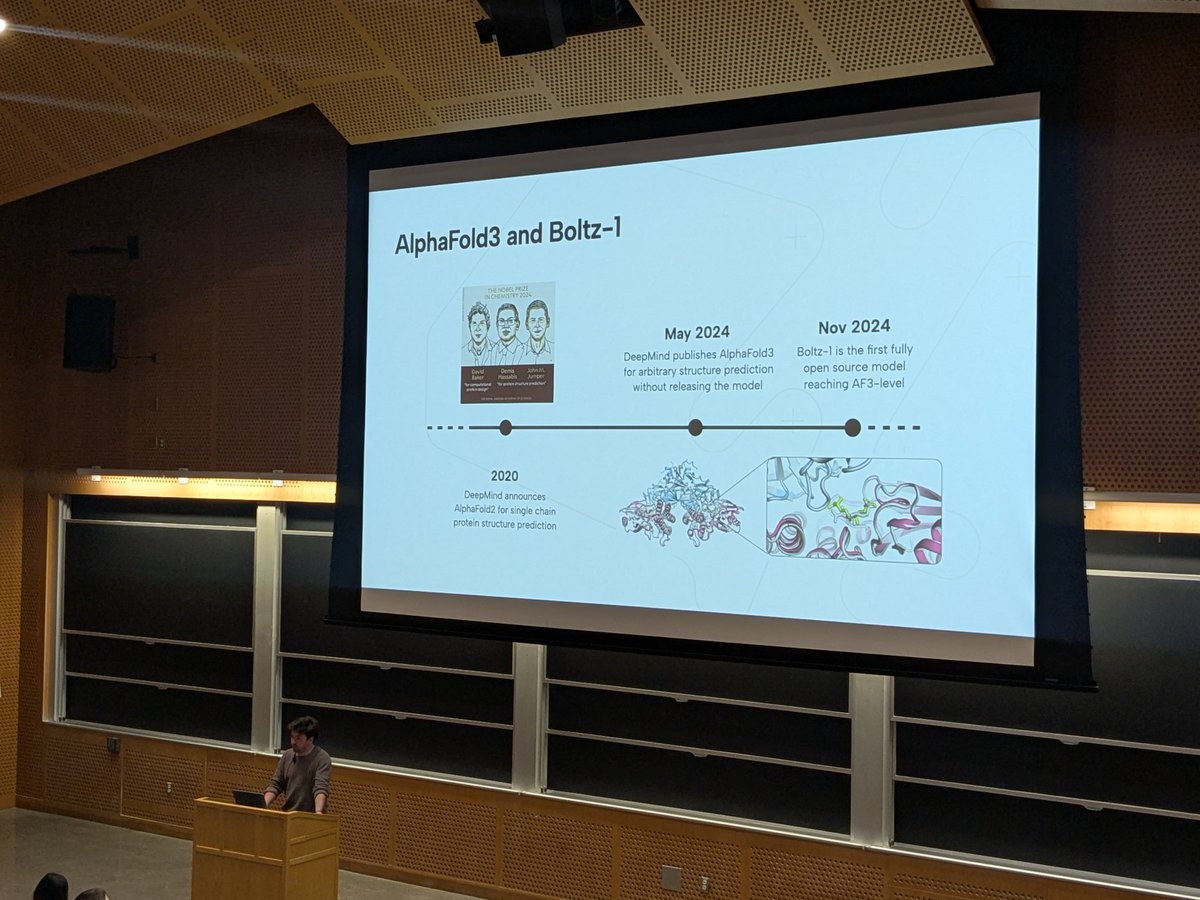
I'll be live-tweeting (live-posting?) notes from the Boltz-2 release event at MIT.
Initial observation: there's a big turnout! Almost every seat is taken at this event, which is rare for academic software releases.
5
79
578
60,014
29 Apr 2025
We're parterning with Cytiva to help customers optimize biologics production, from mAbs to multispecifics.
We’ve spent years refining our CHO Edge platform in Cytiva’s HyClone media and feed, and now routinely achieve 7-11 g/L clones across biologic modalities...
2
2
9
1,630
29 Apr 2025
By integrating our CLD with Cytiva’s Fast Trak process development and HyClone media and feed, we're offering:
✅cell line development (with a titer guarantee of 5g/L for mAbs)
✅cell culture media optimization
✅analytical and stability testing
✅scaling to GMP production
1
709
29 Apr 2025
Learn more about how we’re accelerating biologics development: asimov.com/news/cytiva-and-a…
Cytiva and Asimov collaborate on next generation cell line design and process development
asimov.com 2
2
602
Asimov retweeted

4 Apr 2025
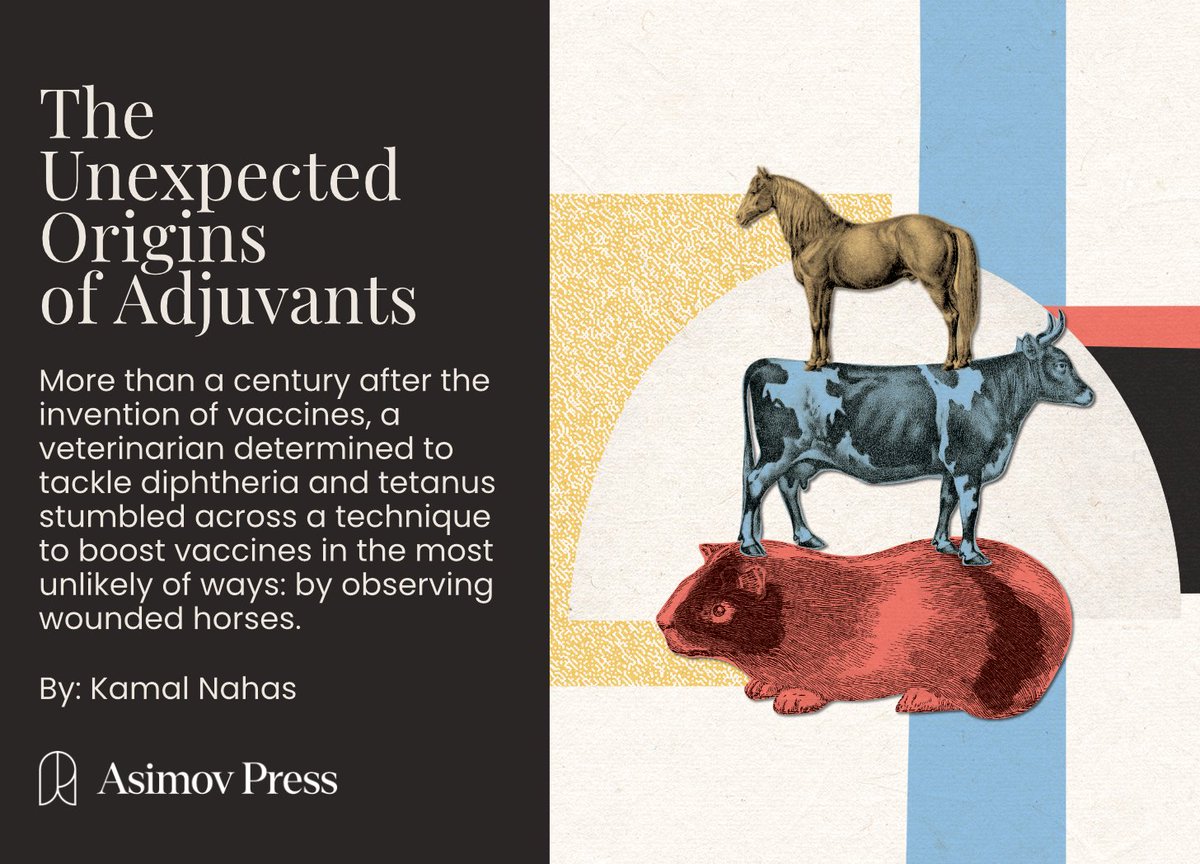
Edward Jenner administered the world's first vaccine, for smallpox, in 1796. At the time, smallpox caused nearly 1/5 of ALL deaths in London.
But it was the unsung scientists, Gaston Ramon and Alexander Glenny, who discovered adjuvants and made modern vaccines possible.
Story🔻
1
9
35
7,071
Asimov retweeted

29 Mar 2025
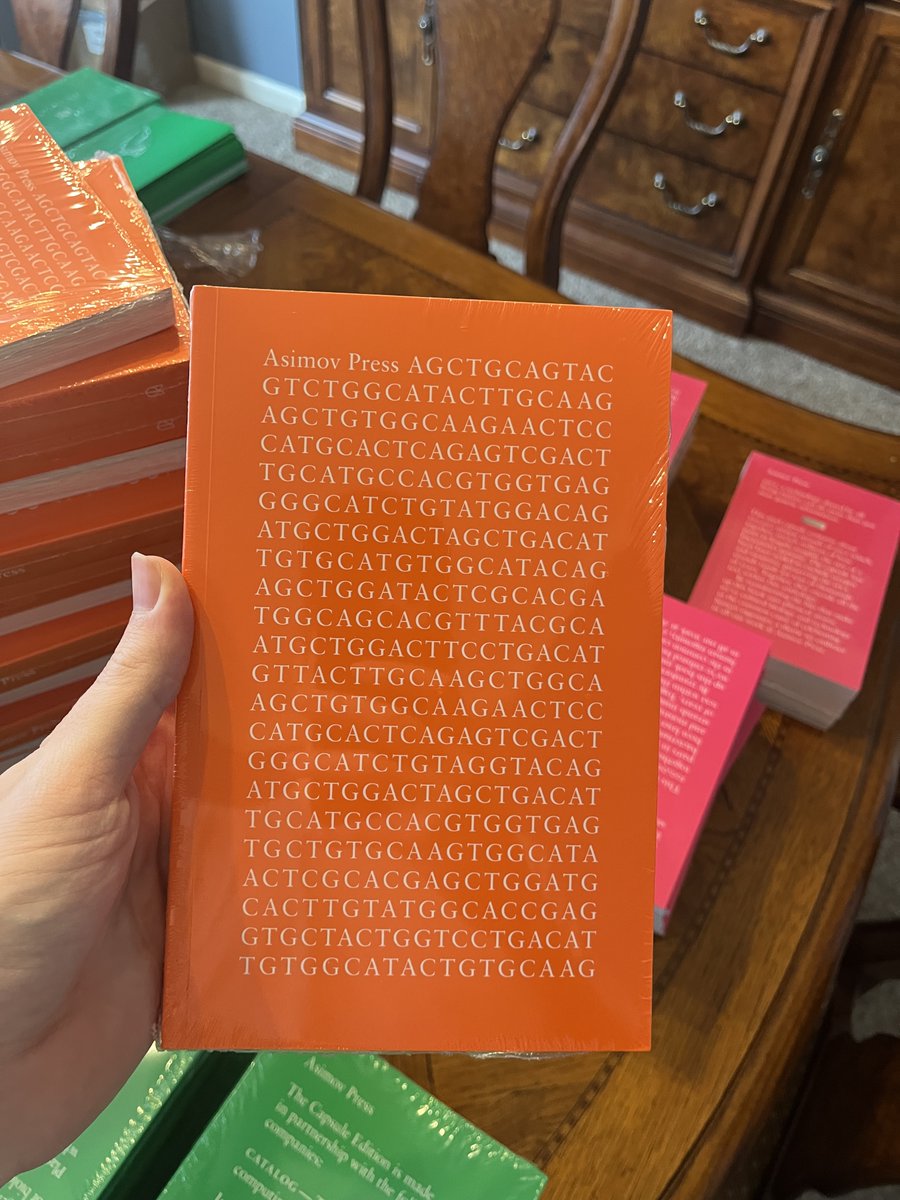
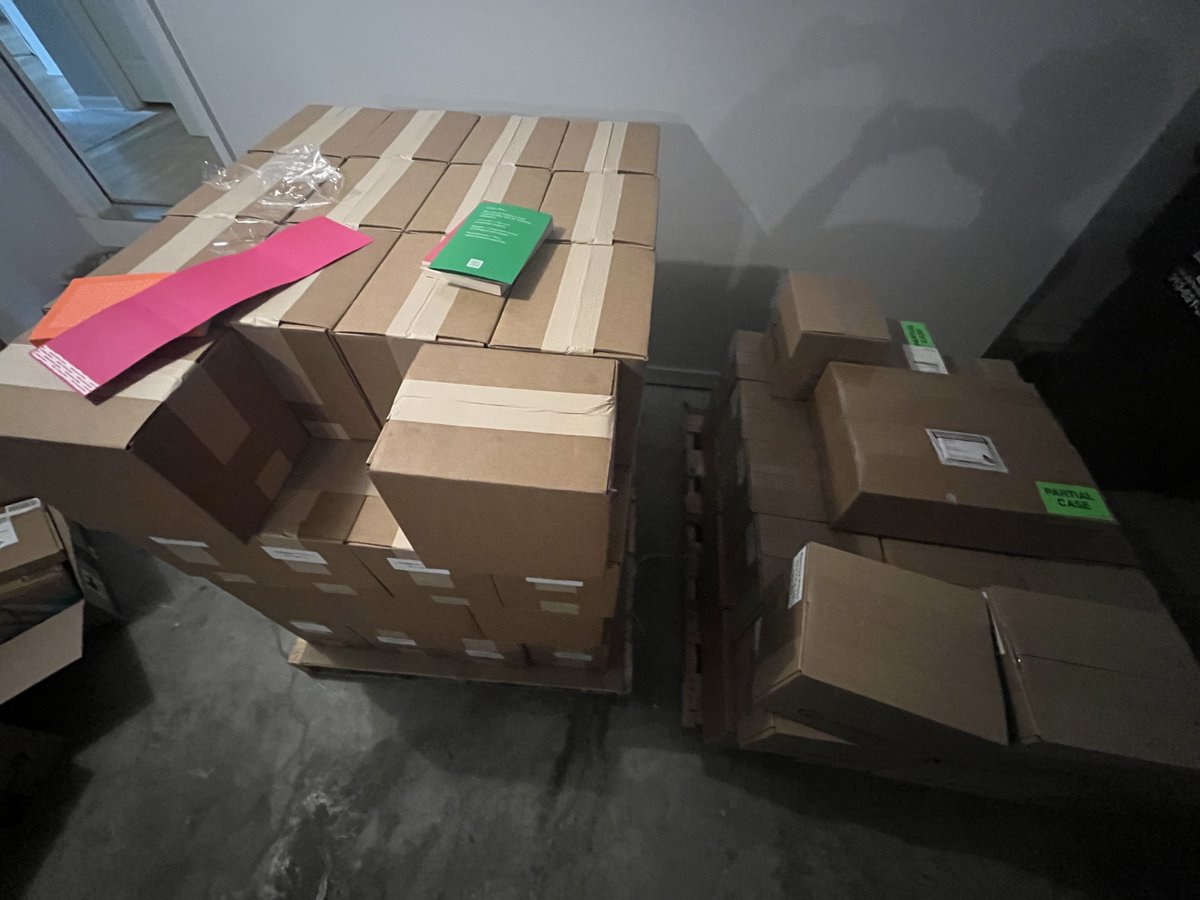
We're now shipping out the second book from @AsimovPress (the first commercial book sold in DNA print). We're packing and shipping thousands of books today!
Here are some photos from our at-home assembly line. We think the final product turned out really well.

3
8
84
7,092
Asimov retweeted
26 Mar 2025
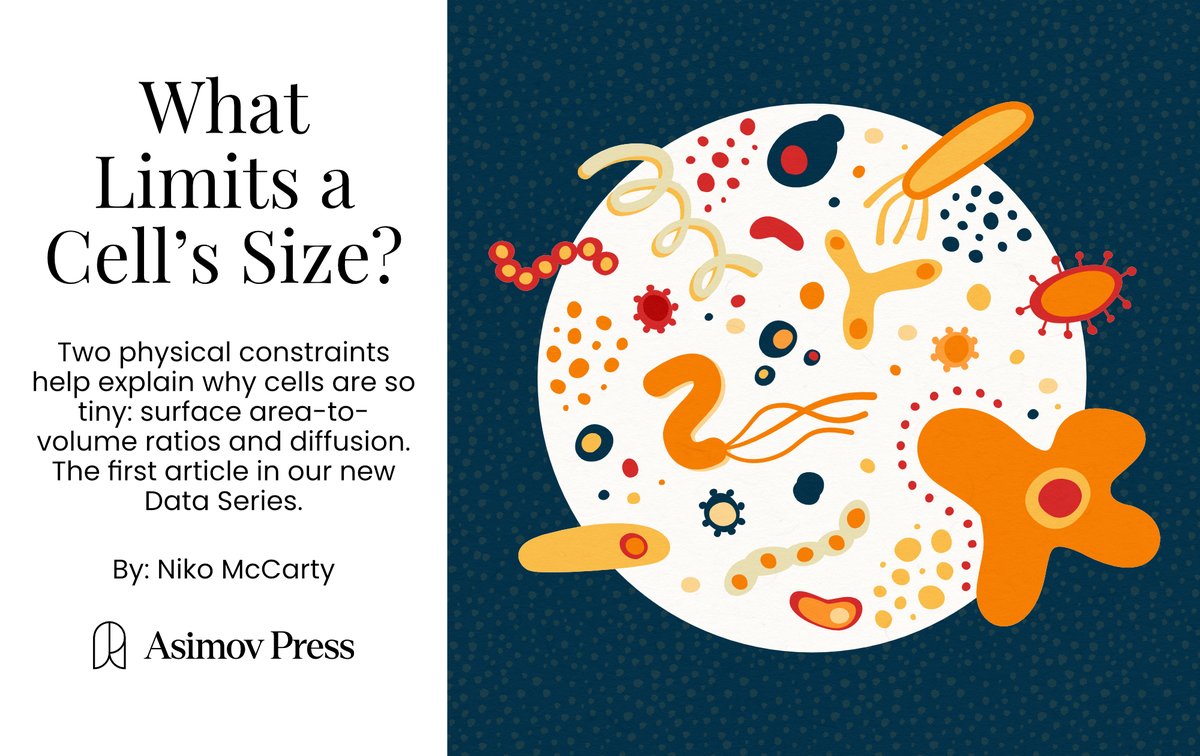
A human body is built from 30 trillion cells, which come in a multiplicity of shapes and sizes. The smallest cell, a sperm, fills a volume of just 30 µm³, whereas an oocyte boasts a volume of 4,000,000 µm³, making it the largest cell in the human body.
Why the huge range?🧵
5
101
506
29,212
17 Mar 2025
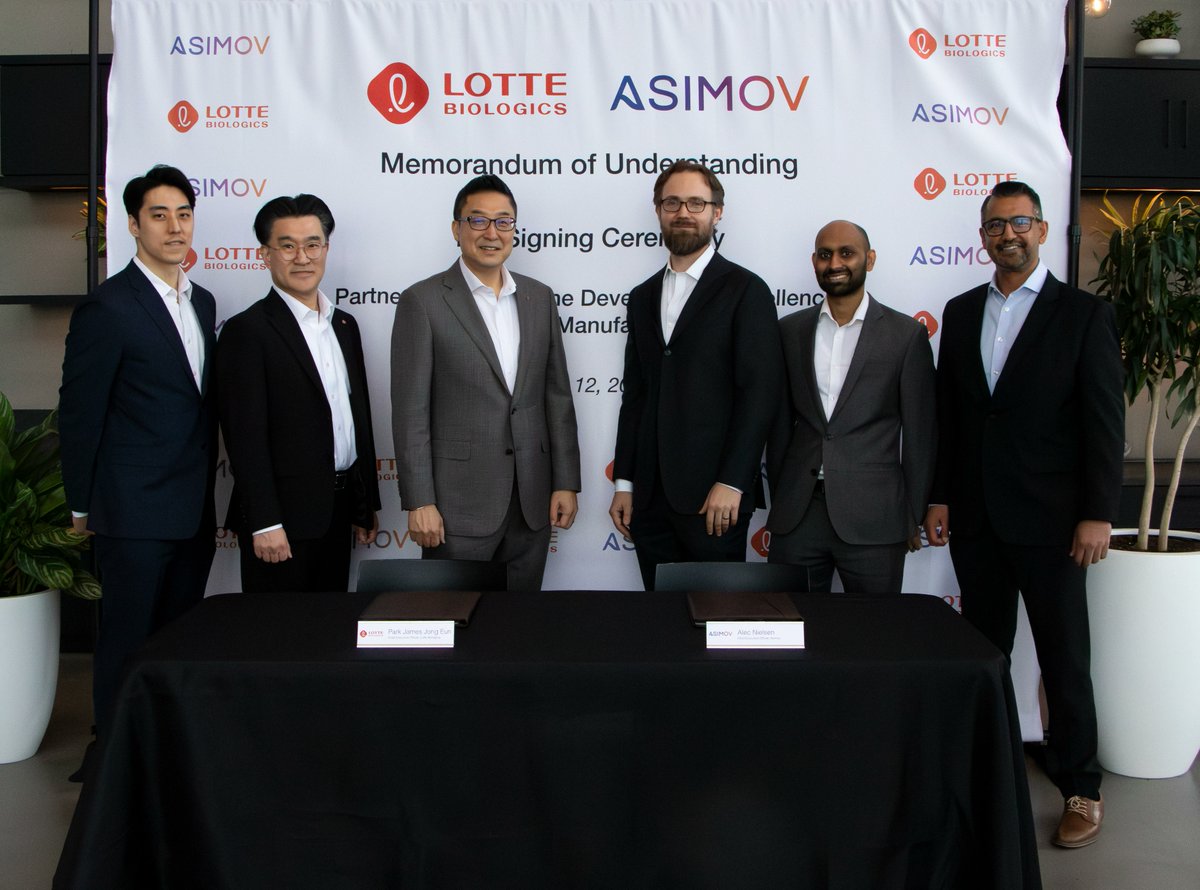
We're partnering with LOTTE BIOLOGICS, a global CDMO, to scale therapeutics manufacturing.
Our customers can now transition seamlessly from cell line development using our CHO EDGE system all the way to large-scale GMP production, with faster cycles.
asimov.com/news/lotte-biolog…
9
29
4,662
Asimov retweeted
13 Jan 2025
Beyond excited to announce our deal with Novo Nordisk! Proud of our team who made this possible.
The market and molecular complexity of biologics are both growing. Cell engineering tech needs to keep pace to support production of next-gen biologics at global scale.
13 Jan 2025
We’re proud to share that our CHO Edge System has been licensed by Novo Nordisk, a global leader in healthcare innovation.
Forward-thinking companies like Novo Nordisk recognize the importance of accessing cutting-edge technologies to advance therapeutic development.
We’re committed to continuing innovation in biologics production and empowering our partners with the tools they need.
4
13
93
8,839
13 Jan 2025
We’re proud to share that our CHO Edge System has been licensed by Novo Nordisk, a global leader in healthcare innovation.
Forward-thinking companies like Novo Nordisk recognize the importance of accessing cutting-edge technologies to advance therapeutic development.
We’re committed to continuing innovation in biologics production and empowering our partners with the tools they need.
13
38
14,017
26 Nov 2024
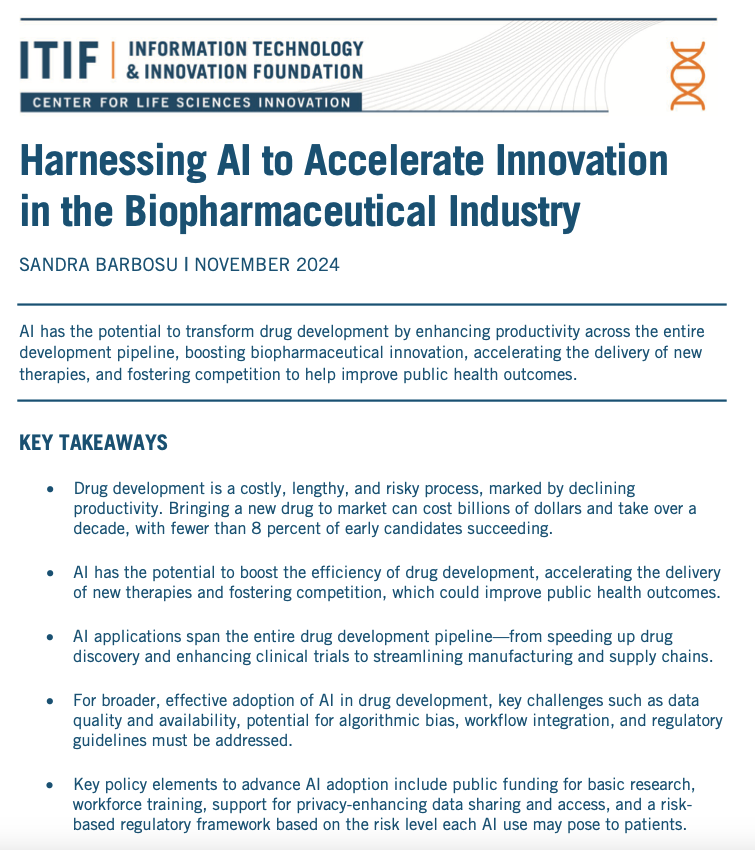
Major biopharma companies, including Genentech and Gilead, are using AI models to find new medicines, optimize trial designs, and boost manufacturing efficiency.
We're featured alongside them in this ITIF report, which touches on some AI tools we're building for gene therapies.
1
7
14
1,778
25 Nov 2024
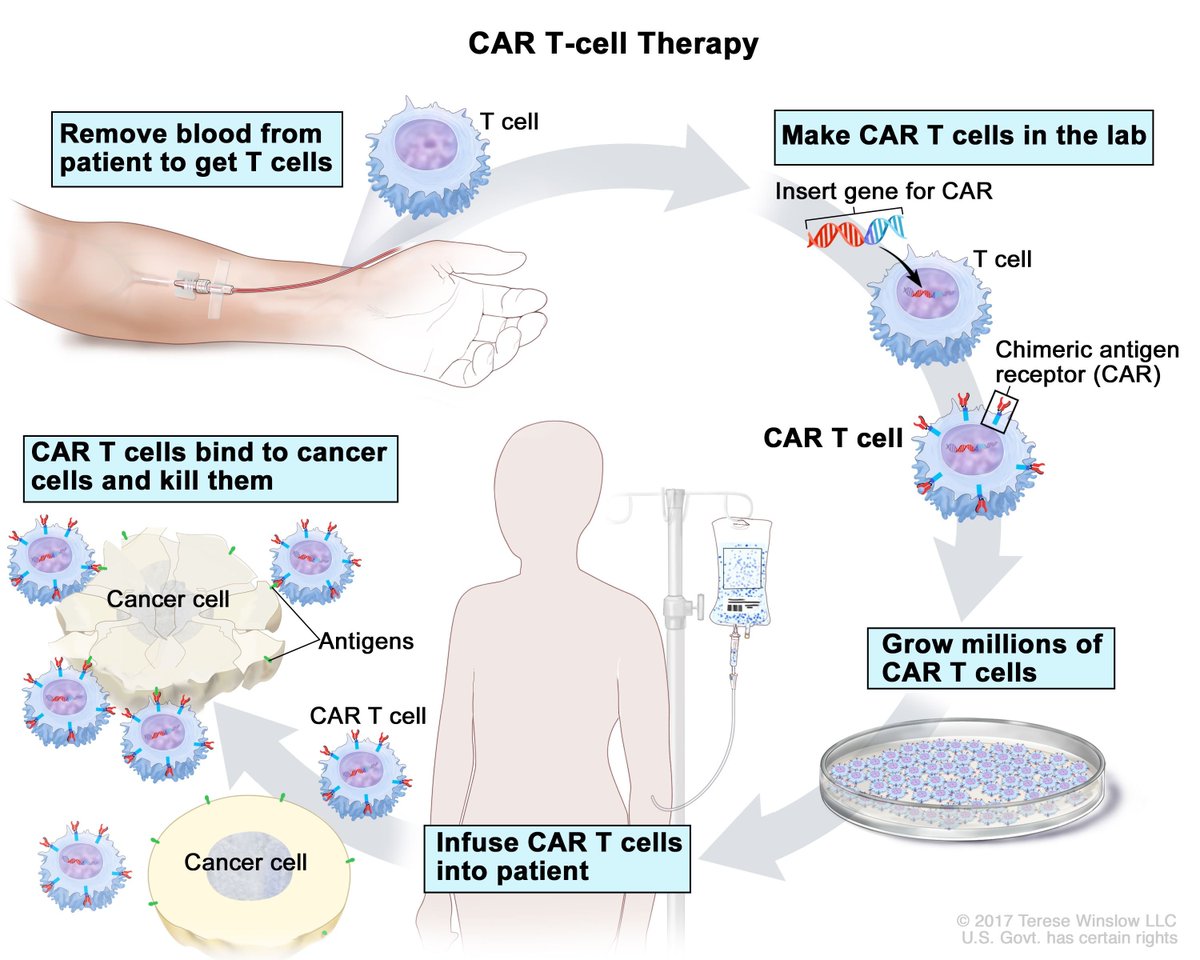
The F.D.A. recently approved Aucatzyl, a CD19 CAR-T therapy for B-ALL leukemia in adults. It joins a handful of other approved CAR-T therapies designed to treat various forms of cancers, including multiple myeloma. But it’s worth looking at Aucatzyl, in particular, because it has some unique aspects…
But first: CAR-T therapy stands for chimeric antigen receptor T cell therapy. It’s a form of immunotherapy that modifies a patient's own T cells (a type of white blood cell) to detect and attack cancer cells. How it works, basically, is that researchers take T cells from a patient, engineer them to express receptors specific to cancer cell surface proteins, and then reinfuse those cells into the patient’s bloodstream. Once inside the body, the engineered T cells grab onto cancer cells and destroy them using cytotoxic mechanisms (like punching holes in the cancer cell membrane using perforins).
In the case of B-ALL, the T cell receptor that gets expressed binds CD19 — a protein commonly found on the surface of B cells, including cancerous ones. There are existing CAR-T therapies targeting this protein — including Tecartus — but Aucatzyl’s approach is distinct.
Like many other cell therapies, Aucatzyl uses a lentiviral vector to deliver a CAR-encoding gene into a patient’s T cells. But the CAR protein that it carries was designed to have a high dissociation rate. In other words, when a T cell engineered to express this “special” CAR grabs onto a cancer cell, it delivers its cytotoxic payload and then disengages from the B cell more rapidly than other immunotherapies. This rapid release allows the T cell to move on and attack multiple cancer cells in succession — a phenomenon known as "serial killing” — which enhances its tumor-killing efficiency.
In a clinical trial with 65 patients, 42% achieved complete remission within three months of receiving Aucatzyl, with a median remission duration of 14.1 months. Severe cases of cytokine release syndrome — a common and potentially dangerous side effect of CAR-T therapies — were reported in just 3% of patients, which is lower than other therapies.
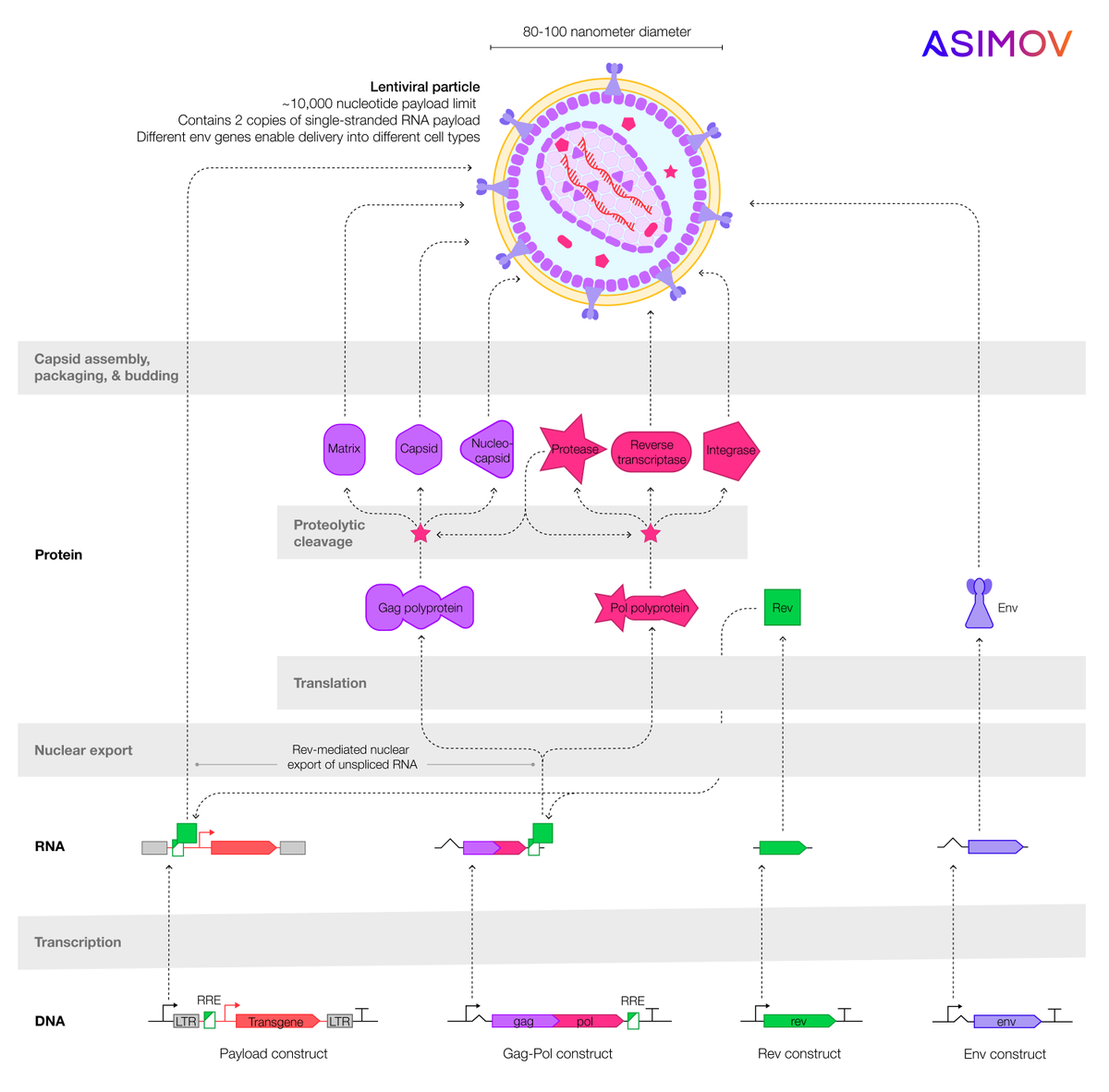
Unfortunately, all cell therapies are complex and expensive to manufacture. If we want these therapies to reach more patients, we’ll need to find ways to slash costs and make them at larger scales. At Asimov, we’re building a platform, called LV Edge, that combines wet-lab and computational tools to make lentivirus manufacturing and payload design much easier — and cell therapies cheaper.
ALT Source: NCI https://www.cancer.gov/publications/dictionaries/cancer-terms/def/car-t-cell-therapy
3
6
25
3,020
22 Nov 2024
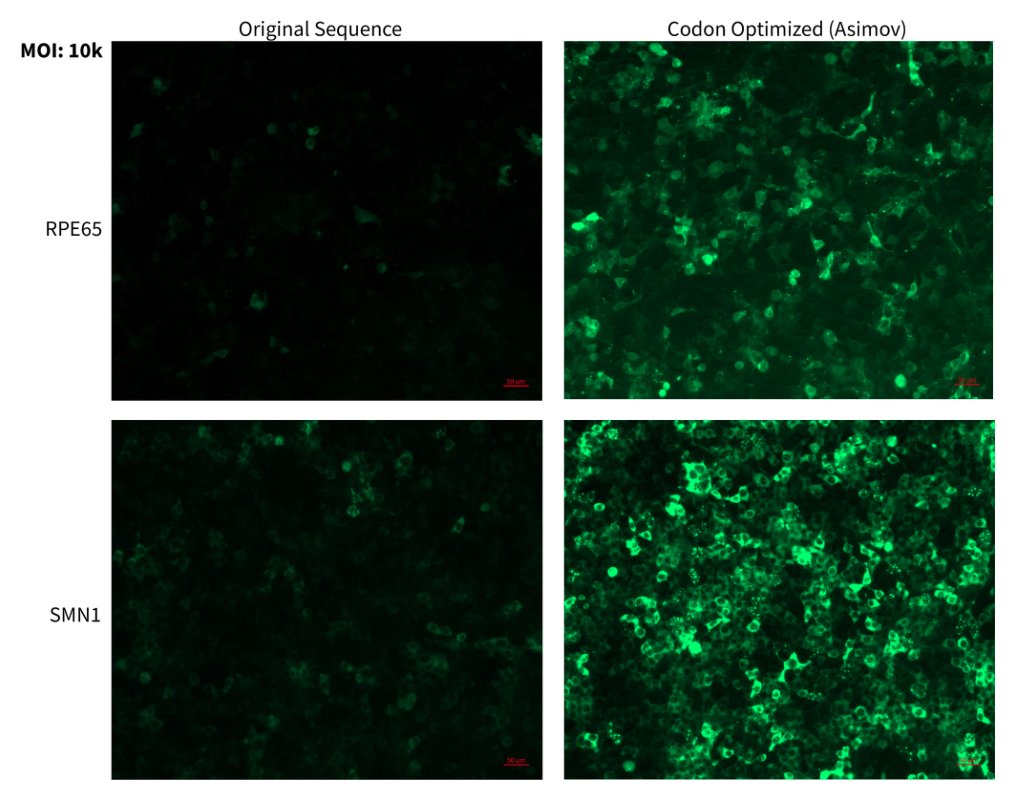
We built a codon optimizer that boosts expression of clinically-relevant transgenes up to 7x. We’ve compared our algorithm to five other codon optimizers available on the market, and results suggest that our algorithm is consistently superior across genes of interest.
But what is a codon optimizer? And why does any of this matter?
Generally, a codon optimizer is a software tool that alters the DNA or RNA sequence of a gene by adjusting its codons — the three-nucleotide units encoding amino acids — to match the preferred codon usage in a specific organism. Consider, for example, the amino acid leucine. This amino acid can be encoded by several different codons (including CTT, CTC, and TTA), so codon optimization tools begin by swapping out unpopular codons and replacing them with more widely-used variants.
If scientists want to take a gene from, say, a plant, and insert it into a human cell, then they’d use codon optimization to adjust the plant gene’s codons to match the human cell’s preferences, thus enhancing protein translation and boosting expression. In other words, codon optimization makes it easier for a cell to ‘read’ a gene and convert it into proteins.
But this is, admittedly, a simplistic explanation. Modern codon optimizers do a lot more than just swap out “unpopular” codons. Some algorithms also check mRNA folding patterns to make sure the gene, once transcribed, won’t fold into weird structures that impede translation.
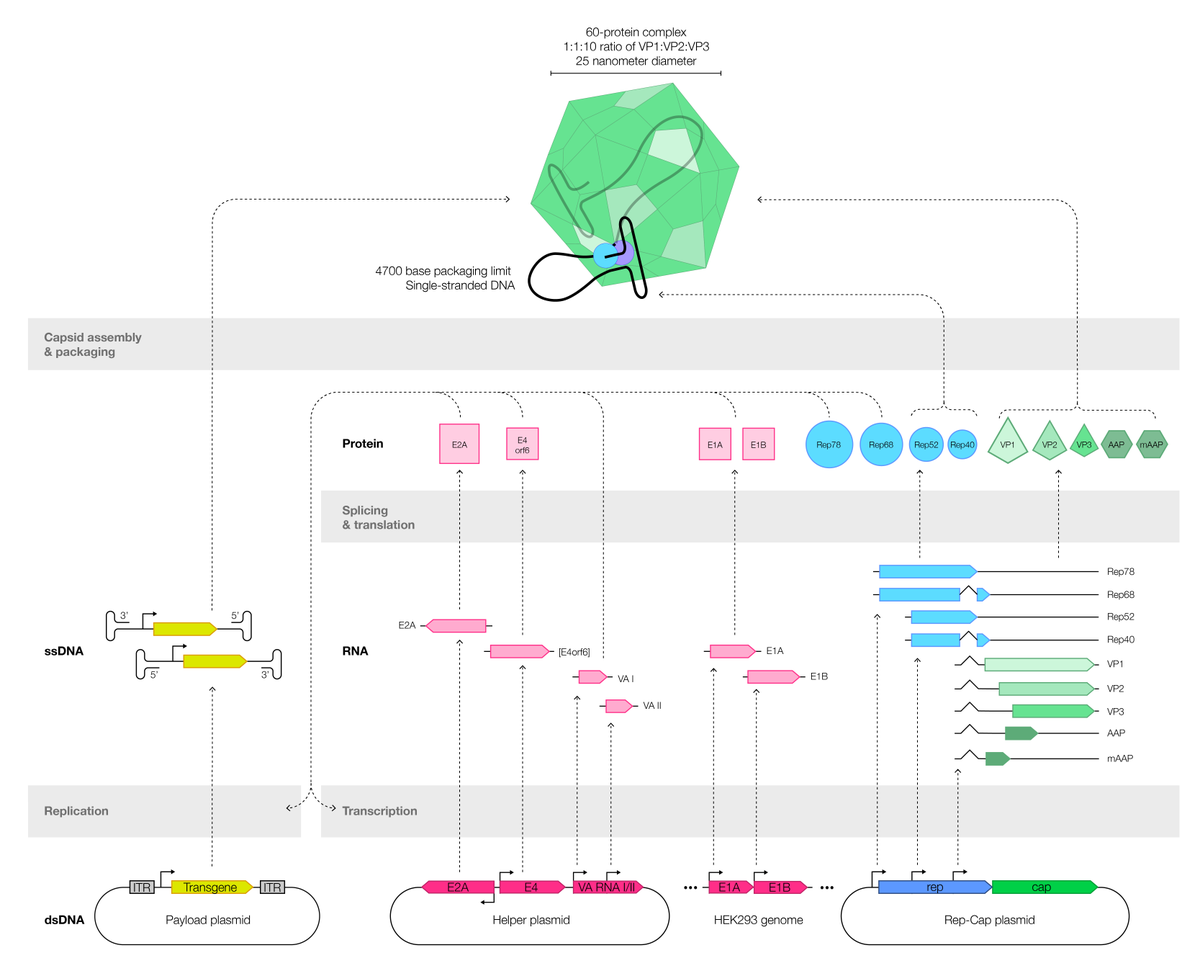
Our codon optimizer does all of these things and more. Our algorithm accounts for the entire lifecycle of a gene. When designing an AAV vector, for example, it considers not only “unpopular” codons, but also ensures the gene will be faithfully packaged into the vector, its mRNA is not prone to rapid degradation, and that it will effectively utilize the host cell’s gene expression machinery. It’s not easy to select sequences that are compatible with all these bottlenecks, so we augment our optimizer with in-house knowledge of AAV biology.
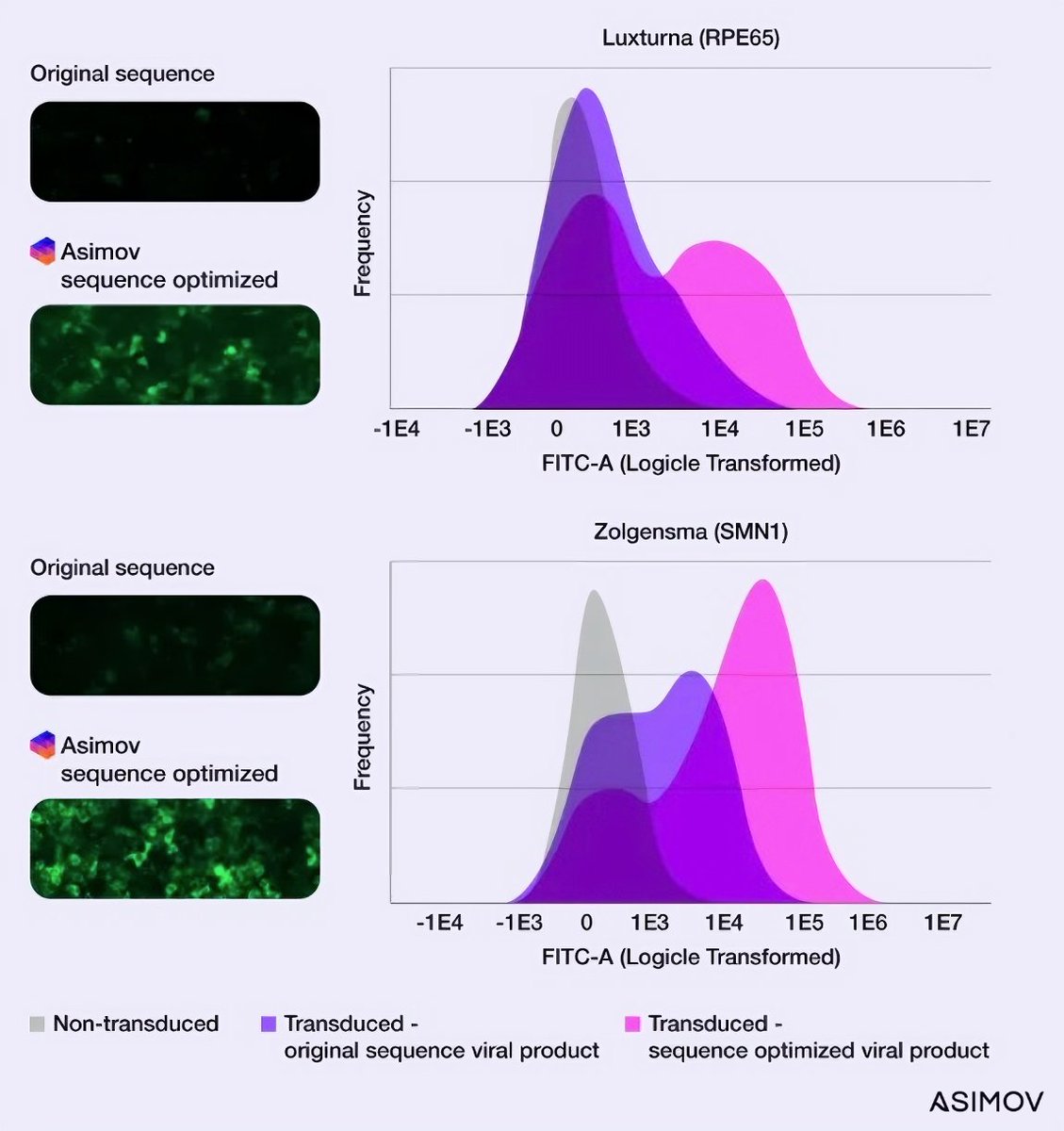
To test out our codon optimizer, we did an experiment. Briefly, we took two clinically-relevant payloads — Luxturna and Zolgensma — and tagged of them with a fluorescent reporter protein. These sequences were either altered using our codon optimizer, or left intact. We packaged these payloads into AAVs and then transduced HEK293T cells with them. Finally, we studied protein expression levels using both microscopy and flow cytometry. The data are shown below (cells “glowing green” is a good thing, as is shifting purple peaks to the right.)
We are still validating this tool across more conditions, but all of our data so far suggests that these results are transferable across different cell lines and different cell types (HEK293, HEK293T, T-cells).
This codon optimizer is part of our AAV Edge platform.
1
9
63
4,781