
We're a research network for anyone interested in international large-scale assessments (ILSA's).
Joined March 2014
- Tweets 338
- Following 252
- Followers 464
- Likes 100
29 Photos and videos
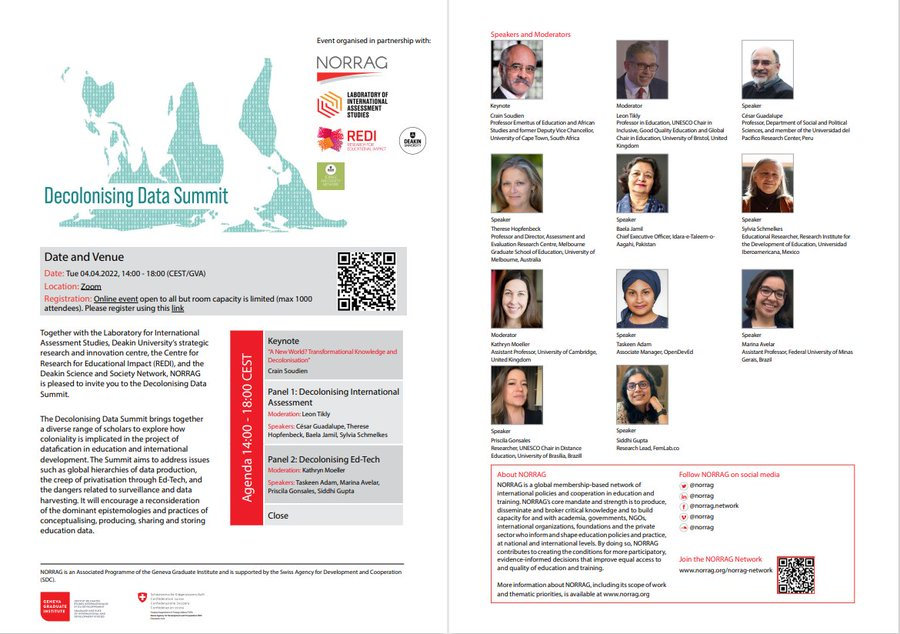


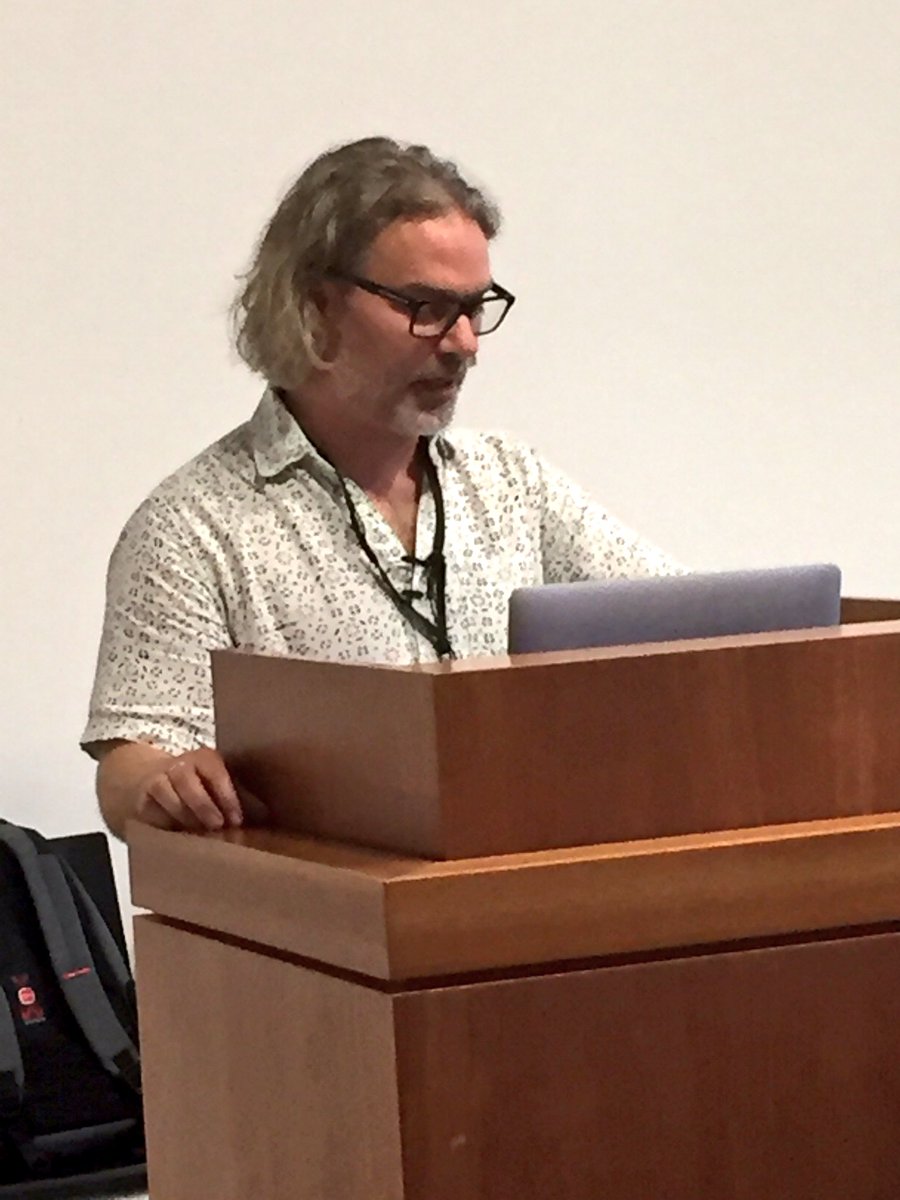
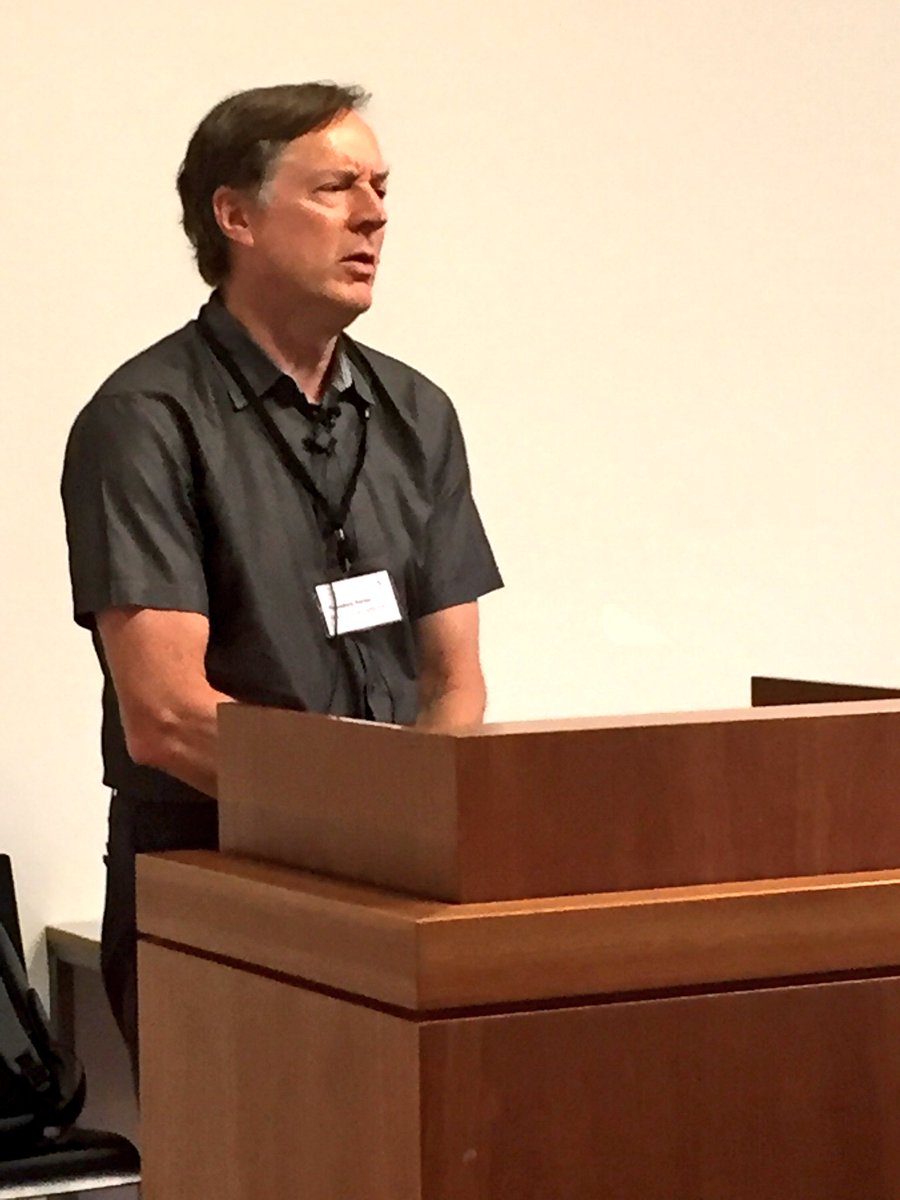

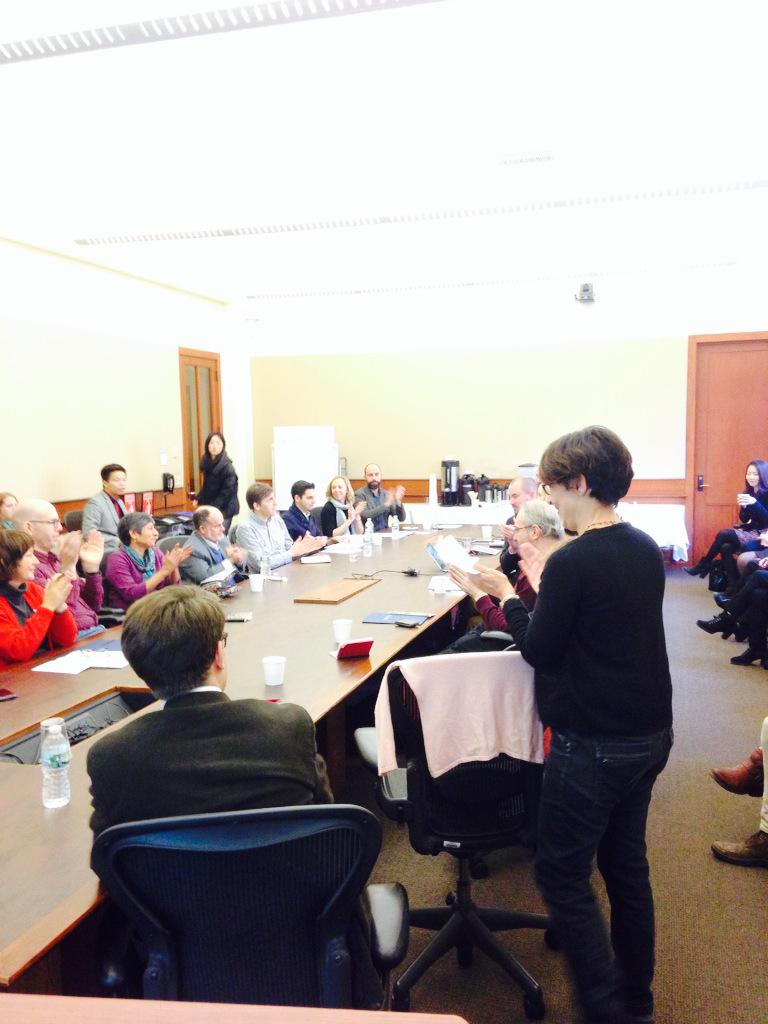

Coming up an interesting Webinar by @norrag on knowledge (in)equity in education systems. Know more and register at: norrag.org/kix-emap-webinar-…
2
150
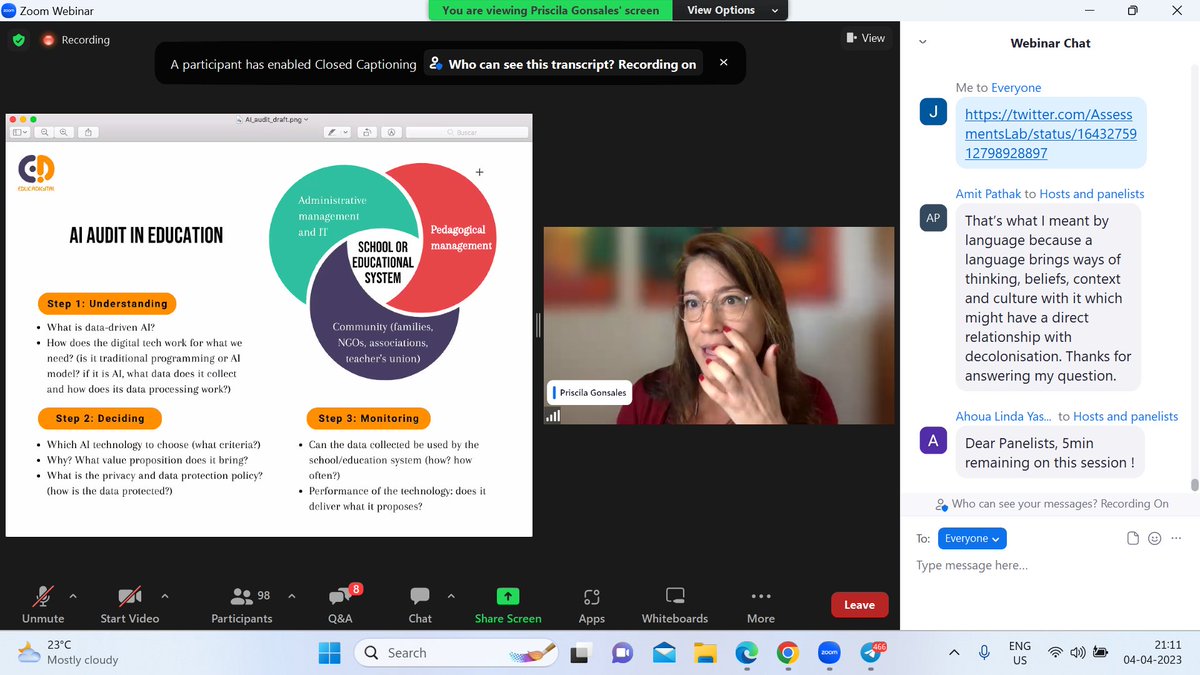
Audience question - Will the problem of english dominance and exclusion be solved by ed-tech? Answers from panelists: Yes language will with AI, but not culture and values embedded will be hard to challenge. #Data #DecolonizingData #EdTech #Education
4
217
Could you give examples from international development which pushed the adoption/purchase of ed-tech by global south governments? #Data #DecolonizingData #EdTech #Education
1
132
Siddhi Gupta speaks about how ed-tech positions itself as the the single route to reach what they claim is the single goal of education. #Data #DecolonizingData #EdTech #Education
2
1
297
She discusses how earlier colonised, global south countries, people have an attitude to tech (equivalent to modernity) that is shaped by their colonial histories.
1
94
The role of the human - including those who have made the content or curriculum is invisibilised.
118
@marina__avelar speaking of new actors and intermediaries in ed-tech- philanthropies, software companies, etc. And they bring to the table their particular worldviews (eg. tech-solutionism, profit orientation).
1
1
135
She speaks about the coherence and complementarity of different logics - the 'learning outcomes' dominance in education governance and the rise of ed-tech.
82
@TaskeenAdam defining decolonising education/ed-tech as taking a geopolitical approach to breakdown relationships of power. #Data #DecolonizingData #EdTech #Education
1
1
3
243
Her own PhD research looked at MOOCs from from a critical, decolonial approach - looking at questions of language, funding, power.
1
1
92
She nuances the idea of exclusion with the concept of 'adverse incorporation' where the marginalised are forced to participate in ed-tech as it is their only access to education.
2
4
230
The session on decolonising ed-tech has begun with a talk by @kathrynmoeller who positions herself as holding multiple stakeholder identities in this debate- parent, educator, researcher. #Data #DecolonizingData #EdTech #Education
78
Are standardized assessments inherently epistemically unjust or can they be improved to be epistemically inclusive?
#Data #DecolonizingData #EdTech #Education
75%
Inherently unjust
25%
Can be made just
8 votes • Final results
3
1
460
Audience question : how are the knowledges of indigenous people incorporated into the design of international assessments? #Data #DecolonizingData #EdTech #Education
1
365
Laboratory of International Assessment Studies retweeted

4 Apr 2023
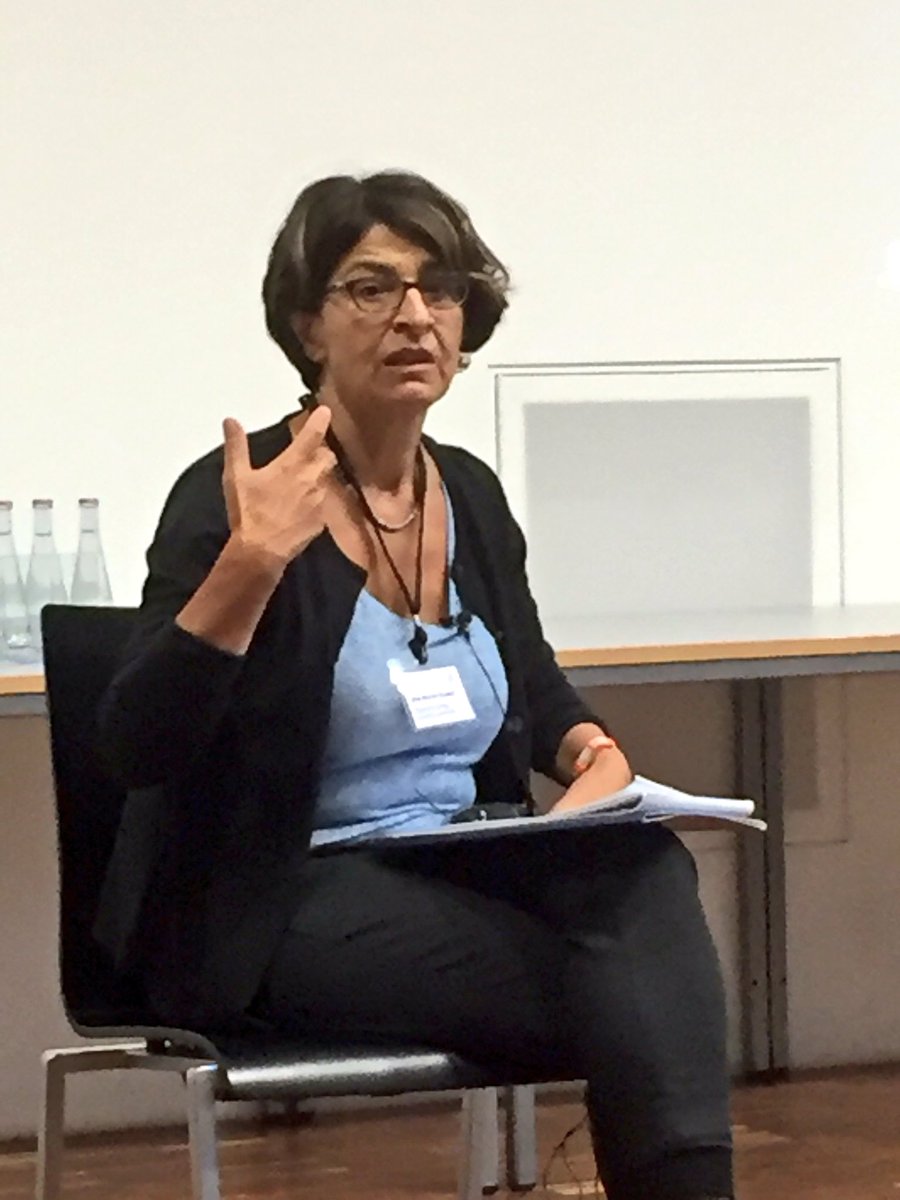
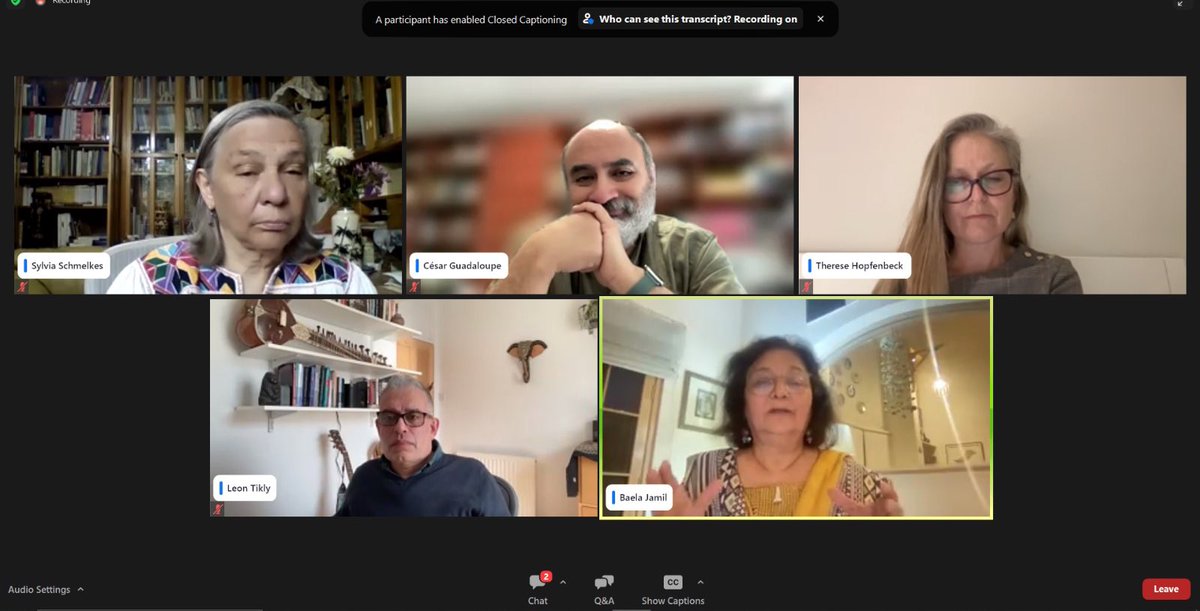
CEO ITA Baela Raza Jamil speaking live at the "Decolonising Data Summit" by NORRAG
The session also includes a Q&A with the audience.
Join now to be a part of this amazing summit: norrag.zoom.us/webinar/regis…
#ITACEC #NORRAG

1
7
416
@TNHopfenbeck: all standardized assessments are not built by the same organisations, and the specific histories of the organisations point to significant differences in the tests themselves. #Data #DecolonizingData #EdTech #Education
2
2
1
239
The critical literature on standardized assessments is largely out of US, UK, Australia, Irelend. How does that shape the critical discourse?
1
99
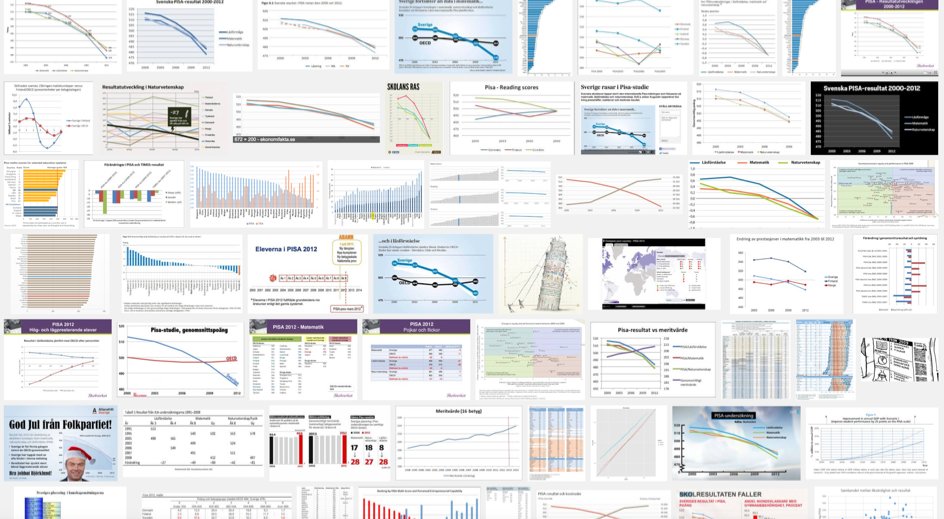
Reference to Lab Director @CamillaAddey's work on PISA!
2
58
@BaelaJamil laying out the usual landscape of assessment - with the 'credentialled view from the top' and the 'duty bearers' carrying out this vision. And how there is a rise of South-led experiments on large-scale assessment. #Data #DecolonizingData #EdTech #Education
1
2
1
170
Celebrates how these south led assessments are bringing together culturally sensitivity with comparability. #Data #DecolonizingData #EdTech #Education
103
@SYLVIASCHMELKES on how epistemic justice impacts the marginalised - 'in which indigenous children do poorly, and it is difficult to explain to people that it is not because they are indigenous.'
#Data #DecolonizingData #EdTech #Education
2
1
1
208
Speaks of how universal design, a focus on testing minimum requirements will challenge cultural bias but the problem of of epistemic justice goes beyond assessment to the whole enterprise of education.
1
1
176
Back after the break with @LeonTikly starting off the 'Decolonising International Assessment' session.
#Data #DecolonizingData #EdTech #Education
70