
AssetCo is primarily involved in acquiring, managing and operating asset and wealth management activities and interests.
Joined May 2021
- Tweets 270
- Following 95
- Followers 154
- Likes 665
23 Photos and videos



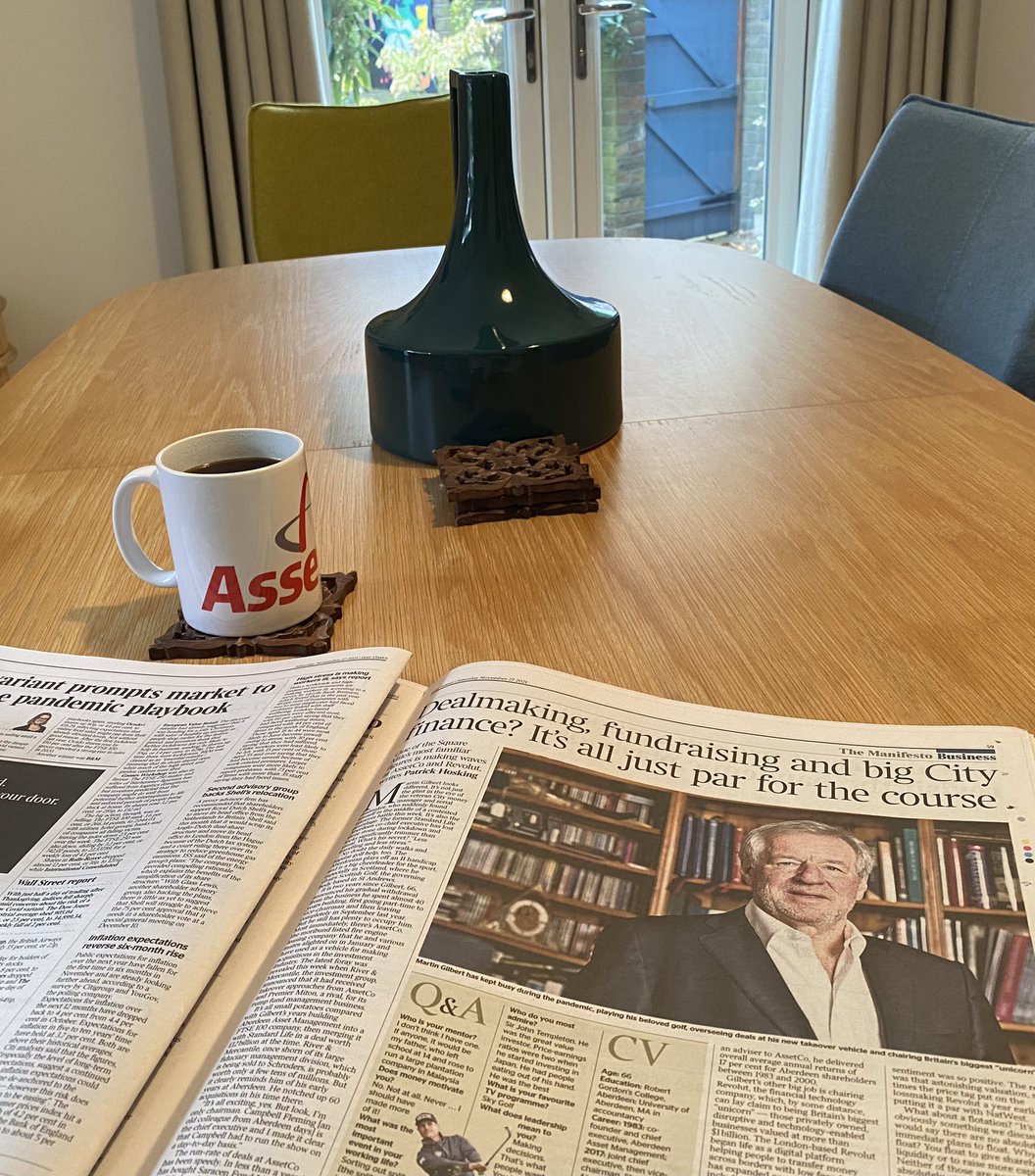
AssetCo retweeted

22 Aug 2025
#KINDNESSMATTERS💗Sending best wishes & positivity to ALL😊Have a great w/e🌞
#FF👏@stephenyiu @jerskillington @Frencheconomics
@John_Stepek @PatrickTooher @annabelbrodies @EduardMallia @_samdb @HTVIOLA @MoiraONeill
@MaikeCurrie @marxnd @EMR_Recruitment @samhagger @jimgannonuk👏

7
3
23
1,610
AssetCo retweeted

16 Apr 2025
The meaning of life partner,
In sickness and in health
x.com/itsme_urstruly/status/…
2,121
14,541
267,347
17,799,601
AssetCo retweeted
14 Mar 2025
🙌GUINNESS WORLD RECORD BREAKER🙌
🙌19 year old Lloyd Martin became the youngest known person with Down syndrome to complete a marathon🙌
x.com/Brink_Thinker/status/1…
1
3
11
1,650
AssetCo retweeted

14 Feb 2025
If you’ve ever wondered how an early Christian martyr named Valentine came to be regarded as the patron saint of lovers, the explanation is simply that his feast day falls on 14 February, exactly in the middle of the month in which medieval people believed that birds began to mate.
From there, it was a gradual transition to roses, chocolates and greetings cards that, among young people today, are sometimes in doubtful taste. But the tradition of pampering a Valentine is a good way of expressing appreciation and love for the most important person in our lives.
Yet the vast majority of relationships we have in life are not romantic, but still important. In business, this is as good a day as any to think about our relationships with colleagues. For CEOs especially, it’s key to corporate morale to be sensitive to colleagues’ situations and possible problems.
For both CEOs and line managers, emotional intelligence is the most important asset. Keeping an unobtrusive eye on a colleague going through a bad patch can nip a potential crisis in the bud. Sometimes a hand on a shoulder and the offer of a chat over coffee can prevent a career-threatening breakdown.
In 2016 I was pleased to sign the Time to Change Employer Pledge on behalf of Aberdeen Asset. By the time that initiative to promote understanding of mental health issues in the workplace was retired in 2020, more than 1,500 organisations had signed up to an action plan.
A welcome cultural change has reduced the stigma that attached to mental health problems. But we can’t leave wellbeing issues exclusively to HR departments, crucial though their roles are. Corporate colleagues need to have one another’s backs and offer mutual support. It’s not about chocolates and roses – just emotional intelligence, decency and common sense.
#SupportEachOthers #ValentinesDay

1
7
303
AssetCo retweeted
7 Feb 2025
#KINDNESSMATTERS💗Sending best wishes & positivity to ALL😊Have a g8 w/e😊
#FF👏@claudiohfox @Jubiloo @pauledenbrow @marxnd @jimgannonuk @FlyingFinance @Mike24775926 @HTVIOLA @annabelbrodies @MartinGilbert83 @JamesThorneley @SethLevine2 @EMR_Recruitment @Belcourtoi @Gallon73👏
11
6
23
1,202
AssetCo retweeted
31 Jan 2025
Excellent programme notes. Sir Alex was a fantastic manager. He was right that belief and confidence are very important and instilling the right outlook should be a priority. Wise words that should be followed by managers of people and businesses. #besupportive
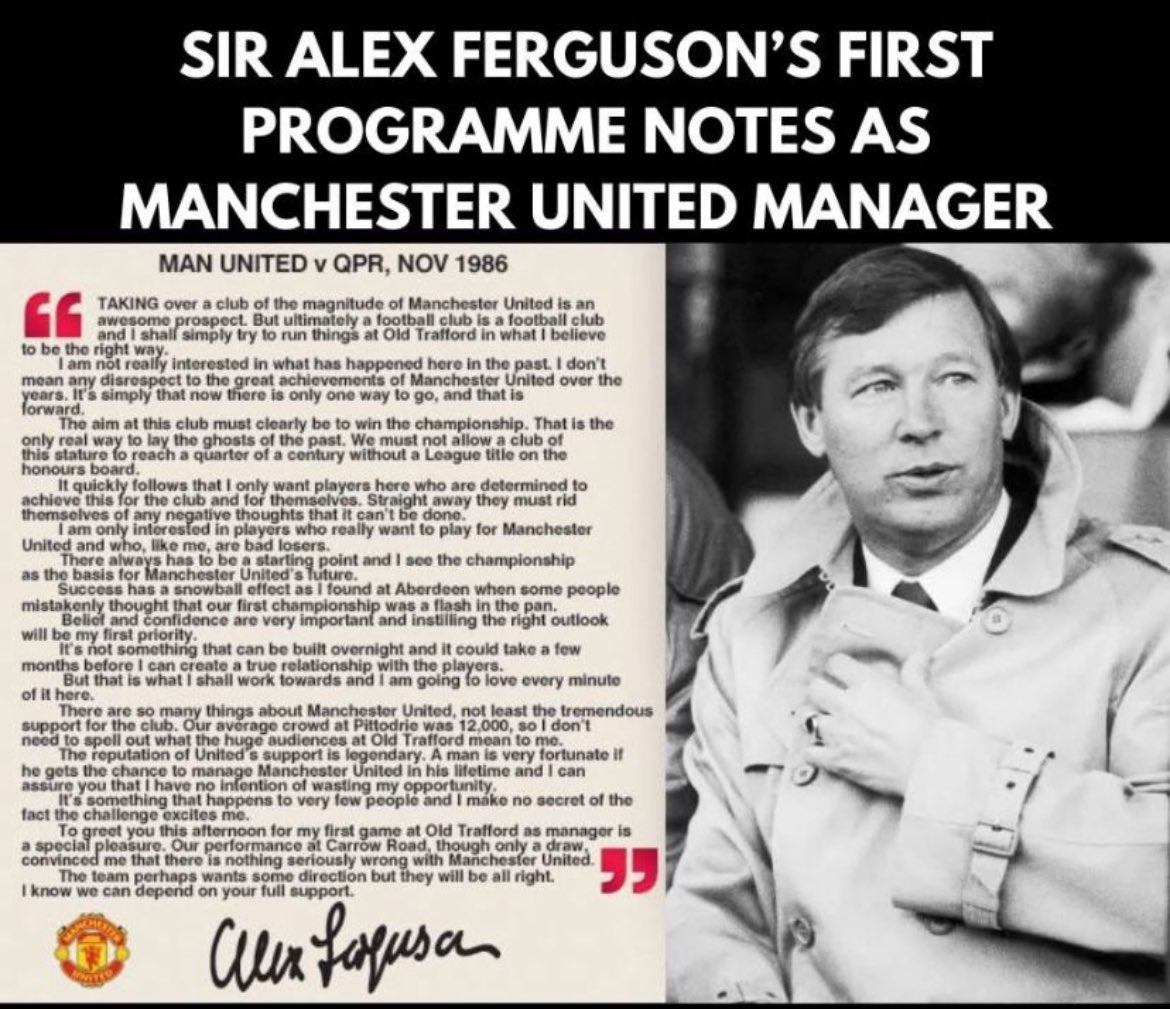
3
6
376
AssetCo retweeted
25 Jan 2025
Burns Night has always been one of my favourite events in the calendar. There’s nothing to beat the conviviality of a Burns Supper, culminating in the camaraderie of Auld Lang Syne.
But it’s easy to lose sight of some important aspects of Burns. He’s often described as a “radical”, being opposed to the power of the landed aristocracy and in favour of universal male suffrage, a reformed parliament and the American Revolution.
But that revolution launched the greatest capitalist nation on earth and Burns admired entrepreneurism, as demonstrated by his relationship with Adam Smith, the father of capitalism. When Burns enterprisingly published his first poems by subscription in 1786, Smith bought multiple copies and praised the work throughout Edinburgh society. Its success encouraged Burns to bring out a second edition, which earned him £400 (around £35,000 in today’s money).
Burns read Smith’s Theory of Moral Sentiment and eagerly devoured The Wealth of Nations, the bible of early capitalism. Smith’s influence even extended into Burns’s poetry. The lines “O wad some Power the giftie gie us/To see oursels as ithers see us!” in To A Louse are a reference to Adam Smith’s theory of the “impartial spectator”.
Smith, in his role as Commissioner of Customs, tried to help Burns by getting him a job as a Salt Officer, a post that would give him leisure to write. However, by the time Burns’s patroness Mrs Wallace Dunlop passed on the offer to him, it was too late. Burns went to the commissioner’s office, only to find that Smith had left for London the previous day. So, these two famous Scots who so greatly respected each other never met face to face.
Tonight I’ll be having a dram to toast Rabbie – and maybe another for Adam Smith and the wealth-creating power of capitalism.

3
10
604
AssetCo retweeted
11 Jan 2025
#KINDNESSMATTERS💗Sending best wishes & positivity to ALL😊Have a great weekend😊
#FF👏@marxnd @jimgannonuk @Tommo33s
@Mike24775926 @HTVIOLA @stealthsurf @Joe_Ingham
@Belcourtoi @SethLevine2 @EMR_Recruitment
@battlebus141 @MY21_Oracle @achildofthe70s
@patcat68 @MathewGregory5 👏
7
3
27
1,679
AssetCo retweeted

1 Jan 2025
"Santa and one of his elves enjoying a North Berwick sunrise before heading off to get ready for the big day" - sent in by Pat Christie
See more great shots in our gallery here ➡️ bbc.in/3PeALsU
Send us your photos from around Scotland to scotlandpictures@bbc.co.uk

1
2
11
8,352
AssetCo retweeted
1 Jan 2025
Happy New Year. Enjoy the days ahead with friends & family

2
8
338
AssetCo retweeted
23 Dec 2024
Wishing you all a merry Christmas. Enjoy/appreciate the time spent with friends & family.

1
1
8
366
AssetCo retweeted
27 Oct 2024
Fantastic! Well done @gemmadryburgh @RiverGlobal_RGI is proud of you.
26 Oct 2024

Third-round 76 for -2 total leaves 🏴's @gemmadryburgh ⬇️ sitting T55 in @LPGA's Maybank Championship in Kuala Lumpur, where Thailand's Jeeno Thitikul, Ruoning Yin from China and Korea's Haeran Ryu share lead on -16
@ScotsmanSport

1
5
670
AssetCo retweeted
25 Oct 2024
Well done @gemmadryburgh from everyone @RiverGlobal_RGI We’re proud to support you.
25 Oct 2024
After following her opening 67 with 71 for -6 total, 🏴's @gemmadryburgh ⬇️ sits T20 at halfway stage in @LPGA's Maybank Championship in Kuala Lumpur, where Swede Maja Stark (66-64) leads on -12
@ScotsmanSport

1
3
11
664
AssetCo retweeted
12 Oct 2024
He was an outstanding politician and the architect of the modern Scottish Golf Open
12 Oct 2024

Scotland's former First Minister Alex Salmond has died at the age of 69.
The former MP and MSP, who led the country between 2007 and 2014, took ill while in North Macedonia.
Read more here ➡️ bbc.in/3NmUHZt

2
17
4,950
AssetCo retweeted
12 Oct 2024
Always nice to be with Alex. He will be missed.

2
25
2,271
AssetCo retweeted
29 Jul 2024
Well done @gemmadryburgh everyone at @RiverMercantile is proud of you
29 Jul 2024
After being just inside projected cut mark following her opening 74, 🏴's @gemmadryburgh ⬇️ finishes T12 in @LPGA's CPKC Women's Open, picking up three shots in final three holes for closing 68 to earn $45,259 in event won by American Lauren Coughlin on -13
@ScotsmanSport

2
2
13
1,125
AssetCo retweeted
12 Jul 2024
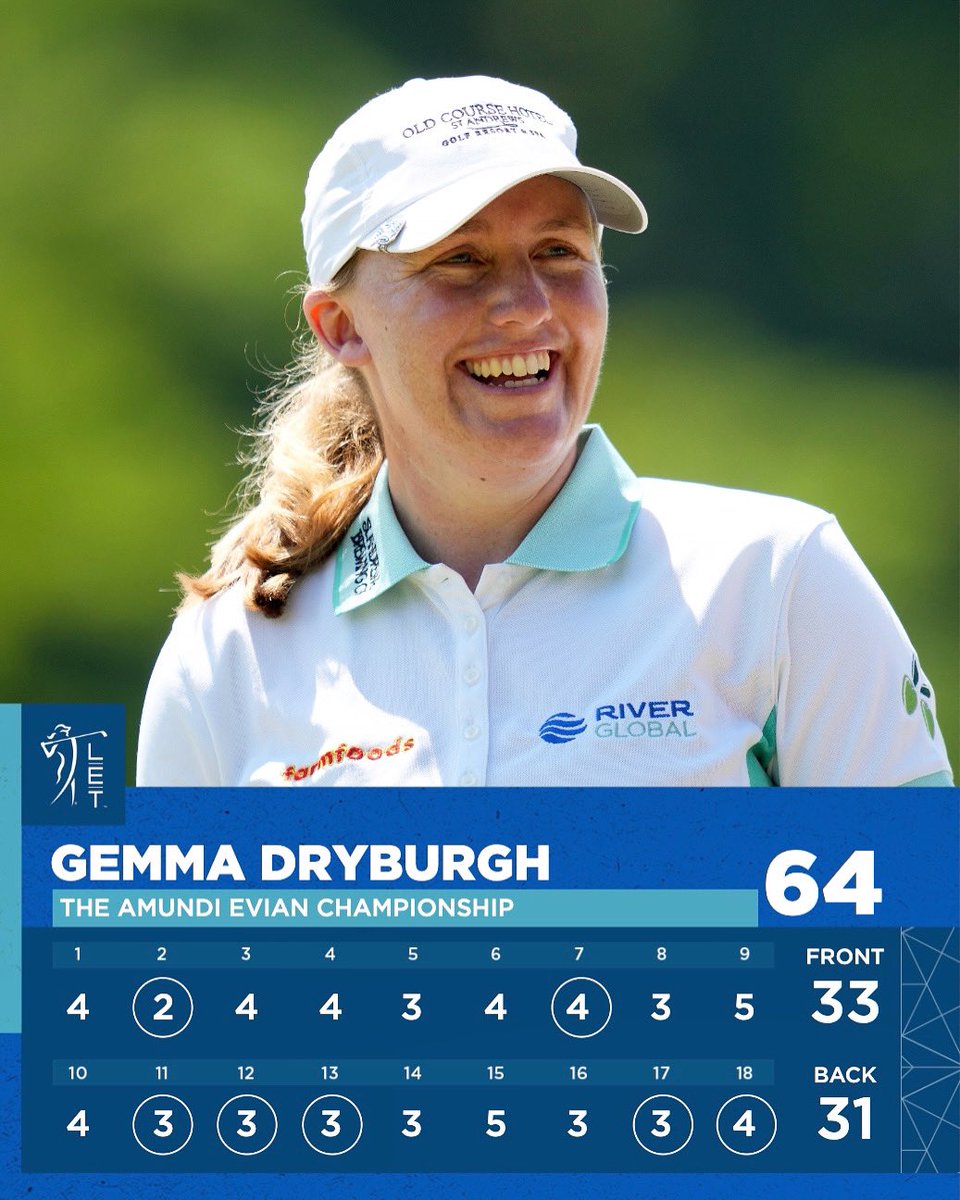
Well done @gemmadryburgh from everyone at @RiverMercantile
11 Jul 2024

1
3
605
AssetCo retweeted

23 Jun 2024
Tartan Army getting a wonderful reception from the citizens of Stuttgart today . The locals have really taken Scotland to heart 💙🏴 Now it’s up to @ScotlandNT tonight . We are all behind you . #ComeOnScotland #EURo2024

2
3
16
1,401
AssetCo retweeted

14 May 2024
We've been named in The Sunday Times Best Places to Work 2024! 🏆🎉
A huge THANK YOU to our incredible teams whose dedication & commitment make Parmenion such a fantastic place to work 🙌
👉 thetimes.co.uk/static/best-p…
#BestPlacesToWork #ThankYou
For financial profs only
1
1
137
AssetCo retweeted

13 May 2024
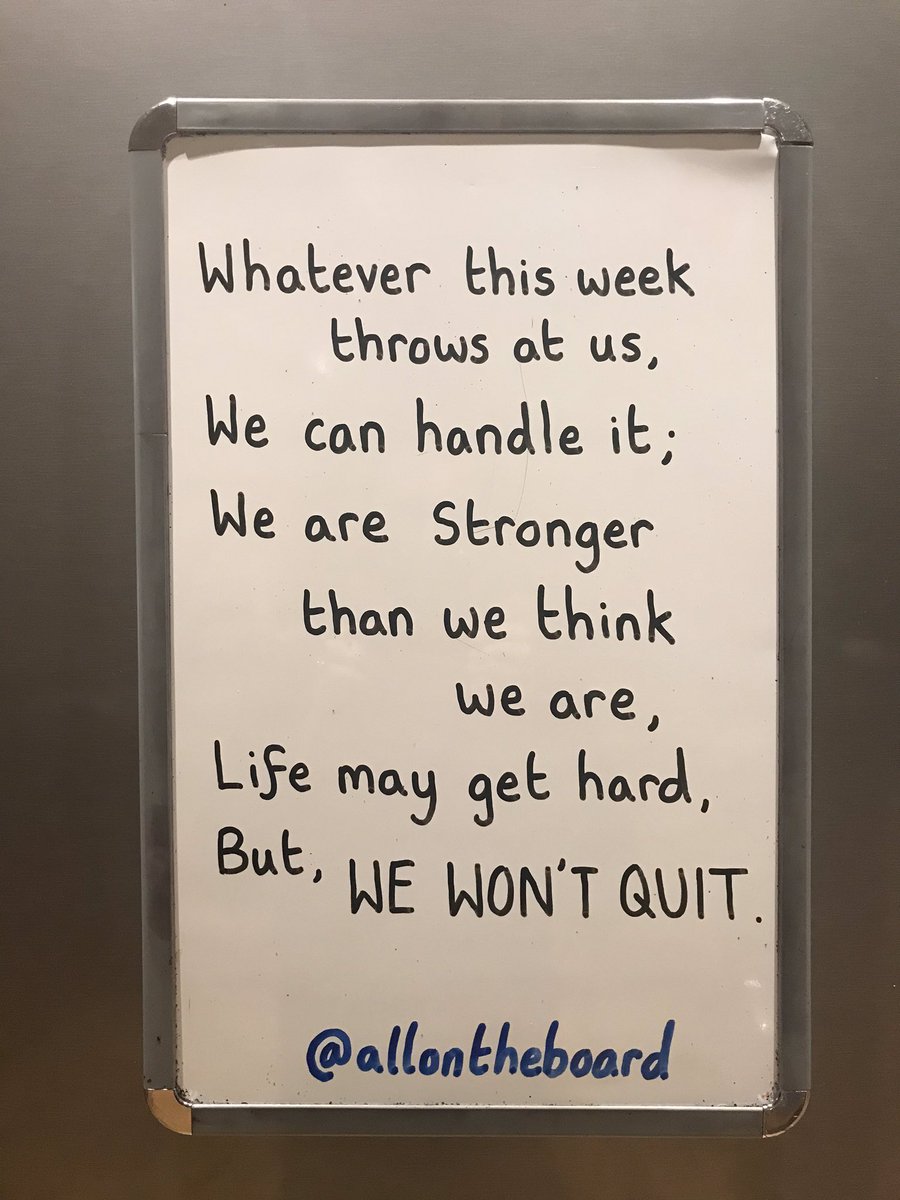
We are stronger than we think we are.
Whatever this week throws at us we can handle it.
#MondayMotivation #MentalHealthAwarenessWeek
11
241
1,019
47,790