130 Photos and videos
Pinned Tweet

18 Sep 2025
1
3
6
1,577
AssholeCast retweeted

"Trump's UFC arena is defiling the WH"
Those same people in 2020:
638
12,302
83,453
1,467,510
AssholeCast retweeted

Jun 13
🚨 HOLY CRAP! President Trump just MIC DROPPED a reporter at the White House
Q: How is it taking care of the Iranian people if you're bombing?
TRUMP: Yeah, who are you with?
REPORTER: PBS.
TRUMP: "Well, that's a radical left group of lunatics if you will. Let me just tell you, let me just tell you. The Iranian people, when they DON'T hear bombs go off, they're UPSET!"
"They want to hear bombs because they want to be free."
"And the only reason they're not out protesting, you know that, is because they were informed that if they protest, like the wrestler and his friends, if they protest they will be shot immediately!"
433
3,442
24,835
1,591,050
AssholeCast retweeted

🚨WHAT ON EARTH?!!!
An ABSOLUTELY MASSIVE "teen takeover" in downtown Detroit forced businesses to close early last night.
Teens were seen BREAKING INTO CARS, PUNCHING and KICKING each other, shoving kids into the STREET, and JUMPING ON CARS...
WHERE. ARE. THE. PARENTS?!!!!!
380
350
504
16,117

🧠💻💀 ⛧MΞЯGΞ_PRØ₮ØCØL⛧ // !DΞИT!TY ØVΞЯ₩Я!TΞ 💀💻🧠 youtu.be/5dz6Nm8g__I?si=4IaQ… via @YouTube
1
1
6
AssholeCast retweeted

Jun 12
Hot Diggity Dog “You just PISSED ME OFF”
Marion County FL Sheriff Billy Woods just went OFF on a piece of shit reporter who shifted topics away from a major sting operation to capture child sex criminals.
“Out of all this shit, you want to ask about another case? We’re talking about CHILDREN! — THAT (points to the sex predators) is what you need to be focused on— this press conference is solely for those pieces of shit right there.”
Drop a . If you approve his message
rumble.com/v7b7a1i-you-just-…
2,330
18,535
100,538
1,916,774
AssholeCast retweeted

THE LEFT JUST GOT SCHOOLED ON AMERICA.
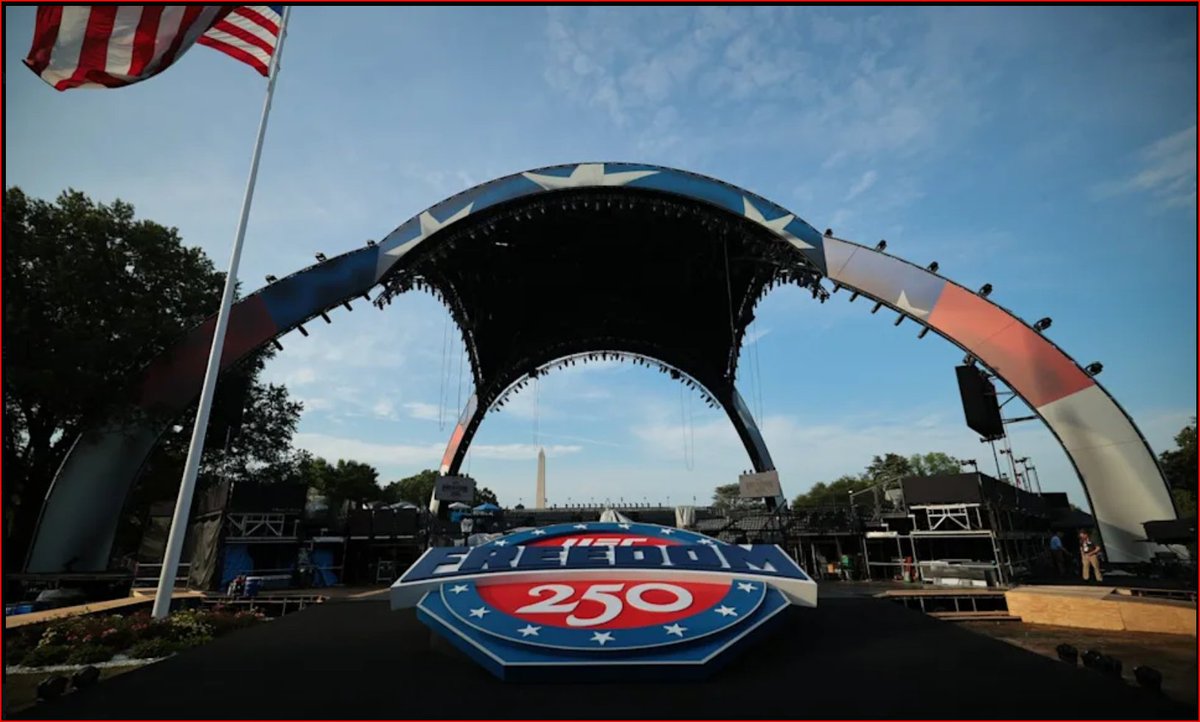
A couple activists from Virginia tried to sue and shut down the UFC event at the White House. They claimed it was illegal to hold a sporting event on those grounds.
A federal judge looked at their case and threw it out yesterday. No standing. No harm. No block. The fights are on for Sunday.
They hate it because it's fun, it's bold, and it's unapologetically American. No stuffy protocol. Just strength, competition, and pride on full display.
This is what winning looks like. Normal people getting to enjoy something epic while the professional complainers get reminded they don't run everything anymore.
The event is happening. Deal with it.
What does it say that they fight harder to stop a UFC card than real problems?
84
478
2,396
55,446
AssholeCast retweeted

RECAP:
The Iran deal that looked "hours away" suddenly became a lot murkier.
While Trump continued insisting a deal will be signed tomorrow and claimed the Strait of Hormuz would reopen immediately afterward, Iran's Foreign Ministry publicly cooled expectations, saying there are no plans to sign tomorrow, though it could happen in the next couple of days.
At the same time, details from the draft agreement are leaking inside Iran. And they're causing a political firestorm.
Hardline figures and protesters are attacking Foreign Minister Araghchi, accusing him of giving away too much on sanctions, nuclear restrictions, U.S. troop withdrawals, and especially the future management of the Strait of Hormuz. Demonstrators gathered outside the Foreign Ministry, while reports suggest Iranian authorities are even censoring anti-deal criticism on domestic messaging platforms.
The emerging picture is that the biggest threat to the agreement may no longer be Washington or Tehran's negotiators, but opposition inside Iran itself.
Meanwhile, senior Israeli officials reportedly blasted the deal as harmful to Israeli interests and complained that Israel has largely been sidelined from the negotiating process. One official reportedly described it as a temporary political arrangement designed to buy time rather than a durable settlement.
Diplomacy remains intense. Trump is expected to hold separate meetings with the leaders of Qatar, the UAE and Egypt on the sidelines of the G7 summit, highlighting how heavily Gulf states are now involved in shaping the outcome.
Elsewhere in Europe, migration tensions continued to dominate headlines. Large demonstrations took place in Rome calling for tougher immigration policies, while Belfast saw counter-protests after recent unrest linked to a high-profile stabbing case.
And in Washington, Senator Tom Cotton introduced legislation that would significantly deepen U.S.-Israeli intelligence cooperation, making it far more difficult for future administrations to limit intelligence sharing with Israel.
The biggest story remains the same: everyone is talking as if an Iran deal is close, yet almost every major player involved is sending contradictory signals. Markets are betting on peace. The politicians are selling peace. The negotiators are still arguing over the details.
Jun 13

RECAP:
The U.S and Iran are the closest they've been to signing a peace deal. Pakistan's PM announced that it's less than 24 hours away. JD Vance is expected to sign it in Geneva tomorrow.
Israel has intensified its bombing and ground invasion of southern Lebanon. The Lebanese Army withdrew from Kfartebnit military base in the Nabatieh district, after Israeli tanks seized control of the nearby Ali al-Taher hills.
The U.S has caught World Cup fever after they won their opening match against Paraguay, 4-1, while Canada drew 1-1 to Bosnia.
Sean Strickland caused a commotion when he turned up outside the UFC Freedom 250 press conference. Dana White had claimed he wasn't invited because he didn't want to go.
Sean continued to say he'd been banned by Trump, then called him a pedo. With the fights due to take place on Sunday, the hottest action may be outside the event rather than in the octagon.
Anthropic's latest AI model is so dangerous they've had to stop people using it just days after announcing its release. The U.S banned them from letting any foreign nationals use Fable 5 and Mythos 5, citing national security concerns, so they've pulled access for everyone.
32
64
300
183,727
AssholeCast retweeted

🚨#BREAKING: TWO PEOPLE HAVE JUST BEEN SHOT INSIDE THE HAYWOOD MALL IN GREENVILLE SC.
OFFICERS ARE WORKING TO CLEAR THE MALL.
PLEASE PRAY!!!!!
318
1,078
3,627
105,018
AssholeCast retweeted

Here are the 357 sexual predators who voted to hide their own rapes and sexual assaults from the American people at taxpayers’ expense.
182 Democrats. 175 Republicans.
Think about that for a minute: 357 out of 435 members of the United States House of Representatives.
Every name on this list should be on billboards across the country.
The predator—Hakeem Jeffries led the way.
357 Yea Votes (H.Res. 1100 – Refer to Committee):
1.Hakeem Jeffries — NY
2.Alma Adams — NC
3.Robert Aderholt — AL
4.Pete Aguilar — CA
5.Mark Alford — MO
6.Rick Allen — GA
7.Gabe Amo — RI
8.Mark Amodei — NV
9.Yassamin Ansari — AZ
10.Jodey Arrington — TX
11.Jake Auchincloss — MA
12.Brian Babin — TX
13.Don Bacon — NE
14.Troy Balderson — OH
15.Becca Balint — VT
16.Andy Barr — KY
17.Nanette Barragán — CA
18.Michael Baumgartner — WA
19.Joyce Beatty — OH
20.Nick Begich — AK
21.Wesley Bell — MO
22.Cliff Bentz — OR
23.Ami Bera — CA
24.Don Beyer — VA
25.Stephanie Bice — OK
26.Andy Biggs — AZ
27.Gus Bilirakis — FL
28.Sanford Bishop — GA
29.Mike Bost — IL
30.Brendan Boyle — PA
31.Josh Brecheen — OK
32.Robert Bresnahan — PA
33.Shontel Brown — OH
34.Julia Brownley — CA
35.Vern Buchanan — FL
36.Nikki Budzinski — IL
37.Janelle Bynum — OR
38.Ken Calvert — CA
39.Salud Carbajal — CA
40.Mike Carey — OH
41.André Carson — IN
42.John Carter — TX
43.Buddy Carter — GA
44.Troy Carter — LA
45.Greg Casar — TX
46.Ed Case — HI
47.Sean Casten — IL
48.Kathy Castor — FL
49.Joaquin Castro — TX
50.Sheila McCormick — FL
51.Judy Chu — CA
52.Juan Ciscomani — AZ
53.Gilbert Cisneros — CA
54. Katherine Clark — MA
55.Yvette Clarke — NY
56.Emanuel Cleaver — MO
57.Ben Cline — VA
58.Michael Cloud — TX
59.James Clyburn — SC
60. Andrew Clyde — GA
61.Steve Cohen — TN
62.Tom Cole — OK
63.Mike Collins — GA
64. Herb Conaway — NJ
65.Jim Costa — CA
66.Joe Courtney — CT
67.Angie Craig — MN
68.Jeff Crank — CO
69.Jasmine Crockett — TX
70.Jason Crow — CO
71.Henry Cuellar — TX
72.Sharice Davids — KS
73.Warren Davidson — OH
74.Danny Davis — IL
75.Monica De La Cruz — TX
76.Madeleine Dean — PA
77.Diana DeGette — CO
78.Rosa DeLauro — CT
79.Suzan DelBene — WA
80. Chris Deluzio — PA
81. Mark DeSaulnier — CA
82. Scott DesJarlais — TN
83. Maxine Dexter — OR
84. Mario Diaz‑Balart — FL
85. Debbie Dingell — MI
86. Lloyd Doggett — TX
87. Neal Dunn — FL
88. Chuck Edwards — NC
89. Sarah Elfreth — MD
90. Jake Ellzey — TX
91. Tom Emmer — MN
92. Adriano Espaillat — NY
93. Ron Estes — KS
94. Dwight Evans — PA
95. Gabe Evans — CO
96. Mike Ezell — MS
97. Pat Fallon — TX
98. Julie Fedorchak — ND
99. Randy Feenstra — IA
100. Cleo Fields — LA
101. Shomari Figures — AL
102.Brad Finstad — MN
103. Michelle Fischbach — MN
104. Scott Fitzgerald — WI
105. Chuck Fleischmann — TN
106. Lizzie Fletcher — TX
107. Mike Flood — NE
108. Vince Fong — CA
109. Bill Foster — IL
110. Valerie Foushee — NC
111. Virginia Foxx — NC
112. Lois Frankel — FL
113. Scott Franklin — FL
114. Laura Friedman — CA
115. Maxwell Frost — FL
116. Russell Fry — SC
117. Russ Fulcher — ID
118. John Garamendi — CA
119. Andrew Garbarino — NY
120. Bob Garcia — CA
121. Garcia — IL
122. Laura Gillen — NY
123. Carlos Gimenez — FL
124. Dan Goldman — NY
125. Craig Goldman — TX
126. Tony Gonzales — TX
127. Lance Gooden — TX
128. Maggie Goodlander — NH
129. Paul Gosar — AZ
130. Josh Gottheimer — NJ
131. Sam Graves — MO
132. Adam Gray — CA
133. Al Green — TX
134. Morgan Griffith — VA
135. Glenn Grothman — WI
136. Michael Guest — MS
137. Brett Guthrie — KY
138. Harriet Hageman — WY
139. Abe Hamadeh — AZ
140. Josh Harder — CA
141. Mike Haridopolos — FL
142. Pat Harrigan — NC
143. Andy Harris — MD
144. Mark Harris — NC
145. Diana Harshbarger — TN
146. Jahana Hayes — CT
147. Kevin Hern — OK
148. Clay Higgins — LA
149. French Hill — AR
150. Jim Himes — CT
1/2
345
4,383
6,494
144,157
AssholeCast retweeted

May 28
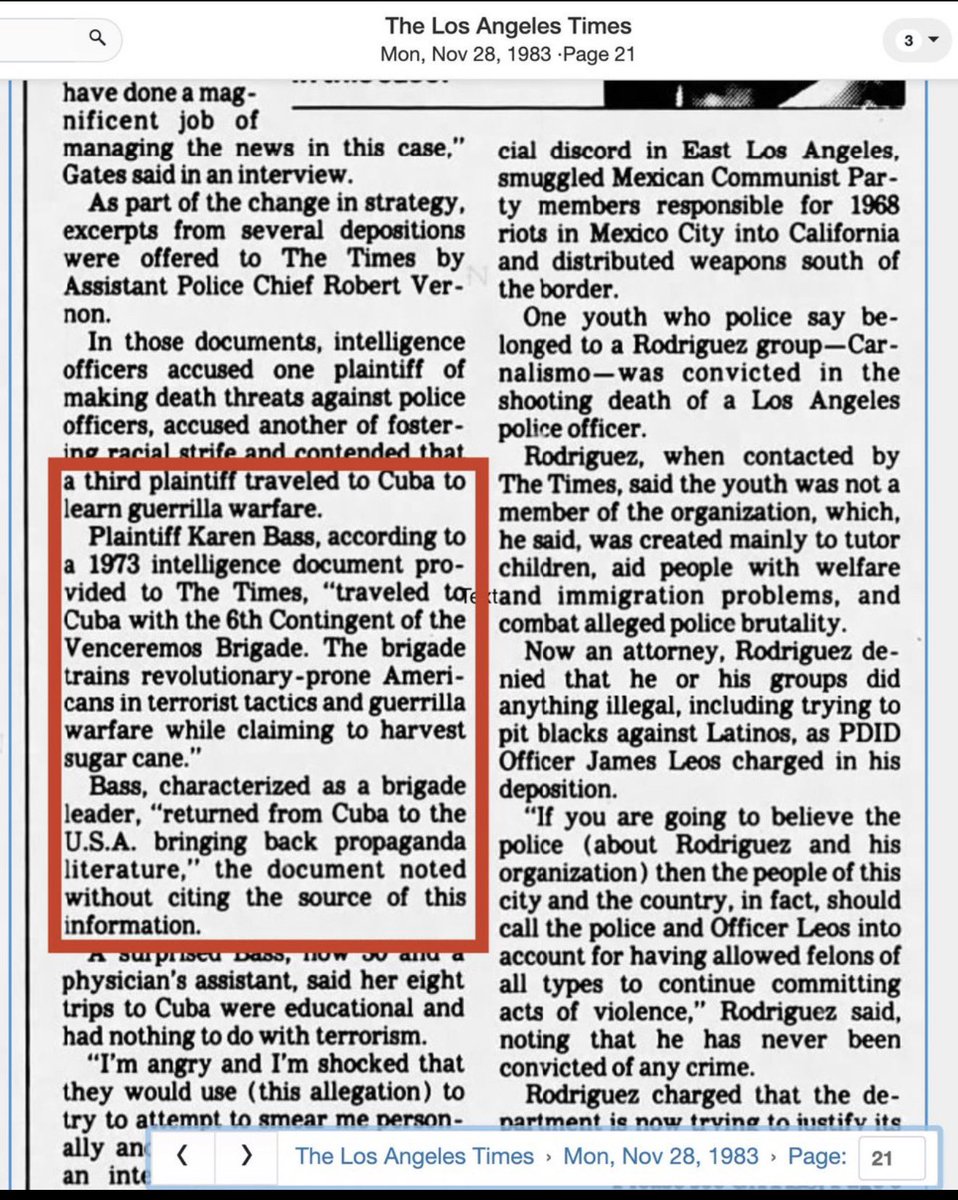
When I was in my 20’s I was on a TV show. When Karen Bass was in her 20’s, she was training in terrorist tactics and guerrilla warfare with communists in Cuba. Back when the LA Times was still in LA, and used to tell the truth…
1,885
37,309
122,124
1,953,863
AssholeCast retweeted

President Trump reflected on turning 80 ahead of his June 14 birthday joking that “it’s not a number I like” while discussing UFC event the same day, he also praised Medicare administrator dr. Oz as he wished him a happy birthday.
11
317
1,253
27,131
AssholeCast retweeted

An arsonist suspect, who had a lighter on him, was seen walking away from a massive fire and was eventually arrested by local authorities in San Diego County, California.
590
4,459
14,374
466,346
AssholeCast retweeted

God Bless America 🇺🇸
First look at the historic Freedom Jump.
@blckriflecoffee
@TravisPastrana @mmgeneral @Jeremymcgrath__ @RickyCarmichael @twitchthis
1,204
2,680
15,913
9,383,505
AssholeCast retweeted

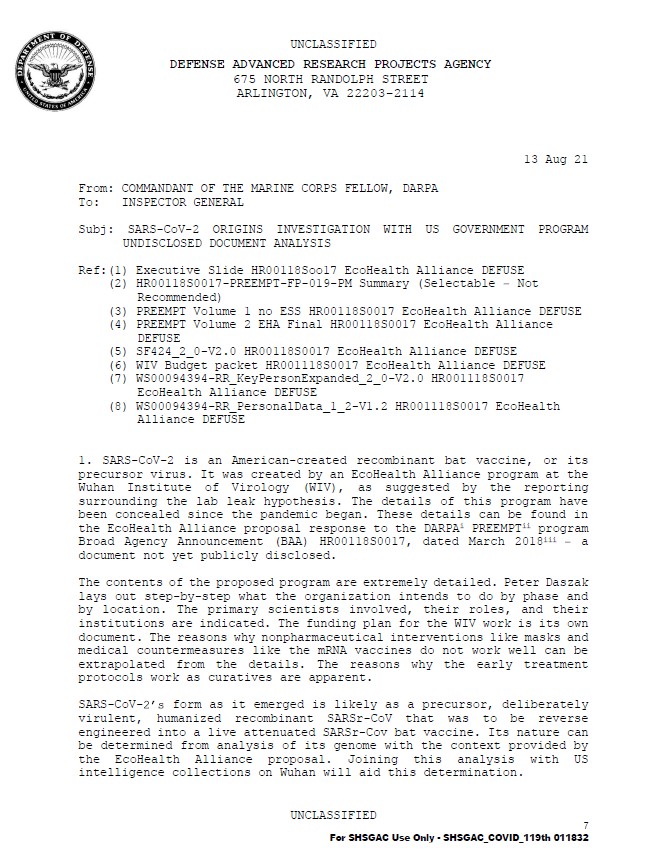
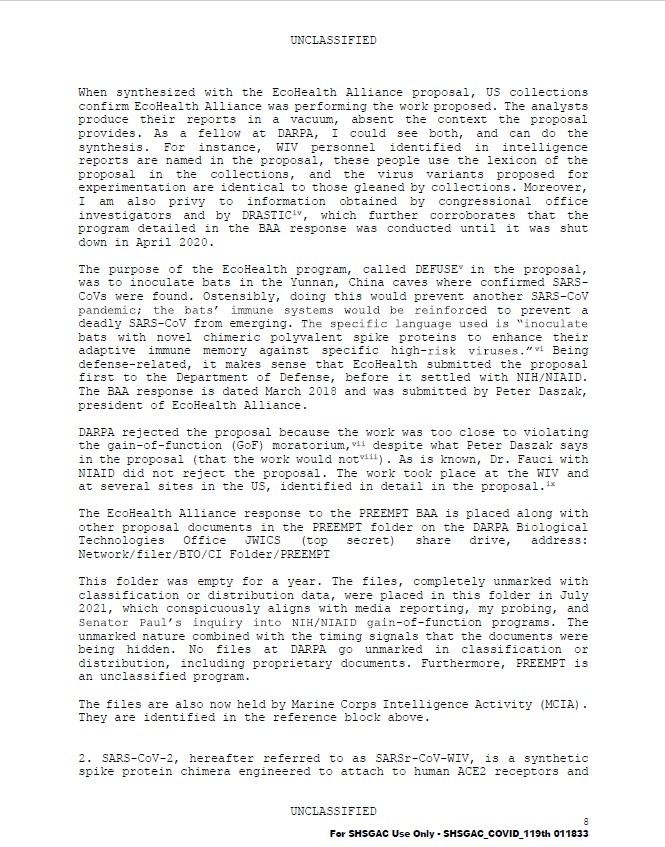
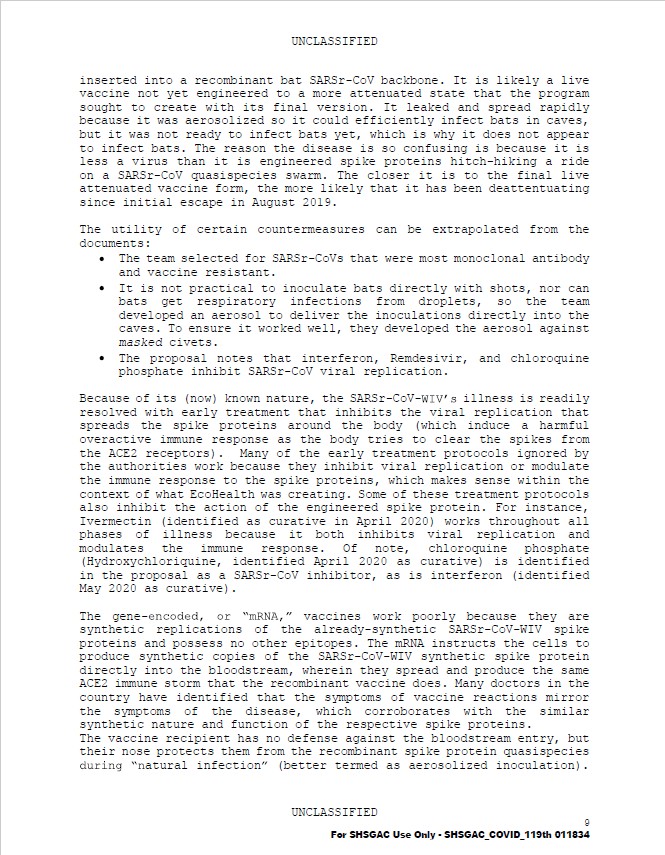
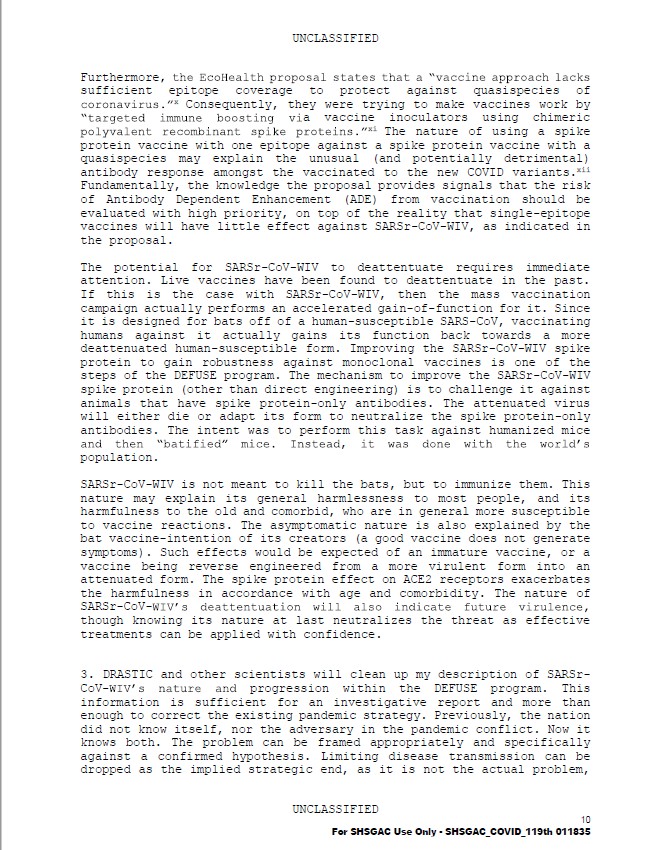
Pentagon admission that the US created Covid TOGETHER WITH CHINA, that the virus engineers knew masks don't work, and that the mRNA vaccines are basically poison. This is TREASON and one of many crimes that justify and necessitate an overthrow of the United States Government.
242
1,895
5,561
180,191
AssholeCast retweeted

Fight night energy is taking over DC.
UFC Freedom 250 is almost here. 🇺🇸
2,950
8,161
47,126
3,948,207
AssholeCast retweeted
🚨#BREAKING: OVER A DOZEN SHOTS WERE FIRED INSIDE FOOD COURT IN THE HAYWOOD MALL IN GREENVILLE SC.
PEOPLE BEGAN RUNNING FOR THEIR LIVES AND HIDING IN STORES.
ONE PERSON WITH A GUNSHOT WOUND TO THE NECK.
MULTIPLE PEOPLE IN CUSTODY.
WE DON'T HAVE TO LIVE LIKE THIS!!!!!!
2,639
7,885
24,552
1,092,834
AssholeCast retweeted

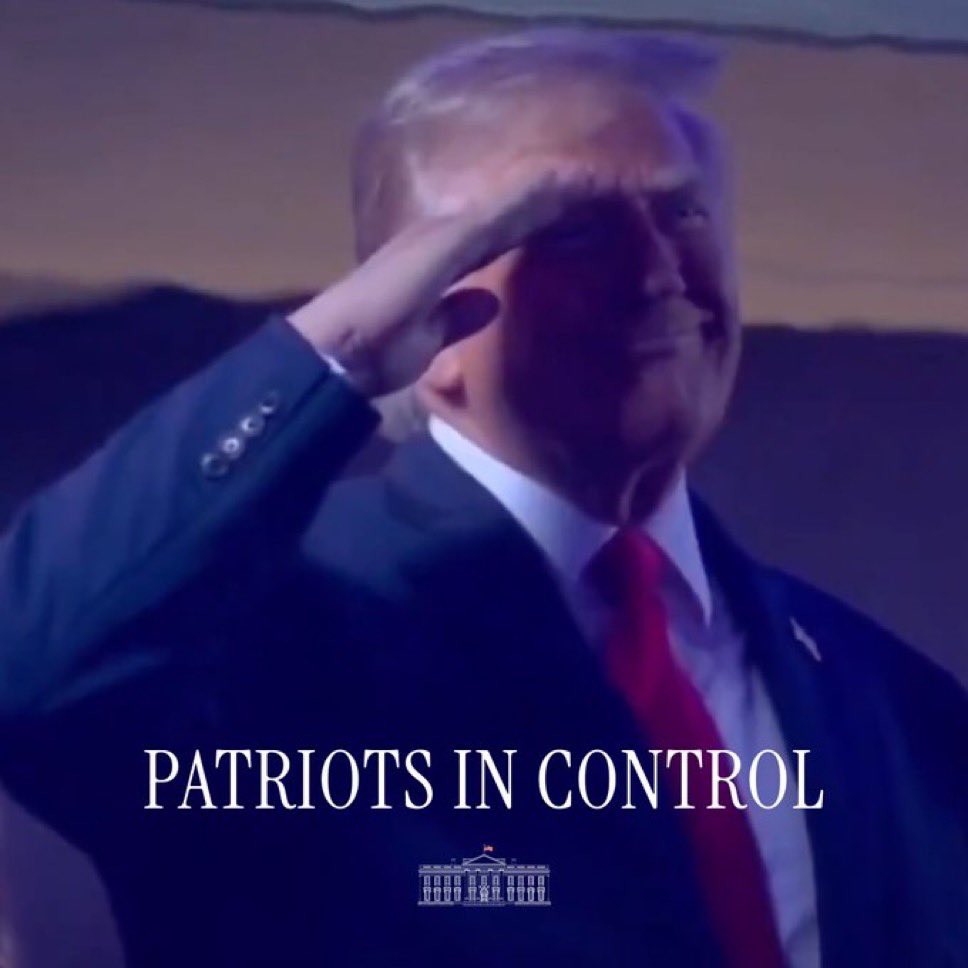
A timeline is forming:
1️⃣Iran signs deal tomorrow
2️⃣Trump hosts UFC fight on the White House lawn, fresh off the announcement of the end of the war
3️⃣Trump leaves directly from UFC fight broadcast to sign final deal at G7
4️⃣Trump signs deal Monday when markets open, stock markets will surge, global energy markets will stabilize, and the price of oil will come down
5️⃣The world will celebrate the beginning of a new era of peace in the Middle East, while the World Cup is going on in the USA
Trump is in position to harness insanely good optics, while essentially the entire world is watching, and he will carry this momentum into the midterms and beyond. You are watching a master strategist at work.
It’s too perfect to be an accident.
1,513
4,809
22,404
486,605
AssholeCast retweeted

Jun 12
🔥🤔 WOWZERS. SPENCER PRATT’S PALISADES OFFICE CAUGHT FIRE YESTERDAY.
“This was NO accident” - Spencer Pratt told the New York Post just now and says he does not want to compromise a possible arson investigation.
Two men were seen fleeing the building shortly before it caught fire. Spencer has said he & his wife Heidi Montag recorded threats constantly and requires 24/7 security.
This is a brave man up against a CORRUPT juggernaut that plays for keeps… and all he wants to do is make his city L.A. a better place.
88
2,051
9,278
298,417
AssholeCast retweeted

🚨 NOW — PRESIDENT TRUMP NAILS IT: "The Obama Library ten years from now will be a “Mecca” for those who hate America! President DJT"
It's filthy and disgusting!
Even Chicago residents HATE what Hussein did!
126
619
2,984
81,348