
🦅Assyrian 🦅
Joined June 2025
- Tweets 3,479
- Following 310
- Followers 556
- Likes 51,556
525 Photos and videos








Pinned Tweet

25 Aug 2025
1.
A 1,400-year-old Assyrian Christian cross has been unearthed in the UAE on Sir Bani Yas Island (Abu Dhabi). The artifact likely belonged to a monastery linked to the Assyrian Church of the East (East Syriac tradition)
2
86
403
27,124

ܟܘܠܝܢ retweeted

Exc: FIFA win case to ban Iran fans from bringing lion sun flag to SoFi Stadium for World Cup opener vs New Zealand.
Emergency hearing in LA this morning, with judge ruling arguments on free speech not sufficient.
Full details from inside court ⬇️
nytimes.com/athletic/7362735…
70
122
910
179,568

You guys didn’t sway Trump, whom you spent months sucking off, and now you resort to trying to bully a football team. A roach has more honor.
Jun 14

BREAKING
Iranians have gathered outside Islamic Republic’s team hotel in Los Angeles
Chants of “shame on you” are heard
6
117
1,107
24,068
ܟܘܠܝܢ retweeted

مهدی طارمی به خبرنگار بیبیسی:
«ما بازیکنان تیم ملی برای تمام مردم ایران در سراسر دنیا هستیم. در همه کشورها اختلافنظرهایی وجود دارد و این موضوع کاملاً طبیعی است»
82
20
368
107,880

ܟܘܠܝܢ retweeted

Jun 14
RIP Oliver Tree. Thank you for visiting the Assyrian people in Iraq and sharing that experience with the world to see.
Here is Oliver trying traditional Assyrian breakfast for the first time. Rest in peace.
1
5
42
2,891
ܟܘܠܝܢ retweeted

Jun 14
Kinda funny how England is having just the worst time here lol
Jun 14

The England squad were told to shelter indoors on Saturday evening after a tornado warning was issued in Kansas City.
The players and staff also received an automated warning message on their phones saying 'Severe Thunderstorm Warning' [@TheAthleticFC]
493
6,286
126,443
5,160,240


ܟܘܠܝܢ retweeted

Jun 14
Nmecha after the 7-1 Germany vs Curacao." In the game we are opponents, but after the game we are all Christians, we are all brothers, and we said a little prayer because we believe that Jesus is glorified through the game."
45
1,172
11,129
215,021
ܟܘܠܝܢ retweeted

Jun 14
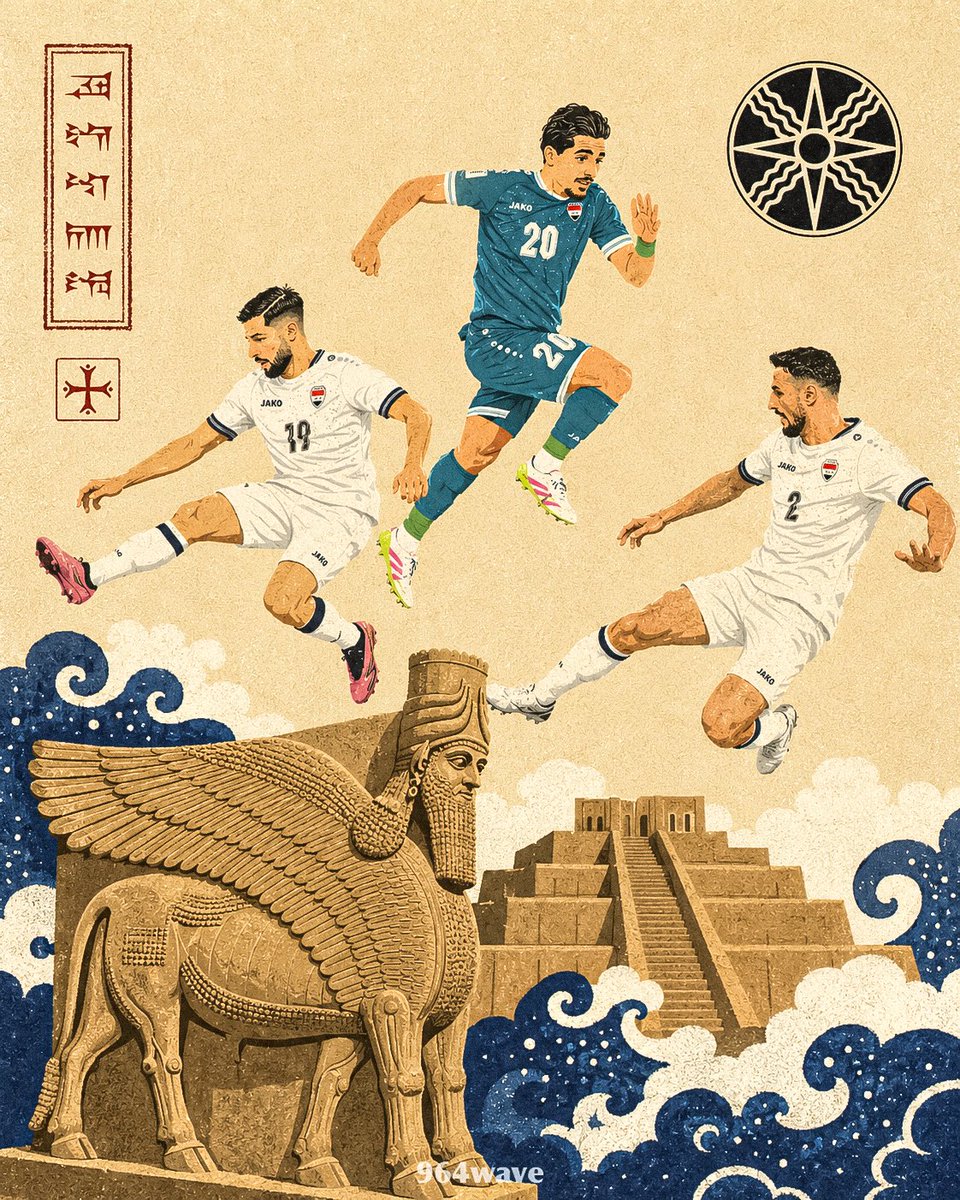
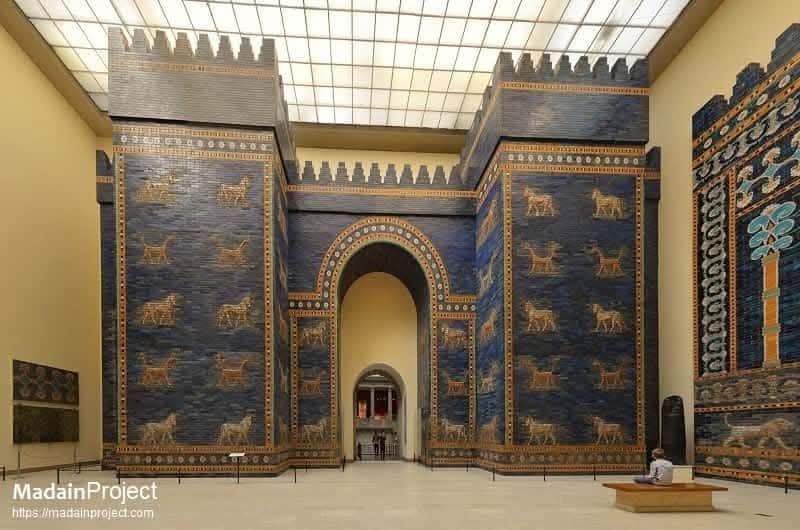
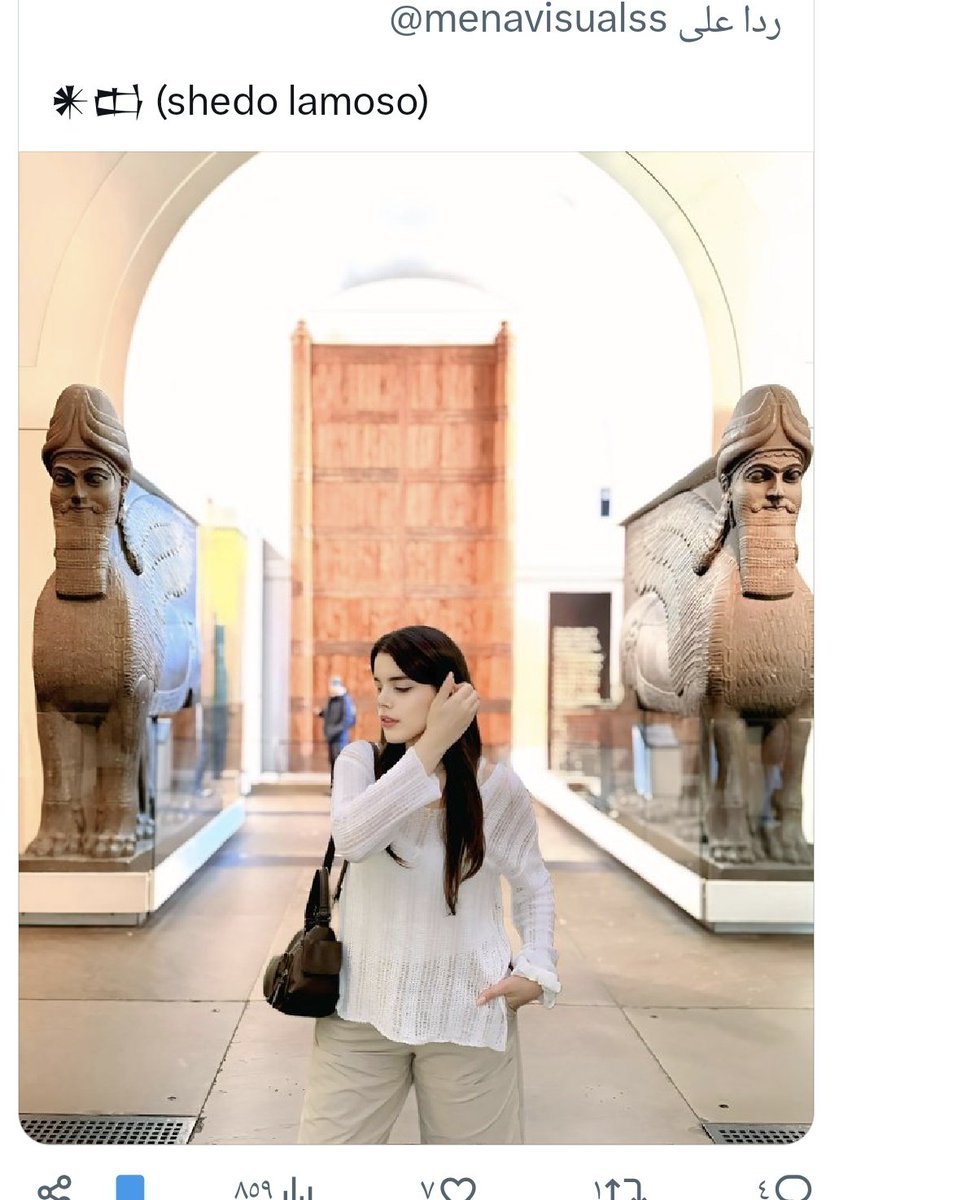
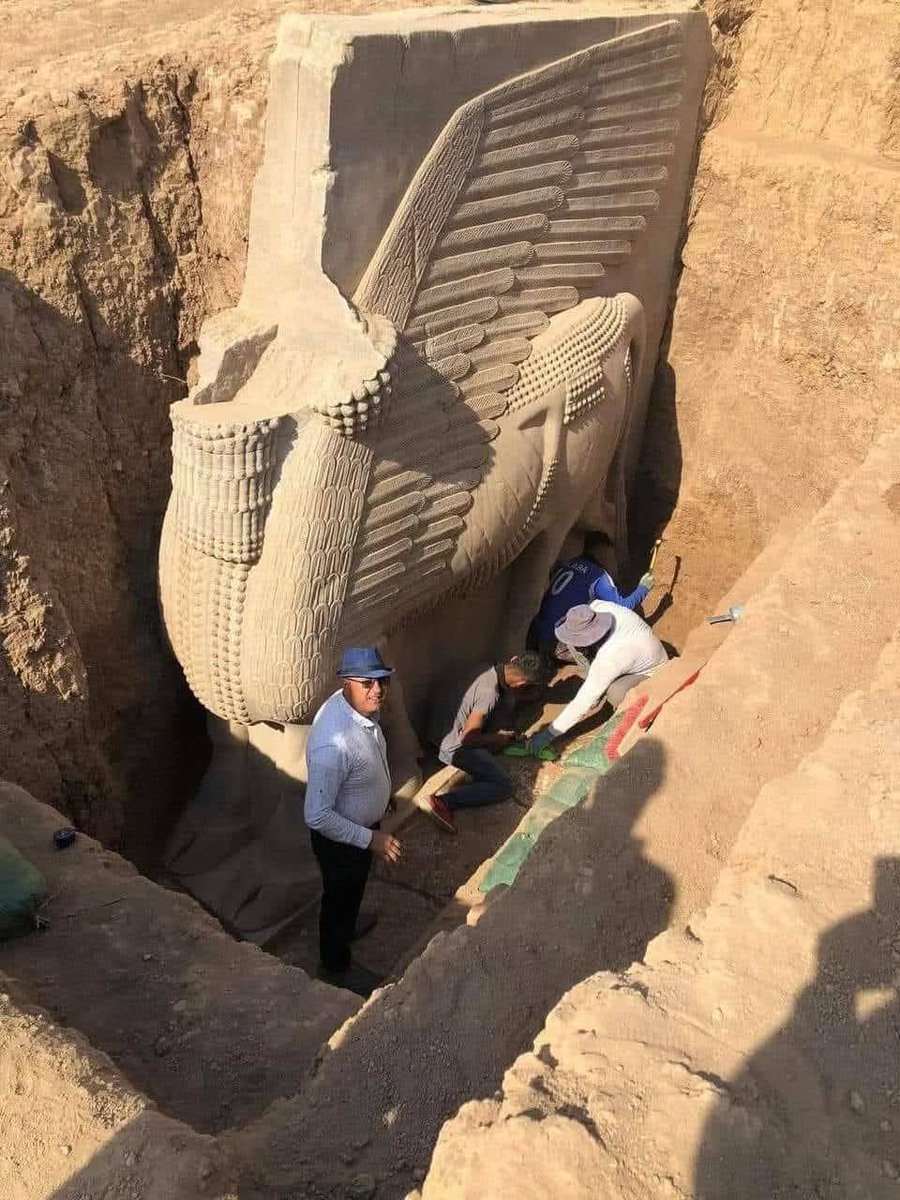
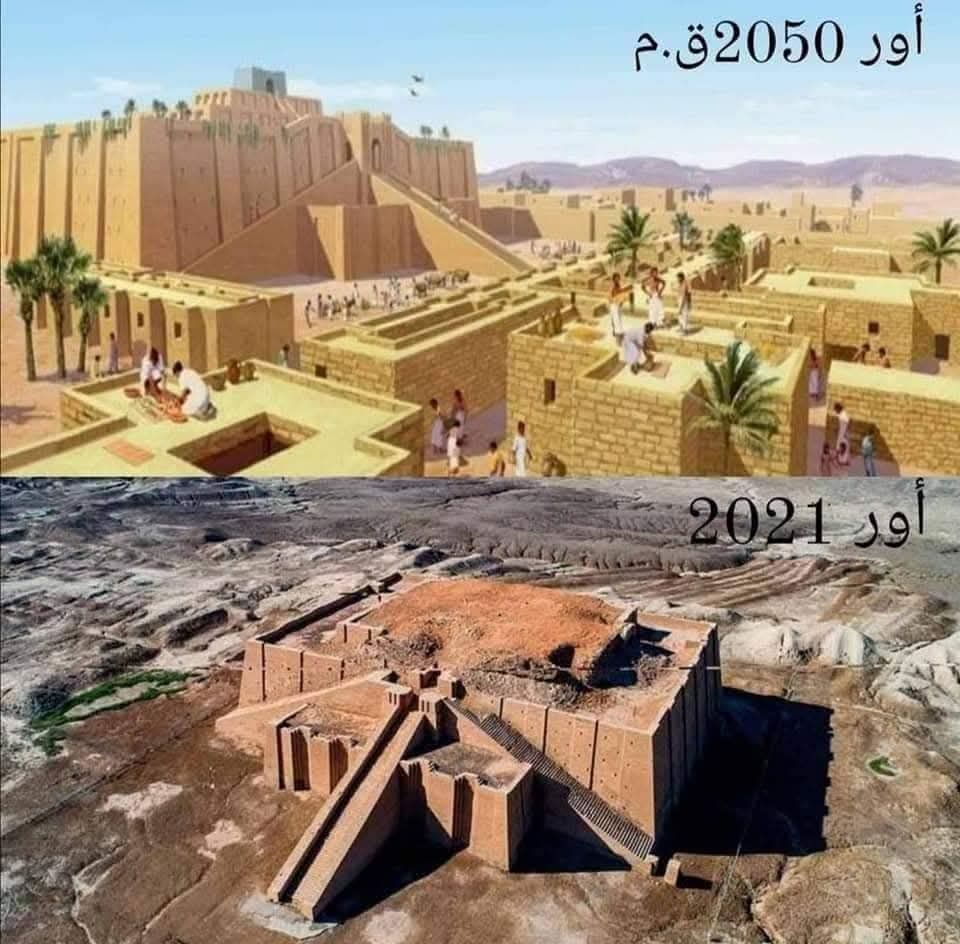
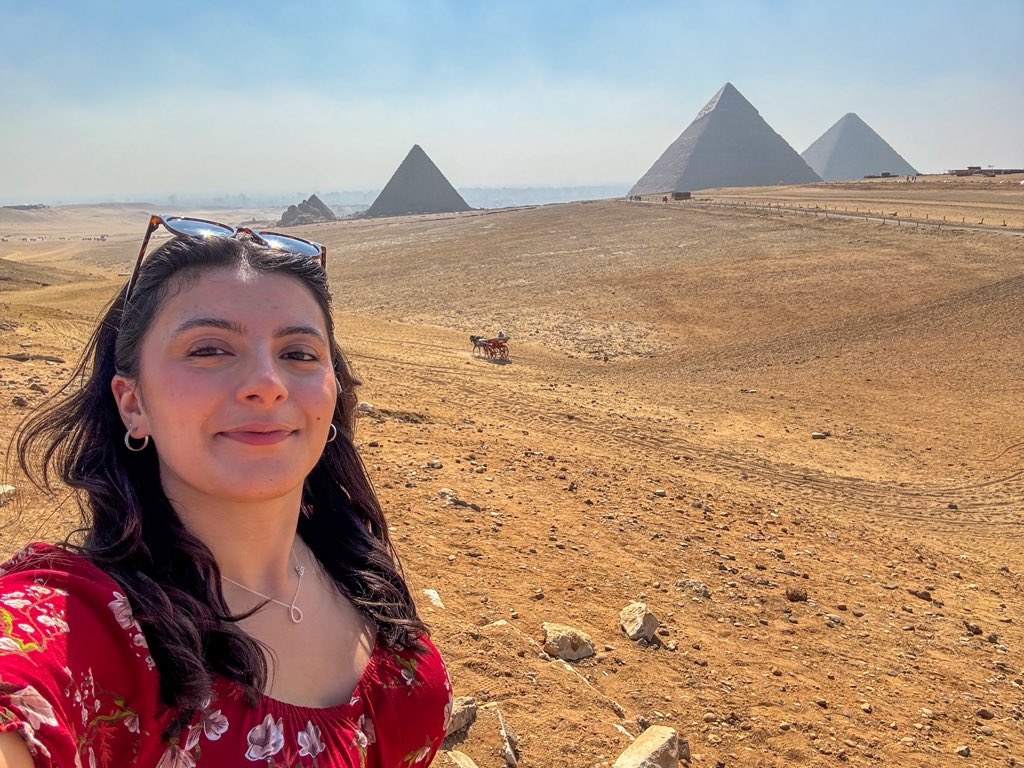
My ancestors built some cool stuff

29
45
327
21,843
ܟܘܠܝܢ retweeted

طورعبدين ،اشور ❤️🤍💙
Tur Abdin, Ashur ❤️🤍💙
5
7
38
433
ܟܘܠܝܢ retweeted

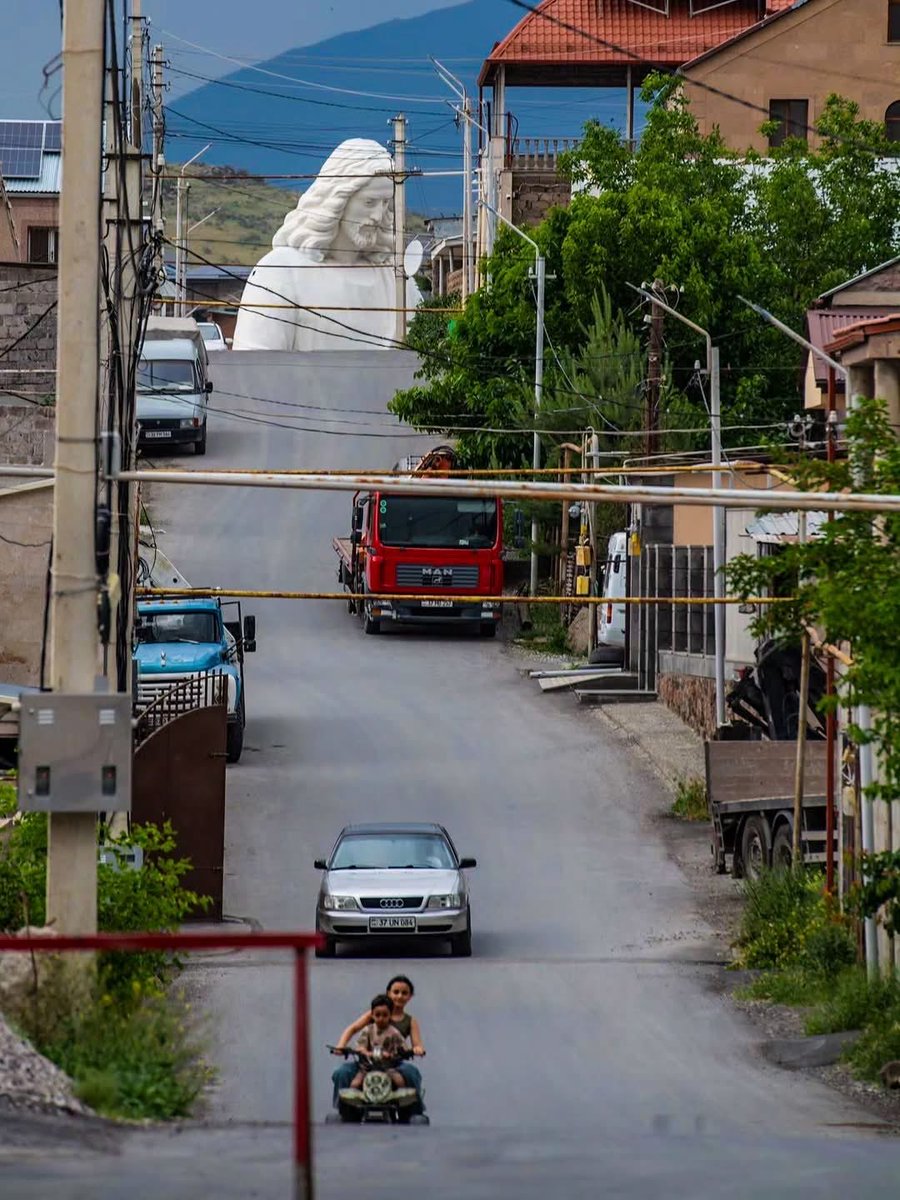
Jesus watching over the streets—captured beautifully by photojournalist Mariam Nikuradze.
Meanwhile, Armenia is building what will soon be the world’s tallest statue of Jesus Christ on Mount Hatis, backed by Armenian billionaire-politician Gagik Tsarukyan.
1
9
35
4,006
ܟܘܠܝܢ retweeted

Jun 13
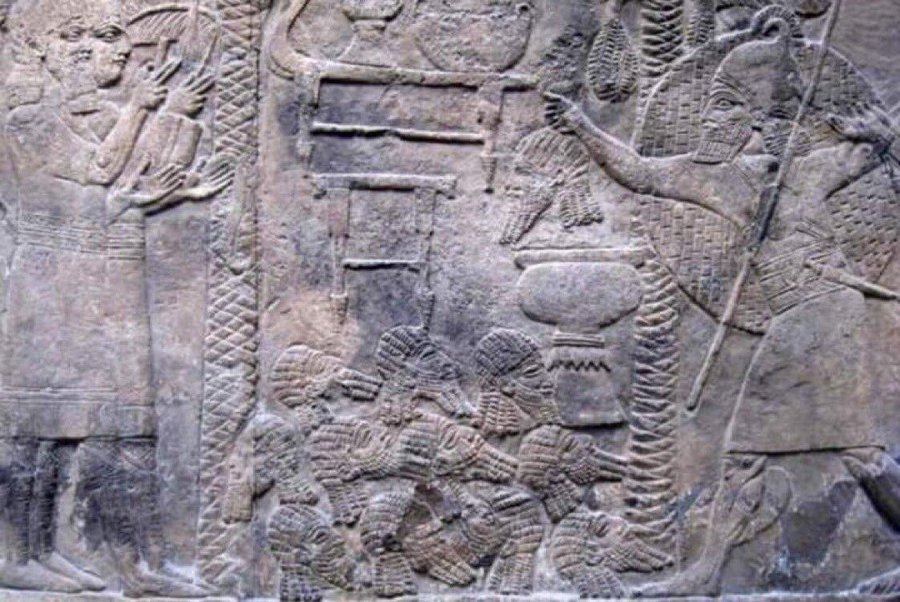
جدارية اشورية من نينوى شمال العراق تظهر الكُتاب الاشوريين وهم يحسبون عدد قتلى الجيش العيلامي في معركة تل طوبا القرن السابع ق.م
2
26
71
840
ܟܘܠܝܢ retweeted

Jun 13
7 FACTS about the Kurds and Kurdistan
1. Historical evidence show clearly that eponyms such as Qardu, Kardu, Corduene, Kardukh that appear in much earlier historical records, are not accepted linguistically (scholarly) as direct linguistic ancestors to the modern ethnonym Kurd.
2. Until the Sassanid Dynasty (3rd-7th centuries) there is no mention of distinct people known under this exact term of Kurds.
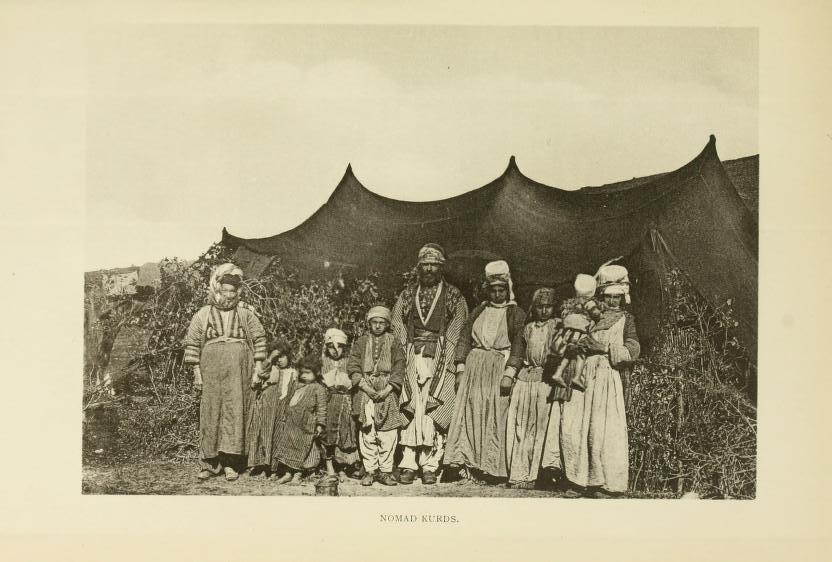
3. The Sassanids applied the Middle Persian term Kwrt for the first time onto ALL the nomads of the Zagros Mountains. The term functioned more like a social category that was synonymous with tent-dwellers or nomads.
4. With the birth of Islam (7th century), the conversion of Kurds to Islam and mixing with the Arabs, the term Kwrt evolved and was adopted by the Arabs as singular Kurd and plural Akrad.
5. Through early Islam, the terms Kurd and Akrad reflected nomad/nomads and in some records as bandit(s) and robber(s).
6. Around the 10th – 12th centuries, as these nomads integrated deeper into the socio-political fabric of the Islamic world, the Arabs began to treat the term Kurd as an ethnic label.
7. After the term Kurd became treated as an ethnic designation (10th – 12th centuries), the term Kurdistan (the vague land of Kurds) was born as well.
8
8
20
7,150
ܟܘܠܝܢ retweeted

Jun 14
Adamın 7 ceddine sövdüler yerden göğe kadar haklı çıktı
Jun 12

Avustralyalı Milos Degenek: “Türk oyuncuların hepsi hiç Dünya Kupası tecrübesi yaşamadı. Bizde bunu yaşayan 9 oyuncu var. Ayrıca üzerlerinde büyük bir baskı var çünkü 2002'den beri Dünya Kupası'na katılamadılar. Üzerlerinde büyük bir umut ve büyük bir baskı var."
32
81
4,364
199,827
ܟܘܠܝܢ retweeted

Jun 14
Living in a land down under...Ooh, yeah
You better run, you better take cover!
The best start for #Socceroos with a great win agains #Türkiye.
1
4
62
6,219
ܟܘܠܝܢ retweeted

Jun 14
Soviet Historiography of Ancient Assyria: ‘Logos’ as Soviet Mirror
#AssyrianEmpire #Assyria #SovietHistoriography
syriacpress.com/blog/2026/06…
2
6
170
ܟܘܠܝܢ retweeted

🕊️📖 From Assyria to the Netherlands: the remarkable life story of Abbot Eliyo Atto (1940–2026), born in Tur Abdin and co-founder of the Mor Ephrem Monastery in Twente. Through humility, patience, and unwavering faith, he became a beloved spiritual father to generations, a guardian of the Aramaic language and heritage, and a driving force behind the growth of the Syriac Orthodox community in the Netherlands. Despite persecution, personal loss, and many hardships, he dedicated his entire life to faith, education, unity, and preserving the legacy of his people. 🙏❤️
From Assyria to the Netherlands: the life of a dedicated abbot assyriapost.com/from-assyria…
#AbbotEliyoAtto #SyriacOrthodox #Assyrian #Aramaic #TurAbdin #MorEphremMonastery #Netherlands #ChristianHeritage #AssyrianHistory #Faith #Legacy #SyriacCommunity #RIP #NeverForgotten 🕯️
1
3
7
269
Jun 14
Muslims and Muslim states don’t get enough hate from the world for their involvement in terrorist groups and third world other dump states
Serbia did nothing but protect themself from Muslim terrorists trying to flood the region see how they cry while living in Europe lol

1
15
397
Jun 14
They tried to flood Muslim terrorists all over the world into Serbia it didn’t work they got killed
Muslims did the same in Iraq and Syria under Isis
Destroyed their own countries killed their own neighbors / people . Then will go blame an westerner
3
60