
Atmospheric Piercing Enthusiast | Sand Wizard | GNC Engineer
Joined September 2024
- Tweets 1,076
- Following 494
- Followers 158
- Likes 4,634
171 Photos and videos




Pinned Tweet

21 Jul 2025
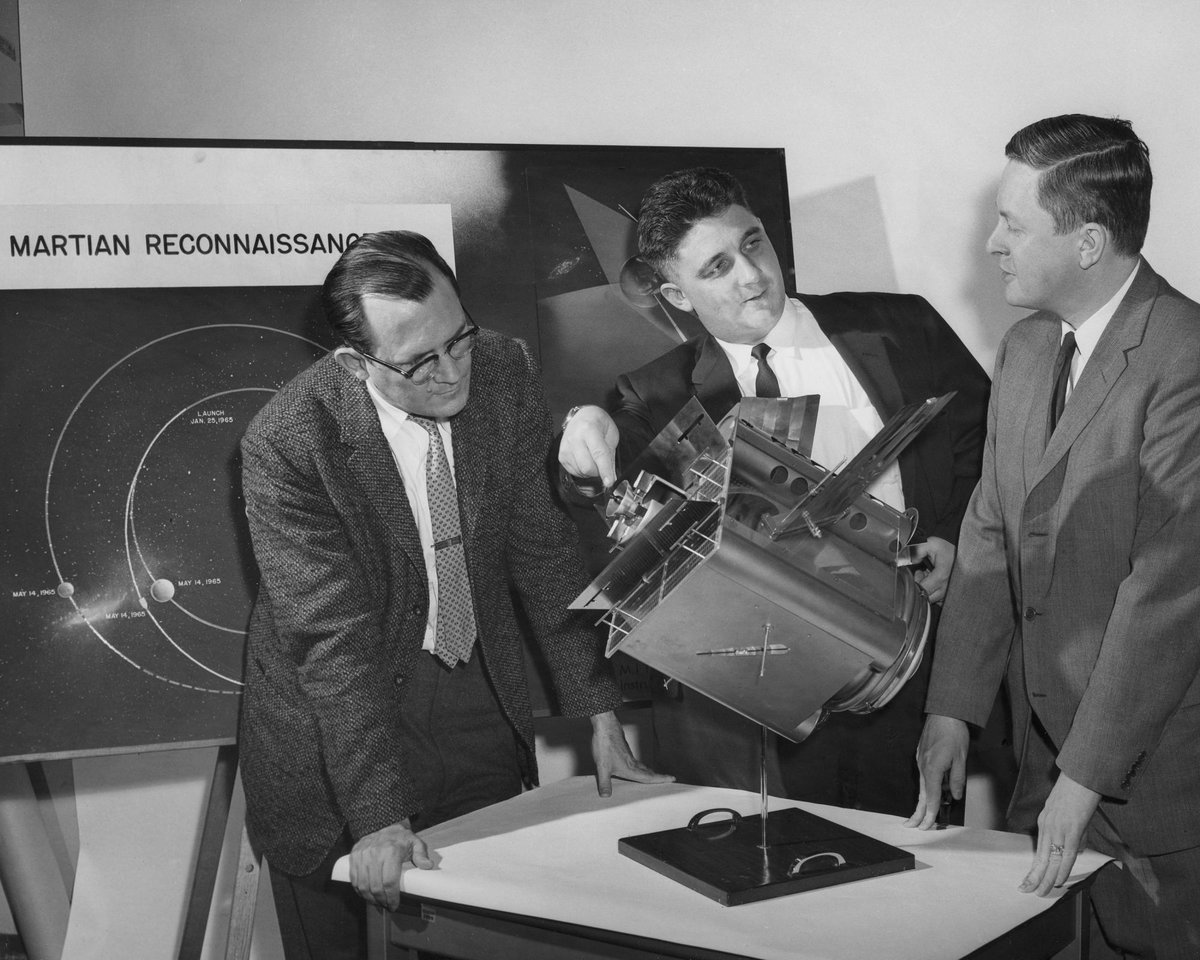
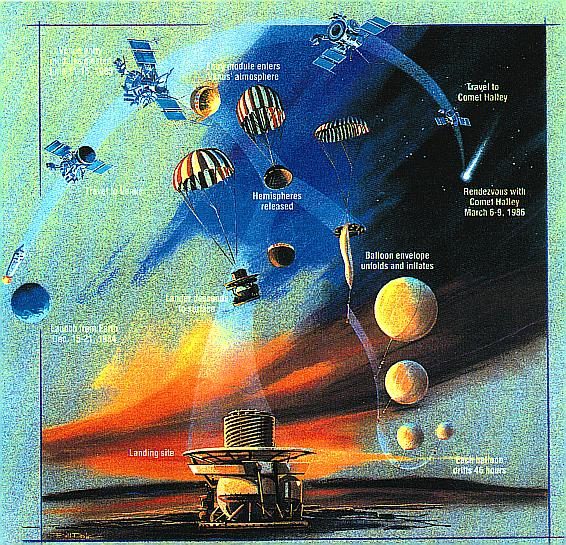
ALT https://assets.mitmuseum.mit.edu/iiifimg3/63370231/full/max/0/default.jpg?response-content-disposition=attachment; filename=63370231.jpg
1
1
15
1,424
Jun 12
Pretty sick
Jun 12

Scientists Map 110 Quadrillion km of Underground Fungal Networks…
A billion Times The Distance From Earth to the Sun!
Earth’s Vast Underground “Carbon Superhighway”
A groundbreaking new study published today in the journal Science has revealed, for the first time, the global scale of one of Earth’s most important but hidden biological infrastructures: the networks of arbuscular mycorrhizal (AM) fungi.
These thread-like fungal structures, known as hyphae, form symbiotic partnerships with roughly 70% of land plant species—including major crops like wheat, corn, and rice.
In exchange for sugars from the plants, the fungi deliver essential nutrients (such as phosphorus and nitrogen) and water, while also playing a massive role in storing carbon underground.
Mind-Boggling Scale
Using data from more than 16,000 soil cores worldwide, machine-learning models, and high-resolution robotic imaging of fungal hyphae, researchers estimated:
•Total length: ~110 quadrillion kilometers (1.10 × 10¹⁷ km) of living hyphae in the top 15 cm of global soils—enough to stretch nearly a billion times the distance from Earth to the Sun (or about 10% of the diameter of the Milky Way if laid out in space).
•Biomass: ~300 megatons of carbon, equivalent to 4–6 times the biomass of all humans on Earth.
•These networks move about 1 billion metric tons of carbon per year into soils, acting as a critical “carbon circulatory system” that helps regulate the planet’s climate.
Densities are highest in grasslands, with notable hotspots in places like the Sudd wetlands in Africa and the Everglades.
The “Wood Wide Web” at Planetary Scale
This research builds on the popular “Wood Wide Web” concept, where fungi connect plants in shared resource networks.
The new global maps (available for exploration via the Society for the Protection of Underground Networks, or SPUN) show these connections operating at an ecosystem-wide level, supporting plant health, resilience to drought and disease, and food security.
These fungi are vital allies in the fight against climate change and for sustainable agriculture. However, they face threats from soil disturbance (like tillage), pesticides, and land-use changes.
The study also highlights gaps in sampling, particularly in undersampled ecosystems that need further research.
Read the full research paper (paywalled, but abstract freely available): science.org/doi/10.1126/scie…
Global density and biomass of arbuscular mycorrhizal fungal networks
Explore interactive maps and learn more at SPUN.earth.
This discovery underscores how much of Earth’s life-support systems remain invisible to the naked eye yet operate on a truly planetary scale.
Protecting these underground networks could be one of the most effective ways to sustain healthy soils, productive crops, and a stable climate.
25
Atmo 🇺🇸 🇺🇦 retweeted

Jun 10
Writing new code in Matlab in 2026 is inexcusable
2
1
7
365
Jun 2
Reading ICD-200 be like
Jun 2

For 19 years, GPS satellites have secretly broadcast a “numbers station” in their public signals. We decoded 12M messages: a 2011 flash where 31 of 32 satellites flipped in hours, “ghost” substrings repeating years apart, and a “TEXT” prefix spreading now. lsc-pagepro.mydigitalpublica…
70
May 29
When you’re both 💀
May 29

If you're ever frustrated with debugging code, just remember - you could have been a rocket scientist:
37
May 20
Huge.
May 19

JUST IN: Tonic is joining the gRPC project
#rustlang
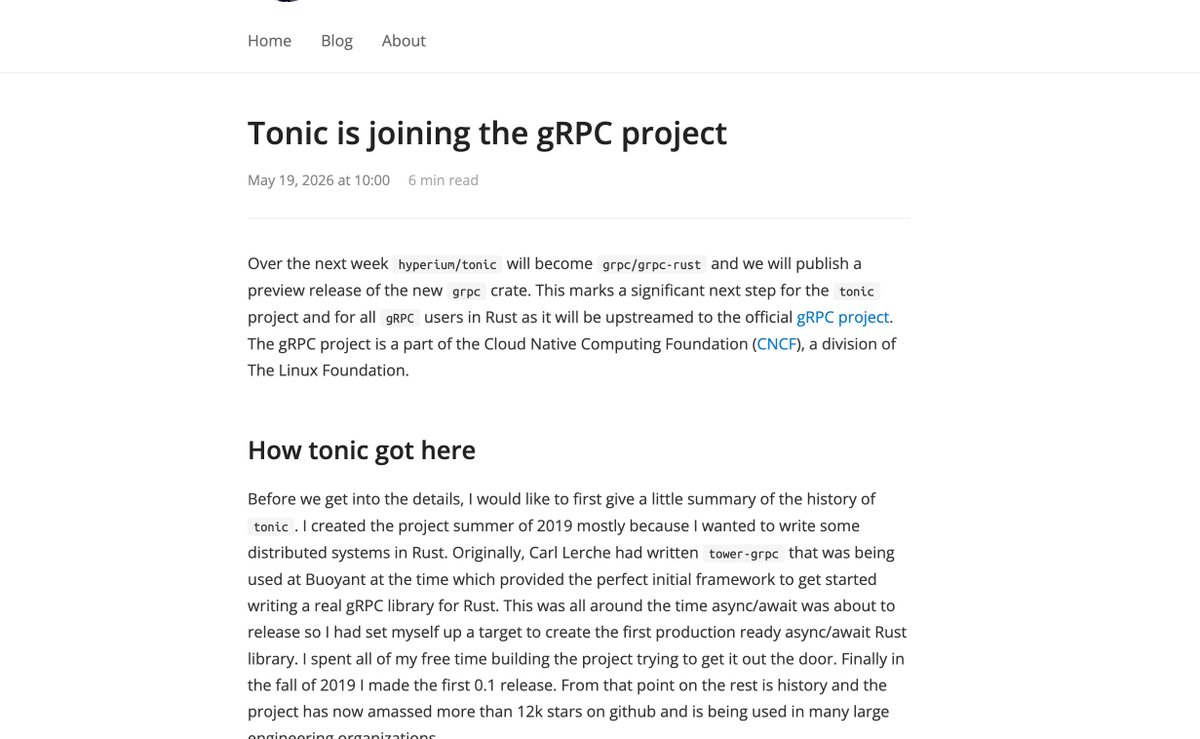
ALT Photo: Tonic is joining the gRPC project screenshot
1
1
45
Atmo 🇺🇸 🇺🇦 retweeted

May 15
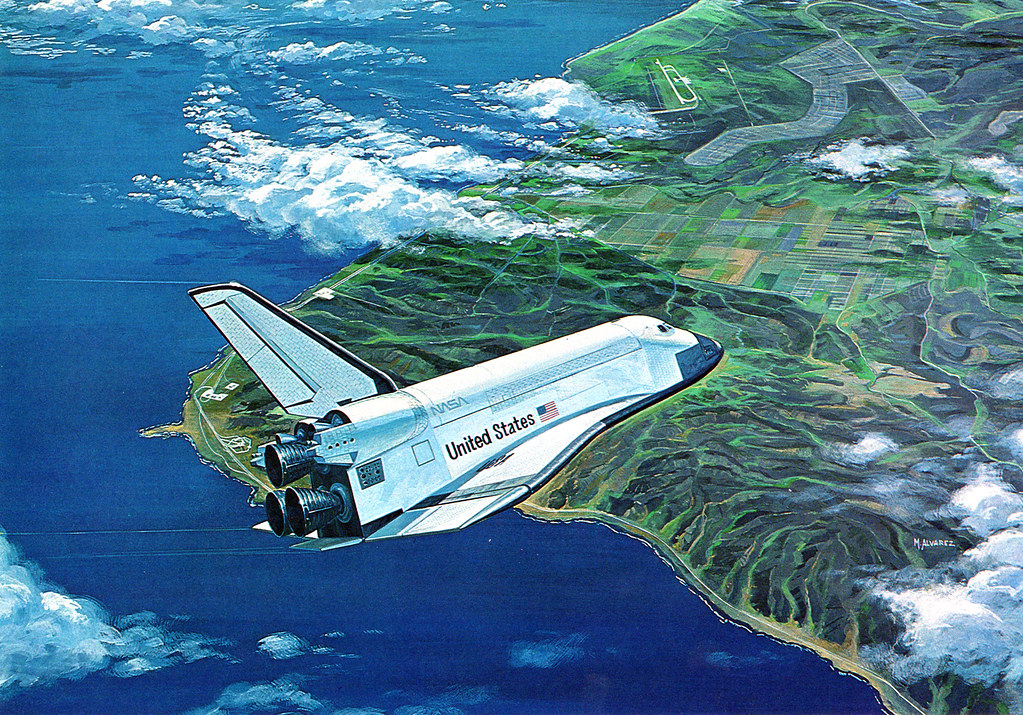
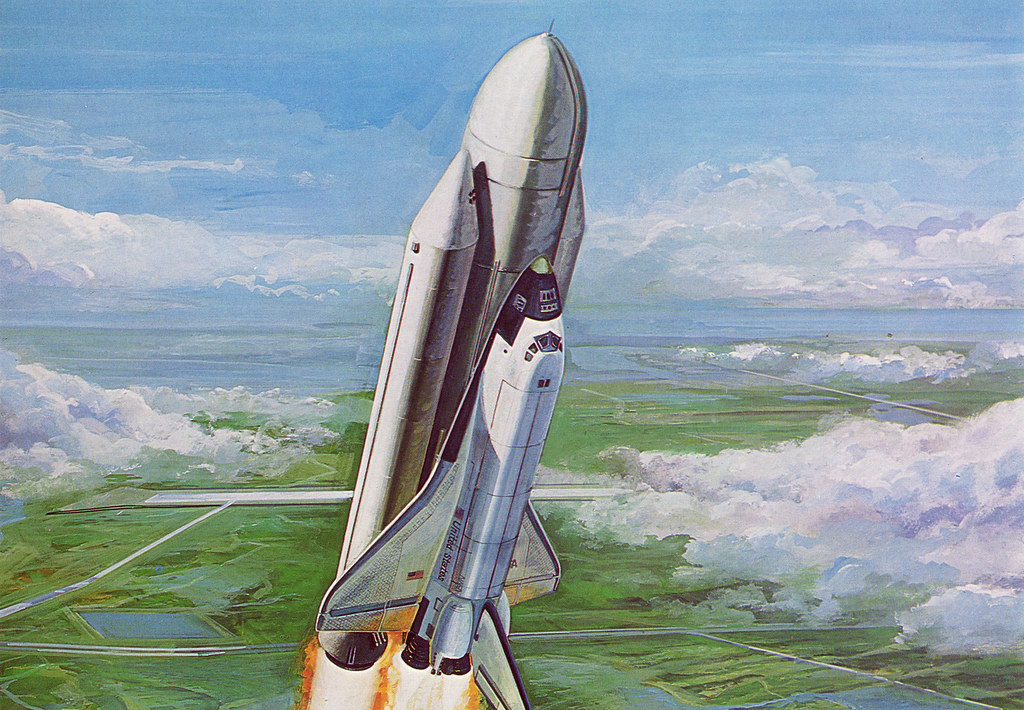
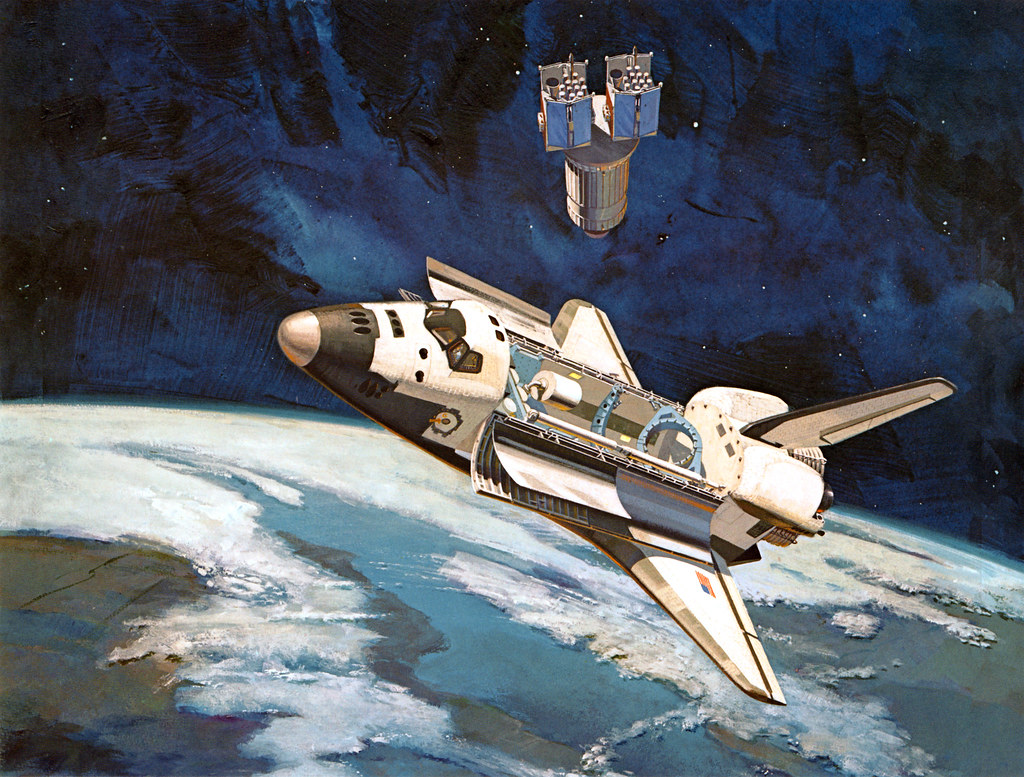
Shuttle concept art to get your day started

8
105
1,028
20,491
Atmo 🇺🇸 🇺🇦 retweeted

May 12
CBO: The Golden Dome will cost $1.2T to build and operate for 20 years
cbo.gov/publication/62379
25
54
126
102,774
Atmo 🇺🇸 🇺🇦 retweeted

May 11
Italy has successfully completed a suborbital demonstration of its Aviolancio air-launched rocket using a T4i HAX25 sounding rocket.
europeanspaceflight.com/ital…
7
62
306
42,841
Atmo 🇺🇸 🇺🇦 retweeted

May 9
Average colors of the USA from satellite imagery, by Erin Davis
7
69
999
48,566
May 5
Turkey, the purveyor of steam powered Rockets, and single stage ICBMs.
1
1
337
May 5
Extreme doubt here.

2
78
May 3
Turns out increasing max iterations on an Ax=b solvers gives you better results.
1
54