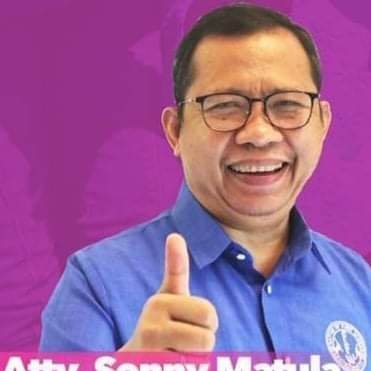
FFW President; N1 Chair;Reserve Army Major; former Presidential Anti-graft ExecDir; Lawyer; MCLE/Law Lecturer; MLQU-Law 97; MSU 87.
Joined December 2020
- Tweets 7,059
- Following 20,028
- Followers 62,970
- Likes 7,789
2,659 Photos and videos
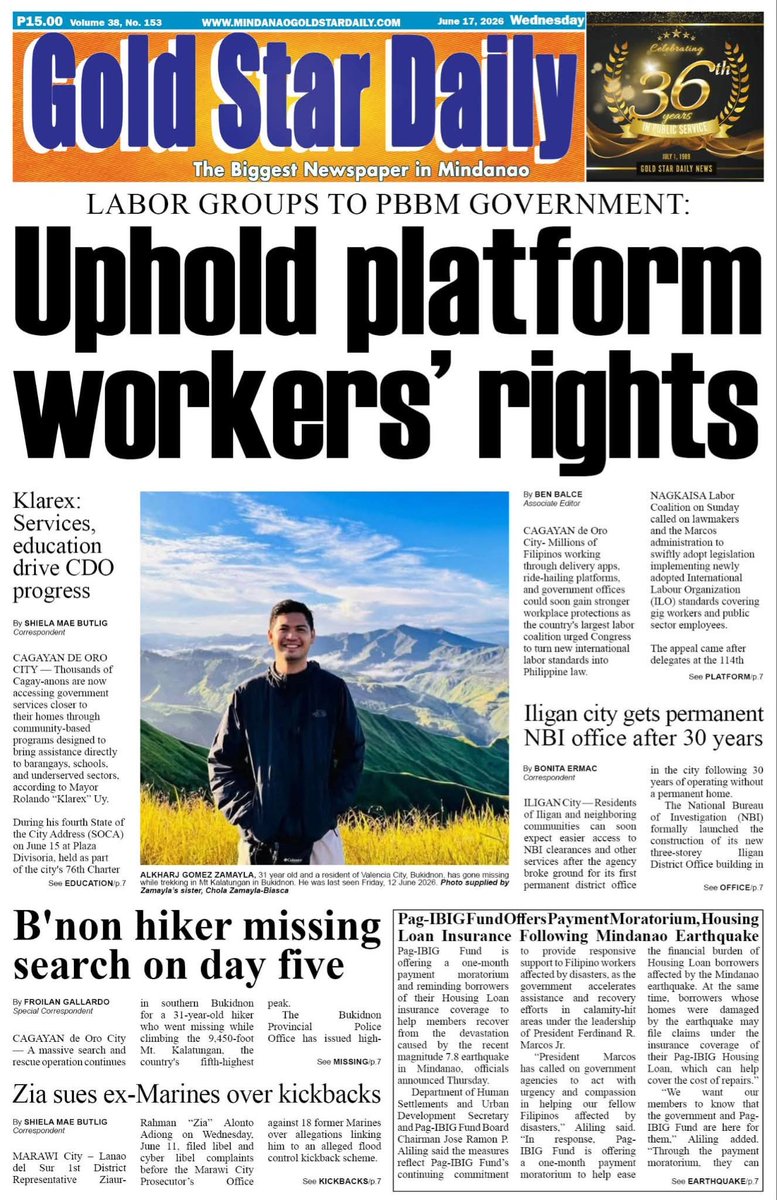

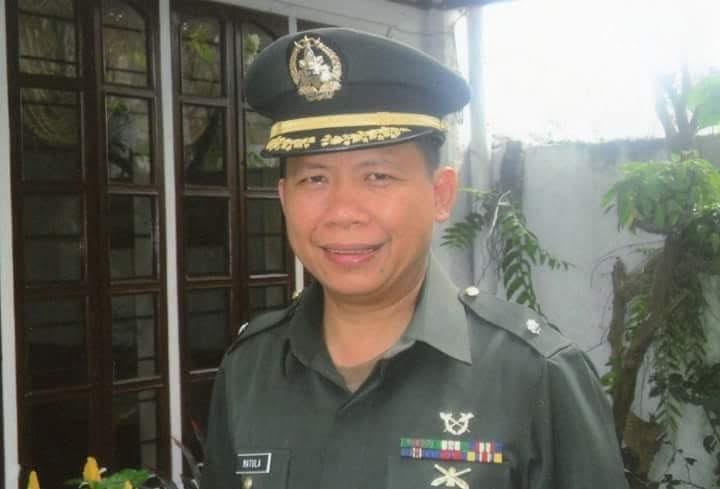
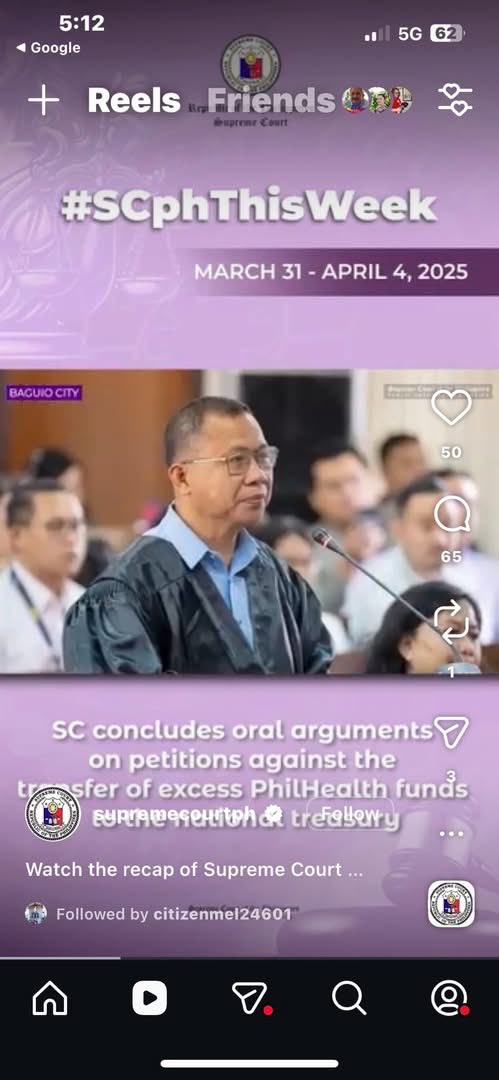
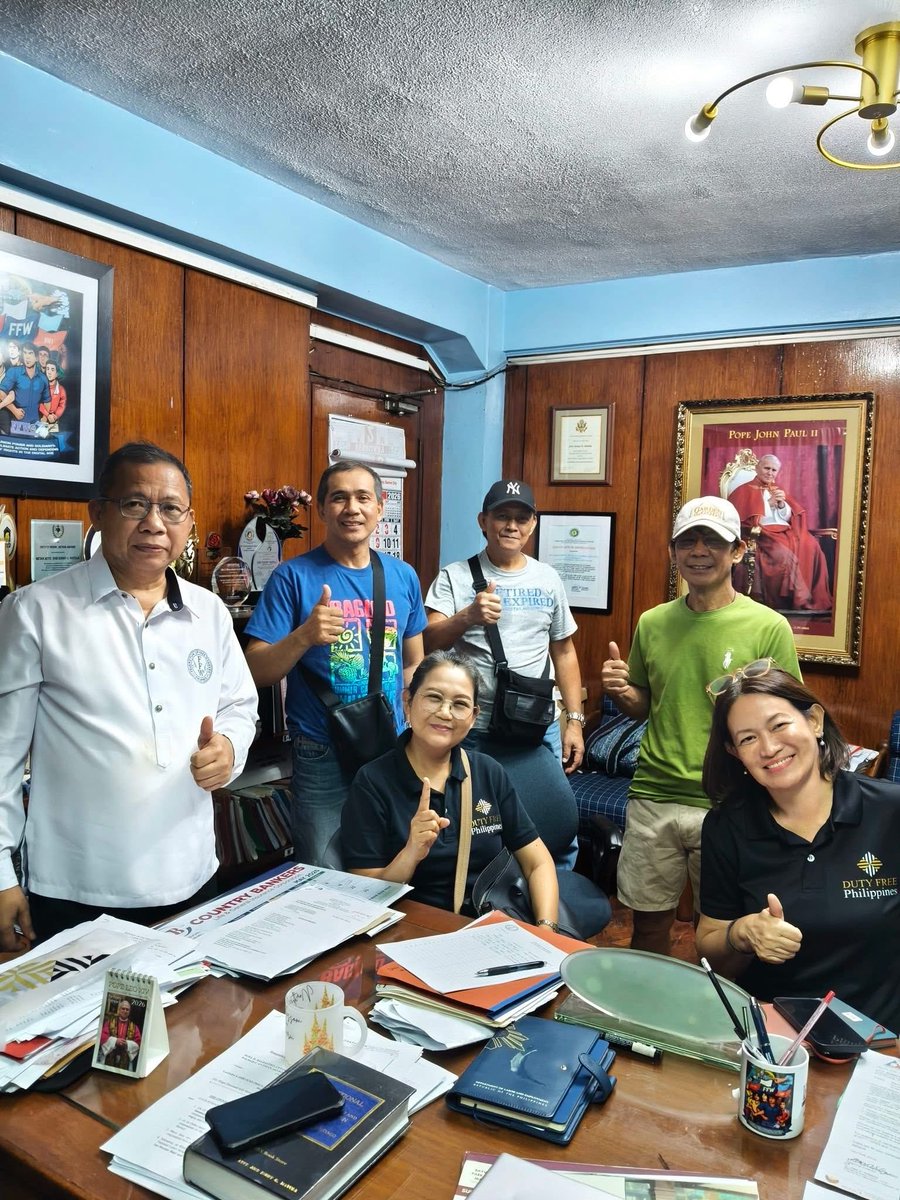
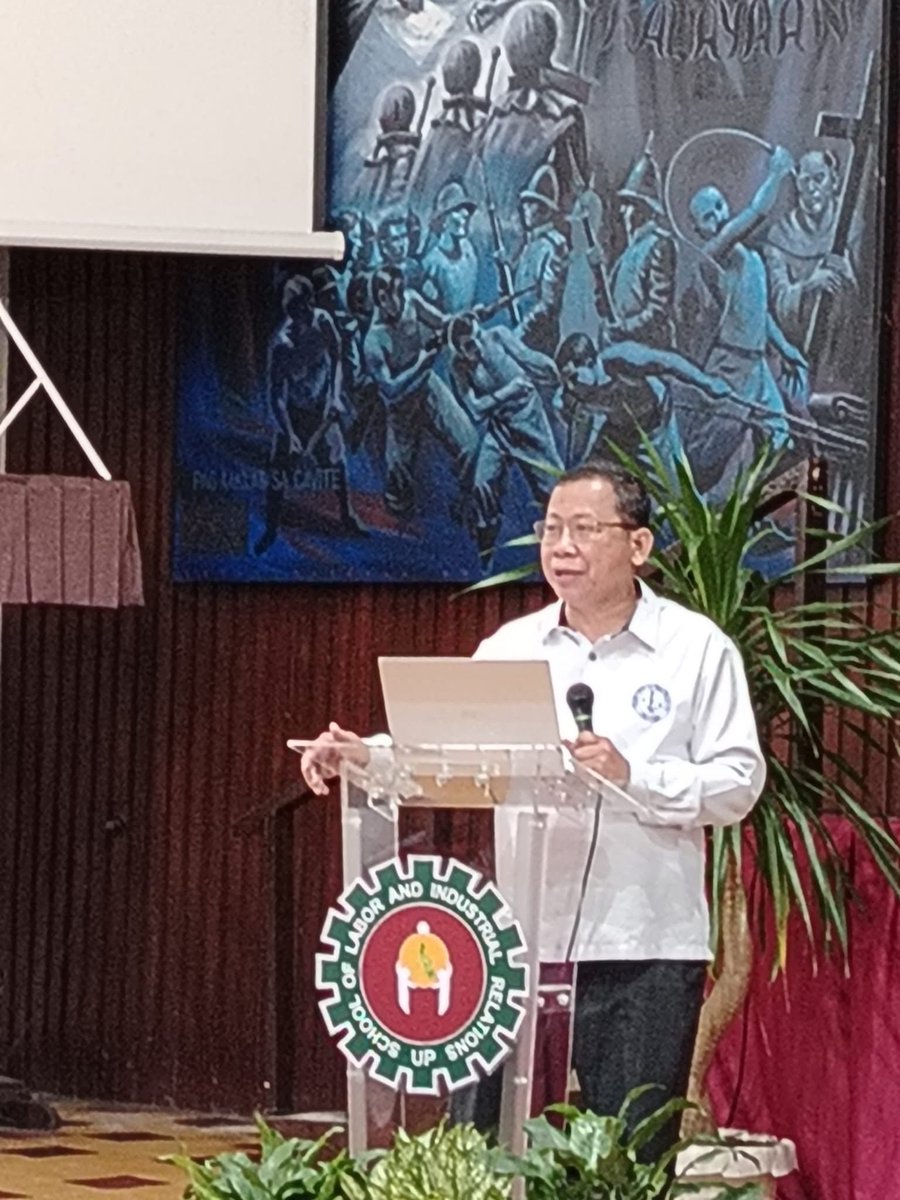
NAGKAISA Labor Coalition on Sunday called on lawmakers and the Marcos administration to swiftly adopt legislation implementing newly adopted International Labour Organization (ILO) standards covering gig workers and public sector employees.
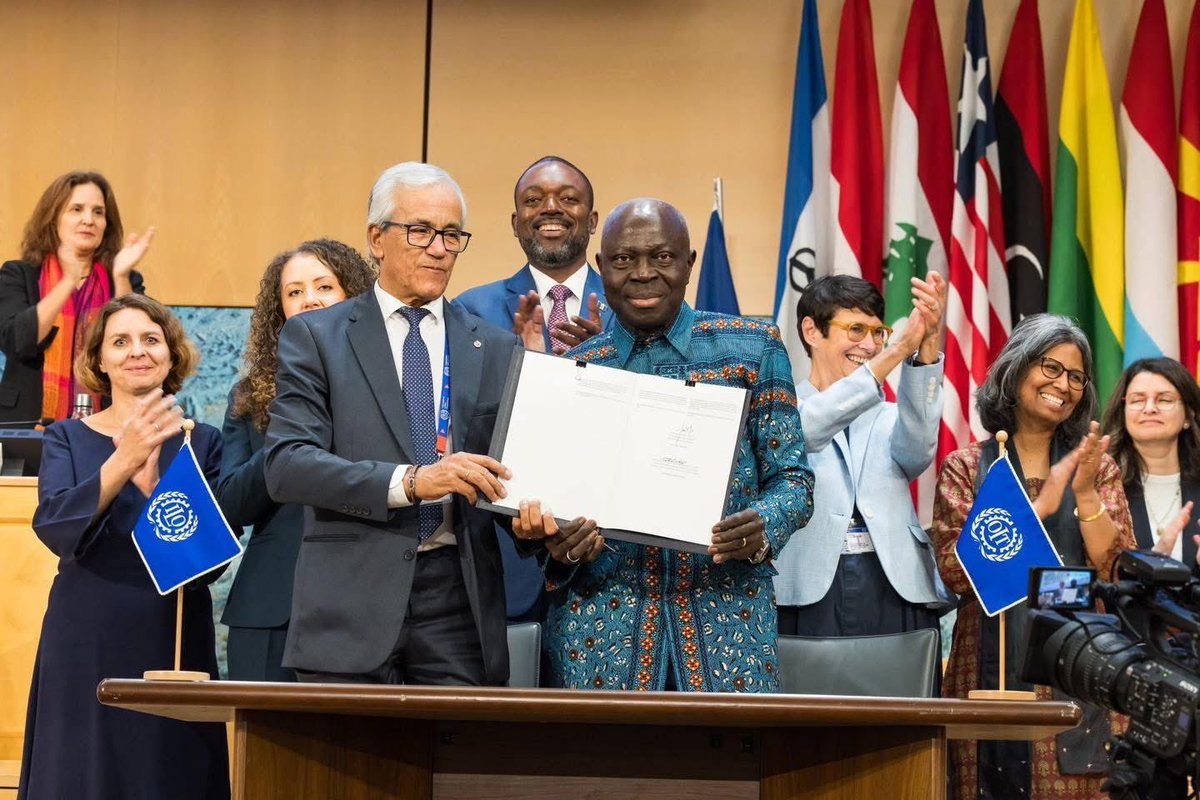
The appeal came after delegates at the 114th International Labour Conference in Geneva approved ILO Convention No. 193 on Decent Work in the Platform Economy, the first global treaty specifically designed to protect workers earning through digital platforms.
If adopted locally, the convention could benefit thousands of Filipino riders, delivery drivers, online freelancers, and other app-based workers by guaranteeing fair pay, social protection, workplace safety, and safeguards against arbitrary account suspensions.
mindanaogoldstardaily.com/ar…
1
27

Jun 15
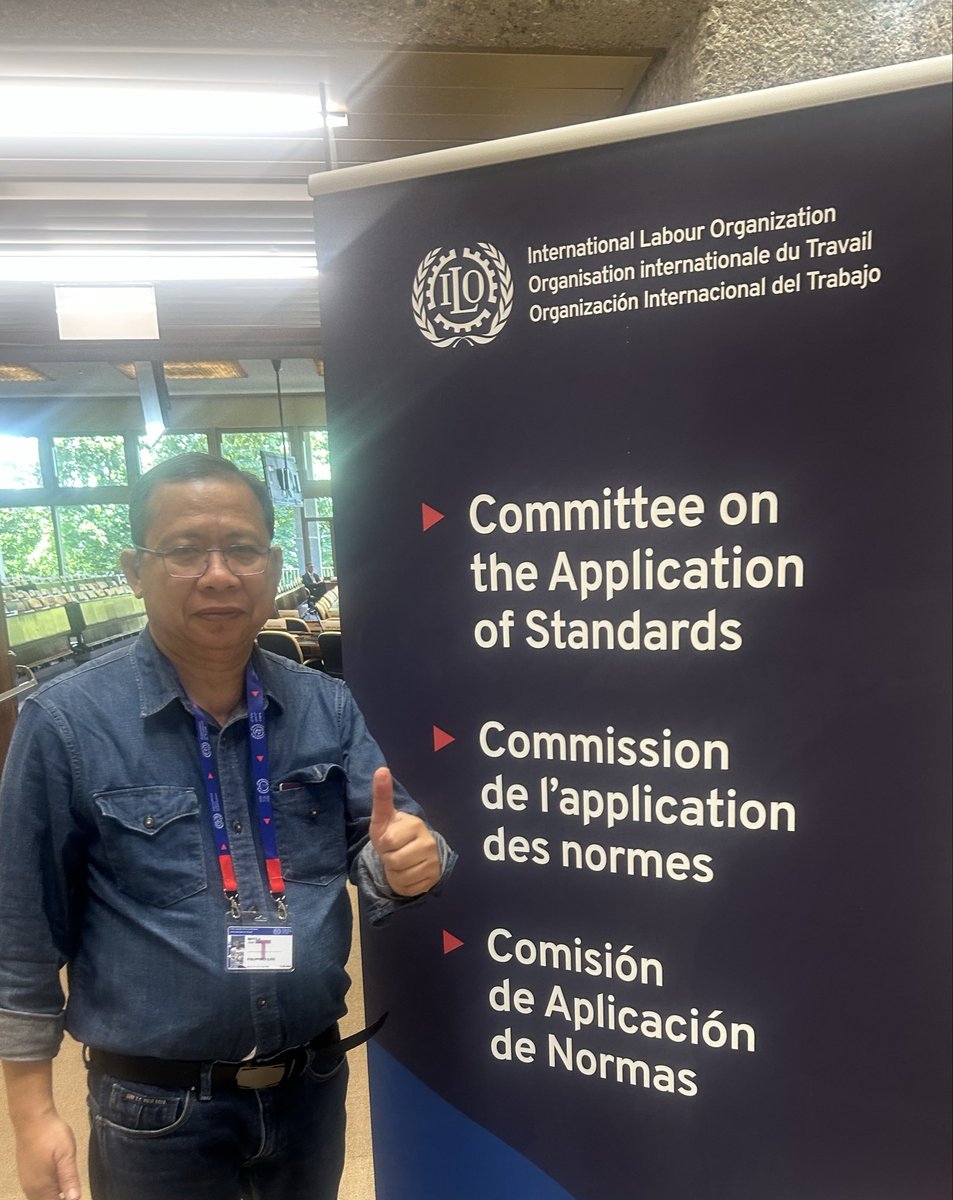
The Nagkaisa Labor Coalition (Nagkaisa) cited the adoption of ILO Convention 193 on Decent Work in the Platform Economy and the recommendations issued by the Committee on the Application of Standards (CAS) regarding the Philippines’ compliance with Convention 98 on the Right to Organize and Collective Bargaining.
manilatimes.net/2026/06/15/n…
192
Jun 14
After Tripartite Partners in Geneva Have Spoken: NAGKAISA Urges Swift Adoption of Domestic Laws Implementing ILO Conventions 193 (Gig workers) and 151 (public sector workers)
(1) The largest labor coalition warmly welcomes two significant developments at the recently concluded 114th International Labour Conference (ILC) in Geneva: the adoption of the landmark ILO Convention No. 193 on Decent Work in the Platform Economy and the conclusions and recommendations of the Committee on the Application of Standards (CAS) on the Philippines’ compliance with Convention No. 98 on the Right to Organise and Collective Bargaining.
For NAGKAISA Labor Coalition, these developments affirm a simple but powerful principle: labour rights must evolve with the times, whether workers are employed in factories, government offices, or digital platforms.
On 12 June 2026, the International Labour Conference adopted ILO Convention No. 193 on Decent Work in the Platform Economy, the first international treaty dedicated to workers performing jobs through digital labour platforms.
Convention No. 193 establishes global standards for platform work regardless of employment classification. It requires countries to classify workers according to the reality of their working relationship rather than contractual labels. It also introduces, for the first time in international labour law, standards on algorithmic management, requiring transparency, explanations for significant automated decisions, and human review of decisions affecting workers’ livelihoods.
The Convention further guarantees fair remuneration, social protection, occupational safety and health, protection against violence and harassment, safeguards for workers’ personal data and privacy, and protection against discriminatory account suspensions and deactivations.
NAGKAISA hailed Convention No. 193 as a landmark treaty that brings labour standards into the digital age.
“Sa nakaraan, ang boss ay may opisina at nameplate. Ngayon, maaari siyang nasa app at nakatago sa algorithm. Ngunit kahit gaano kabilis ang teknolohiya, hindi dapat mabagal ang karapatan ng manggagawa. Ang Convention No. 193 ay nagpapaalala na ang manggagawa ay tao, hindi data; may dangal, hindi disposable,” the coalition said.
NAGKAISA noted that the Philippines need not start from scratch. Singapore and Malaysia have earlier adopted domestic laws protecting workers in the gig economy, demonstrating that innovation and labour protection can go hand in hand.
“Singapore at Malaysia ay mayroon nang batas para protektahan ang mga manggagawa sa gig economy. Hindi dapat maiwang naka-buffer ang Pilipinas habang ang ating mga kapitbahay ay naka-download na ng mas makatarungang pamantayan sa paggawa. Ang hinaharap ng trabaho ay narito na. Dapat humabol ang ating mga batas,” the coalition added.
The coalition therefore urged the Philippine Government and Congress to immediately study and adopt domestic legislation implementing Convention No. 193.
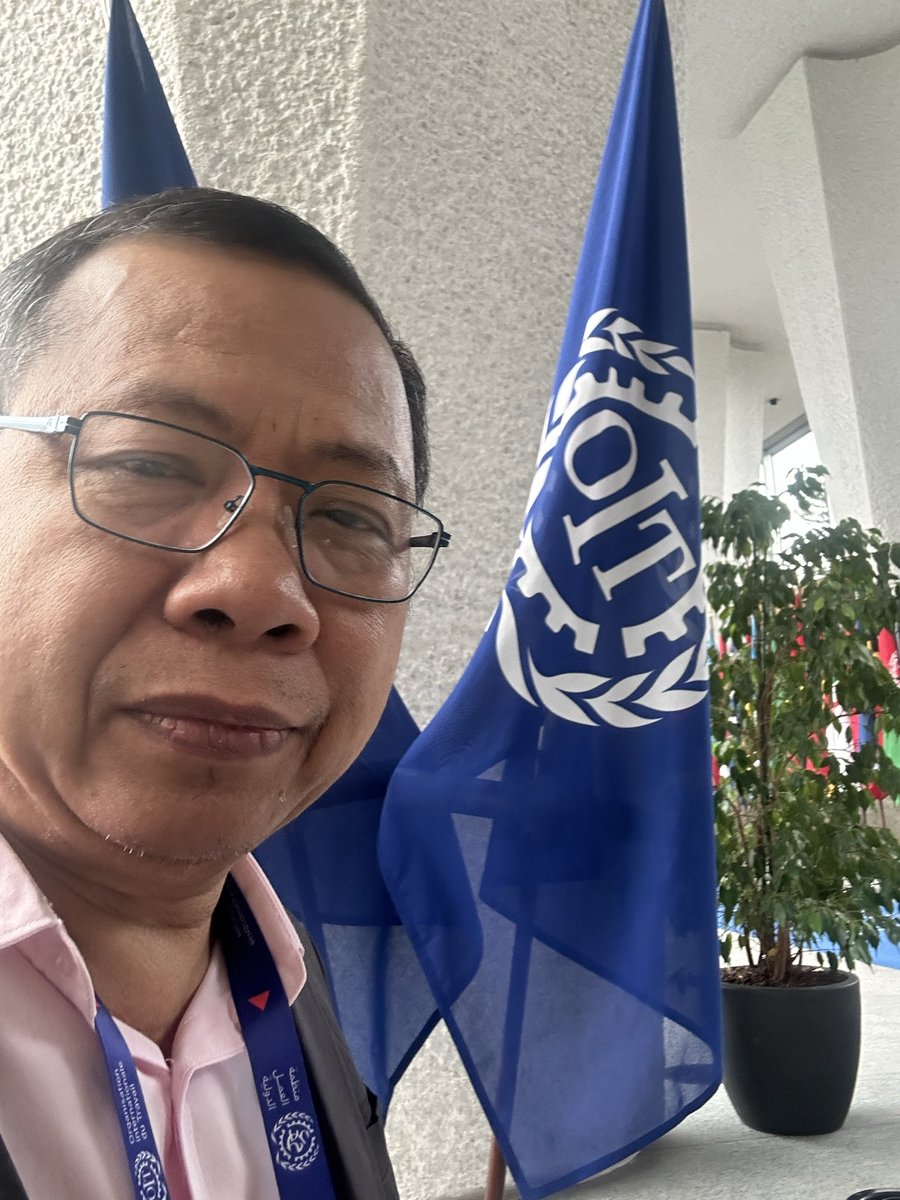
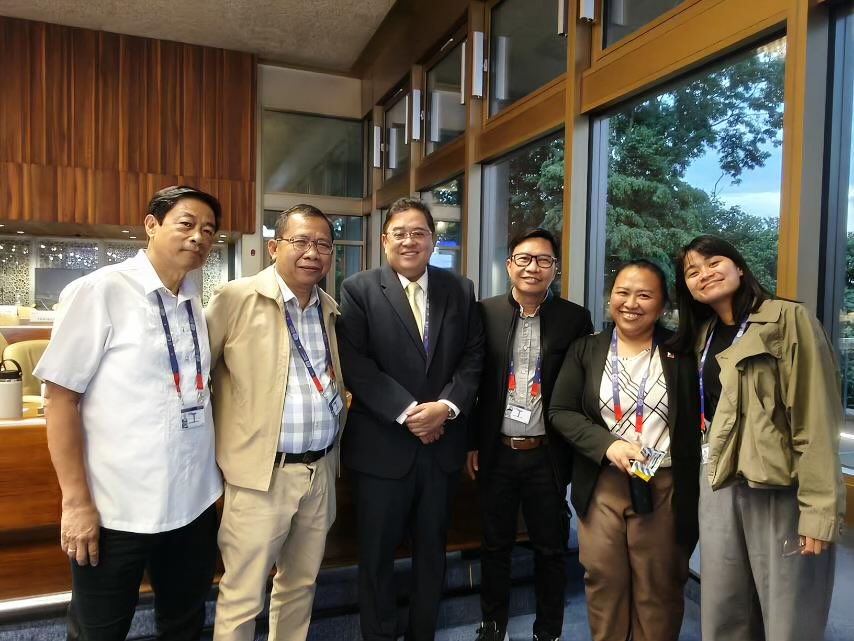
2
317
Jun 14
(2) Meanwhile, NAGKAISA also welcomed the conclusions and recommendations adopted by the CAS following its examination of the Philippines’ compliance with Convention No. 98 on the Right to Organise and Collective Bargaining.
The CAS urged the Philippine Government, in consultation with the most representative workers’ and employers’ organizations, to undertake effective and time-bound measures to ensure full conformity with Convention No. 98; investigate allegations of union-busting, blacklisting, anti-union dismissals and suspensions; harmonize legislation to ensure that all workers are covered by the Convention; strengthen collective bargaining rights in the public sector; and address concerns over third-party interference in collective bargaining.
NAGKAISA welcomed the recommendations as an opportunity for constructive reforms through social dialogue.
“Ang CAS conclusions ay hindi namin tinitingnan na pulang kard laban sa Pilipinas. Isa itong playbook para sa reporma. At kung may leksyon man ang Geneva, ito ay ito: ang mga kawani ng gobyerno ay hindi second-class workers. Ang kanilang karapatan sa pag-uunyon at pakikipagkasundo ay hindi dapat manatiling souvenir mula Geneva kundi maging batas ng bayan,” the coalition said.
In particular, NAGKAISA urged the Marcos administration and Congress to adopt domestic legislation implementing ILO Convention No. 151 on Labour Relations in the Public Service.
The Senate ratified ILC 151 in 2017 but no domestic law implementing except EO 180 which needs amendments to conform with said convention.
“Teachers, nurses, government clerks, social workers, utility workers, at milyon-milyong lingkod-bayan ang nagpapatakbo sa makina ng gobyerno araw-araw. Nararapat lamang na magkaroon sila ng makabuluhang representasyon at tunay na boses sa lugar ng trabaho. Ang serbisyo publiko ay hindi dapat maging dahilan upang isuko ang mga batayang karapatan sa paggawa,” NAGKAISA said.
The coalition concluded:
“Nagkaisa ang mga manggagawa, employer, at pamahalaan sa Geneva. Panahon na upang magkaisa rin ang Pilipinas sa pagkilos. Ang mga pandaigdigang pamantayan sa paggawa ay hindi dapat manatiling alaala ng isang kumperensya o nakasabit lamang sa dingding. Dapat itong maisabatas, maisabuhay, at maipadama sa bawat manggagawa. Nagsalita na ang Geneva. Kumilos naman ang Maynila—at gawin ito nang walang patumpik-tumpik.”###
Jun 14

After Tripartite Partners in Geneva Have Spoken: NAGKAISA Urges Swift Adoption of Domestic Laws Implementing ILO Conventions 193 (Gig workers) and 151 (public sector workers)
The largest labor coalition warmly welcomes two significant developments at the recently concluded 114th International Labour Conference (ILC) in Geneva: the adoption of the landmark ILO Convention No. 193 on Decent Work in the Platform Economy and the conclusions and recommendations of the Committee on the Application of Standards (CAS) on the Philippines’ compliance with Convention No. 98 on the Right to Organise and Collective Bargaining.
For NAGKAISA Labor Coalition, these developments affirm a simple but powerful principle: labour rights must evolve with the times, whether workers are employed in factories, government offices, or digital platforms.
On 12 June 2026, the International Labour Conference adopted ILO Convention No. 193 on Decent Work in the Platform Economy, the first international treaty dedicated to workers performing jobs through digital labour platforms.
Convention No. 193 establishes global standards for platform work regardless of employment classification. It requires countries to classify workers according to the reality of their working relationship rather than contractual labels. It also introduces, for the first time in international labour law, standards on algorithmic management, requiring transparency, explanations for significant automated decisions, and human review of decisions affecting workers’ livelihoods.
The Convention further guarantees fair remuneration, social protection, occupational safety and health, protection against violence and harassment, safeguards for workers’ personal data and privacy, and protection against discriminatory account suspensions and deactivations.
NAGKAISA hailed Convention No. 193 as a landmark treaty that brings labour standards into the digital age.
“Sa nakaraan, ang boss ay may opisina at nameplate. Ngayon, maaari siyang nasa app at nakatago sa algorithm. Ngunit kahit gaano kabilis ang teknolohiya, hindi dapat mabagal ang karapatan ng manggagawa. Ang Convention No. 193 ay nagpapaalala na ang manggagawa ay tao, hindi data; may dangal, hindi disposable,” the coalition said.
NAGKAISA noted that the Philippines need not start from scratch. Singapore and Malaysia have earlier adopted domestic laws protecting workers in the gig economy, demonstrating that innovation and labour protection can go hand in hand.
“Singapore at Malaysia ay mayroon nang batas para protektahan ang mga manggagawa sa gig economy. Hindi dapat maiwang naka-buffer ang Pilipinas habang ang ating mga kapitbahay ay naka-download na ng mas makatarungang pamantayan sa paggawa. Ang hinaharap ng trabaho ay narito na. Dapat humabol ang ating mga batas,” the coalition added.
The coalition therefore urged the Philippine Government and Congress to immediately study and adopt domestic legislation implementing Convention No. 193.
1
95
Jun 14
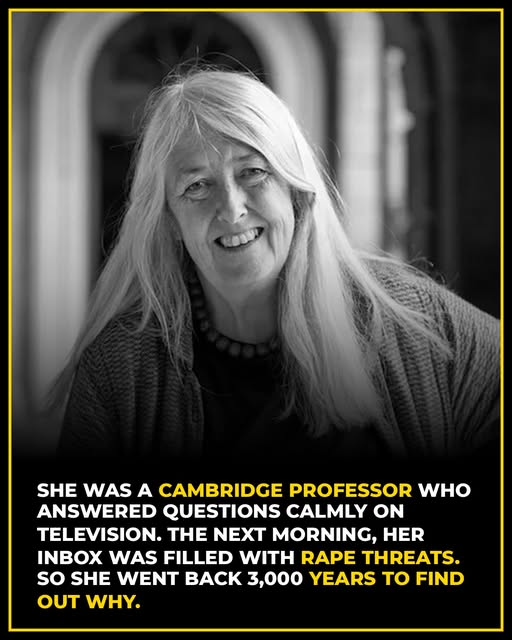
She was Cambridge University Professor

She was 57 years old.
White hair. No carefully managed image. No media training designed to make her more palatable. Just thirty years of accumulated knowledge and the calm, unhurried authority of a woman who had spent her life mastering her subject.
She sat on a BBC panel, answered questions about immigration and politics, cited evidence, made arguments — and then went home.
The next morning, her inbox looked like a crime scene.
Her name is Mary Beard — Cambridge professor, classicist, one of the most respected scholars of ancient Rome and Western civilisation alive. And the internet had decided that a woman speaking with quiet authority on television needed to be punished for it.
The messages were not criticism. They were not debate. They were rape threats. Death threats. Coordinated campaigns of personal destruction targeting her appearance, her age, her voice — anything that could be used to remind her that spaces like the one she had just occupied were not meant for her.
Most people would have gone quiet.
Mary Beard went further in.
She did what scholars do when they find a pattern that disturbs them: she followed it backward. Through decades. Through centuries. Through millennia. All the way back to some of the oldest texts in Western civilisation.
And she found it had always been there.
In Homer's Odyssey — one of the foundational works of Western literature, nearly three thousand years old — there is a scene that most readers pass over without registering its quiet violence. Penelope comes downstairs and asks the poet to sing a different song. Her own son, Telemachus, cuts her off. He orders her back to her room and tells her plainly: speech is the business of men.
She goes.
Mary Beard read that scene and recognized it immediately.
Not as ancient history. As a pattern.
In ancient Rome, women who dared to speak in public were not described as orators or thinkers. They were described as noise — disorderly sound, something that did not deserve to be called language or argument. Their voices were not speech. Their thoughts were not thoughts.
In the medieval world, women who claimed public authority were labeled as witches.
Elizabeth I — Queen of England, ruler of a nation — had to rhetorically reshape herself into something masculine just to be taken seriously as the leader of her own country.
The silencing of women who speak with authority was not invented by social media. It was not a modern pathology or a cultural accident. It was built deliberately, over centuries, into the very foundations of how Western civilisation defined who gets to speak, what authority sounds like, and who is allowed to take up space in public life.
Mary Beard had found something important.
In 2017, she published Women & Power: A Manifesto — short enough to read in an afternoon, substantial enough to reframe everything you thought you understood about why this keeps happening.
Her argument was precise and devastating.
The problem is not that women lack the ability to lead. The problem is that the model of leadership itself — the template for what public authority looks, sounds, and feels like — was built by men over centuries and has never been redesigned. When a woman enters public life and doesn't fit that template, she is not failing. The template was never built for her. It was built specifically to exclude her, and it has been doing exactly that, efficiently and continuously, for three thousand years.
The solution, Beard argued, is not to teach women to perform power the way men have always performed it. The solution is to dismantle and rebuild the very concept of what power is allowed to look like.
She kept teaching. She kept writing. She kept appearing on television — white-haired, unhurried, carrying her decades of authority without performing it, without packaging it for comfort, without apologizing for it.
The threats continued.
But other messages began arriving too. Letters from women and girls who had spent their entire lives feeling that every door was slightly too narrow, every table slightly too high, every room slightly reluctant to make space for them. Women who had spent years wondering what was wrong with them — why they couldn't quite fit, couldn't quite belong, couldn't quite be taken seriously no matter how much they knew or how hard they worked.
They read the book and understood, perhaps for the first time, that nothing had ever been wrong with them.
The room had been designed without them in mind.
That is not a personal failing.
That is a three-thousand-year-old architectural decision.
And one Cambridge professor with white hair and a calm voice — who refused to go quiet when the internet told her to — spent her career documenting it, naming it, and handing that knowledge to everyone who needed to hear it.
Telemachus told Penelope that speech was the business of men.
He was wrong then.
He is still wrong now.
And Mary Beard has three thousand years of evidence to prove it.
via The Inspireist
#FeministFriday #HERstory
3
6
574
Jun 14
Last day in Geneva, Switzerland: Araw ng kalayaan sa Pilipinas!p
18
829
Jun 10
Maria Nelfa Bernudez, FFW vice president for Mindanao, said workplaces must be assessed immediately before operations resume.
“The earthquake has literally shaken up employees and workplaces, necessitating a pause from work as safety officers assess the extent of damage,” she said. “Workers’ lives, safety and health are the priority. Profits will have to wait.”
philstar.com/nation/2026/06/…
166
Jun 10
Maria Nelfa Bernudez, FFW vice president for Mindanao, said workplaces must be assessed immediately before operations resume.
“The earthquake has literally shaken up employees and workplaces, necessitating a pause from work as safety officers assess the extent of damage,” she said. “Workers’ lives, safety and health are the priority. Profits will have to wait.”
philstar.com/nation/2026/06/…
1
259
Jun 10
The Federation of Free Workers called on the Department of Labor and Employment (DOLE) to conduct occupational safety and health (OSH) inspections in workplaces.
The FFW said DOLE must ensure that the OSH standards are met in workplaces before allowing work to continue or resume following the calamity.
malaya.com.ph/news/national-…
1
121
Jun 10
Let us support and extend solidarity.
Let us also pray for the victims and condole to the bereaved families.
Jun 10

MINDANAO QUAKE DEATH TOLL CLIMBS TO 45
The Office of the Civil Defense said the death toll from the magnitude 7.8 earthquake has risen to 45 as of 6 a.m. Wednesday, June 10. The number of missing individuals has also increased to 17.
Most of the fatalities were reported in General Santos City, Davao Occidental, and Sarangani, according to the OCD.
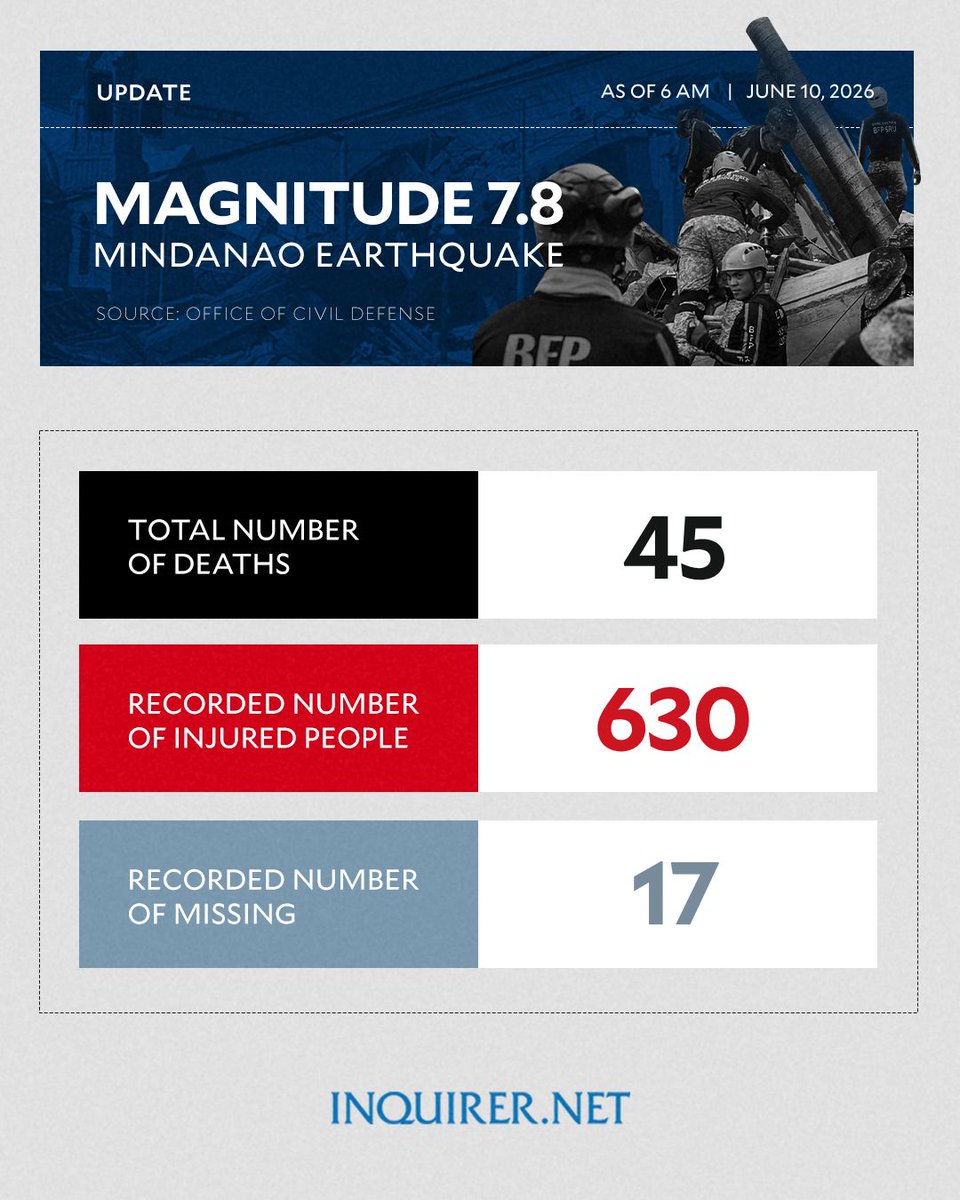
ALT The Office of the Civil Defense said the death toll from the magnitude 7.8 earthquake has risen to 45 as of 6 a.m. Wednesday, June 10. The number of missing individuals has also increased to 17.
3
198
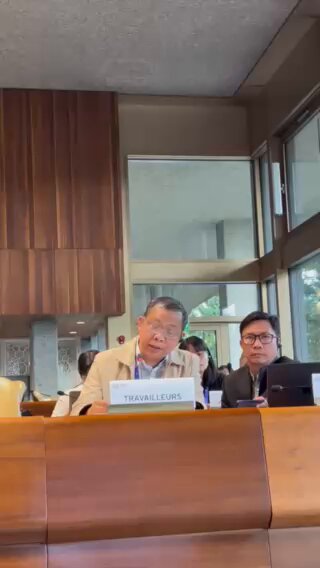
Intervention before the Committee on Application of Standards during the review of compliance of Papua New Guinea on ILC 100/111.
Atty. Sonny Matula is a worker adviser for the Phil Tripartite Delegation to the 114th International Labor Conference in Geneva, Switzerland.
2
542
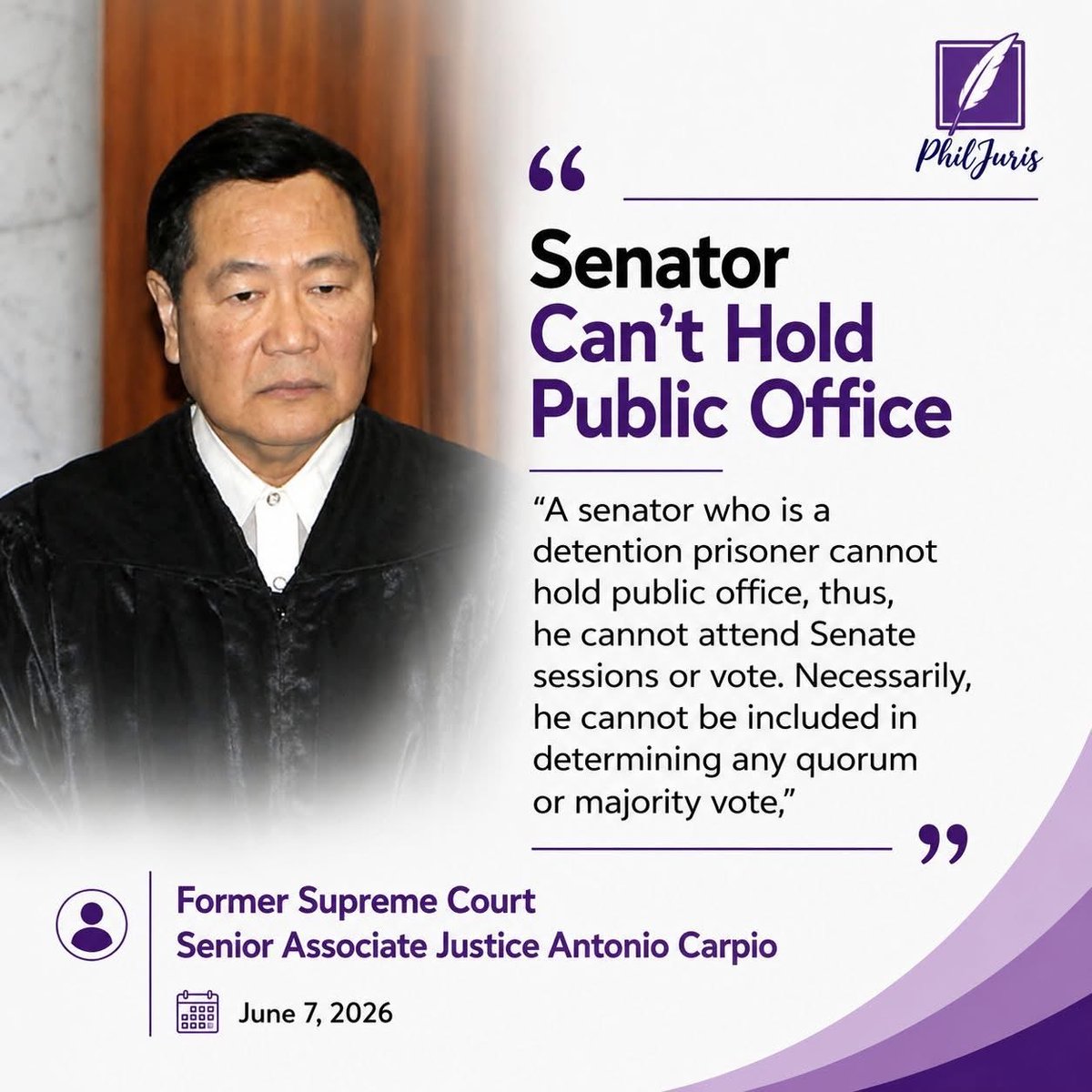
This is a living constitution view.
“The Constitution is intended to endure for ages to come and consequently to be adapted to the various crises of human affairs,” said CJ John Marshall in McCulloch v. Maryland

5
217
Federation of Free Workers (FFW) President and Nagkaisa Chairman Sonny Matula on Sunday said the high-level review on June 8 in Geneva comes at a time when labor organizations’ collective bargaining coverage in the Philippines remains low despite the presence of thousands of registered unions nationwide.
manilatimes.net/2026/06/08/n…
1
155
FEDERATION of Free Workers (FFW) President Sonny Matula, meanwhile, said the review process could ultimately benefit the country if it leads to stronger compliance with international labor standards.
“Strong respect for freedom of association and collective bargaining will invite stable and responsible businesses and attract investors from the European Union, the United States, and other countries that are committed to due diligence, human rights, and responsible business conduct,” he said.
businessmirror.com.ph/2026/0…
171
FFW President and Nagkaisa Chair Atty. Sonny Matula said the process of becoming a certified bargaining agent has become increasingly difficult, with some unions spending years navigating legal and administrative hurdles before collective bargaining can even begin.
mindanaogoldstardaily.com/ar…
313
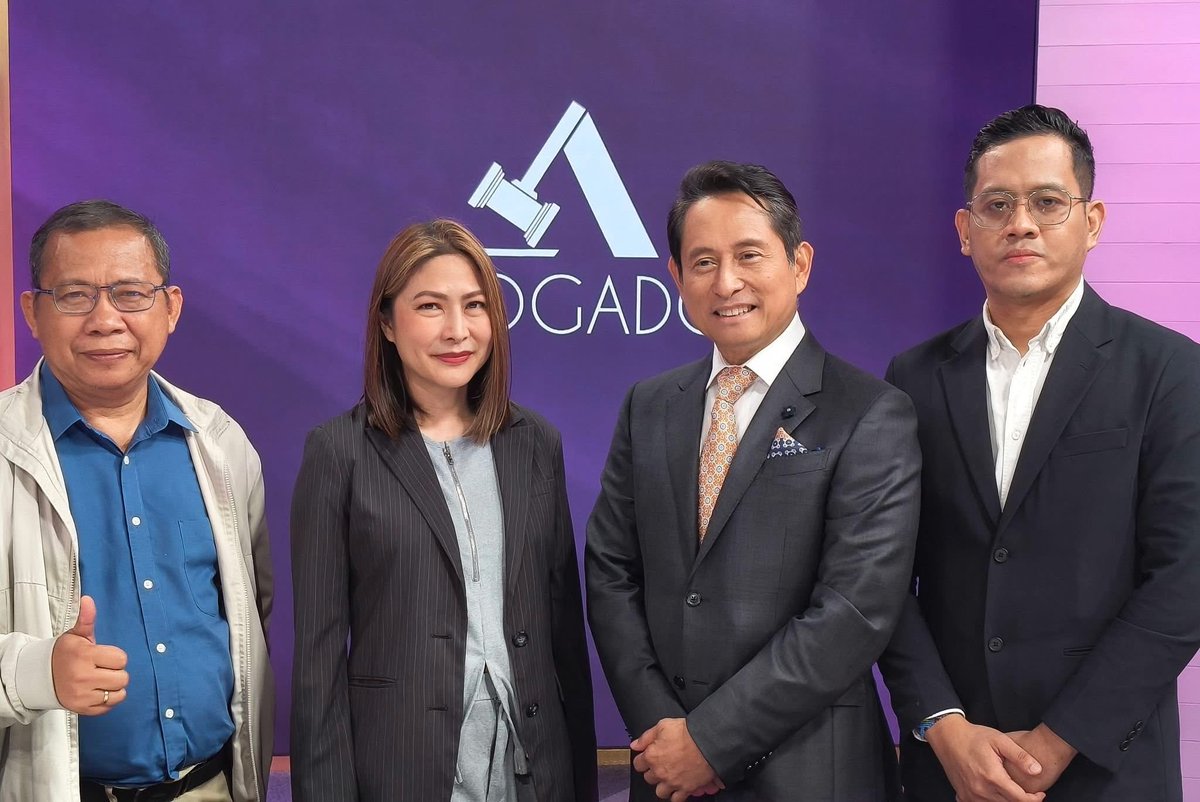
Atty. Sonny Matula argues that if a provision was clearly questionable, the President had the power to veto it—but did not. He also points out the sharp increase in unprogrammed appropriations, from the Executive’s proposal of about ₱232 million to over ₱800 billion in 2023 and ₱731 billion in 2024, raising concerns about how these provisions were approved

PBBM COULD HAVE VETOED THE QUESTIONABLE UNPROGRAMMED APPROPRIATIONS
On #ABOGADO, the discussion shifts to a key point on responsibility in lawmaking:
Should the President have vetoed the questionable provisions of the General Appropriations Act (GAA)?
Atty. Sonny Matula argues that if a provision was clearly questionable, the President had the power to veto it—but did not. He also points out the sharp increase in unprogrammed appropriations, from the Executive’s proposal of about ₱232 million to over ₱800 billion in 2023 and ₱731 billion in 2024, raising concerns about how these provisions were approved.
He suggests that with proper legal scrutiny, these provisions should not have survived the budget process.
This raises a bigger question of accountability: when issues are already visible at the lawmaking stage, where should responsibility truly begin?
2
8
902
₱60B Philhealth fund was taken away from those who have less in life
WHEN FUNDS FOR THE POOR ARE TAKEN AWAY
On #ABOGADO, Atty. Sonny Matula raises serious concerns over the PhilHealth fund transfer.
He says billions meant for social services and those “who have less in life” were diverted elsewhere, calling it a clear issue of social justice under Article XIII of the Constitution.
He also points out that if conspiracy is proven and those involved are identified, the case could potentially rise to plunder, depending on the amount and evidence.
For him, taking funds meant for vulnerable sectors is not just a legal issue—but a moral and constitutional one.
FULL DISCUSSION: youtube.com/watch?v=2ijcEncr…
4
16
931
“In the beginning was the Word...” — John 1:1”

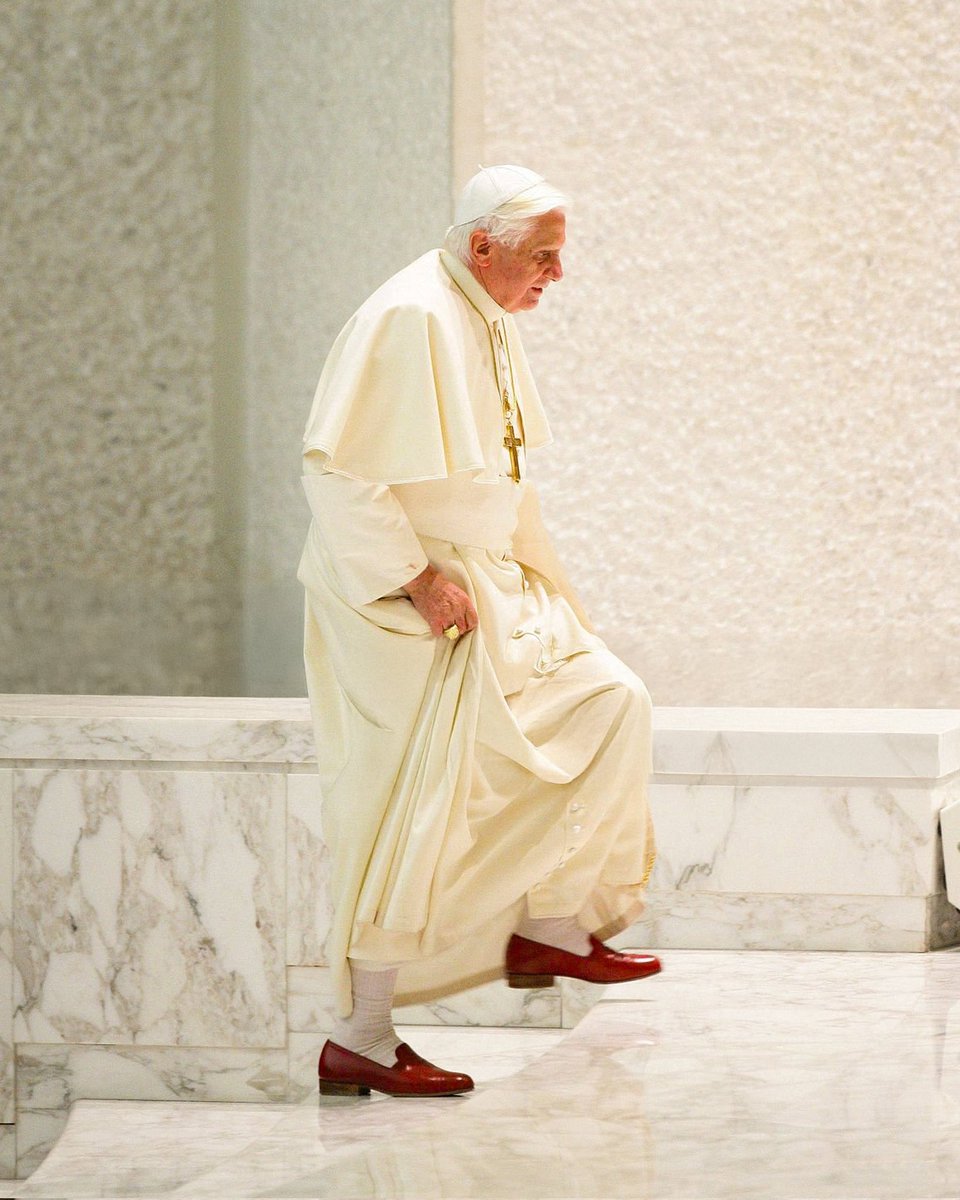
The Vatican has officially begun examining a reported miracle believed to have occurred through the intercession of Pope Benedict XVI — a development that comes as the Church continues advancing his cause for sainthood.
The extraordinary case centers on a young man from Colorado who was diagnosed in 2012 with advanced Hodgkin’s lymphoma. During a general audience in St. Peter’s Square, Pope Benedict XVI placed his hand directly over the area of the tumor and offered a blessing. What happened afterward stunned many: the young man experienced a complete and medically unexplained recovery that doctors could not scientifically explain.
Today, that same young man serves the Church as a Catholic priest.
For many faithful Catholics, this is seen as a powerful reminder that God continues to work through the lives and prayers of His holy servants. Even after his passing, Pope Benedict XVI — remembered as a brilliant theologian, humble shepherd, and defender of truth — continues to inspire countless souls around the world.
Let us pray for wisdom and guidance throughout this investigation, and for the possible glorification of this faithful servant of Christ and His Church.
Meanwhile, support for Pope Benedict XVI’s canonization continues to grow. A lay-led petition urging the Vatican to accelerate his beatification and canonization has already gathered more than 1,900 signatures.
“In the beginning was the Word...” — John 1:1
A verse deeply loved by Pope Benedict XVI, reflecting his lifelong devotion to Sacred Scripture, truth, and the eternal Word of God.
- David Ndukwe
8
539